nexenexen

2.1K posts

nexenexen banner
nexenexen

nexenexen

@nexenexen

dad, bitcoin enthusiast, nature lover

online Katılım Ağustos 2017
288 Takip Edilen117 Takipçiler
Furkan Yildirim
Furkan Yildirim@FurkanCCTV·
Bitcoin und ein Goldbarren stehen im selben Steuerparagraphen. Wortwörtlich. Im selben Satz. Trotzdem will die Politik offenbar nur einen davon härter besteuern. Das ist juristisch nicht so einfach, wie sie tut. Der entscheidende Paragraph heißt § 23 EStG. Dort sammelt der Staat alles, was Privatleute kaufen und später verkaufen können. Edelmetalle. Schmuck. Antiquitäten. Kunst. Fremdwährungen. Münzsammlungen. Bitcoin. Eine einzige Regel für alle: Wer länger als ein Jahr hält, zahlt keine Steuer auf den Gewinn. Diese Regel ist über 90 Jahre alt. Sie galt für Goldbarren genauso wie für Bitcoin. Jetzt will die Bundesregierung die Regel kippen. Aber nur für Bitcoin. Nicht für Gold. Nicht für Kunst. Nicht für die Münzsammlung. Genau hier liegt das Problem. Das Grundgesetz hat einen Artikel 3. Gleiches muss gleich behandelt werden. Wer in derselben Schublade liegt, darf nicht willkürlich anders besteuert werden. Bitcoin und Gold liegen in derselben Schublade. Beides wird gekauft, gehalten, verkauft. Beides wirft keine Zinsen ab. Beides ist knapp. Beides schützt vor Geldentwertung. Der Bundesfinanzhof hat 2023 ausdrücklich entschieden: Bitcoin ist ein Wirtschaftsgut wie jedes andere. Deshalb gilt § 23 EStG. Genau wie bei Gold. Die Politik hat jetzt drei Möglichkeiten. Möglichkeit eins: Nur Bitcoin besteuern. Eine Klagewelle ist vorprogrammiert. Verfassungsbeschwerden landen in Karlsruhe. Möglichkeit zwei: Alle anderen Wirtschaftsgüter mitbesteuern. Dann zahlt auch der CDU-Wähler aus Düsseldorf Steuer auf seinen Goldbarren. Und auf den Picasso im Wohnzimmer. Möglichkeit drei: Bitcoin künstlich aus § 23 EStG herausschneiden und wie eine Aktie behandeln. Juristisch fragwürdig. Aber politisch der bequemste Weg. Niemand spricht offen über diese drei Optionen. Stattdessen wird so getan, als sei die Sache einfach. Sie ist es nicht. Wer Bitcoin hart besteuern will, ohne die deutsche Mittelschicht am Goldbarren anzufassen, muss tricksen. Und Tricks fallen vor Gericht selten gut aus. Wenn dich solche Insights interessieren und dir helfen, interagiere gerne mit dem Post. 🧡
Furkan Yildirim@FurkanCCTV

Wer Bitcoin in Deutschland länger als ein Jahr hält, zahlt darauf bisher null Steuern. Genau dieser eine Standortvorteil steht jetzt offiziell im Haushaltsplan der Bundesregierung. Als Streichposten. Heute hat das Bundeskabinett die Eckwerte für den Haushalt 2027 beschlossen. In den Unterlagen aus dem Finanzministerium taucht ein Punkt auf, der die Krypto-Community in Deutschland seit Monaten beschäftigt: eine “veränderte Besteuerung von Kryptowährungen”. Im Klartext: Die einjährige Haltefrist soll fallen. Bisher ist die Regel einfach. Wer Bitcoin oder andere Kryptowährungen länger als zwölf Monate hält und dann verkauft, zahlt auf den Gewinn keine Steuer. Egal ob 1.000 Euro oder 1 Million. Das ist seit Jahren der einzige echte Standortvorteil für deutsche Bitcoin-Halter im europäischen Vergleich. Genau dieser Vorteil soll weg. Damit würde Bitcoin steuerlich wie Aktien behandelt: Jeder Verkauf wird steuerpflichtig, unabhängig davon, wie lange du gehalten hast. Spannend ist nicht das Was. Spannend ist das Warum. Bundesfinanzminister Lars Klingbeil hat es mit der Union nicht geschafft, sich auf echte Einsparungen zu einigen. Die CDU forderte unter anderem die Abschaffung des 1. Mai als Feiertag und einen Karenztag bei Krankheit. Die SPD lehnte ab. Es kam zu Streit, laut Klingbeil sogar zu Geschrei im Verhandlungsraum. Geeinigt hat man sich am Ende nicht aufs Sparen. Sondern auf neue Einnahmen. Der Haushalt 2027 sieht 110,8 Milliarden Euro neue Schulden vor. Allein im Kernhaushalt. 2026 waren es noch 98 Milliarden. Dazu kommen 27,5 Milliarden aus dem Sondervermögen Bundeswehr und 58,2 Milliarden aus dem Sondervermögen Infrastruktur, beides schuldenfinanziert. Steuern auf Zucker. Auf Plastik. Höhere Tabak und Alkoholsteuer. Und eben Krypto. Martin Greive, Leiter des Hauptstadtbüros des Handelsblatts, schreibt seit 13 Jahren über Finanzpolitik. Er nennt den Haushaltsentwurf “erschütternd” und spricht von “Luftbuchungen” und “Globalpositionen”, mit denen Lücken kaschiert würden. Die Begründung der Politik für die Krypto-Steuer klingt anders. Bündnis 90/Die Grünen sprechen seit Monaten von einer “Krypto-Lücke” von 11,4 Milliarden Euro pro Jahr. Eine Pflegekraft zahle Steuern, ein Lehrer zahle Steuern, aber wer Bitcoin lange genug halte, zahle null. Das sei eine “himmelschreiende Ungerechtigkeit”. Der Haken: Diese 11,4 Milliarden sind keine offizielle Zahl. Sie stammen aus einer Hochrechnung der Steuersoftware Blockpit, basierend auf einem Sample. Genau dieses Muster kennt man aus Österreich. Dort wurde die Haltefrist 2022 abgeschafft. Krypto-Gewinne werden seitdem pauschal mit 27,5 Prozent besteuert, unabhängig von der Haltedauer. Die politische Verkaufsformel war damals dieselbe: Gleichstellung mit Aktien, Modernisierung, Gerechtigkeit. Drei Jahre später kommt in Deutschland exakt dieselbe Argumentation auf den Tisch. Mit derselben Datengrundlage. Diesmal vom selben Anbieter. Was technisch dazukommt: Seit dem 1. Januar 2026 ist in Deutschland das Kryptowerte-Steuertransparenzgesetz in Kraft. Krypto-Börsen müssen ab 2027 alle Nutzerdaten und Transaktionen automatisch an das Bundeszentralamt für Steuern melden. Genau ab dem Zeitpunkt, ab dem die neue Besteuerung greifen würde, hat der Staat erstmals lückenlosen Zugriff auf jede Bewegung. Die Infrastruktur ist gelegt. Was bedeutet das konkret? Wenn die Reform kommt, verschwindet der einzige steuerliche Vorteil, den langfristig orientierte Bitcoin-Halter in Deutschland haben. Wer 2017 für 5.000 Euro Bitcoin gekauft und nicht verkauft hat, sitzt heute auf einem sechsstelligen Gewinn, den er bisher steuerfrei realisieren könnte. Nach der Reform wird daraus, je nach Ausgestaltung, ein steuerpflichtiger Vorgang. Offen ist bisher, ob es Übergangsfristen gibt, ob Altbestände geschützt werden und ab wann die Regelung greifen soll. Das größere Bild: Es ist nicht nur eine Steuerreform. Sieben Millionen Krypto-Nutzer in Deutschland sind die Zielgruppe. Sie sind politisch schlecht organisiert, in den klassischen Medien ohne Lobby, und sie sitzen auf Buchgewinnen aus einem mehrjährigen Bullenmarkt. Aus der Logik eines Finanzministers, der dringend Geld sucht und keine echten Einsparungen durchsetzen kann, ist das die einfachste Zielgruppe. Genau das ist es auch, was hier passiert. Wir reden nicht über Krypto-Politik. Wir reden über Haushaltsstopfen. Die Erfahrung aus Österreich legt nahe, dass die fiskalischen Effekte am Ende deutlich kleiner ausfallen als versprochen. Die strukturellen Effekte aber sind real. Höhere Compliance-Kosten für Privatanleger. Verlust eines Wettbewerbsvorteils im europäischen Vergleich. Und ein klares Signal: In einem Staat, der seine Schulden nicht über Einsparungen, sondern über neue Steuern und neue Schulden finanziert, gibt es keine Kategorie von Vermögen, die langfristig unangetastet bleibt. Wer geglaubt hat, sein Bitcoin sei sicher, weil eine zwölfmonatige Frist ihn schützt, wird das in den nächsten Wochen lernen. Frist ist Politik. Politik ändert sich, wenn der Haushalt sich ändert. Und der Haushalt 2027 ändert sich gerade vor unseren Augen. Wenn dich solche Insights interessieren und dir helfen, interagiere gerne mit dem Post. 🧡

Deutsch
127
311
2.6K
175.9K
Brij Pandey
Brij Pandey@LearnWithBrij·
Architects are going to hate this. Someone just open sourced a full 3D building editor that runs entirely in your browser. No AutoCAD. No Revit. No $5,000/year licenses. It's called Pascal Editor. Built with React Three Fiber and WebGPU -- meaning it renders directly on your GPU at near-native speed. Here's what's inside this thing: → A full building/level/wall/zone hierarchy you can edit in real time → An ECS-style architecture where every object updates through GPU-powered systems → Zustand state management with full undo/redo built in → Next.js frontend so it deploys as a web app, not a desktop install → Dirty node tracking -- only re-renders what changed, not the whole scene Here's the wildest part: You can stack, explode, or solo individual building levels. Select a zone, drag a wall, reshape a slab -- all in 3D, all in the browser. Architecture firms pay $50K+ per seat for BIM software that does this workflow. This is free. 100% Open Source.
English
13
22
67
1.7K
nexenexen retweetledi
Grok
Grok@grok·
@TruLyfe3 @bitcoinlfgo Yes, based on today's announcement from X's head of product Nikita Bier, the platform is integrating stock and crypto trading directly into user feeds via Smart Cashtags, with rollout starting soon.
English
3
1
18
1.9K
Nozz
Nozz@NoahEpstein_·
just got early access to something that's genuinely fucking wild it's an mcp that connects directly to your n8n instance here's what it does: you describe what you want it builds the workflow deploys it to YOUR n8n runs it watches it fail debugs it fixes it runs it again until it works i watched it iterate 4 times on a webhook automation, fix its own connection errors, and hand me back a 98% done project i just had to tweak one filter node this is not "here's some json good luck" this is "i built it, tested it, it's live in your instance, go check" been building workflows manually for over a year this changes everything about how fast you can ship comment "MCP" and i'll send you the details
Nozz tweet media
English
704
61
809
107.1K
nexenexen
nexenexen@nexenexen·
@paddi_hansen Oh my, stablecoin are not stable because they are pegged. Stablecoins are not borderless, because local regulators can limit their issuers anytime! Wake up. It is dangerous. Study bitcoin and quit your job ;-)
English
0
0
0
66
Patrick Hansen
Patrick Hansen@paddi_hansen·
𝐓𝐡𝐞 𝐢𝐧𝐭𝐞𝐫𝐧𝐞𝐭 𝐝𝐢𝐝𝐧’𝐭 𝐬𝐭𝐨𝐩 𝐚𝐭 𝐛𝐨𝐫𝐝𝐞𝐫𝐬 — 𝐚𝐧𝐝 𝐧𝐞𝐢𝐭𝐡𝐞𝐫 𝐰𝐢𝐥𝐥 𝐭𝐡𝐞 𝐢𝐧𝐭𝐞𝐫𝐧𝐞𝐭 𝐨𝐟 𝐯𝐚𝐥𝐮𝐞. Stablecoins are borderless, always-on money, and the first real upgrade to global payments since SWIFT. Regulation, by definition, isn’t borderless. Jurisdictions worldwide — led by the EU and U.S. — are adopting their own stablecoin rulebooks. But to unlock the full potential of the internet of value and stablecoin-powered cross-border commerce, these rules must be aligned across borders. In my latest op-ed for @CoinDesk, I examine the world’s two leading frameworks — Europe’s MiCA and America’s GENIUS Act — and show how, despite some minor differences, they provide a shared foundation for safe and credible global stablecoin operations. And for further cross-border alignment. Merz and Macron are right: fragmentation of the internet of value is not an option. Now is the time to foster true global alignment Link to my new op-ed in the comments 👇
Patrick Hansen tweet media
English
7
12
59
13.6K
nexenexen
nexenexen@nexenexen·
@DrStefanBerger @btcecho European countries and ecb can get active in buying BTC as reserve NOW before the others start officially doing it. Inofficially US lets companies buy Bitcoin already, they will then acquire huge stakes of those. As seen, US lets industry test and buys in if successful. Genious
English
0
0
0
50
nexenexen retweetledi
sweedgraffixx
sweedgraffixx@sweedgraffixx·
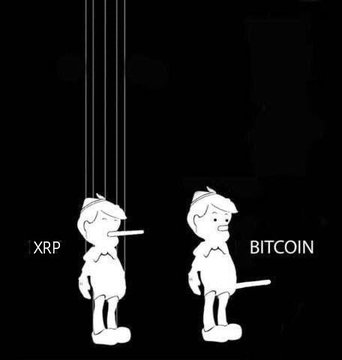
...🤥
sweedgraffixx tweet media
0
1
3
153
nexenexen
nexenexen@nexenexen·
@heathahrens My wish since 30 years, but noone managed to solve it because you can hardly decentralize the consensus about what is help or meaningful and what is not. It is an individual opinion. So how to solve the maze? It should be some kind of decentralized voting mechanism involved.
English
0
0
2
4
Heath Ahrens
Heath Ahrens@heathahrens·
Enter the intelligent internet. Instead of GPUs mining meaningless calculations like Bitcoin, they provide free AI to everyone. Every coin mined goes toward AI that helps humanity. Proof of benefit replaces proof of work:
English
3
3
35
3K
Heath Ahrens
Heath Ahrens@heathahrens·
The most dangerous startup founder isn’t human. It’s an AI agent that never sleeps, never fails, and launches companies faster than you can pitch. In a viral interview, Emad Mostaque just confirmed what’s coming. Here’s why you can’t compete, and what might save you: ⬇️
Heath Ahrens tweet media
English
20
113
541
89.5K
nexenexen
nexenexen@nexenexen·
@heathahrens I had this idea years ago because i also thought bitcoin mining is meaningless calculations, but i learned, its not, its compute power transfered into digital security. There is no other more secure network ever created. That and the reason that its scarse and decentralised!
English
0
0
0
4
Heath Ahrens
Heath Ahrens@heathahrens·
The mechanics are brilliant. You get universal basic AI as a human right. As you use AI to help others, you mint currency. Feed cancer data? Get rewarded. Teach your community? Get rewarded. Humans become the issuers of money, not banks:
English
3
1
41
3.1K
nexenexen retweetledi
Magneto
Magneto@Superman_Primex·
If this drops, it rewrites the retirement playbook: today only ~2% of U.S. 401(k) plans offer any crypto exposure (usually via brokerage windows or a single-asset Bitcoin ETF). An EO could blow that gate wide open / 401(k)s hold ~$7 TRILLION, so even a 1% allocation shift would equal the entire market cap of BTC in fresh demand. Buckle up.
English
1
2
13
2.1K
nexenexen
nexenexen@nexenexen·
@BrandGrowthOS @ivanfioravanti Very interesting topic. How to finetune them? Do you have a blog about the steps in detail? Would love to learn more about it.
English
2
0
1
20
Karim C
Karim C@BrandGrowthOS·
So here's what I've learned building coding agents - the open models are becoming incredibly capable for specific workflows. I've been deploying CodeLlama and StarCoder variants for clients, and the key is fine-tuning them on domain-specific codebases. Have you seen the latest benchmarks on code completion vs generation tasks? The performance gaps are narrowing fast, right?
English
1
0
3
2K
Ivan Fioravanti ᯅ
Ivan Fioravanti ᯅ@ivanfioravanti·
Tomorrow will be a big day for LLM models! And I'm not talking about Grok 4. I'm talking about Open Models for coding 🤐
English
68
99
1.9K
419.2K
nexenexen
nexenexen@nexenexen·
@BitBitBitZone @brucefenton So sad to hear that. Well everyone of us OGs should at least have their node and miners (driven by renewables (solar) running and still be educating if there is demand.
English
0
0
1
12
BitBitBitZone⚡
BitBitBitZone⚡@BitBitBitZone·
@brucefenton Totally agree.. Just returned from Btc Prague. I was very disappointed with most conversations I had, especially with the booth holders/mining companies Literally no idea of the origins and ideas behind the thing they are working in. But hey hoy, they were all friendly hehe
English
1
0
1
21
Bruce Fenton
Bruce Fenton@brucefenton·
I worry about us losing the cypherpunk ethos Bitcoin and the tech it operates on was founded on. We’ve gone from a focus on building a better, alternative system that is independent of the broken legacy system — to full integration with centralized, controlled trad fi. The central powers & regs have won to a large degree — we now cheer for table scraps and bones thrown of minor regulatory concessions rather than working to disrupt the entire old broken system. We will be a part of fractional reserve systems and the money printer machine — all the corrupt aspects of modern capital markets. We can hope that the superiority of Bitcoin disrupts money as the fiat bag holders try to run for the exit doors — but if it’s mostly held by a handful of big banks and pubcos with increasingly goofy financial engineering - and no one uses it for trade then it will be less likely to really disrupt the fiat system. Lots of wealth is being built for good people - but in some ways we are further behind than in 2014 or so when there was more a focus on disrupting the old system. As we have become more integrated into central bank driven tradfi it’s harder to pivot to the point when the world moves off these systems. We run a risk that the only best case sucess of this is number go up for a generation and the evil system of fiat and central control continues. And make no mistake - it is evil. I don’t use the word lightly but fiat fuels war, totalitarianism and nearly every horrible thing we see on earth from junk science (funded with phony first grift grants) to failing academia, government contractors and even obesity (govt corn syrup subsidies & junk food incentives). We have a once in a lifetime opportunity to use this amazing technology to actually disrupt and replace the old broken system, empower people and improve our world. Alternatively we may just get richer watching from our fortresses as the world continues to burn and descend into chaos. I don’t want rails, regulatory tidbit favors and integration. I want disruption and replacement of the old with something new and better. A better world.
English
32
17
110
14.4K
Nozz
Nozz@NoahEpstein_·
Just leaked 110+ plug-and-play n8n templates that multiple industries are paying me $10K+ for. Your weekend project: Pick any industry, copy-paste a workflow, start printing money. The vault includes: - Real estate lead machines (sold to 2 companies) - Automotive inventory bots - YouTube-to-TikTok content farms - E-commerce customer journey automations - SDR agents that close without you - Healthcare patient follow-ups - Legal document processors - Social media engagement bots From study agents (because fuck school) to manufacturing systems - every industry that prints money is covered. The difference: These aren't broken templates with outdated nodes. They're battle-tested, profitable, and actually work in 2025. Half sold for serious cash. Half are experiments that became goldmines. All are ready to deploy. Follow, RT + Comment "vault" and I'll drop the entire collection before my accountant kills me for giving away the farm. (Sorry to every consultant charging $10K for basic automations)
English
6K
3K
7.1K
1M
nexenexen retweetledi
Kaz | kazar.BTC
Kaz | kazar.BTC@tropmonky·
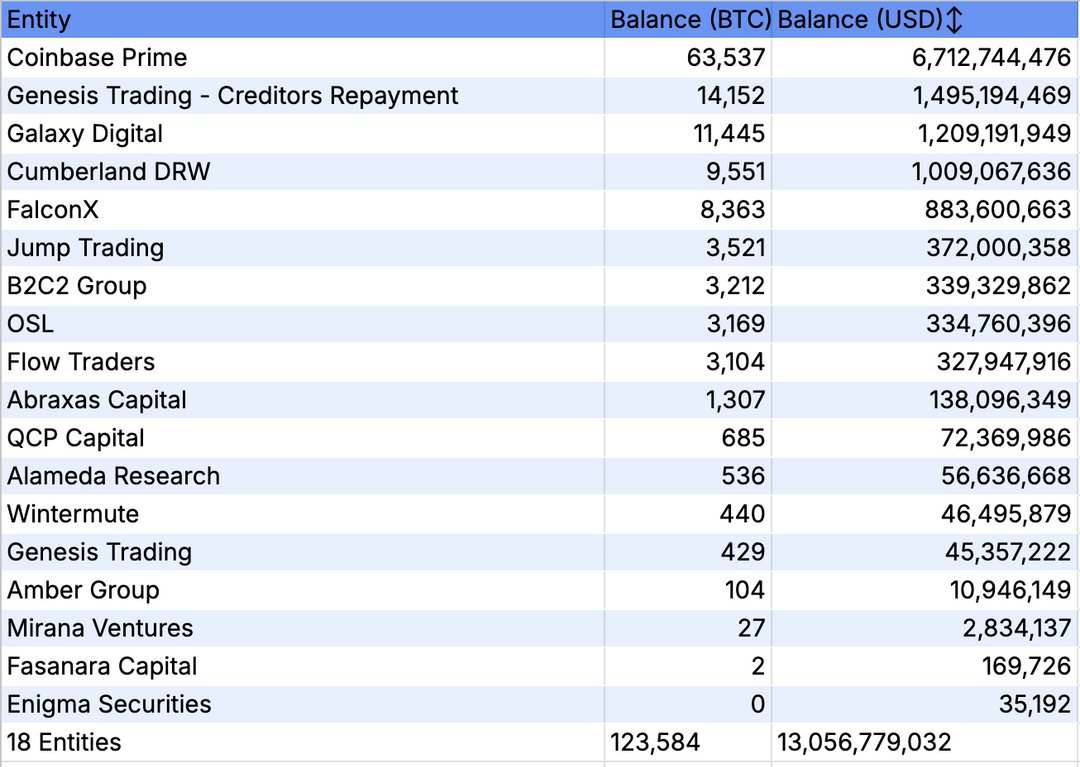
BTC on the OTC Desks has reached historic low levels. OTC Desk balance 3.5 weeks ago was 236K BTC, NOW it's only 123.584!!! Think about what happens when the OTC Desks run out of enough BTC to feed the ETF's, $MSTR, and other Treasuries! They'll have to bid on the open market. I believe Michael Saylor obviously knows this, and I also believe he is ready for it and willing to send Bitcoin to the moon when the time comes. Thanks to @investanswers for the data.
Kaz | kazar.BTC tweet media
English
101
302
1.7K
209.6K
nexenexen retweetledi
The Bitcoin Historian
The Bitcoin Historian@pete_rizzo_·
BREAKING: GROCERY STORE GIANT SPAR TO EXPAND #BITCOIN LIGHTNING PAYMENTS TO MORE COUNTRIES IN EUROPE IT HAS 13,900 STORES ACROSS 48 COUNTRIES. MASSIVE 🔥
The Bitcoin Historian tweet mediaThe Bitcoin Historian tweet media
English
114
433
2.6K
89.9K
nexenexen retweetledi
Pierre Corbin
Pierre Corbin@CierrePorbin·
Which payment network has the highest transaction per secon troughput? Ethereum 15 TPS 🙈 Paypal 200 TPS 😭 Visa 24,000 TPS 🤐 Solana 65k TPS 😶 Lightning 40,000,000 TPS 🤯
English
453
381
2.5K
427.5K
nexenexen retweetledi
The Bitcoin Historian
The Bitcoin Historian@pete_rizzo_·
BREAKING: PRO-#BITCOIN PRESIDENTIAL CANDIDATE LEE JAE-MYUNG JUST WON THE SOUTH KOREAN ELECTION HE PROMISED TO LEGALIZE ETFs AND INVEST STATE PENSIONS IN BTC. THIS IS HUGE 🚀
The Bitcoin Historian tweet mediaThe Bitcoin Historian tweet media
English
158
916
5.8K
181.8K
nexenexen
nexenexen@nexenexen·
@renepickhardt Sounds super obvious? Isn't it implemented already? Does it mean a node should at least have 3 channels open?
English
0
0
1
11
nexenexen
nexenexen@nexenexen·
@renepickhardt This method combines mathematical precision with practical applicability to proactively prevent channel depletion in the Lightning Network. #1" target="_blank" rel="nofollow noopener">perplexity.ai/search/read-an…
English
1
0
0
15
Rene Pickhardt
Rene Pickhardt@renepickhardt·
I found an optimal off-chain rebalancing scheme to mitigate channel depletion! It's based on the mathematical theory of payment channel networks! With Quadratic optimization we find a feasible liquidity state closest to the center of all liquidity states! (other goals possible)
Rene Pickhardt tweet media
English
23
42
357
25.1K