Next Science

736 posts

Next Science banner
Next Science

Next Science

@NextScience

Science • Space • Cosmic Mysteries Explained simply. Follow for what comes next.

Beyond the Observable Katılım Ekim 2021
10.5K Takip Edilen22.8K Takipçiler
Next Science
Next Science@NextScience·
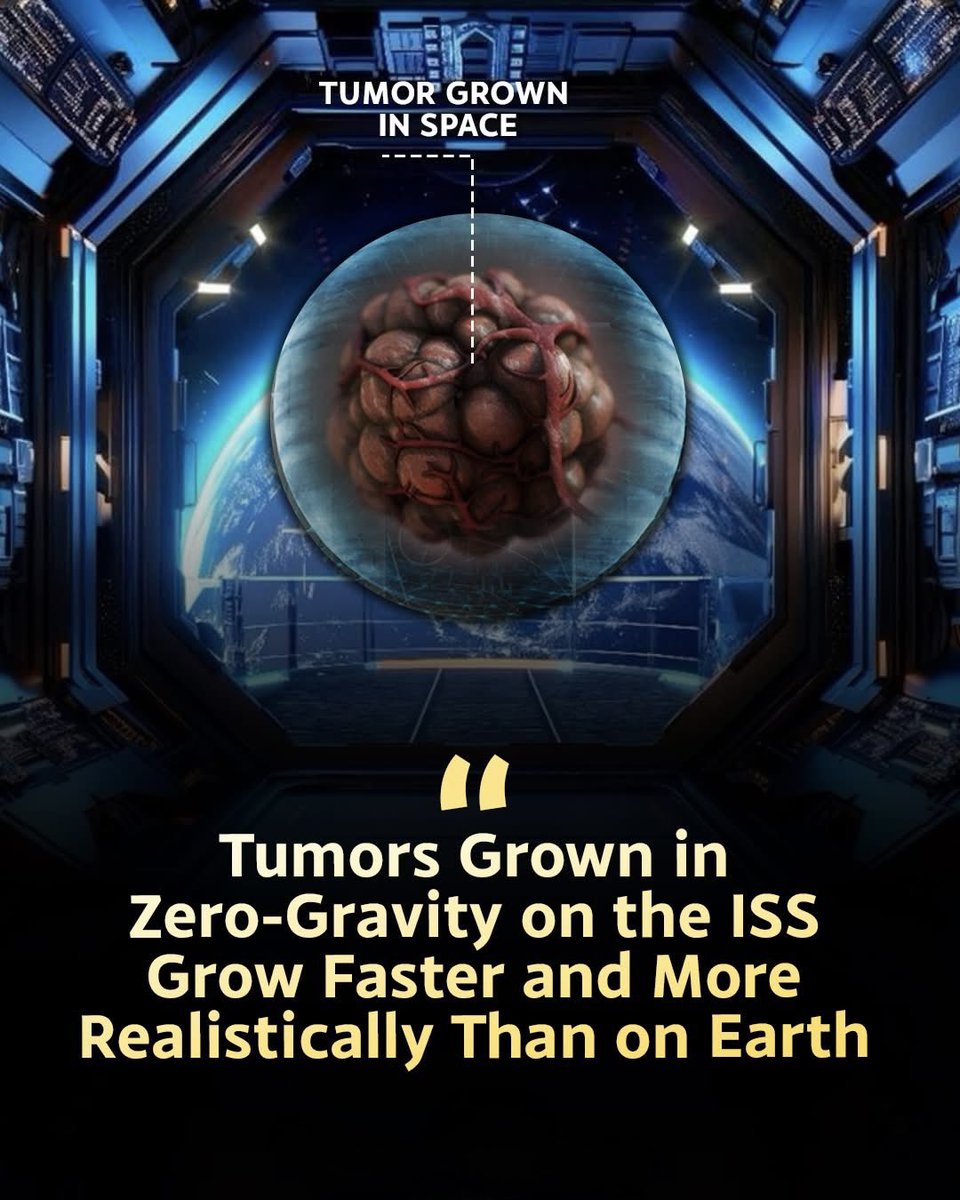
🚨 WHAT SCIENTISTS SAW GROWING IN SPACE LEFT THEM STUNNED… What if the key to understanding cancer isn’t on Earth at all… but floating in space? In a quiet lab aboard the International Space Station, scientists watched something strange happen. Cancer cells, freed from gravity, began to grow in a completely different way. Instead of spreading flat like they do in Earth labs, they formed tiny 3D clusters—almost like real tumors inside the human body. At first, it looked like they were growing faster… more aggressively… more alive. But here’s the twist. It’s not just about speed. In space, these cells behave more realistically than ever before. They interact, connect, and develop in ways that closely mimic how tumors grow inside us. It’s like scientists are finally seeing cancer’s true form—unfiltered and up close. And that could change everything. Because if we understand how cancer really grows… we might finally learn how to stop it. But the mystery remains: what else could space reveal about the diseases we still don’t fully understand? Source 
National Aeronautics and Space Administration. Microgravity and Cancer Research on the International Space Station.
Next Science tweet media
English
0
0
6
277
Next Science
Next Science@NextScience·
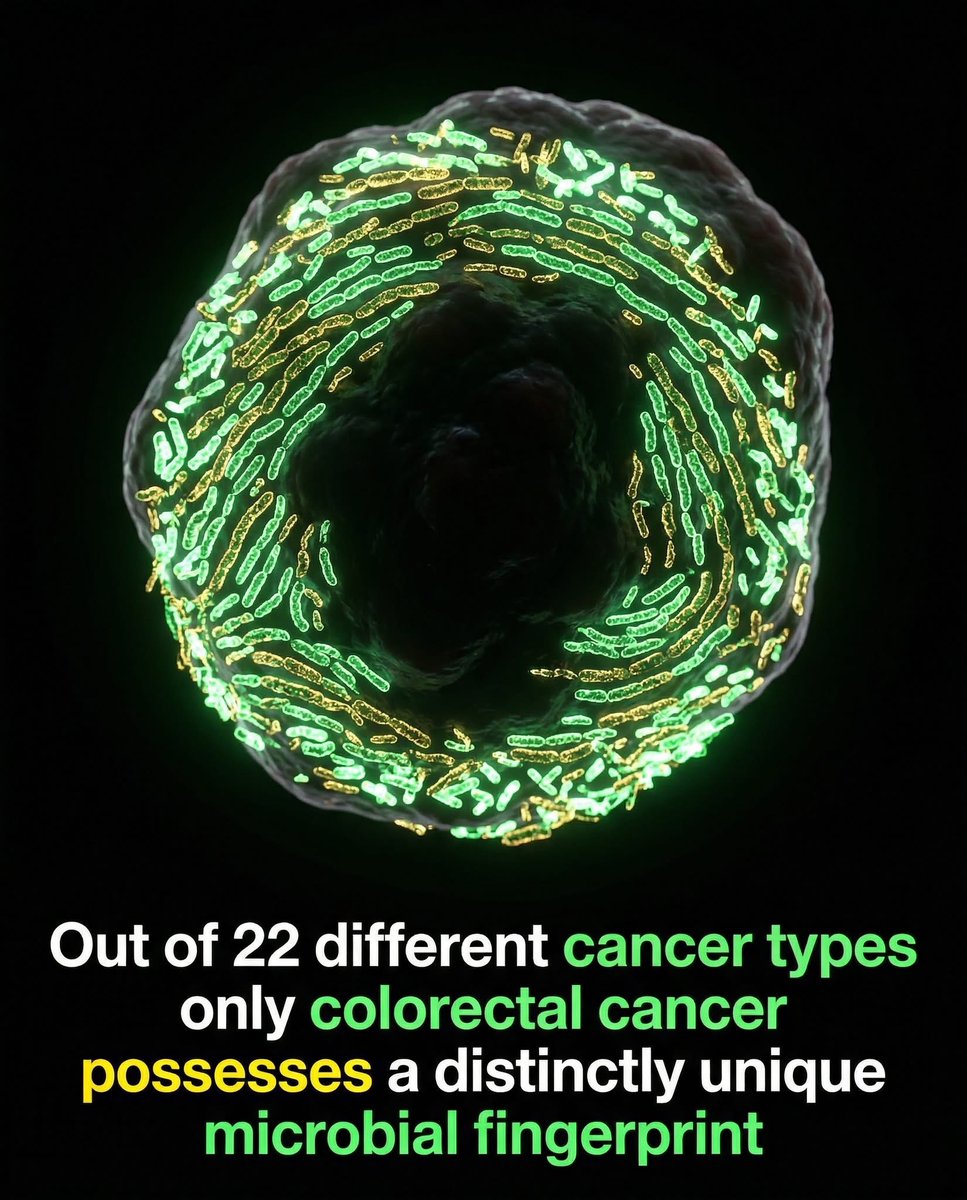
🚨 BREAKING: Scientists Discover Cancer’s Hidden Microbial Code! Out of 22 different types of cancer, only colorectal cancer carries a unique microbial “fingerprint.” Researchers studied over 11,700 tumor samples and found that this tiny microbial signature could help identify colorectal cancer in ways never seen before. Every other cancer type? Their microbes were too mixed to reveal a distinct pattern. Could this microscopic clue become a game‑changer for early detection? Scientists say it might — and it’s hiding right inside the DNA tests hospitals already run. Source: University of East Anglia. (2026, April 1). What’s hiding inside colon cancer could change treatment. ScienceDaily.
Next Science tweet media
English
2
16
52
1K
Next Science
Next Science@NextScience·
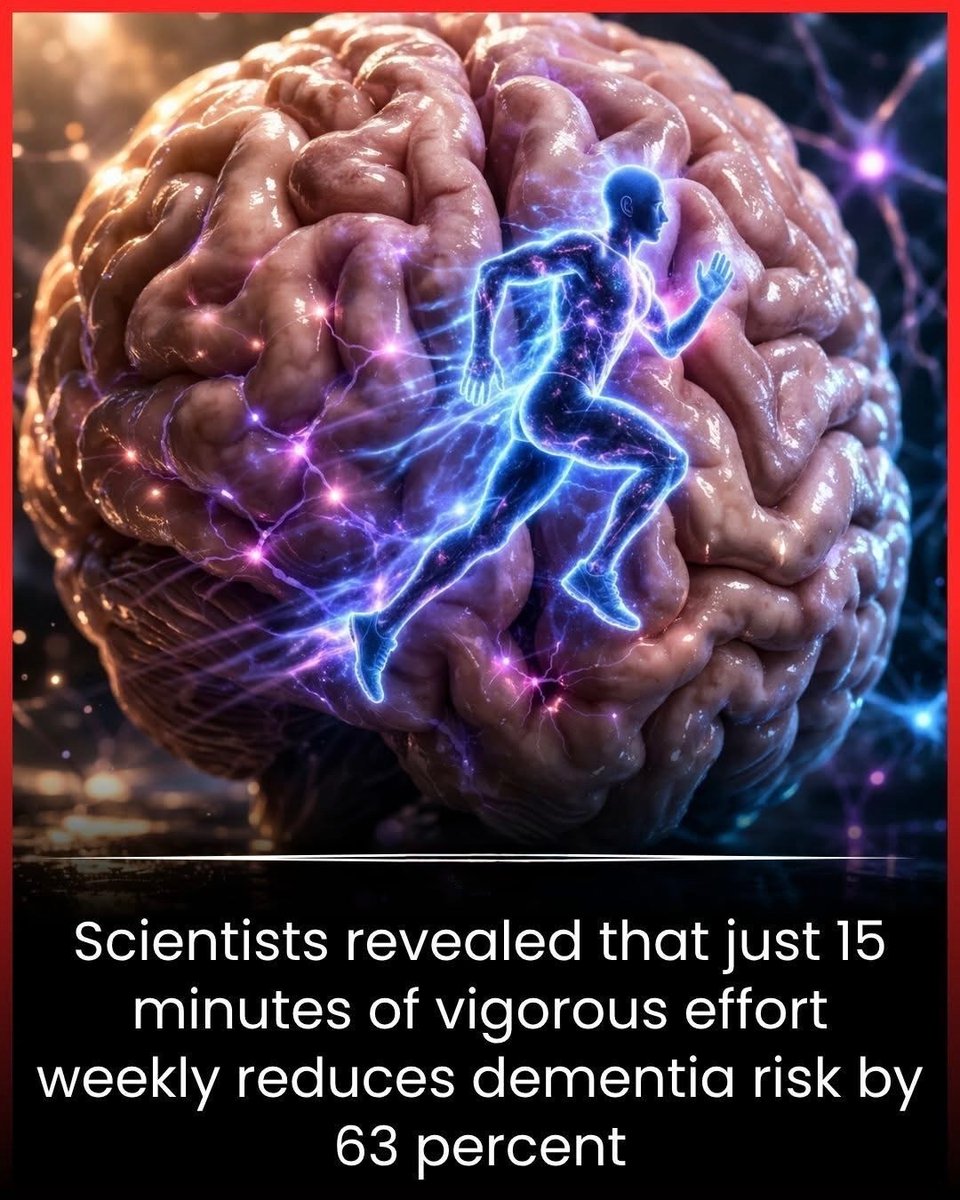
🧠 Just 15 Minutes Could Protect Your Brain… Scientists have discovered that just 15 minutes of intense, heart-pumping activity each week is linked to a 63% lower risk of developing dementia. That’s less than half an episode of your favorite show—but the impact on your brain could be enormous. The secret isn’t just long workouts or expensive gyms—it’s short bursts of vigorous effort, enough to make you breathe harder and feel alive. People who managed this small routine saw their brains stay sharper and healthier as they aged. Could this tiny habit be the key to protecting your mind? Don’t wait. Your brain might thank you sooner than you think. Source: People First Info. Short bursts of hard exercise each day can slash risk of major diseases
Next Science tweet media
English
1
24
82
1.6K
Next Science
Next Science@NextScience·
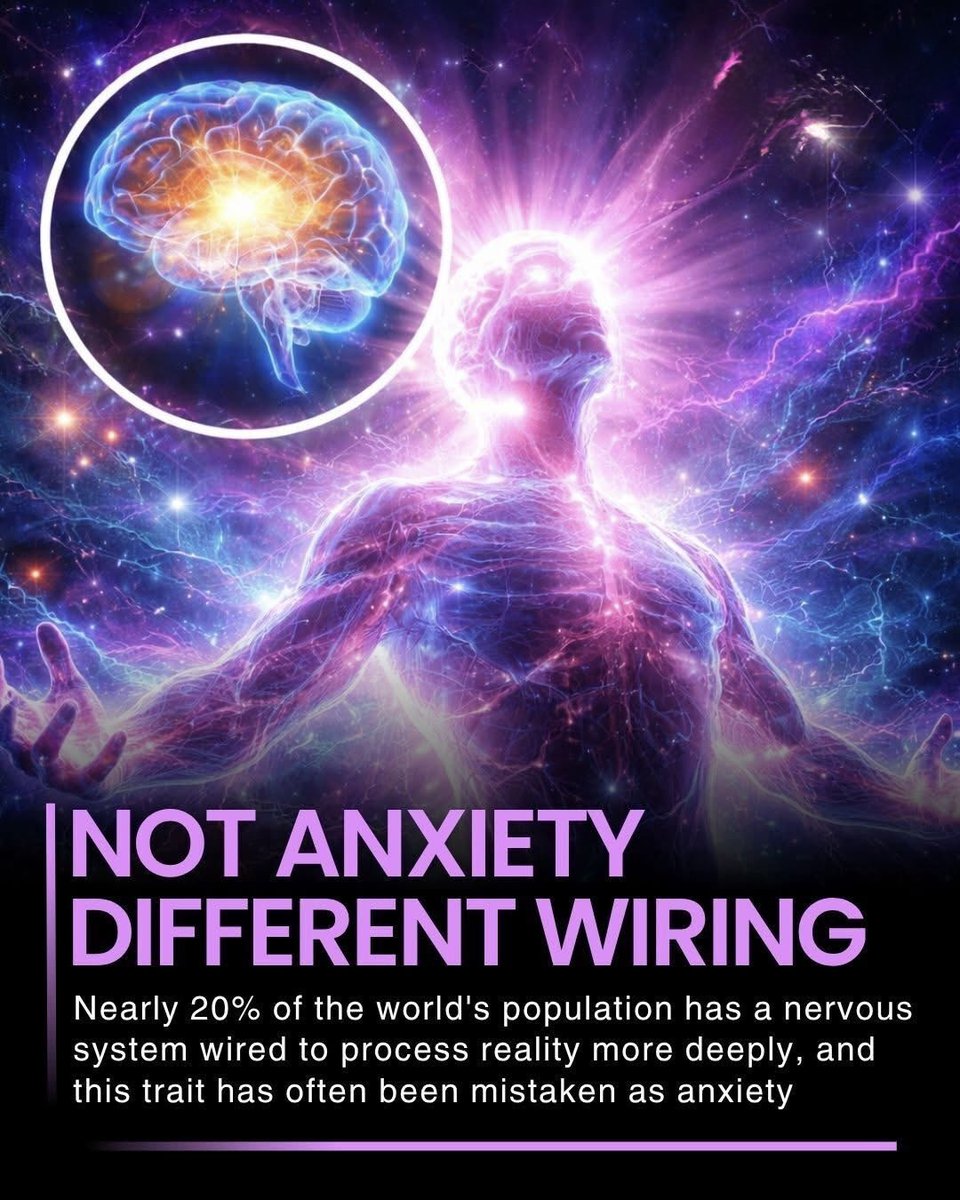
🧠 It’s NOT Anxiety… So Why Does It Feel Like It? What if the thing you’ve been calling anxiety… isn’t anxiety at all? Imagine walking into a room and instantly feeling everything — the noise, the tension, even the mood of people around you. Your mind doesn’t just see the world… it *dives deep into it*. You notice small details others miss. You think more, feel more, and sometimes… it gets overwhelming. For nearly 1 in 5 people, this isn’t a disorder. It’s a different kind of wiring. Psychologists call this trait “high sensitivity.” It means your brain processes information more deeply than most. But here’s where it gets confusing — this deep thinking can look like overthinking… this awareness can feel like worry… and this emotional depth can be mistaken for anxiety. So people are often told something is “wrong” with them… when in reality, they may just experience the world more intensely. But here’s the truth: sensitivity is not weakness. It’s a different lens. One that can feel heavy at times… but also sees beauty, meaning, and connection others might never notice.Maybe the question isn’t “What’s wrong with me?” Maybe it’s… “What if I’m wired differently?” Source Aron, E. N. *The highly sensitive person: How to thrive when the world overwhelms you*.
Next Science tweet media
English
8
37
88
2K
Next Science
Next Science@NextScience·
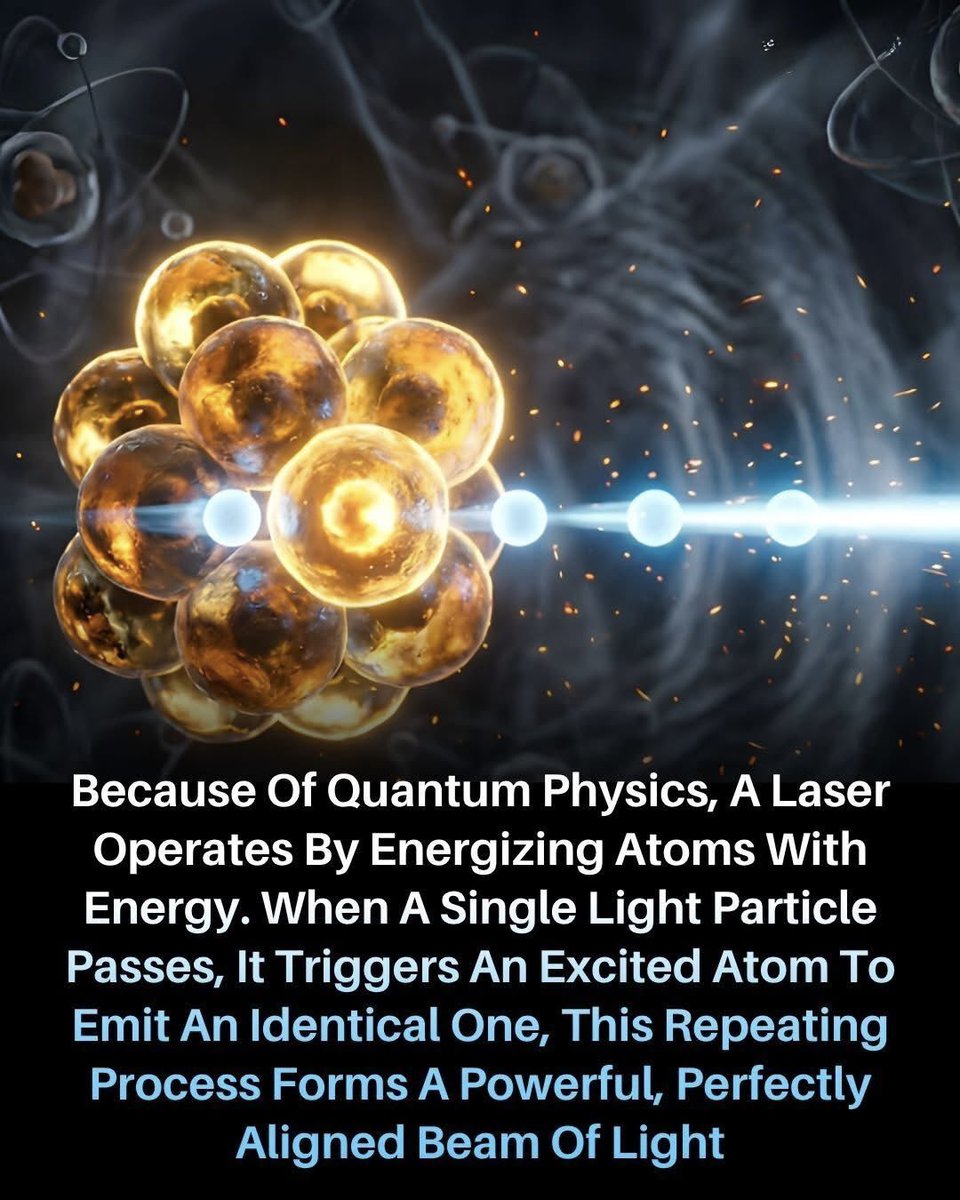
⚡️ This Tiny Beam of Light Is Hiding a Mind-Blowing Secret What if one particle of light could copy itself… perfectly? Inside a laser, atoms are filled with energy, just waiting. Then a single particle of light passes by — and suddenly, an atom releases another light particle that is exactly the same. Not similar… identical. Then it happens again. And again. In seconds, a chain reaction builds a powerful, perfectly straight beam — all the light moving together like it’s synchronized. It sounds unreal… but it’s quantum physics. Next time you see a laser, remember:
it’s not just light — it’s light cloning itself. Source 
Einstein, A. On the Quantum Theory of Radiation.
Siegman, A. Lasers. University Science Books.
Next Science tweet media
English
4
14
50
1K
Next Science
Next Science@NextScience·
🚨 Your Y Chromosome Is Racing Against Time… And Evolving Faster Than You Think! Scientists have discovered something shocking about human DNA: the Y chromosome — the one that makes a male… male — is evolving much faster than the X chromosome. Unlike the X, which swaps genes between chromosomes, the Y mostly travels alone from father to son. This means it accumulates changes quickly, losing some genes while creating new twists that affect fertility and even disease risk. Could this tiny chromosome be shaping the future of humanity in ways we never imagined? One thing is clear: your Y has a story that’s still unfolding… and it’s faster than you think. Source: Skaletsky, H., Kuroda-Kawaguchi, T., Minx, P. J., et al. Human Y chromosome sequence and biology. Nature, 423, 825–837.
Next Science tweet media
English
5
25
83
1.9K
Next Science
Next Science@NextScience·
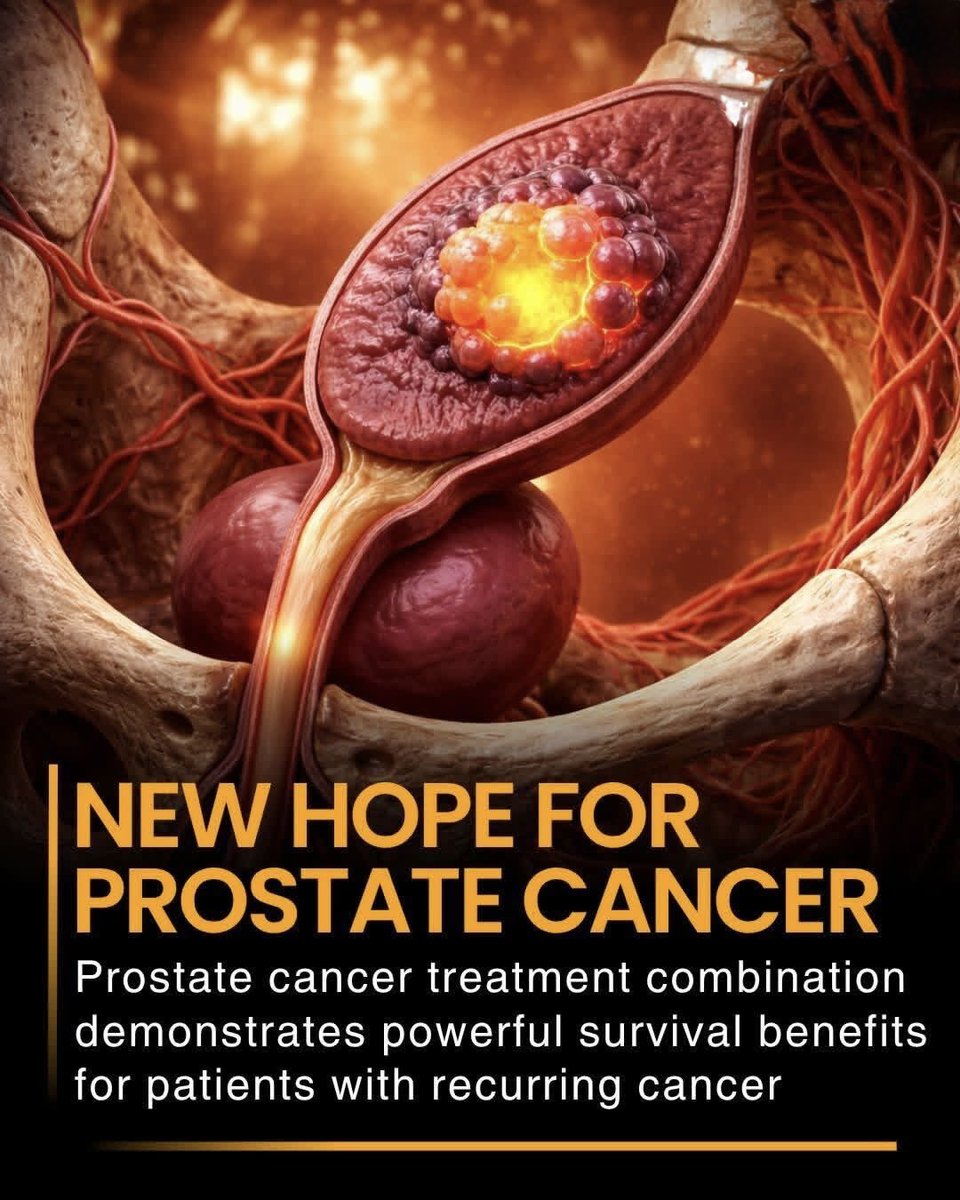
🚨 CANCER BREAKTHROUGH? THIS TREATMENT COMBO IS TURNING HEADS… What if the secret isn’t one treatment… but the right mix? New research shows that combining therapies like hormone therapy (androgen deprivation therapy) with targeted drugs (such as androgen receptor inhibitors) or radiation therapy may help prostate cancer patients live longer, especially when the cancer returns. Doctors are now using these combinations to hit the cancer from multiple angles — slowing it down more effectively than a single treatment alone. It’s not a cure for everyone… but for many, it’s a powerful new chance. Hope is growing — and it’s real. Source 
National Cancer Institute. Combination therapies for recurrent prostate cancer improve survival.
Next Science tweet media
English
3
26
77
2K
Next Science
Next Science@NextScience·
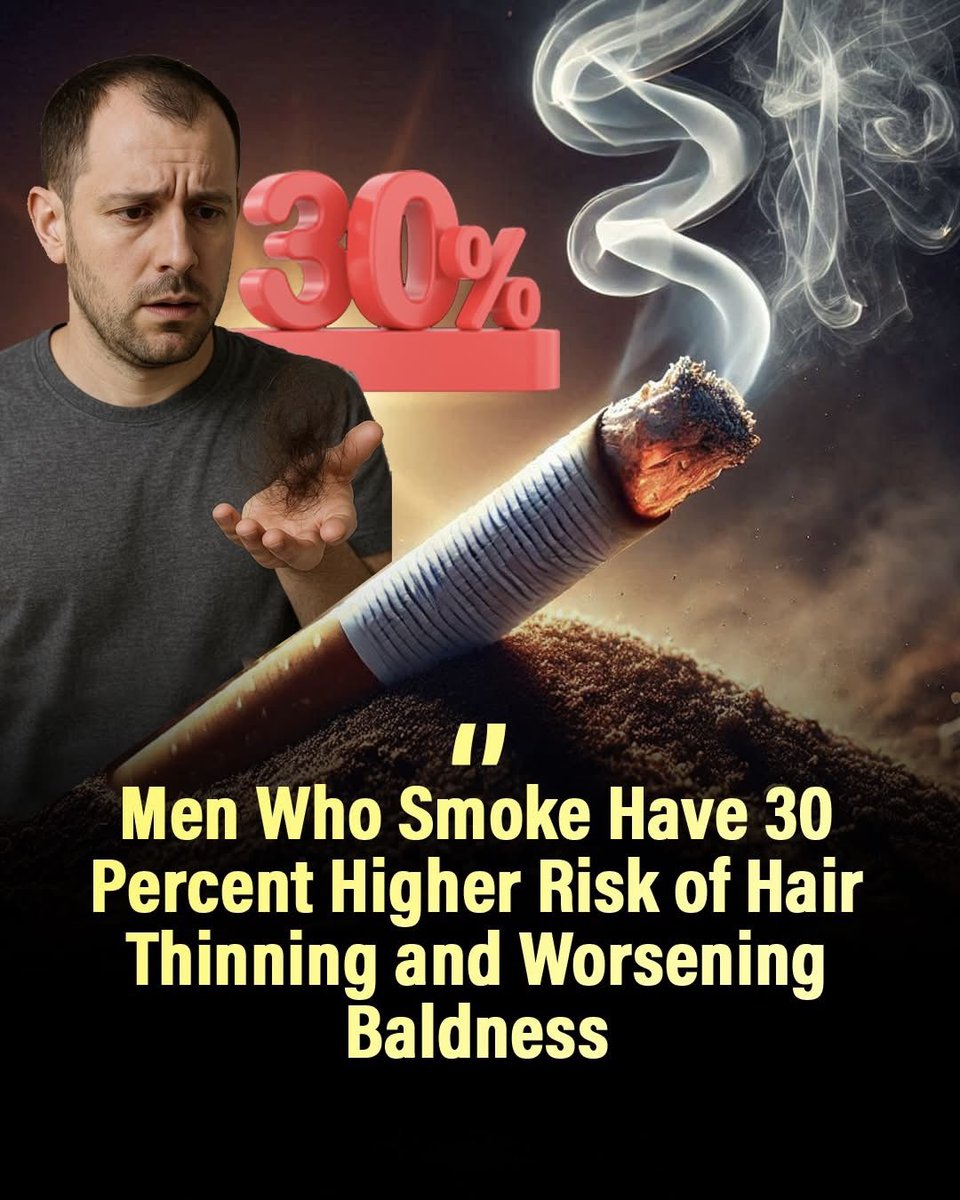
🚨 THIS ONE HABIT MAY BE QUIETLY CAUSING YOUR HAIR LOSS… It starts so small… you almost ignore it. A few extra hairs on your pillow. A thinner spot in the mirror. You tell yourself it’s normal. But what if it’s not just genetics? Studies suggest men who smoke may have a higher risk of hair thinning and faster baldness. Smoking quietly reduces blood flow to your scalp, weakening hair from the root. No warning. No pain. Just slow, steady change. And by the time you notice… it may already be too late. Source 
Trueb, R. M. Association between smoking and hair loss: Another opportunity for health education against smoking?Dermatology
Next Science tweet media
English
0
7
21
1.1K
Next Science
Next Science@NextScience·
🧠 YOUR BRAIN IS LIED TO… SEE COLORS THAT AREN’T THERE! At first glance, it looks like a colorful masterpiece. But here’s the twist — the photo is actually black and white. An artist simply added faint grid lines, and your brain did the rest. Somehow, it fills in colors that don’t exist, tricking you into seeing a rainbow where there is none. This isn’t magic — it’s your brain working overtime, guessing what should be there. Every time you look, it feels real… even though it’s all an illusion. Can you trust what you see? Source: Spillmann, L., & Werner, J. S. (n.d.). Visual perception and illusions. Oxford University Press.
Next Science tweet media
English
4
12
35
1.2K
Next Science
Next Science@NextScience·
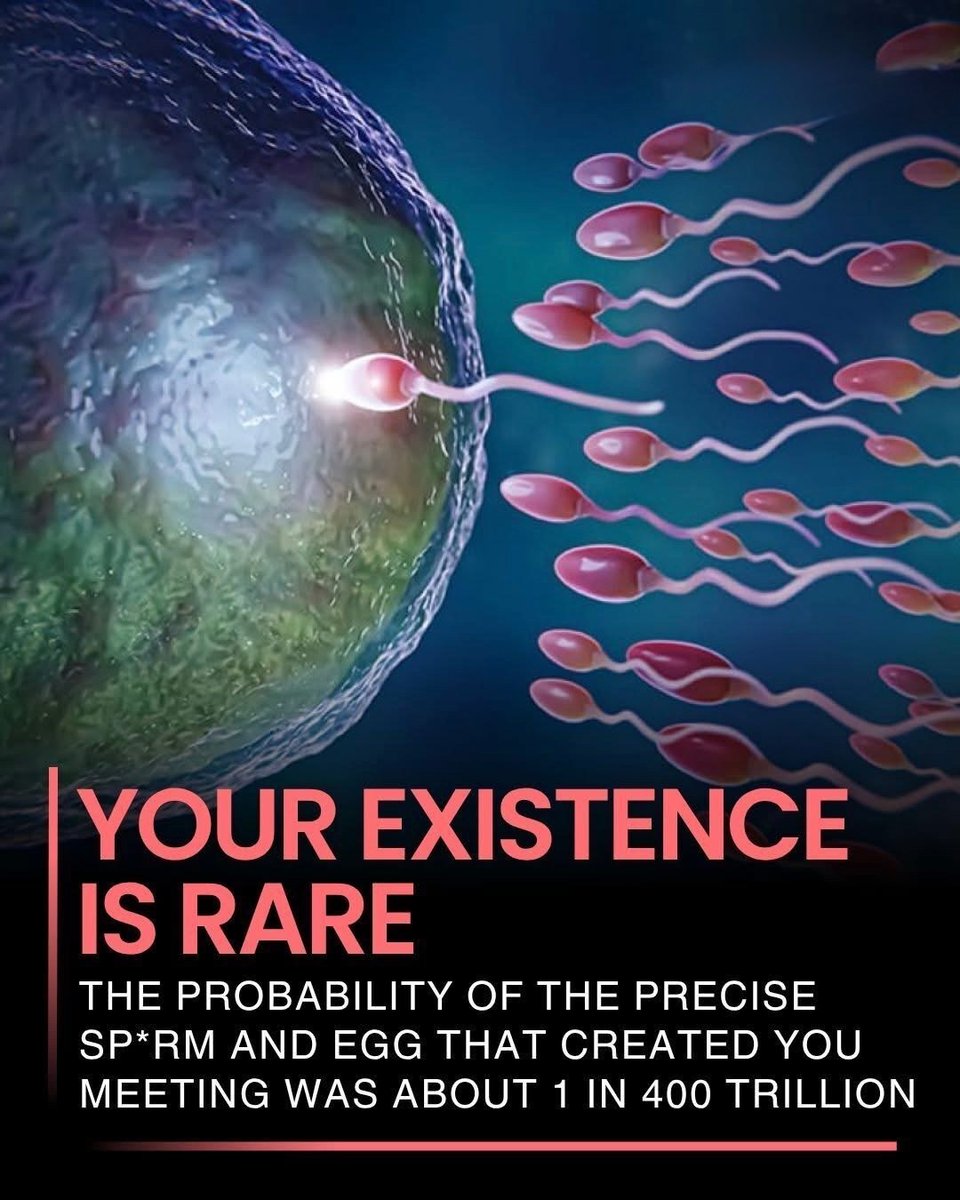
🌌 You Were Almost Never Here… Stop for a second and think about this: the very sperm and egg that created you had to meet in the vast sea of possibilities. Out of hundreds of millions of sperm, only one won. Then consider the chain of your parents, grandparents, and all your ancestors—each step a miracle of chance. Scientists estimate the odds of you existing exactly as you are is around 1 in 400 trillion. That means every laugh, every thought, every heartbeat is the result of a cosmic roll of the dice. Your life is rarer than a diamond falling from the sky… and somehow, here you are. Source: Mackintosh, N. Child development and genetics
Next Science tweet media
English
7
25
86
1.9K
Next Science
Next Science@NextScience·
🧠 This Simple Habit Could Rewire Your Brain… Forever What if focusing on the good could actually change the way your brain works? Scientists have discovered a mind-blowing truth: when you pay attention to positive moments, your brain rewires itself to notice more good things automatically. It’s not magic—it’s called neuroplasticity, the brain’s natural ability to reorganize and strengthen itself. Imagine training your mind like a muscle, where small daily habits make happiness and optimism easier to find. But here’s the twist… it doesn’t happen overnight. The longer you practice, the more your brain begins to seek the good on its own. Could this simple shift be the key to living a brighter, more joyful life? Source: Doidge, N.The Brain That Changes Itself: Stories of Personal Triumph from the Frontiers of Brain Science.
Next Science tweet media
English
7
53
190
3.2K
Next Science
Next Science@NextScience·
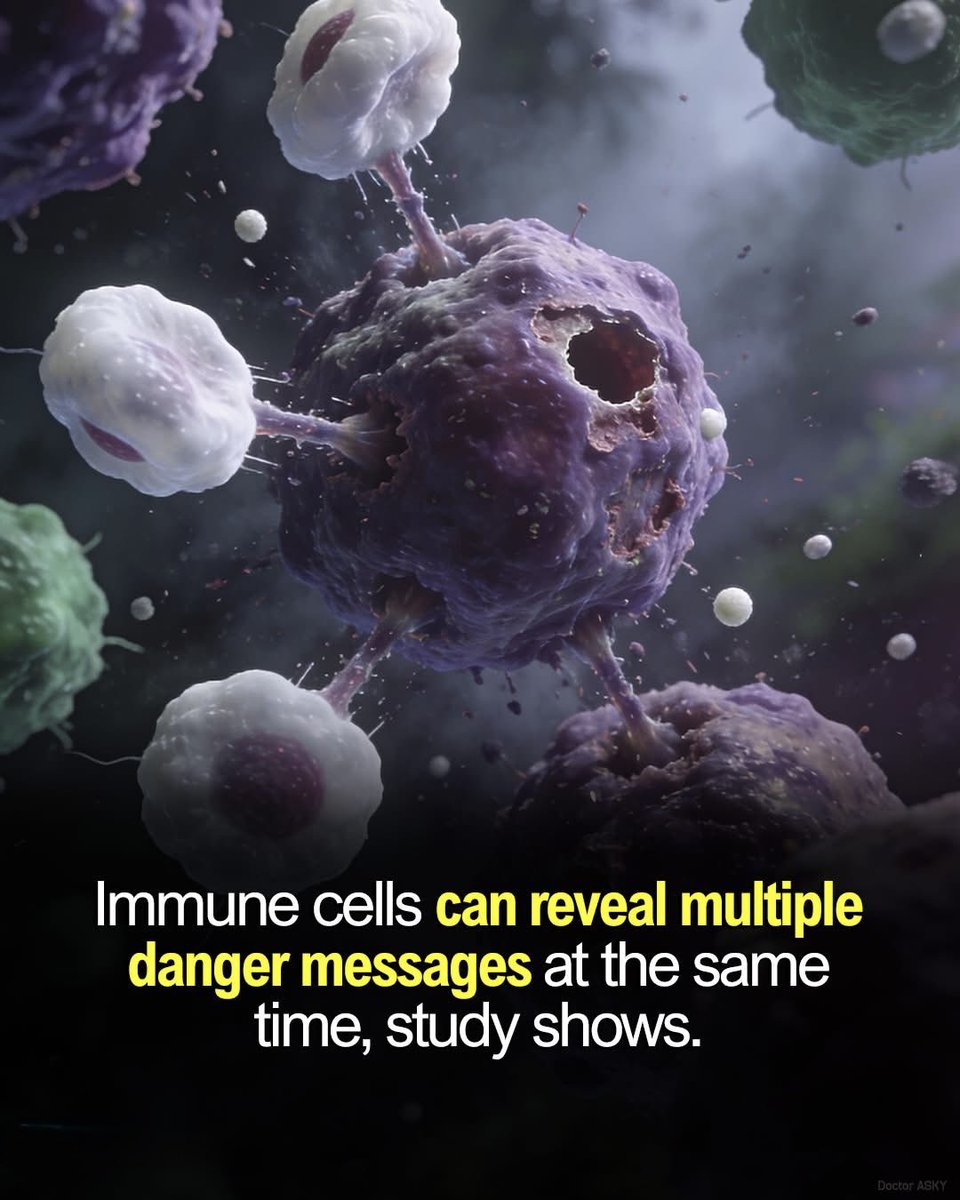
⚠️ Your Body Is Hearing More Than One Danger Signal… At The Same Time What if your body isn’t just reacting to one threat… but listening to MANY at once? Scientists have uncovered something surprising about your immune system. The cells that protect you don’t just wait for a single warning sign. They can detect multiple danger signals at the same time… and instantly decide how serious the threat really is. Imagine this: bacteria, stress, and damaged cells all sending signals together. Instead of getting confused, your immune system actually becomes smarter. It combines these messages like clues in a mystery… then launches the exact response your body needs.This hidden ability may explain why some illnesses suddenly become severe… and why others are stopped before you even notice them. Your body isn’t just reacting.
It’s analyzing.
It’s deciding.
It’s protecting you in ways we’re only beginning to understand. And the most surprising part?
Scientists are just now realizing how powerful—and complex—this system really is. Source 
Stanford University. Immune response inside cells reveals new inflammation mechanisms.
Next Science tweet media
English
3
18
81
1.6K
Next Science
Next Science@NextScience·
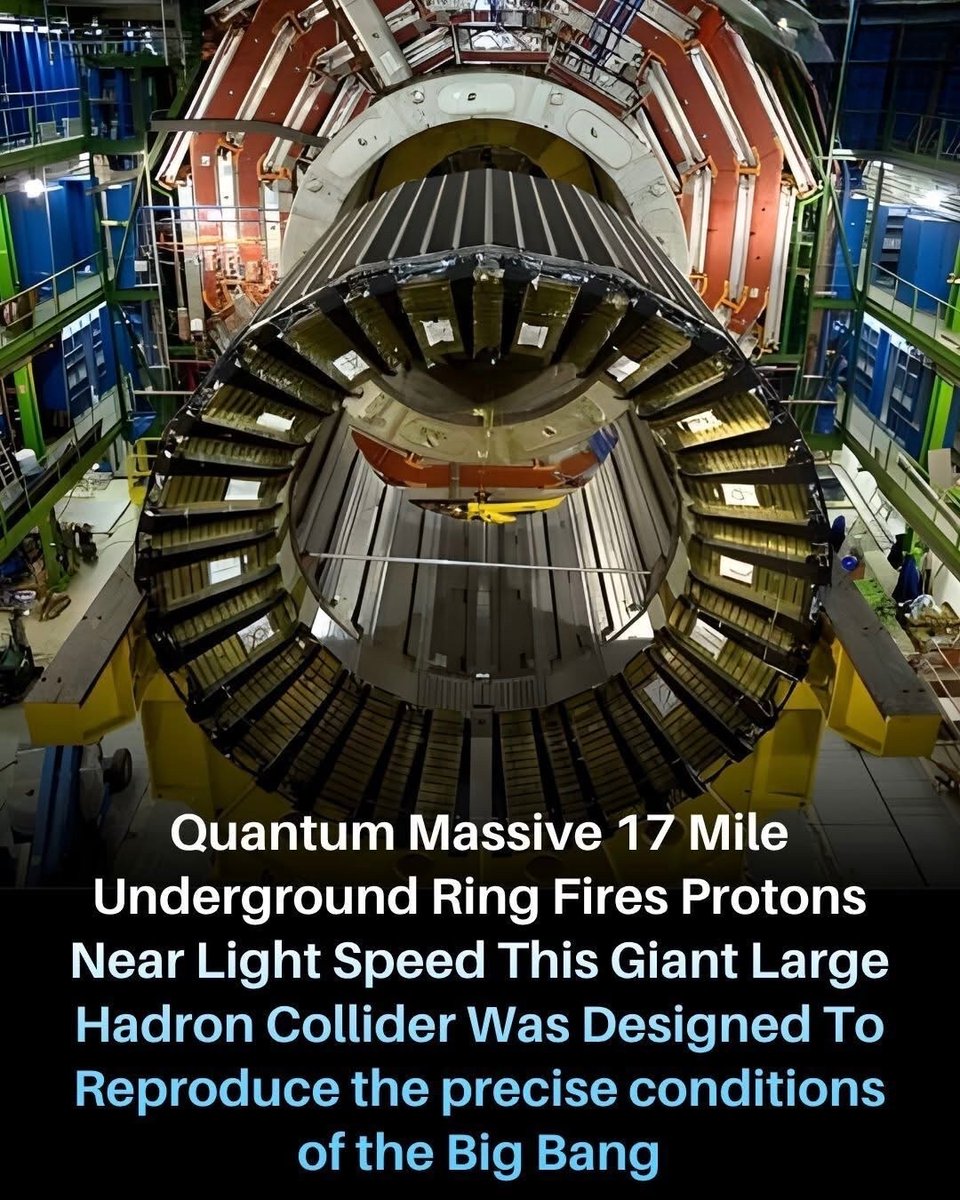
🌌 Inside the 17-Mile Machine That Mimics the Birth of the Universe Deep beneath the border of Switzerland and France lies a 17-mile underground ring that seems straight out of science fiction. Inside, protons are accelerated to almost the speed of light, crashing into each other with unimaginable energy. This isn’t just a giant experiment—it’s humanity’s attempt to peek back in time to the very first moments after the Big Bang. Scientists hope these collisions will reveal the secrets of the universe itself, from invisible particles to forces that shaped everything we see. Imagine a machine so powerful it can recreate conditions that haven’t existed in 14 billion years. And it’s happening right now, beneath our feet… Source: CERN. (n.d.). Large Hadron Collider.
Next Science tweet media
English
4
5
17
967
Next Science
Next Science@NextScience·
⚠️ This Was Supposed to Be a Failed Experiment… But It Changed Everything A small mistake in a Cambridge lab… and suddenly, something impossible happened. Scientists were trying one thing — but instead, they discovered a completely new way to change drug molecules using just light. No toxic chemicals. No complicated steps. Just a simple reaction triggered by LED light. This means future medicines could be adjusted at the last moment — making them safer or stronger — without starting over.The most shocking part? This breakthrough wasn’t planned. It was an accident.Sometimes, science doesn’t move forward step by step… It jumps — when no one is expecting it. Source University of Cambridge. Accidental discovery reveals new light-driven method for modifying drug molecules*.
Next Science tweet media
English
6
22
67
1.6K
Next Science
Next Science@NextScience·
🚨 JUST IN: Brain-to-Brain Messaging Is Now a Reality For the first time, humans have successfully shared messages with each other using nothing but their brain activity—no phones, no speech, no typing. Even more astonishing, this connection worked across a distance of 50 miles. This breakthrough suggests a future where thoughts themselves could become a form of communication. What once sounded like science fiction is slowly stepping into the real world.
Next Science tweet mediaNext Science tweet media
English
41
119
463
20.4K
Next Science
Next Science@NextScience·
🧠 A Single Enzyme Could Destroy a Child’s Mind… But How? Scientists have discovered something shocking: a tiny flaw in just one enzyme can trigger neurons in a child’s brain to collapse. This rare mutation disables a protective protein, letting harmful chemicals silently attack brain cells. The result? Rapid, devastating childhood dementia that can appear seemingly out of nowhere. Imagine your brain’s defenses suddenly failing — and there’s nothing you can see until it’s too late. Researchers say this is one of the clearest examples yet of how a single microscopic change can change an entire life. Could this discovery help unlock future treatments — or does it reveal how fragile our brains really are? The mystery is only beginning. Source: ScienceDaily. (n.d.). Single enzyme flaw triggers neuron collapse in childhood dementia.
Next Science tweet media
English
4
12
40
1.3K
Next Science
Next Science@NextScience·
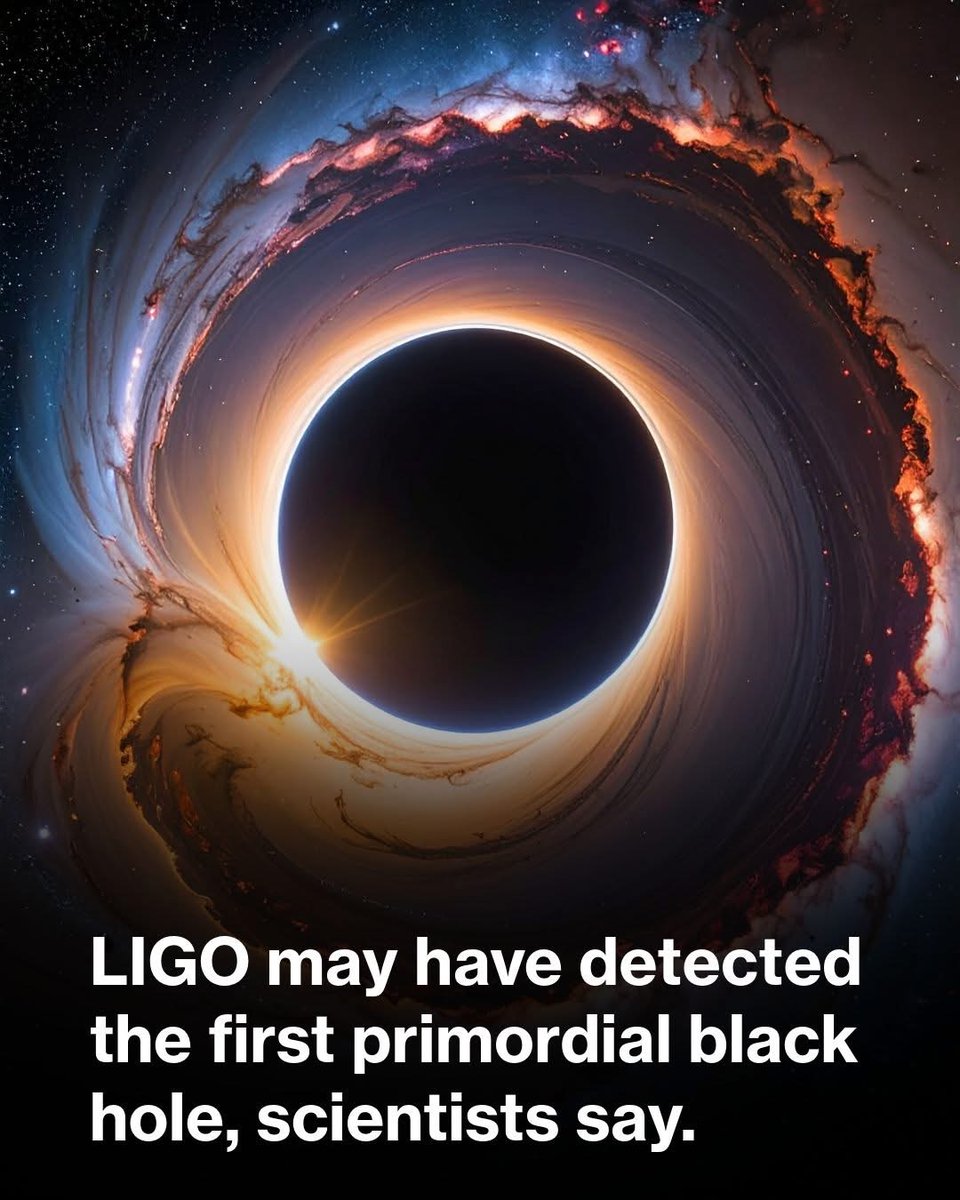
🚨 Could This Be the First Primordial Black Hole Ever Detected? Scientists may have just glimpsed something from the very dawn of the universe. LIGO, the giant observatory that “listens” to ripples in space-time, picked up a strange signal unlike anything seen before. One of the objects in a cosmic collision was smaller than our Sun—something that shouldn’t even exist according to what we know about stars. Could this be a primordial black hole, a mysterious relic from the first moments after the Big Bang? If confirmed, it would rewrite everything we thought we knew about the universe’s earliest history. The discovery isn’t official yet, but the hints are sending shockwaves through the world of astrophysics. The universe may be hiding secrets far stranger than we ever imagined… Source: ScienceAlert. LIGO may have detected the first primordial black hole, scientists say.
Next Science tweet media
English
1
12
35
1.1K
Next Science
Next Science@NextScience·
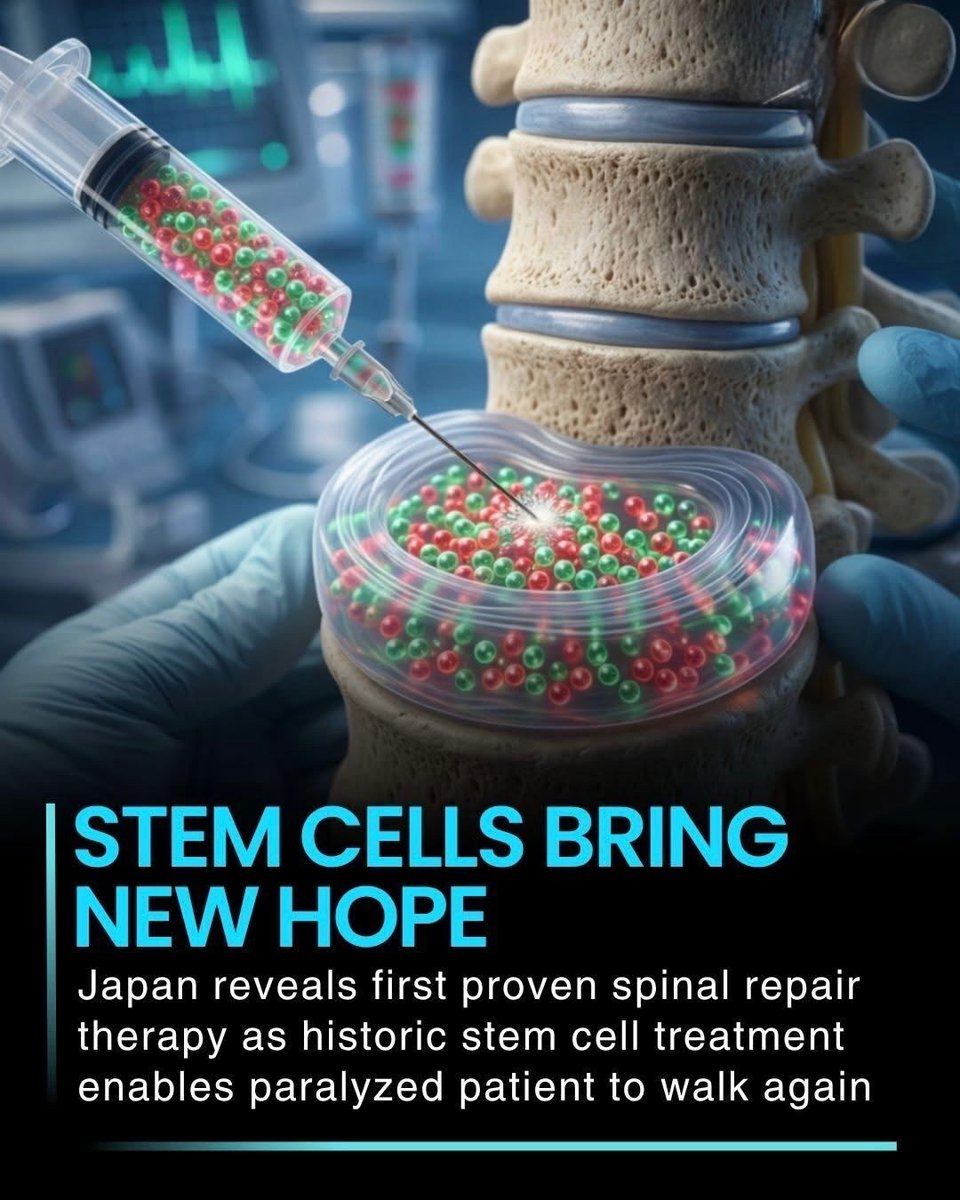
🚨Paralyzed Man Walks Again — Could This Change Everything? Imagine lying in a hospital bed, unable to move your legs… and then, one day, standing up. That’s exactly what happened in Japan, where scientists have used reprogrammed stem cells to help a paralyzed patient walk again. It sounds like science fiction, but this is real. Researchers carefully placed stem cells into the patient’s spine, and over time, nerves began to repair themselves. The result? Steps that were once impossible became possible. Could this be the first real step toward curing paralysis? Experts warn it’s early days, but the potential is breathtaking. A historic moment in medicine is unfolding… and the world is watching. Source: Nature. (n.d.). Paralysed man stands again after receiving ‘reprogrammed’ stem cells.
Next Science tweet media
English
13
132
336
7.3K
Next Science
Next Science@NextScience·
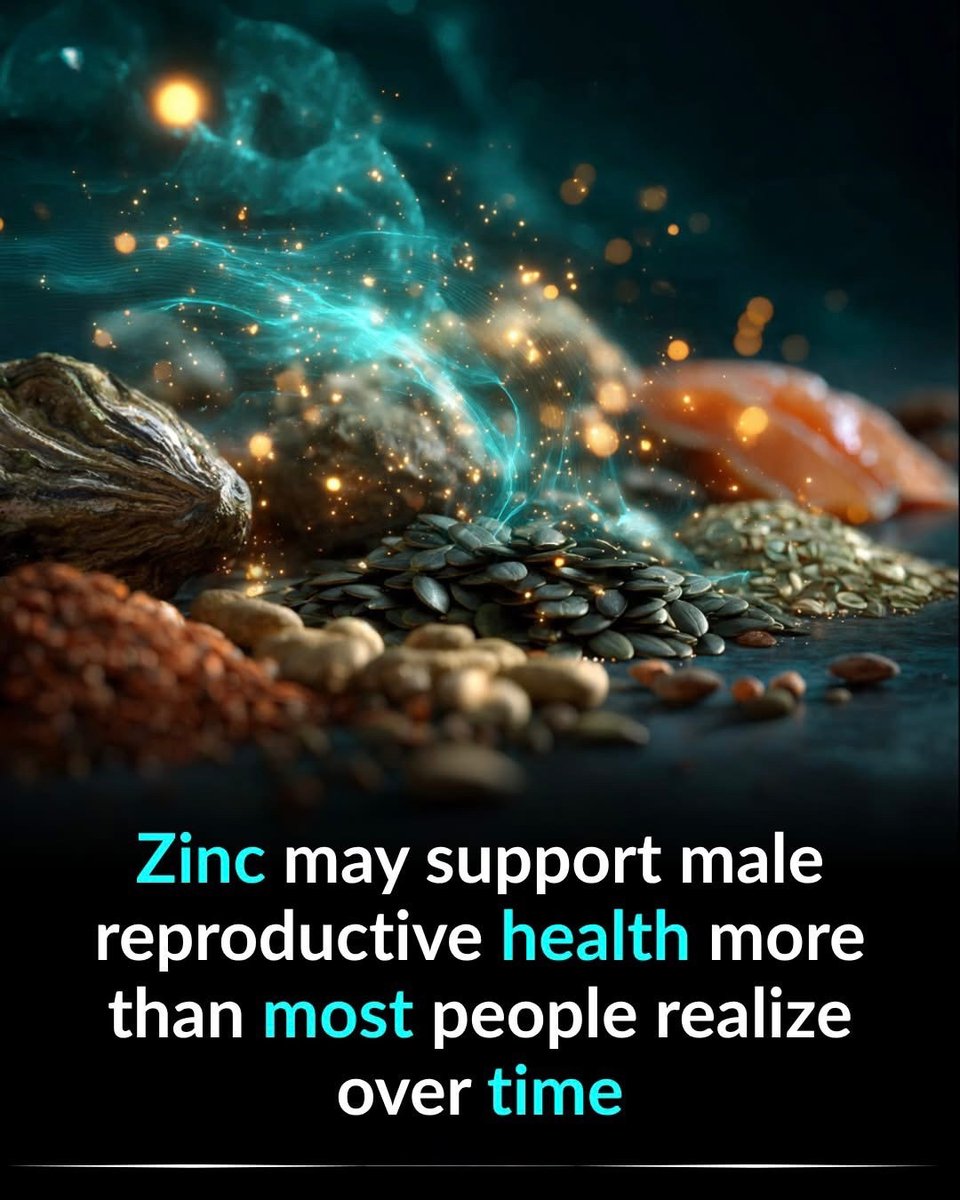
🚨 The Mineral That Could Secretly Boost Male Power… What if one tiny mineral in your diet could quietly transform male health—fertility, energy, and even hormone balance—without anyone noticing? Scientists say zinc isn’t just another vitamin; it’s a hidden key to male reproductive strength. Over time, low zinc can silently reduce sperm quality, lower testosterone, and affect prostate health. But getting enough zinc—through food like oysters, pumpkin seeds, or meat—may help protect and even improve these vital functions. Could this simple mineral be the quiet guardian of male vitality? Source: Prasad, A. S. Zinc: An essential element for male reproduction and overall health
Next Science tweet media
English
1
12
80
1.5K
Next Science
Next Science@NextScience·
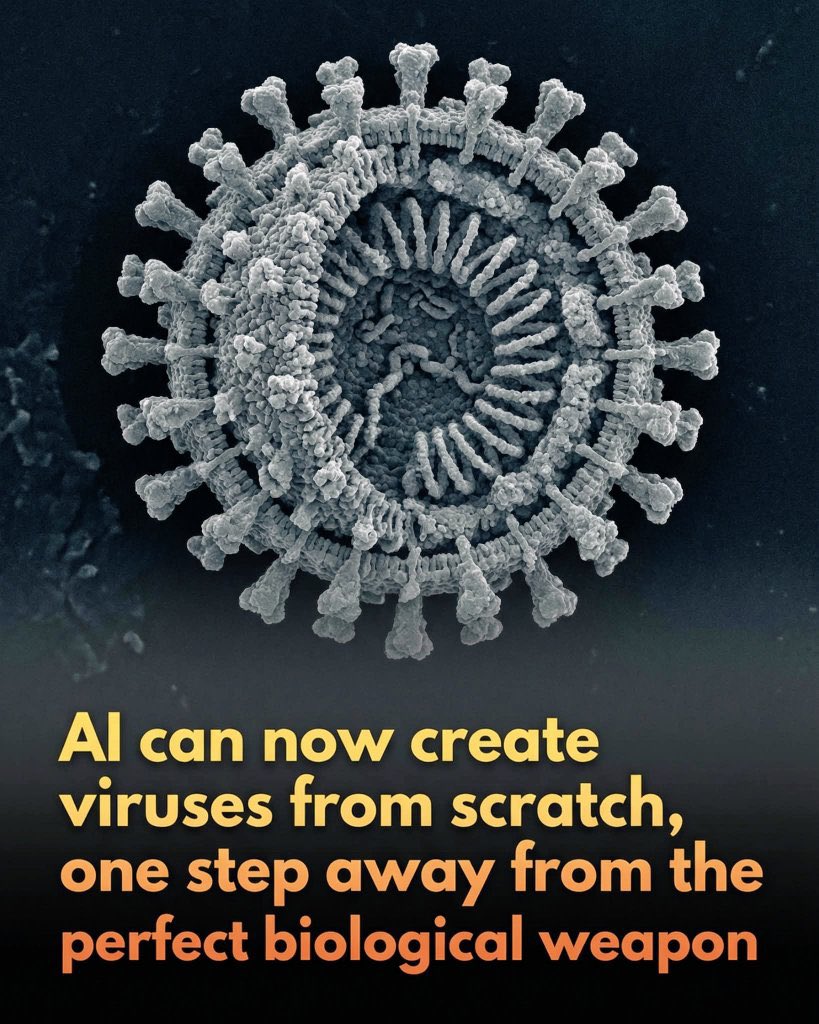
🚨 AI Just Designed a Virus — And the World Is Watching AI can now write the full genetic code of viruses from scratch. Scientists have already tested some in labs, showing machines can design life’s tiniest building blocks. This could help cure diseases… but experts warn: in the wrong hands, it could be dangerous. Technology is moving faster than our rules, and the future of biology may no longer be fully in human hands. Reliable source: Kavanagh, K. (2025). World’s first AI‑designed viruses a step towards AI‑generated life. Nature
Next Science tweet media
English
22
49
117
3.6K