Retired Patient Safety Specialist, NHS

1K posts

Retired Patient Safety Specialist, NHS

Retired Patient Safety Specialist, NHS

@nhs_safety

From a family passionate about improving patient & staff safety in the NHS over three generations. Was a clinician for 20 years. 22 years in PS.

Katılım Ocak 2020
262 Takip Edilen248 Takipçiler
Retired Patient Safety Specialist, NHS retweetledi
Nursing Standard
Nursing Standard@NurseStandard·
An older woman died in hospital after nursing and clinical staff withdrew treatment for sepsis without properly discussing the decision with her or her family, a coroner found. He said the patient probably wouldn't have died if treatment had continued. rcni.com/nursing-standa…
Nursing Standard tweet media
English
2
2
5
1.4K
Kemi Badenoch
Kemi Badenoch@KemiBadenoch·
I will ban resident doctors and consultants from going on strike – as we already do for the Police and Armed Forces. Labour has chosen the unions over patients. The @Conservatives choose patients, because only we are serious about getting Britain working again.
English
939
246
2.1K
808.4K
NHS
NHS@NHSuk·
Contact your GP practice by phone, online or in person. Your practice team will respond with next steps for your care, however you get in touch.
English
12
25
33
7.2K
Dr Gordon Caldwell
Dr Gordon Caldwell@doctorcaldwell·
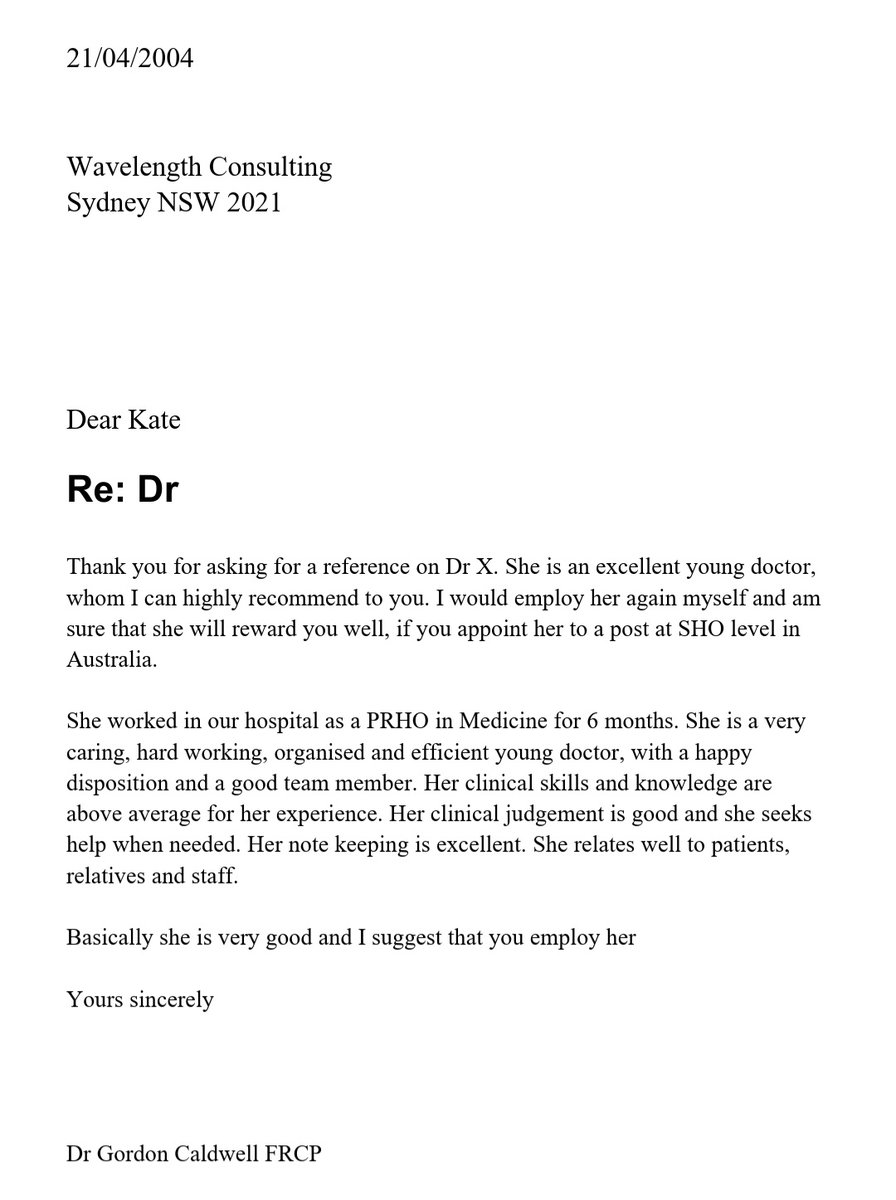
Remember when Senior Doctors in the UK were allowed to write honest professional references? By serendipity, I was in contact today, 22y later, and all I wrote has proved to be true. @DrLKVaughan @DrGrumble @AndrewElder @somersetwyvern
Dr Gordon Caldwell tweet media
South Ballachulish, Scotland 🇬🇧 English
6
8
129
26.4K
Shivani Misra
Shivani Misra@ShivaniM_KC·
I’m going to say something that might get be cancelled. Type 2 diabetes isn’t managed by GPs. It’s managed by GPs, practice nurses, pharmacists and paramedics of varying abilities. You can have one PCN with a highly skilled GP who would rival a specialist given their experience and expertise in T2D who supports the allied HCPs. And at the other end, my patient was recently seen by the paramedic at the practice who started 6 months ago. Highly variable. No doubt excellent care in some places, but totally unsupported in others. Now, I’m not saying that any of these healthcare professionals can’t manage T2D - anyone can follow a protocol or guideline. But I am saying that the experience of managing T2D, the nuance and the medical knowledge underpinning T2D management no longer sits with GPs in many practices. Ofc the same reasons this has happened ARSS, GPs being replaced etc
English
13
2
66
10.6K
Andy Burnham
Andy Burnham@AndyBurnhamGM·
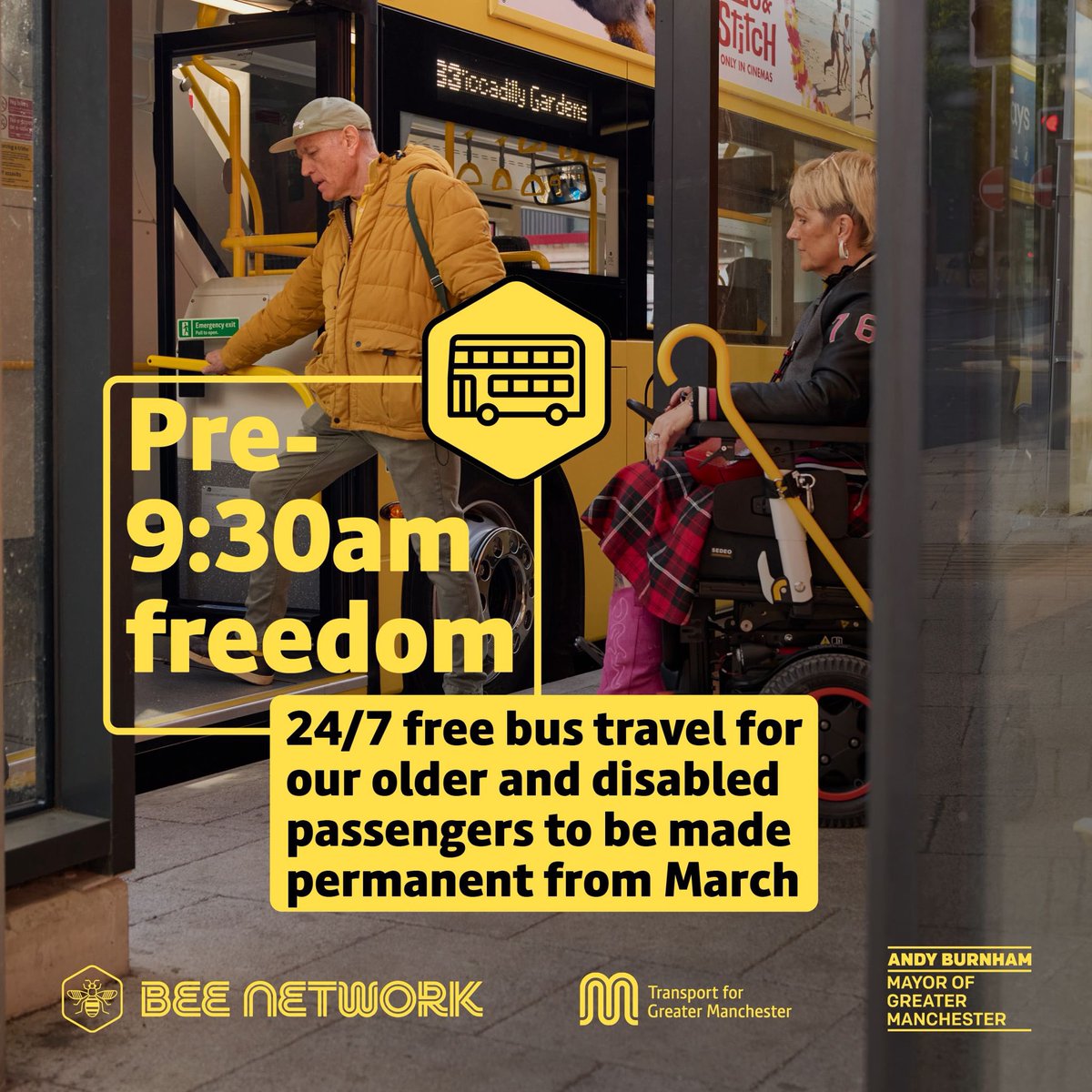
By this time next week, we will have removed the 9.30am restriction on older and disabled people’s bus passes - for good.
Andy Burnham tweet media
English
179
239
1.7K
69K
Dr Rachel Clarke
Dr Rachel Clarke@doctor_oxford·
Have flip-flopped so much over staying on here in 2026 - the biases of the platform & the ethics of its owner, versus the persistent presence of the vast majority of media, public figures & so many people I greatly respect. Staying, for now, to keep on speaking up for what I believe matters, even if that can sometimes feel futile. Our voices matter, especially en masse. Here’s to using them for good.
English
69
111
1.1K
26.1K
Retired Patient Safety Specialist, NHS
@esccroads - I went to East Sussex yesterday for the day. I’ve never seen such awful potholes all over the county! Worst county I’ve been to for potholes. This is so dangerous! There were several as I came off a roundabout and everyone was braking on an exit to try to avoid them!
English
0
0
0
24
Retired Patient Safety Specialist, NHS
@JamesTitcombe 2/2 As long as the investigator is skilled, this should be easily determined. We should assume system issues (unless obvious) but consider other possibilities, and not be blind to pure poor practice. I always say it should be appropriate blame, but it will be small numbers.
English
0
0
1
37
Retired Patient Safety Specialist, NHS
@JamesTitcombe 1/2 Interesting question. I had a discussion about this just this week. Almost all incidents are about poor systems. However, as I told the person I was speaking with, there is some poor care that is clearly individually poor practice.
English
2
0
2
127
James Titcombe
James Titcombe@JamesTitcombe·
We have rightly moved away from a culture of individual blame in patient safety. But in doing so, have we created a dangerous blind spot around individual responsibility and accountability? I’m aware this will be a controversial piece! hsj.co.uk/patient-safety…
English
14
5
21
4K
Retired Patient Safety Specialist, NHS
@JamesTitcombe I am so sad. I know things have not changed across the NHS. In my retirement, I’ve been looking at historic and more recent issues. The complete lack of candour in many trusts is an issue. Training, by clinical staff and leaders on Boards is failing patients.
English
1
1
2
133
James Titcombe
James Titcombe@JamesTitcombe·
From a few years ago now... but what a torturous journey it's been. Have things changed in professional regulation since all this happened? I'm not convinced.... "....the regulator for nurses and midwives, when they got something badly wrong, instead of being open and honest... misled a whole lot of people" "This is exactly the behaviour what we don't want to see in health care." bbc.com/news/uk-englan…
English
7
1
15
2.2K
Retired Patient Safety Specialist, NHS retweetledi
Kent Police (UK)
Kent Police (UK)@kent_police·
We're appealing for information after officers received a report of indecent exposure in #Maidstone. The incident happened in Mote Park at around 12.30pm on Saturday 3 January 2026. Find out more here: kent.police.uk/news/kent/late…
Kent Police (UK) tweet media
English
2
27
21
5.3K
Dr Nick Dalmon
Dr Nick Dalmon@DrNickDalmon·
Advanced Clinical Practitioners (ACPs) are increasingly being used to assess and manage patients in settings that were historically doctor-led. This is doctor substitution, not simple task support. ACPs can enter advanced practice from multiple base professions, including nursing, physiotherapy, paramedicine, and other allied health roles. These backgrounds involve very different training models, particularly in diagnosis and management of undifferentiated illness. Doctors, by contrast, are trained from the start around: Differential diagnosis Managing uncertainty Risk stratification Escalation and safety-netting This training is continuous, structured, and assessed over many years before independent practice. Despite this, ACPs are now commonly used to: Assess undifferentiated patients Initiate investigations and treatment Make early management decisions Often do so before resident doctor review, particularly in acute and primary care settings This represents functional substitution of the doctor role, with diagnostic responsibility being exercised by clinicians who have not undergone the same depth or standardisation of diagnostic training. This is not a comment on individual capability or professionalism. It is a question of how much diagnostic risk the system is willing to transfer, and whether that transfer is being made explicit to patients. That is a policy decision. Patients deserve clarity.
English
21
137
323
11.9K
Retired Patient Safety Specialist, NHS retweetledi
Paul ☘️🇮🇪⚽️⛳️
@sky Seems no one get watch SkyQ at the minute and you are not giving any details on what’s happening Please send out updates to your customers
English
1
2
5
1.7K
Retired Patient Safety Specialist, NHS retweetledi
Dr Nick Dalmon
Dr Nick Dalmon@DrNickDalmon·
Today I want to talk about doctor replacement. The NHS is planning a major expansion of Advanced Clinical Practitioners. We currently have around 12,000. Under the NHS long-term workforce plan, that number is projected to rise by another 39,000 by 2035–36. These roles are designed to work autonomously. That means seeing undifferentiated patients, diagnosing, prescribing, treating, and discharging without a doctor. Let’s talk about their training and pay. Advanced Clinical Practitioners genrally start on Band 7 from day 1 of training, around £48,000–£55,000 per year. Their MSc is funded by the NHS (this can be up to 40k). Once completed, many then progress to Band 8 roles. That MSc is part time. In many cases the exams are open book. Now compare that to doctors. Doctors complete 5–6 years of full-time undergraduate medical training. That training intensive and covers theory, practical skills and placements. It is tested with closed-book written exams and clinical exams. Medical exams are internationally recognised for their difficulty and standardisation. You cannot progress unless you meet those standards. After that, doctors complete foundation training and then specialty training, again with closed-book exams, workplace assessments, and national or royal college exams with high failure rates. These pathways are not equivalent. They are not even close. I say this as someone who was a nurse before becoming a doctor. I understand both routes. This is not about professional status. It is about depth of knowledge, risk management, and patient safety. Talking about safety. FOI data from NHS Improvement shows reported patient safety incidents attributed to Advanced Clinical Practitioners increasing over time. As more ACPs are trained and deployed into autonomous roles, the rate of incidents rises relative to doctors. If the NHS is going to shift large amounts of autonomous clinical decision-making away from doctors, we should be honest about the evidence and the risks. Instead, this is being sold as workforce innovation. At the same time, we are told there is no money to train enough doctors, GPs, or consultants. That makes no sense. There is clearly money to fund MScs, pay Band 7 salaries from day 1, and expand ACP numbers at scale. Doctors take longer to train for a reason. They carry greater uncertainty and greater responsibility. Replacing them with shorter training pathways is not reform. It is substitution. There is money to train non-doctors to do doctor-like jobs. But there is apparently no money to train the doctors the system actually needs. That should worry everyone. Ask for a doctor, its not rude, its your right. Thanks to @iDrSunny for the data
Dr Nick Dalmon tweet media
English
41
367
576
25.9K
Paul McGinley
Paul McGinley@mcginleygolf·
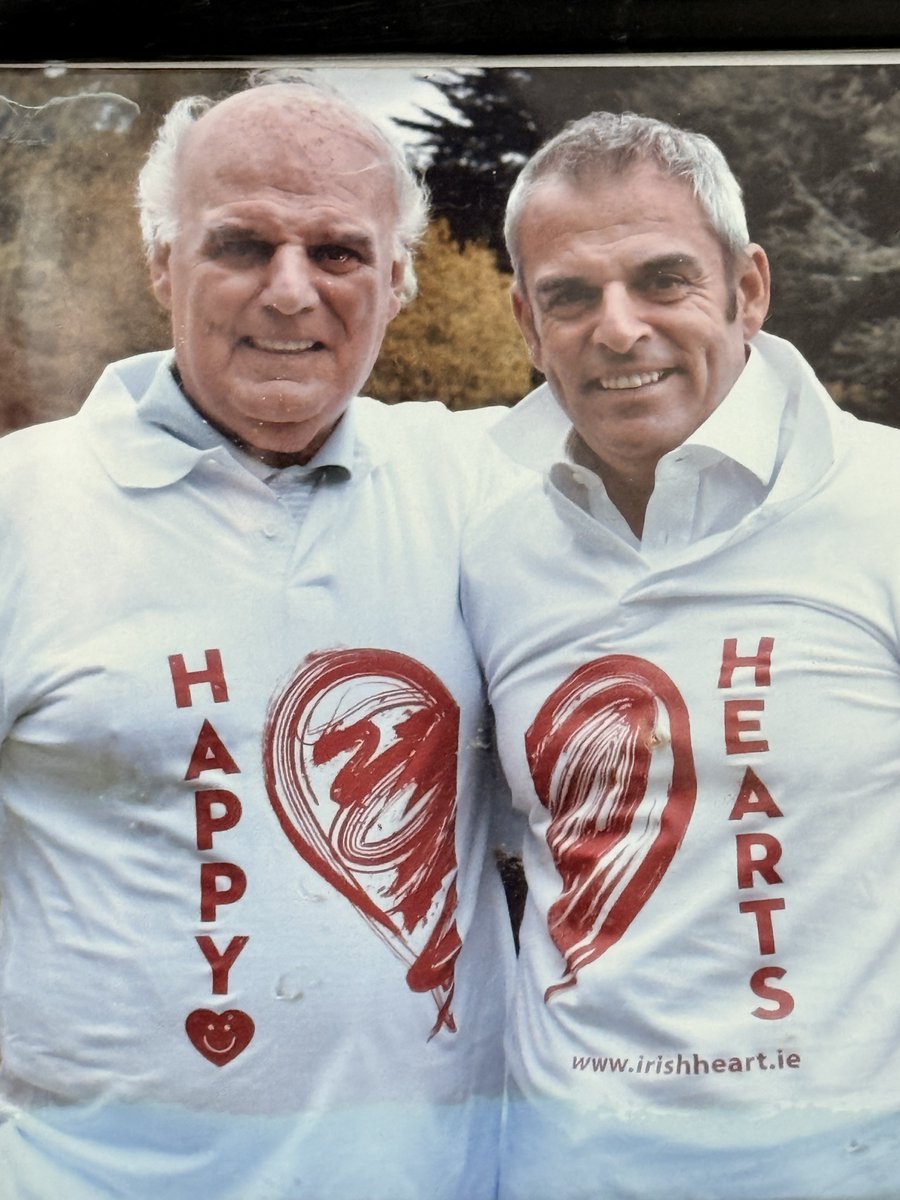
We lost Dad today after a long battle with Dementia.Could not have asked for a better mentor, friend and Dad. We are all broken hearted and sad 💔🙏
Paul McGinley tweet media
English
1.4K
263
17.6K
451.5K