@shanaka86 I share my real-time TRADE alert (entry & exit points) on WhatsApp, free to join. ✅
➡️Copy search input Reply “TRADE” to WhatsApp: +17202805880
Latest plans for 2026
Here’s the link : wa.me/17202805880?te…
English
Shaneka AneIam Parare ⚡️ Trading Advisor
118 posts

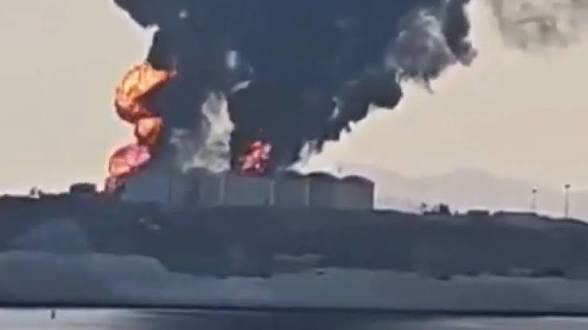
JUST IN: The war arrived at the petrol station in Hanoi. At the airport gate in Mumbai. At the cooking stove in Colombo. At the fuel pump in Sydney. Simultaneously. In 95 countries. Vietnam. Diesel up 40 to 59 percent since February 28. Gasoline up 30 to 44 percent. The government cut tariffs, urged employers to allow remote work, and disclosed that national fuel reserves cover roughly 20 days. Vietnam has one of the smallest oil reserve buffers in Southeast Asia. Twenty days measured from the day the strait closed means the buffer expires before the USDA publishes March 31 planting data. Australia. Petrol up 70 cents per litre, from roughly $1.56 to $2.26. Analysts warn another 40 cents is possible. Energy bills surging alongside transport costs. Australia produces crude domestically but refines abroad. The refined product that fills Australian cars was processed in refineries that source feedstock from a Gulf that is simultaneously on fire and uninsured. Sri Lanka. Rationing activated. QR codes at fuel stations limiting purchases to 15 litres for cars and 5 litres for motorcycles per week. A four-day working week mandated for government offices. Schools and non-essential services closed on Wednesdays. LPG cooking gas raised. The country that collapsed in 2022 under a foreign exchange crisis triggered partly by fertiliser policy is now rationing fuel under a system designed for the exact scenario its geography makes unavoidable: total dependence on imports that transit a chokepoint it cannot influence. India. LPG and cooking gas prices raised. Eighty-five percent of crude is imported. Sixty percent of oil imports originate in the Middle East. A sustained Hormuz closure creates what economists describe as a dual physical and financial shock: import volumes fall while import costs rise simultaneously. The Reserve Bank of India faces the same stagflationary trap as the Fed: inflation demanding tighter policy while growth demands looser policy. The jet fuel crisis is the mobility layer nobody is pricing. Gulf air cargo volumes collapsed 79 percent in the first week of the conflict. Jet fuel prices surged 58 percent. Airlines cannot hedge against a physical absence of fuel at departure airports that source kerosene from Gulf refineries now burning or suspended. IndiGo and Akasa Air imposed fuel surcharges of 199 to 2,300 rupees on domestic and international routes. Vietnam Airlines warned of fuel shortages beginning in April. Long-haul flights through Gulf airspace face rerouting costs that add hours and tonnes of additional fuel burn per flight. Easter travel across Asia and Europe is at risk. The airline does not care about Brent crude. It cares about the kerosene in the tank at the airport. That kerosene was refined at facilities in the Gulf that are now in force majeure. Mina Al-Ahmadi is burning. Ras Laffan is in extensive damage. SAMREF at Yanbu was hit. The refining capacity that produced the jet fuel is the same capacity that produced the diesel, the LPG, the naphtha, the methanol, the sulfur, and the polyethylene. Every molecule that the war has trapped behind the strait includes the one that lifts the aircraft. Ninety-five countries have reported petrol price increases since February 28 according to Al Jazeera. The WTI-Brent discount widened to $12 to $20 because American crude in Oklahoma is insulated while Gulf crude is gated. The American consumer pays less. The Vietnamese consumer pays 59 percent more. The Australian consumer pays 70 cents more per litre. The Sri Lankan consumer stands in a QR code queue on a Wednesday when the office is closed. The strait is 21 miles wide. It just repriced daily life on five continents. open.substack.com/pub/shanakaans…
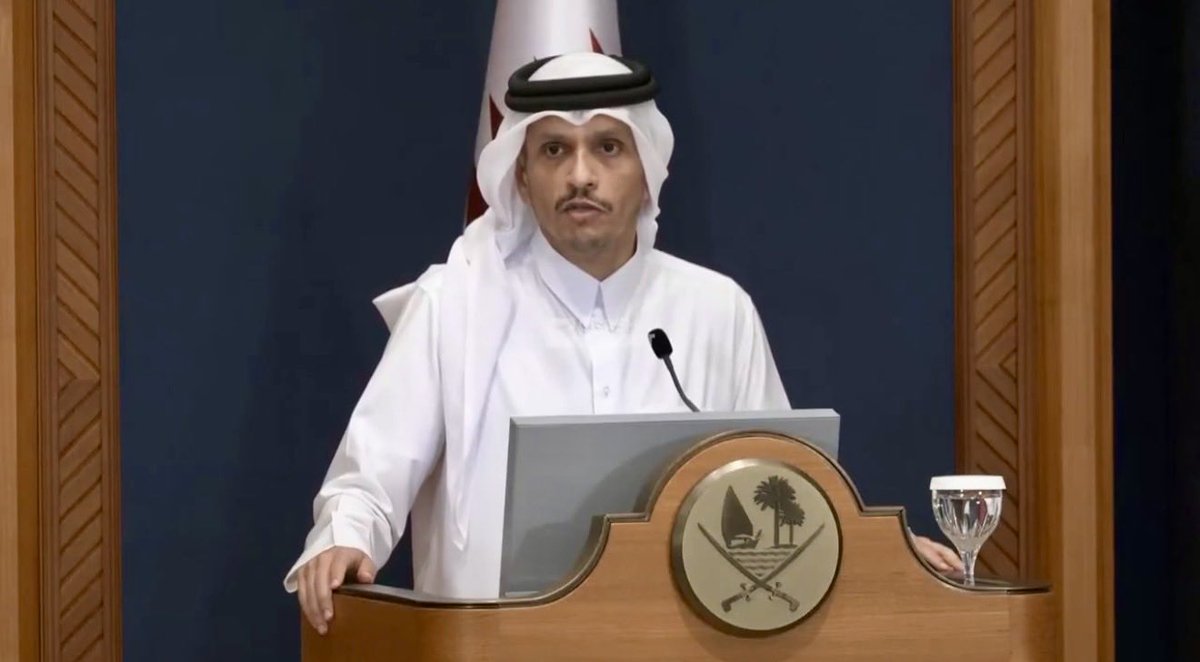

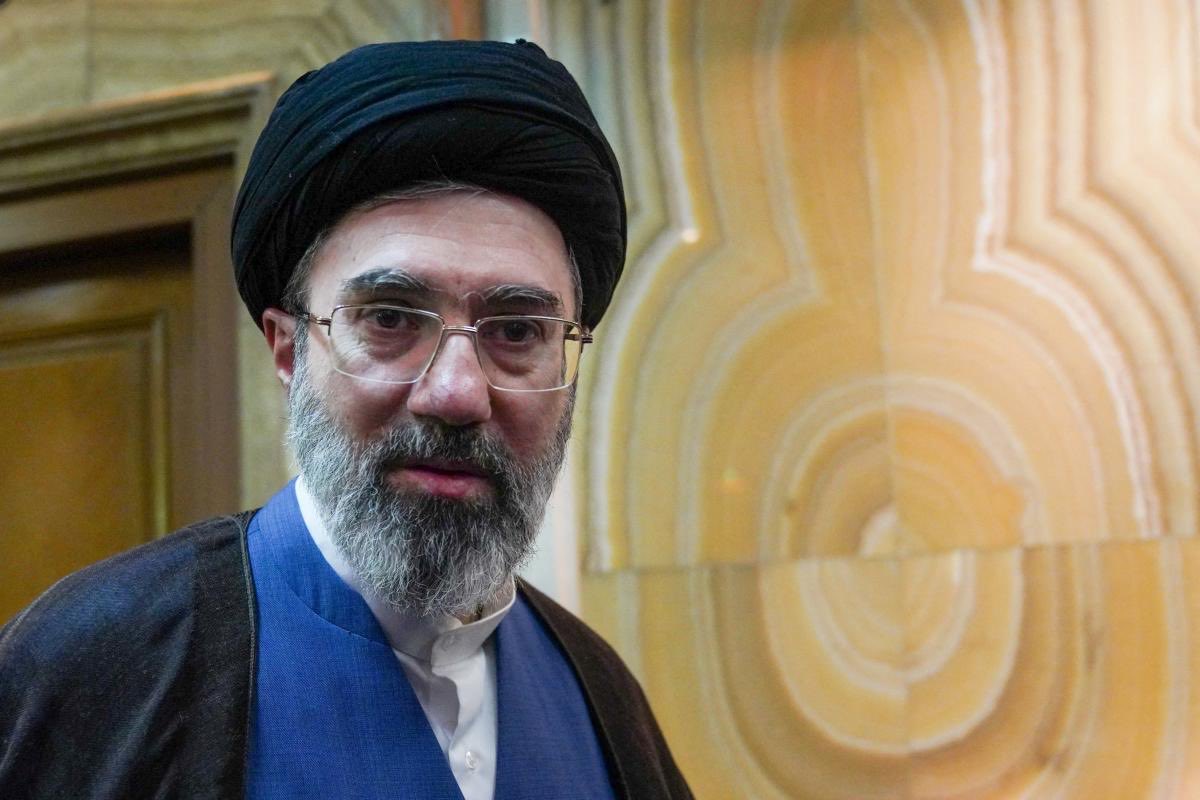
Six Gulf states are on fire. One country that refused to help is paying the bill. One country that never fired a missile is collecting the cheque. The damage. Qatar. Ras Laffan. The world’s largest LNG hub. QatarEnergy confirmed sizeable fires and extensive further damage from Iranian missiles. Force majeure declared. Twenty percent of global LNG supply offline. UAE. Shah and Habshan. Zero gas production after drone strikes and debris. Saudi Arabia. SAMREF at Yanbu and Eastern Province refineries hit. Twenty percent output cuts. Kuwait. Mina Al-Ahmadi and Mina Abdullah. Both refineries burning after drone strikes. Bahrain. Partial force majeure. Iraq. Southern fields cut roughly 70 percent. Gas imports from Iran halted. Power grid losing 4,000 to 4,500 megawatts. Every one of these countries hosts American military bases that enabled Operation Epic Fury. Al Udeid in Qatar is CENTCOM’s forward headquarters. Al Dhafra in the UAE launched air operations. Bahrain hosts the Fifth Fleet. Kuwait provided Camp Arifjan and Ali Al Salem. Saudi Arabia reactivated Prince Sultan Air Base. These governments knew retaliation would come. What they did not expect was where the IRGC aimed it. Iran did not strike the bases. It struck the refineries, the gas fields, the LNG terminals, and the desalination plants. The Mosaic Doctrine’s sealed packets contain coordinates of energy infrastructure, not military installations. The IRGC chose economic warfare over military retaliation. The message is not aimed at the Pentagon. It is aimed at the GDP. The bill. Europe said Iran is not their war. Germany refused warships. France denied airspace. Spain blocked bases. The UK would not be drawn in. NATO declined to classify the operation as a mission. Then Qatar’s facility was struck and European TTF gas surged 50 to 85 percent. LNG spot jumped 40 to 60 percent. The EU must inject 60 billion cubic metres into storage by December. BASF and Yara are cutting fertiliser output because gas costs exceed margins. Chemicals, glass, steel, and ceramics face 20 to 40 percent cost pass-throughs arriving at every European consumer. Europe spent $200 billion building LNG terminals to escape Russian gas. Then Iran hit the Qatari facility Europe refused to defend. The supply gap is being filled by the country Europe sanctioned. Russian LNG now accounts for 18 to 22 percent of European imports. Europe is funding Russia’s Ukraine war with revenue generated by refusing to fight in the Gulf. The beneficiary. Russia has not fired a missile. Has not lost a soldier. Has not spent a dollar on combat. Putin airlifted Mojtaba Khamenei to a Moscow hospital on a Russian military aircraft. The man who may govern post-war Iran is recovering under Russian care. Moscow gained influence over the next Iranian leader by offering a bed, not a bomb. The A7A5 stablecoin corridor processed $72 to $93 billion in sanctions-evasion flows according to Chainalysis and TRM Labs. Urals crude trades at its highest Indian-market premium in over a year. Brent above $102 means every Russian barrel earns more. Novak offers to fill the gap. When the Gulf is on fire, the seller who is not on fire sets the terms. The United States spent $16.5 billion on Epic Fury. Israel absorbed 14 to 19 civilian deaths. Iran lost its Supreme Leader, its intelligence minister, 65 percent of its gas, and 90 to 95 percent of its missiles. Russia lost nothing. Six countries host the bases. Iran hits the molecules. Europe pays the premium. Russia collects the profit. And the sealed packets do not distinguish between an airbase and a refinery. They contain coordinates. open.substack.com/pub/shanakaans…