Nuno Duarte⚡️🟠
1.1K posts

@nmcduvogu
#npub1qr87vr0y7x4vrhtarvxa8f0k454u2evtetynj9wrkgme62qee3js0wc9xm


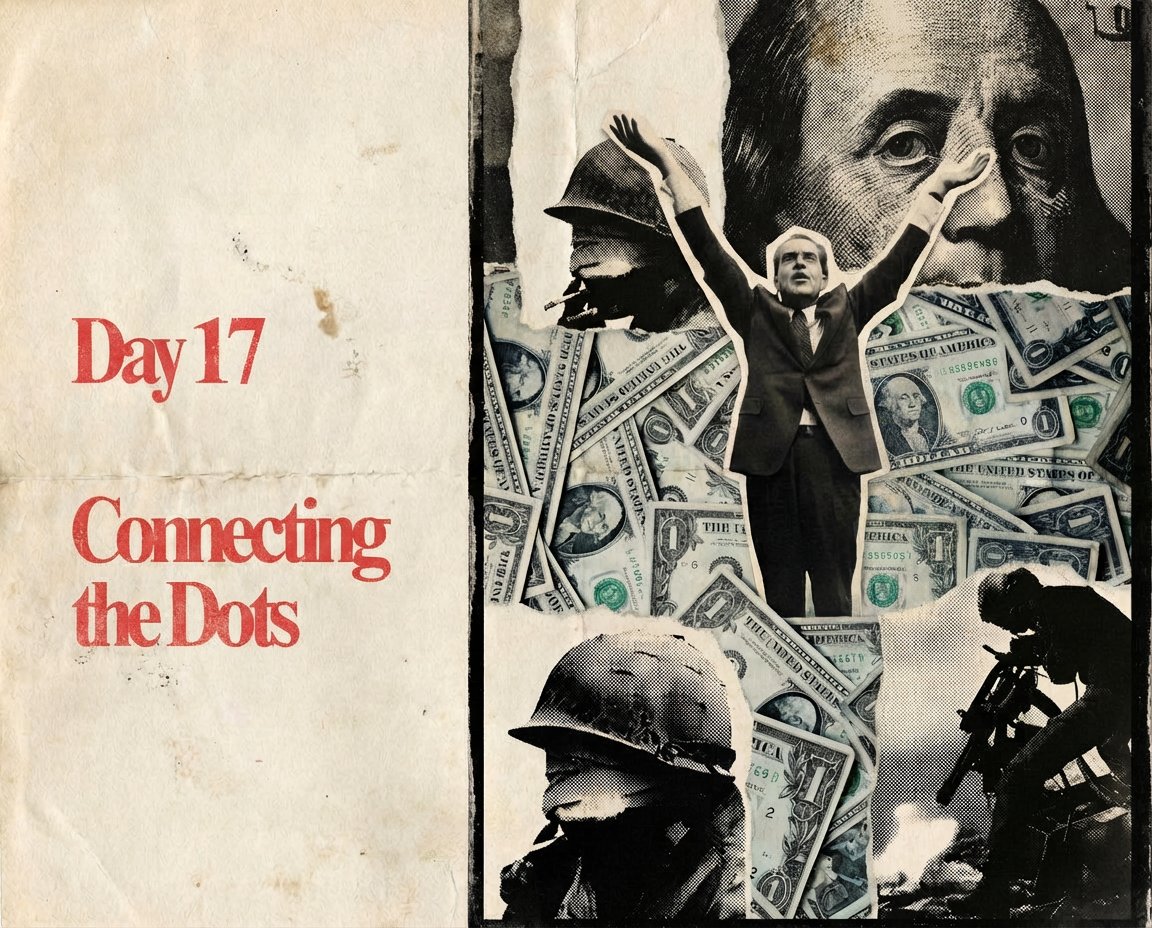
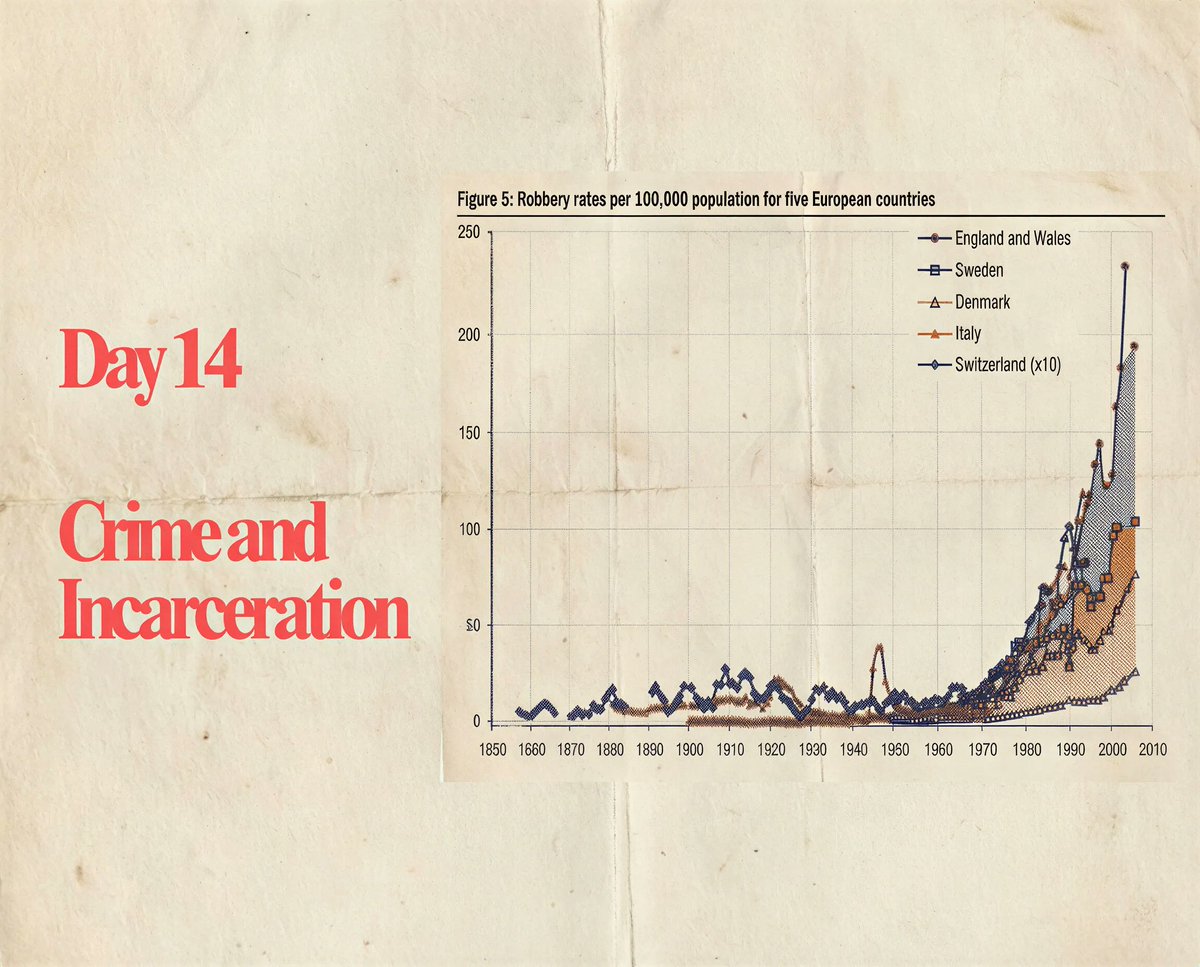
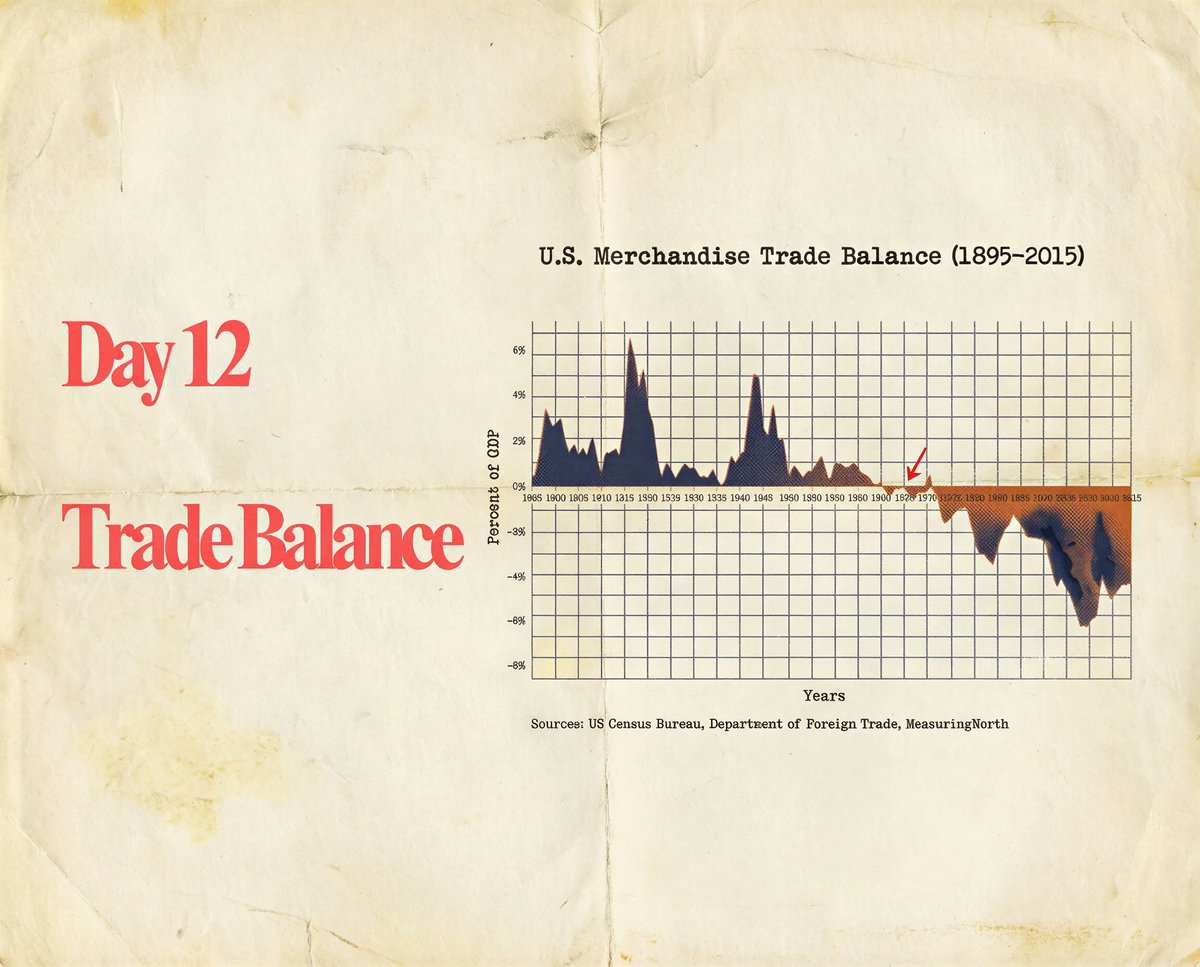
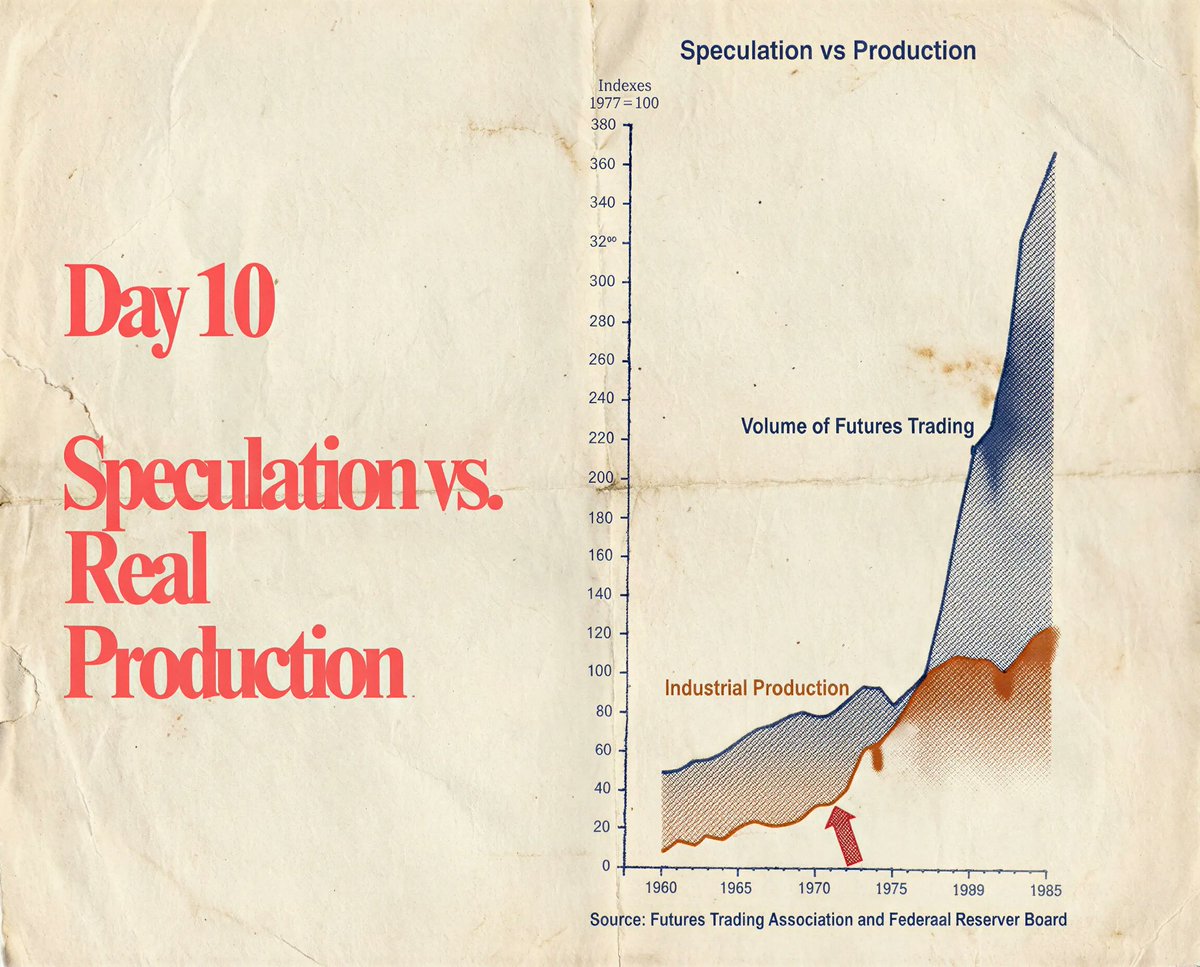
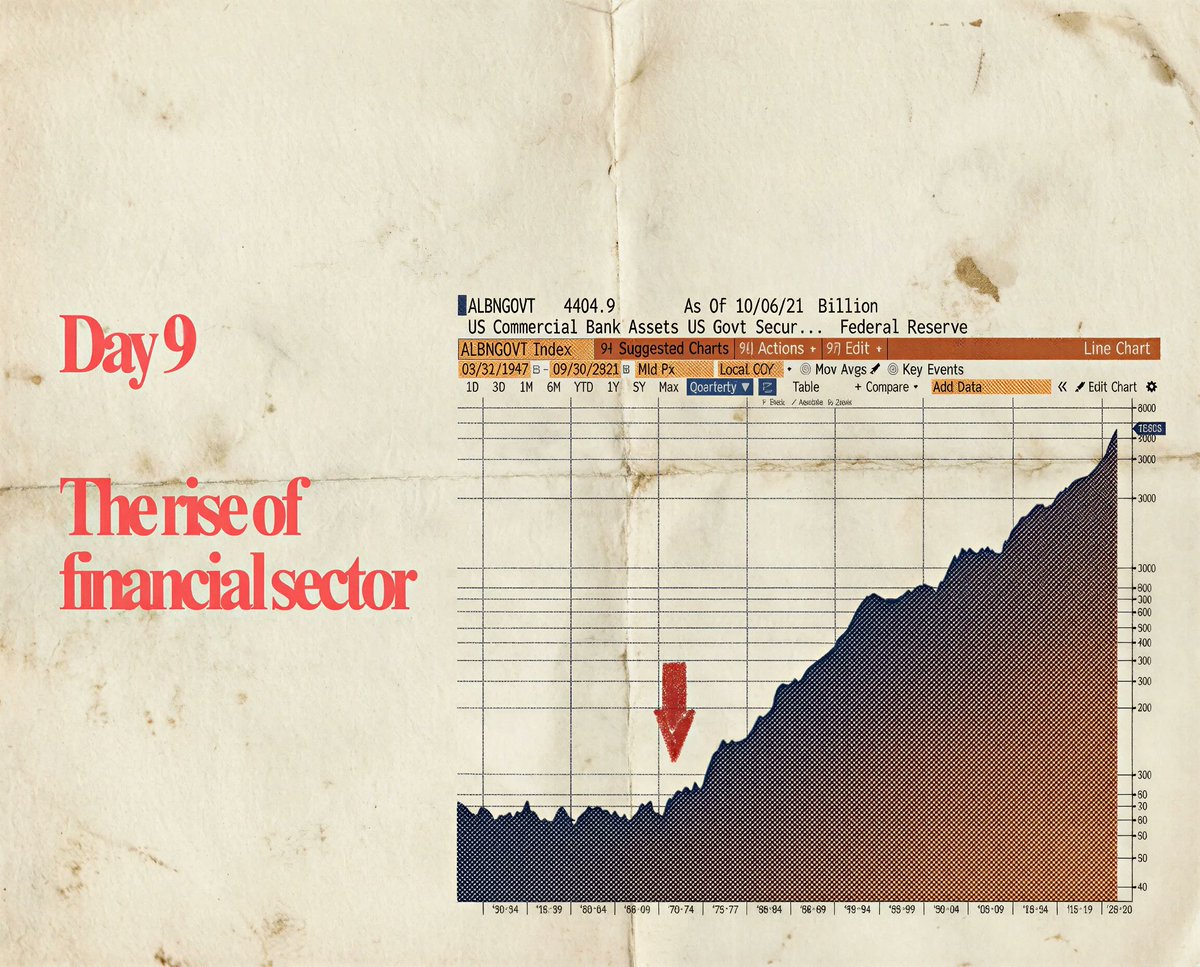
WTF Happened in 1971? — Day 17/17 Seventeen days. Fifteen charts. One answer. On August 15, 1971, the dollar's link to gold was severed. Money became a political tool with no natural limit. And since that day: Your productivity soared. Your wages didn't. (Day 2) Inequality exploded — not because of greed, but because new money flows to asset holders first and workers last. (Day 3) One income stopped being enough. Both parents had to work just to maintain what one salary used to cover. (Day 4) The dollar lost 87% of its purchasing power. Your soup can got smaller. (Day 5) Housing went from 2x your salary to 5x. Not because houses improved — because money got cheaper. (Day 6) The gold drained from the vault. France called the bluff, and the leash was removed — not because it failed, but because it worked. (Day 7) Government debt went from $398 billion to $36 trillion. No gold standard, no brake. (Day 8) The financial sector swallowed the economy. Half of all corporate profits now come from moving money, not making things. (Day 9) The stock market stopped reflecting the economy and started replacing it. Speculation became more rational than production. (Day 10) Savings became irrational. Why save money that loses value every year? (Day 11) The US trade balance flipped and never came back. America started exporting paper and importing real goods. (Day 12) Political polarization accelerated. Left and Right blame each other while ignoring the monetary disease underneath. (Day 13) Crime surged. Incarceration exploded five-fold. The state grew to manage the problems its own money created. (Day 14) Families stopped forming. Not because people stopped wanting them — because the economics made it impossible. (Day 15) Healthcare costs disconnected from reality. Diet quality collapsed. When money buys less, people eat worse and pay more to treat the consequences. (Day 16) Every one of these charts breaks at the same point. Every one of them traces back to the same cause. The money. This isn't a conspiracy. It's a structure. A system that transfers wealth from those who earn it to those who print it. From the future to the present. From the young to the old. From the productive to the connected. The Austrian economists — Mises, Hayek, Rothbard — described this mechanism decades before the charts confirmed it. Sound money keeps governments honest, incentives aligned, and time preference low. Fiat money does the opposite. The question isn't whether the system is broken. The charts prove it is. The question is: what are you going to do about it? There is one asset with a fixed supply that no government can print, no central bank can inflate, and no politician can debase. But that's a thread for another day.

WTF Happened in 1971? — Day 16/17 Healthcare costs in the US have risen faster than general inflation every single year since the early 1970s. The chart of healthcare spending vs. population growth shows costs completely disconnecting from the number of people being served. At the same time, the American diet changed dramatically. Meat consumption patterns shifted. Processed food consumption skyrocketed. Nutrition charts show a move away from whole foods toward cheaper, processed alternatives. These look like separate problems. They're not. When money loses purchasing power, people trade quality for affordability. A family in 1965 could afford whole foods, fresh meat, and regular meals on one income. A family today, squeezed by stagnant wages and rising costs, reaches for whatever is cheapest. Processed food is engineered to be cheap. It's calorie-dense, nutrient-poor, and profitable. The same inflation that made housing unaffordable made real food a luxury. And the health consequences followed — obesity, diabetes, heart disease — all of which drive healthcare costs higher. On the healthcare side, the same fiat money dynamics apply. Government involvement in healthcare expanded massively after the 1970s. When you fund healthcare with printed money and subsidized insurance, you remove the price signals that keep costs rational. Demand increases. Supply can't keep up. Prices explode. The Austrian economists call this the calculation problem. Without honest prices, resources get misallocated. Too many administrators, too few doctors. Too much bureaucracy, too little care. The system optimizes for extracting money rather than producing health. You eat worse because your money buys less. You pay more for healthcare because the system that funds it has no price discipline. Both trace back to the same root.