

David
14 posts
David
@nuvoas
We don’t market. We engineer revenue through native ads on a performance basis.
Katılım Mart 2022
232 Takip Edilen514 Takipçiler

Proof reduces risk and trust reduces vulnerability. They are not the same.
Proof is logical safety.
It answers: “does this actually work?”
So you use: studies, screenshots, before/afters, testimonials, guarantees, numbers.
Trust is emotional safety.
It answers: "will I feel safe doing this?”
Safe from: being scammed, being judged, wasting time, looking stupid, getting trapped, being blamed if it fails.
That’s why you can have a page full of proof and still not convert.
Because the buyer isn’t just asking for more evidence. They're also asking for reassurance.
English

We found a way to scale winning Meta video ads for ecom offers using native ads.
Here's how it works:
We custom-coded landing pages that look and feel like a TikTok infinite scroll feed.
30-40 curated videos (organic TikToks that already went viral) that educate people on the problem your product solves. Every 3rd video is a different winning Meta ad with a CTA straight to your product page.
People scroll, consume content, build trust, and buy without ever feeling like they're on a landing page. Retention is crazy because we mix in actually entertaining videos between the ads.
It's working really well for TCPAs between $50-80. Biggest winners so far: Nutra/Health, Beauty, Pets, Home.
DM me if you want the details. Just need to make sure I'm not sharing this with direct competitors of ours.
English

This is smart.
We’re seeing similar lifts when brands extend this experience all the way through checkout.
If you win attention + trust on-page but lose 10–20% to payment friction, approvals, or weak post-purchase monetization, you’re still leaving a ton on the table.
Front-end + back-end alignment is where scale really unlocks.
English
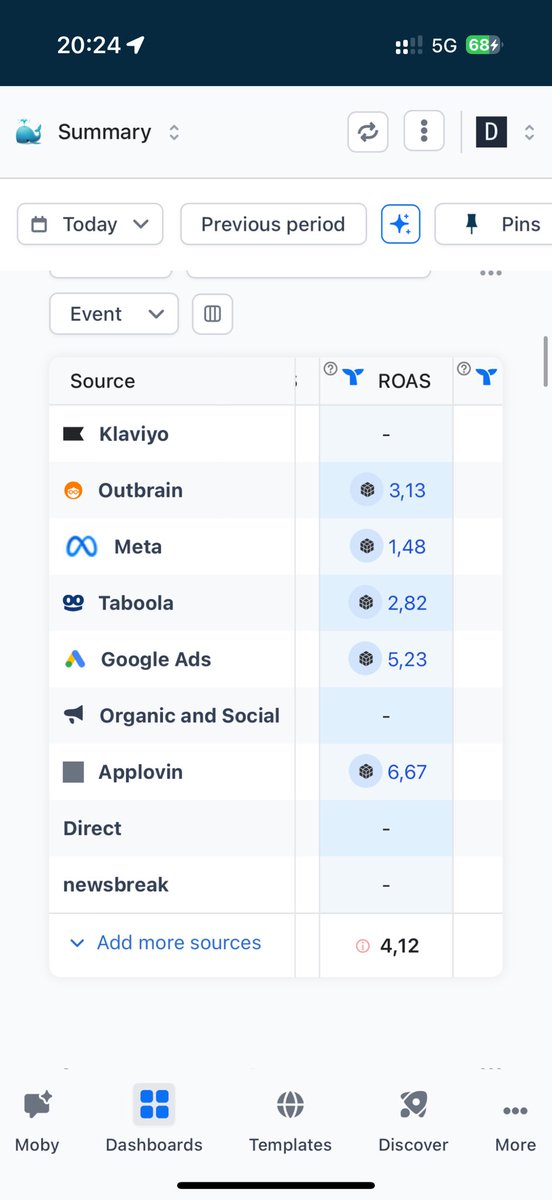
I’d say this approach is more challenging to execute. It might be better to focus on Meta and Google first, maximizing your spend on those platforms. If you’re spending over $15k/day on other channels, retargeting is definitely worth exploring. Otherwise, it’s tough to say with high confidence whether this strategy would deliver good results.
English
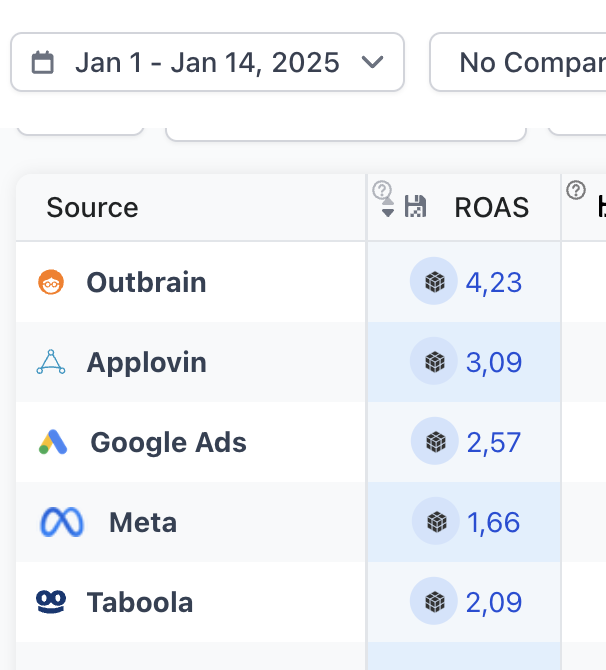
Yes, but in ways you might not expect. There’s a significant niche for more esoteric offerings, like horoscopes or eBooks. However, B2B tends to fall flat. It’s all about B2C here. As long as the product is consumer-focused, priced between $40–$99, targets an audience aged 40+, and has already proven successful on other channels, there’s a strong likelihood it will perform well. If done right…
English

I wouldn’t recommend starting with native ads if you’re a beginner, especially if you haven’t yet found a profitable offer on Meta or other platforms that can fund testing budgets of $5K or more. Here’s why: Native ads introduce more variables that can mess with your performance. Simply put, if you haven’t achieved profitability on traditional platforms, it’s unlikely your instincts are developed enough to succeed with native.
That said, if you’re determined to run native ads, the best approach is to start by modeling successful offers. Focus on refining and improving three key sections of the copy: the problem, the solution, and the close. Prioritize enhancing the problem/solution mechanisms and sharpening the close to drive better results.
English
@seanfrank @dandemello Intentional brand building enhances the likelihood of acquisition drastically, but many brand owners lack the necessary knowledge. Moreover, it becomes challenging to restructure a brand after a year or two into the business, making it difficult to attract potential acquirers.
English

@dandemello but most, 95/100 brands, never get anything for their EV
English
I’d say 7/10 times you are better off owning the agency than the brand.
English
