Mark Powell
18K posts

Mark Powell
@obfuscans3
Lichens. Anyone with a hand lens can make discoveries. Add a microscope and a couple of chemicals and you can help rewrite the books.

I actually counted subspecies as separate (didn't count vars. or formae) but called them 'species' in this table. Most British natives were considered native to the parish but with exceptions e.g. Ransoms and Red Campion which are known to have been introduced to the parish.


Made a pilgrimage to Fyfield Downs for #lichenJanuary to view lichens on the Grey Wethers (bit.ly/2FBLjk1), where the big sarsen stones at Avebury and Stonehenge came from. Classic site for Buellia saxorum and the usually coastal Xanthoparmelia loxodes. @BLSlichens


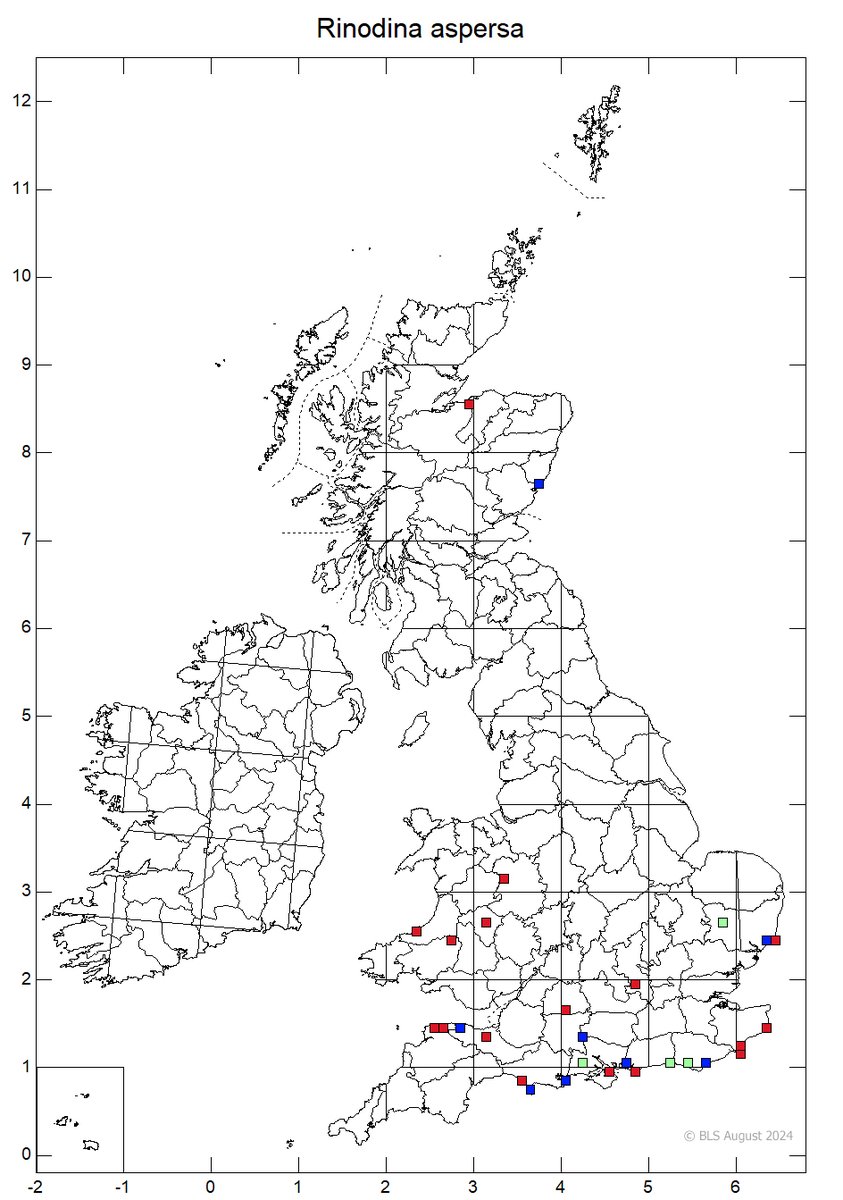
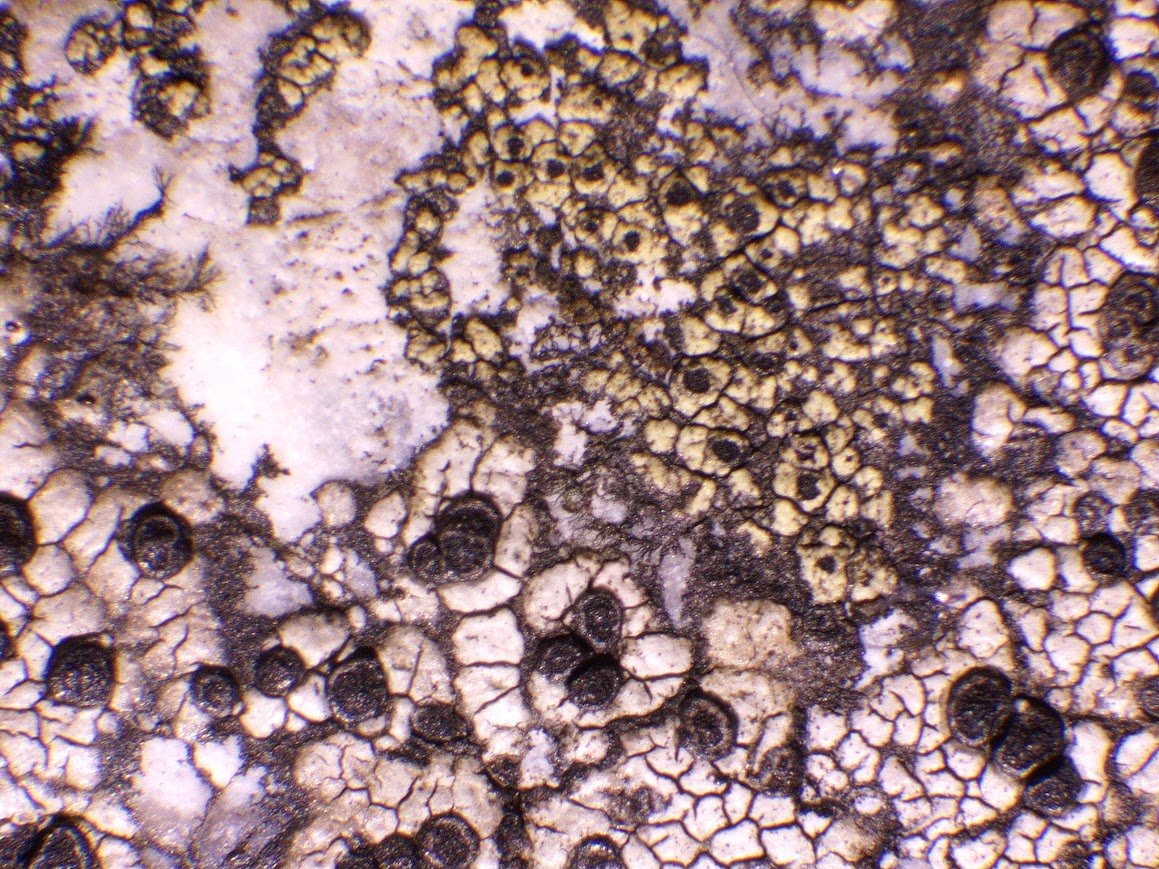
@duckinwales @LemonStephen @BLSlichens We ought to produce such lists for various habitats. At Orford Ness the dominants on shingle are: Buellia aethalea, Lec. polytropa, Mel. fuli, Rhizo. reduct., Porpid. soredizodes and Rinodina aspersa (the latter being the closest to a shingle specialist). R. aspersa:

A new colonist has appeared on the pantiles of the outhouse roof. The darker thalli belong to Buellia aethalea (Catillaria atomarioides is also present on the tiles). What are the little colonists with paler thallus? Thread


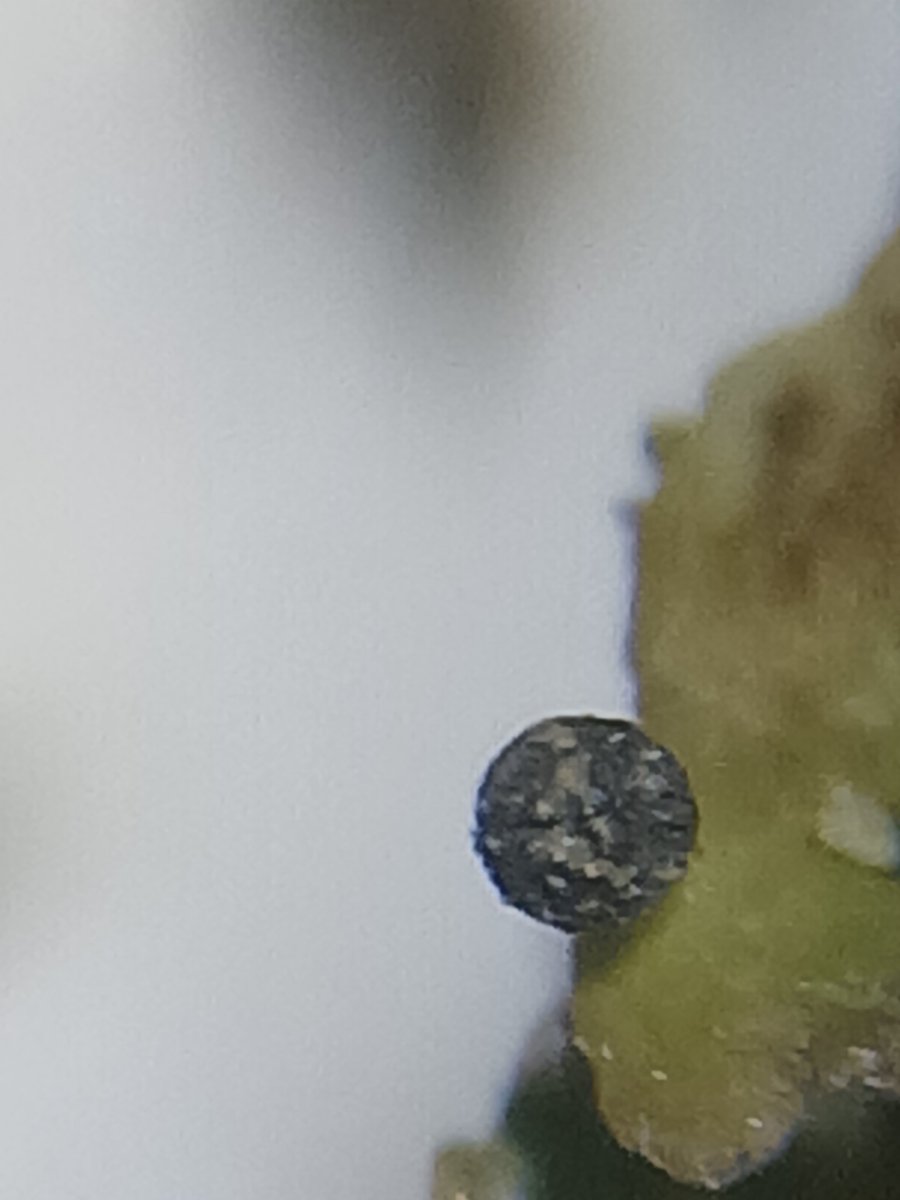
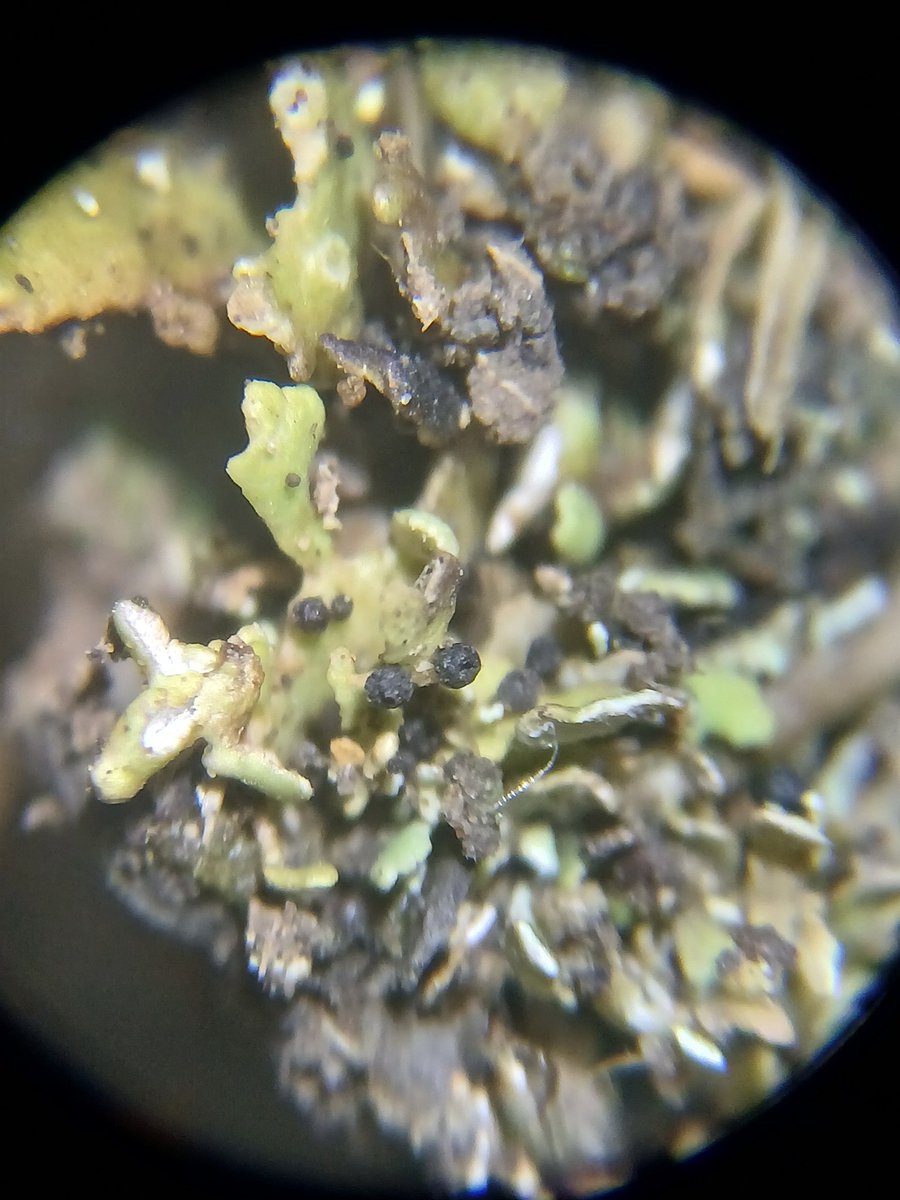
@CelticWildflow1 It is not always easy to tell whether pycnidia, even perithecia, belong to the lichen or are a lichenicolous fungus. Take the example of the perithecia found immersed in the squamules of Normandina pulchella. Originally, for a century considered to belong to the lichen...