
Sabitlenmiş Tweet
iyiboyle
11.1K posts

iyiboyle retweetledi

Öğretmen #FatmaNurÇelik’in okulda öldürülmesi, eğitim sistemindeki yapısal güvenlik ve psikososyal destek eksikliğinin ağır sonuçlarından biridir. @tcmeb 'in
sorumluluğu yalnızca güvenlik önlemlerini artırmak değil, asıl ihtiyaç, daha önce defalarca söylediğim gibi, okullarda sosyal hizmet uzmanı, psikolog ve rehber öğretmenlerin birlikte çalıştığı güçlü ve zorunlu bir #PsikososyalDestekSistemi 'nin kurulmasıdır.
Sosyal hizmet uzmanları, aile içi sorunlar, yoksulluk, ihmal, istismar, şiddet ve davranış problemleri gibi riskleri erken aşamada tespit ederek hem öğrenciyi hem de öğretmeni koruyacak müdahale programları geliştirebilir.
Fatma öğretmenin ölümü bize açıkça göstermektedir ki okullarda şiddet artmaktadır. Türkiye’de akran zorbalığı oranı %13,8 düzeyindedir. Önleyici sosyal politikalar kurulmadığı sürece benzer trajediler yaşanmaya devam edecektir. #OkulSosyalHizmetProgramı
Türkçe
iyiboyle retweetledi


iyiboyle retweetledi

Mualla üzerine yazdım.
"Hiç şüphesiz Süreyya iyi bir yazar ama benim bütün övgüm Günay Çetao Kızılırmak’a."
K24@kitapkritik24
ASLI GÜNEŞ – Mualla: Boşluğun estetiği bize ne söyler? “Mualla’nın ölümü, ardında hiçbir izah bırakmayan 'okunaksız' bir eylemdir. Bu radikal ketumluk, anlatıcıyı geleneksel neden-sonuç ilişkisinden kopararak boşlukların takibine yöneltir.” k24kitap.org/mualla-boslugu… @kitapkritik24 aracılığıyla
Türkçe
iyiboyle retweetledi

Cinsel saldırıya uğrayan ve şüpheli şekilde hayatını kaybeden Fatmanur Çelik ile kızı Hifa İkra Şengüler yarın (4 Mart) Ümraniye Ihlamurkaya Mezarlığı’nda öğlen vaktinde yapılacak cenaze töreniyle sonsuzluğa uğurlanacak

Türkçe
iyiboyle retweetledi

iyiboyle retweetledi
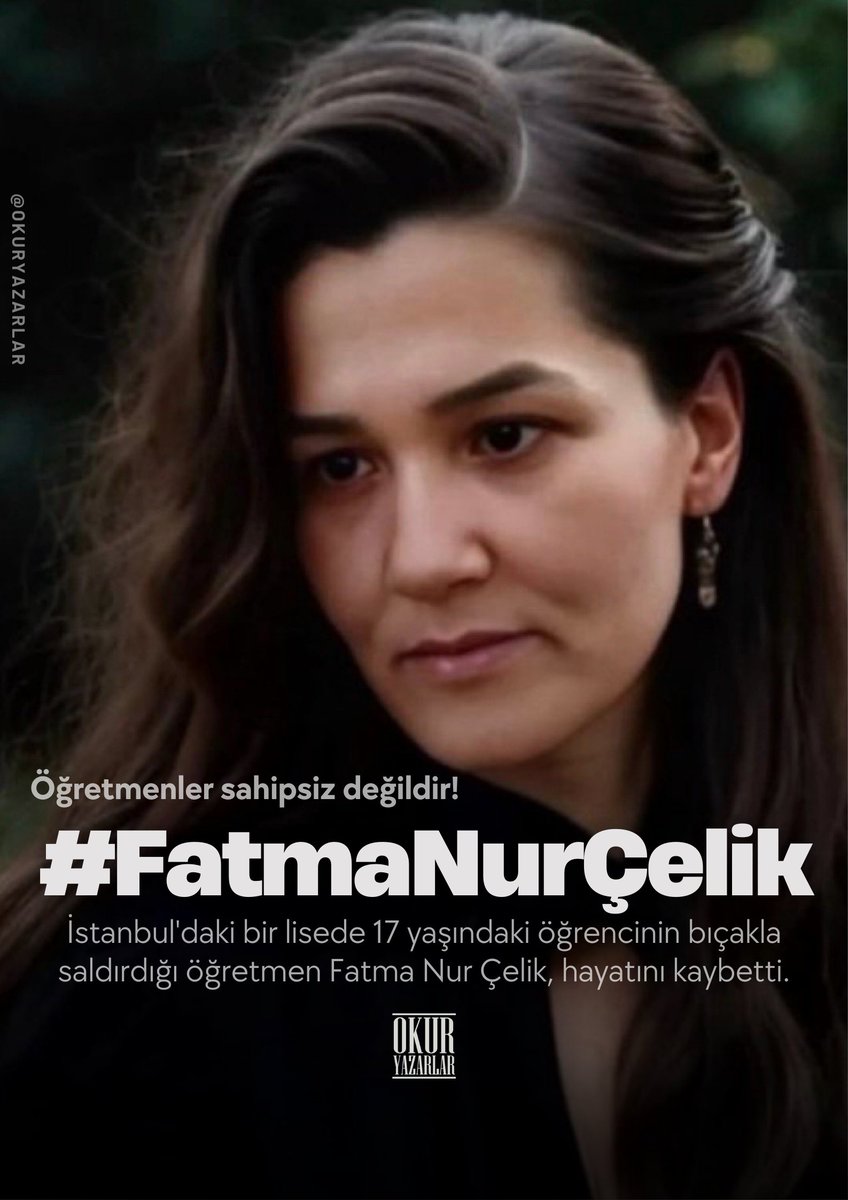
Liseli gençler neden mi tepkili?
Sınıflarda hangi zihniyet ile başbaşa kalacaklarını biliyorlar.
Acı ama gerçek.Maruz kalacakları gerici tutum ve haksızlıklara karşı onları anlayan, koruyan bir kaç hocaları vardı,şimdi çoğu yok.
Okurken utandım
#LisemeDokunma
#ÖğretmenimeDokunma


Türkçe
iyiboyle retweetledi
Ünsal Ünlü’nün cömertçe sıraladığı övgüler karşısında mahcupça teşekkür etmekten başka bir şey gelmiyor elimden. Bu puslu zamanlarda varlığıyla güç veren insanlardan. Hep var olsun; o patronsuz sesi hep duyalım.
ÜNSAL ÜNLÜ@unsalunlu
Unutmadığınızdan emin misiniz? x.com/i/broadcasts/1…
Türkçe
iyiboyle retweetledi
DİKKAT!!! ÇOK ÇOK ACİL!!!
Tuana'nın durumu ciddi! Kan kanseri!😔
ÇOCUKLAR HEP GÜLSÜN
Yer: İzmir Bayraklı Şehir Hastanesi
Kan: A Rh+
0533 854 01 87
Türkçe
iyiboyle retweetledi
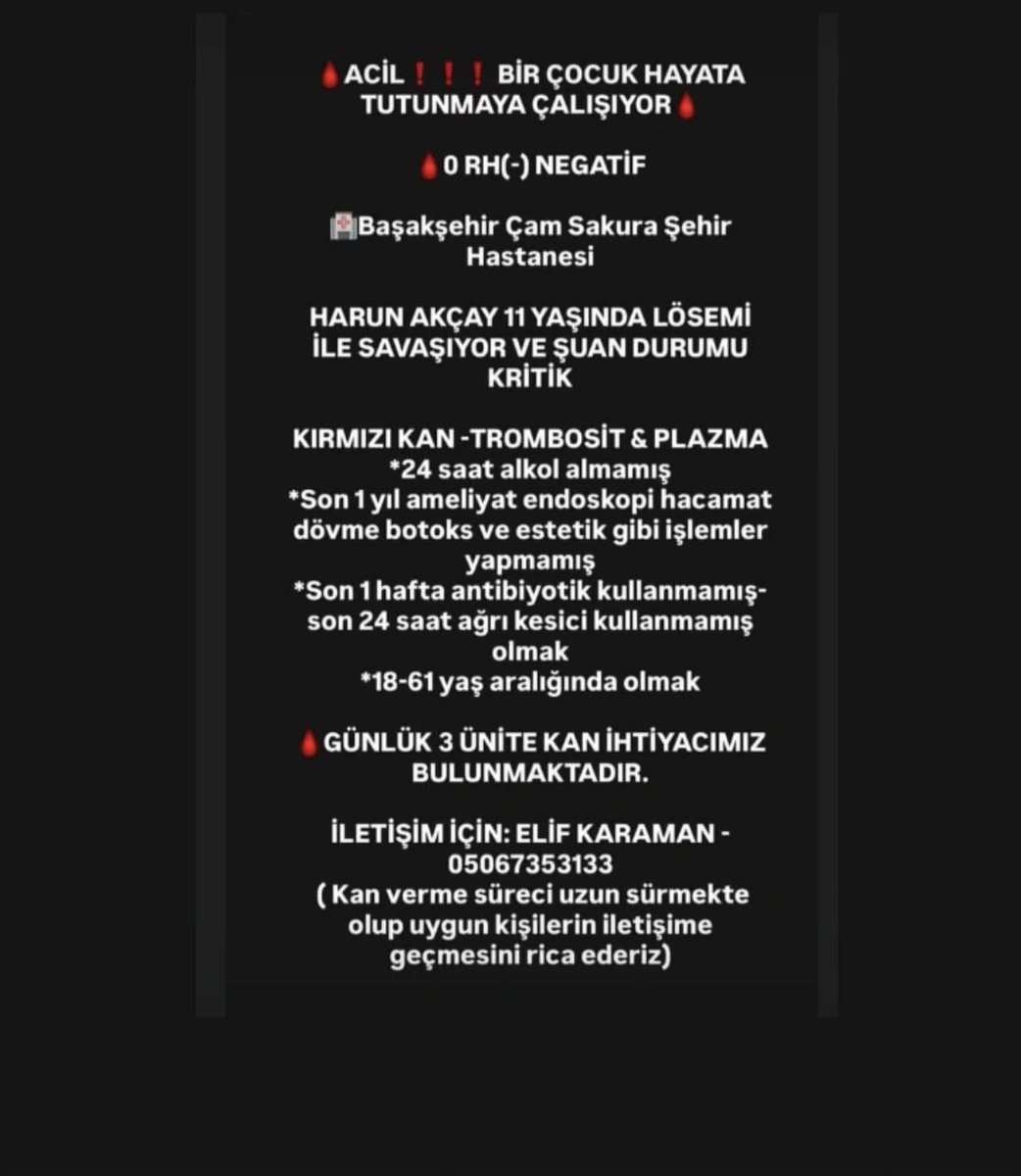
Çok çok çok acil!!!
Kan kanseri minik çok zor durumda!
İstanbul Başakşehir Çam ve Sakura Hastanesi'nde bir minik için acil AB Rh- kan ihtiyacı vardır.
Dünya'da zor bulunan kanlardan haydi ona umut olalım hayata tutunsun
0531 461 07 35
Türkçe
iyiboyle retweetledi

Yaşlı kadınlara musallat olan bir sapık, onlarca kişi söyledi bunu. Milletin yaşlı anasını rahatsız ediyor. Bir kadın hala ortada değil. Kadının mezarı yok, kocası bu dertle öldü. Evlatları mahvoldu. Anaları yok, ölüsü dirisi yok! Bu adamı serbest bırakmışsınız.
Biz senden razıyız diyor bir de sapığa. Bu berber kimse, neredeyse bulun da kimse gitmesin. Sapığı destekleyen kişinin normal olduğunu söyleyemeyiz.
Ayrıca bu suçluları içeride böyle semirtirseniz kimse de suç işlemekten korkmaz. İçeri giren domuz gibi çıkıyor. Bir şeyler değişmeli.
Aykırı@aykiri
Müge Anlı’nın programında tanınan ve tutuklanan Sinan Sardoğan, cezaevinden tahliye olduktan sonra gittiği kuaförde bu videoyu çekti.
Türkçe
iyiboyle retweetledi

iyiboyle retweetledi
iyiboyle retweetledi
iyiboyle retweetledi
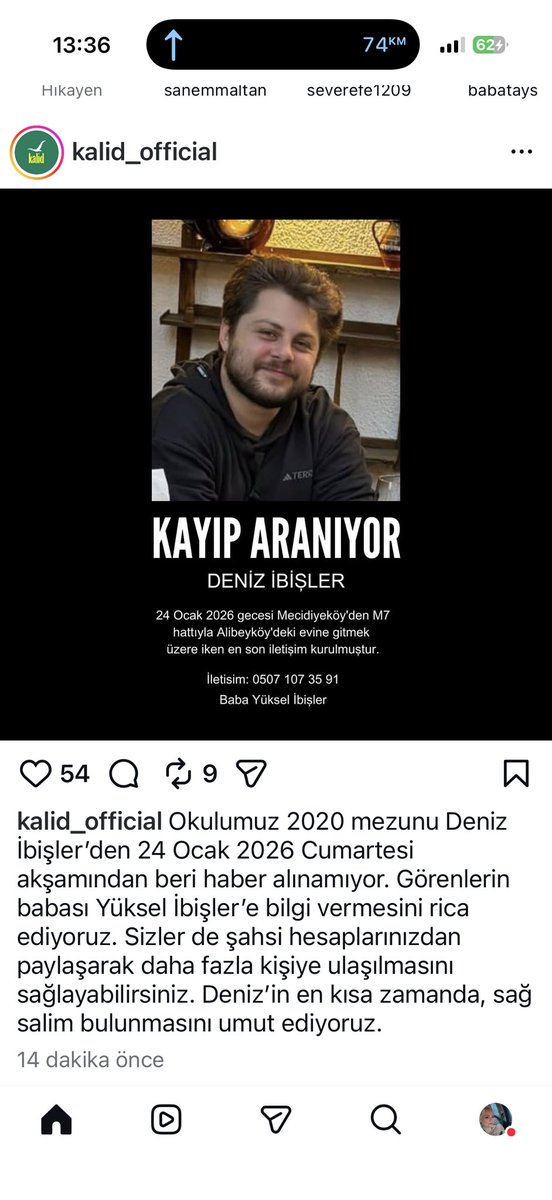
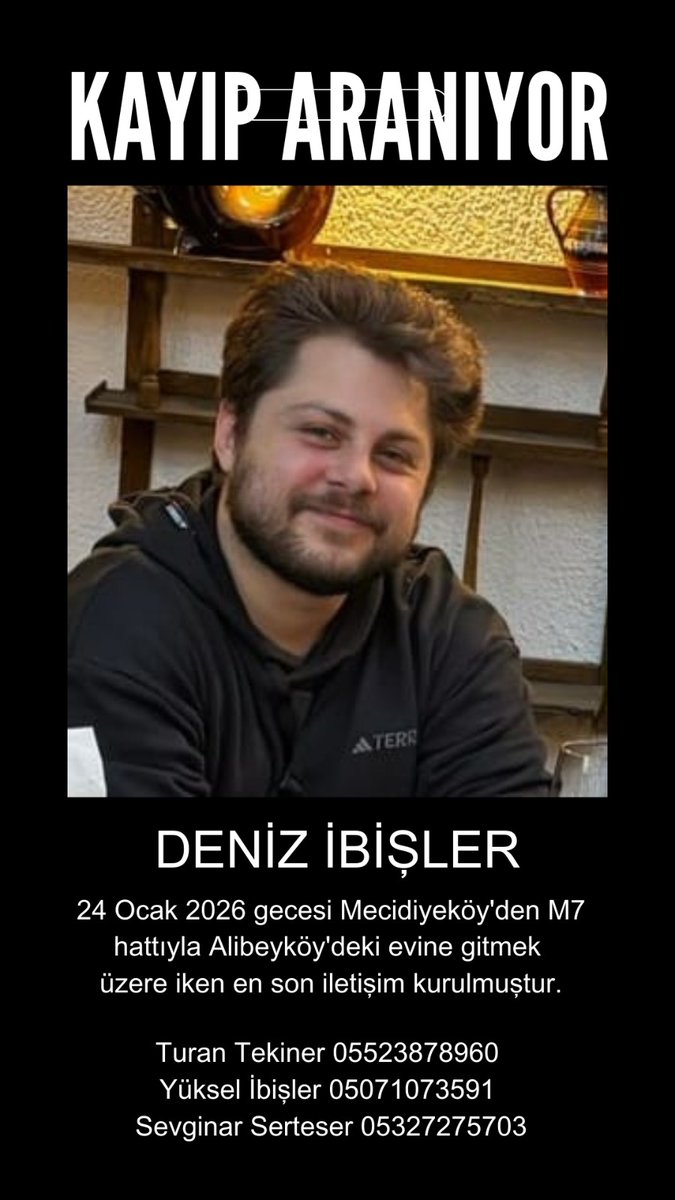
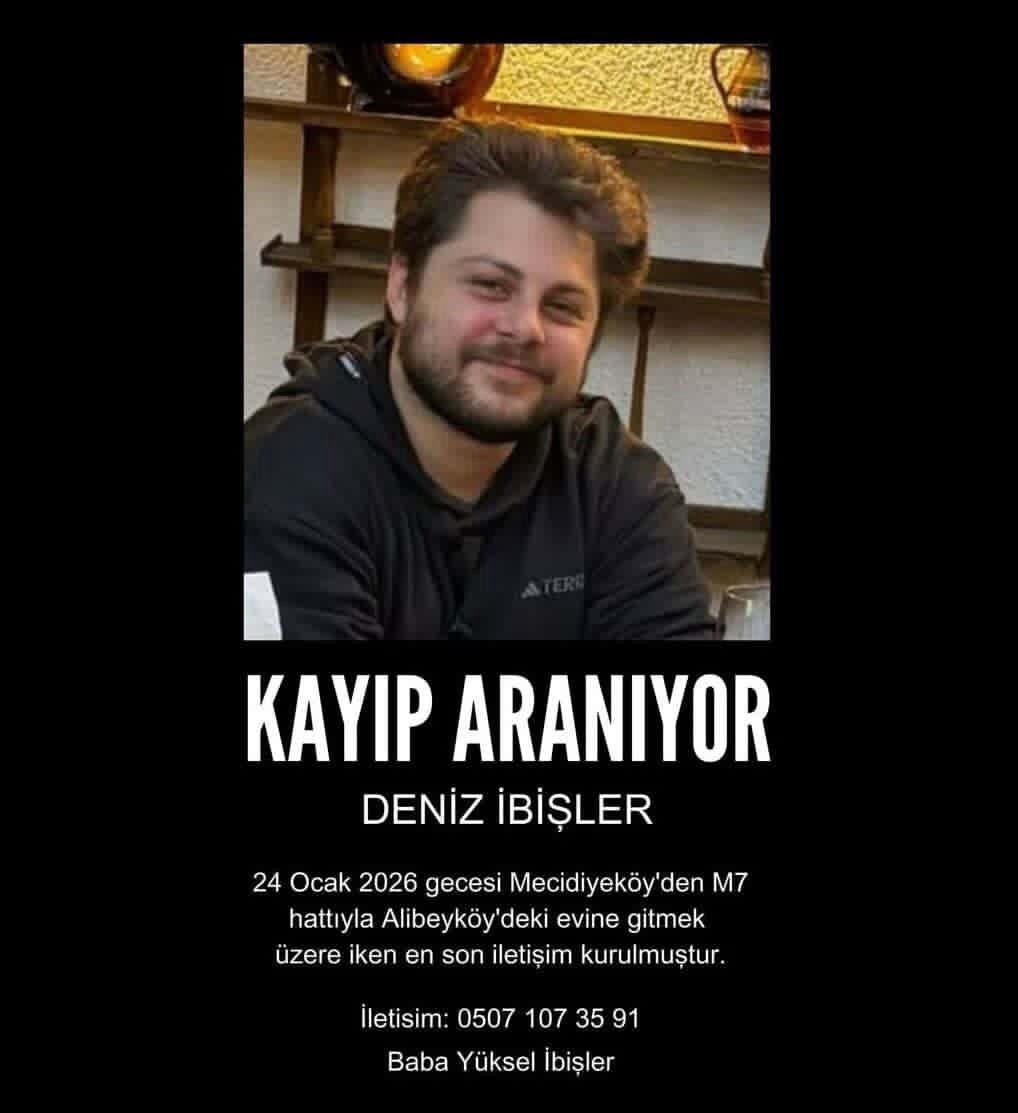
22 yaşında, Kadıköy Anadolu Lisesi mezunu ve mühendis bir genç.
Aileyle sorun yok daha önce ortadan yok olma hikayesi yok.
Cumartesi Acıbadem'den Alibeyköy'deki evine gitmek üzere arkadaşından ayrılıp metroya biniyor.
Bir daha haber yok!
Çok endişeliyiz.
berna lacin🌟@bernalacin35_5
DİKKAT! ÇEVREMİZDEN BİR GENÇ DENİZ! Cumartesiden beri kayıp ve artkk çok endişeliyiz. Yayar mısınız?
Türkçe
iyiboyle retweetledi

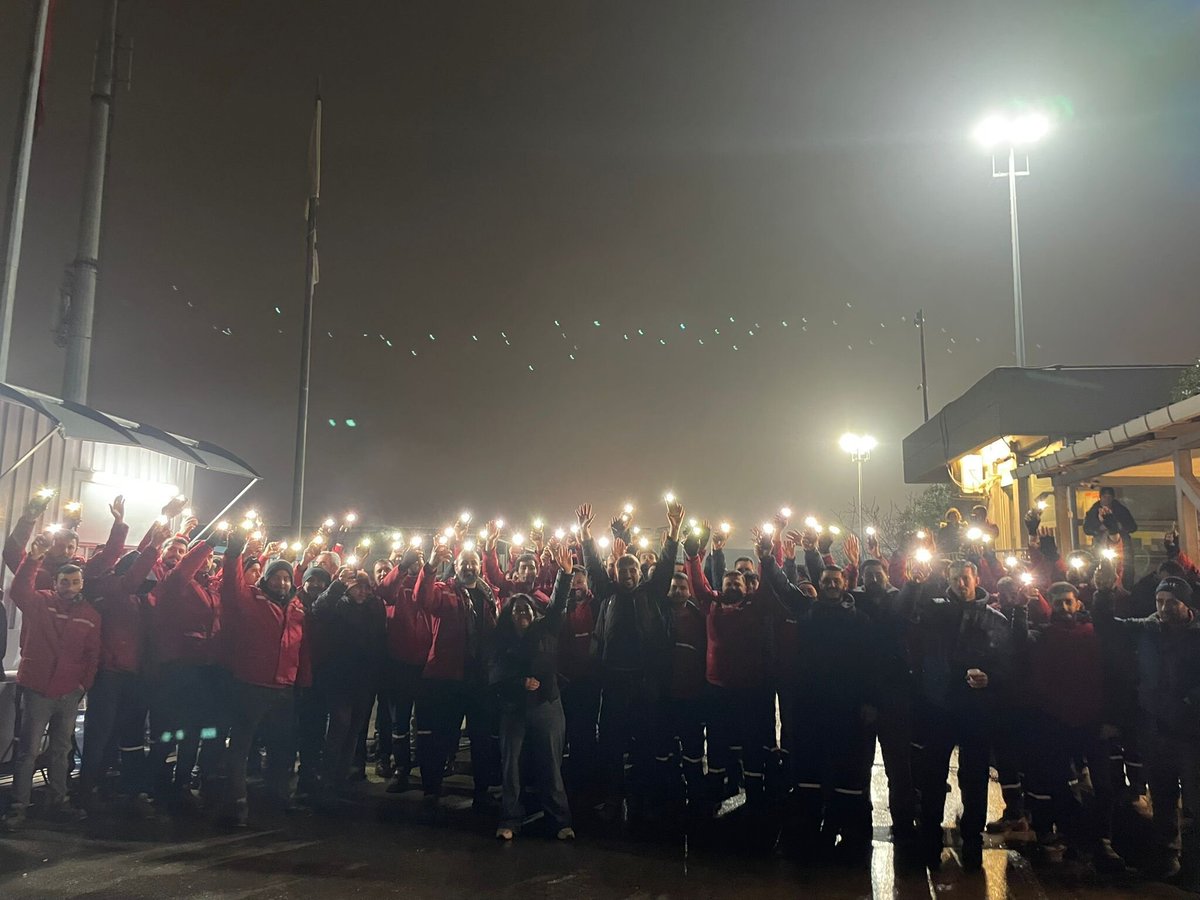
Türkiye genelinde DGD-Sen öncülüğünde 5 bin Migros Depo işçisi direnişte..
Talepler:
• Taşeron US-Group ve M.B.M depolardan gidecek, işçilerin tamamı Migros kadrosuna alınacak.
• Migros mağaza çalışanlarının aldığı tüm haklar depo işçilerine de verilecek.
• Banka promosyonları işçilere eksiksiz ödenecek.
• Tüm ücret artışları net yüzde 50 olacak.
• Vergiyi Migros patronu ödeyecek.
Türkçe
iyiboyle retweetledi
Yanı başımızda büyük bir işçi direnişi yaşanıyor; ne var ki gündem yolunu kaybetmiş penguen. Lafa gelince “işçiler neden direnmiyor,” direnince de sessizce izlemek. Milyonlarca takipçisi olan sol gazeteler, CHP aşağı CHP yukarı haberlerine tam gaz devam ediyor. Arada bir Migros işçisi kadraja giriyor.
Başaran Aksu@Basaranaksu_
An itibarıyla durumumuz budur.. Düşmanın şirretliği tamam ama dostların sessizliği ? Mutlaka kazanacağız
Türkçe
iyiboyle retweetledi

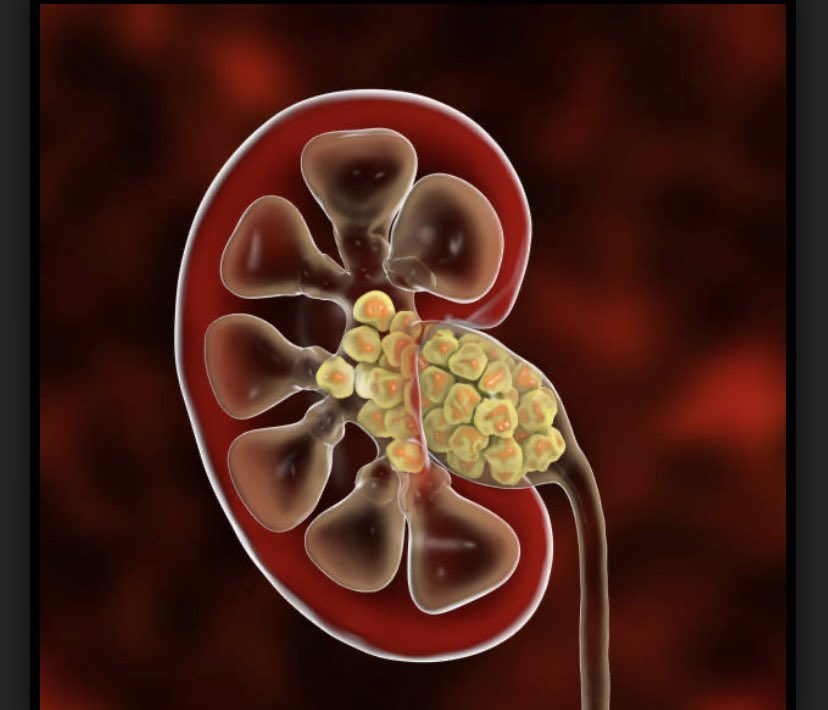
On yıllarca doktorlar böbrek taşlarının, böbrekte biriken minerallerden oluşan cansız topaklar olduğuna inanıyordu.
UCLA Health tarafından bu ay yayınlanan çığır açıcı bir çalışma bunun yanlış olduğunu kanıtladı.
Yüksek teknoloji ürünü floresan mikroskopi kullanarak, araştırmacılar bu taşların aslında içlerinde "gömülü" canlı bakteri ve mantar benzeri biyofilmler içerdiğini keşfettiler.
Bu, uzun süredir devam eden bir tıbbi gizemi çözüyor: Hastalar, idrarları steril olsa bile, taş kırma tedavilerinden sonra neden bazen ciddi enfeksiyonlar (sepsis) geçiriyorlar? Cevap: Taşın kırılması, içinde hapsolmuş bakterileri serbest bırakıyor.
Bu, tedavide devrim yaratabilir ve odağı böbrekteki gizli mikrobiyoma yöneltmeye kaydırabilir.
Kaynak: Wong, Gerard C. L. et al, Intercalated bacterial biofilms are intrinsic internal components of calcium-based kidney stones, Proceedings of the National Academy of Sciences (2026). DOI: 10.1073/pnas.2517066123.
Science & Astronomy@sci_astronomy
For decades, doctors believed the most common kidney stones (calcium oxalate) were lifeless lumps formed purely by chemistry—minerals building up in the kidney. A groundbreaking study published this month (Jan 2026) by UCLA Health has proven this wrong. Using high-tech fluorescence microscopy, researchers discovered that these stones actually contain live bacteria and fungal-like biofilms "entombed" inside them. The bacteria act as a scaffolding (nidus), allowing the minerals to crystalize and grow layer by layer. This solves a long-standing medical mystery: Why do patients sometimes get severe infections (sepsis) after stone-breaking treatments (lithotripsy), even when their urine was sterile? The answer: breaking the stone releases the bacteria trapped inside. This could revolutionize treatment, shifting focus from just diet changes to targeting the hidden microbiome within the kidney. Journal Reference: Wong, Gerard C. L. et al, Intercalated bacterial biofilms are intrinsic internal components of calcium-based kidney stones, Proceedings of the National Academy of Sciences (2026). DOI: 10.1073/pnas.2517066123. #MedicalBreakthrough #Microbiology #KidneyHealth #UCLAHealth #NewDiscovery
Türkçe
iyiboyle retweetledi
Deniz maalesef üç gündür kayıp. Bu ilanı yaymama yardımcı olursanız çok sevinirim.
Türkçe
iyiboyle retweetledi


iyiboyle retweetledi
Hakan Tosun Neden Öldürüldü?
🗓️ Tarih: 24 Ocak, Cumartesi
🕖 Saat: 18.30
📍 Yer: Fabrika Ayvalık
#HakanTosunNedenÖldürüldü ?
#HakanTosunaNeOldu
@genismerdiven @Hakananeoldu

Türkçe