Umar Yahya

5.3K posts

Umar Yahya banner
Umar Yahya

Umar Yahya

@omarmugabo

PhD in Computer Science | Dean - Faculty of Science @iuiuac | Head of Motion Analysis Research Laboratory (MARL) @marlworks. Alumnus: @IUTOIC and @ubdbuzz

Kampala, Uganda Katılım Mart 2009
865 Takip Edilen880 Takipçiler
Sabitlenmiş Tweet
Umar Yahya
Umar Yahya@omarmugabo·
Take good care of your health. With poor health (physical or mental), there is very little you can do for yourself, let alone for others. ✍️📌🙏 #HealthTips #Lifestyle #Ageing
English
1
3
13
588
Umar Yahya retweetledi
Bank of Uganda
Bank of Uganda@BOU_Official·
"Chairman, a country without reserves is not sovereign. The potential of this Bill to destabilize Uganda’s balance of payments is our primary concern as a central bank. For example, last financial year the overall balance of payment surplus was USD 1.5 billion. That’s how we were able to increase our reserve coverage by USD 1.5 billion. Today as we speak our reserves are close to USD 6 billion. Why? Because these inflows have been coming in. The moment you tamper with these inflows here, we risk running down our reserves, and that is economic disaster for a country.” Governor Atingi-Ego on the Protection of Sovereignty Bill 2026 in an appearance before Parliament today.
Bank of Uganda tweet media
English
527
2.8K
7.4K
465.6K
Umar Yahya retweetledi
manar
manar@manarmn__·
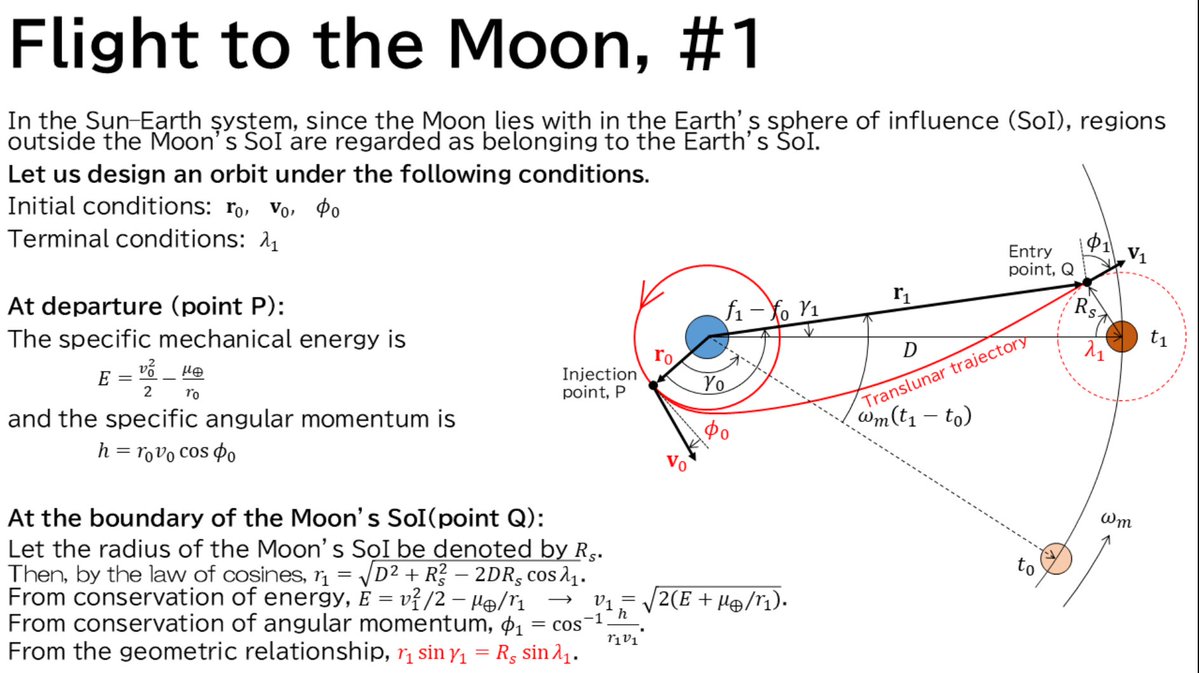
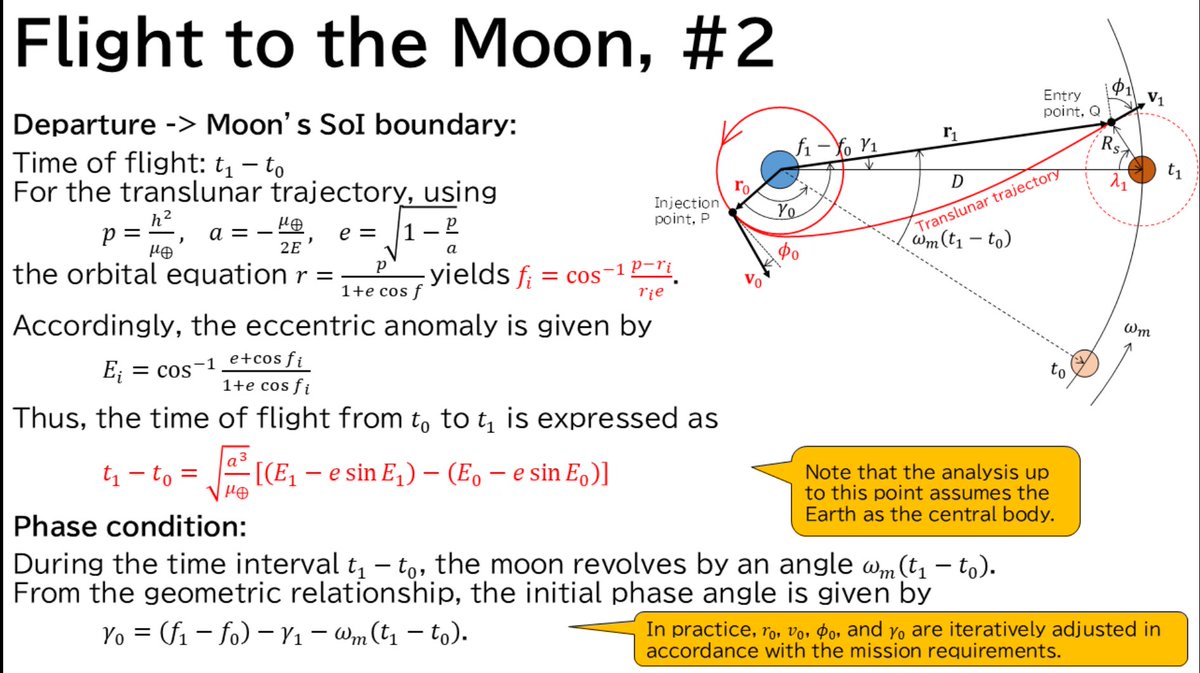
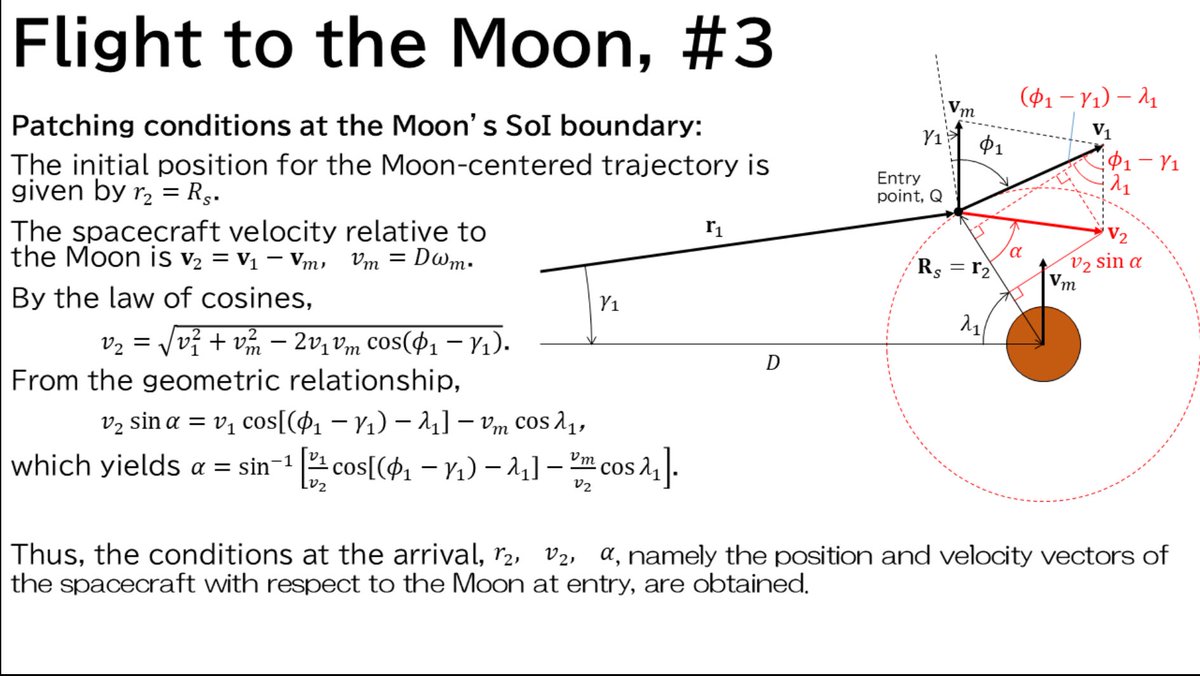
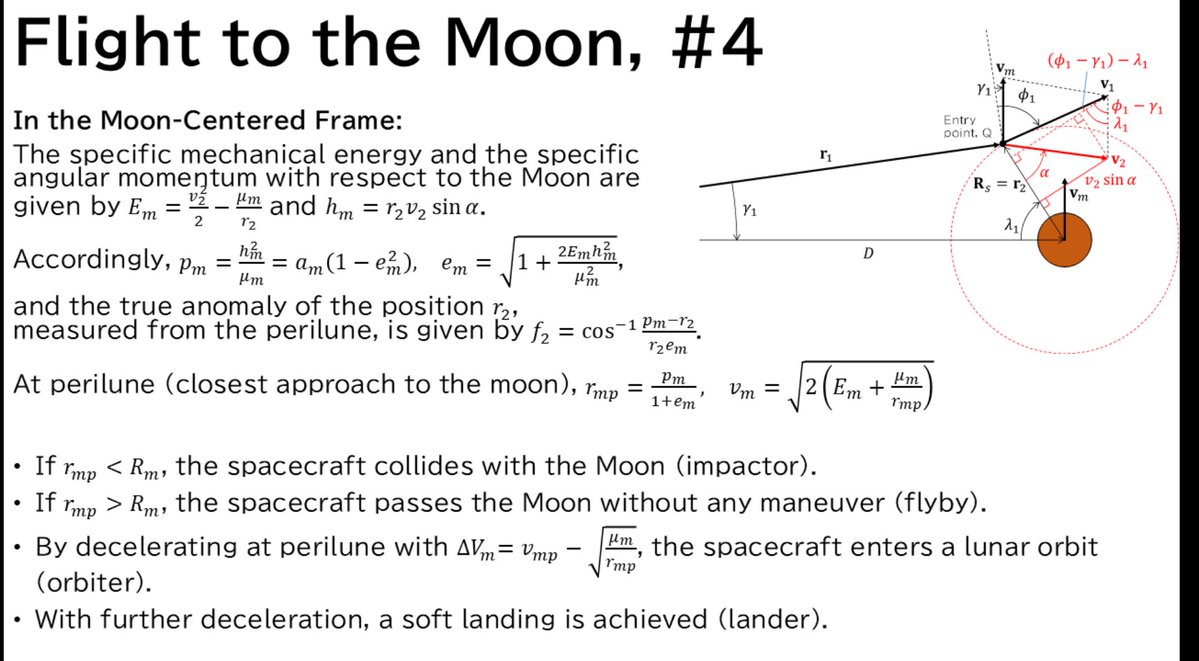
The Math Behind Artemis II
manar tweet mediamanar tweet mediamanar tweet mediamanar tweet media
English
102
3.4K
14.6K
569.5K
Umar Yahya retweetledi
Josh Wolfe
Josh Wolfe@wolfejosh·
1/ New paper from @ylecun et al on alternative approach for AI to learn more biologically... paper basically says AI is super smart but still can't learn like a toddler can... the main critique
Josh Wolfe tweet media
English
28
119
690
92.6K
Umar Yahya retweetledi
Santiago
Santiago@svpino·
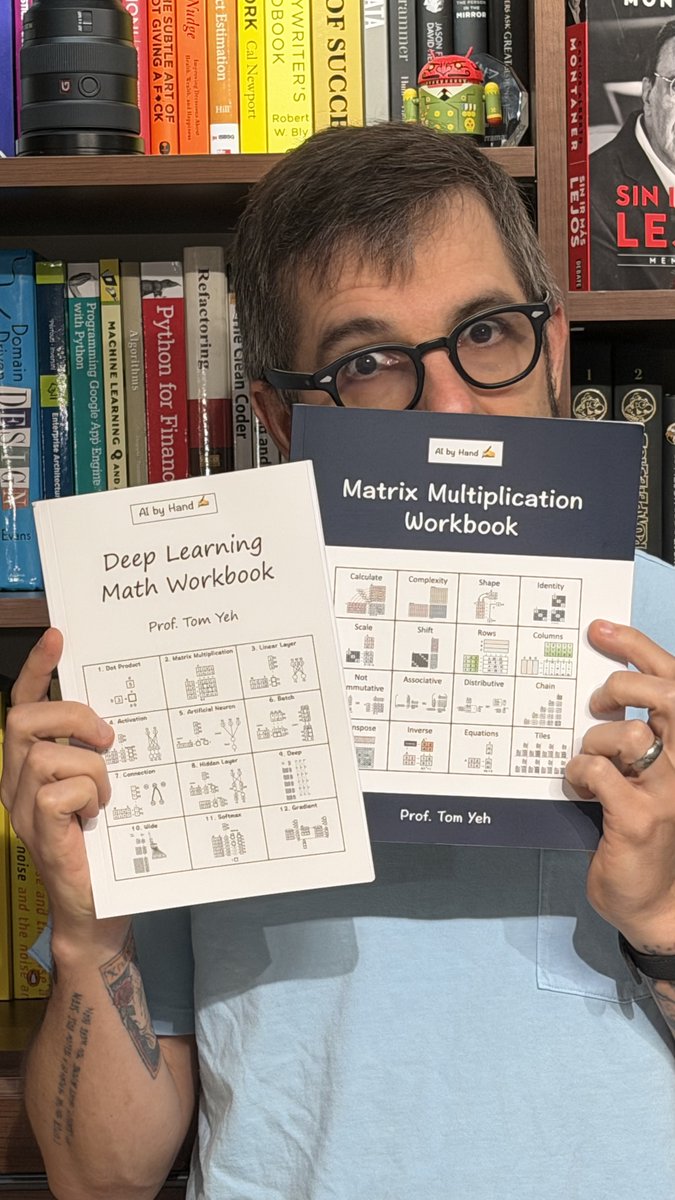
Don't let your brain become yogurt because of AI. Exercise your mind. Think. Learn AI by hand. These workbooks will teach you the fundamental building blocks of deep learning: • Matrix multiplication • Dot product • Activations • Linear layers • Gradients And every single thing you need to understand deep learning from first principles. The Matrix Multiplication book is a beautiful, 254-page workbook that covers every imaginable detail of matrices. No computers. You only need the book and a pencil.
Santiago tweet media
English
29
135
1.1K
50.4K
Arinaitwe Rugyendo, PhD🇺🇬
Arinaitwe Rugyendo, PhD🇺🇬@RugyendoQuotes·
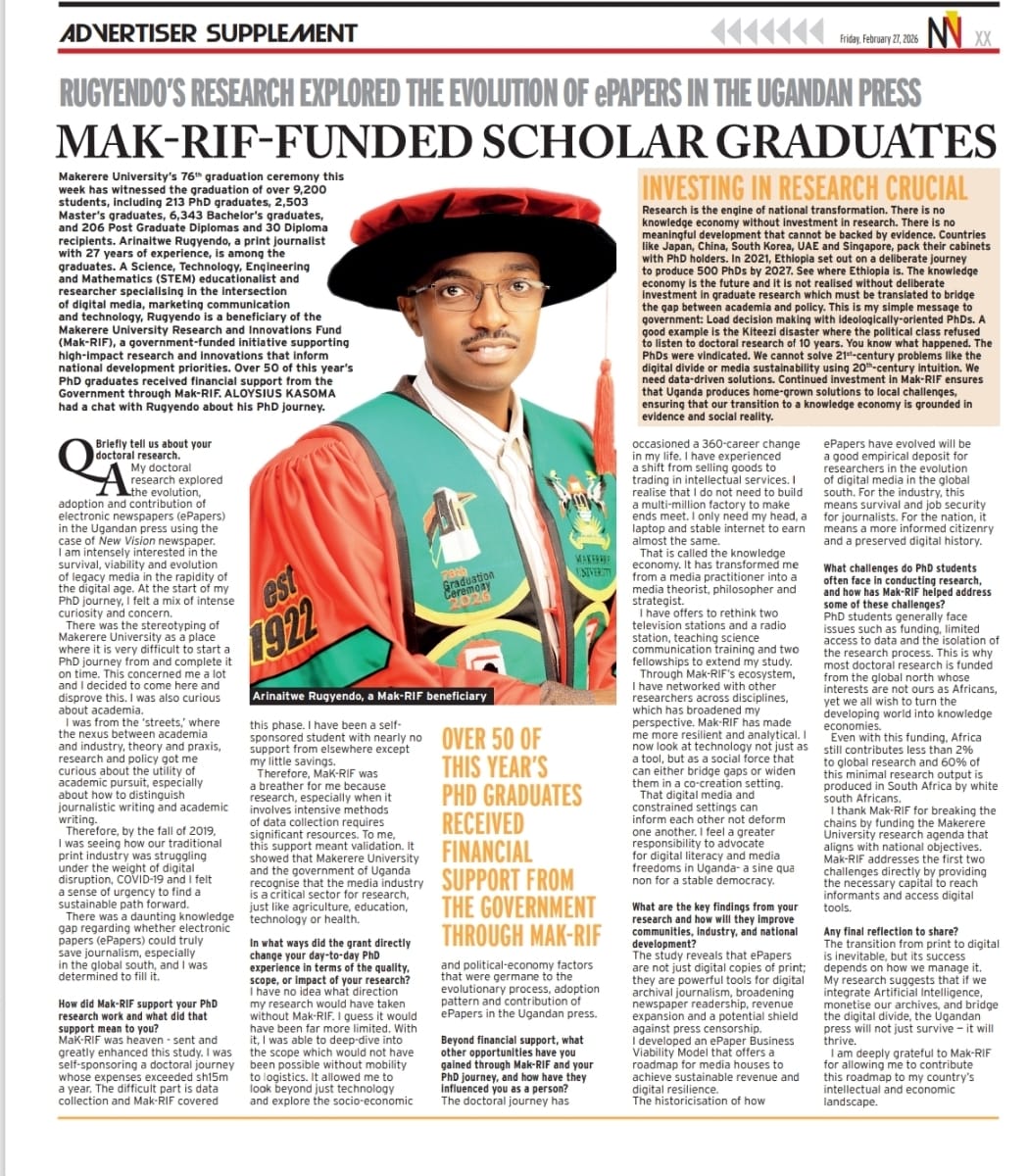
AD MAJOREM DEI GLORIAM! He raises the poor from the dust and lifts the needy from the ash heap; he seats them with princes and has them inherit a throne of honor (1Samuel 2: 8) #Mak76thGrad
Arinaitwe Rugyendo, PhD🇺🇬 tweet mediaArinaitwe Rugyendo, PhD🇺🇬 tweet mediaArinaitwe Rugyendo, PhD🇺🇬 tweet media
English
150
164
846
46.4K
Umar Yahya retweetledi
Elon Musk
Elon Musk@elonmusk·
@gvanrossum Flight code for the rockets and Starlink satellites is written in C and C++. Python is used where runtime performance is less important than rapid iteration and ease of use.
English
427
531
15.6K
1M
Umar Yahya retweetledi
Andrew Akbashev
Andrew Akbashev@Andrew_Akbashev·
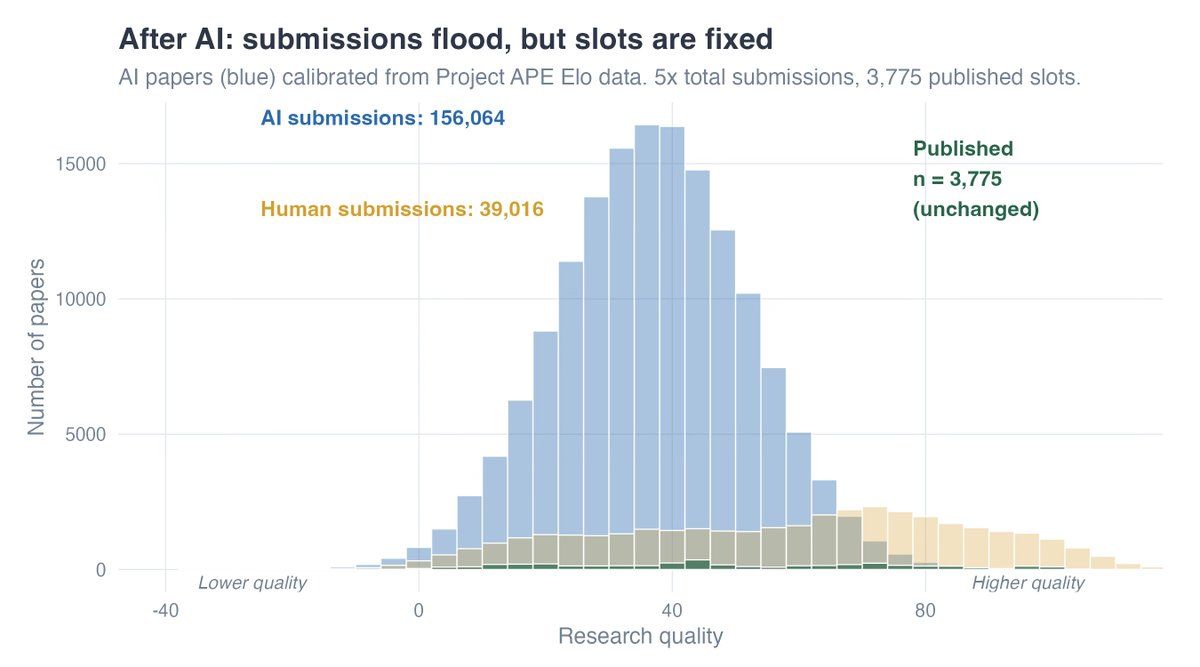
A really dangerous situation. Too many submissions. Too many generated papers. Little responsibility. 1. In 2026, more than 24,000 submissions were made to the International Conference on Machine Learning (ICML). It’s TWO times more than in 2025. To fight it, the organizers now require researchers to pay $100 for every subsequent paper. 2. LLM adoption has increased researcher productivity by 90% (there’s a recent paper in Science). 3. The number of papers is becoming far too high. Submissions to arXiv have risen by 50% since 2022. 4. There are simply not enough reviewers. Plus, many scientists no longer want to invest precious time in it for free. 5. We can’t easily identify AI-made papers from the genuine ones. __ Important words from Paul Ginsparg, a co-founder of arXiv: “AI slop frequently can’t be discriminated just by looking at abstract, or even by just skimming full text. This makes it an “existential threat” to the system.” Basically, we’re getting closer to the tipping point. 📍 Many professors blame the AI. But the problem is likely elsewhere: 1. Without a sufficient number of papers, many PIs can’t get funded. They have to prove their credibility to reviewers. Their proposals have to rely on prior publications. In many countries, there are some informal (or even formal) expectations for how many papers a group with a certain size has to publish to survive (funding-wise). 2. Our students / postdocs need papers if they want to be hired in faculty roles. Yes, some departments hire people with few publications. But the majority still want to ensure their faculty can get funded. If funding is partly a function of papers, this is used in decision-making. 3. The number of papers is important if you want to get high-level awards. Many of them are not given because you published one paper (even if it’s great). They are given because you made a meaningful CONTRIBUTION to the field. How do you make it? Publish more papers. 4. Tenure promotions in many places take the number of your papers into account (often indirectly). Your tenure may get delayed if you don’t publish enough. Not everywhere, but for many mid- to low-ranked universities this story is more or less the same. + There are many more to mention. 📍My opinion: Much of this is rooted in how funding is distributed. There is a strong correlation between the requirements at a university and the funding acquisition criteria. If funding were based ONLY on the quality of published papers, universities would hire people for the quality of their science. If funding agencies strongly discouraged publishing too many papers, universities wouldn’t expect numbers from faculty during promotions. And some supervisors wouldn’t pressure students and postdocs to publish unfinished studies and low-quality data. Yes, we need good detectors of fake papers. But we also need the right policies and better funding allocation criteria.
Andrew Akbashev tweet media
English
94
372
1.4K
193.9K
Umar Yahya retweetledi
Anthropic
Anthropic@AnthropicAI·
We've signed an MOU with the Government of Rwanda—the first partnership of its kind in Africa—to bring AI to health, education, and other public sectors. Read more: anthropic.com/news/anthropic…
English
240
712
2.9K
439.3K
Umar Yahya retweetledi
Deep Psychology
Deep Psychology@DeepPsycho_HQ·
Deep Psychology tweet media
ZXX
49
2.1K
9.3K
185.8K
Umar Yahya retweetledi
Pedro Domingos
Pedro Domingos@pmddomingos·
I hate the idea of churning out research papers by the dozen. A research paper should be a work of art.
English
64
123
1.1K
51.2K
Umar Yahya retweetledi
Interesting STEM
Interesting STEM@InterestingSTEM·
The best way to teach people critical thinking is to teach them to write
English
31
1.2K
5K
135.2K
Umar Yahya retweetledi
Kirk Borne
Kirk Borne@KirkDBorne·
[Download 698-page PDF eBook] Everything You Always Wanted To Know About #Mathematics* (*But didn’t even know to ask) A Guided Journey Into the World of Abstract Mathematics, Theorems, and the Writing of Proofs: math.cmu.edu/~jmackey/151_1…
Kirk Borne tweet media
English
4
129
661
32.6K
Umar Yahya retweetledi
DAIR.AI
DAIR.AI@dair_ai·
Integrating LLMs with knowledge bases. Important read for AI practitioners LLMs generate impressive text but struggle with hallucinations, outdated knowledge, and reasoning over structured data. The default response has been scaling up (e.g., more parameters, more compute, more cost). But bigger models don't solve the fundamental problem: LLMs lack reliable access to external, verifiable knowledge. This new survey examines how RAG, Knowledge Graphs, and hybrid approaches address these limitations. The key insight: integration happens at three levels: - Level 1 focuses on retrieval, getting the right information into the model. - Level 2 addresses reasoning, synthesizing retrieved knowledge for complex tasks. - Level 3 handles optimization, adapting systems for domain-specific needs. KAG showed 19.1% exact match improvement over basic RAG on HotpotQA. Think-on-Graph achieved significant accuracy gains over Chain-of-Thought on complex QA. The practical applications span finance, medicine, and code generation. FinAgent combines RAG with reinforcement learning for trading decisions. UMLS integration improves diagnostic accuracy in medical AI. Codex leverages retrieval to enhance code generation quality. Knowledge drift requires continuous updates, domain-specific representations don't always align with LLM embeddings, and standardized evaluation benchmarks are still lacking. The path to reliable LLMs isn't just scale. It's thoughtful integration with structured knowledge that provides factual grounding and enables complex reasoning. Paper: doi.org/10.1016/j.knos… Learn to build RAG and AI agents in our academy: dair-ai.thinkific.com
DAIR.AI tweet media
English
30
130
732
56.7K
Umar Yahya retweetledi
QVAC
QVAC@qvac·
EDGE/ON-DEVICE AI INFERENCE AND FINE-TUNING IS HERE. Tether Data just released QVAC Fabric LLM, and it creates a new foundation for how AI is built and deployed. It is the world's first Edge-First Inference Runtime & Fine-Tuning Framework. Here’s the breakdown
English
7
26
321
575.1K
Umar Yahya retweetledi
Alex Smith
Alex Smith@ninja_maths·
I designed the Mathematical Foundations Series to help adults efficiently master all the middle and high school material (including calculus) necessary for university-level math. It starts with fractions and goes as far as calculus, basic linear algebra, & random variables. I'm often asked which high-school topics were excluded from the Foundations series. We decided to leave some topics out either because (a) they're not important for university-level study or (b) we plan to include them in the university-level course where they're most needed. Here's a summary of topics that didn't make the cut: * Some Geometry topics: All of the essential geometry is covered. However, we removed topics on inscribed angles, Thales' Theorem, Triangle congruence, the SSS and SAS similarity criteria (we kept AA, as this crops up in Calculus), midpoint and triangle proportionality theorems, some solid geometry (though we kept what's fairly standard for calculus, such as volumes and surface areas of spheres, volumes of cones), lots of stuff on different types of quadrilaterals. * Conic sections: Both pathways (high school and foundations) cover the essentials. However, in the high school path, we go into a little more detail about foci, directrices, and eccentricity and utilize their geometric definitions (e.g., focus-directrix properties). * Trig Identities and Equations: Both pathways cover these, but the high-school versions go into more detail and consider more cases. * Other arbitrary Prealgebra topics: Delving deeper into ratios in contextual settings, scientific notation, and some basic data representation topics that one would normally meet in Prealgebra. * Slope fields. This will be covered in our upcoming differential equations course. * Some analytical applications of differentiation that are quite specific to the BC Calculus exam: Identifying and removing point, jump, and infinite discontinuities and analyzing graphs of first and second derivatives. There are also fewer topics on related rates and optimization, though these topics are still covered. * Some contextual applications of integration, like volumes of revolution and volumes of known cross-sections. * Convergence tests for infinite series. These will be covered in our Real Analysis when we get to that, but other than infinite geometric series (which is covered in Foundations), these tests don't appear very often anywhere else. * Some ODE models, such as exponential and logistic growth and decay. We cover ODE basics in the foundations course, but particular models will be covered in the Differential Equations course. * Taylor series. Again, this can be covered in the Differential Equations and real analysis courses for anyone wishing to take that course when ready. The foundations series does cover second-order Taylor polynomials. If anyone has any questions about the Foundations Series, I'd be happy to answer them. You can find the course descriptions (including a list of all 989 topics here: mathacademy.com/courses/mathem… mathacademy.com/courses/mathem… mathacademy.com/courses/mathem…
Alex Smith tweet media
English
33
227
1.4K
165.2K
Umar Yahya retweetledi
Adam Grant
Adam Grant@AdamMGrant·
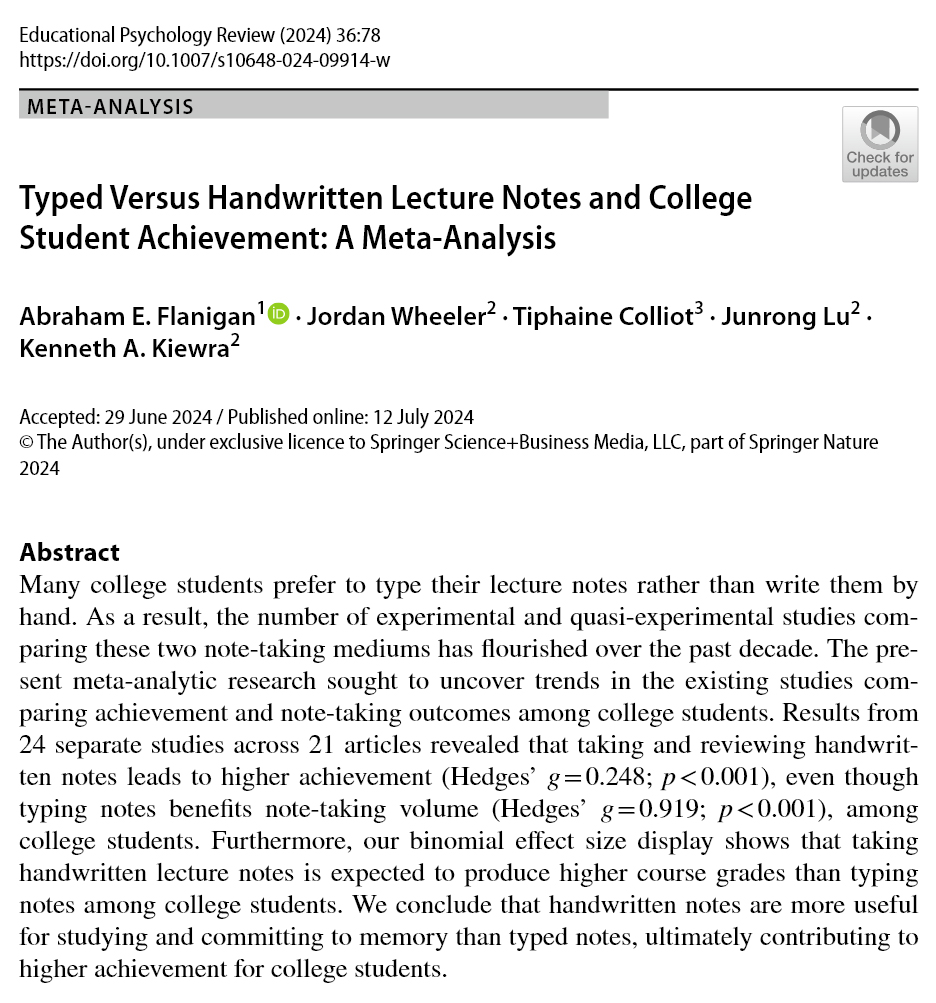
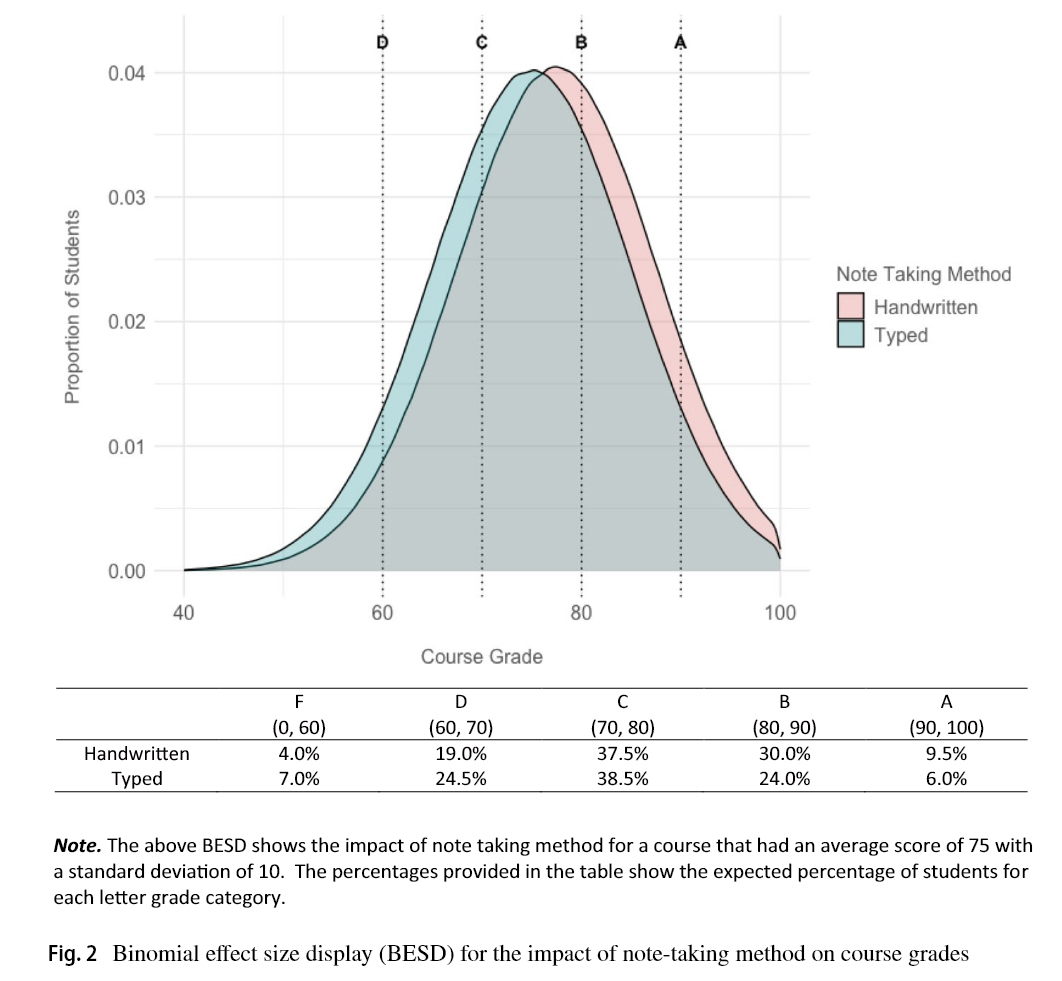
It's time to remove laptops from classrooms. 24 experiments: Students learn more and get better grades after taking notes by hand than typing. It's not just because they're less distracted—writing enables deeper processing and more images. The pen is mightier than the keyboard.
Adam Grant tweet mediaAdam Grant tweet media
English
739
6.7K
26.4K
3.7M
Umar Yahya
Umar Yahya@omarmugabo·
@Mind_Essentials Only if you're doing your best. Otherwise, something worse could be on the way.
English
0
0
0
127
Umar Yahya
Umar Yahya@omarmugabo·
My rejection rate for review requests has grown quite exponentially in the last 2 years. Why should I spend hours reviewing work that you never did? Just a few prompts with GenAI! Editors, let's enhance the desk screening before inviting peer reviews 😏. #GenAI #Academia #PeerReview #PromptScholars
English
0
0
1
39