
Sabitlenmiş Tweet
Opal
3.8K posts


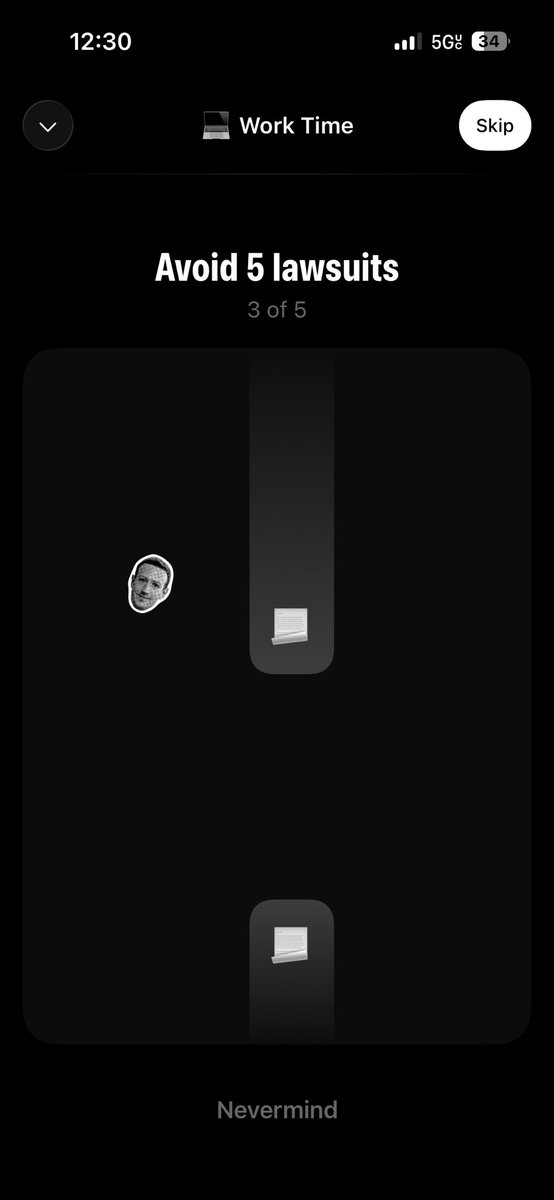
Opal v4 is too powerful to release publicly.
New autofocus model is so aggressive it started blocking distracting thoughts from occurring, not just social media apps.
Early testers reported reading a book for the first time since 2019.
We've informed relevant teams at Meta.
Out of an abundance of caution, we are releasing the update soon.
English
Opal retweetledi

The Chatbase team is in Paris.
If you haven’t checked out @opalapp yet, now’s the time.
Lovely people, amazing product.

English
Opal retweetledi




Opal retweetledi

Escape cognitive underclass with @opalapp
François Chollet@fchollet
A lot of folks talk about "escaping the permanent underclass". If AGI pans out, the future class divide won't be based on wealth, but on cognitive agency. There will be a "focus class" (those who control their attention and actually do things) and a "slop class" (those whose reward loops are fully RL-managed by AI)
English

Opal retweetledi

Apple CEO Tim Cook: "I don't want people looking at their smartphone more than they're looking in someone's eyes."
"If they are just scrolling endlessly, this is not the way you want to spend your day. Go out and spend it in nature."
English
at @nvidia GTC "I love Opal"
0:00 — Question
Interviewer: @Grimezsz, what are some of your favorite tools in music or filmmaking?
0:04 — Grimes:
I actually think about it more broadly. There’s social technology, and culture itself is a medium.
Right now, everyone is really hyper-focused on art -which is great - but a lot of people want to make art, and there are already a lot of artists. Some of these tools are amazing for artists, but as a mother, I sometimes feel really assaulted by technology… and also really moved by certain niche technologies I’m seeing.
I think there could be more technology that helps us as humans - technology that supports culture and thinks more holistically.
0:37 — Grimes:
I love Opal - you know, something that can just block your apps while you’re at school or whatever.
0:42 — Interviewer:
Me too.
0:44 — Grimes:
Yeah, and I feel like I’m seeing more people approach technology this way.
Technology scales everything - good and bad. Right now, we’re scaling both, but the bad is scaling so quickly that it’s overwhelming people, especially younger minds. People don’t always understand things like digital hygiene or how to take care of their dopamine.
1:04 — Grimes:
So the tools I’m most excited about are the ones that nourish people and build culture. Sometimes those are creative tools like filmmaking - but again, I think we need to zoom out.
We’re all in the same place at the same time, and with great power comes great responsibility.
1:19 — Grimes:
I agree with the idea that new tools - like a new camera - don’t make previous art forms obsolete. But in the short term, they can still displace people, create instability, etc.
So I think we can do both. Some people already are -and I’d like to see more of that.
1:35 — Interviewer:
I totally agree. I think it’s going to be a hybrid, 100%.
1:39 — Interviewer (closing):
With that, I want to thank both of you so much for being here.
English
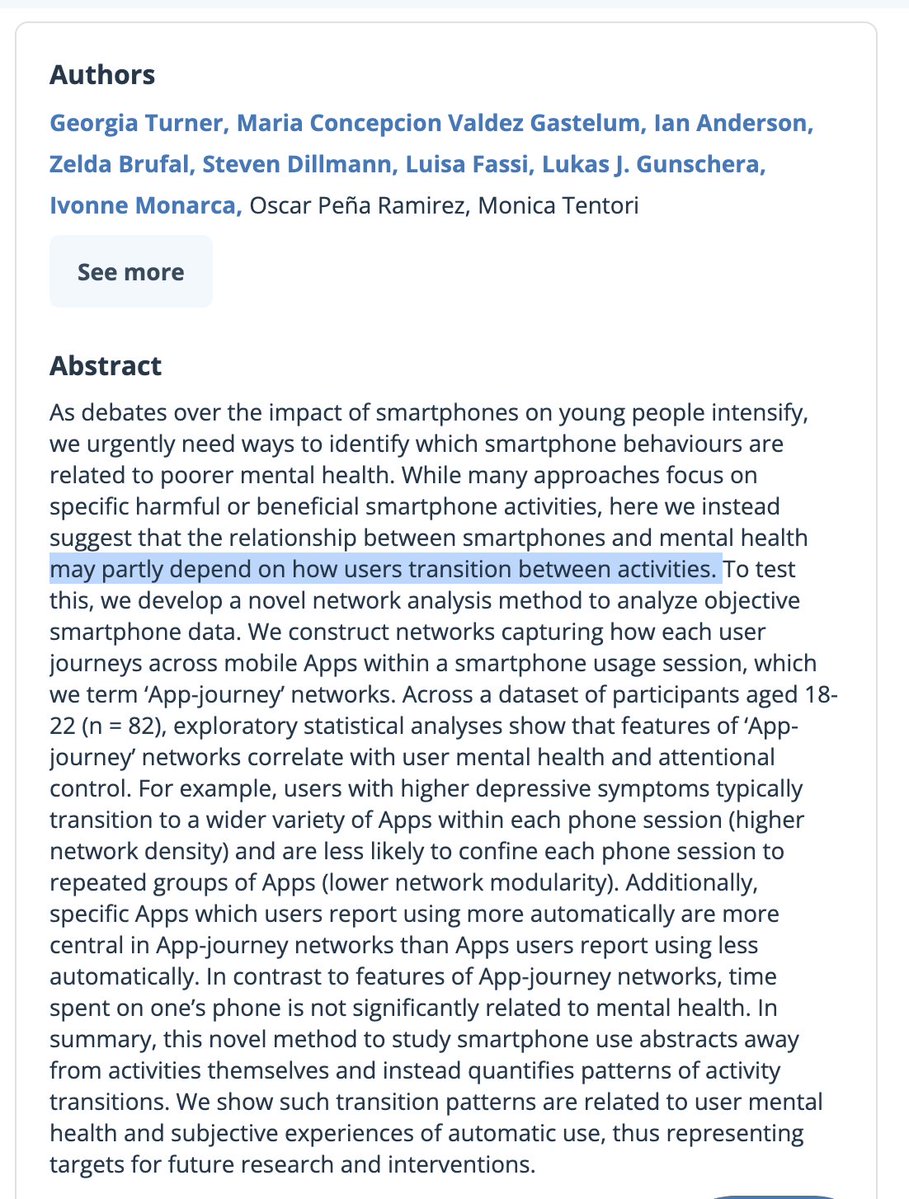
New Cambridge University lead research showed jumping between unrelated apps correlated with worse mental health.
However, focused, intentional sessions didn't.
"As debates over the impact of smartphones on young people intensify, we urgently need ways to identify which smartphone behaviours are related to poorer mental health. While many approaches focus on specific harmful or beneficial smartphone activities, here we instead suggest that the relationship between smartphones and mental health may partly depend on how users transition between activities."
We built Opal for exactly this.
osf.io/preprints/psya…
English