

kväfd af plättarne 🥞
8.5K posts

kväfd af plättarne 🥞
@oplundgren
Språkvetare, doktorand (språkhistoria, fonologi/fonetik), pappa, skånsk östgöte, körsångare, banjoist 🪕
Katılım Ocak 2020
534 Takip Edilen1.1K Takipçiler

What loanwords did English miss out on? I nominate 'enquête' to replace 'survey'

English
@OlaWikander Håller faktiskt på att läsa din bok om semitiska så har fått mig en liten inblick i den akkadiska grammatiken
Svenska

Från dagens undervisning på "fristående humaniorakurs" (akkadiska för hebraister): stativer och verbaladjektiv.
Inte direkt en fikakurs, hörru, utbildningsministern (obildningsministern?).

Svenska

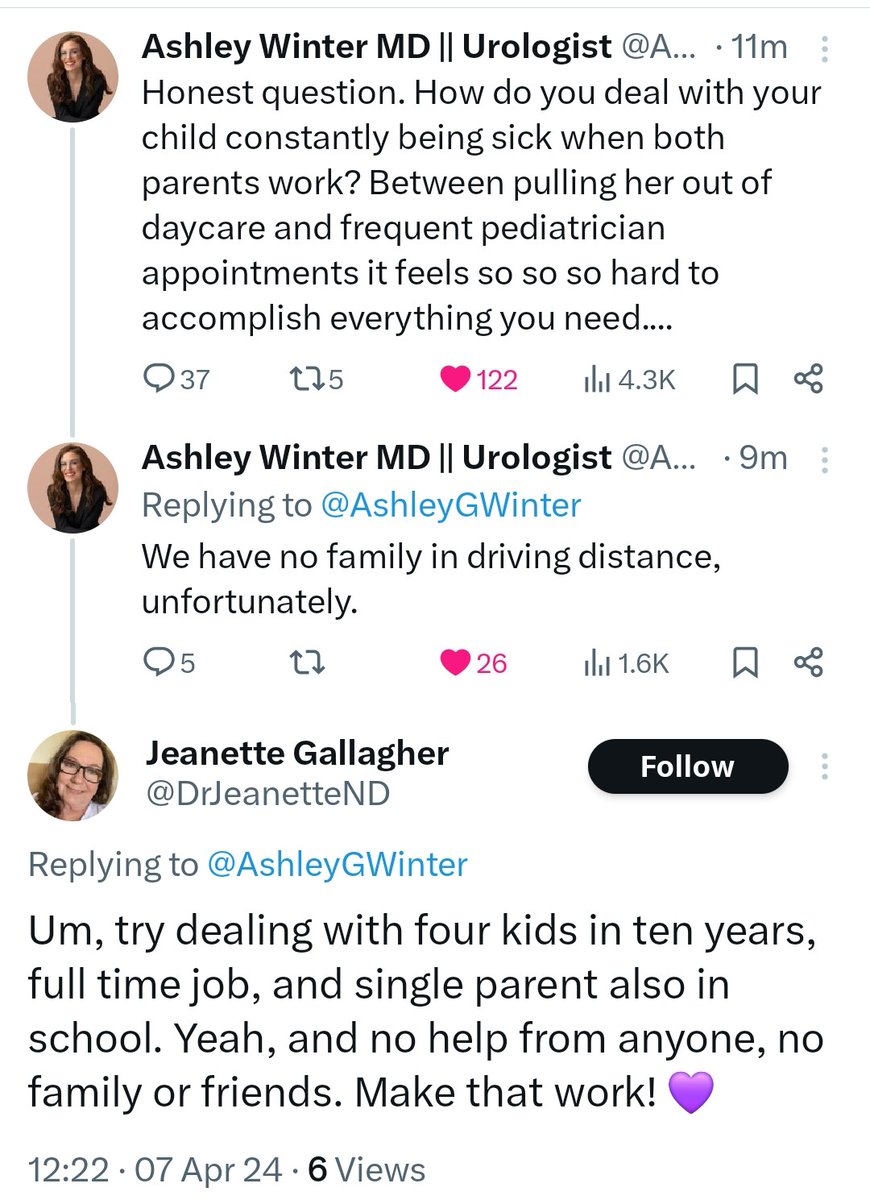
If I'm right in my interpretation, I have to say I really hate this tacky competing over how hard your life is. But I'm slightly wondering if I'm misreading something here...?
English
Am I misinterpreting this reply or is it just a pretty unhelpful and mean-spirited response to a reasonable and genuine question?
English
@FGSixtensson Sjukt att jag läste om detta ord tidigare idag.
Svenska

Ordet "drake" för hanänder har inget med drakar att göra – det är uppkommet ur en felanalys av and-rake, där "rake" är ett urgammalt ord som anses betyda typ "hövding, kung" (det är släkt med latinets "rex").

Svenska

Egyptian word of the day:
jb ("heart", as in the name of the finale of SPOP, "The Heart")
The word is cognate with Semitic *libb-, as in Hebrew lēḇ, Akkadian libbu, etc..

English
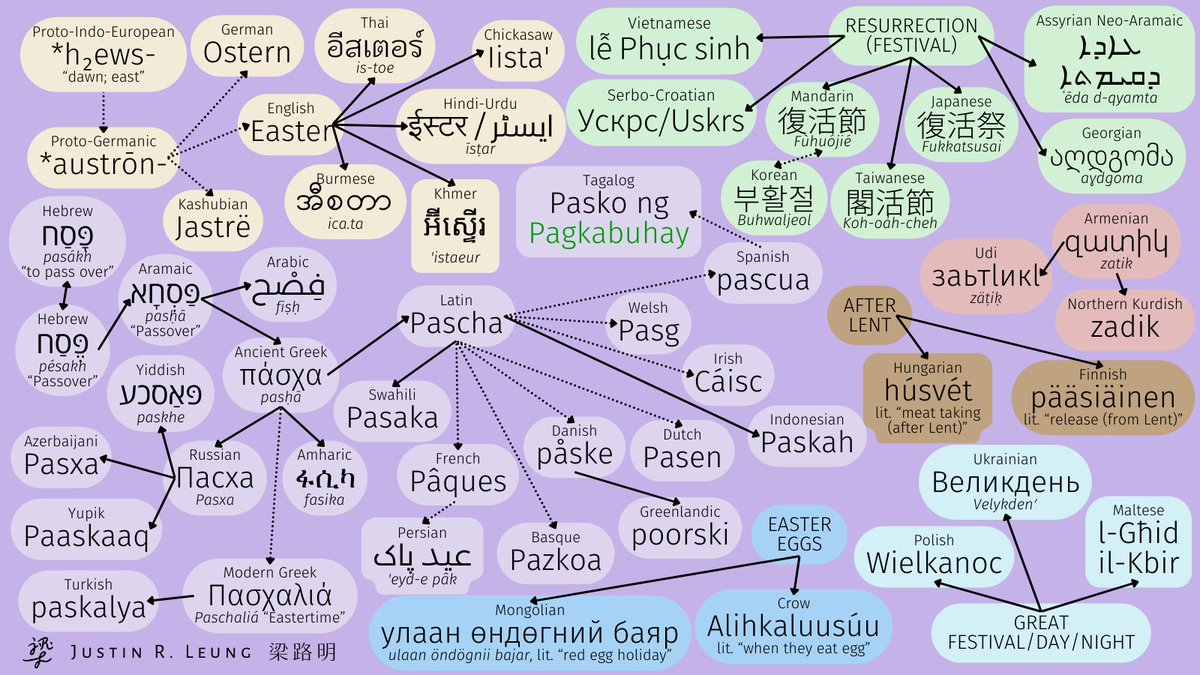
@justin_r_leung The Romance, Germanic and Celtic forms interestingly reflect Latin *pāscua rather than pascha, it must have been influenced by pāscua ‘pastures’.
English

He is risen! 祂已復活!
Here's a slight revamp of a post I made a couple of years back:
English
@OlaWikander Lustig beskrivning, men jag kodväxlar själv fritt mellan tre olika ordaccentstyper (göta, skånska, svea) så jag kan känna igen mig.
Svenska
@oplundgren Lite lustig är användningen av "skånska" här (liksom av "rikssvenska", naturligtvis), men poängen är just detta med prosodiskiftet.
Svenska
This is more or less correct. In broad transcription, it would be /'u:la vi'kandər/ (i.e., if not bothering with the specific phonetics of Swedish /u:/, which are complex, and, for that matter, of /r/).
The first name has "accent 2", meaning a double peaked/double falling tone.
Sā́mapriyaḣ སཱམཔྲིཡཿ@avzaagzonunaada
@OlaWikander I think, in rough English orthographical representation, OO-lah vi-KUNN-der.
English
@OlaWikander Phonetically, the double peak only surfaces in focused words anyway.
English
@OlaWikander Yeah, I guess I remembered your prosody as more southern. (Southern accents being so-called single-peaked accents)
English
@oplundgren But since I have a (relatively) Stockholm influenced dialect, I actually do (doing a second rise on the second syllable of "matta", for example). Or am I getting this wrong?
English
@bkmacaulay @SirMattypants Whether the word existed or not and whether it was used with a certain meaning are two different questions though, right?
English
@SirMattypants I just think it's funny that the question was "what words didn't exist in our parents' lifetime" and his immediate thought was a modal verb with clear cognates in every Germanic language. Even the specific usage he points out goes back to PIE according to Wiktionary...
English
my feelings about corpus linguistics are summed up nicely by the guy who shook the Google Ngrams magic 8 ball and decided that the phrase "I need to" didn't exist in the 1960's

English
@EmilMolander Liknande saker kan sägas om ämnet nordiska språk i allmänhet.
Svenska
@avzaagzonunaada @Saatvata Very open /æ/’s as well. Is this any specific US accent?
English

@Saatvata Yeah, her pronunciation sounds pretty standard US to me. When she stresses ‘book’ (like in 0:09) she lowers the vowel, something like [b̥okʰ], while in other places, like 0:22, closer to [b̥ʊk].
English
Read academic books. They put their entire plot at the beginning,¹ nicely tabulated. No silly surprises or suspense whatsoëver.
¹Or end if you’re reading Russian books!
arjun 🦩@alectostasia
we genuinely need to get rid of booktok this is horrific 😭
English
@_night_brain__ @ellulie_ +1 it seems to be the same thing everywhere sadly
English

@ellulie_ yeah for my it was mostly terrible pedagogy and the conservative superstructure around teaching diglossia
English
What are books that don’t make sense to American children?


English
@KristerVasshus Why is the linguist–bird enthusiast Venn diagram just a circle?
English
Birds. Etymology.
I'm an etymology-loving linguist who has been birding since I was a wee one. I will start posting about the word-origins of the names we have given to various species of birds. Stay tuned.
English
@focusfronting @David_desJ For a while I refused to open anything sent to me as .docx.
English