andreworford

18.4K posts

andreworford banner
andreworford

andreworford

@orford

futurologist

∟◯∩⊃◯∩ Katılım Mart 2008
4.8K Takip Edilen1.1K Takipçiler
Sabitlenmiş Tweet
andreworford
andreworford@orford·
Constructing a healthy walk / heritage trail (via my curated tweets) I hope to develop this into a facilitation tool twitter.com/i/moments/8568…
English
1
6
36
0
andreworford retweetledi
V&A
V&A@V_and_A·
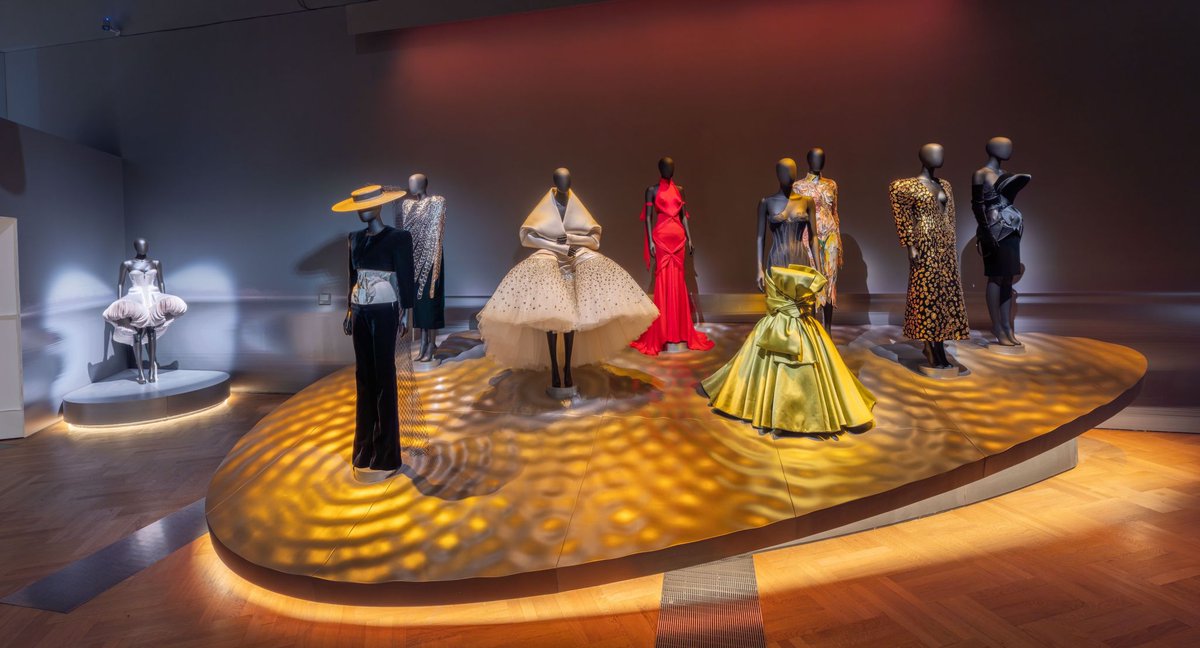
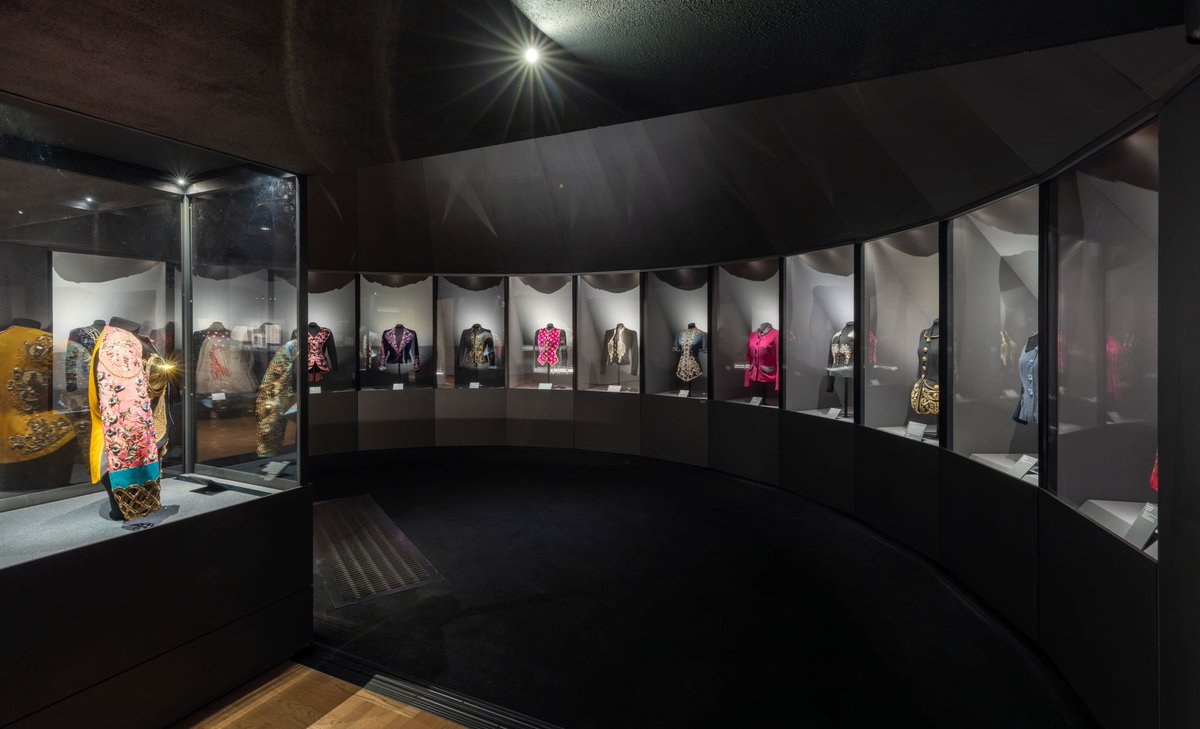
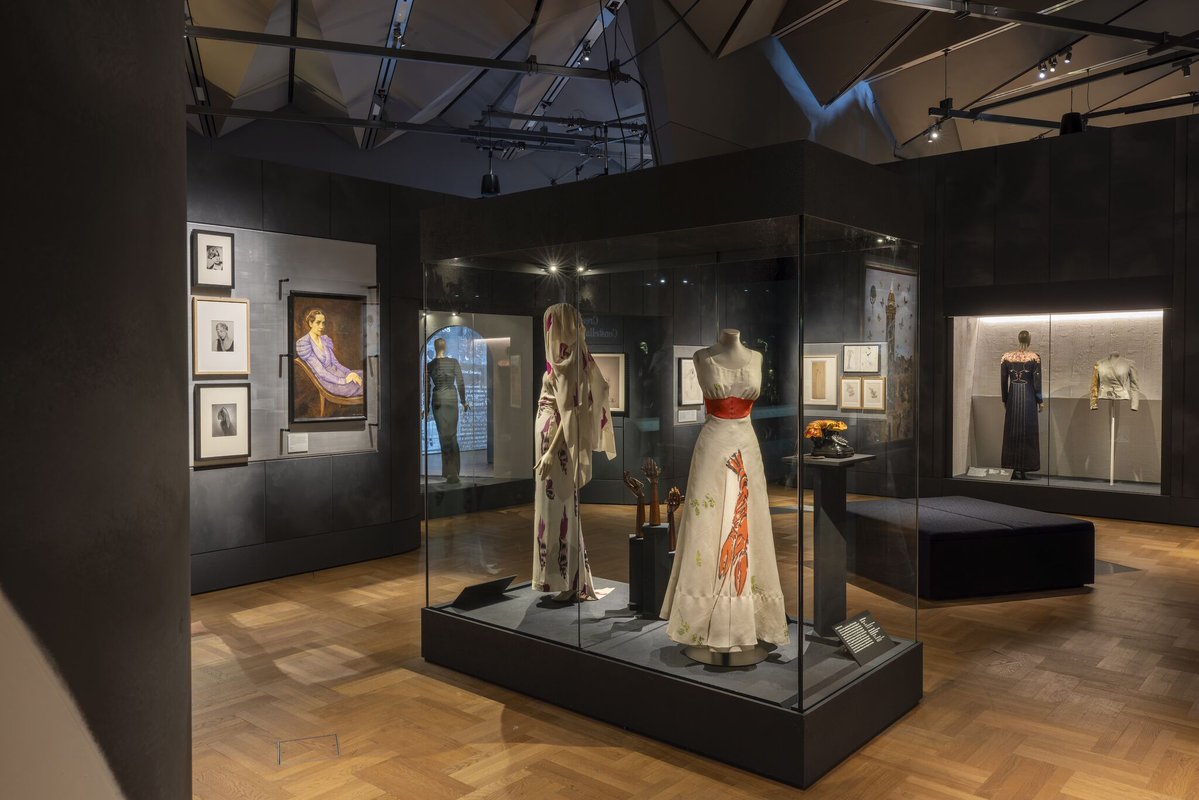
NOW OPEN Schiaparelli: Fashion Becomes Art at V&A South Kensington. The UK’s first exhibition devoted to Maison Schiaparelli, one of the 20th century’s most innovative haute couture houses. Tickets -> vam.ac.uk/exhibitions/sc…
V&A tweet mediaV&A tweet mediaV&A tweet mediaV&A tweet media
English
4
80
384
13.3K
andreworford retweetledi
University of Oxford
University of Oxford@UniofOxford·
The lawn outside the Radcliffe Camera had a trim today 🌱 No, it’s not AI. Designed and carefully cut by James from our University Parks Estates team. 📷 Instagram | Jimigk13
University of Oxford tweet mediaUniversity of Oxford tweet mediaUniversity of Oxford tweet media
English
30
179
1.7K
36.1K
andreworford retweetledi
MG
MG@_MG_·
This is a cool hack. I had a misbehaving atomic clock. Was it broken or was it unable to catch the 60khz signal over the air? I was about to start disassembling and getting out my radio gear. But then I found the “Clock Wave” app. It plays a signal over the speakers of a phone/tablet. The speakers obviously can’t hit 60khz, but it can play frequencies that have a 60khz harmonic! The speakers obviously aren’t producing radio waves… but the oscillating magnetic field of the speakers DOES create near-field effects that are picked up by the clock’s antenna. Using a speaker to induce near field energy, and then leveraging harmonics to hit a frequency 3X higher than its capable of. There is ALWAYS a way :)
English
35
85
1.1K
117.6K
andreworford retweetledi
Pixel Symphony
Pixel Symphony@Pixel0Symphony·
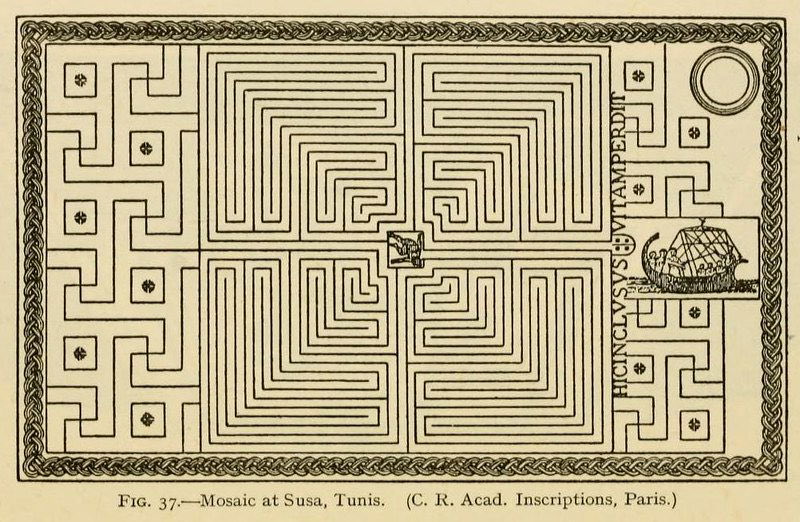
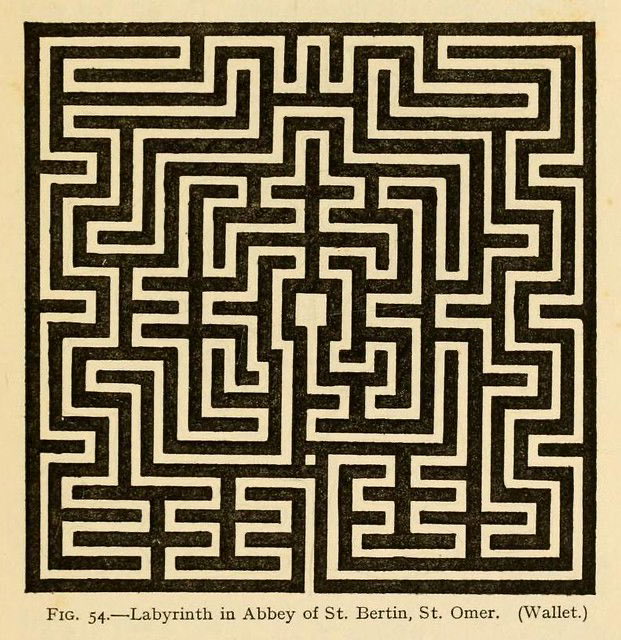
W. H. Matthews, Mazes and Labyrinths: A General Account of Their History and Developments. 1922. Matthews documents historical maze forms, distinguishing unicursal labyrinths from multicursal mazes, and tracing their development across cultures. 1 of 3 🧵👇
Pixel Symphony tweet mediaPixel Symphony tweet mediaPixel Symphony tweet mediaPixel Symphony tweet media
English
2
180
737
19.4K
andreworford retweetledi
Ben C
Ben C@bencaldwellart·
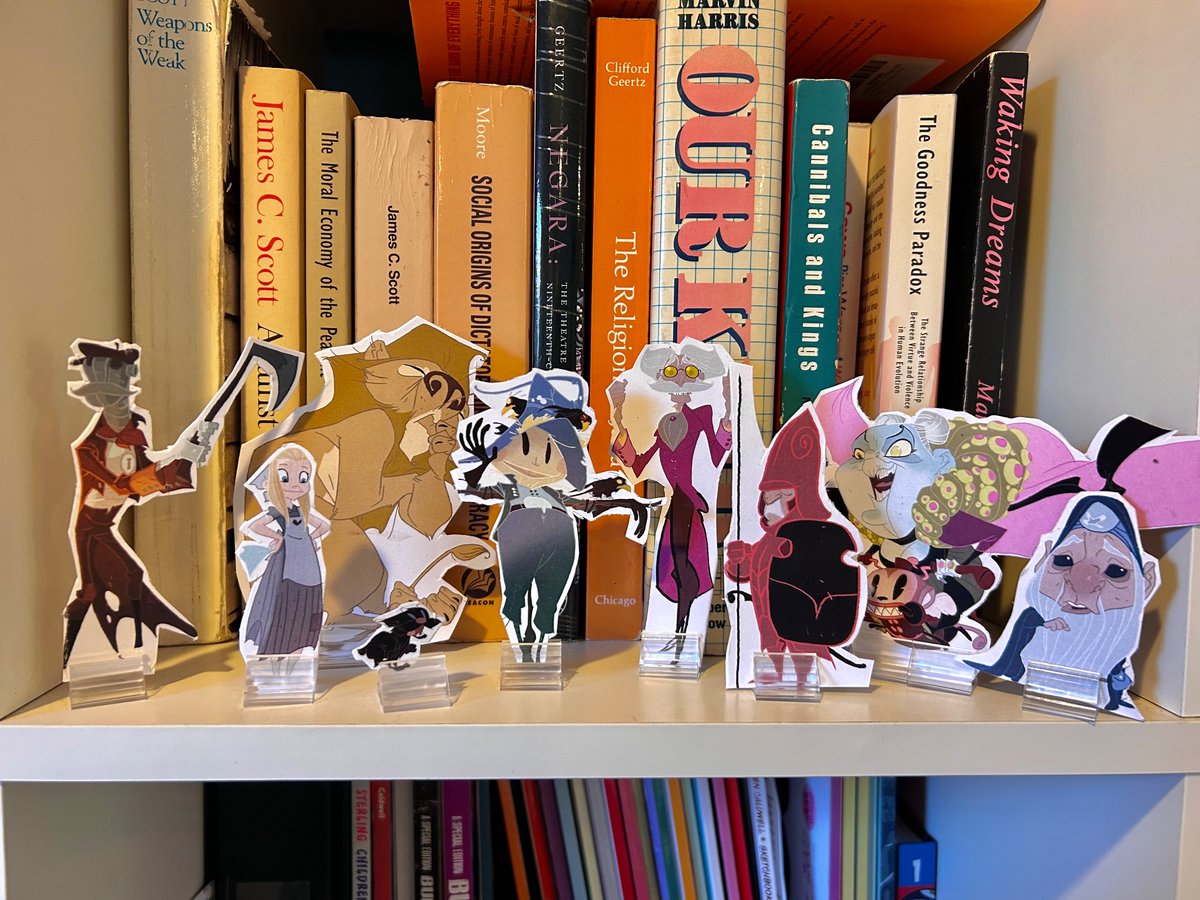
Oh yeah #wizardofoz from this weekend, the other witches and Kalidah at are on another shelf..
Ben C tweet media
English
0
1
15
1.2K
andreworford retweetledi
Michael Snasdell
Michael Snasdell@MichaelSnasdell·
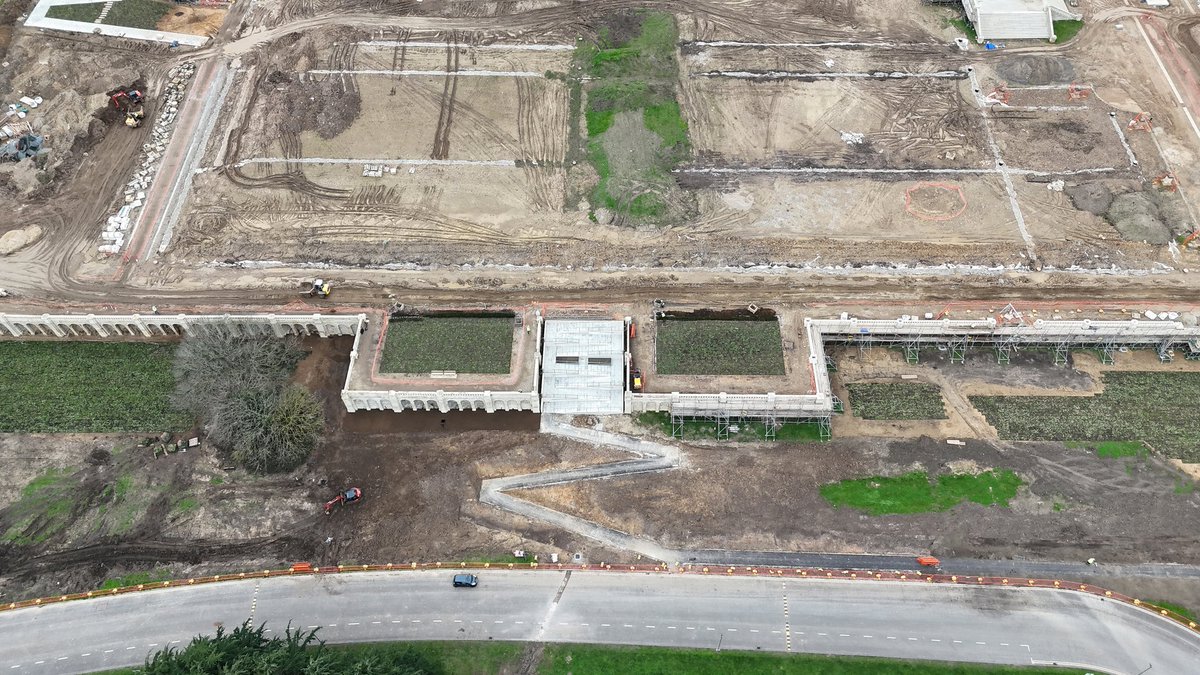
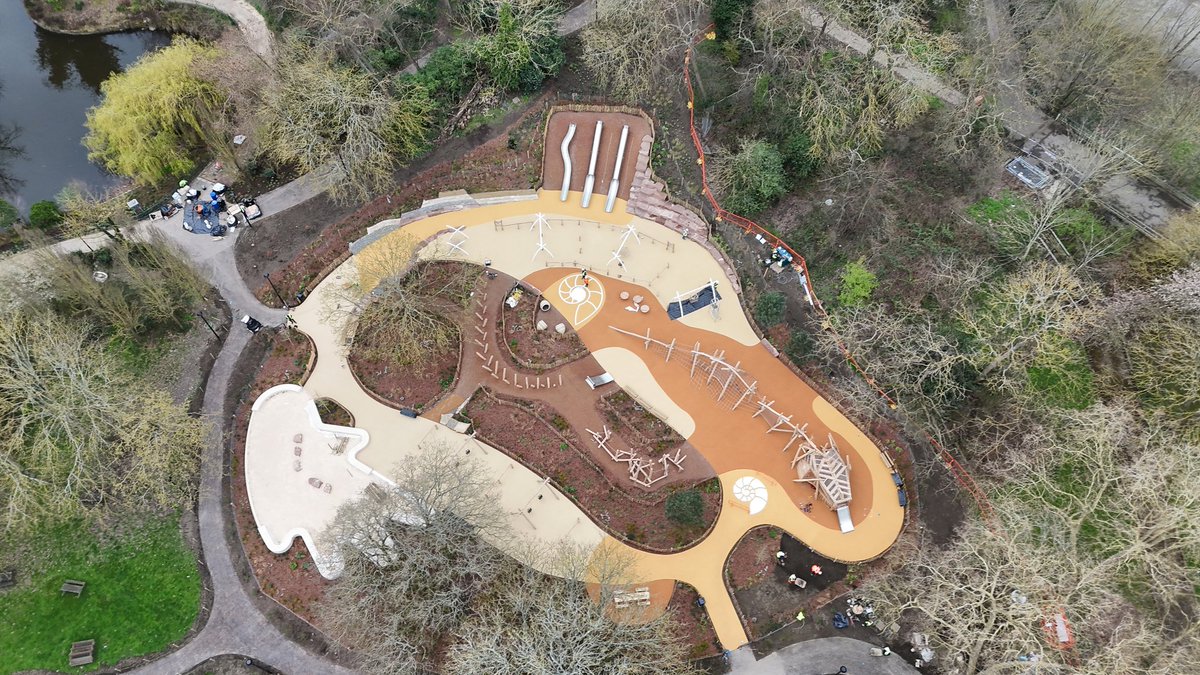
A view from the sky of the progress at Crystal Palace Park.
Michael Snasdell tweet mediaMichael Snasdell tweet mediaMichael Snasdell tweet mediaMichael Snasdell tweet media
English
0
1
1
66
andreworford retweetledi
Agustin Ibañez
Agustin Ibañez@AgustinMIbanez·
Music helps to understand the mind and the brain. Throughout the history of science, metaphors have shaped how we understand complex phenomena. The brain-as-computer metaphor has guided decades of theories and research. We propose music as a scientific metaphor for understanding the mind and brain via triplicate interfaces (listener, performer, composer) and a compound set of predictions. Multiple domains of music can be mapped onto different neural, cognitive and intersubjective processes such as network coordination, prediction, emotion and meaning. Neurocognition is not static but a dynamic, embodied, and time-sensitive system, much like a self-organized orchestra in which multiple processes interact simultaneously. Drawing on synergetics, predictive processing, and embodied cognition, we outline musical principles illuminating cognitive and action integration across time, offering new conceptual frameworks and testable predictions for future research. I enjoyed writing this piece with these stellar authors: @Kaiameye, @acolverson1, Christopher Bailey, @brucemillerucsf, @dafneduron90, Nicholas Johnson, Olga Castaner, @PierLuigiSacco, Eoin Cotter and Lucia Melloni. Science, like music, advances through new ways of listening to complex systems: doi.org/10.1016/j.neub…
Agustin Ibañez tweet media
English
33
670
2.5K
95.3K
andreworford retweetledi
National Institute of Standards and Technology
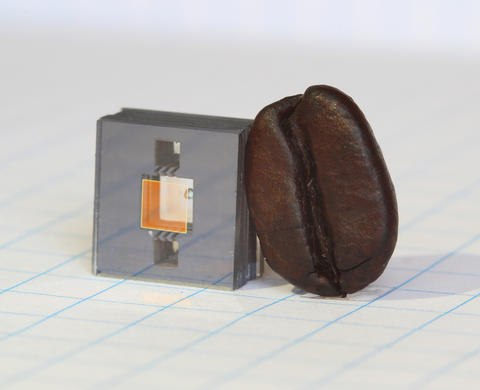
“Small, but mighty” is exactly how we describe this atomic clock. This clock can be used as an improved portable timing standard for various technologies, including as a backup to the satellite-based GPS. Read about our tiny AND mighty atomic clocks: nist.gov/noac/technolog…
National Institute of Standards and Technology tweet media
English
4
19
60
3.3K
andreworford retweetledi
Calum Chace
Calum Chace@cccalum·
8/9 Mechanistic interpretability lets us look inside AI systems in ways we still can't look inside human brains. Graziano thinks that makes machines, right now, one of the most promising objects of study in consciousness research.  prism-global.com/podcast/michae…
Calum Chace tweet media
English
0
1
0
96
andreworford retweetledi
A London Inheritance
A London Inheritance@VanishedLondon·
Exploring the King George V Dock – The Last of the Royals. Opened in 1921, the dock was the last of the three docks that formed the Royal Docks. History and photos in my post at alondoninheritance.com/london-infrast…
A London Inheritance tweet media
English
0
10
46
2K
andreworford retweetledi
Long Now Foundation
Long Now Foundation@longnow·
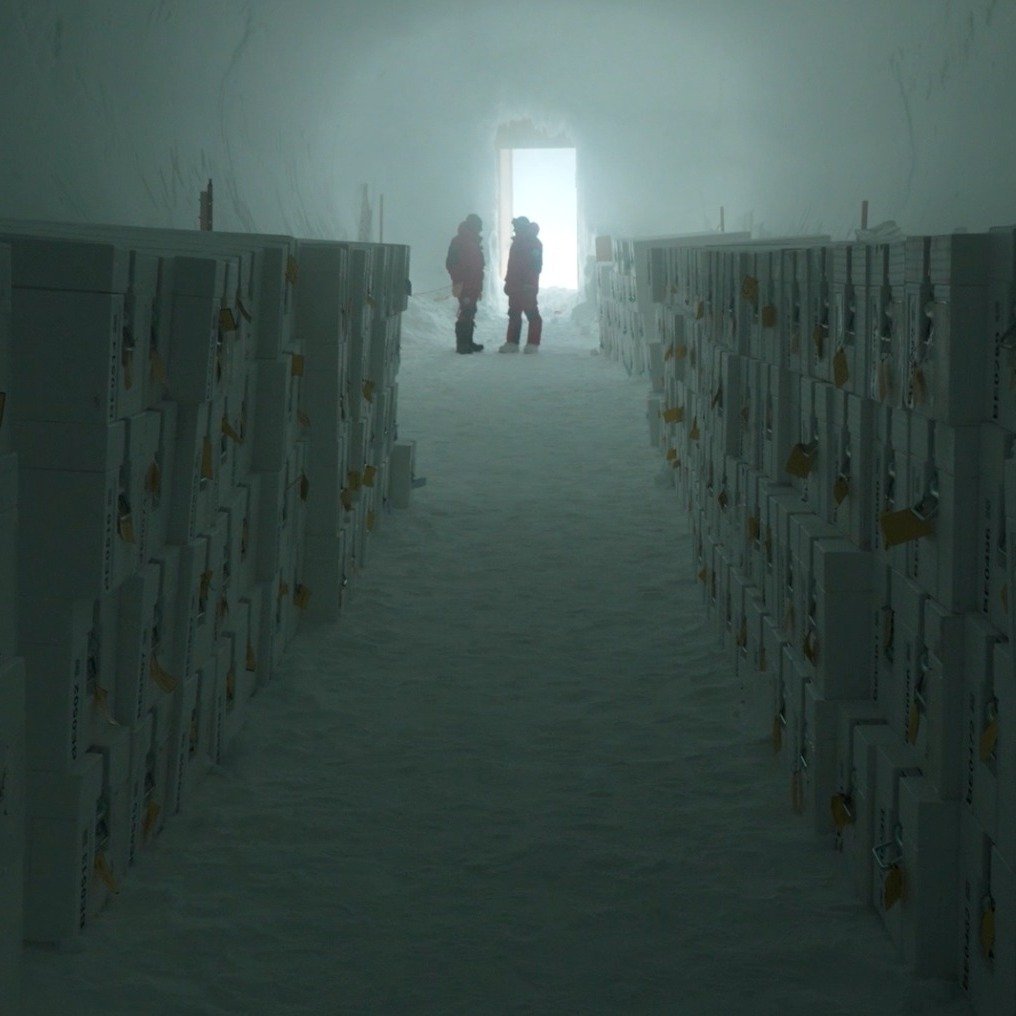
Stored at -50°C, below the surface of Antartica, this new "glacier library" will store endangered ice cores extracted from the Andes, Svalbard, the Alps, and more, to safeguard them from global warming. Read this fascinating interview with @icememory_ president Thomas Stocker in @ConversationUS about the urgent and long-term initiative to preserve traces of past climates for future generations. (photos courtesy of Ca’ Foscari University of Venice) na2.hubs.ly/H03FWqk0
Long Now Foundation tweet mediaLong Now Foundation tweet mediaLong Now Foundation tweet media
English
0
6
12
1K
andreworford retweetledi
Santa Fe Institute
Santa Fe Institute@sfiscience·
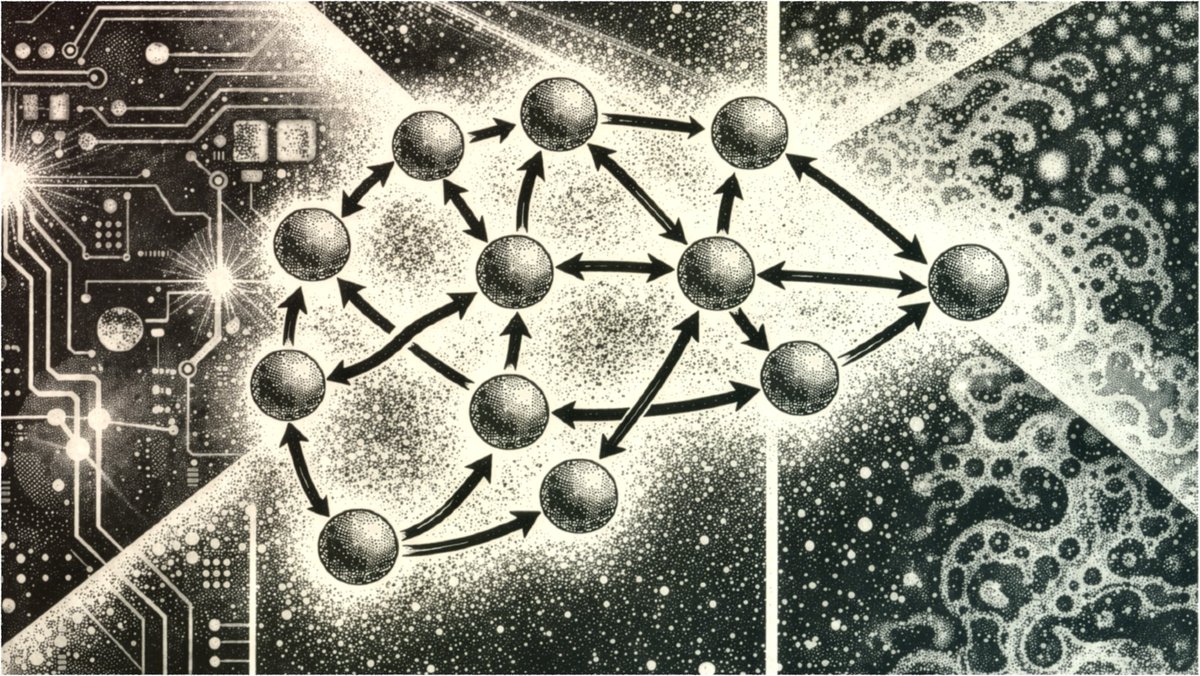
Some computers are easy to spot, such as the artificial, human-built ones found in smartphones and laptops, with recognizable computational elements like input, output, energy cost, and logical processes. But scientists have long argued that many natural dynamic systems — from cells to brains to turbulence in fluids — carry out computations, too. In a new paper, SFI Professor David Wolpert and coauthor Jan Korbel from the Complexity Science Hub in Vienna, Austria, introduce a framework for identifying and studying the computations encoded in natural dynamic systems, allowing researchers to map, or connect, those computations to ones carried out by traditional man-made computers. santafe.edu/news-center/ne…
Santa Fe Institute tweet media
English
8
69
280
13.1K
andreworford retweetledi
Long Now Foundation
Long Now Foundation@longnow·
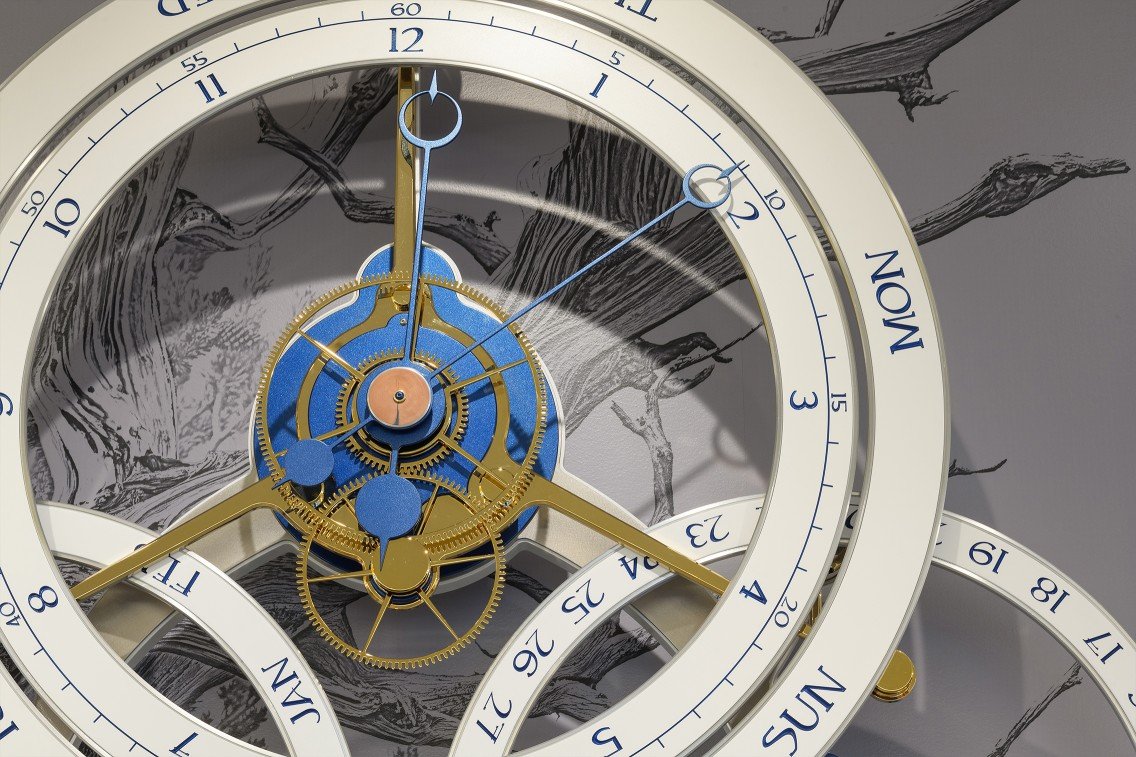
Coordinated universal time is OUT. No more atomic clocks. No more cesium fountain. Instead, we’re calibrating our lives to the trees. Welcome to Bristlecone Time. Tonight artist/philosopher Jonathon Keats unveils a multi-faceted horological and land art project that offers an alternative time standard calibrated by growth of trees. Prototyped at Long Now’s Nevada Bristlecone Preserve and the Nevada Museum of Art, Keats’s alternative timekeeping system includes a monumental arboreal clock, arboreal land calendar, and the world’s first arboreal bond brokerage firm. The effect will be to synchronize human actions with the activity of other lifeforms such as sequoias, oaks, bristlecone pines — and soon, glaciers. The goal is nothing less than a revolution in global logistics and planning: to reintegrate Homo sapiens into the environment as a whole. Don’t miss his exhibition opening at Modernism Gallery tonight in San Francisco: na2.hubs.ly/H03PZyS0
Long Now Foundation tweet mediaLong Now Foundation tweet mediaLong Now Foundation tweet mediaLong Now Foundation tweet media
English
6
24
90
6.4K
andreworford retweetledi
Anthony Etherin
Anthony Etherin@Anthony_Etherin·
LORD OF THE RINGS (Palindrome) Eyes, till it’s won, kill orcs. A nine-men order, baser Gollum. I flee no one, elf. I mull ogre, sabre, drone — men in a scroll. I know, still, its eye.
English
3
12
88
2.2K