OSCEHub 🩺

61 posts

OSCEHub 🩺 banner
OSCEHub 🩺

OSCEHub 🩺

@oscehub

Think PassMed, but for OSCEs 🩺 Your one-stop for OSCE practice.

1000+ OSCEhub Users Katılım Kasım 2021
18 Takip Edilen222 Takipçiler
Sabitlenmiş Tweet
OSCEHub 🩺
OSCEHub 🩺@oscehub·
Interested in medical education? Want to join a new platform looking to revolutionise the way we study for OSCEs? We’re hiring at @OSCEhub! Want in? Email us at hello@oscehub.co.uk ✉️
English
0
2
3
0
OSCEHub 🩺
OSCEHub 🩺@oscehub·
And that's a wrap! 🌯🎉 If you found this thread useful, give it a like or hit that retweet button 🔄 Share your feedback or any tips you may have below ! Don't forget to check out our website for all your OSCE needs !
OSCEHub 🩺 tweet media
English
0
0
1
527
OSCEHub 🩺
OSCEHub 🩺@oscehub·
19) If they ask things like prognosis or life expectancy, don’t make up numbers or promises. Be honest and say that you’re not sure and you’ll have to speak to a consultant. This is beyond the role of an FY1 doctor to explain these things, so know your competencies
English
1
0
1
742
OSCEHub 🩺
OSCEHub 🩺@oscehub·
13) If you feel that it’s taking too long, you can use phrases like “I can’t begin to imagine what this feels like, but could you what’s going on in your mind” 🥺
English
1
0
1
2.1K
OSCEHub 🩺
OSCEHub 🩺@oscehub·
12) Emotions Using a pause, acknowledge and validate the patient’s emotions. Give them time to express their feelings and cope with the shock. Don’t interrupt or rush them.
English
1
0
1
244
OSCEHub 🩺
OSCEHub 🩺@oscehub·
11) I’m sorry to tell you, but this means you have lung cancer. PAUSE.” This is the most crucial part of the OSCE station and your delivery here is what makes or breaks the station💔
English
1
0
0
200
OSCEHub 🩺
OSCEHub 🩺@oscehub·
10) For example, you could say: “We did a chest x-ray to check your lungs. The results have come back, would you like to hear them? PAUSE. Unfortunately, I have some bad news. PAUSE. The x-ray showed that there was a large mass on your right lung. PAUSE.
English
1
0
1
223
OSCEHub 🩺
OSCEHub 🩺@oscehub·
9) Warn them before you say it, such as “I’m afraid I have some bad news” or “Unfortunately, the results are not what we hoped for”. Pause after each sentence to let them process it. Check their understanding and emotions.
English
1
0
1
151
OSCEHub 🩺
OSCEHub 🩺@oscehub·
8) Knowledge This is where you deliver the bad news. Use clear and simple language, avoid jargon or euphemisms
English
1
0
0
160
OSCEHub 🩺
OSCEHub 🩺@oscehub·
7) Invitation Ask the patient how much they want to know and how they want to receive the information. In the OSCE, they’ll want to know to know their result today, but it’s always important to ask🙋‍♂️🙋‍♀️
English
1
0
0
117
OSCEHub 🩺
OSCEHub 🩺@oscehub·
6) Ask open-ended questions, such as “What have you been told so far?” or “What are you hoping for?” Use ICE (ideas, concerns, expectations) to tailor your conversation accordingly. Tailoring your conversation to your patient is what gets you that 1st decile score❄️
English
1
0
0
119
OSCEHub 🩺
OSCEHub 🩺@oscehub·
5) Perceptions THIS IS THE MOST IMPORTANT STEP ! Find out what the patient knows and expects about their condition and prognosis. Although it doesn’t specifically say to take a history, I always like to ask the patient to tell me everything that’s been going on.
English
1
0
0
106
OSCEHub 🩺
OSCEHub 🩺@oscehub·
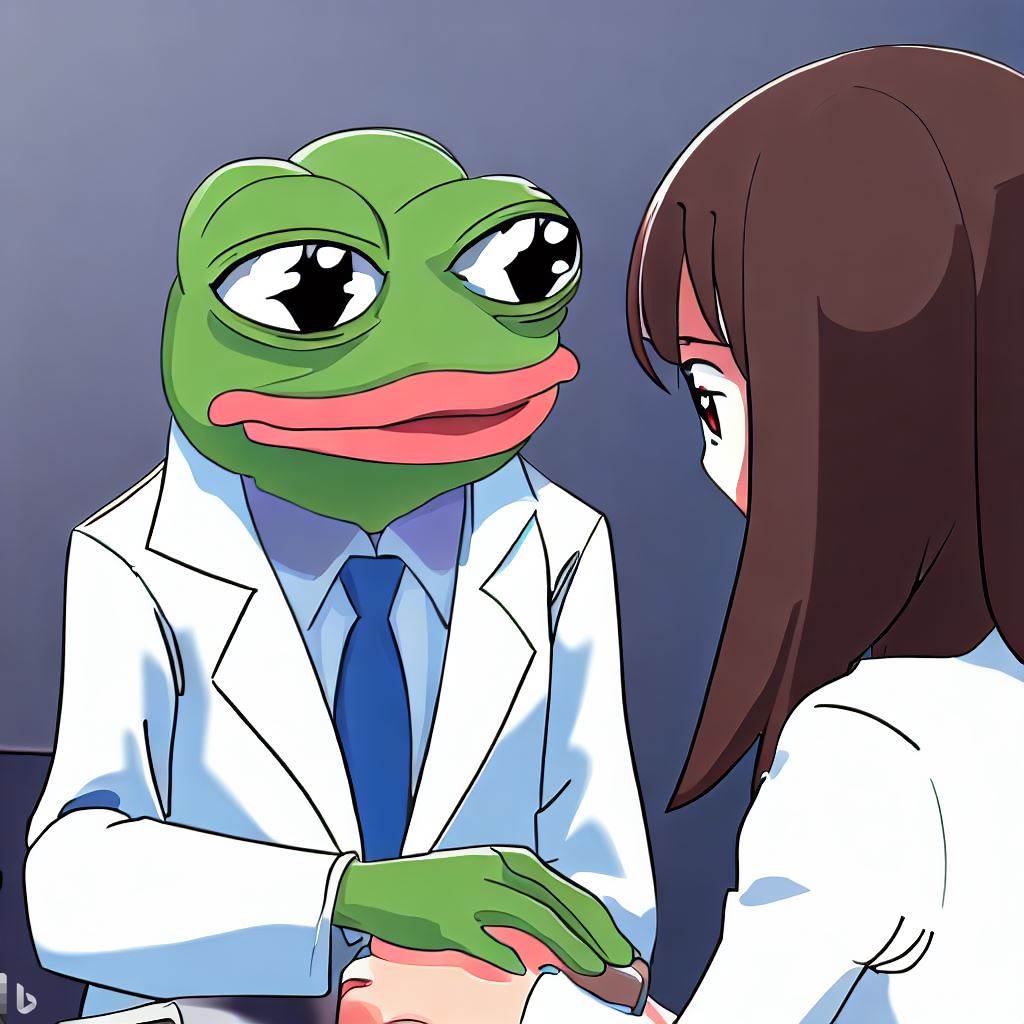
Congratulations to everyone starting their new year. We're back with our weekly threads🧵 Breaking bad news is the one of the most challenging skills to master as a medical student. Here’s a thread on how to tell patients they have cancer without breaking down yourself ! 👇👇👇
OSCEHub 🩺 tweet media
English
1
2
8
1.5K
OSCEHub 🩺
OSCEHub 🩺@oscehub·
4) I always like to say I’m putting away my phone to show to the patient that I’m fully attentive📵,Ask if they want anyone else to be present, such as a relative or a friend. In most OSCE stations, they’ll just say no👥
English
1
0
0
96
OSCEHub 🩺
OSCEHub 🩺@oscehub·
3) Setting Let the patient know that you can talk in a quite and private place.
English
1
0
0
96
OSCEHub 🩺
OSCEHub 🩺@oscehub·
2) Use the SPIKES protocol. It’s a 6-step guide to structure your conversation and ensures that you cover all the important points🗣️
English
1
0
0
91
OSCEHub 🩺
OSCEHub 🩺@oscehub·
1) Confirm the patient details and the bad news you’re breaking. Read any notes carefully and make sure you understand the situation and the diagnosis📝
English
1
0
0
95