

c.🏴☠️
13.4K posts

c.🏴☠️
@otra_cata
la gente siempre pone las cosas importantes que hace aquí.
Santiago, Chile Katılım Ağustos 2009
1.6K Takip Edilen1.1K Takipçiler
c.🏴☠️ retweetledi

El rol del ministro Arrau en la denuncia falsa que vinculó a Bachelet, Desbordes y Elizalde con cuentas secretas en paraísos fiscales
reportea.cl/2026/05/25/el-…
Español
c.🏴☠️ retweetledi

Hablan de "Inspección Total" y ni siquiera tienen un enlace al supuesto informe. Son solo imágenes en twitter, un punto de prensa y encontré solo una nota en la web que repite esto.
¿Detalle de los datos obtenidos? ¿Metodologías? Las pinzas.
La auditoría que no se puede auditar.
Gobierno de Chile@GobiernodeChile
INSPECCIÓN TOTAL 🔍 Hoy se dieron a conocer nuevos resultados del Plan Inspección Total, a partir del trabajo liderado por el Consejo de Auditoría Interna General de Gobierno (CAIGG). Revisalos aquí👇🏼 #InspecciónTotal
Español
c.🏴☠️ retweetledi

Perfecto. Pero antes de titular “auditoría”, sería bueno saber algo básico: ¿qué empresa auditora independiente realizó el trabajo? ¿Dónde está el informe completo? ¿Cuál fue la metodología, muestra, universo revisado y respaldo contable?
Si estamos hablando de casi 1% del PIB, no basta una vocería política. Que muestren el trabajo.
Diario Financiero@DFinanciero
🚨 AHORA | Quiroz denuncia "inconsistencias" en cálculos del gobierno anterior: la deuda pública sería US$ 10.500 millones mayor a la proyectada a 2030 f.mtr.cool/wgdnoyqxhv
Español
c.🏴☠️ retweetledi


TODOS FELICITEN A NICO ROBIN POR ESTAR VIVA
Mr. Olympian@realmrolympian
Saul told Robin he’s glad she stayed alive for 22 years and I’m sitting here crying like an idiot 😭 Thank you Oda, this is exactly why I love One Piece
Español
c.🏴☠️ retweetledi

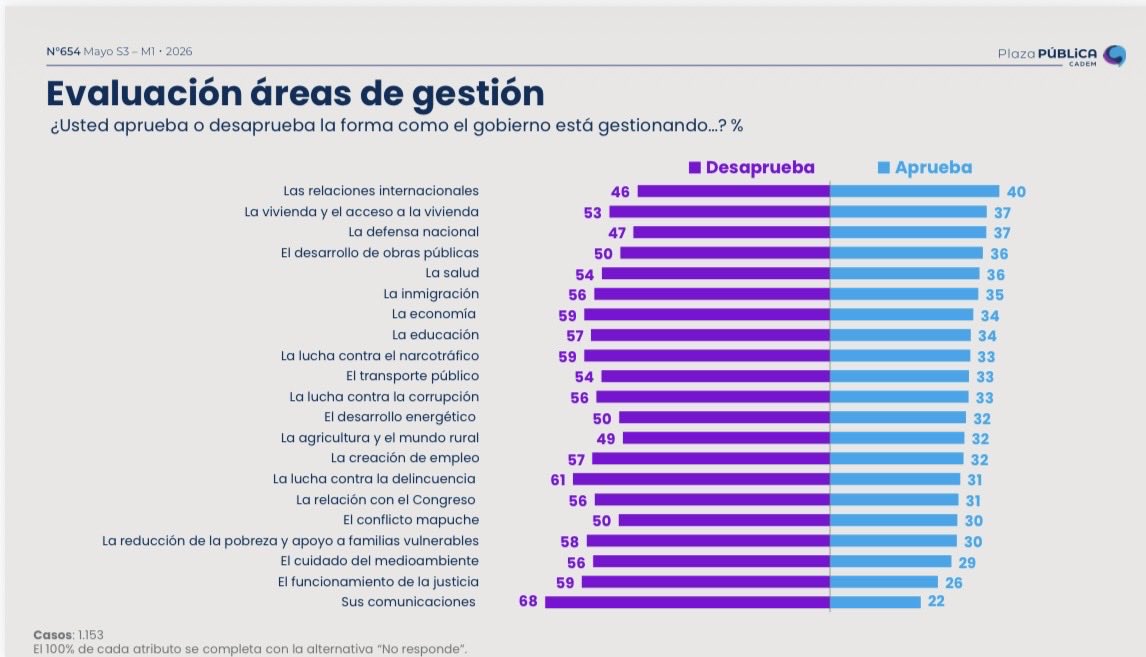
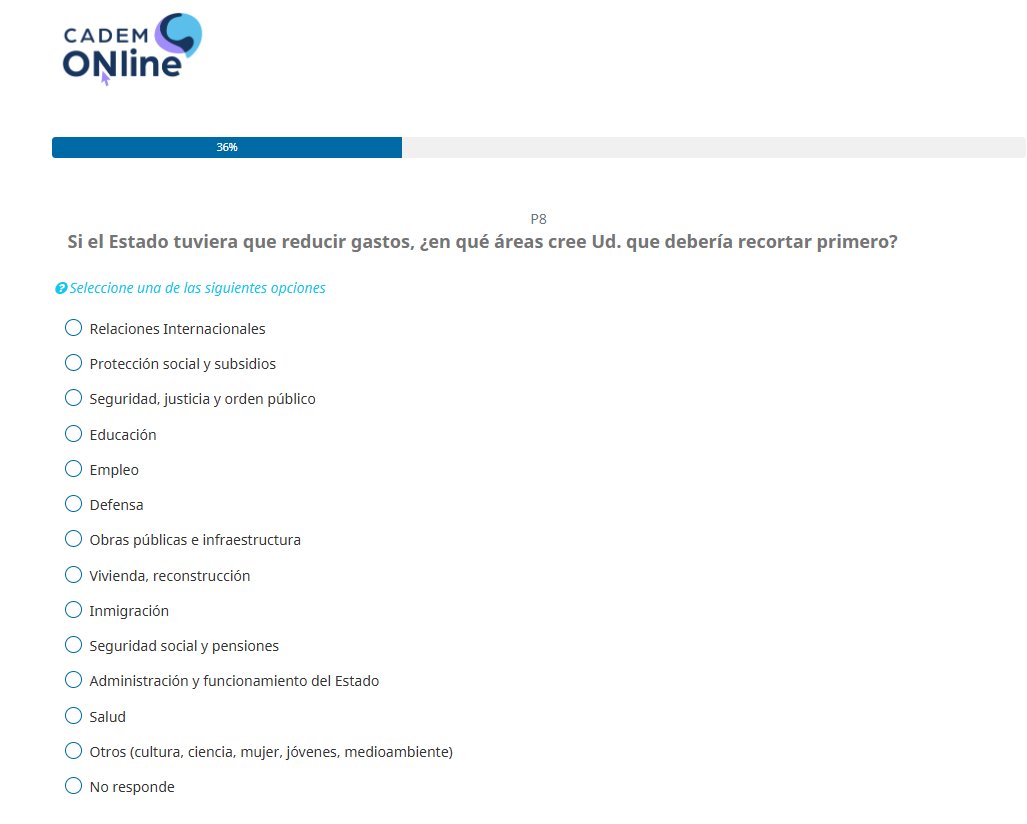
⭕️ #Cadem Áreas de gestión del gobierno: Ninguna supera el 50% de aprobación y las comunicaciones (68%) y la lucha contra la delincuencia (61%) tienen la desaprobación más alta.
Insight-Chile.cl
Todos los datos en un solo lugar
#InsightChile #PlazaPública
Español
c.🏴☠️ retweetledi

Contraloría mandata a un proceso disciplinario en @voceriagobierno por mal uso de redes sociales oficiales. Veremos quién fue el responsable del "Estado en quiebra".
Contraloría@Contraloriacl
5👇
Español
c.🏴☠️ retweetledi


c.🏴☠️ retweetledi
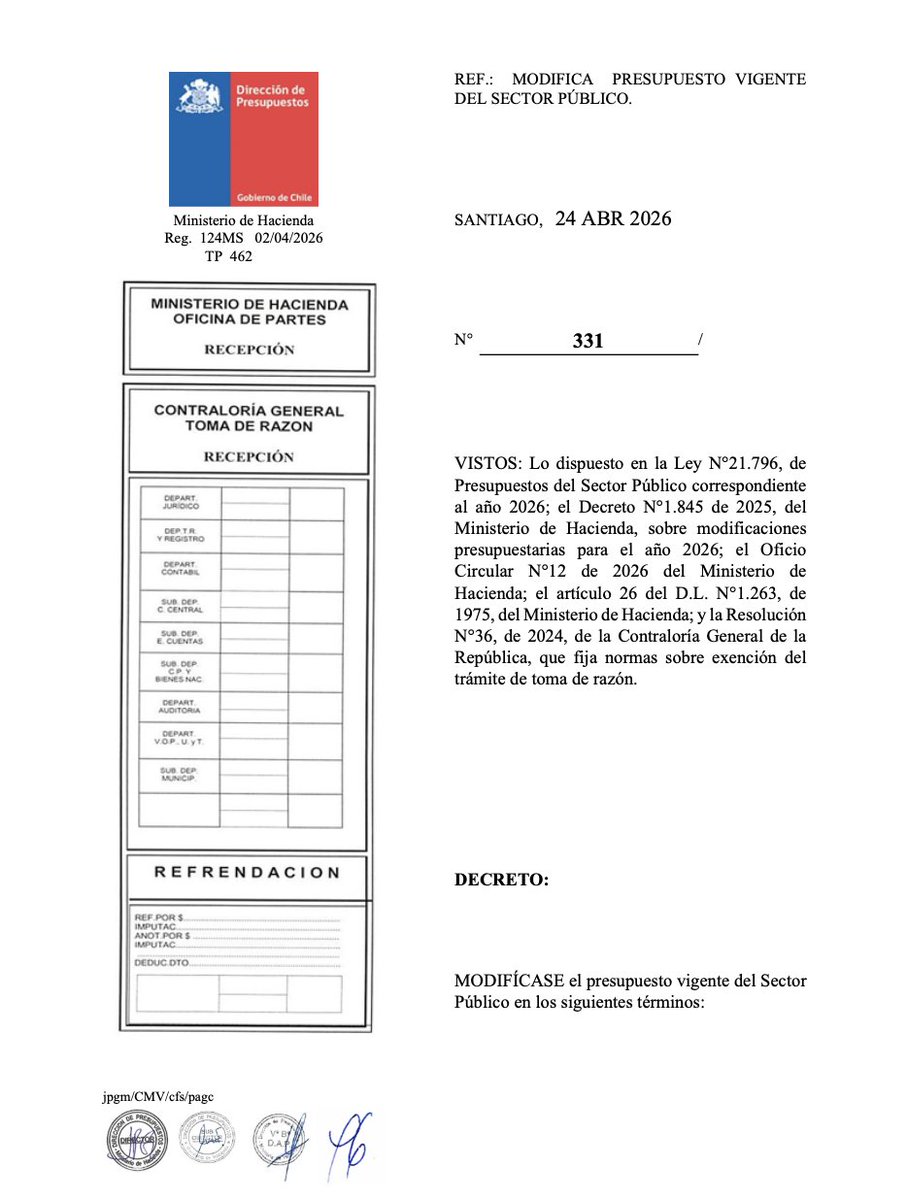
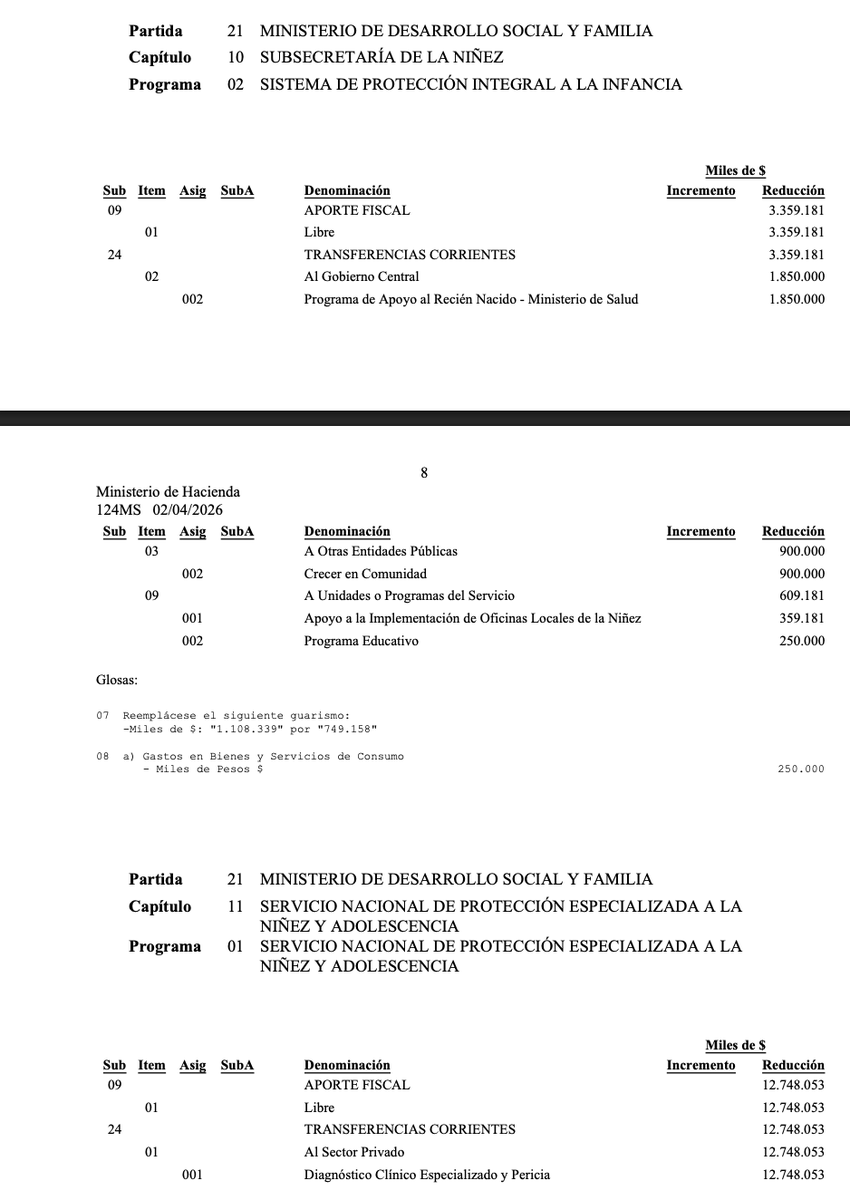
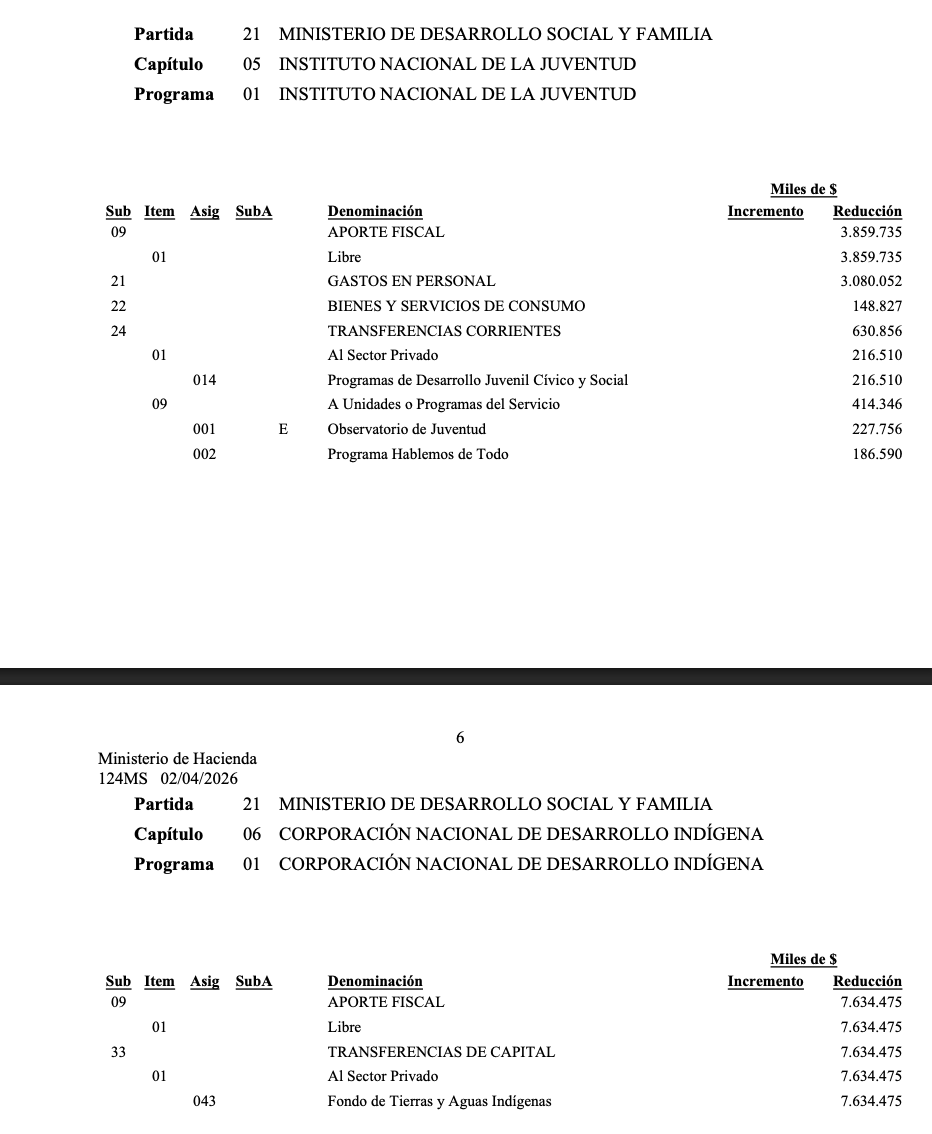
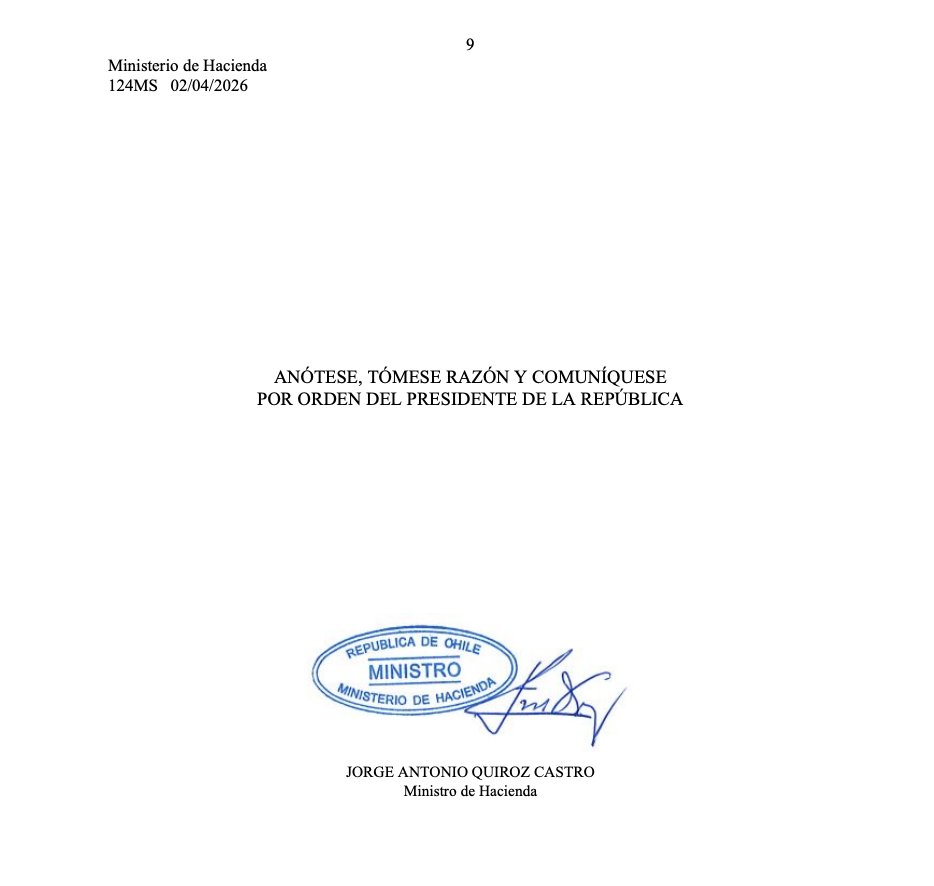
Quiroz firmó recorte de $32.721 millones en Desarrollo Social: ex Sename, CONADI, INJUV, Chile Crece Contigo y el ajuar para recién nacidos son los más afectados. El mismo día que nos enteramos de la circular de la DIPRES.
Documento 👇
drive.google.com/file/d/108wf4-…
Español
quieren recortar la única propuesta educativa que la derecha ha tenido en los últimos 500 años y la política social que supuestamente "AMAN".
La Tercera@latercera
De Liceos Bicentenario a la PGU: Quiroz también sugirió recortar al menos un 15% del presupuesto de otros 260 programas latercera.com/nacional/notic…
Español

le quita el piso al compadre de la Dipres y de pasada confirma lo que ya todos sabíamos: descontinuar significa descontinuar.
BioBioChile@biobio
Quiroz asegura que usaron palabra descontinuar de forma precisa en contexto de comunicaciones internas biobiochile.cl/noticias/econo…
Español