Janne E. Kumpulainen

93.5K posts

Janne E. Kumpulainen banner
Janne E. Kumpulainen

Janne E. Kumpulainen

@otusposti

eNGOs' LOCAL solutions: #biodiversity #water | EU #BIRDS #maps #MiningWatch #NatParks #wildlife Arctic природа Luonnon& ympäristönsuojelu ~Suora mutta savolaene

Finland, W-Palearctic Katılım Nisan 2013
4.3K Takip Edilen2.6K Takipçiler
Janne E. Kumpulainen retweetledi
Graham Appleton
Graham Appleton@GrahamFAppleton·
Few people were talking about Curlew on this day ten years ago, when Mary Colwell set off on a 500-mile walk to chart the decline of this iconic species. She wrote 'Curlew Moon': wadertales.wordpress.com/2018/04/29/cur… And set up the Curlew Action charity A Curlew hero! #ornithology
Graham Appleton tweet media
English
1
7
18
349
Janne E. Kumpulainen retweetledi
Mirja Hirvonen
Mirja Hirvonen@mirja_hirvonen·
#Talous Keskiluokan etuuksia karsittava ja omavastuita lisättävä, sanoo EVA EVA:n analyysin mukaan velkajarrun yhdeksän miljardin sopeutuksen lisäksi tarvitaan neljä miljardia yllättäviin menoihin. yle.fi/a/74-20220908
Suomi
0
1
0
16
Janne E. Kumpulainen retweetledi
Jean Sibelius
Jean Sibelius@JeanJCSibelius·
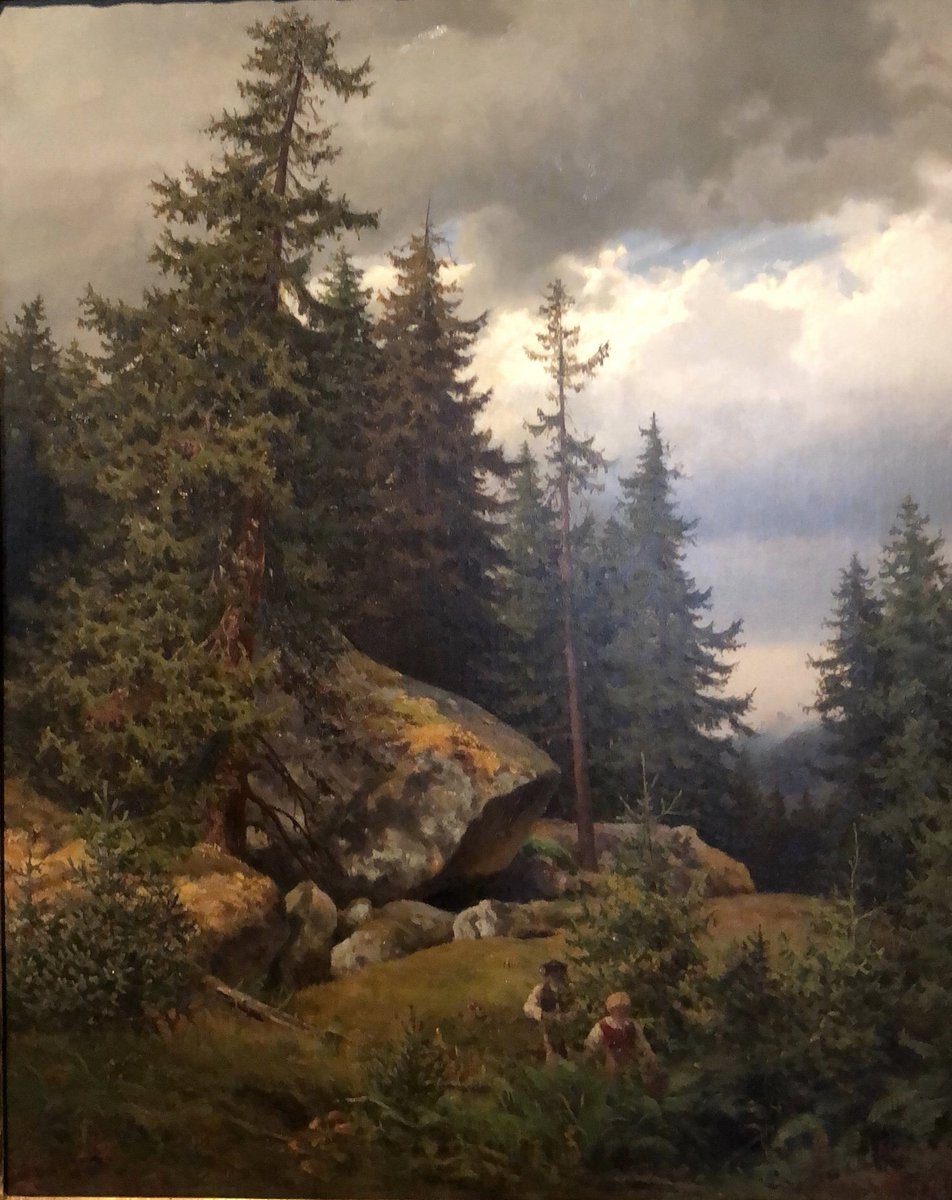
Suomalaisen metsän sisustaa - Interior of a Finnish Forest by Hjalmar Munsterhjelm (1840-1905) #FinnishArt
Jean Sibelius tweet media
Suomi
0
11
66
532
Janne E. Kumpulainen retweetledi
Archaeo - Histories
Archaeo - Histories@archeohistories·
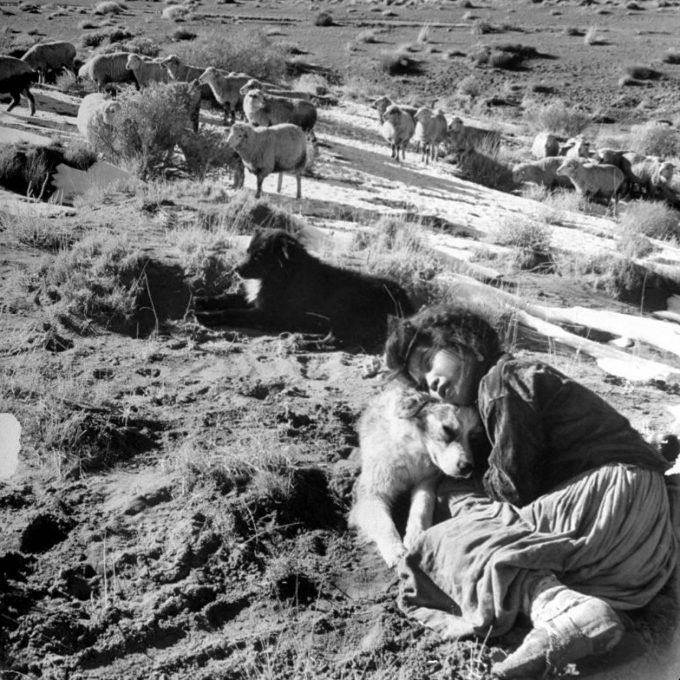
In the 1930s, the United States government forced the Navajo Nation to dramatically reduce the size of their livestock herds, a policy that would become one of the most devastating acts of federal overreach in Native American history. The story of the Navajo and their animals began generations earlier, when Spanish colonizers introduced sheep and horses to the Southwest as part of the Columbian Exchange. By the 18th century, the Navajo had embraced these animals, developing their own prized flocks of Navajo-Churro sheep and building a pastoral economy centered around wool and weaving. After signing a treaty with the U.S. government in 1868, the Navajo were returned to their homeland and given sheep to restart their herds. They proved to be exceptional shepherds, growing their flocks from 15,000 in the 1870s to over 500,000 by the 1920s. Livestock was not just an economic resource to the Navajo — it was sacred, believed to be a gift from the Holy People, and deeply woven into their identity, culture, and spiritual life. By 1931, the Navajo owned roughly 2 million animals, and sheep alone provided half of all cash income for individual families. Federal officials, concerned about overgrazing and soil erosion — and motivated in part by protecting the newly constructed Hoover Dam from silt runoff — decided dramatic action was needed. In 1933, President Roosevelt appointed John Collier as Commissioner of the Bureau of Indian Affairs, and Collier quickly championed a sweeping livestock reduction program. What began as a so-called voluntary program in 1933 became mandatory by 1935, with government agents purchasing, slaughtering, and removing animals on a massive scale. The Navajo referred to these events as the Second Long Walk, drawing a painful comparison to their forced removal in the 1860s. Many animals were shot on the reservation and burned in pits, and families were made to watch as their sacred herds were destroyed before their eyes. Women were particularly devastated, as they had traditionally owned and managed the herds, and now found themselves stripped of their only source of income. Navajo who resisted were arrested, and opposition to the program was suppressed by force. Historians have since noted that the federal government's analysis of the land's carrying capacity was flawed, and that Navajo land management practices — which accounted for seasonal and climatic variation — were ignored entirely. The Navajo Livestock Reduction left deep and lasting scars on the Navajo Nation that stretched far beyond the 1930s. The destruction of the herds wiped out the primary source of income for tens of thousands of families, forcing many into poverty and dependence on government welfare programs. The traditional matriarchal structure of Navajo society was undermined, as women who had owned and managed the herds lost their economic power and authority. The cultural connection between the Navajo people and their animals — a bond rooted in spiritual belief and centuries of tradition — was permanently fractured. The program also fueled deep distrust of the federal government and created strong opposition to other elements of federal Indian policy for decades to come. Poverty generated by the reduction persisted long after the program ended, contributing to cycles of underdevelopment on the reservation that continued well into the 20th century and beyond. #archaeohistories
Archaeo - Histories tweet media
English
7
187
337
8.8K
Janne E. Kumpulainen retweetledi
Son of a Farmer.
Son of a Farmer.@mutange_vin·
Stand with the seed.
Son of a Farmer. tweet media
English
1
54
163
1.3K
Janne E. Kumpulainen retweetledi
Ecofact
Ecofact@EcofactEcology·
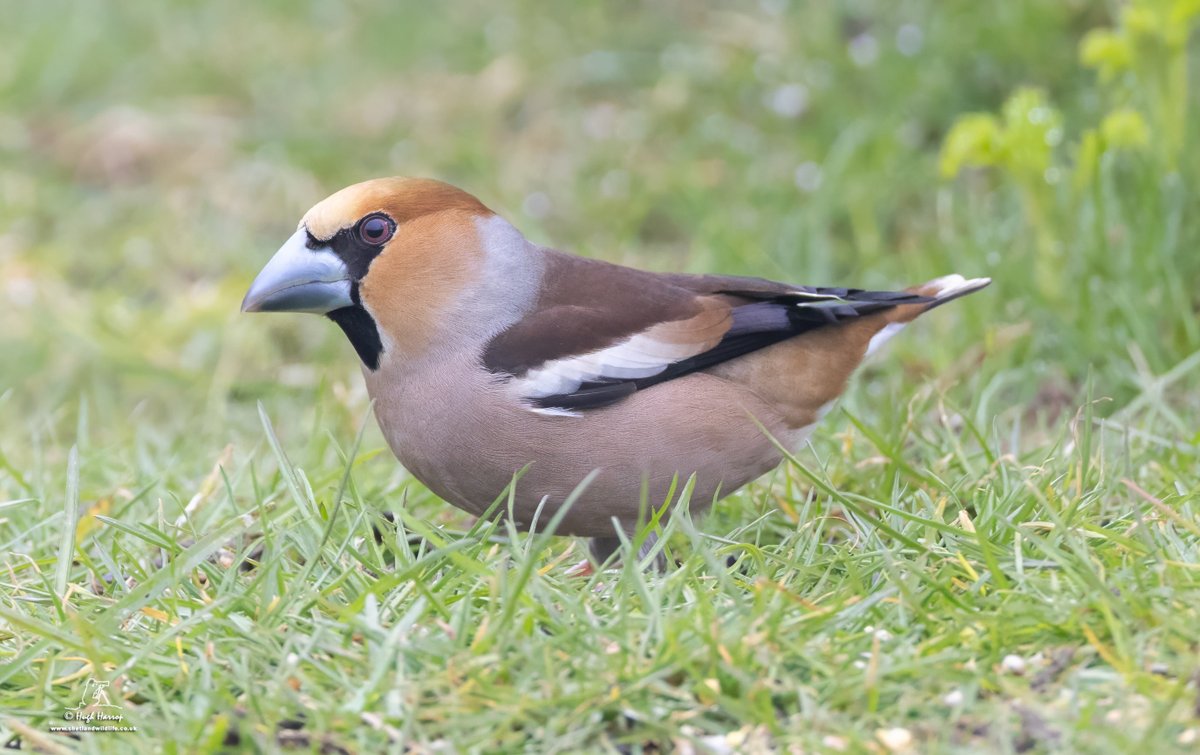
Peregrine Falcon (Falco peregrinus) at a site in Co. Limerick yesterday morning. This bird is ringed, and the National Parks and Wildlife Service (NPWS) has confirmed that it is a two-year-old female that fledged from a site in north Co. Cork.
English
2
11
88
1.5K
Janne E. Kumpulainen retweetledi
Matti Liimatainen
Matti Liimatainen@MLiimatainen·
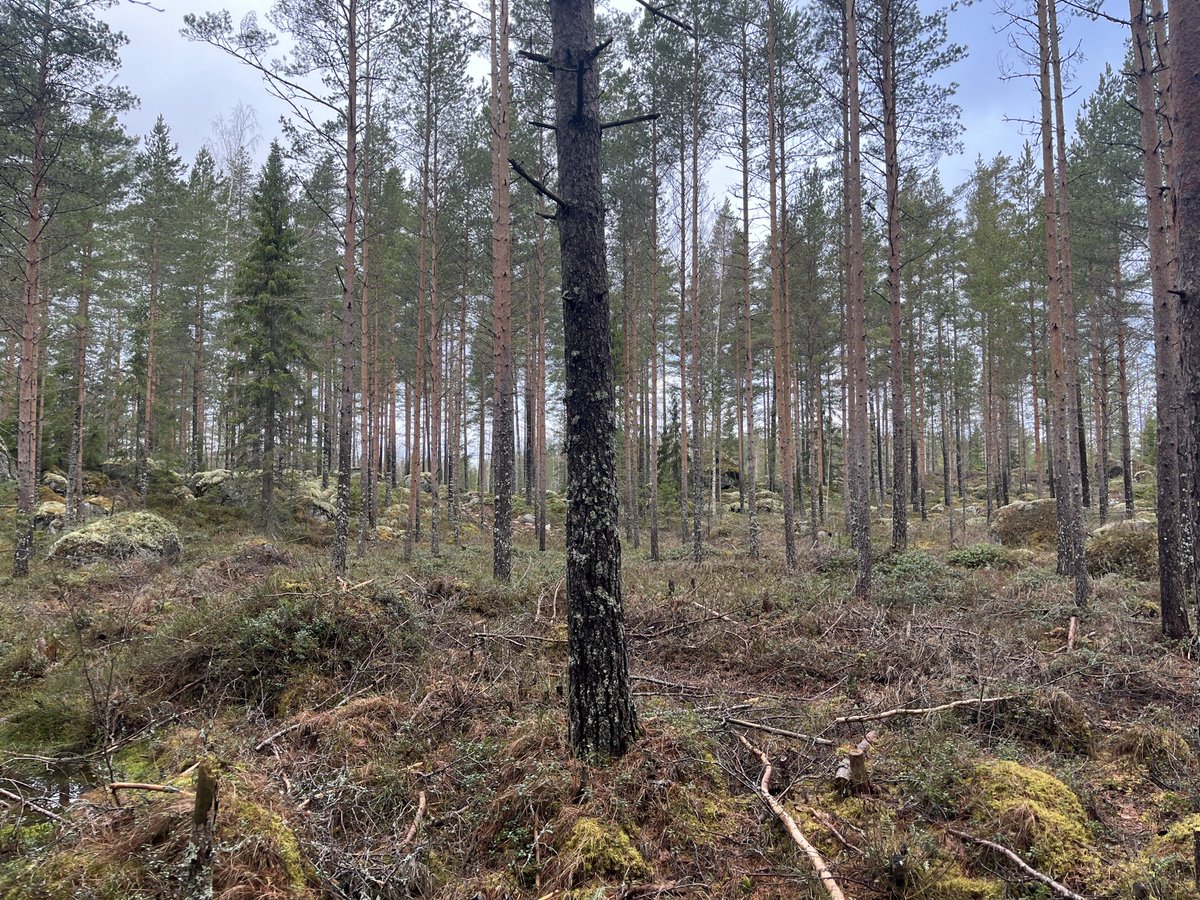
@jussi_talvitie @Psalolainen Ei kai se pellon käsite kai kasvunopeudesta tule. Tällaisia kun tulee vastaan niin kyllä minulle ainakin puupelto näistä mieleen tulee. Vaikka onkin kivinen peltolohko..
Matti Liimatainen tweet mediaMatti Liimatainen tweet media
Suomi
2
1
18
489
Janne E. Kumpulainen retweetledi
Matti Liimatainen
Matti Liimatainen@MLiimatainen·
Tänäänkin on näköjään kohistu siitä ja tuosta. Minä menin mehtään. Suuryhtiön metsä oli kivistä ja hyvää ja sitä oli riittävästi. Satakunta.
Matti Liimatainen tweet mediaMatti Liimatainen tweet mediaMatti Liimatainen tweet mediaMatti Liimatainen tweet media
Suomi
0
2
35
590
Janne E. Kumpulainen retweetledi
Risto Siilasmaa 🇫🇮🇺🇦
Lopulta kysymys ei ole datakeskuksista. Kysymys on siitä, käytämmekö rajalliset resurssimme tukemaan muiden vai omaa tulevaisuuttamme. Tekoälyyn panostaminen on Suomen kannalta yksi tärkeimmistä pitkän aikavälin investoinneista.
Suomi
34
53
656
11K
Janne E. Kumpulainen retweetledi
Jaana Pohja 🇫🇮 🇪🇺 🇺🇦
Siilasmaa sanoo sen, mitä tavallinen kaduntallaajakin miettii. Kukaan ei katso tänne rynnivien datakeskusinvestointien perään. ”---Datakeskukset eivät juuri työllistä eivätkä ilman verotusta tuota yhteiskunnalle mitään." Tarttis tehdä jotain? @PetteriOrpo hs.fi/visio/art-2000…
Suomi
12
22
185
2.4K
Janne E. Kumpulainen retweetledi
Art or Other Things
Art or Other Things@ArtorOtherThing·
Petroglyph depicting whales, Qaqortoq, Greenland, 2010.
Art or Other Things tweet media
Română
9
382
3.4K
40.6K
Janne E. Kumpulainen retweetledi
Risto Siilasmaa 🇫🇮🇺🇦
Annoin Helsingin Sanomille haastattelun, jossa nostin esiin yksinkertaisen mutta tärkeän kysymyksen: Mihin Suomen rajallinen vihreä sähkö kannattaa käyttää? Vihreä sähkö ei ole meille vain tuotantotekijä – se on strateginen resurssi. 1/ hs.fi/visio/art-2000…
Suomi
86
176
1.4K
77.6K
Janne E. Kumpulainen retweetledi
Hilla Kauhanen
Hilla Kauhanen@KauhanenHilla·
Kohti terveellisempiä ruokavalintoja. "Tutkimuksessa 15 prosenttia suomalaisista kertoo tehneensä tietoisia muutoksia ruokavalintoihinsa ravitsemussuositusten vuoksi. 39 prosenttia sanoo niiden lisänneen kiinnostusta kasvipohjaisten tuotteiden käyttöön." yle.fi/a/74-20220422?…
Suomi
3
1
14
782
Janne E. Kumpulainen retweetledi
Ounka
Ounka@OunkaOnX·
Greta Thunberg: Israel named me the second most dangerous antisemite. My crime? Using words like genocide, siege, and mass starvation to describe Gaza Israel passed a race-based death penalty law for Palestinians. That is apartheid. April 17th, rise up. Demand sanctions, divestment, boycotts, and accountability. End complicity with genocide. It is the bare fucking minimum"
English
2.2K
24.5K
93K
1.6M