Sabitlenmiş Tweet

Here is the link to our MetFlex Index paper. A lactate-based health and fitness assessment.
frontiersin.org/journals/physi…
English
Bryan Jasker PT, DPT
1K posts

@oval_MetFlex
CCO OVAL | NUPTHMS | Metabolic Fitness | Metabolic Flexibility | MetFlex Index | Lactate | Mitochondrial Rehab | The Oxidative Phenotype | Healthspan








New paper! Congrats to our MECFSnet partners @CornellMECFS. Findings: Persistent immune & metabolic dysregulation in recovery, linked to PEM. Learn more: neuroimmune.cornell.edu/news/uncoverin… 👉Paper: pubmed.ncbi.nlm.nih.gov/41237904/

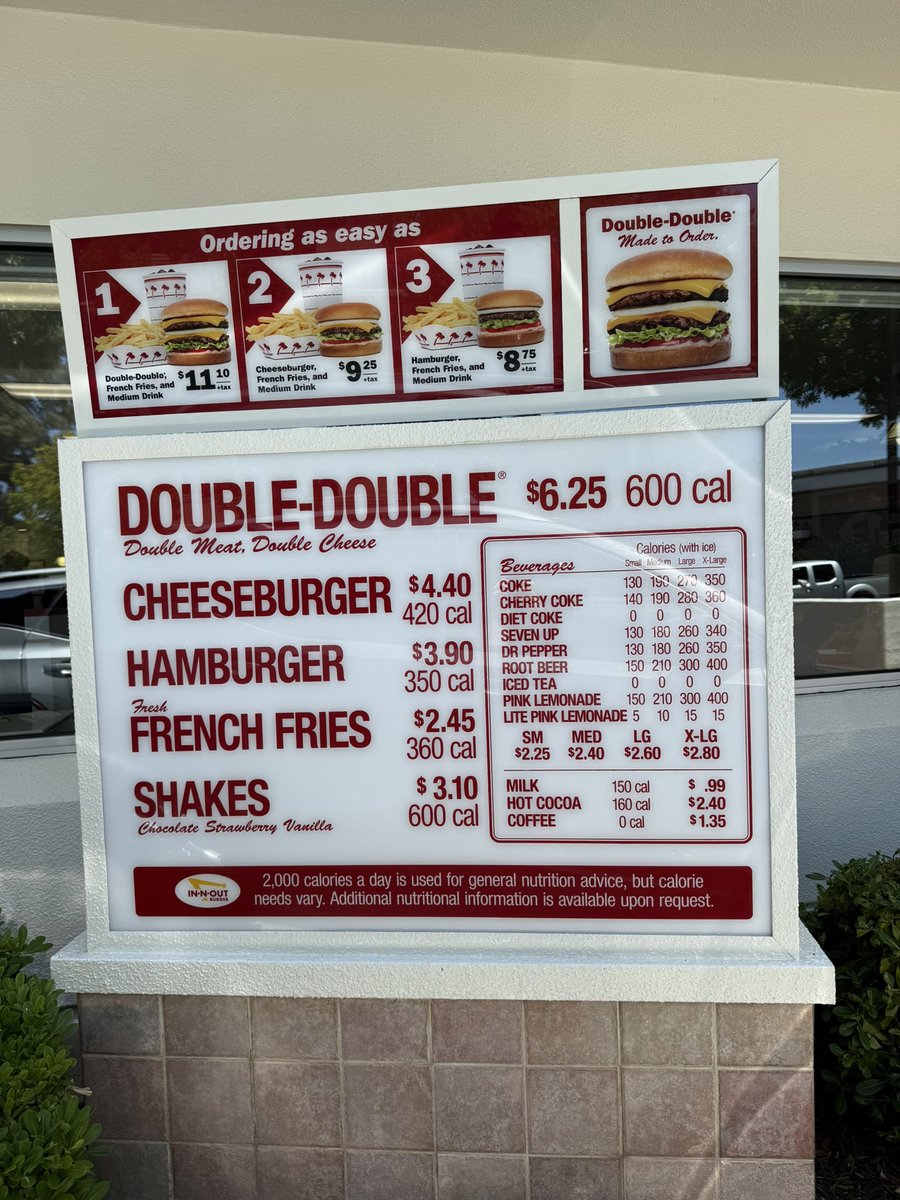
For about a decade, I’ve been showing these two slides at conferences. Two hunter-gatherer populations (Hadza and Tsimane), likely the closest living humans to our Paleolithic ancestors. Diet: • 65–70% carbohydrates • 15-20% protein • 10–15% fat • ~13% lower daily caloric intake than the US population Daily movement: • 115–135 minutes per day • 6–12 km of walking Health outcomes: • Obesity: ~2% • Type 2 diabetes: ~1% • Cardiovascular disease: among the lowest ever observed This is not a low-carbohydrate population. The difference is metabolic fitness. When mitochondria are continuously stimulated by daily movement, carbohydrates can be oxidized (burnt). When movement disappears, fuel oxidation fails and metabolic disease emerges. The debate should not be low-carb vs high-carb. That debate has failed to solve obesity or type 2 diabetes for decades. The real question is: Can your mitochondria still do their job? #MitochondrialFunction #MetabolicFitness #MetabolicFlexibility #PhysicalActivity


Here is the link to our MetFlex Index paper. A lactate-based health and fitness assessment. frontiersin.org/journals/physi…






Can someone please explain to me why "health experts" would be alarmed at conducting science on new drugs?