
SunshineStreet retweetledi
SunshineStreet
4.8K posts


SunshineStreet
@OxenForens
Nonconformist
United Kingdom Katılım Temmuz 2009
1.6K Takip Edilen148 Takipçiler
SunshineStreet retweetledi

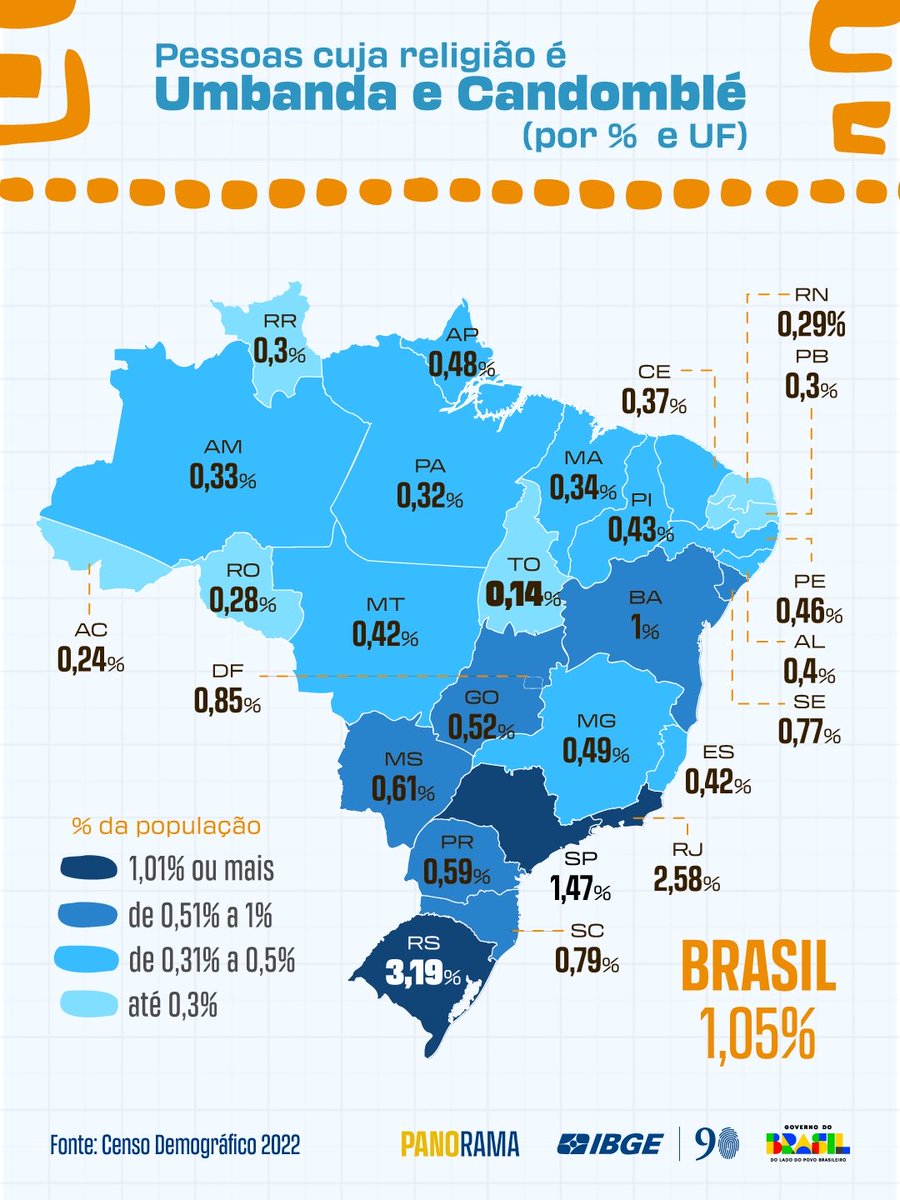
O número de adeptos da Umbanda e do Candomblé no Brasil mais que triplicou em 10 anos, chegando a 1,05% da população (1,8 milhão de pessoas). 📈
O RS lidera proporcionalmente, com 3,2% de adeptos de religiões afro-brasileiras.
Saiba mais em censo2022.ibge.gov.br/panorama!
Português
SunshineStreet retweetledi

SunshineStreet retweetledi

SunshineStreet retweetledi

Watch a radioactive Uranium isotope
firing alpha, beta, and gamma rays inside a mesmerizing Cloud Chamber
English
SunshineStreet retweetledi

Octopuses really have super powers, why is everyone casual about it?
English
SunshineStreet retweetledi

O boto rosa do rio Amazonas em seu habitat natural
Português
SunshineStreet retweetledi
SunshineStreet retweetledi

Switzerland has made it illegal to place live lobsters into boiling water, following increasing scientific evidence that crustaceans may be sentient, capable of experiencing pain.
Over recent decades, research has challenged the idea that lobsters operate on simple reflexes alone. Studies suggest their nervous systems are more complex, showing behaviors that go beyond automatic reactions and point toward decision-making under distress.
For example, experiments with related species like hermit crabs have shown they will abandon their shells, essential for protection, when exposed to electric shocks. This kind of trade-off suggests an ability to weigh risk in order to avoid harm.
Lobsters themselves possess nociceptors, specialized nerve cells that detect damaging stimuli such as heat. When exposed to extreme conditions, they don’t just react momentarily; they can exhibit prolonged behavioral changes, indicating a deeper response.
Under the new law, lobsters must be stunned before being cooked, either mechanically or electrically, to reduce suffering. The legislation also bans transporting lobsters on ice, requiring conditions that more closely reflect their natural environment.
Supporters view this as a necessary step forward. Many scientists argue that if there is credible evidence an animal can feel pain, it deserves consideration similar to that given to birds and mammals.
But this raises a bigger question.
With billions of crustaceans used globally each year, and practices varying widely—should other countries begin to rethink how these animals are treated?
Source: CNN, “Switzerland bans boiling lobsters alive.”

English
SunshineStreet retweetledi
SunshineStreet retweetledi


SunshineStreet retweetledi
SunshineStreet retweetledi

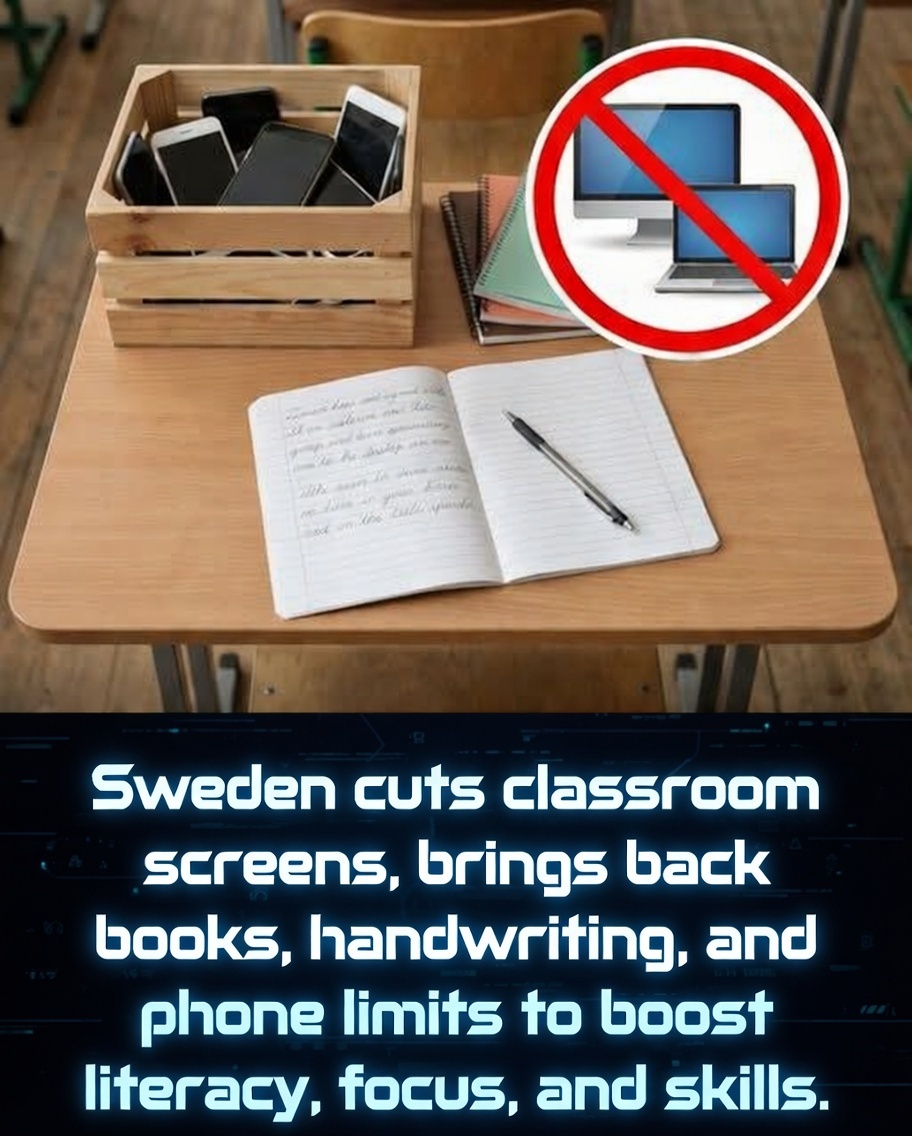
Sweden is committing more than €100 million to a sweeping classroom overhaul: replacing tablets and screens with traditional printed textbooks to help reverse falling student performance and sharpen focus.
After more than a decade of embracing digital-first education, Swedish authorities are now pivoting back to paper-based learning. Official data and recent studies cited by the Ministry of Education show that prolonged screen use in class has been linked to shorter attention spans, weaker reading comprehension, and reduced critical-thinking abilities.
Research consistently finds that reading on illuminated screens requires greater mental effort and invites more distractions compared to the calm, linear experience of physical books—factors believed to have contributed to declining academic outcomes in recent years.
Under the new plan, every student will receive printed textbooks for all core subjects, restoring books as the central learning tool. Digital devices and online resources will remain available as supportive tools, but they will no longer dominate daily instruction.
This bold €100+ million investment signals Sweden’s leadership in rethinking the role of technology in education. It underscores a broader, growing recognition worldwide: while screens provide speed and access, the hands-on, distraction-free engagement of physical books supports deeper concentration, stronger memory retention, and more effective long-term learning.
By choosing paper over pixels, Sweden is charting a path toward a more balanced, evidence-informed classroom future—one that puts proven pedagogical principles ahead of unchecked digital trends.
English
SunshineStreet retweetledi

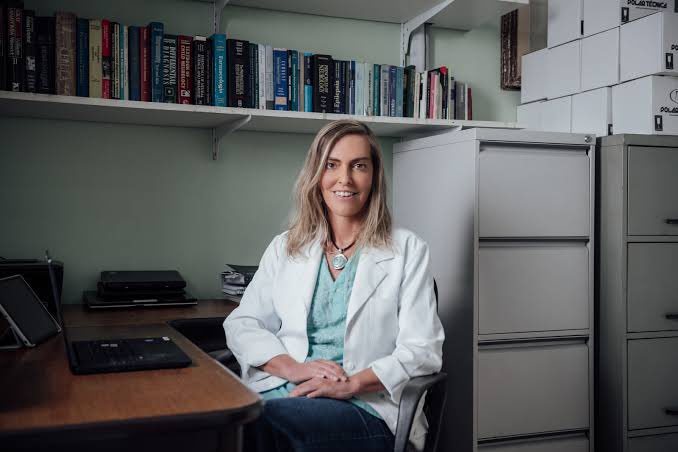
🚨: This is Tatiana Sampaio, a Brazilian scientist who restored movement in six paraplegic patients.
English
SunshineStreet retweetledi

This is Tatiana Sampaio, a Brazilian scientist who restored movement to six paraplegic patients. The Nobel Prize in Medicine is the bare minimum 🇧🇷
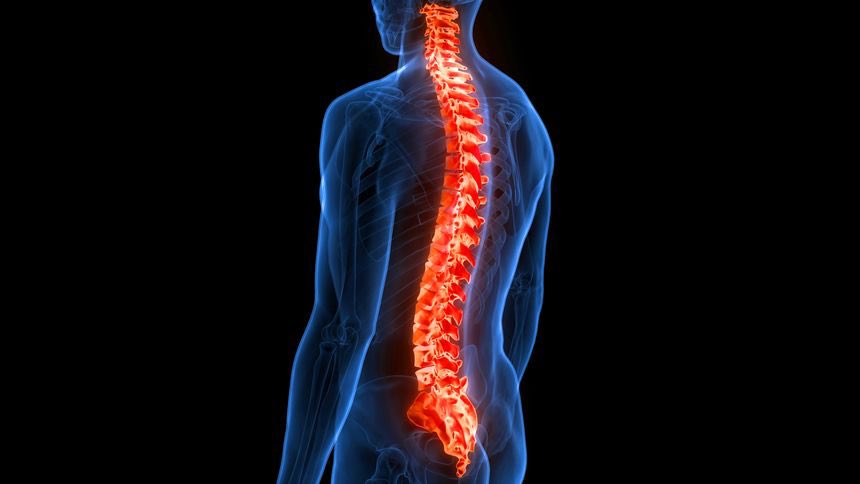
After more than twenty years dedicated to scientific research, Brazilian biologist Tatiana Coelho de Sampaio gained international recognition by leading a groundbreaking study on spinal cord injuries. A professor at the Laboratory of Extracellular Matrix Biology at UFRJ (Federal University of Rio de Janeiro), she coordinates the development of polylaminin, an experimental molecule that opens new perspectives for the treatment of people with paraplegia and tetraplegia caused by accidents.
The substance is a laboratory-produced version of laminin, a protein essential in embryonic development for guiding communication between neurons. Created from proteins extracted from the human placenta, polylaminin can be applied directly to the injured area of the spinal cord, promoting the regeneration of nerve circuits and the recovery of previously compromised motor functions.
Even though it is still in the experimental phase, the initial results have attracted the attention of the scientific community. Some patients undergoing the treatment have shown partial or even complete recovery of movement and sensation, something considered unlikely by conventional medicine. There are records of volunteers who regained movement in affected limbs after the procedure.
The project is being developed in partnership with the Brazilian laboratory Cristália and already has investments to advance to the next stages. The goal now is to obtain authorization from Anvisa (Brazilian Health Regulatory Agency) to expand clinical studies and evaluate, on a larger scale, the safety and efficacy of the therapy.
English
SunshineStreet retweetledi

Trump’s billionaire allies now control X, Facebook, Instagram, WhatsApp, TikTok, Truth and Twitch.
They own Fox News, CBS, WaPo, WSJ and NY Post — plus 185+ local tv stations and news in 100 markets.
They control the AI you're asking for answers, the algorithms feeding you content, your personal data you've given up for access, and the devices you rely on.
The news and your privacy are now what Trump and his billionaire pals say it is.
This is all by design.

English
SunshineStreet retweetledi

SunshineStreet retweetledi
SunshineStreet retweetledi
SunshineStreet retweetledi

BREAKING: Trump got invited to speak at the United Nations… and used his time to rant about a broken escalator and a teleprompter.
World leaders were expecting strategy.
They got stand-up comedy.
English