Манастир Црна Река

2.6K posts

Манастир Црна Река banner
Манастир Црна Река

Манастир Црна Река

@padreandrej

Није место само за непокајане Артемите.
Katılım Haziran 2012
805 Takip Edilen1K Takipçiler
Sabitlenmiş Tweet
Манастир Црна Река
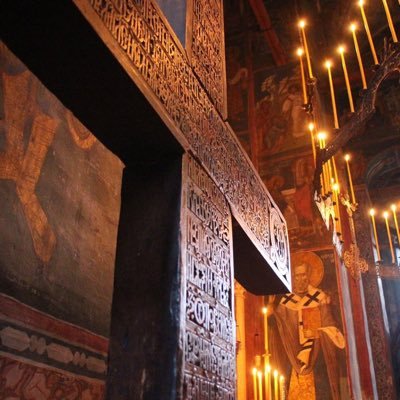
Рећи да су наше цркве грађене у традицији византијске уметности „византијско наслеђе“, што је још један начин да се избегне помињање Срба, логички је равно бесмисленој тврдњи да су готичке цркве градили Готи.
Srpski
4
6
58
0
Манастир Црна Река retweetledi
Црквени Гласник
У Манастиру Лелић прослављен Пренос моштију Св. Николаја Жичког и Охридског, а евхаристијско славље предводио Патријарх Порфирије са више Архијереја. Свечаност је крунисана освећењем Дома Владике Николаја и уметничким програмом у његову част. Историјски запис Епархије ваљевске.
Srpski
0
6
52
349
Манастир Црна Река retweetledi
𝓐𝓵𝓮𝔁 
𝓐𝓵𝓮𝔁 @whitesnake1005·
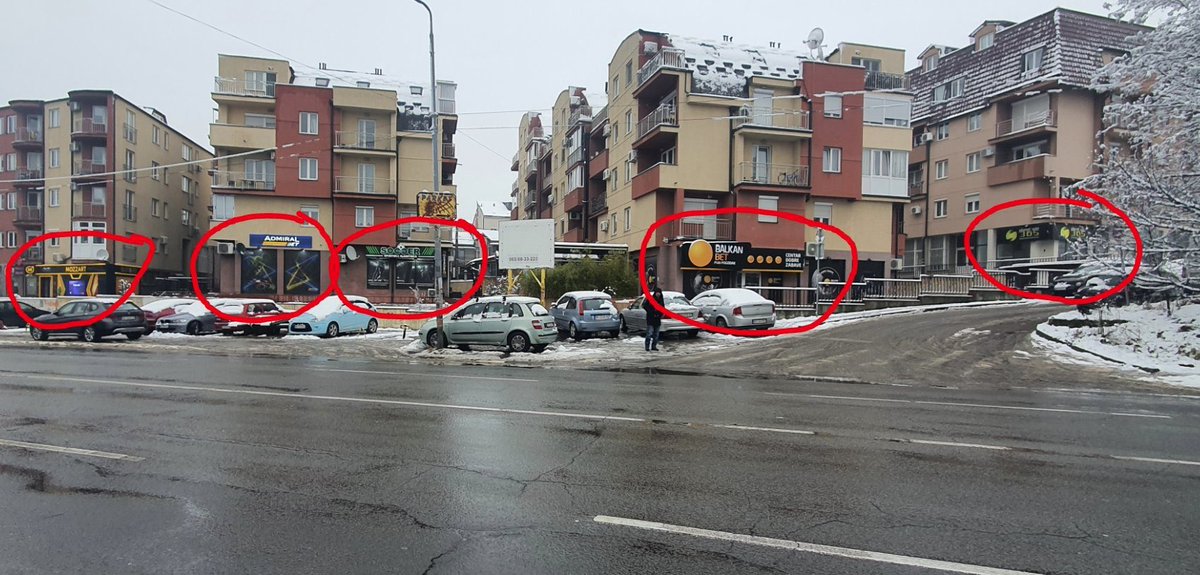
Slika propasti jednog društva!
𝓐𝓵𝓮𝔁  tweet media
90
523
4K
93K
Манастир Црна Река retweetledi
Mees Wynants
Mees Wynants@MeesWynants·
The vice president of the European Parliament was arrested with €1.5 million in cash stuffed in briefcases. Qatar and Morocco were paying EU officials to represent their interests inside the parliament. Then there is Ioannis Lagos. Convicted of leading a criminal organization. Sentenced to 13 years. He did not resign. For 5 years he participated in parliamentary committees from his prison cell, wrote EU legislation and collected €8,000 a month in salary. 1 in 4 European politicians is involved in criminal activity. And these are just two examples.
English
144
3K
5.2K
54.9K
Манастир Црна Река retweetledi
НСПМ online
НСПМ online@NSPM·
На данашњи дан 1999. НАТО гађао центар Сурдулице и убио 20 цивила, укључујући 12 деце, при чему је срушено или оштећено више од 500 кућа nspm.rs/hronika/na-dan…
НСПМ online tweet media
Srpski
0
32
61
879
Манастир Црна Река retweetledi
Elisabetta Burba
Elisabetta Burba@ElisabettaBurba·
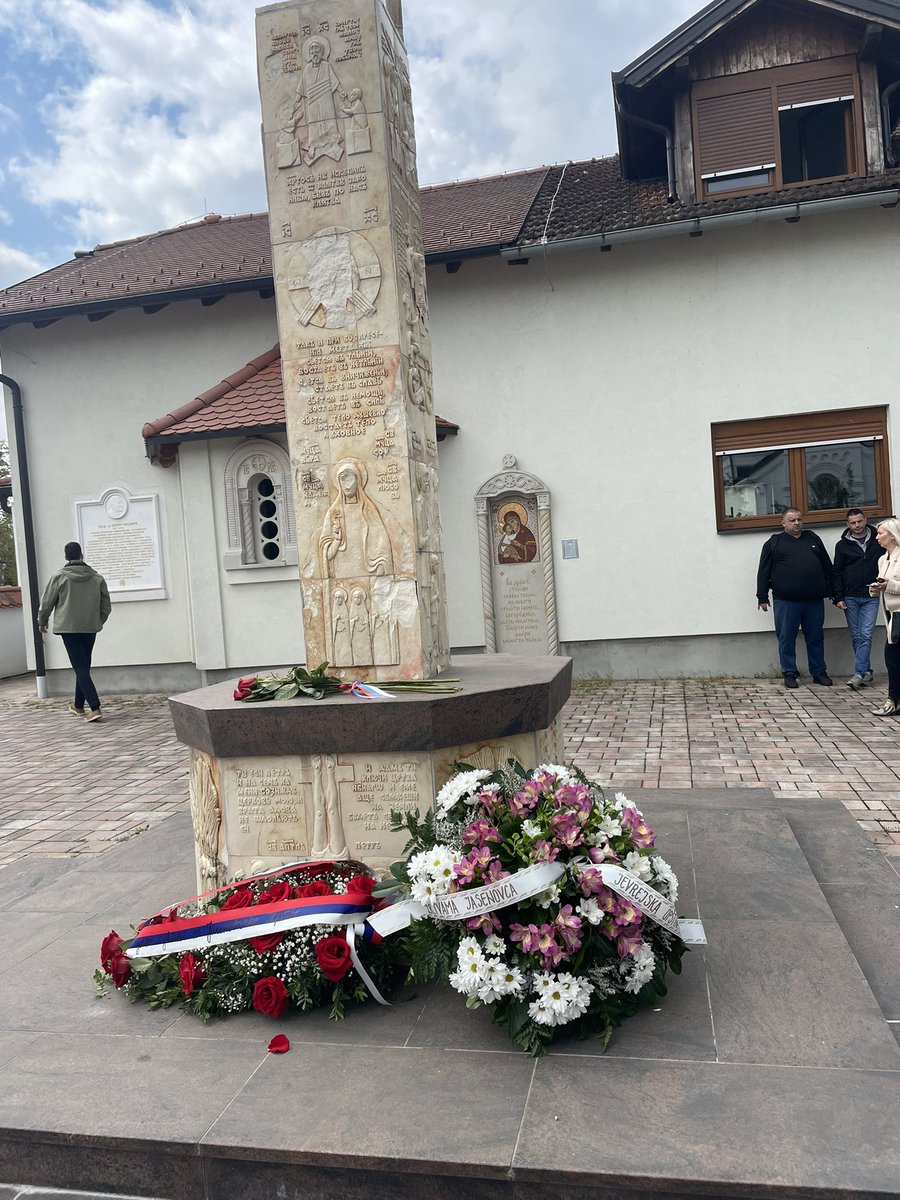
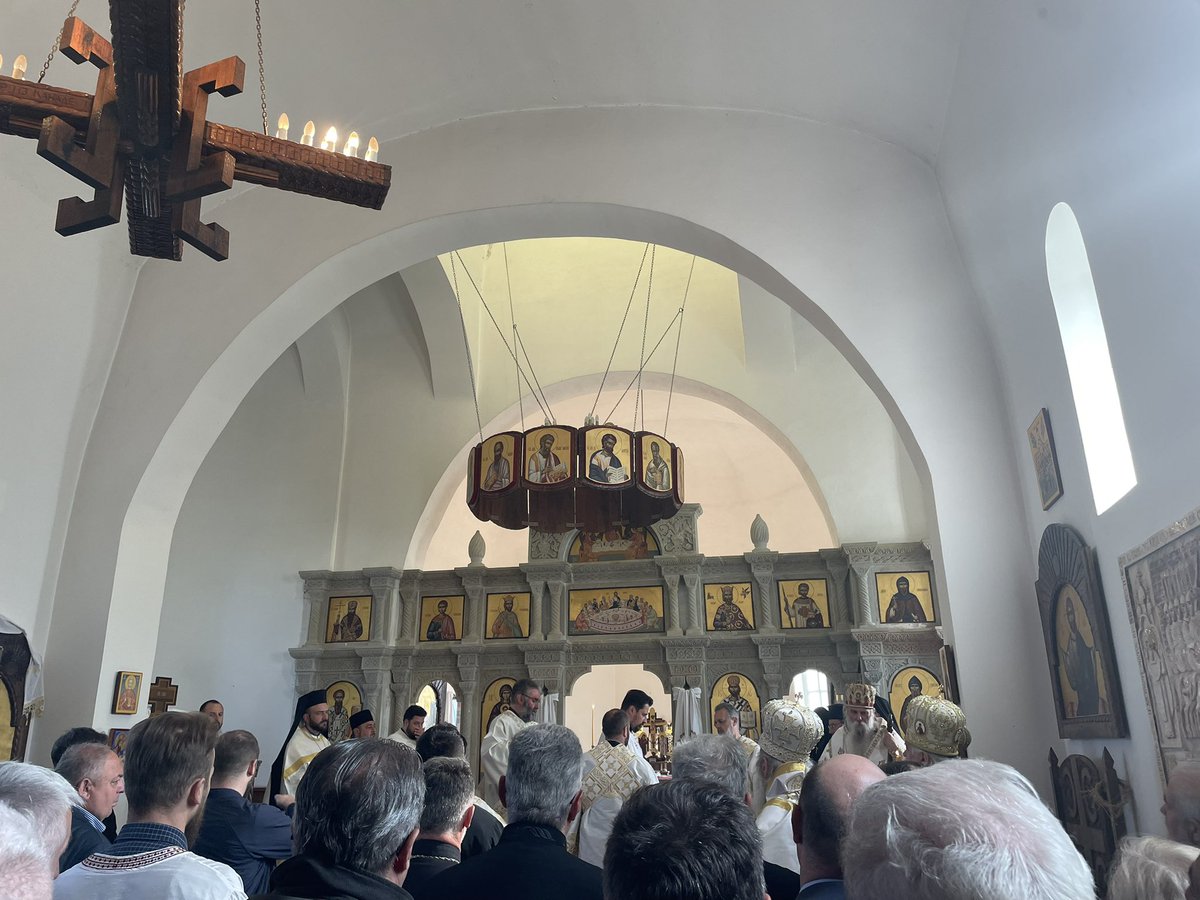
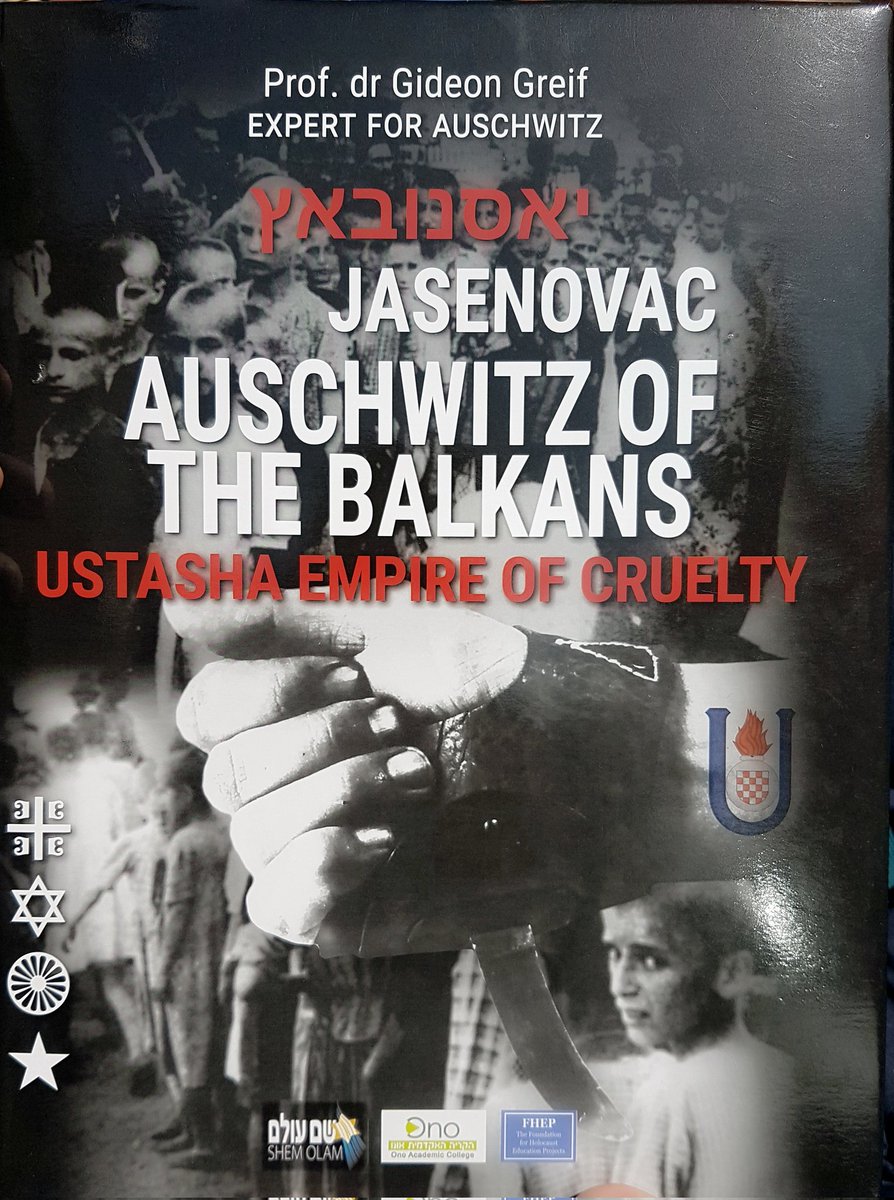
Oggi, anniversario della liberazione del campo di sterminio ustascia, a Jasenovac e a Banja Luka a parlare di guerra e di storia, di doppi standard e di manipolazioni, di vittime e di carnefici… La mia conclusione: non c’è pace senza memoria condivisa.
Elisabetta Burba tweet mediaElisabetta Burba tweet mediaElisabetta Burba tweet mediaElisabetta Burba tweet media
Italiano
0
7
7
180
Манастир Црна Река retweetledi
WW2 The Eastern Front
WW2 The Eastern Front@ShoahUkraine·
On this Day of Remembrance for the Victims of the Jasenovac concentration camp, I would like to share a long piece I wrote a few years ago on the history of this site. Part 1 Jasenovac was a concentration and extermination camp established and operated by the Ustashe regime of the Independent State of Croatia (Nezavisna Drzava Hrvatska, NDH), a Nazi puppet state that existed between April 10, 1941 and May 1945. Unlike most extermination camps in occupied Europe, Jasenovac was not run by Nazi Germany directly. It was conceived, built, staffed, and operated entirely by Croatian Ustashe forces, making it a domestically administered genocide machine. The Ustashe movement was a Croatian fascist ultranationalist organization founded by Ante Pavelic in 1929, heavily influenced by Italian fascism and German National Socialism. Upon seizing power following the Axis invasion of Yugoslavia in April 1941, the Ustashe immediately began implementing a racial extermination policy targeting Serbs, Jews, Roma, and anti-fascist Croats and Bosniaks. Their stated policy was explicit and publicly declared: one third of Serbs to be killed, one third expelled, and one third forcibly converted to Catholicism. The ideology driving Jasenovac was not imported. It was homegrown Croatian fascism that in many respects shocked even Nazi German observers stationed in the region. German and Italian military officers stationed in the NDH filed official reports back to Berlin and Rome expressing alarm at the unorganized and chaotic nature of the Ustashe killing, which they described not as systematic industrial extermination but as frenzied, sadistic, and often drunken slaughter. German Wehrmacht General Edmund Glaise von Horstenau wrote in official correspondence that the Ustashe had gone wild and were conducting massacres that were among the worst he had witnessed in his entire military career. Jasenovac was not a single camp but a complex of several sub-camps spread across approximately 240 square kilometers along the Sava and Una rivers in the Croatian region of Slavonia, near the town of Jasenovac, roughly 100 kilometers southeast of Zagreb. The main sub-camps were: Krapje was the first camp, opened August 1941 and closed November 1941. Brocica opened August 1941 and closed November 1941. Ciglana, known as Jasenovac III, was the largest and most notorious sub-camp, operational throughout the entire existence of the complex and located at a former brick factory. The brick kilns and furnaces would later serve a dual and horrifying purpose. Kozara, known as Jasenovac IV, was a tannery facility where prisoner labor was used to process leather while executions occurred in adjacent areas. Stara Gradiska, known as Jasenovac V, was located in a former Austro-Hungarian fortress approximately 35 kilometers from the main site and was used primarily for women and children. Jablanac served as a transit and collection point where prisoners were received and sorted before transfer to the main killing facilities. The geographic placement was deliberate. The rivers formed natural barriers and the remote Slavonian terrain isolated the camps from outside observation. The dense forests and wetlands of the region made escape nearly impossible and allowed the guards to operate with near total impunity. The camp complex was established in stages beginning in August 1941 and remained operational until April 22, 1945. As Yugoslav Partisan forces closed in, the remaining Ustashe guards massacred most surviving prisoners and attempted to demolish the camp infrastructure to erase evidence. On that final day a small group of prisoners staged a desperate breakout. Of the several hundred who attempted to flee through the killing fields and across the river, only a handful survived.
WW2 The Eastern Front tweet media
English
15
122
333
12.6K
Манастир Црна Река retweetledi
Милош Станић
Милош Станић@shorin011·
За све који до сада нису чули, на сајту Гора Савина имамо виртуелни Музеј Јасеновца са огромном колекцијом књига, снимака, сведочанстава. Ако имате нешто везано за ову тему а да нисмо до сада укључили у колекцију јавите нам. Морамо сами да радимо оно што наша држава неће. gorasavina.com/jasenovac/
Srpski
42
564
1.9K
433.3K
Манастир Црна Река retweetledi
Vukov ponosni tata
Vukov ponosni tata@100leBgd·
Srbija: Jos malo pa vise kockarnica nego stanovnika...
2
2
98
1.9K
Манастир Црна Река retweetledi
Рашкопризренска
Рашкопризренска@EparhijaKIM·
Владика Теодосије данас је служио вечерње Великог Петка са изношењем плаштанице у са орном храму Св. Димитрија у Косовској Митровици.
Srpski
1
9
73
974
Манастир Црна Река retweetledi
Рашкопризренска
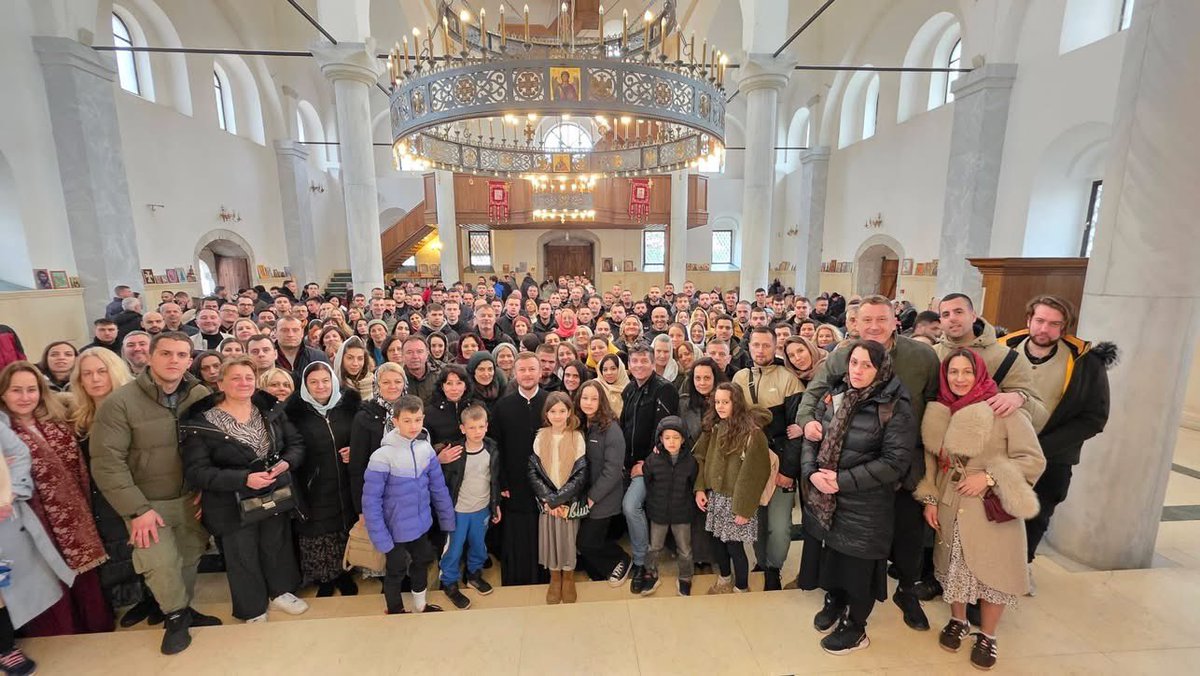
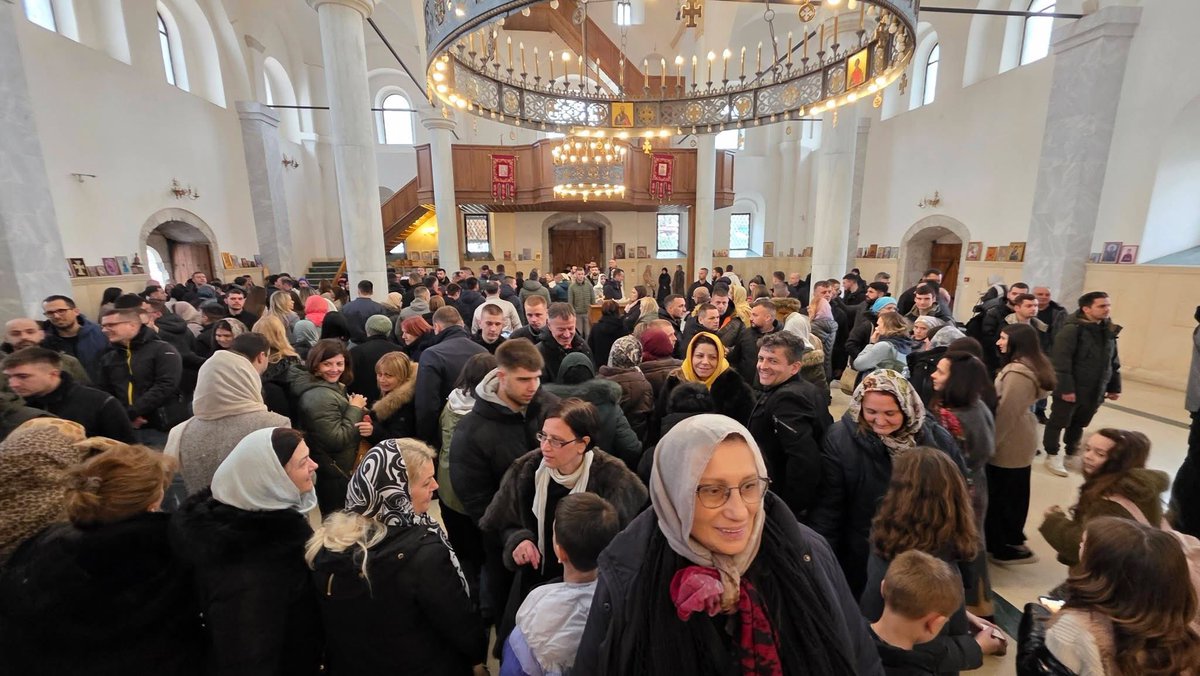
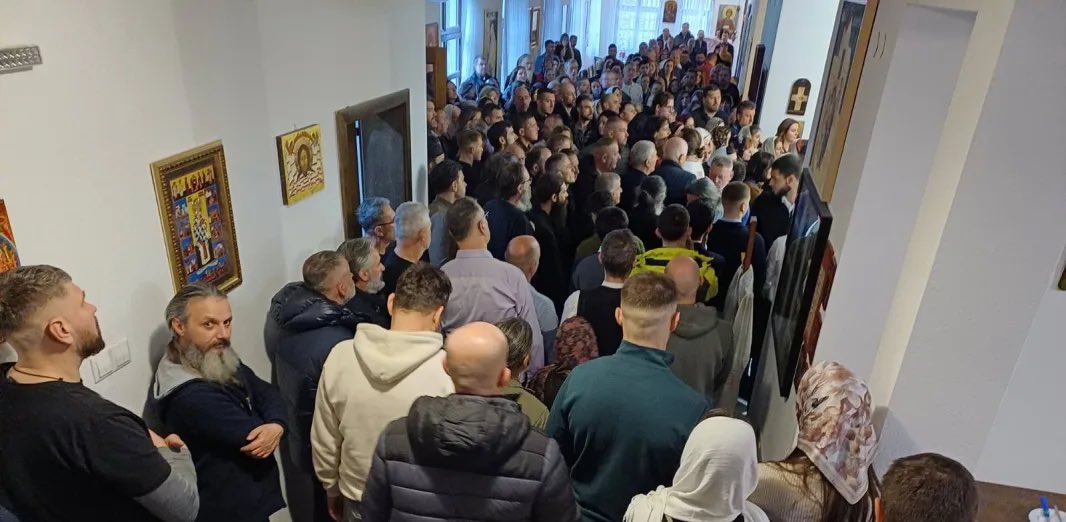
Данас, на Лазареву суботу, око 700 поклоника из Србије, Црне Горе и Босне и Херцеговине сабрало се у Призрену на Светој Литургији у манастиру Светих Архангела, а потом су се помолили и у Богородици Љевишкој. Све већи број поклоника последњих месеци долази у светиње на КиМ.
Рашкопризренска tweet mediaРашкопризренска tweet mediaРашкопризренска tweet media
Srpski
0
44
334
5.4K
Манастир Црна Река retweetledi
Dečani Monastery
Dečani Monastery@DecaniMonastery·
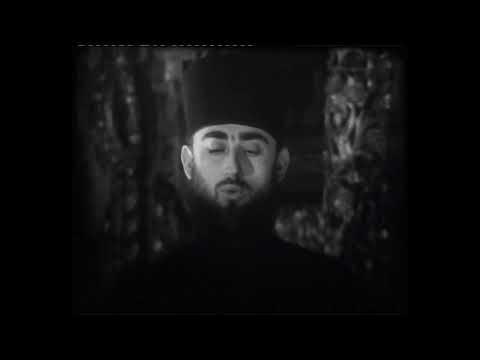
YouTube 1960s footage on Serbian Orthodox Monasteries in Kosovo from a German documentary youtu.be/ar0N9RvPsB8?si… "The Cross and the Red Star" is an early 1960s documentary produced by WDR, the public broadcaster of West Germany, and directed by Klaus Liebe. It focuses on several major Serbian Orthodox monasteries during the communist time Yugoslavia, including the Patriarchate of Peć and Visoki Dečani. A 17-minute segment of the film has now been made available by the Dečani Monastery brotherhood on its #YouTube channel. The footage is available in original German, English, Serbian and Italian audio as well as with captions in those languages and Albanian The film is an important historical document, especially in light of ongoing debates over the identity and interpretation of Serbian religious and cultural heritage in Kosovo. Its narrator treats medieval Serbian art as part of the broader European cultural legacy, placing it on an equal footing with the finest achievements of Western medieval art. He also clearly identifies the Nemanjić dynasty, particularly King Stefan Dečanski and Emperor Dušan, as the historical founders and benefactors of Dečani. The footage is valuable not only for its artistic and architectural record, but also for what it reveals about church life under communist rule. It includes rare scenes of the streets of Peć, the frescoes and architecture of the Patriarchate of Peć and Visoki Dečani, and the daily life of monks during a period of political pressure and institutional control. It also shows the enthronement of Patriarch German, attended by communist officials, local Albanian representatives, and Muslim leaders, reflecting the complexity of the time. Among the most notable scenes are those from Visoki Dečani itself: damaged former monastic quarters that had been used by the authorities, visible monitoring of monastery life, and rare appearances of Abbot Makarije and Abbot Justin. The documentary notes the monastery’s difficult material situation under heavy taxation, although it does not mention the Communist post-war confiscation of nearly 800 hectares of monastic land. Taken as a whole, the film offers a rare visual testimony to the endurance of Serbian Orthodox monastic life in a politically restrictive period and to the effort to preserve religious continuity, cultural heritage, and basic communal survival under difficult circumstances.
YouTube video
YouTube
English
0
42
126
4.9K
Манастир Црна Река retweetledi
Fr. Michael Lillie
Fr. Michael Lillie@FrLillie·
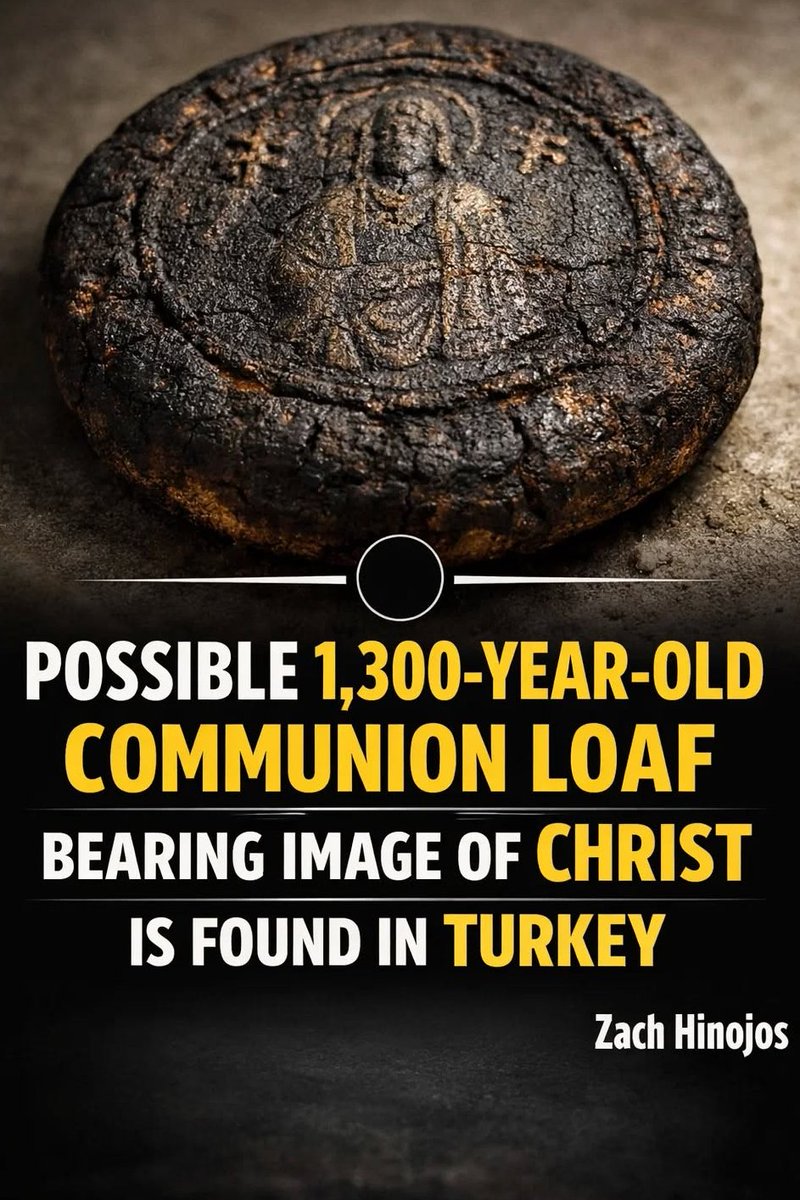
"Archaeologists working in southern Turkey have uncovered five small, round loaves of bread believed to have been prepared for the Eucharist more than 1,300 years ago. Remarkably, one of the loaves bears an image of Jesus Christ. The discovery was made at Topraktepe, the ancient Roman and Byzantine center known as Irenopolis — meaning “City of Peace” — located in today’s Karaman province in the historic region of Anatolia. The barley loaves, dated between the sixth and eighth centuries, were preserved through carbonization and an oxygen-free environment. Researchers say they are the best-preserved examples of their kind ever found in Anatolia. One loaf features a depiction of Christ alongside a Greek inscription reading, “With our gratitude to the Blessed Jesus,” while others display reliefs shaped like the Greek cross."
Fr. Michael Lillie tweet media
English
112
1.4K
6.5K
135K
Зема
Зема@Zema396385601·
@padreandrej @tiran_tiraninu Сва та места су археолишки локалитети, и зато се сви радови тамо изводе по посебним условима. Овде то није испоштовано, што је тебе баш брига.
Srpski
1
0
2
30
Митолог™️
Митолог™️@tiran_tiraninu·
Паде Јустин, а о Теодосијевом скрнављењу Петрове цркве ни мукајет. Паде Јустин, а Јован Ћулибрк једнако девалвира Јасеновац и ником ништа. Паде Јустин, а лесновске фреске се распадају.
Srpski
3
16
95
2.7K