Pamela Russell
4.1K posts

@pamrustweet
RN,BSc (Hons) @ulsteruni /Practice Education Facilitator/@setrust/#QIFellowship /Professional account. Retweets not endorsements.


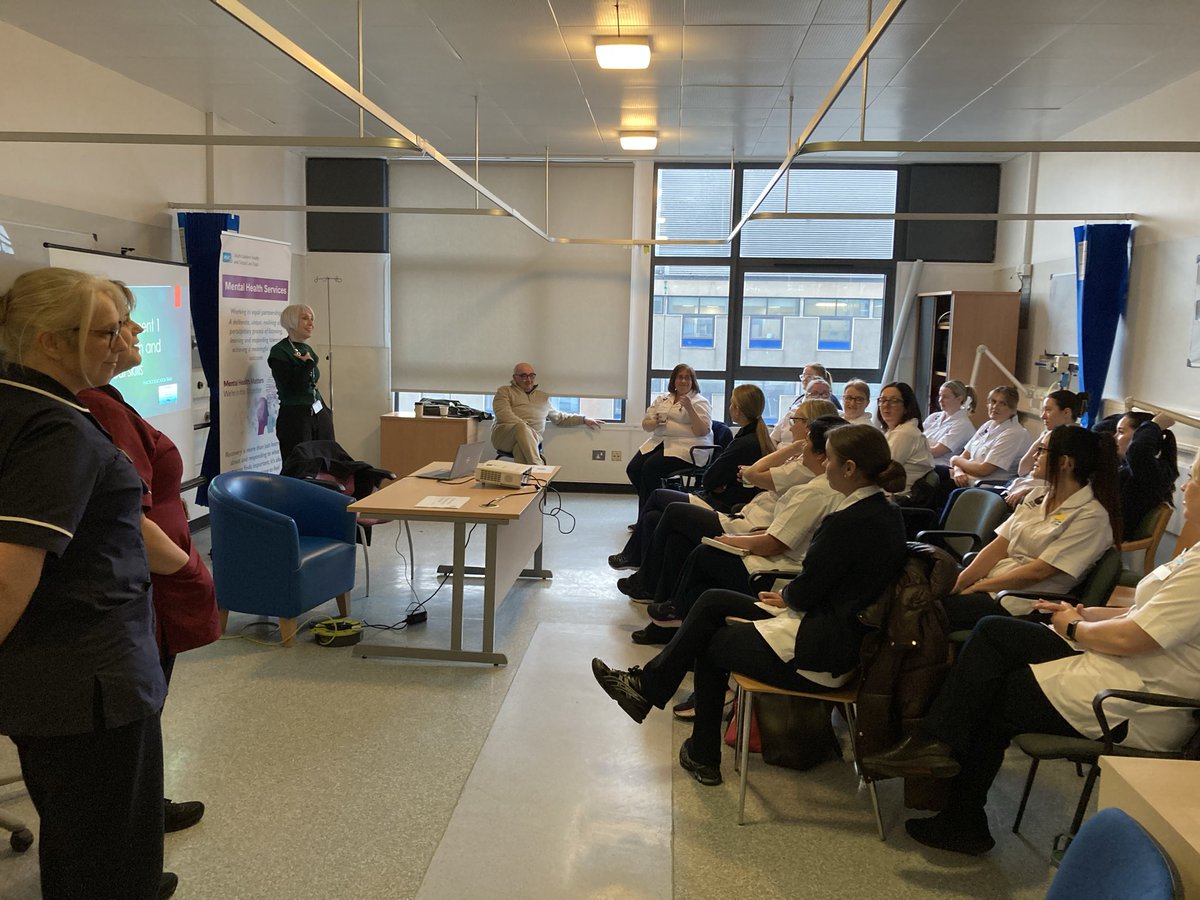
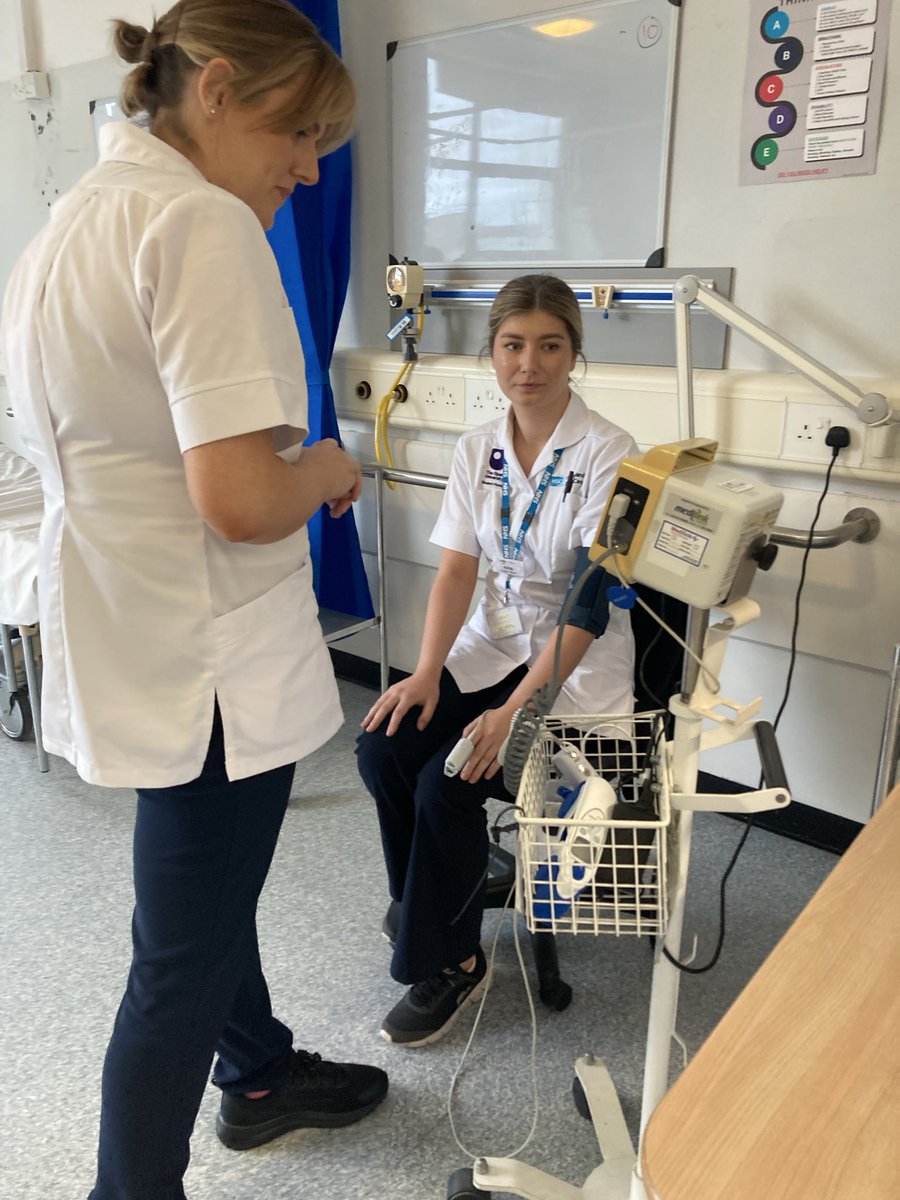
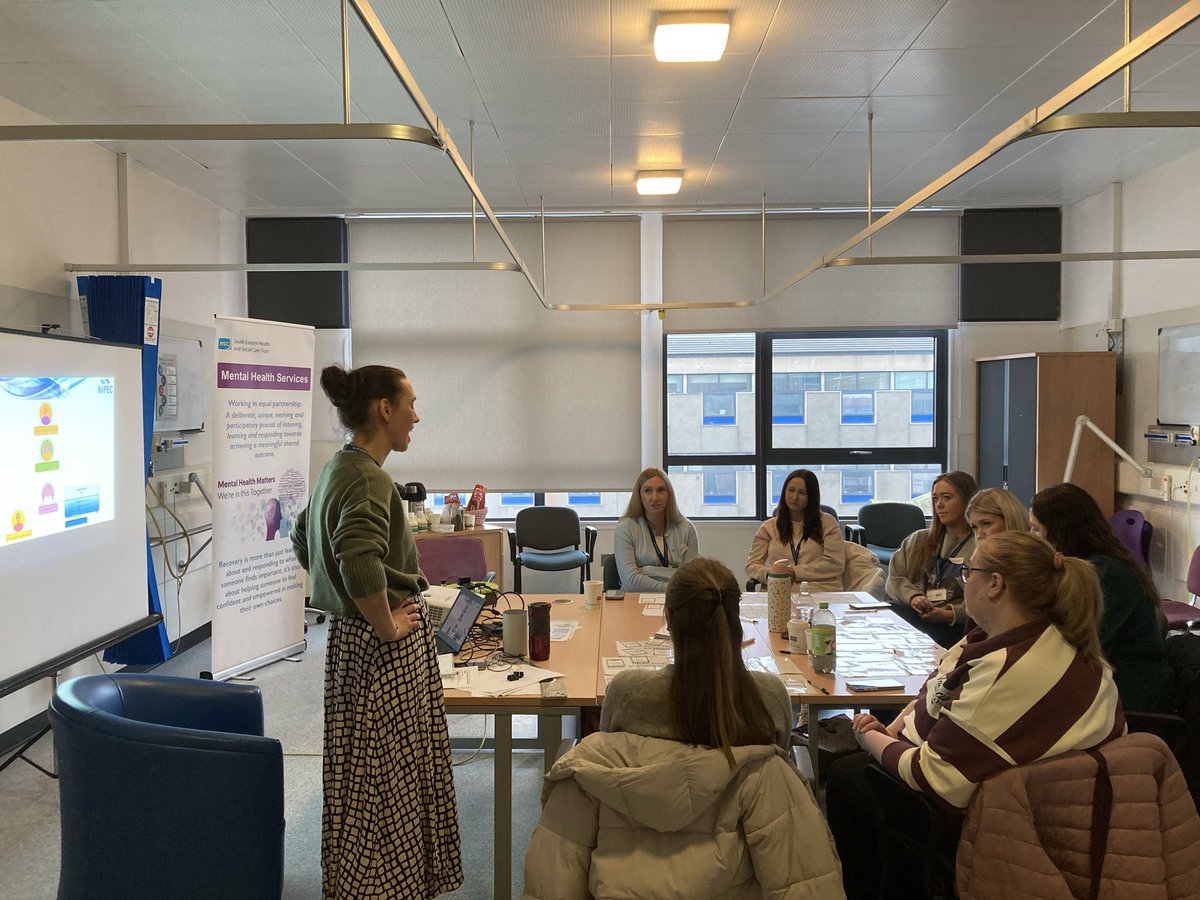
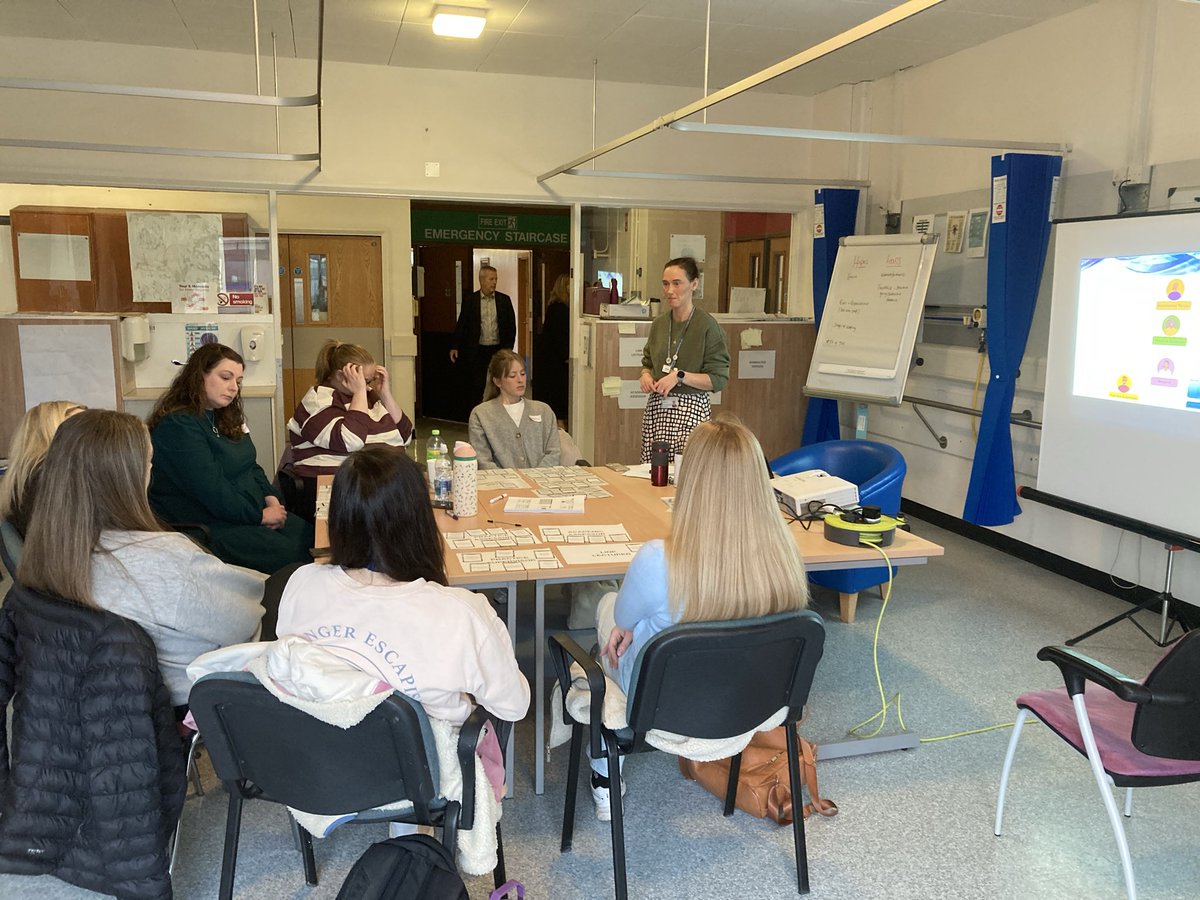
Practice Education Team have had a busy couple of days supporting the development of our staff *OU Cohort 2022 ready for 1st placement @setrust *SET midwives Practice Assessor/Supervisor Training to support students @kempson2005 @rosydevlin @JoanneFitzsimo1 @DrDSRobinson

To thrive and survive as a change or improvement leader in a big system, we need to be competent. We need to be able to redesign processes, apply improvement methods, analyse data, mobilise teams & achieve outcomes. A February 2026 HBR article by Annie Peshkam (“To lead through uncertainty, unlearn your assumptions”) says that this isn’t enough. She distinguishes between “competence” (doing things well) and “capacity” (staying present when action will not resolve the tension). As change and improvement leaders, we have invested heavily in competence: QI methods, governance, pathways, PMO disciplines. We have invested far less in capacity: the inner steadiness, emotional regulation and shared sensemaking that allow us to hold complexity with our teams. Capacity is the ability to pause instead of jumping to solutions; say out loud what is difficult about a change; keep conflict in the room and work with it rather than pushing it into the “meeting after the meeting”. The systems we work in are in sustained uncertainty: financial pressure, workforce depletion, reform agendas, unrelenting demand. Deloitte's Global Human Capital Trends survey of 14,000 leaders found that, in this context, we must look beyond efficiency and predictable results and instead elevate resilience, adaptability, and human connection. Yet our improvement/performance approaches still reward leaders who give quick answers, project confidence and absorb team anxiety. These assumptions shrink rather than expand our capacity to lead. How can change and improvement leaders build capacity? 1) Embed personal practices of pause and reflection into our leadership routines, especially in "high‑stakes" meetings. 2) Start key conversations by naming the tension in the room and giving people time to speak to it before moving to plans. 3) Design our improvement structures (huddles, steering groups, programme boards etc) as “holding environments”, where disagreement and emotion are legitimate data, not distractions. 4) Stop carrying the burden alone: share sensemaking work with our teams, service users and communities, and make that sharing visible. 5) Invest in development focused on emotional steadiness, presence and curiosity, alongside the technical disciplines of QI and "change management". We talk a lot about learning cultures. This article challenges us to cultivate unlearning cultures in addition. The shift from competence to capacity is not a “nice to do”; it is central to our ability to lead change and improvement in the face of relentless uncertainty. hbr.org/2026/02/to-lea…

Being able to walk away from a change initiative (often something we have invested huge personal effort in and feel passionate about) is a defining capability for leaders of change. In change work, we celebrate the leaders who “push through resistance” and “never give up”. We talk less about the leaders who know when to stop – or walk away – from a change initiative altogether. Sometimes that decision is about the work itself: - The initiative is no longer aligned with organisational priorities. - The context has shifted so much that the original case no longer holds. - The effort required now far outweighs any likely benefit. But sometimes, the decision is about the toll on the person leading the change: - Sponsors are absent, inconsistent or obstructive, leaving us carrying the risk but not the authority. - We’re repeatedly asked to “spin” the story or sidestep hard truths in ways that clash with our values. - The behaviours rewarded around the initiative (blame-shifting, pressurising, tolerating poor behaviours) are the opposite of the culture we’re trying to build. Walking away will rarely be applauded. It may look to some people like a lack of resilience or loyalty. Yet it can be an act of deep responsibility: to our own wellbeing, to our credibility, to the people we lead & to the people we are seeking to create better outcomes for. Actions to reduce the risk of having to stop or walk away: 1) Name the conditions we need (sponsorship, resourcing, psychological safety) and pay attention when those conditions are chronically missing. 2) Build regular check‑ins with sponsors to test commitment, reset expectations and surface misalignments early, rather than absorbing them alone. 3) Set the change process up from the start as a series of “experiments” with clear hypotheses and time‑boxes, so we can make decisions about what to do next based on real data, not assumptions. 4) Hold structured learning huddles as a change team, focusing on “What are we learning? What needs to change in our approach? What should we stop?”. 5) Invite voices from outside the core project team (frontline staff, service users, partner organisations) into periodic reflection sessions to test whether the change still makes sense in their reality. 6) Create reflective space with others (coaching, mentoring, peer support) to notice when the work is eroding your own energy, integrity or wellbeing. The first rule of being an effective change agent is that “you can’t be an effective change agent on your own”. As leaders of change, our legacy isn’t just the initiatives we drive to completion. It’s also the ones we have the courage and strategic insight to stop. Sometimes the best move is not to push through, but to step away. See, for instance, @AdmiredLeaders on reactive quitting versus strategic quitting: admiredleadership.com/field-notes/kn…. The graphic is by the brilliant @milanicreative.


An exciting delivery at the Ulster Hospital 🚀 Our FIRST surgical robot has arrived! A major step forward for technology, innovation and better patient outcomes. This is game changing 🤖✨ @healthdpt


Our Phlebotomy Hubs in the Downe, Lagan Valley & Ards Hospitals provide a vital blood testing service in the heart of the community ❤️ In 2025 the team carried out an incredible 28,000 tests 💉 This valuable & evolving service is now fully funded. Fantastic! @healthdpt