Pablo Araya Cortés retweetledi
Pablo Araya Cortés
471 posts

Pablo Araya Cortés
@parayacortes
De Liceo Público, Administrador Público @usach, MPA @LSEPublicPolicy, investigando en @doctoradoURJC. Actualmente Director @edu_delpino, antes en @edu_gabrielam
San Bernardo, Chile Katılım Şubat 2021
472 Takip Edilen296 Takipçiler
Pablo Araya Cortés retweetledi

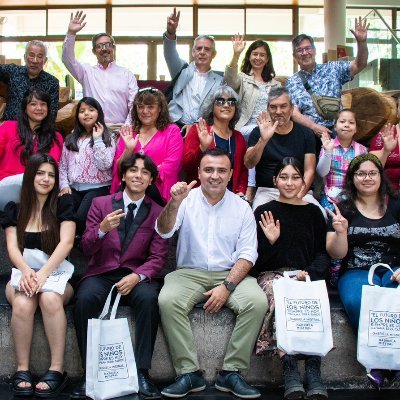
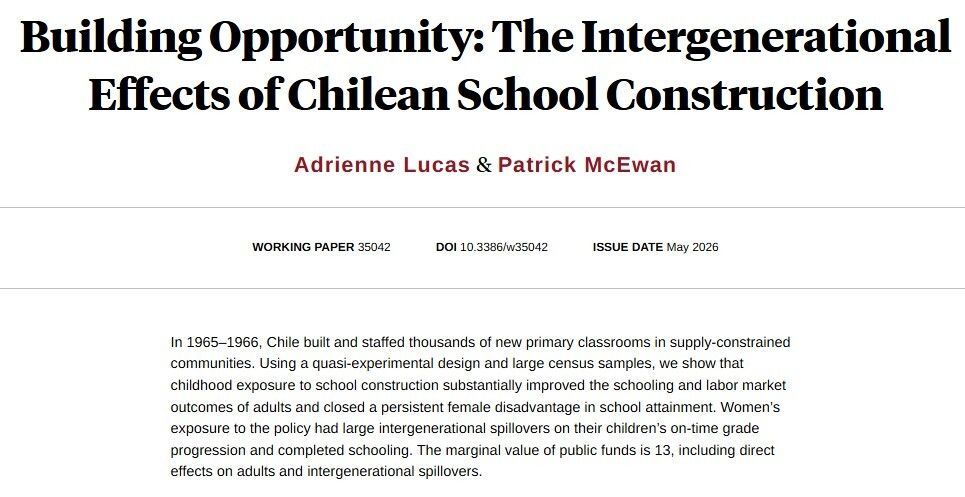
Chile's 1960s school construction boosted education and earnings, closed gender gaps, and increased second generation schooling, generating a marginal value of public funds return of 13, from @ProfALucas and Patrick McEwan nber.org/papers/w35042

English
Pablo Araya Cortés retweetledi

Schools love “social-emotional learning” because we can’t rigorously measure it, which means there’s no achievement gap
If you want to reduce the amount of time schools spend on social emotional learning, all you would need to do is find a way to measure it accurately
Nicki Neily@nickineily
Schools are prioritizing emotional assessment, such as “empathy, self-awareness, and sense of belonging,” over academic courses, while parents are often left out of key curriculum conversations. Transparency in education matters.
English
Pablo Araya Cortés retweetledi

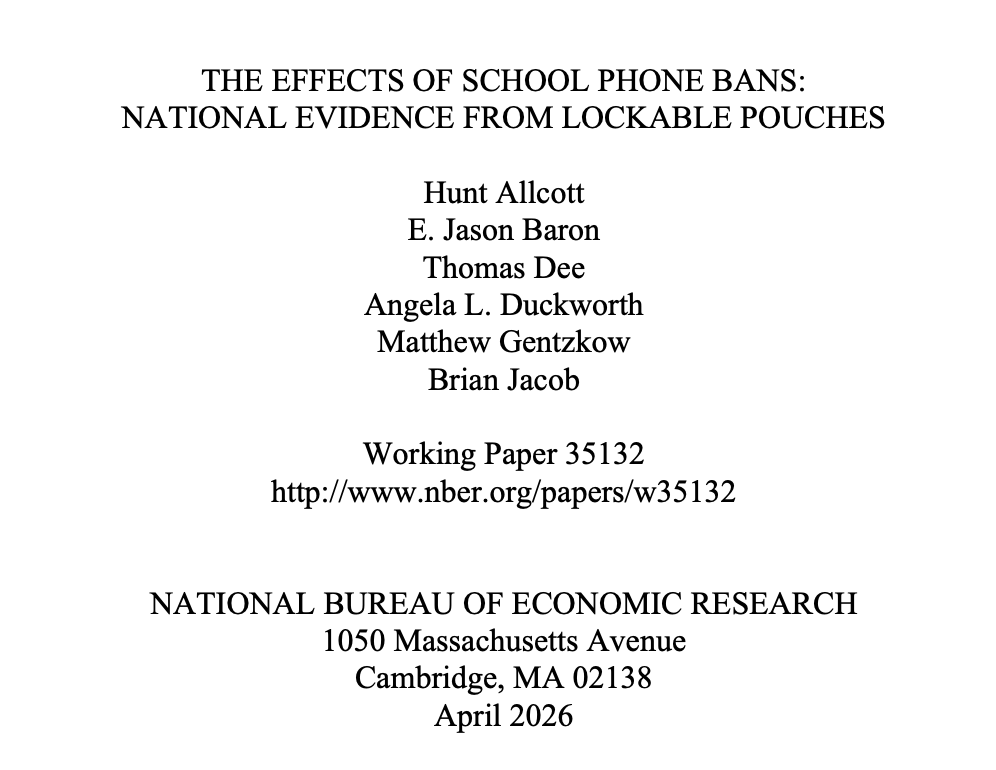
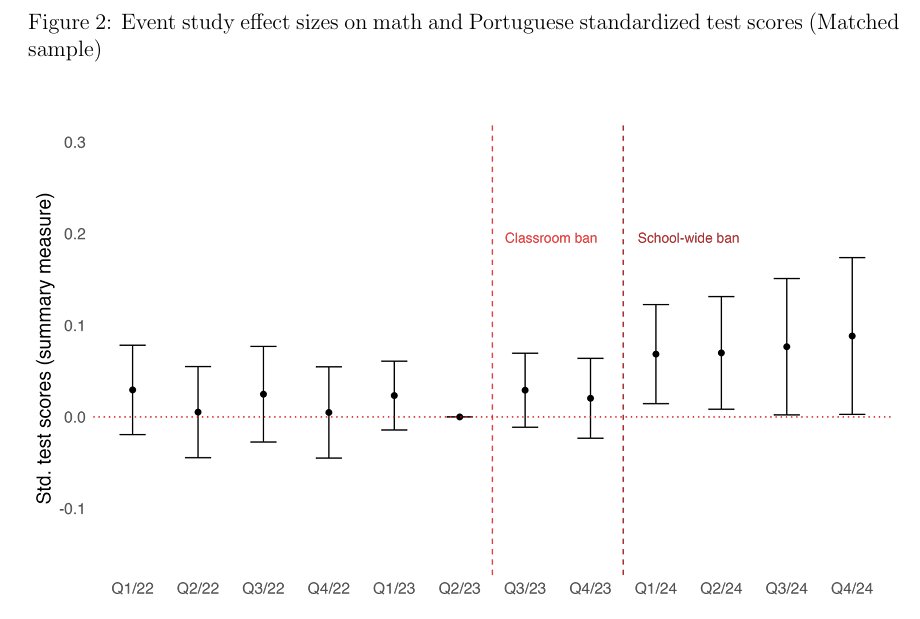
The Allcott et al. study on phone free schools is extraordinary in the way they combined data from various sources, including surveys, administrative data, and GPS measurements. And it was done by an interdisciplinary team of top researchers. Many have asked me for my take on it.
I first want to emphasize the tentative nature of the paper’s findings. This is still a working paper and has not yet been peer reviewed. I’m also currently in conversation with the authors about additional data that would help me better understand the results, so my own view remains provisional. We also think it will be important that the study be updated over the next few years, once more post implementation data is available. With those caveats in mind, here are my main thoughts:
First, it’s important to understand what the study actually assessed. It used administrative data from Yondr and it looked at changes over time in schools that adopted Yondr pouches, compared to changes over time in schools that used any other method or had any other policy. We do not yet know about the effects of other methods that separate kids from phones, such as schools that collect phones in the morning, or require them to be kept in student lockers, or in special phone lockers.
The headline finding was that adopting Yondr did not improve test scores overall, with high schoolers seeing a modest gain but middle schoolers seeing a small decline. But, it’s important to note that the study found several positive effects of Yondr pouches. Teachers really like phone free policies, they think they are helping, and in this study teachers reported higher satisfaction and less personal phone use in their classrooms in the Yondr schools than in the non-Yondr schools. Also, a set of survey questions about student well being declined in the first year, but “recovers, becoming positive” by the third year.
Second, it is important to note that the authors state the limitations of the paper clearly. One of the authors, Thomas Dee, spoke to the New York Times:
Overall, Professor Dee said, he considered the study an “encouraging” early report on strict cellphone bans. He warned against abandoning a broadly supported policy because test scores did not immediately go up, or because implementation presented disciplinary challenges.
The damage from distraction and fragmented attention has been compounding for years, and it may take years to turn it around -- especially if newly phone-free students can just turn to their school-issued Chromebooks and iPads for distraction during class. So a lot more work needs to be done to improve the climate for cognitive development in schools and to measure more variables about classroom ecology.
In the meantime, phone-free schools seem to be producing more social interaction in class, and a lot more noise and laughter in the hallways, and at lunch. Teachers like their jobs more, and some schools report big increases in library books taken out. All of these social benefits seem to kick in in the first few months. I hope other researchers will study these widely reported social and behavioral effects more systematically.
Here’s the working paper:
tom-dee.github.io/files/w35132.p…

English
Pablo Araya Cortés retweetledi

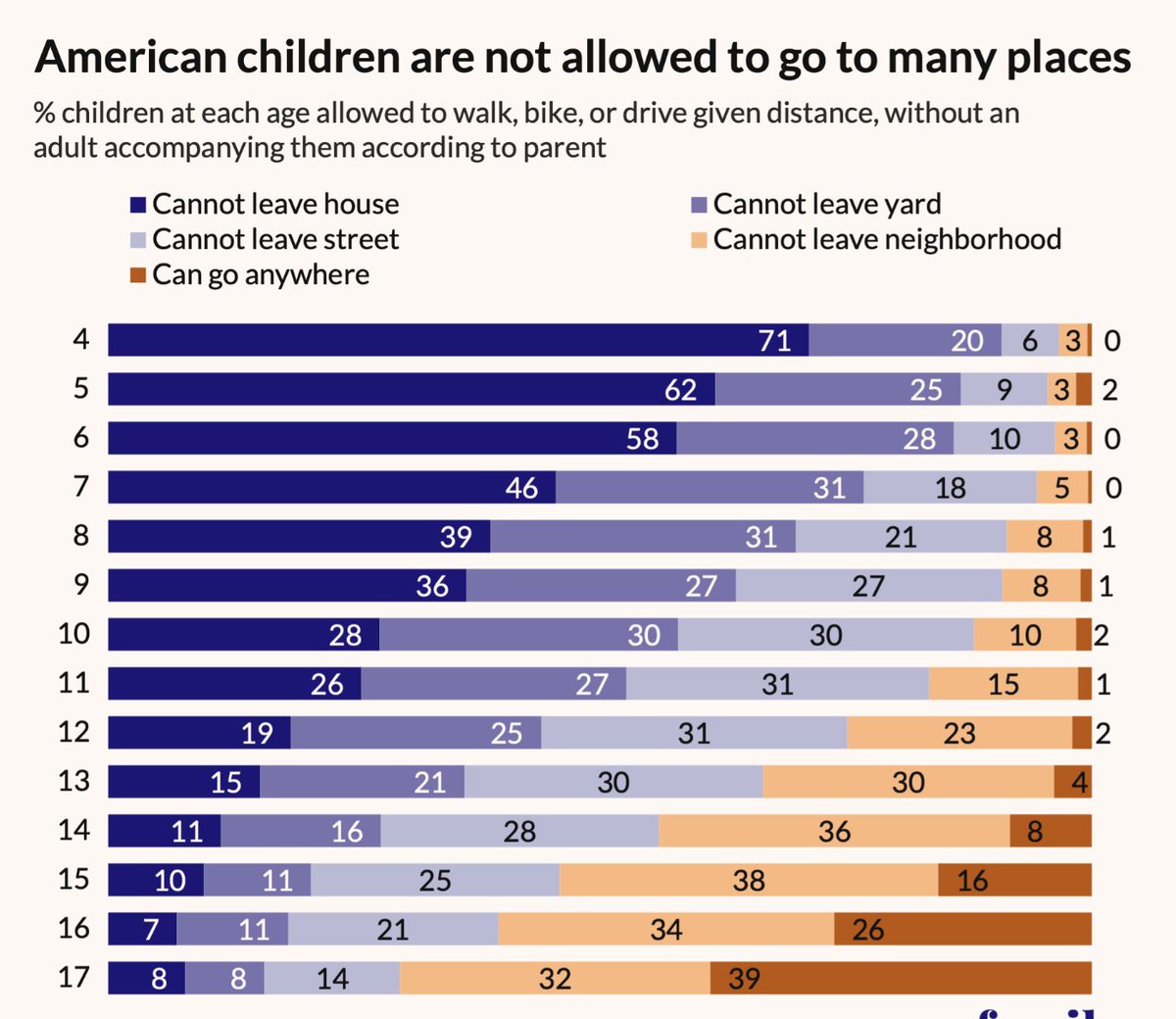
One reason I suspect mental health issues are now so prevalent is because kids are not out in their neighbourhoods with other kids, unsupervised by adults. Climbing trees, playing football, making forts, getting in arguments/sorting them out, finding insects etc. Instead they are at home looking at screens because parents think that's "safer". It isn't. ifstudies.org/report-brief/h…

English
Pablo Araya Cortés retweetledi

This MRI study on young kids just exposed something terrifying:
They scanned the brains of 60 children aged 3–5 — including 5-year-old Rose — and found interactive screen time is causing measurable loss of white matter in their developing brains. Even just 2 hours a day is linked to impaired neural connectivity, language, and literacy development.
Professor Mike Nagel (neuroscientist and father) said his first reaction was simply: “Wow… I was not anticipating seeing anything like that.”
We’re physically changing children’s brains before they even start school — and the damage is visible on scans.
This one actually unsettled me. I’ve always suspected too much screen time was bad, but seeing real white matter loss in toddlers hits different.
Parents of little ones — has this kind of research changed how much screen time you allow?
English
Pablo Araya Cortés retweetledi

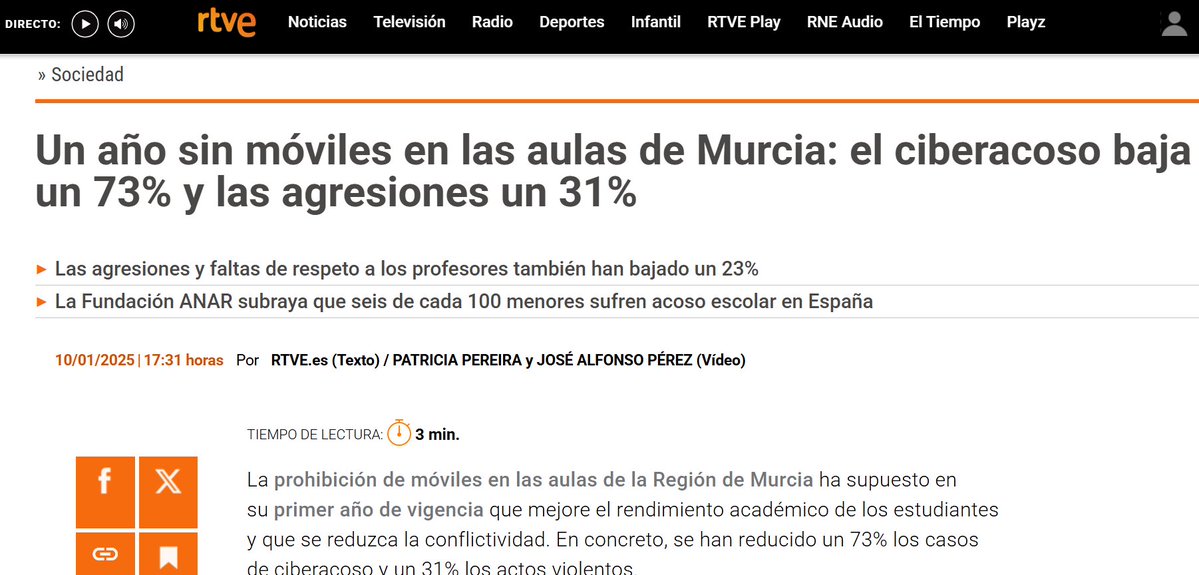
📱📚 Tras un año sin móviles en las aulas de Murcia, el ciberacoso se redujo un 73% y las agresiones bajaron un 31%. "La convivencia ha mejorado notablemente", destacan los centros. Las agresiones, insultos, amenazas o actitudes desafiantes hacia los profesores por Whataspp, redes sociales o grabaciones de vídeos ridiculizándoles han bajado un 23% rtve.es/noticias/20250…

Español
Pablo Araya Cortés retweetledi

A compelling article by @DTWillingham on 'Do Today's Kids Have Reduced Attention Spans?'
Well, yes and no - it is a complex question... "It’s not that students can’t pay attention, but rather that they more readily choose not to."
aft.org/ae/spring2026/…

English
Pablo Araya Cortés retweetledi

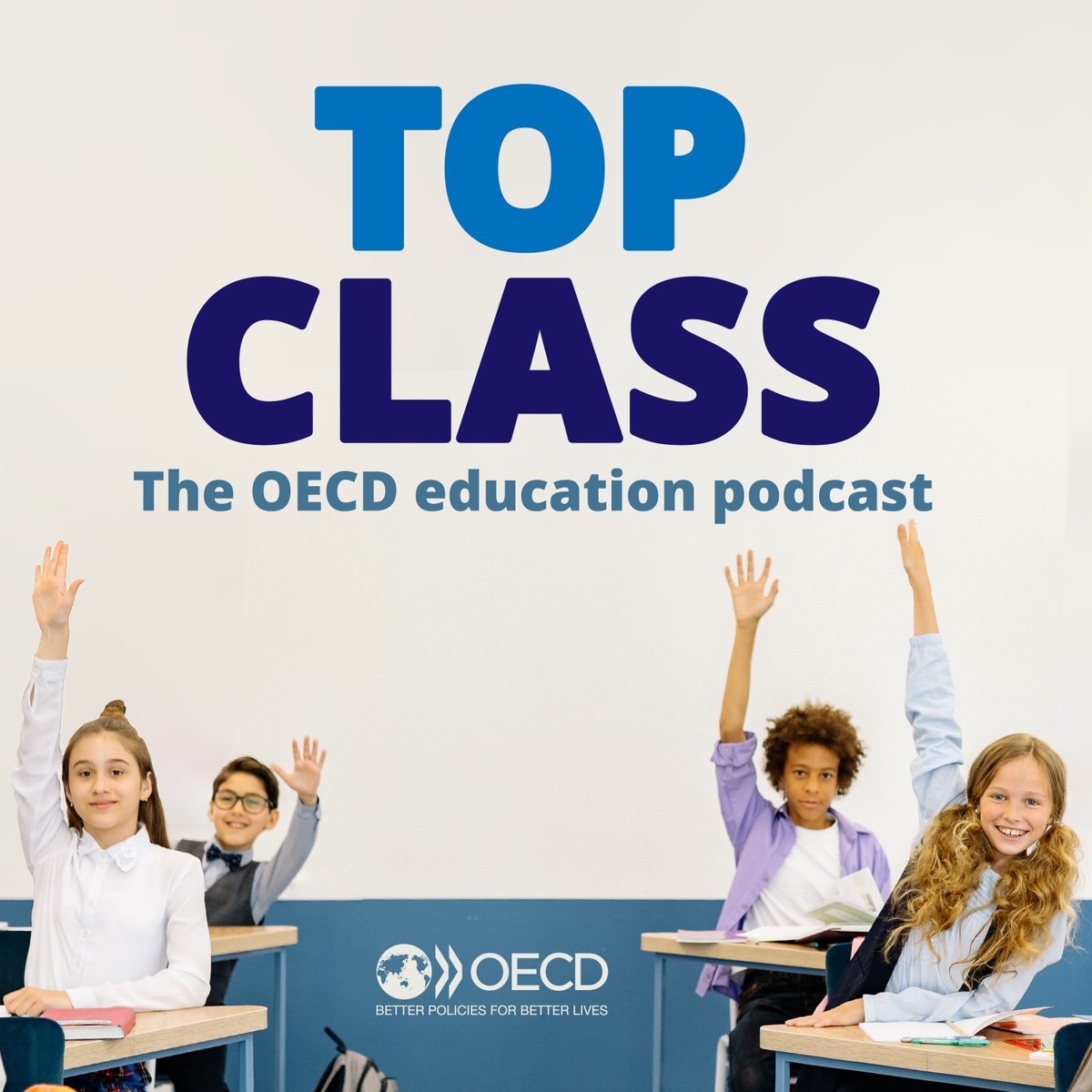
📢New Top Class episode📢
Estonia’s Education & Research Minister @kristinakallass talks to @DuncanCrawford_ about leading one of the world’s top education systems and why the future means👇
🤖 More teachers, not fewer
📉 Smaller class sizes
🎧Listen👉 soundcloud.com/oecdtopclasspo…

English
Pablo Araya Cortés retweetledi

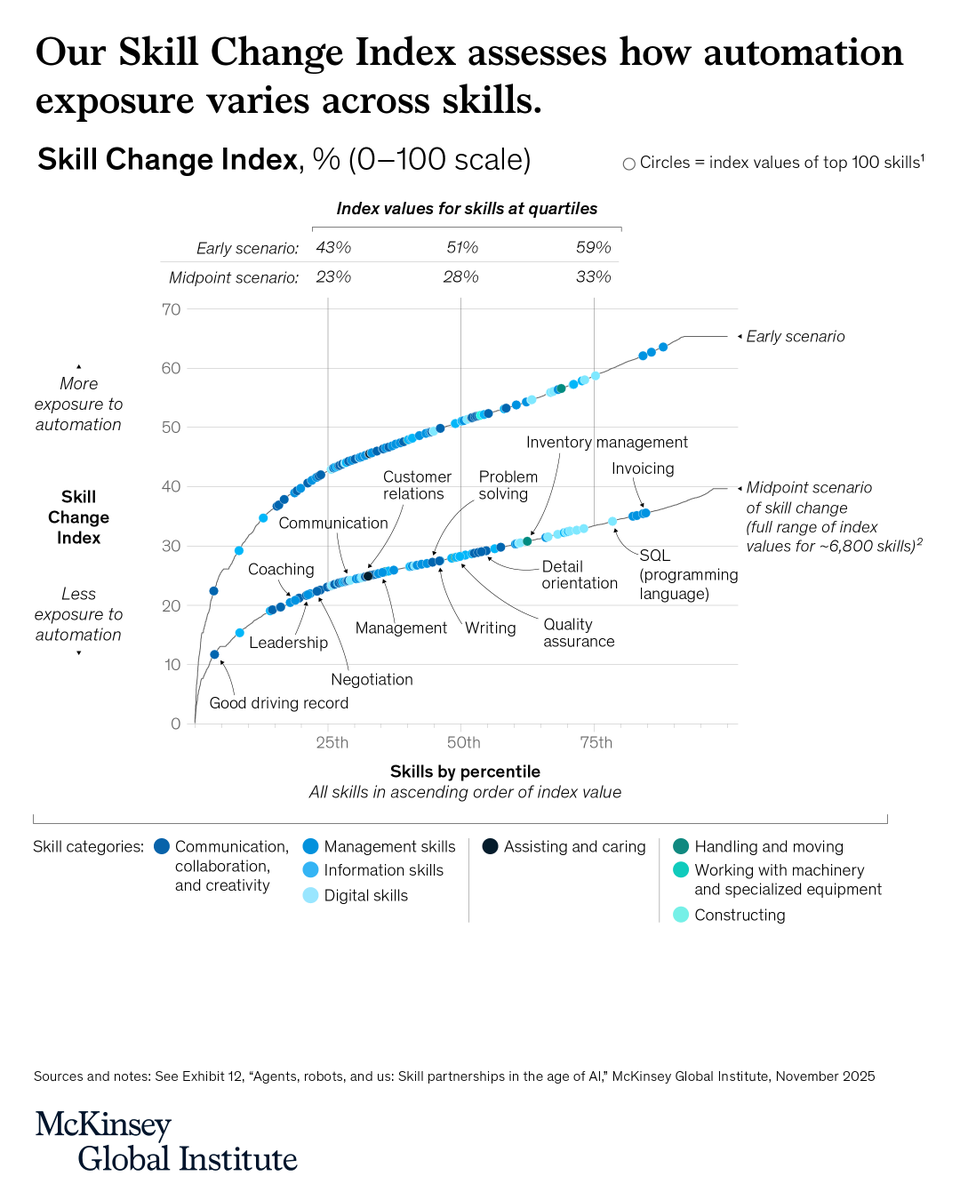
AI won’t make most human skills obsolete, but it will change how they’re used.
Negotiation, problem solving, and leadership will matter more than ever as people work alongside agents and robots.
Our new Skill Change Index shows which skills will be most, and least, exposed to automation in the next five years: mck.co/aiskills

English
Pablo Araya Cortés retweetledi

@teacherhead @olicav @olicav 's diagram has been incredibly helpful in my work supporting teachers' entry points in the #scienceoflearning. My Learning Professional with its inclusion is just out this week!
learningforward.org/journal/applyi…
English
Pablo Araya Cortés retweetledi

In developing countries, where class sizes are large and educational bottlenecks are severe, the gains from starting school at an older age outweigh the costs, say researchers at @SDSU, Partnership for Economic Policy, and @BU_Tweets. #Chart aeaweb.org/research/chart…
English
Pablo Araya Cortés retweetledi

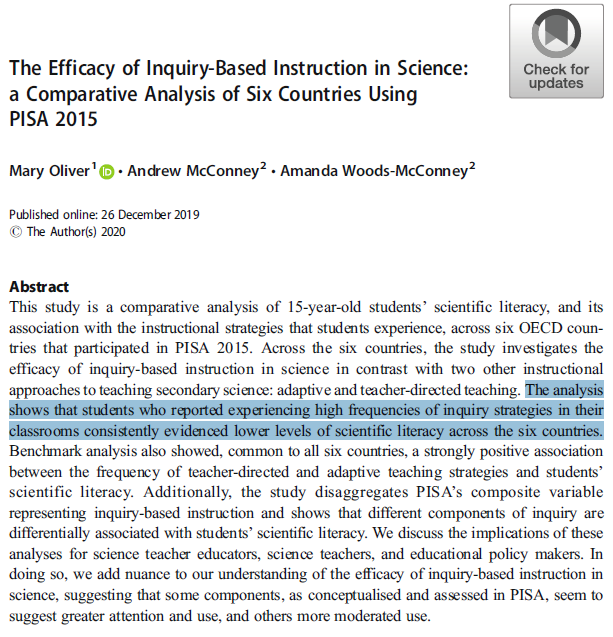
La instrucción explícita y guiada es mucho más eficiente que dejar a los alumnos "descubrir" solos o fallar sin base previa.
John Sweller vía @rastokke
Anna Stokke@rastokke
3/3 Cognitive load theory and learning math with John Sweller is available in video on YouTube youtu.be/WPm3ls6y-GE?si…
Español
Pablo Araya Cortés retweetledi

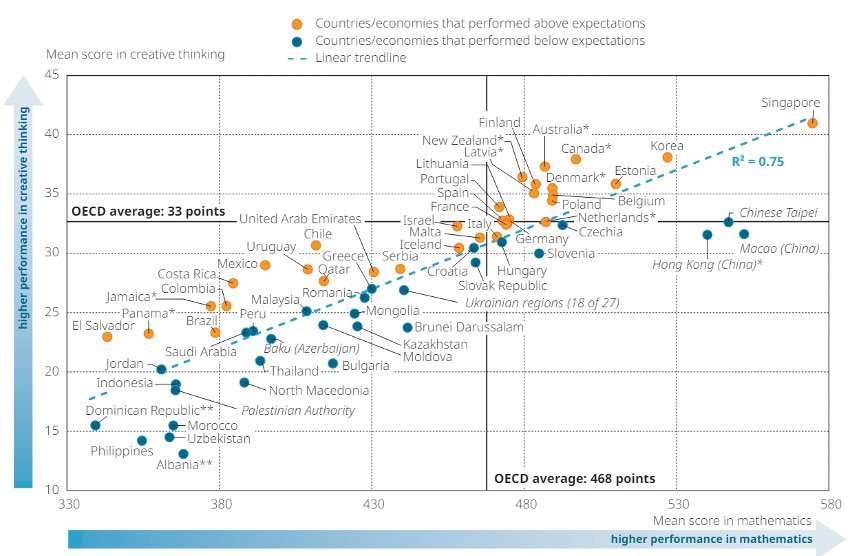
@Doug_Lemov @ValaAfshar Absolutely. Data from PISA: Where school MATH education is more rigorous, students are more CREATIVE in areas such as writing fiction, drawing posters and the sort.
As I once titled an article: The more you have in your box, the better you can think outside of the box

English
Pablo Araya Cortés retweetledi

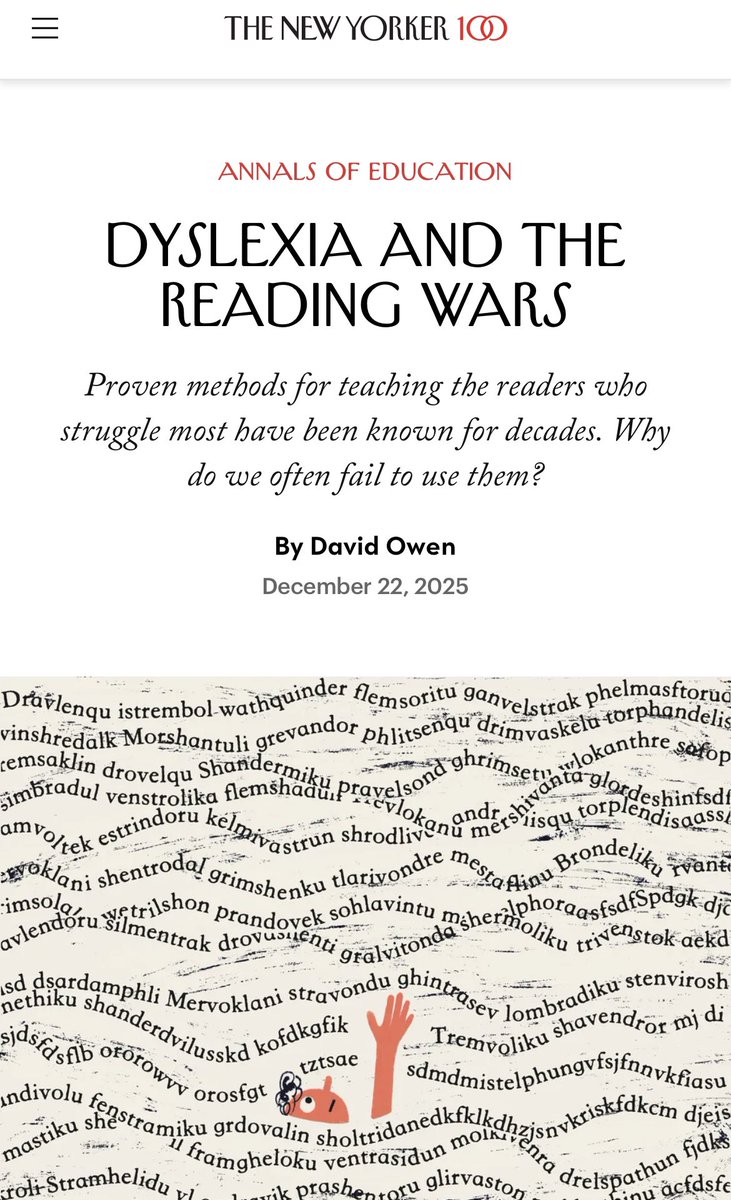
Durante décadas se han usado métodos que enseñan a adivinar palabras por el contexto. The New Yorker. La evidencia es contundente: sin fonética explícita y sistemática, muchos niños fracasan, especialmente los que tienen dislexia.
La buena noticia: lo que funciona para los niños con dislexia funciona para todos. Enseñanza estructurada, repetición, corrección inmediata y progresión clara. No es falta de capacidad del alumno, es cómo enseñamos a leer. newyorker.com/magazine/2025/…

Español