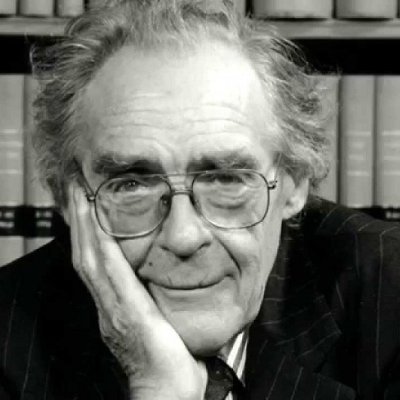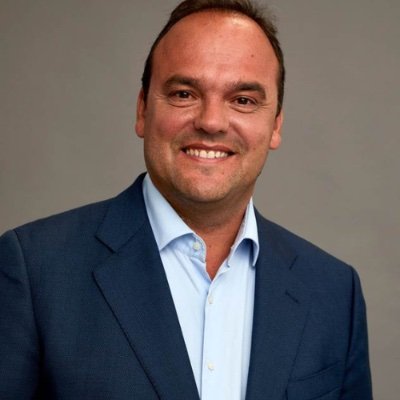

Francino: "El problema de la vivienda no es un problema generacional, es un problema de clase. Es un problema de desigualdad" 📹 Vídeo en directo: youtube.com/live/P8M4yWQ7E…
Pelayo G-P M-S
37.3K posts

@pelakuti
Piloto de la M.M.

Francino: "El problema de la vivienda no es un problema generacional, es un problema de clase. Es un problema de desigualdad" 📹 Vídeo en directo: youtube.com/live/P8M4yWQ7E…

‼️ URGENTE ‼️ Rafael Louzán, presidente de la RFEF, desliza que podría tomar medidas legales contra Florentino Pérez tras la acusación de "Ligas robadas" al Real Madrid 🗣️ "Es una situación que valoraremos conjuntamente con la parte jurídica de la casa, pero la Federación no va a entrar en ningún tipo de polémica" "Nunca estamos exentos de errores, pero son errores siempre involuntarios. La RFEF quiere lo mejor para el Real Madrid y el fútbol español"

A new DNA study has revived a long‑running theory that Christopher Columbus may not have been Italian at all, but actually Pedro Álvarez de Soutomaior, a Galician nobleman also known as Pedro Madruga. Researchers compared genetic material from remains believed to be linked to Columbus with DNA from documented descendants of Madruga’s family line, finding striking similarities. This theory argues that Madruga disappeared from historical records after a regional war in Galicia, the same moment Columbus suddenly emerged in Portugal with a new identity, nautical expertise, and connections that would later launch his Atlantic voyages. Supporters of the theory point to additional clues: Columbus named over 100 places in the Americas after Galician towns, and 80 handwriting experts have concluded that Columbus’s writing style is virtually identical to Madruga’s. If true, this would radically reshape the accepted biography of one of history’s most famous explorers, suggesting he may have concealed his origins for political survival. While the theory remains debated, the new DNA evidence has pushed it further into mainstream historical discussion. One of the strangest supporting clues is Columbus’s 'obsessive use of Galician‑Portuguese language patterns', even in private notes. His letters contain idioms, spelling habits, and grammatical structures that do not match Italian dialects of the era but align closely with the writing of nobles from southern Galicia. Even more intriguing: Columbus repeatedly used Galician nautical terms that were not common in Genoa or broader Italy, but were standard among sailors from the exact region where Pedro Madruga ruled. Linguists argue this is nearly impossible to fake, especially for someone supposedly born and raised in Italy, and it quietly strengthens the case that Columbus was hiding a past tied to Galicia’s political conflicts. © The Historian's Den #drthehistories

El suelo en España ya está liberalizado. El suelo, en España, ya está liberalizado. El. suelo. en. España. ya. está. liberalizado. EL SUELO EN ESPAÑA YA ESTÁ LIBERALIZADO. Desde 1996. En esta red social hay gente muy pesada que estudia muy poquito. boe.es/buscar/doc.php…


Anthropic's Claude team just showed how to build an AI agent with real memory in under 30 minutes. 24-minutes. free. by the people who built Claude. one person + 10 agents with memory = a team that runs 24/7, remembers every customer improves itself. worth than $500 vibe-coding course.


‼️ Mónica García rechaza financiar el único fármaco que frena el alzhéimer y condena a los pacientes a pagar 45.000 euros al año. #Echobox=1778599747-1" target="_blank" rel="nofollow noopener">okdiario.com/salud/monica-g…