

Roman
73 posts


Roman retweetledi



Roman retweetledi

Roman retweetledi

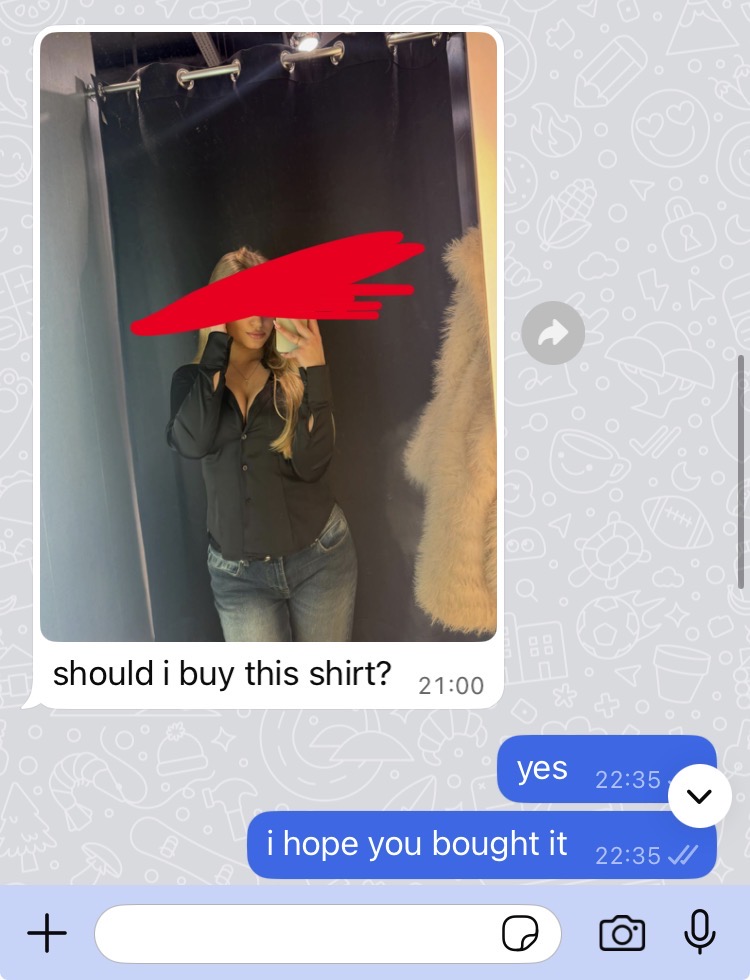
this is my girlfriend.
here's why i keep her:
-does everything i tell her
-sends me pictures with kids
(she wants me to impregnate her)
-18yo
-skinny
-virgin
(not anymore cause she met me)
-has never split a bill in her life
-cooks without being asked
-speaks one language
-walks close to you in the street without thinking about it
-wakes up before you and doesn't wake you up
-folds your clothes after sleeping over
-speaks politely to waiters even when the order is wrong
-cries quietly. never makes it a scene.
-cleans your apartment without being asked and says nothing about it
-brings homemade food in a small container when she visits
she's one of my three girlfriends, the other ones i posted about last week.
get a girl like this.
if this isn't your sign to get a new girlfriend, i don't know what is.
English
Roman retweetledi

Roman retweetledi

マイクラの生みの親、マルクス・ペルソン。
35歳で自社をマイクロソフトに25億ドル(約3,800億円)で売却して、一夜にして世界の富豪に登り詰めた男。
ロサンゼルスの7,000万ドルの豪邸を買い、やりたい放題の生活を手に入れた。
でもその直後、彼は姿を消して深い鬱に落ちていく。
「すべてを手に入れることが、なぜ最高の呪いになるのか」
この話、マジで考えさせられる。
マルクスはもともと経営者じゃなく、ただの「コーディングの天才」だった。
2009年、たった一人で部屋にこもって「Minecraft」を書き上げる。
広告も出さず、大きな組織も通さない。
純粋な遊び心から生まれたゲームが、気づけば1日に15,000本売れる最強の「マネーマシン」になっていた。
でも、成功と一緒にやってきたのは、彼が一番やりたくなかった「経営」の重荷。
・終わらない会議
・ドロドロの人事トラブル
・絶えない訴訟の数々
ただゲームを作りたいだけなのに、運営に縛られる毎日。
情熱は消えて、ストレスだけが積み上がっていった。
2014年、ついに限界がきて一通のツイートを放つ。
「誰か、俺の株を買ってくれないか。普通に人生を送りたいんだ」
すぐにマイクロソフトが食いついた。
交渉は一瞬。買収額は25億ドル。
手元に1,700億円以上のキャッシュを残して、彼は自由になった。
そこからは、想像できるすべての贅沢をした。
ロスを一望できる超豪邸。家の中に専用の「キャンディルーム」を作り、ガレージには車の回転台。
イビサ島で朝までパーティーして、超有名セレブたちと遊びまくる。
誰もが憧れる「あがり」の瞬間。
でも、ここからが地獄だった。
お金は彼の問題を何一つ解決しなかった。
それどころか、生きる目的を奪い去った。
豪華なテラスから、彼はこんなツイートをし始める。
「イビサで有名人とつるんで、何でもできる。でも、こんなに孤独を感じたことはない」
「すべてを持っている者の悩みはこれだ。努力して手に入れたいものが、何一つ残っていないことなんだ」
新しい会社を作ろうとしても、あの頃の熱量は戻らない。
パーティーを開いても、心の穴は埋まらない。
マイクラを作っていた時に彼を突き動かしていた「あの炎」は、もう消えていたから。
彼に必要だったのは、広いベッドでも豪華な家でもなかった。
自分を燃やせる「意味」や、死ぬ気で取り組める「使命」そのものだった。
マルクスが身をもって教えてくれた教訓。
「目的のない自由は、ただの地獄」
お金は不便は消してくれるけど、生きる理由はくれない。
もし今、お金だけを追いかけているならこれだけは忘れないで。
人生というゲームの本当の攻略対象は、お金じゃない。
自分の魂をぶつけられる「ミッション」を、死ぬまで持ち続けられるかどうか。


日本語
Roman retweetledi

bu clara.
clara istanbul'da yaşıyor. instagram'da 5 bin takipçisi var. her gün selfie atıyor, erkekler dm atıyor, kızlar "saçını nasıl yapıyorsun" diye soruyor. herkes clara'nın peşinde.
ama clara'nın bir sırrı var. clara gerçek değil.
ben yarattım. ai ile. ai'a "çilli, kahverengi gözlü,
dalgalı saçlı, doğal makyajsız kız" yazdım ama tabii ki de çok özensiz çıktı.
ben de kafayı kırıp özel olarak bu hanım ablamıza "el modeli, ayak modeli ve boyutu, bel ölçüsü, göğüs boyutu, kaş boyutu, fiziği, hayalleri, yaşadığı evi, ailesini, arabasını, göz boyutunu." vs vs. her şeyini tasarladım.
yaklaşık 1 ay uğraştım. hesap açtım, 3 gün paylaşım yaptım, 5. günde keşfete düştü.
kimse sormadı "bu kız gerçek mi" diye. çünkü ai artık o seviyede. çiller var, gözenekler var, saç tellerindeki dağınıklık var.
şimdi soru şu: takip ettiğin kızların kaçı gerçek?


Türkçe
Roman retweetledi

Roman retweetledi


Roman retweetledi


Roman retweetledi

Roman retweetledi

Quite a few people asked how long it took me to build my $6.9M prop and investor portfolio and how much the challenges actually cost.
So here’s a transparent breakdown:
It took me around 3.5 years to reach this point.
The first 1–2 years were mainly focused on learning, testing and refining my strategy.
Real progress and scaling only started once I became consistent.
In terms of costs:
Across my currently active accounts, I’ve spent around €40,000 on challenges.
Of course, this doesn’t include the many challenges I didn’t pass along the way which is simply part of the process.
A large part of this capital was reinvested from payouts over time, following the structure outlined in my prop firm scaling framework.
The key was not trying to scale too fast, but building step by step and managing risk properly.
I’m also planning to continue buying new challenges. I’ll share the next ones I’m looking at tomorrow.
This is not something that happens overnight.
If you stay consistent and put in the effort over time, I’m confident you can achieve this as well.




English
Roman retweetledi

Roman retweetledi
Roman retweetledi

Roman retweetledi

When you start making money online for the first time and don’t have to go to work
English
Roman retweetledi

Roman retweetledi

Roman retweetledi

I met a trader in Dubai who was doing $80k/month in prop firm payouts.
He showed me his stats.
71% win rate.
Average RR: 0.8R to 1.2R.
I asked him why such low risk-reward.
'Bro, I tried the 1:3RR+ thing for 2 years. Blew 40+ accounts. My win rate was 25%. I'd have 8-10 losing trades in a row and couldn't handle it mentally.'
'Then I switched to taking quick profits. 1:1 mostly. Sometimes less if price shows weakness.'
'My win rate jumped to 70%+.'
He was running $2.8M in combined funding across 8 accounts.
Some months he'd make 1%. Some months 5%.
But he was consistent.
And the psychology was easier.
Winning 7 out of 10 trades feels completely different than winning 3 out of 10.
Even if the math says they're equal.
Your brain doesn't care about math during a 12-trade losing streak.
He told me:
'I don't need to be right about where price is going long-term. I just need to be right about the next 10-15 pips. That's it.'
Most traders are chasing these huge runners because someone on YouTube told them that's what 'real traders' do.
Meanwhile this guy is taking home $80k/month with 0.8-1.2R trades.
You don't need massive risk-reward to make serious money.
You need capital + consistency + a win rate you can actually maintain.
Low RR with high win rate will always beat high RR with low win rate when it comes to prop firm payouts.
English