Lucy Lopez retweetledi
Lucy Lopez
20.3K posts

Lucy Lopez retweetledi

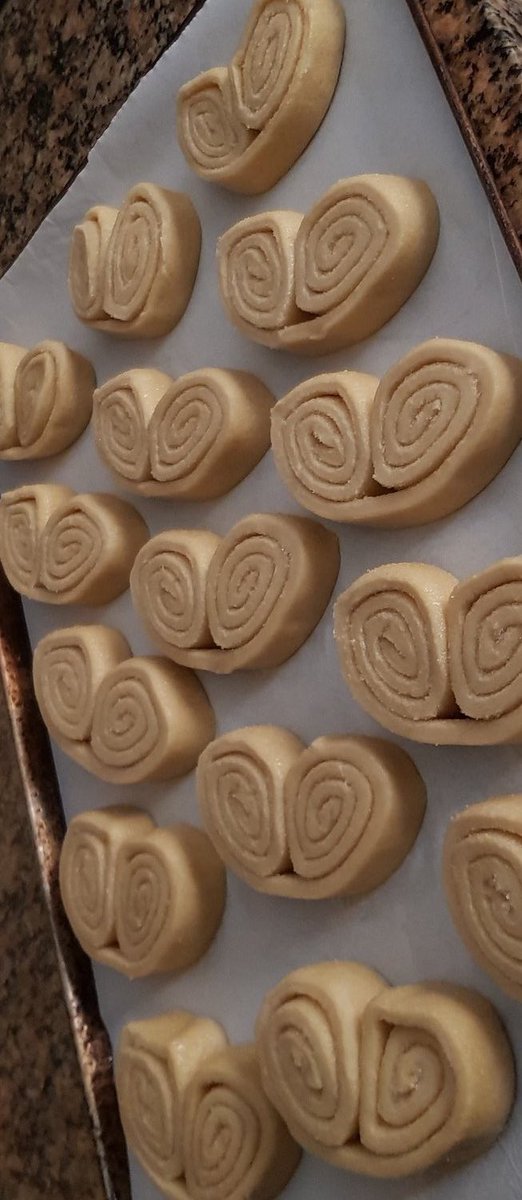
Receta de Pancitos de Viena!
Los volví a hacer usando la receta de @ChefHerDeLuca y son una maravilla.
Les dejo el paso a paso en hilo y si quieren ver más recetas los invito a seguirlo.


Ciudad Autónoma de Buenos Aires, Argentina 🇦🇷 Español
Lucy Lopez retweetledi

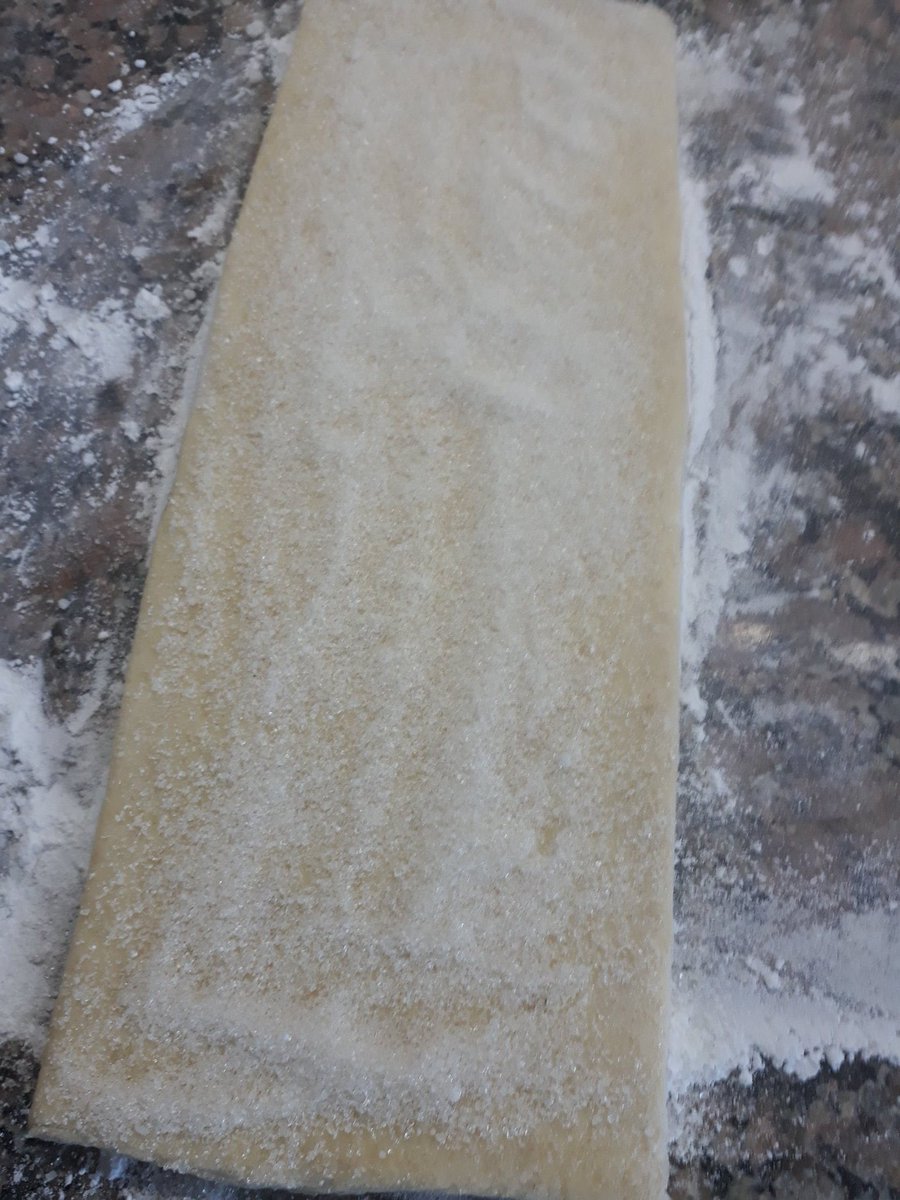
2. Luego vas a ir integrando desde los costados hacia el centro y agregando el agua progresivamente.
3.Cuando hayas logrado una masa bastante integrada, vas a incorporar la manteca en punto pomada y a amasar por espacio de 10 minutos (esto es clave para lograr la textura ideal)
Luego vas a dejar descansar a la masa hasta que duplique su tamaño.
Español
Lucy Lopez retweetledi

@MENDIETA20 @ChefHerDeLuca Perdón la seca es la mitad de la fresca
Ciudad Autónoma de Buenos Aires, Argentina 🇦🇷 Español
Lucy Lopez retweetledi

This is the second instalment explaining the pathology associated with #hantavirusandes infection.
And today, the focus is endothelial dysfunction.
The lungs fill with fluid. Blood pressure collapses. Renal filtration becomes abnormal. Yet histologically, endothelial cells often remain structurally intact.
How can a vascular system fail without massive vascular destruction?
The answer lies in the biology of the endothelium itself. The vascular endothelium is not merely a passive lining. It is a dynamic signalling interface continuously deciding what remains inside the vessel, what enters tissues, and how inflammation is spatially controlled.
Under physiological conditions, endothelial permeability is tightly constrained through adherens junctions, tight junctions, cytoskeletal tension, and receptor-mediated signalling. A central component of this architecture is VE-cadherin.
VE-cadherin molecules form adhesive complexes that mechanically “zip” neighbouring endothelial cells together, preserving vascular integrity despite constant haemodynamic stress.
Hantaviruses fundamentally disturb this regulatory system.
After entering endothelial cells through β3 integrins and related receptors, the virus replicates with remarkably limited direct cytopathic effect.
This is biologically important.
If endothelial cells simply died, thrombosis and necrosis would dominate the pathology. Instead, vessels become functionally porous while remaining anatomically intact.
The disease therefore reflects signalling dysregulation far more than mechanical destruction.
One of the central mechanisms involves abnormal sensitisation to vascular endothelial growth factor (VEGF). Under normal conditions, VEGF transiently increases permeability during wound healing, angiogenesis, hypoxia, or inflammation. Endothelial cells regulate this carefully through reversible cytoskeletal contraction and controlled phosphorylation of junctional proteins.
Hantavirus infection amplifies this response disproportionately.
Infected endothelial cells become hypersensitive to VEGF signalling through VEGFR2-dependent pathways. This induces the internalisation of VE-cadherin, actin stress fibre formation, and ultimately intercellular gap formation.
Mechanistically, the endothelial barrier begins losing lateral tension.
Instead of behaving as a continuous sealed surface, microscopic paracellular openings emerge between neighbouring endothelial cells. Fluid then escapes into tissues following hydrostatic gradients.
In the lung, this becomes catastrophic.
The alveolar-capillary membrane is physiologically designed to be extraordinarily thin in order to optimise oxygen diffusion. But the same structural property that maximises gas exchange also makes the pulmonary microvasculature uniquely vulnerable to permeability dysregulation.
The alveolus effectively becomes a fluid trap.
This explains one of the defining paradoxes of hantavirus pathology:
Permeability increases dramatically even in the absence of widespread endothelial death.
The barrier fails because the cells progressively pull apart from one another.
Evidence also suggests amplification through bradykinin pathways. Bradykinin increases nitric oxide production, vasodilation, and endothelial permeability, potentially reinforcing the vascular leakage state.
In severe disease, VEGF, TNF-α, bradykinin, and nitric oxide may converge on the same endothelial phenotype: loss of barrier integrity.
And importantly, vascular leakage is not uniform across organs.
The pulmonary circulation is particularly susceptible because it contains an enormous endothelial surface area, experiences constant haemodynamic flow, and relies on exceptionally delicate gas-exchange interfaces.
Hantavirus endothelial pathology is not a disease of vascular destruction.
It is a disease in which the endothelial barrier progressively stops behaving like a barrier.

English
Lucy Lopez retweetledi

Andes Virus is now confirmed to have presymptomatic transmission.
48 hours before start of symptoms.
Dr. Gustavo Palacios, a microbiologist at the Icahn School of Medicine at Mount Sinai in New York, did the 2018 outbreak study
Ty @unique_anonym!!
English
Lucy Lopez retweetledi