
Sabitlenmiş Tweet
💥vįíṇèẽt̤
20.3K posts


💥vįíṇèẽt̤
@plainzspeaker
Instant procrastinator, dog lover, food enthusiast, knowledge seeker who’s trying to make most of the life one day at a time 😎🤟.Talks in gifs
Katılım Temmuz 2023
299 Takip Edilen139 Takipçiler




it’s my birthday.
I want a gift from you all.
I want you to do a workout and dedicate it to me.
It can be any form of movement.
Strength training, run, yoga asana practice, dance, calisthenics.. whatever you want.
English

Spent my Sunday painting my toenails white then black, then white again & eventually removed everything
English
@stayaway_002 I don’t think so
Even punishment doesn’t hasn’t deterred them
IMHO only empathy and understanding can prevent these crimes.
There’s d€ath penalty for killing. Has it prevent ppl from doing that
English

Rapists getting bail is one of the biggest reason behind increase in Rap€s....
English
@RedPoolhuyarr They delete your digital footprints
Now that’s a business idea
English



Calm your mind, and your life will naturally become peaceful.
English

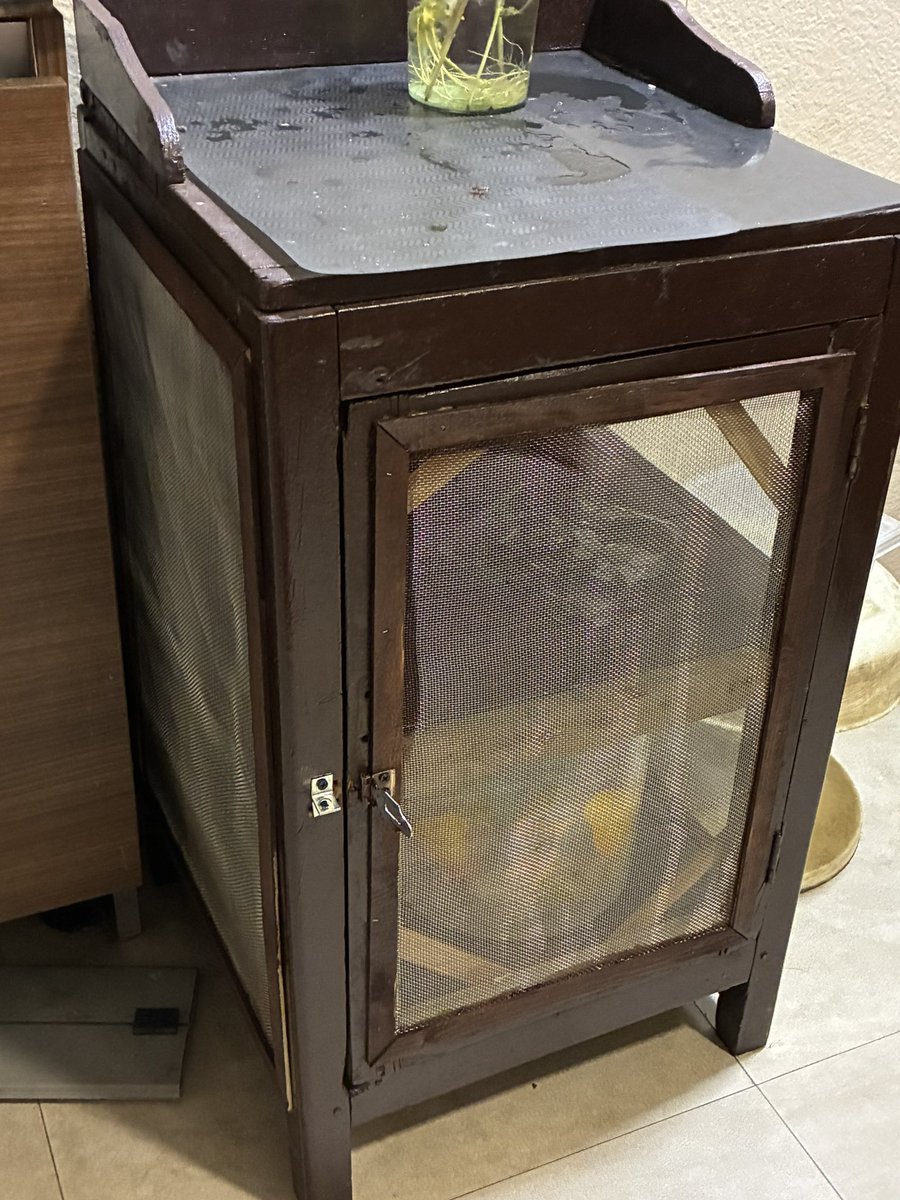
@RakhshandaJalil My grandma had one in her kitchen
Legend has been tha as a kid I had got my hand stuck in the mesh when I was crawler baby. Allegedly I was trying to get my hands on the ‘malai’
English
@potterly_head Lol
The last line is good 😂
Someday you’ll have to explain me the whole Toastmaster thing.
English

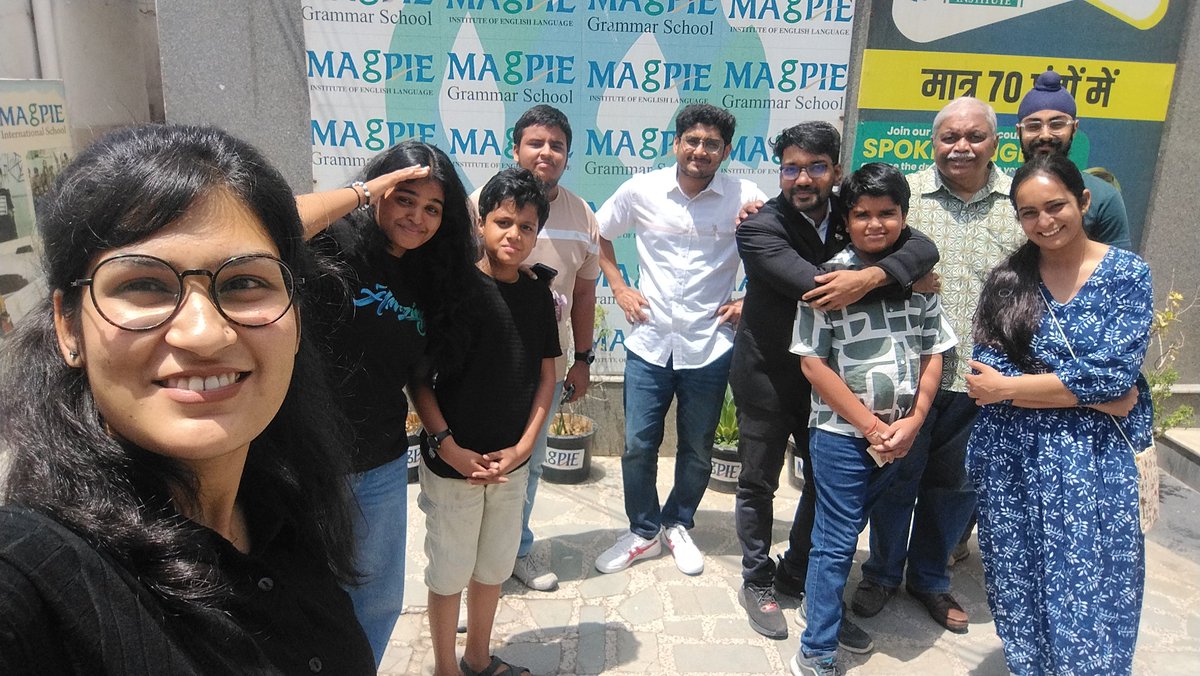
@plainzspeaker 'Dare to be rare'
-Attended this Toastmasters Club meeting in May heat in Kota.
-Refrained myself from getting into the argument with VP. 😂
English


@Rainmaker1973 They called him a madman for two decades until they realized he was the only one who was truly awake.
English


💥vįíṇèẽt̤ retweetledi

An Arab scholar in 1011 was placed under house arrest in Cairo for 10 years. He used the time to invent the scientific method, prove how vision actually works, and write a 7-volume book that Newton studied 600 years later.
I read about him last night and could not stop thinking about it.
His name was Ibn al-Haytham. The book is called the "Book of Optics."
The textbook story names Bacon, Galileo, and Descartes as the founders of modern science. All three of them came 600 years after Ibn al-Haytham. All three of them studied his work directly or through Latin translations. The man who actually invented the scientific method was working alone in a single room in Cairo while Europe was still in the Dark Ages.
Here is the story almost nobody tells you.
He was born in Basra around 965 CE. By his 40s he had a reputation across the Arab world as one of the most original minds alive. Then he made the mistake that almost killed him. He claimed publicly that he could regulate the flooding of the Nile. The mad caliph al-Hakim of Cairo summoned him to Egypt to do it.
Ibn al-Haytham took one look at the river and realized the project was impossible with the technology of his era. The caliph had executed dozens of scholars for less. So he faked madness. The caliph believed him and put him under house arrest in his own home in Cairo for the next 10 years.
Most people would have lost their actual mind. He used the time to invent science.
Before him, knowledge worked one way. You quoted authority. If Aristotle had said it, it was true. If Galen had written it, it was correct. The role of a scholar was to memorize and defend the ancient Greeks. I
Ibn al-Haytham broke this completely. He wrote a sentence in the Book of Optics that quietly destroyed 1,400 years of intellectual culture. "The seeker after truth," he said, "is not the one who follows his natural disposition to trust the writings of the ancients. The seeker after truth is the one who suspects them, questions them, and submits only to argument and experiment."
That single sentence is the foundation of modern science. He wrote it 600 years before the European Renaissance.
The second thing he did was build the actual machinery of experimentation.
He insisted that no claim about the physical world was acceptable until it had been verified by an experiment anyone could repeat. He gave detailed instructions for every experiment in his book. He told his readers, in writing, not to take his word for any of it. Build the equipment. Run the tests yourself. Verify or destroy my claims with your own eyes.
The third thing he did was use the method to overturn one of the most settled questions in physics.
The Greeks had taught for centuries that vision worked because the eye emitted invisible rays. Ibn al-Haytham proved them wrong with a darkened room, a small hole, and a wall. The first camera obscura. He showed that light from the outside world enters the eye, the exact opposite of what every Greek thinker had taught.
Two hundred years later his book was translated into Latin in Spain. Roger Bacon cited him. Kepler cited him. Galileo's work on the telescope was built on his optics. Newton's foundational work on light rested on his framework.
Walk into any physics department today. Ask who founded the scientific method. Almost nobody will say Ibn al-Haytham.
The man who invented the way humanity actually knows things did the work under house arrest, with no funding, no laboratory, and a paranoid caliph next door waiting for an excuse to kill him.
He did it anyway. Most of the world is still pretending it was someone else's idea.

English
@raunakmahajan @pahaadsepyaar I think aapne night aur subah mix up kar diya
English

@pahaadsepyaar Subah: Chai + Sponge Cake
Noon: Chai + Rusk
Evening: Chai + Coconut Cookie
Night: Chai + Sponge Cake
Fir bhi constant garmi hi garmi
English

