Planta Medica

280 posts

Planta Medica banner
Planta Medica

Planta Medica

@plamed_journal

Planta Medica is one of the leading international journals in the field of natural products including marine organisms, micro-organisms and medicinal plants.
Katılım Mayıs 2022
108 Takip Edilen216 Takipçiler
Planta Medica
Planta Medica@plamed_journal·
Original Paper Extracts of Drynariae Rhizoma Promote #Bone Formation in OVX Rats through Modulating the #Gut #microbiota: thieme-connect.com/products/ejour… Drynariae Rhizoma has been commonly used as a preventive and therapeutic agent for bone diseases. However, its pharmacological mechanisms have not been fully elucidated. Here, we aimed to investigate the effects of Drynariae Rhizoma in a bilateral ovariectomized rat model and explore the correlation with gut microbiome. We established an ovariectomized rat model, which we treated with different doses of Drynariae Rhizoma (Drynariae Rhizoma-Low, 0.27 g/kg/day; Drynariae Rhizoma-Middle, 0.81 g/kg/day; Drynariae Rhizoma-High, 2.43 g/kg/day) through intragastric administration for 12 weeks. Results showed that Drynariae Rhizoma alleviated body weight, moderated bone microstructure, and promoted the expression of bone formation-related factors in ovariectomized rats, in which Drynariae Rhizoma-High showed the most significant effects among the three doses. Furthermore, the effects of Drynariae Rhizoma on promoting bone formation were correlated to the changes in microbial richness and the restorations of several genera, among which Ruminiclostridium and Ruminococcaceae_UCG_007 were positively correlated with the bone formation-related factors, and both were enriched in the Drynariae Rhizoma-High group as biomarkers. Moreover, CMP-legionaminate biosynthesis I might be a crucial pathway of Drynariae Rhizoma to regulate gut microbiota. The content of serum short-chain fatty acids in the ovariectomized rats were regulated by Drynariae Rhizoma. Our results demonstrate that Drynariae Rhizoma promotes bone formation in ovariectomized rats, and is related to the regulation of the gut microbiota structure. #osteoporosis #Polypodiaceae #plantscience #medicinalplants #MedTwitter
Planta Medica tweet media
English
0
1
0
136
Planta Medica
Planta Medica@plamed_journal·
Original Paper New Constituents from Zanthoxylum rhoifolium thieme-connect.com/products/ejour… The phytochemical study of Zanthoxylum rhoifolium apolar and medium polarity stem bark and leaf extracts afforded 29 compounds, including three new sesquiterpenes (1 – 3) and one new α-ionone glycoside (4). All compounds were characterized by means of 1D and 2D NMR and HRESIMS data. Furthermore, a precise structural analysis was performed, employing a combined density functional theory (DFT)/NMR approach to elucidate the compounds configurations. The crude extracts were then tested against a panel of gram-positive and gram-negative bacteria by broth dilution methods to determine their minimal inhibitory concentration. In these experimental conditions, no interesting antimicrobial activity was observed. #Rutaceae #sesquiterpenes #antibacterial #plantscience #medicinalplants #MedTwitter
Planta Medica tweet media
English
0
0
1
72
Planta Medica
Planta Medica@plamed_journal·
Original Paper #Phytochemical Characterization and Comparative Analysis of Cycloartane-Type #Triterpenes in Astragalus adsurgens and Astragalus membranaceus thieme-connect.com/products/ejour… Astragalus adsurgens, a significant forage plant cultivated in arid regions of northwest China, remains underexplored for its triterpenoid saponins and medicinal properties compared to the extensively studied Astragalus membranaceus. To explore the phytochemical profile of A. adsurgens for its potential application in the medical field, we employed ultra-pressure liquid chromatography coupled with a tandem mass spectrometry-based method to identify cycloartane-type triterpenes. Eventually, five new cycloartane-type triterpenoids, adsurgosides A – D ( 1 – 4) and 3-methyl-3,4-seco-cyclostellanol (5), together with two known analogs, cycloastragenol (6) and cyclopycanthogenin (7), were isolated from the roots of A. adsurgens. Their structures were elucidated using 1D and 2D NMR analyses in combination with HRESIMS data. Additionally, a comparative study on the distribution patterns of these compounds revealed qualitative and quantitative variations between A. adsurgens and A. membranaceus. Our findings not only identified an alternative plant for isolating cycloartane-type triterpenoids but also offer new insights into the chemical properties of A. adsurgens. #Fabaceae #chemical #cycloartane #triterpenoids #metabolites
Planta Medica tweet media
English
0
1
1
139
Planta Medica retweetledi
Biochemical Society
Biochemical Society@BiochemSoc·
Want to learn the tools and techniques to be able to use #R programming software? Perfect for beginners, there’s just one month to go until our next R for Biochemists 101 online course launches! Register here and start on 3rd February: ow.ly/fNXp50UBFvx
Biochemical Society tweet media
English
0
4
9
681
Planta Medica retweetledi
Sustainability & Circularity NOW
#Sustainability & #Circularity NOW is an international peer-reviewed open-access journal dedicated to tackling #sustainability related challenges and driving #SustainableInnovation. Curious to learn more about our mission? Check out this short video, in which our Editor-In-Chief @ChrisSlootweg compactly introduces the focus and scope of our Journal! 👉 click here for the video: youtube.com/watch?v=q8KoDA…
YouTube video
YouTube
Sustainability & Circularity NOW tweet media
English
0
3
5
339
Planta Medica
Planta Medica@plamed_journal·
Review Turkish #Astragalus Species: #Botanical Aspects, Secondary #Metabolites, and #Biotransformation: thieme-connect.com/products/ejour… Astragalus is a widespread genus comprising approximately 3500 species, both annual and perennial, found across Asia, Europe, Africa, and the Americas. In Turkey, it is represented by 63 sections and 485 taxa with a high endemism ratio (51%). In traditional medicine, the roots of various Astragalus species represent very old and well-known drugs used for antiperspirant, diuretic, and tonic purposes, as well as for the treatment of nephritis, diabetes, leukemia, and uterine cancer. The genus Astragalus is the richest source of cycloartane-type compounds, which display a diverse range of bioactivities, such as wound healing, immunomodulatory, antitumor, hepatoprotective, antimutagenic, antiviral, and antiprotozoal activities. Moreover, cycloastragenol, the main sapogenol of many cycloartane-type glycosides found in the Astragalus genus, has gained attention as a potent telomerase activator over the past decade. The preparation of cycloastragenol derivatives could be significant in the near future due to their unique bioactivity. This review covers the botanical aspects of Astragalus L., as well as the phytochemical and biological activity studies conducted on Turkish Astragalus species, with a special focus on cycloartenols. It contains 36 articles reporting the phytochemistry of 29 Astragalus species and 111 new compounds, including 104 triterpene saponins. In addition to the phytochemical studies, this review summarizes the biotransformation studies on Astragalus cycloartanes via endophytic fungi isolated from the tissues of Astragalus species. #Leguminosae #botany #phytochemistry #cycloartenols #biological
Planta Medica tweet media
English
0
0
0
41
Planta Medica
Planta Medica@plamed_journal·
Original Paper Anti-#Inflammatory Activity of Labdane and Norlabdane #Diterpenoids from Leonurus sibiricus Related to Modulation of MAPKs Signaling Pathway: thieme-connect.com/products/ejour… Leonurus sibiricus, a widely cultivated herbaceous plant in Asian countries, exhibits diverse medicinal applications. Recent studies emphasize its pharmacological properties and efficacy in promoting bone health. In addition to the known compounds and their pharmacological activities, in this study, we isolated and elucidated two new labdane-type diterpenoids, (3R,5R,6S,10S)-3,6-dihydroxy-15-ethoxy-7-oxolabden-8(9),13(14)-dien-15,16-olide (1) and (4R,5R,10S)-18-hydroxy-14,15-bisnorlabda-8-en-7,13-dione (2), a new natural phenolic compound, and a known compound from L. sibiricus using advanced spectroscopic techniques, including circular dichroism spectroscopy, high-resolution mass spectrometry, and 1- and 2-dimensional NMR. Among these, compound 1 demonstrated potent inhibition of nitric oxide (NO) production and inducible nitric oxide synthase (iNOS) mRNA expression levels, followed by compound 2. Whereas compounds 3 and 4 did not exhibit effectiveness in RAW264.7 macrophages. Moreover, compound 1 suppressed pro-inflammatory markers induced by lipopolysaccharide (LPS) stimulation. Compound 1 also suppressed iNOS and cyclooxygenase-2 (COX-2) protein levels and downregulated pro-inflammatory cytokines. Additionally, compound 1 showed inhibition of the phosphorylation of p38, JNK, and ERK, key mediators of the MAPK signaling pathway. These findings indicate that a natural-derived product, compound 1, might be a potential candidate as an anti-inflammation mediator. #plantscience #medicinalplants #MEDTwitter
Planta Medica tweet media
English
0
0
1
130
Planta Medica
Planta Medica@plamed_journal·
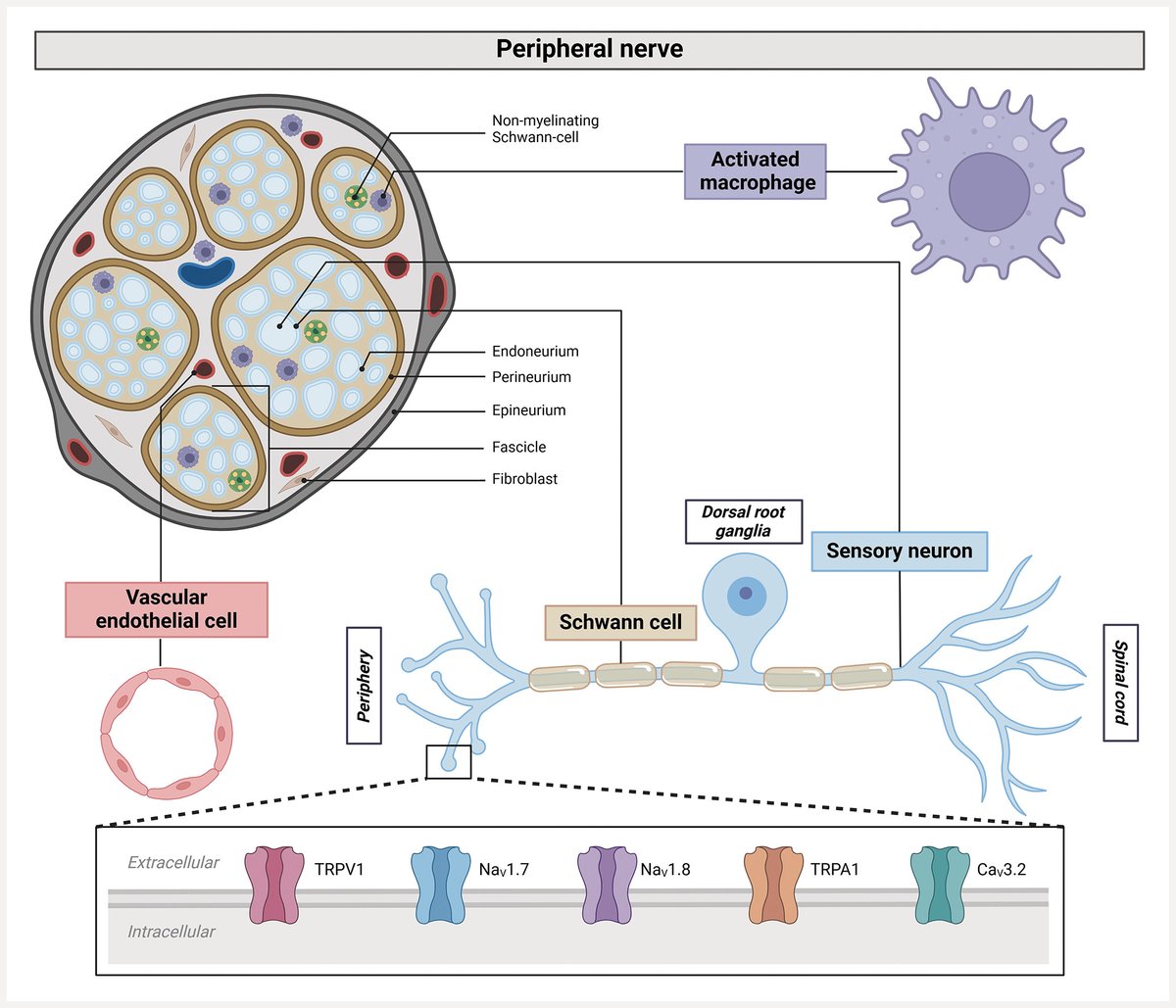
Review #Pharmacological Effects of Paeonia lactiflora Focusing on Painful #Diabetic #Neuropathy thieme-connect.com/products/ejour… Painful diabetic neuropathy (PDN) is a highly prevalent complication in patients suffering from diabetes mellitus. Given the inadequate pain-relieving effect of current therapies for PDN, there is a high unmet medical need for specialized therapeutic options. In traditional Chinese medicine (TCM), various herbal formulations have been implemented for centuries to relieve pain, and one commonly used plant in this context is Paeonia lactiflora (P. lactiflora). Here, we summarize the chemical constituents of P. lactiflora including their pharmacological mechanisms-of-action and discuss potential benefits for the treatment of PDN. For this, in silico data, as well as preclinical and clinical studies, were critically reviewed and comprehensively compiled. Our findings reveal that P. lactiflora and its individual constituents exhibit a variety of pharmacological properties relevant for PDN, including antinociceptive, anti-inflammatory, antioxidant, and antiapoptotic activities. Through this multifaceted and complex combination of various pharmacological effects, relevant hallmarks of PDN are specifically addressed, suggesting that P. lactiflora may represent a promising source for novel therapeutic approaches for PDN. #Paeoniaceae #nociception #neuroprotection #neuroinflammation #oxidativestress #plantscience #medicinalplants #MedTwitter
Planta Medica tweet media
English
0
1
2
720
Planta Medica retweetledi
Sustainability & Circularity NOW
Did you know that we are an Open Access Journal? At @ThiemeGruppe , we believe it increase visibility, readership, citations, and impact of your research! Curious to learn more about the benefits of publishingOpen Access? Check out the Thieme Website! thieme.com/en-us/why-publ…
Sustainability & Circularity NOW tweet media
English
0
1
1
279
Planta Medica
Planta Medica@plamed_journal·
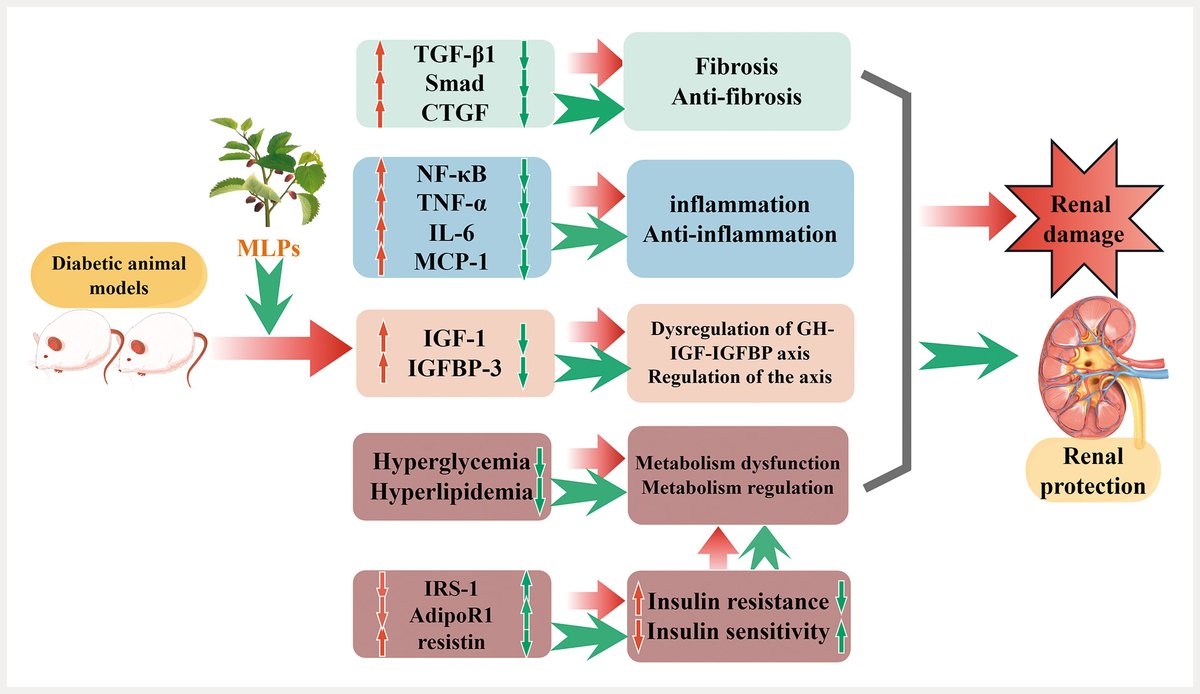
Reviews Preclinical Evidence of Mulberry Leaf #Polysaccharides on #Diabetic #Kidney Disease: #htmlfulltext" target="_blank" rel="nofollow noopener">thieme-connect.com/products/ejour… Mulberry leaf polysaccharides (MLPs) have a variety of biological activities. Preliminary scattered evidence of preclinical studies have reported their potenzial effects on diabetic kidney disease (DKD). Here, we intended to assess the preclinical evidence of MLPs and explore their potenzial mechanisms on DKD, offering a scientific reference for the therapeutic use of MLPs. The study has been registered under the CRD42022309117 registration number at PROSPERO. Comprehensive search was conducted across eight databases from their establishment till January 2024, and eight studies with 270 animals were included in the meta-analysis. The primary outcome measurements in the MLP group, including serum creatinine (Scr) (P = 0.0005), blood urea nitrogen (BUN) (P = 0.02), 24-hour urinary protein (UP) (P = 0.001), and urinary microalbumin (UAlb) (P < 0.0001), were significantly reduced compared to the control group. Additionally, MLP treatment was significantly correlated with fasting blood glucose (FBG), total cholesterol (TC), protein expression of TGF-β1, CTGF mRNA, and the kidney index (all P values < 0.05) and delayed the progression of local pathological changes in the kidney. Subgroup analysis revealed significant species differences in the efficacy of MLPs. Also, it showed that the dosage of streptozotocin potenzially affected the Scr and UAlb results, while the duration of MLP treatment influenced UAlb results. MLPs may exert potenzial renal protection by delaying renal fibrosis, inhibiting inflammatory reactions, suppressing the growth hormone–insulin-like growth factor–insulin-like growth factor binding protein axis, and regulating the insulin receptor pathway. In summary, MLPs have multifaceted renal protective effects, suggesting their potenzial for treating DKD. #Moraceae #Morus #plantscience #medicinalplants #MedTwitter
Planta Medica tweet media
English
1
0
1
666
Planta Medica
Planta Medica@plamed_journal·
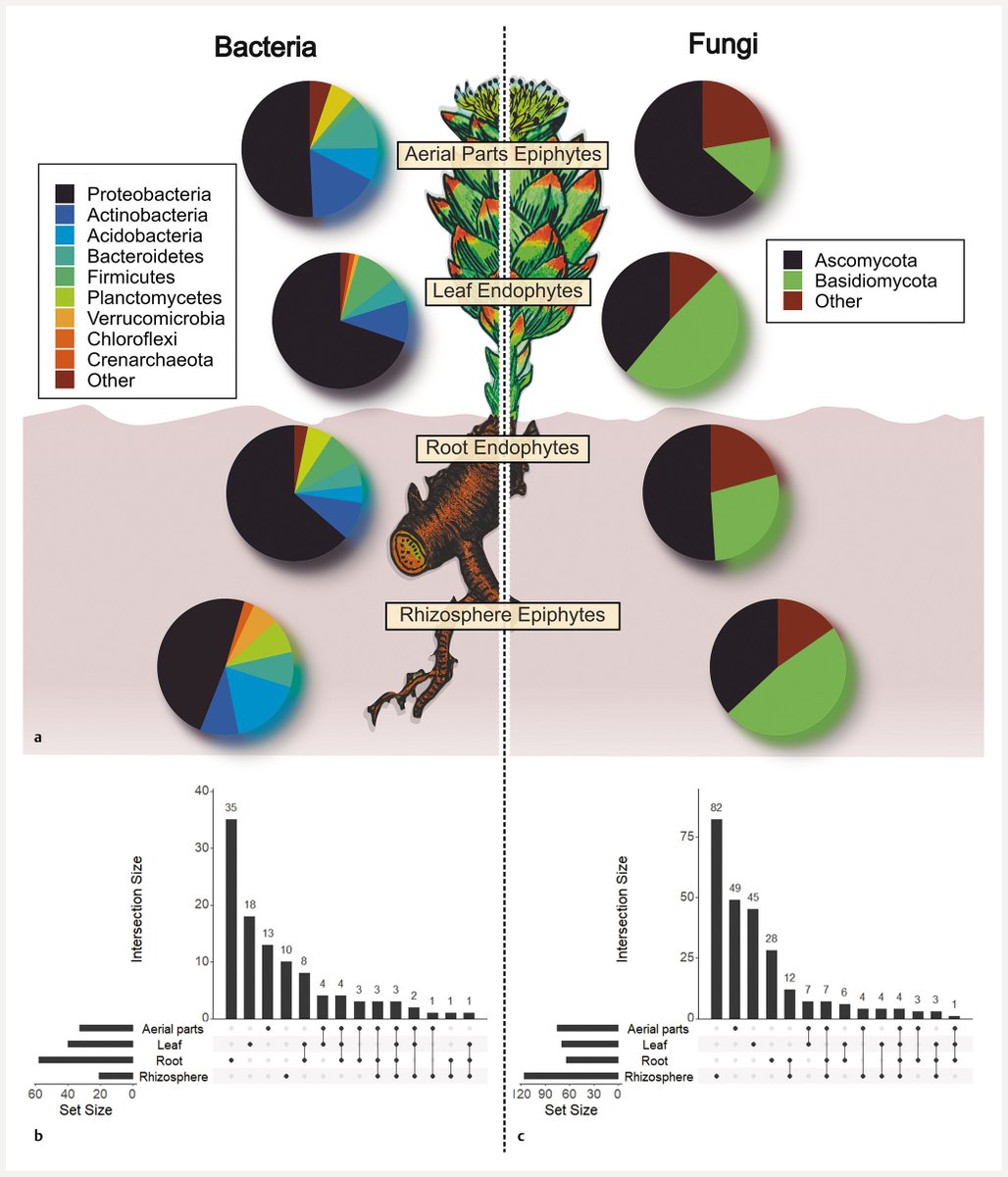
Original Paper #Medicinal Plant #Microbiomes: Factors Affecting #Bacterial and #Fungal Community Composition thieme-connect.com/products/ejour… This exploratory study was designed to identify factors implicating microbial influence on medicinal plant metabolomes. Utilizing a whole-microbiome approach, amplicon sequencing was used to identify the makeup of fungal and bacterial assemblages from endophytic (interior) and epiphytic (external) environments in two different sets of congeneric host-plant pairs, with collection of multiple samples of two medicinal plant species (Actaea racemosa, Rhodiola rosea) and two generic analogs (Actaea rubra, Rhodiola integrifolia). Diversity analysis of microbial assemblages revealed the influence of three primary factors driving variance in microbial community composition: host-plant taxonomy, the compartmentalization of microbial communities within discrete plant parts, and the scale of distance (microhabitat heterogeneity) between sampling locations. These three factors accounted for ~ 60% of variance within and between investigated microbiomes. Across all our collections, bacterial populations were more diverse than fungi (per compartment), and microbial density in epiphytic compartments (aerial parts, rhizosphere) were higher than those of endophytes (leaf and root). These comparative data point to key loci associated with variation between congeneric pairs and plant genera, providing insight into the complex and contrasting relationships found within this multi-kingdom coevolutionary relationship. Although reflective of only a limited set of botanical source materials, these data document the richness of a relatively unexplored component of the plant world and highlight the relevance of a whole-microbiome ecology-driven approach to botanical research and directed natural product investigations. #endophytes #epiphytes #Actaea #Rhodiola #Ranunculaceae #Crassulaceae #plantscience #medicinalplants #MedTwitter
Planta Medica tweet media
English
0
0
1
313