PlasticList

22 posts

PlasticList banner
PlasticList

PlasticList

@plasticlistorg

Testing food in the Bay Area for chemicals that leach from plastics

Palo Alto Katılım Mayıs 2024
9 Takip Edilen1.4K Takipçiler
PlasticList retweetledi

Nat Friedman
Nat Friedman@natfriedman·
Full results and write-up: plasticlist.org We also have instructions for running your own tests!
English
86
395
2.8K
388.8K
PlasticList retweetledi
Nat Friedman
Nat Friedman@natfriedman·
We did it! We tested 300 Bay Area foods for plastic chemicals. We found some interesting surprises. Top 5 findings in our test results: 1. Our tests found plastic chemicals in 86% of all foods, with phthalates in 73% of the tested products and bisphenols in 22%. It's everywhere. 2. We detected phthalates in most baby foods and prenatal vitamins. 3. Hot foods which spend 45 minutes in takeout containers have 34% higher levels of plastic chemicals than the same dishes tested directly from the restaurant. 4. The 1950s Army rations we tested contained surprisingly high levels of plastic chemicals. 5. Almost every single one of the foods we tested are within both US FDA and EU EFSA regulations. Check out our full results below.
Nat Friedman@natfriedman

I'm going to re-run all these tests on food we eat in California. Also going to test for other plastic chemicals. Let me know what foods we should test and suggestions for methodology.

English
564
2.8K
15.4K
9.8M
PlasticList retweetledi
Nat Friedman
Nat Friedman@natfriedman·
Our plasticizer testing project is on rails now; we're starting to get a lot of data back and we're busy analyzing it. The number of samples we are testing ballooned quite a bit so will take a few more weeks before we have something to share, but it's going well!
English
18
8
288
30.4K
PlasticList
PlasticList@plasticlistorg·
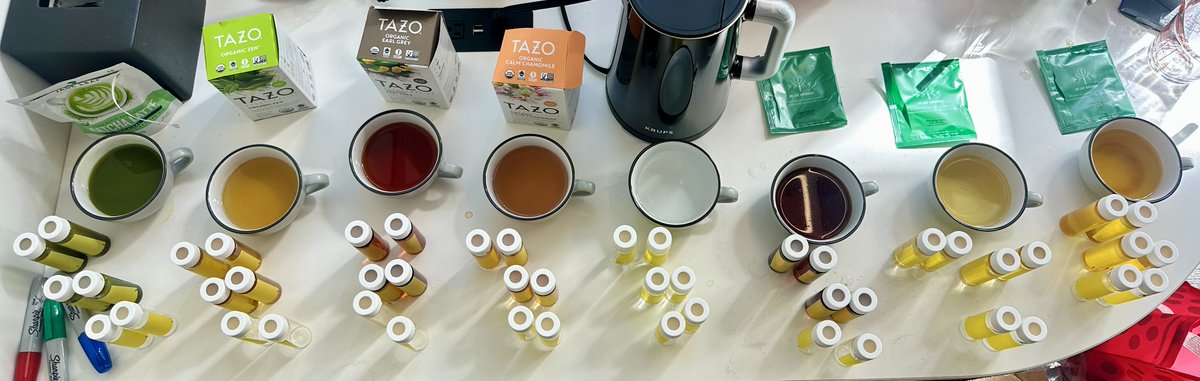
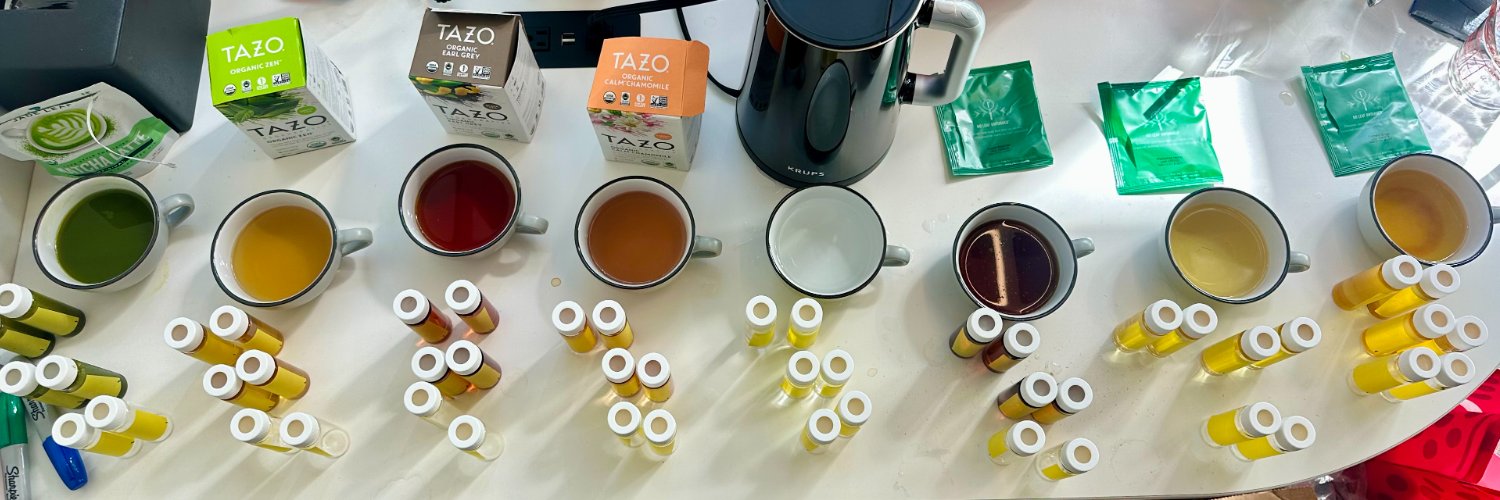
PlasticList office 7/31/24
PlasticList tweet media
English
4
2
21
4.3K
PlasticList retweetledi
Yaroslav Shipilov
Yaroslav Shipilov@yaroshipilov·
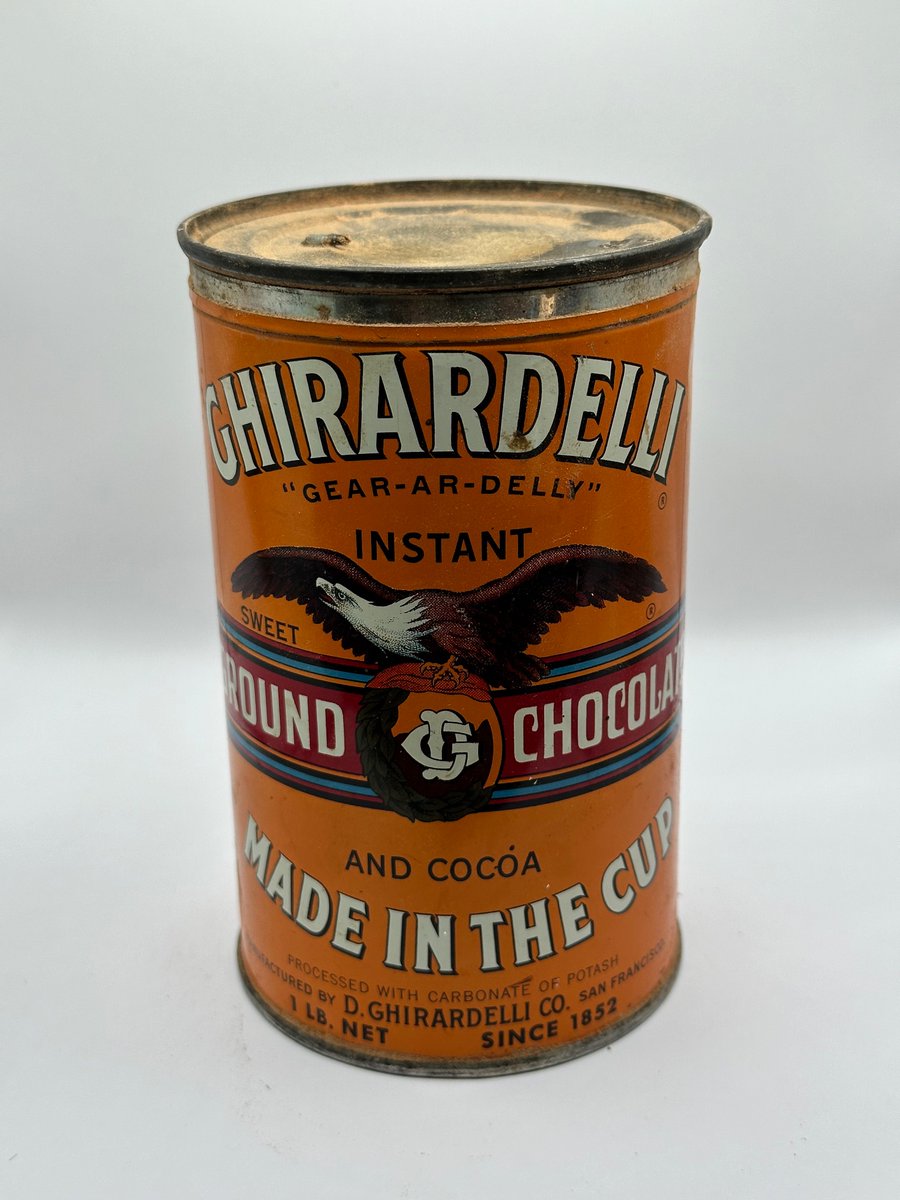
phthalates were introduced in the 1920s, but we don’t really know how products in the past compare to our food today. will test this 85 yo can of ghirardelli for phthalates and compare with ghirardelli made in 2024.
Yaroslav Shipilov tweet media
English
0
2
19
2K
PlasticList retweetledi
Nat Friedman
Nat Friedman@natfriedman·
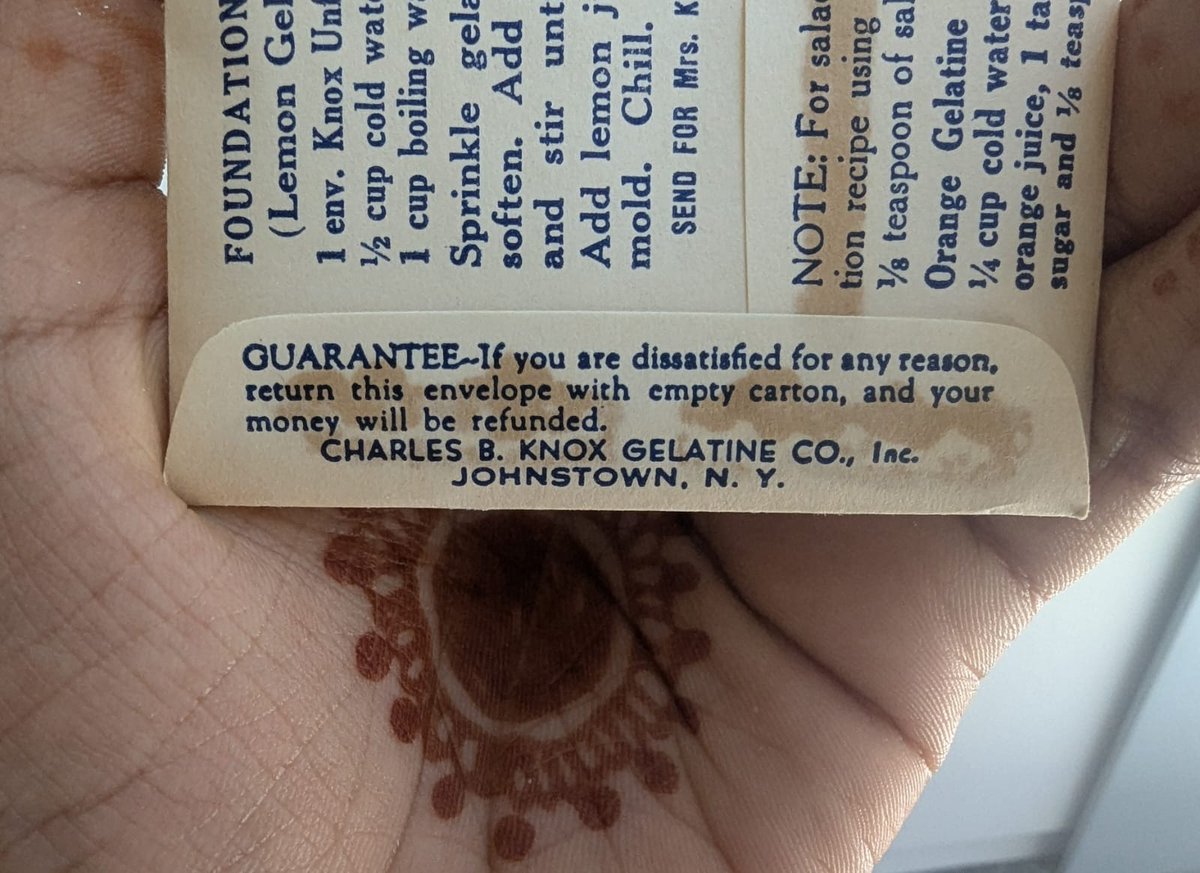
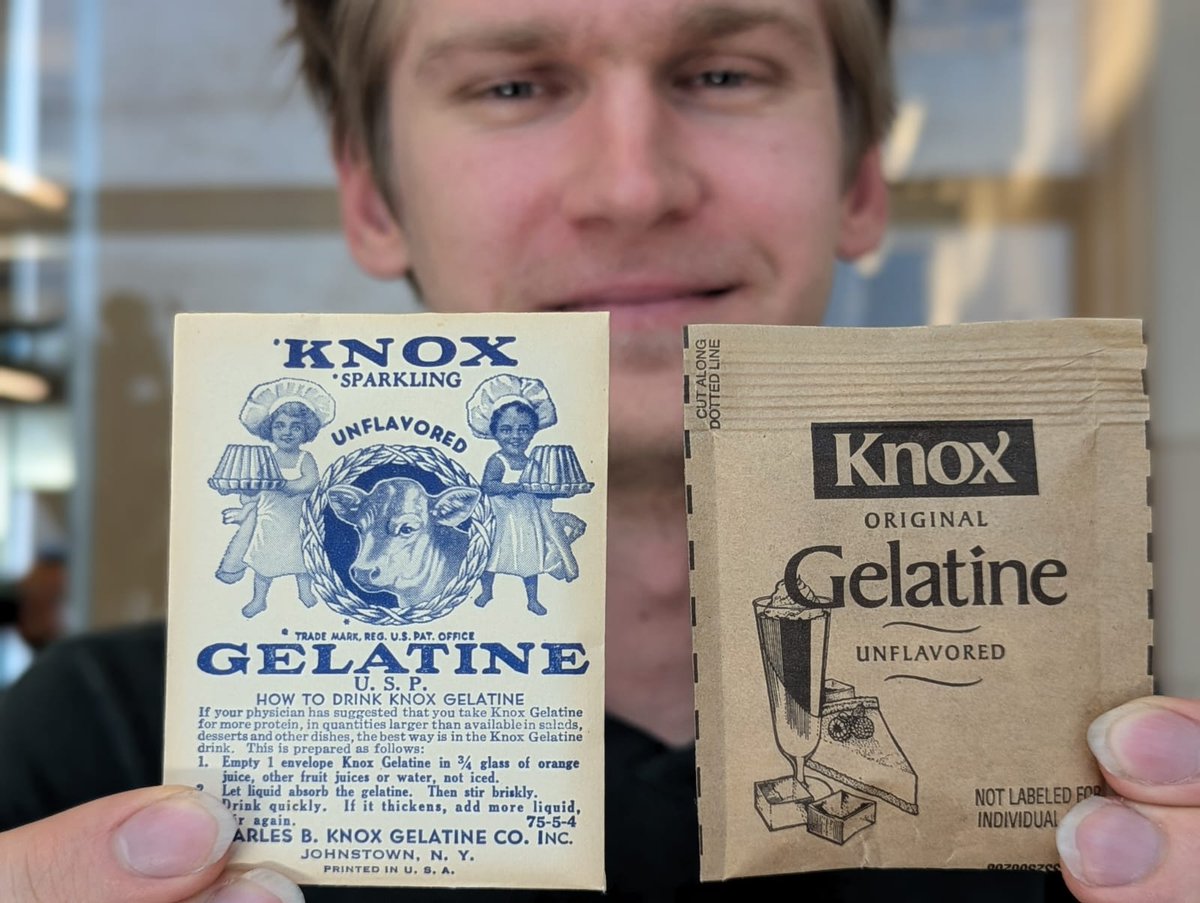
Testing 70 year old gelatine against the modern equivalent for plastic chemicals
Nat Friedman tweet media
English
29
23
880
104K
PlasticList retweetledi
Nat Friedman
Nat Friedman@natfriedman·
PlasticList could use some help sourcing samples in the bay area. Get in touch if you can provide: - Human breast milk directly from a nursing mother - Fresh cow's milk directly from a local farm - Farm-raised beef directly from a local farm Email team@plasticlist.org if you can help with any of these. Thank you!
English
6
4
75
22.6K
PlasticList retweetledi
Nat Friedman
Nat Friedman@natfriedman·
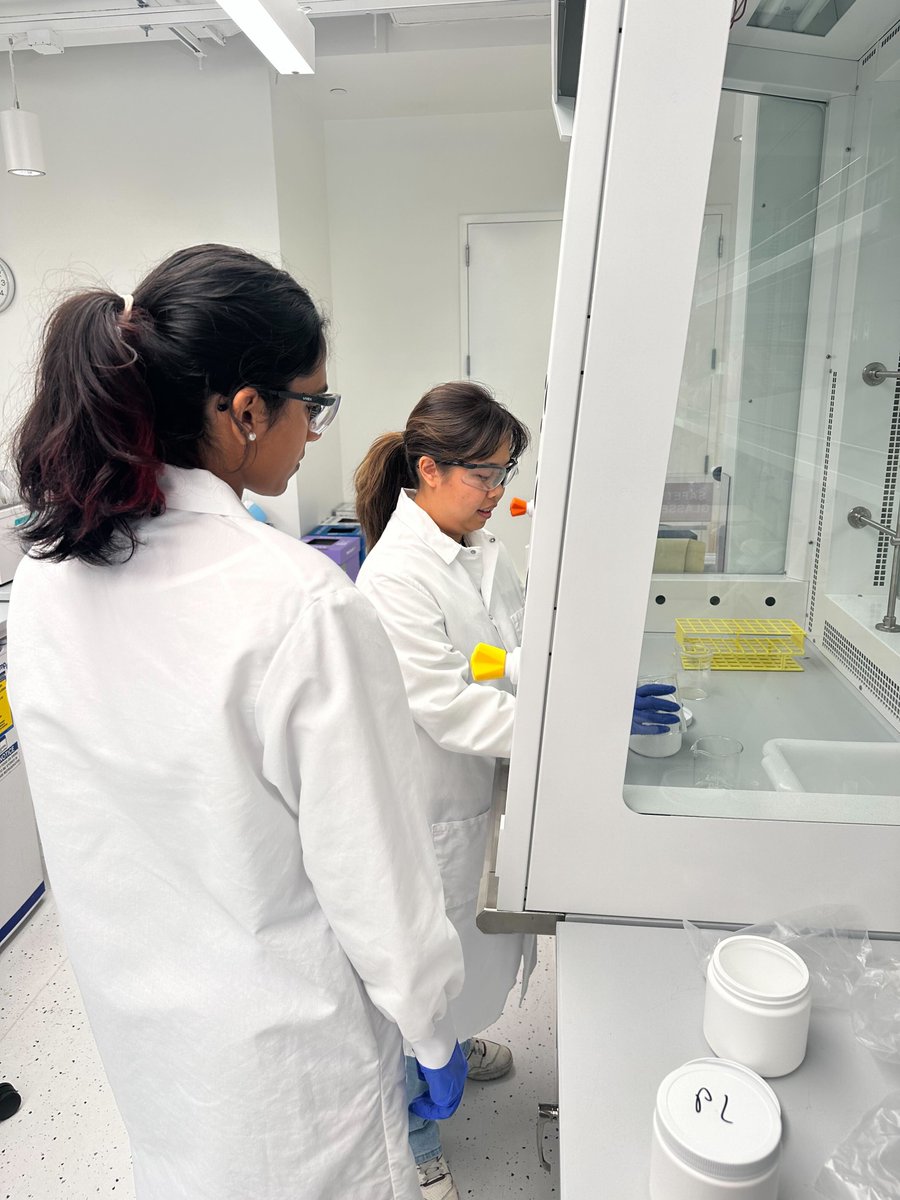
PlasticList team training to remove phthalates from sample containers
Nat Friedman tweet media
English
15
6
286
44.7K
Richel!
Richel!@rsmurata_17·
be honest, would you give up microplastics if you knew it was adding 10% tasty to your food?
English
2
0
4
295
PlasticList retweetledi
Justin Olshavsky
Justin Olshavsky@olshav·
This work could uncover the next nicotine/teflon/ asbestos scale societal problem Grateful the @plasticlistorg team is working to figure out if these plastics are harmful. Keep going until you solve the problem @TheSlavant @rsmurata_17 @chandhana01 @fromclaireee @natfriedman
Nat Friedman@natfriedman

Since launching @plasticlistorg a few weeks ago, we received more than 7500 votes for products to test for endocrine-disrupting chemicals, read more than 150 papers, and reached out to more than 50 labs. Testing is harder than we thought! But we're making progress, and getting ready to run our first tests now. Read our little status update at plasticlist.org

English
3
3
14
2.6K
PlasticList retweetledi
Nat Friedman
Nat Friedman@natfriedman·
Since launching @plasticlistorg a few weeks ago, we received more than 7500 votes for products to test for endocrine-disrupting chemicals, read more than 150 papers, and reached out to more than 50 labs. Testing is harder than we thought! But we're making progress, and getting ready to run our first tests now. Read our little status update at plasticlist.org
English
14
30
538
99.7K
PlasticList retweetledi
Chandhana
Chandhana@chandhana01·
over the past few weeks, i’ve been working on testing food for endocrine-disrupting chemicals that leach from plastics throughout the supply chain seemed like a good time to share what i’ve learned through the process; hopefully helps you better understand what’s actually going on in the space: 1) microplastics and ‘plastic chemicals’ are very different things. the former results from plastic breaking down mechanically into really small pieces and are generally chemically inert. they could potentially block your capillaries or cross the blood-brain barrier. they’re not studied well enough for us to truly understand what the problems are. the latter is what we call an EDC. phthalates, BPA, for example – chemicals that are additives in the general plastic-making process but aren't cross-linked well (if at all) to the polymers and seep into your food when it’s being processed and transported. also not good and also not studied too well. 2) it’s so stupidly expensive to test the effects of these ED chemicals (there’s about 20k of them? or more) in isolation to study what its effects truly are. there seems to be some decent proof that it affects sperm count, AGD, estrogen secretion, thyroid, etc., but even then, differentiating effects between BPA vs. BPS vs. BPF in a person is pretty much impossible to do (ethically). 3) there’s a fair amount of literature on this, but the SNR is quite poor. ‘science’ is sketchy, and just because something is published doesn't mean anything - a lot of science is poorly done (poor = impractical, biased). it is slow, expensive, and much harder to run simple tests well. we don't truly know what’s going on when our body is constantly exposed to so many EDCs on a daily basis. let’s say you want to test your favorite candy bar to see what’s in it. straightforward? :) no. 4) you need to know what you're looking for in your food very very specifically because otherwise you won't find it. and how do you know which of the 20k EDCs could be in your food? even then you need to look for data in ppt or ppb and not the standard ppm. 5) you've boiled it down to BPA somehow. awesome. now you want to send it to a lab that can test chocolate for BPA. except there isn't a lab that has tested chocolate for BPA. why? people simply don't run these kinds of tests. academic labs do to some extent, and they're very thorough. but take 2 years. commercial labs are faster than academic ones, but…that’s not necessarily good because speed =/= quality. you never know if they'll cut corners or if they truly know what they're doing if they haven't tested such things before (more on analytical chem testing later). so now you pick – slow and good or fast and unsure. the answer is neither because you need something both good and fast. this is accompanied by a lot of sample prep, matrice determination, blanks and standards. 6) makes me rethink science. we optimize every single thing. we try to be so efficient with all of life. so why not science? what will it take to have faster feedback loops? to de-bureaucratize the system while still ensuring quality? I would want to know sooner rather than later if EDCs are anything like lead or asbestos or radium. or simply -- how do you do science better and should i be worried? these are just some quick arbitrary thoughts. I'll write an article with more details soon. and fwiw i dont think we're totally fucked but i definitely think we should be doing more to first understand how much of a problem it is
English
7
4
62
8.3K
PlasticList
PlasticList@plasticlistorg·
Testing food in California for endocrine disrupting chemicals that leach from plastics with @natfriedman Upvote what you want to see tested on plasticlist.org
English
1
0
4
1.4K