Lucy 𝔇𝔞𝔪𝔫 𝔦𝔱 𝔞𝔩𝔩

3.2K posts

Lucy 𝔇𝔞𝔪𝔫 𝔦𝔱 𝔞𝔩𝔩 banner
Lucy 𝔇𝔞𝔪𝔫 𝔦𝔱 𝔞𝔩𝔩

Lucy 𝔇𝔞𝔪𝔫 𝔦𝔱 𝔞𝔩𝔩

@plasticsceptic

* 1:1 Activist #RandomActsOfActivism * Plastic Hater #TurnOffThePlasticTap * #NoVaccineMandates - treat your body right * Dreamcatcher but worried

Mancunia / Italia Katılım Eylül 2019
864 Takip Edilen187 Takipçiler
Lucy 𝔇𝔞𝔪𝔫 𝔦𝔱 𝔞𝔩𝔩 retweetledi

🌻 AnnetteJB- Go Wild
🌻 AnnetteJB- Go Wild@writethewrongs2·
We must expand areas of interconnected green passages - hedgerows and trees to allow nature to move safely. We also should have wildlife bridges across busy roads that intersect fields and woodland. We know that thousands of animals are killed on roads in the UK including badgers, hedgehogs and deer! That's without birds, small animals and insects. We have created a network of deadly terrain for wildlife, so we should do more to protect them.
English
5
21
64
776
Lucy 𝔇𝔞𝔪𝔫 𝔦𝔱 𝔞𝔩𝔩 retweetledi
The Daily Britain
The Daily Britain@dailybritainonx·
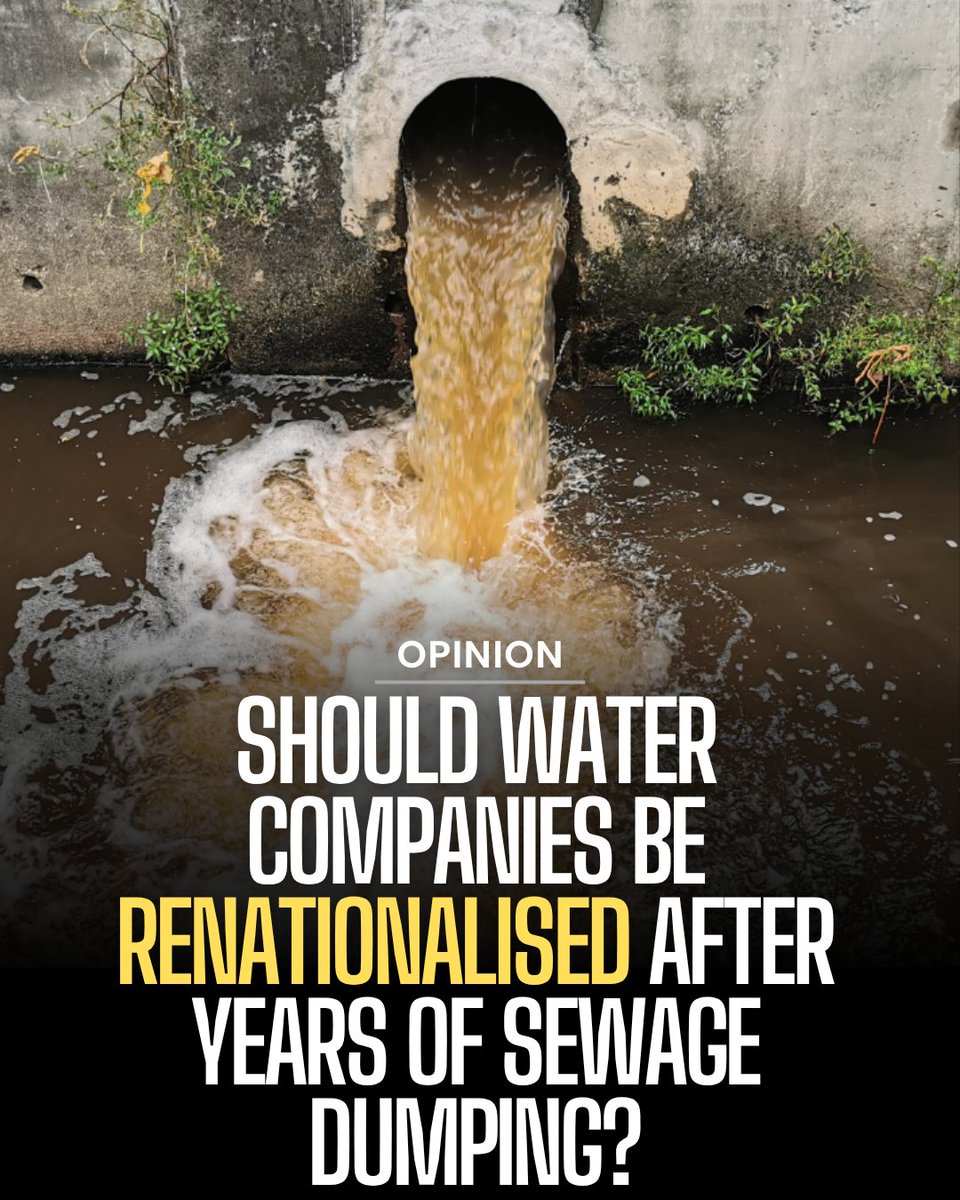
Water companies have paid billions in dividends to shareholders while pumping raw sewage into rivers and seas for thousands of hours. They've been fined record amounts and simply passed the cost to customers. Should water be taken back into public ownership?
The Daily Britain tweet media
English
73
205
349
3.9K
Lucy 𝔇𝔞𝔪𝔫 𝔦𝔱 𝔞𝔩𝔩 retweetledi
Antifa_Ultras
Antifa_Ultras@ultras_antifaa·
“Because what has capitalism resolved? It has solved no problems. It has looted the world.” Fidel Castro giving an interview, 1991.
English
117
3.2K
12.6K
222.7K
Lucy 𝔇𝔞𝔪𝔫 𝔦𝔱 𝔞𝔩𝔩 retweetledi
Harry Eccles
Harry Eccles@Heccles94·
Billionaires do not create jobs. Stop saying it. Without billionaires, we would still build things, design things, teach things, sell things, buy things. Billionaires capitalise profits. That's it.
English
1.3K
2.5K
10.1K
131.1K
Lucy 𝔇𝔞𝔪𝔫 𝔦𝔱 𝔞𝔩𝔩 retweetledi
Thursday
Thursday@ennui365·
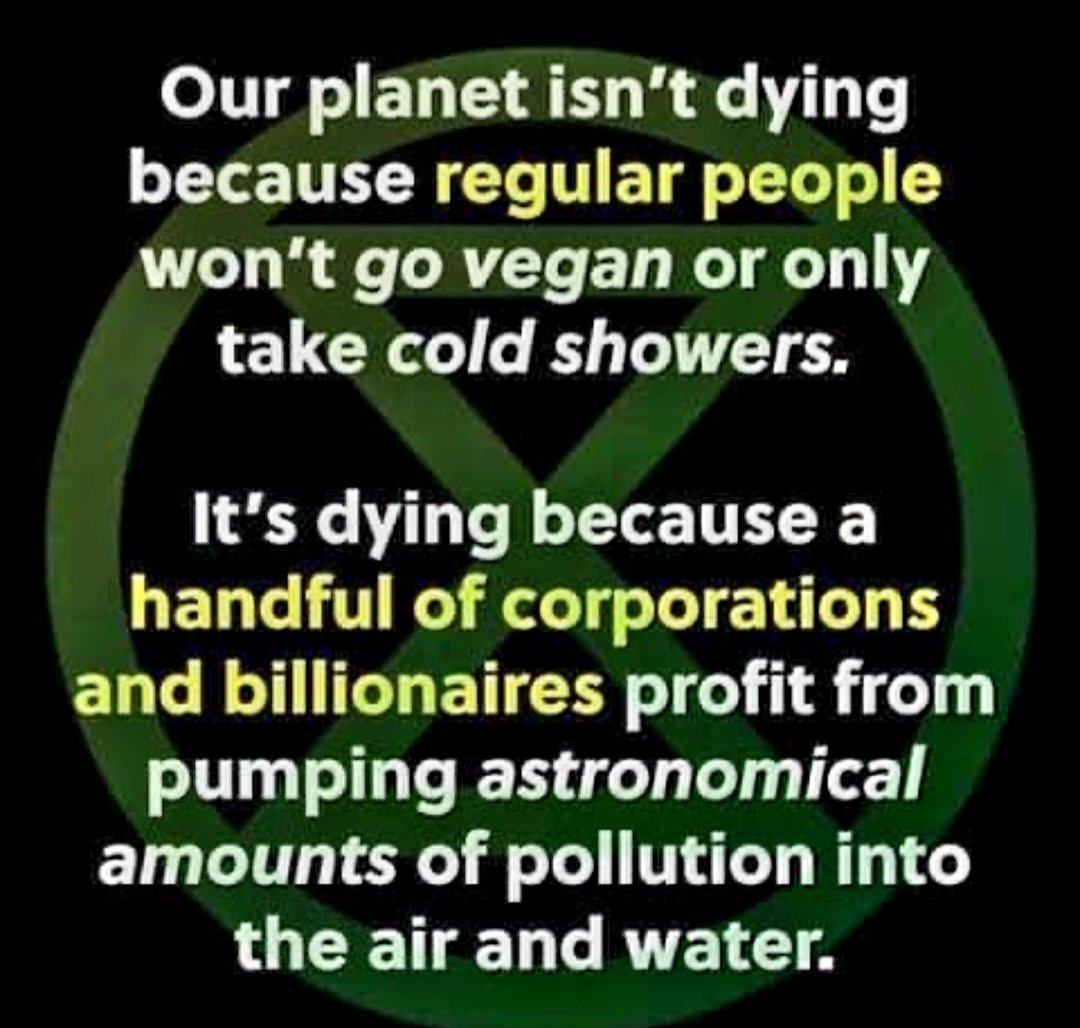
Thursday tweet media
ZXX
41
1.8K
5.4K
27.7K
Lucy 𝔇𝔞𝔪𝔫 𝔦𝔱 𝔞𝔩𝔩 retweetledi
Dr. Allison Wiltz
Dr. Allison Wiltz@queenie4rmnola·
Billionaires shouldn't exist in a society where people are starving and homeless. Their wealth is a sign of a society that has failed to allocate resources equitably. That's true no matter how likable or unlikeable they are
English
164
1.2K
4.7K
46.7K
Lucy 𝔇𝔞𝔪𝔫 𝔦𝔱 𝔞𝔩𝔩 retweetledi
BladeoftheSun
BladeoftheSun@BladeoftheS·
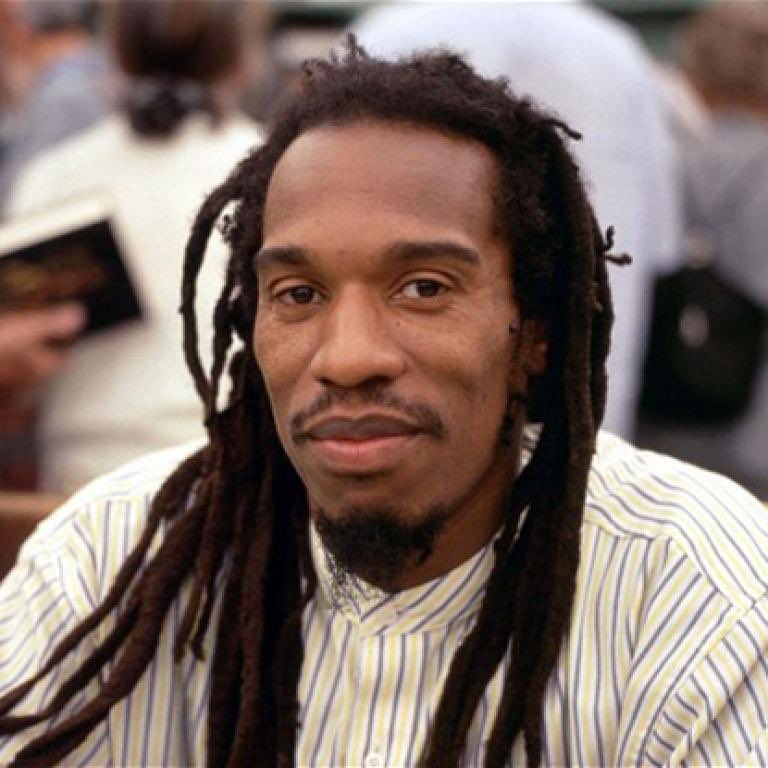
Benjamin Zephaniah "If you didn't have troublemakers, most women wouldn't have the right to vote, a black person wouldn't be talking to a white person and I'd be back in slavery. We need troublemakers to challenge the establishment. I want to be one of those people."
BladeoftheSun tweet media
English
167
1.4K
5.4K
92.5K
Lucy 𝔇𝔞𝔪𝔫 𝔦𝔱 𝔞𝔩𝔩 retweetledi
Marina Purkiss
Marina Purkiss@MarinaPurkiss·
When are we gonna admit that billionaire‑ism is an illness? They’re hoarders No control, insatiable greed & their hoarding just drains every one of us They cut wages, buy politicians & bleed the planet just to watch a number tick up that they’ll never spend Sick in the head.
English
971
4.7K
19.6K
185.3K
Lucy 𝔇𝔞𝔪𝔫 𝔦𝔱 𝔞𝔩𝔩 retweetledi
Jonathan Pie
Jonathan Pie@JonathanPieNews·
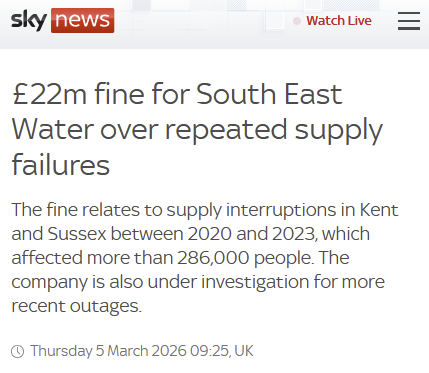
Call me Mr Bastard, but might I suggest a prison sentence would be more of a deterrent than a fine the consumers will inevitably end up paying?
Jonathan Pie tweet media
English
199
2K
9.4K
109K
Lucy 𝔇𝔞𝔪𝔫 𝔦𝔱 𝔞𝔩𝔩 retweetledi
Feargal Sharkey
Feargal Sharkey@Feargal_Sharkey·
"Thames Water sewage spills set for record high." Hard to believe isn't it, even after all of the outrage, all of the publicity, all of the anger Thames Water is well on course to dump more sewage this year than at any point in the last 10 years. Time for govt to act, time to take back TW. thisismoney.co.uk/money/markets/…
English
149
2.1K
4.6K
109.2K
Lucy 𝔇𝔞𝔪𝔫 𝔦𝔱 𝔞𝔩𝔩 retweetledi
No Farmers, No Food
No Farmers, No Food@NoFarmsNoFoods·
“I buy avocados that are grown in Mexico and shipped to the UK.” “I buy tomatoes that are grown in Morocco and shipped to the UK.” “I buy quinoa that is grown in Bolivia and shipped to the UK.” "Red meat from local UK farmers should be reduced. It’s bad for the planet.” 🤷‍♂️
English
57
709
3.4K
31.1K
Lucy 𝔇𝔞𝔪𝔫 𝔦𝔱 𝔞𝔩𝔩 retweetledi
Harry Eccles
Harry Eccles@Heccles94·
Capitalism isn't an inevitability. Medicines could be made to be cheap and readily available. Housing could be right, not a luxury. Food could be locally produced, fresh and nourishing. Work could be creative, rewarding and for the good of your community.
English
66
248
776
7.2K
Massimo
Massimo@Rainmaker1973·
New research shows clutter dramatically spikes women’s cortisol—while men’s stress barely budges. Household clutter extends far beyond mere aesthetics—it's deeply intertwined with stress physiology and cognitive burden, impacting women in particular. Drawing from studies on dual-income married couples, therapist Elizabeth Earnshaw explains that women who view their homes as cluttered often see their cortisol levels rise throughout the day, unlike those who feel at ease, whose levels naturally decline. This heightened effect in women stems largely from bearing the disproportionate invisible mental load—the constant cycle of noticing, recalling, planning, and orchestrating household tasks. Earnshaw suggests a realistic, three-part approach to reducing the stress–clutter spiral. First, “shedding” involves intentionally minimizing possessions, including doing the emotional work required to let things go, in order to create more mental and physical space. Second, “preventing” focuses on systems: giving items clear “homes” so that decisions about where things go become automatic rather than mentally taxing. This may start with listing common types of clutter and designing dedicated spots for each (for example, a single, consistent place for receipts). Third, “adapting” asks families to accept that some clutter is inevitable in busy seasons of life and to concentrate on emotional regulation and co-regulation with partners, keeping stress and cortisol lower by adjusting expectations rather than striving for a perpetually picture-perfect home. [Earnshaw, E., "Clutter, Cortisol, and Mental Load". Psychology Today, 2024] [Saxbe, D. E., & Repetti, R. , "No place like home: Home tours correlate with daily patterns of mood and cortisol", Personality and Social Psychology Bulletin, 36(1), 71–81, 2010, DOI: 10.1177/0146167209352864]
Massimo tweet media
English
341
1.1K
9.6K
1.3M
Lucy 𝔇𝔞𝔪𝔫 𝔦𝔱 𝔞𝔩𝔩 retweetledi
Thursday
Thursday@ennui365·
Thursday tweet media
ZXX
17
1.2K
6.9K
51.2K
Lucy 𝔇𝔞𝔪𝔫 𝔦𝔱 𝔞𝔩𝔩 retweetledi
DulceBiatch
DulceBiatch@BiatchDulce·
Billionaires don't have bank accounts like you and me. They have art collections. Yachts. Mansions. Stocks. None of it gets taxed until they sell it. So they just never sell it. They borrow against it instead. Live off the loans. Pay almost nothing. Then when they die, their kids inherit it all tax-free. The wealth never gets taxed. It just gets passed down. And we wonder why the gap keeps getting wider. #TaxtheRich
English
996
6.7K
31K
1.2M
Lucy 𝔇𝔞𝔪𝔫 𝔦𝔱 𝔞𝔩𝔩
Good news!
Massimo@Rainmaker1973

France has made planned obsolescence a criminal offense, becoming one of the first countries in the world to treat deliberate product shortening as a serious crime. Manufacturers caught intentionally designing electronics, appliances, or other goods to fail prematurely or become unusable—whether through hardware flaws, software updates that slow performance, or other engineered limitations—now face steep penalties: up to 2 years in prison and fines reaching €300,000, or as high as 5% of their average annual turnover in the most serious cases. This landmark law, building on France’s earlier consumer-protection framework and reinforced by high-profile scandals (such as the 2017–2018 investigations into smartphone “battery-gate” slowdowns), explicitly targets both physical and digital tactics used to push consumers toward frequent replacements. The legislation is more than just punishment—it’s a cornerstone of France’s broader “right to repair” agenda. By criminalizing practices that drive premature disposal, the government aims to: - Slash the massive environmental footprint of electronic waste, - Protect consumers from hidden “forced upgrades,” - Encourage manufacturers to prioritize durability, repairability, and longer-lasting support. France’s tough stance sends a clear message to global tech and appliance companies: the era of disposable-by-design products is ending. By leading the charge on sustainability and consumer rights, the country is helping shift the world toward a more circular economy—one where goods are built to last, repaired when needed, and discarded only when truly necessary.

English
0
0
0
1
Lucy 𝔇𝔞𝔪𝔫 𝔦𝔱 𝔞𝔩𝔩
Now this is good news
Massimo@Rainmaker1973

France has made planned obsolescence a criminal offense, becoming one of the first countries in the world to treat deliberate product shortening as a serious crime. Manufacturers caught intentionally designing electronics, appliances, or other goods to fail prematurely or become unusable—whether through hardware flaws, software updates that slow performance, or other engineered limitations—now face steep penalties: up to 2 years in prison and fines reaching €300,000, or as high as 5% of their average annual turnover in the most serious cases. This landmark law, building on France’s earlier consumer-protection framework and reinforced by high-profile scandals (such as the 2017–2018 investigations into smartphone “battery-gate” slowdowns), explicitly targets both physical and digital tactics used to push consumers toward frequent replacements. The legislation is more than just punishment—it’s a cornerstone of France’s broader “right to repair” agenda. By criminalizing practices that drive premature disposal, the government aims to: - Slash the massive environmental footprint of electronic waste, - Protect consumers from hidden “forced upgrades,” - Encourage manufacturers to prioritize durability, repairability, and longer-lasting support. France’s tough stance sends a clear message to global tech and appliance companies: the era of disposable-by-design products is ending. By leading the charge on sustainability and consumer rights, the country is helping shift the world toward a more circular economy—one where goods are built to last, repaired when needed, and discarded only when truly necessary.

English
0
0
0
1
Lucy 𝔇𝔞𝔪𝔫 𝔦𝔱 𝔞𝔩𝔩 retweetledi
James Melville 🚜
James Melville 🚜@JamesMelville·
Balsa wood is used as a key component in wind turbine blades. The Amazon rainforest – the lungs of the planet, is plundered to supply balsa wood for wind turbines - with a devastating impact on the indigenous peoples of the Ecuadorian Amazon. How is this ‘saving the planet’?
English
304
4K
8.6K
101.8K
Lucy 𝔇𝔞𝔪𝔫 𝔦𝔱 𝔞𝔩𝔩 retweetledi
Prem Sikka
Prem Sikka@premnsikka·
National insurance hike and energy bills behind food price rise, say UK retailers. No mention of the role of private equity ownership of supermarkets, restaurants and pubs. No mention of profiteering, exec pay, dividends or profit shifting to dodge taxes. theguardian.com/business/2026/…
English
74
1.2K
2.7K
57.8K