The Plis Chronicler

2.7K posts

The Plis Chronicler banner
The Plis Chronicler

The Plis Chronicler

@plischronicler

Making Albanian chronicles fun and entertaining to learn! Subscribe to our youtube channel! Kronikani Me Plis

Tirana, Albania 🇦🇱 Katılım Temmuz 2023
612 Takip Edilen1.3K Takipçiler
Sabitlenmiş Tweet
The Plis Chronicler
The Plis Chronicler@plischronicler·
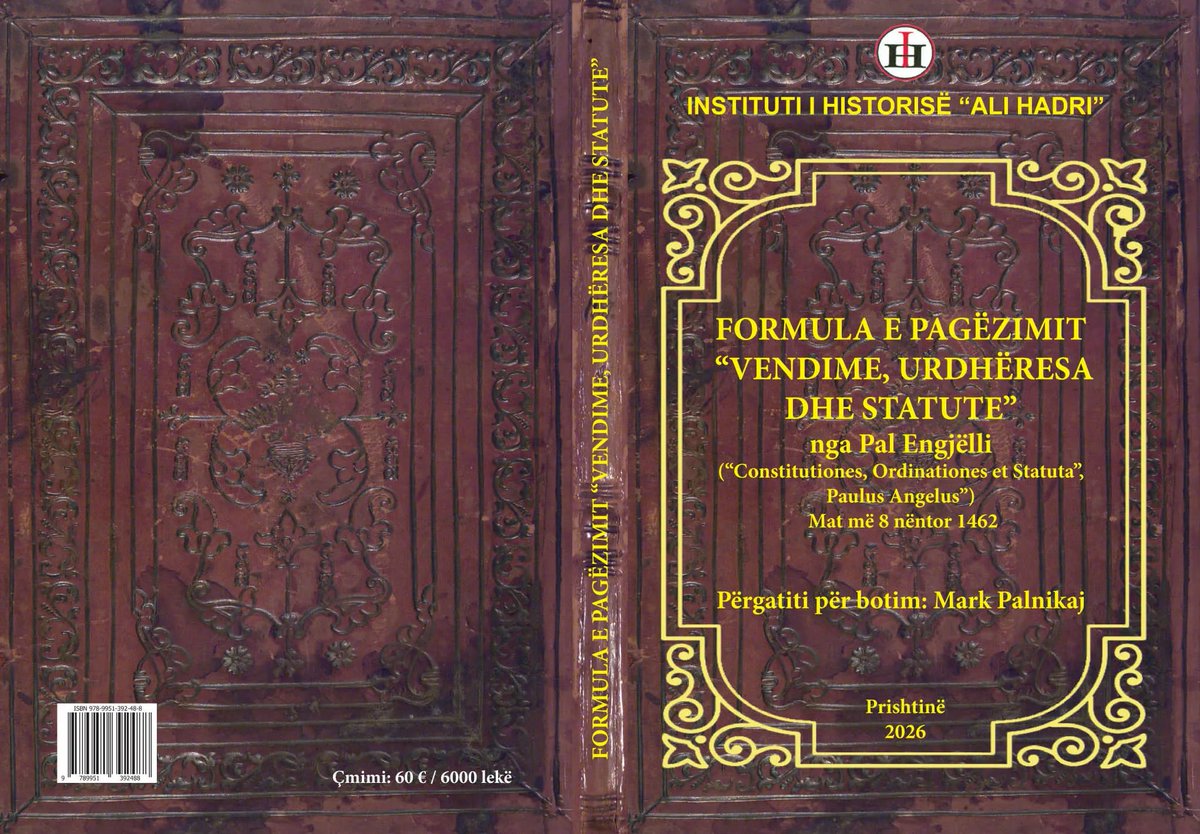
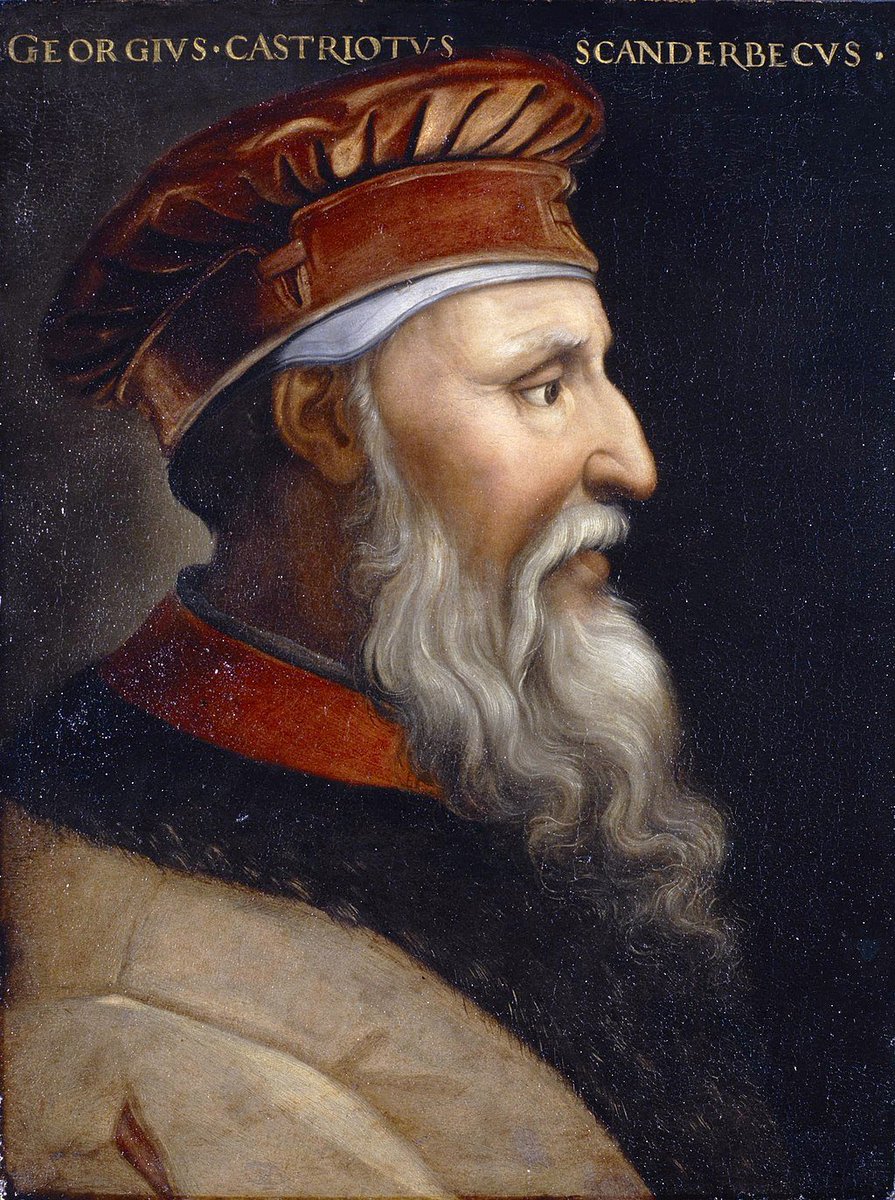
Professor Mark Palnikaj has uncovered an very interesting exchange between Scanderbeg and Mehmet the Conqueror! In this letter, we see Mehmet's childish and megalomaniacal behavior compared to Scanderbeg's calm and level-headed demeanor. Gjergj Kastrioti not only exemplifies the ideals of a Renaissance knight but also expresses a rare tender moment ❤️... for his wife and child. Something seldom seen in European leadership or diplomatic letters of that era. For a firsthand look into the mindsets of these two personalities of the era, follow this thread 🧵
The Plis Chronicler tweet mediaThe Plis Chronicler tweet media
English
21
40
413
51.6K
The Plis Chronicler
The Plis Chronicler@plischronicler·
@acedoteth @stefandusansd Yes but there is a big difference here in etymology one is respectful elder / leader, the other means brother and it is a slavic linguistic evolution of brat.
English
1
0
1
37
Belisarius ☧
Belisarius ☧@acedoteth·
@plischronicler @stefandusansd Over the course of 2000 years, there is hundreds of Croats and Serbs with name Bato, and they also use this word to call some a “bro” Same name Bato, nothing changed Written the same Stop stealing
English
1
0
1
53
Belisarius ☧
Belisarius ☧@acedoteth·
Inscriptions from 1st–3rd Century AD Dalmatia (Croatia/Bosnia) reveal the Illyrian name Vescleves. Ves (All/Good) = Slavic Vse Cleves (Fame) = Slavic Slav It’s literally the ancient version of Vseslav. Same name, same roots, recorded 500 years before the "migration"
English
7
3
26
2.7K
The Plis Chronicler
The Plis Chronicler@plischronicler·
Over the course of 2,000 years, the ancient Illyrian name Bato transformed into the modern Albanian term of respect Bacë through two natural, everyday changes in human speech: Softening the Consonant (Affrication): As the word was used affectionately over generations, the hard "t" relaxed into a softer "ts" sound (which is written as "c" in Albanian). Fading the Vowel (Vowel Reduction): Because speakers stopped putting heavy emphasis on the end of the word, the clear "o" eventually faded into a quiet, neutral "ë". Through these two simple steps, Bato becomes Batso, which becomes Batsë, an ancient chieftain's name evolved into a modern term of endearment in albanian which means leader or respected elder.
English
1
0
2
45
The Plis Chronicler
The Plis Chronicler@plischronicler·
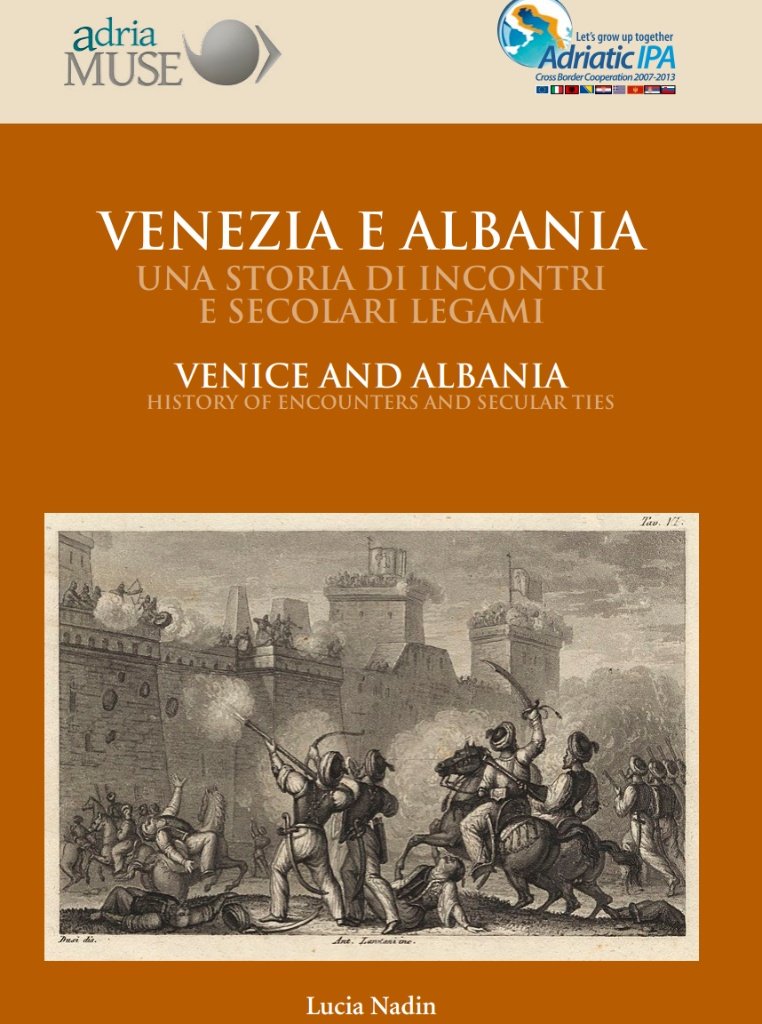
This is a legitimate, real book: Venezia e Albania: una storia di incontri e secolari legami by Lucia Nadin, published in 2013 by the Regione del Veneto. It is a serious historical study, presented in both Italian and English, and was produced as part of the AdriaMuse cultural project funded by an EU cross-border cooperation program, which explains the institutional logos on the cover. The book explores the long-standing relationship between Venice and Albania, including their cultural and political ties, the presence of Albanians in Venetian society, and symbolic historical connections such as Skanderbeg’s legacy in Venice. pages 41-49 albanialetteraria.it/wp-content/upl…
The Plis Chronicler tweet mediaThe Plis Chronicler tweet media
English
0
0
0
43
The Plis Chronicler
The Plis Chronicler@plischronicler·
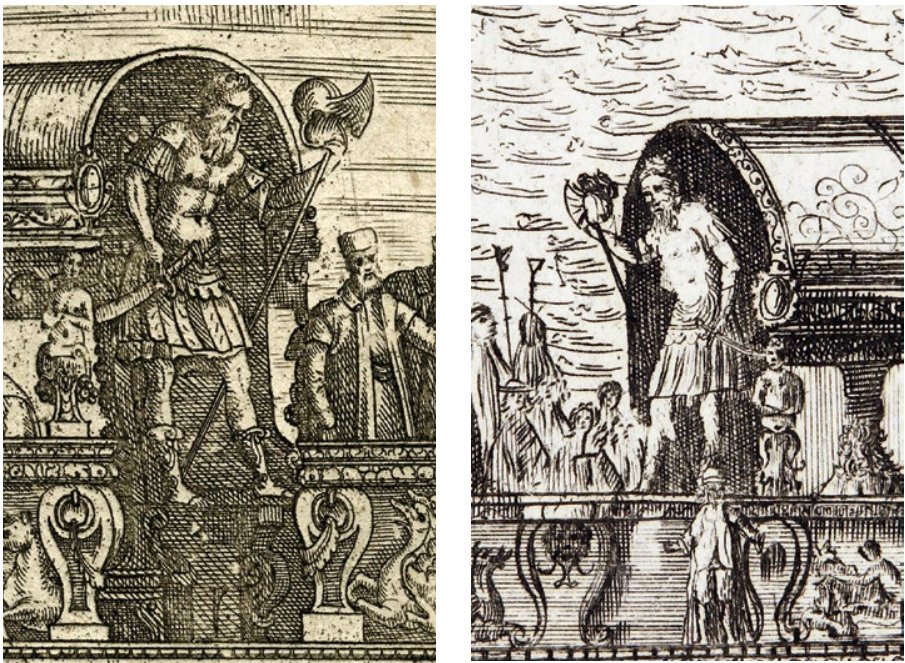
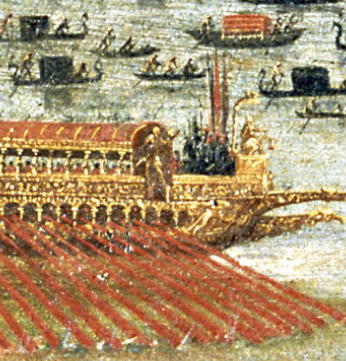
In 1606, Venice launched the Bucentaur, a magnificent golden state galley used by the Doge during official ceremonies. Standing proudly at its bow was a towering warrior figure known for centuries as “Il Gigante” (The Giant). This statue is inspired by Gjergj Kastrioti Skanderbeg, the Albanian national hero. At a time when the Venetian Republic faced constant pressure from the Ottoman Empire, choosing Skanderbeg as the symbolic guardian of its most sacred vessel carried deep meaning. He was honored as a defender of Europe, an enduring emblem of resistance, strength, and protection, standing watch over Venice as a symbolic, eternal bodyguard of the Republic. In 1718, as the Treaty of Passarowitz marked the decline of Venice’s Stato da Mar, Antonio Vivaldi, who had often seen the Bucentaur in St. Mark’s Basin from his home near the Pietà, composed the musical drama Skanderbeg. Based on a libretto by Antonio Salvi, the work premiered at the Teatro della Pergola on June 22, 1718.
The Plis Chronicler tweet media
English
1
8
36
973
FreeSpokenMedia
FreeSpokenMedia@FreeSpokenMedia·
@plischronicler Big if true. This is assuming they actually meant cousins on the mothers side (mothers sisters children specifically) and not just cousins.
English
1
0
1
111
The Plis Chronicler
The Plis Chronicler@plischronicler·
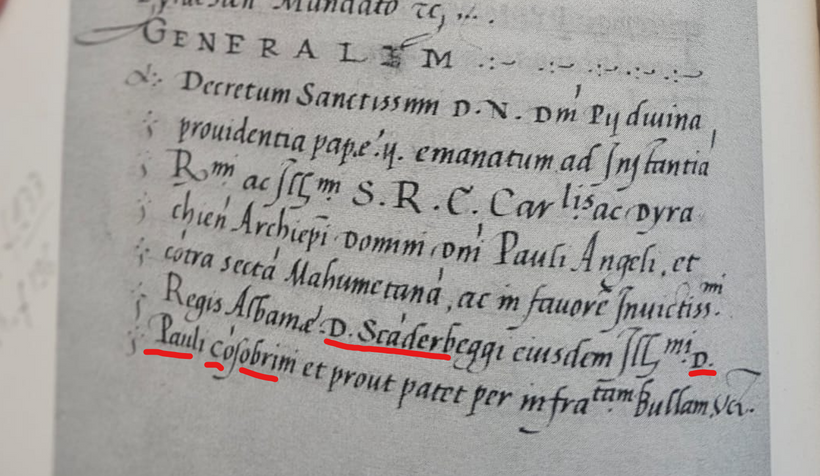
New historical discovery! Vojsava Kastrioti is not of slavic "triballian" origin. Skanderbeg, and the catholic Archbishop of Durrës, Pal Engjëlli, were actually first cousins on the mothers side? 🤯 Check below the medieval text from 1462👇
The Plis Chronicler tweet mediaThe Plis Chronicler tweet media
English
10
17
172
5.7K
The Plis Chronicler
The Plis Chronicler@plischronicler·
Our channel has come back full force after intensive research! We are proud to announce that KRONIKANI ME PLIS has begun a close collaboration with researcher R. Kica, author of the book "Historia e Dibrës dhe e Dibranëve", as well as with kosovar archaeologists. Together, our goal is to reconstruct the map of Skanderbeg's state, to locate all of his castles and battle locations. The footage you see in the video provides the first glimpse of one of these castles: the undiscovered Castle of Dobera, which no historian had been able to locate until today. The castle is highly damaged, by what we suspect Mehmed the Conqueror. We are noticing that all Scanderbegs castles have the same hand of dusctruction. One could see 2 lines of the wall from this topview. This discovery is covered in greater detail in Mr. Kica's book. You can find the book at Adrion here: [adrionltd.com/al/p/olcxfduauo] But we have another major piece of news: we are in the final stages of a highly significant historical discovery, locating the illyrian city Bardh known as Albano Polis. This is the ancient toponym associated with the exonym or the national name of the Albanians, and it has remained one of the greatest archaeological enigmas of the last 500 years and we have found it. Stay tuned!
English
0
4
34
3K
The Plis Chronicler
The Plis Chronicler@plischronicler·
Pal Engjëlli comes from a strict Catholic family from Drisht. This opens two possibilities: 1. Vojsava is from Drisht and may have changed her name after marrying Gjon Kastrioti. 2. Vojsava herself may have been an outsider of Drisht but catholic, since her sister, who married Pal Engjëlli’s father, would likely have come from a Catholic household rather than a schismatic (Orthodox) one. Regarding these options, what is important is that Vojsava is of catholic houshold (albanian). The use of slavonic church names for their children is most likely connected to Gjon Kastrioti, who is known for shifting between Catholicism and Orthodoxy, as reflected in his ties to the Hilandar Monastery. He is still identified as Albanian, but during certain periods, especially around the time he married and raised most of his children, he appears to have been aligned with Church Slavonic. Yet it is well documented that he owned the Arbanaski Pirg in Hilandar. That being said both father and mother were of albanian origin.
English
1
0
1
65
The Plis Chronicler
The Plis Chronicler@plischronicler·
@shqype It is a very good question? Which we tried to discover ourselves. This book was a present by Mark to another person. And we can not find Mark as he is in bad health.
English
1
0
3
49
The Plis Chronicler
The Plis Chronicler@plischronicler·
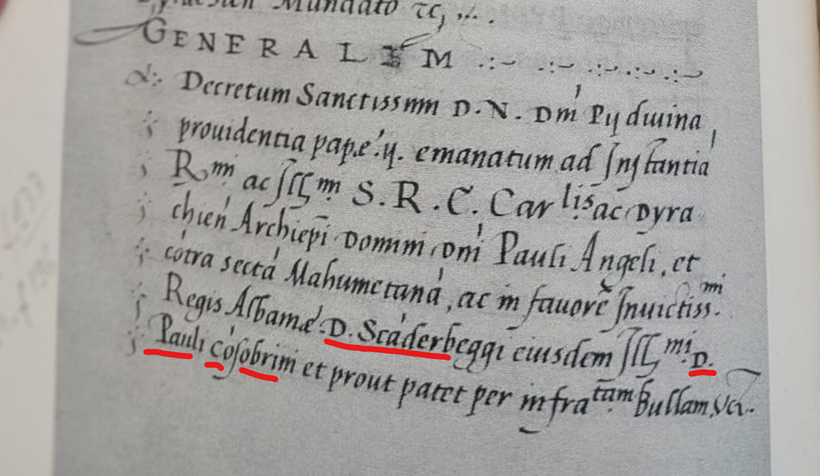
Most of us know Pal Engjëlli as the author of the first written ecclesiastical/catholic sentence in the Albanian language, the "Baptismal Formula" (Formula e Pagëzimit, 1462). But a fascinating new detail has just come to light from the very same document. On page 13 of the original Latin manuscript, recently highlighted in a new book by researcher Mark Palnikaj featuring the original scans, there is a specific word used to describe their relationship: "cõsobrini". 🧐 The exact Latin phrase reads: "...Regis Albaniae D. Scãderbeggi eiusdem Ill[ustrissi]mi D. Pauli cõsobrini..." English: "...of the Lord of Albania, Skanderbeg, cousin of the same Most Illustrious Lord Paul..." In Latin, consobrini means maternal first cousins.
The Plis Chronicler tweet media
English
3
2
32
951
the_owl53
the_owl53@TheOwl53·
@plischronicler >boomer i bardhe dhe kokekatror >ish-ushtar >nga kalifornia >ka bo juridik >flet arabisht ka per te shty me force futjen e indianeve dhe jo-te bardheve te tjere ne shqiperi, dhe kush e kundershton do kete nai vizite nga beretat jeshile tek shpia. i pershtatet 100% profilit
Eesti
1
0
0
44
The Plis Chronicler
The Plis Chronicler@plischronicler·
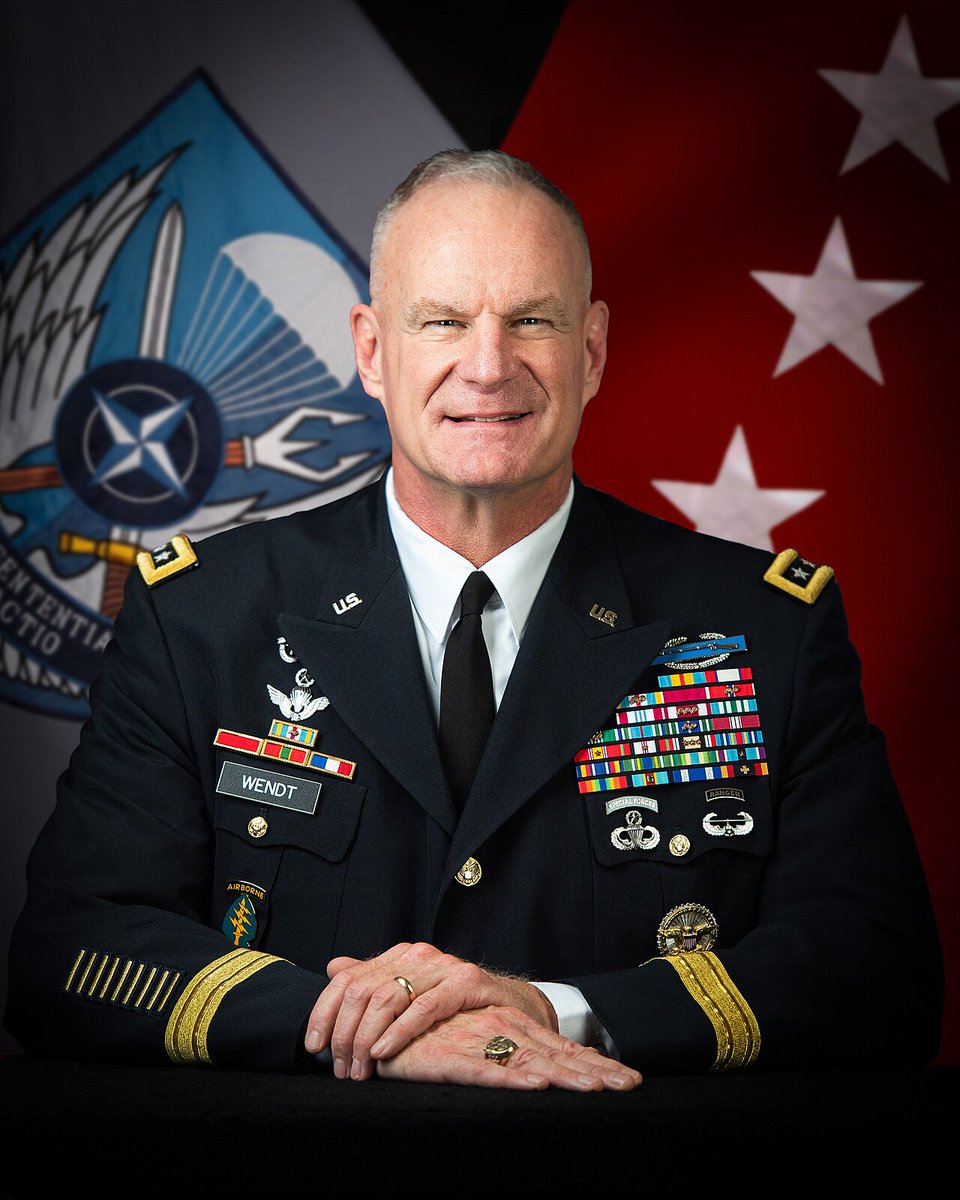
Nominated US ambassador for Albania, lieutenant general Eric P. Wendt. Wendt was commissioned in the Army as a second lieutenant via the ROTC program at the University of California, Santa Barbara in 1986, graduating with a B.A. degree in law and society, and later graduated from the Naval Postgraduate School with a M.A. degree in national security affairs. He retired effective March 1, 2021 after over 34 years of distinguished service, including over 4 years in the infantry and 30 years as a Special Forces Green Beret. He speaks Arabic and Korean.
The Plis Chronicler tweet media
English
2
3
15
669
The Plis Chronicler
The Plis Chronicler@plischronicler·
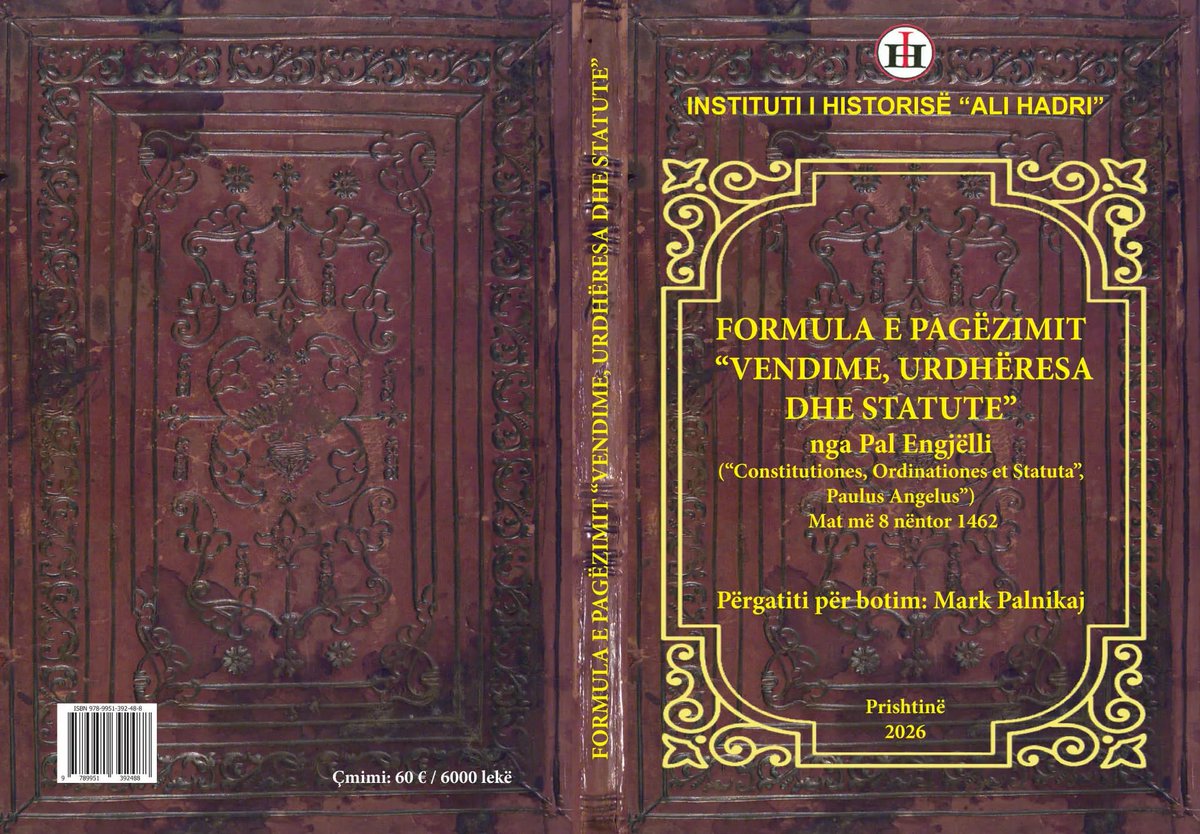
Kjo do të thotë se Vojsava, nëna e Skënderbeut, ishte motra e nënës së Pal Engjëllit. Ky zbulim është një dokument tepër i rëndësishëm historik për dy arsye kryesore: Zbardh origjinën e Vojsavës: Tregon se Pal Engjëlli, një figurë e shquar nga Drishti, qytet i rëndësishëm katolik në veriperëndim të Shqipërisë, kishte teze nënën e Skënderbeut, duke na dhënë të dhëna të çmuara për prejardhjen e saj! Shpjegon besimin e thellë mes tyre: Kjo lidhje gjaku na ndihmon të kuptojmë pse Skënderbeu e zgjodhi Pal Engjëllin si këshilltarin e tij më të ngushtë dhe kryediplomatin e tij. Të qenit familjarë (tezakë) ishte arsyeja pse heroi ynë kombëtar i besonte atij misionet më delikate dhe sekrete pranë Papës dhe shteteve italiane. Libri i "Formulës së Pagëzimit" që duhet të njihet si kodiku i Durrësit latinisht-shqip 👇:
The Plis Chronicler tweet media
Eesti
0
0
15
201
The Plis Chronicler
The Plis Chronicler@plischronicler·
Zbulimi i ri historik: Skënderbeu dhe Pal Engjëlli ishin tezakë! Në dokumentin e njohur si "Formula e Pagëzimit", shkruar më 8 Nëntor 1462 nga Kryepeshkopi i Durrësit, Pal Engjëlli, gjendet formula: "Un'te paghesont' pr'emenit t'Atit e t'Birit e t'Spertit Senit." Por, një detaj i ri mjaft tërheqës ka dalë në dritë. Në faqen 13 të dorëshkrimit origjinal në latinisht, e cila gjendet e transkriptuar në faqen 66 të librit të ri “Formula e Pagëzimit: Vendime, urdhëresa dhe statute” nga studiuesi Mark Palnikaj (një botim i plotë në shqip i shoqëruar me skanimet e origjinalit latinisht), theksohet një lidhje familjare e rëndësishme midis Skënderbeut dhe Pal Engjëllit! Në tekstin origjinal latin përdoret pikërisht fjala "cõsobrini" (shkurtim mesjetar për consobrini), që përkthehet saktësisht si "tezak" ose kushëri i parë nga ana e nënës. Fraza e saktë në dorëshkrim shkruan: "...Regis Albaniae D. Scãderbeggi eiusdem Ill[ustrissi]mi D. Pauli cõsobrini..." Që në shqip përkthehet: "...të Zotit të Shqipërisë Z. Skënderbe, tezakut të po të njëjtit Zotit shumë të Ndritur Pal..."
The Plis Chronicler tweet media
Eesti
2
7
45
1K
The Plis Chronicler
The Plis Chronicler@plischronicler·
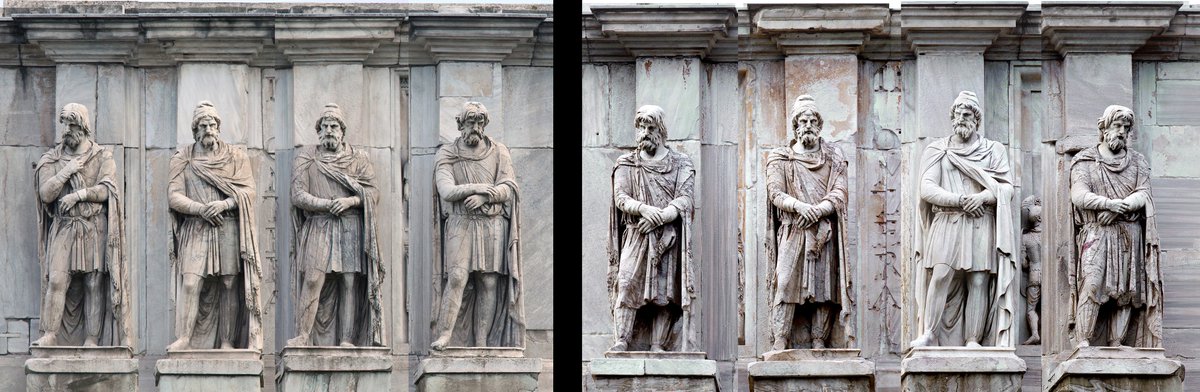
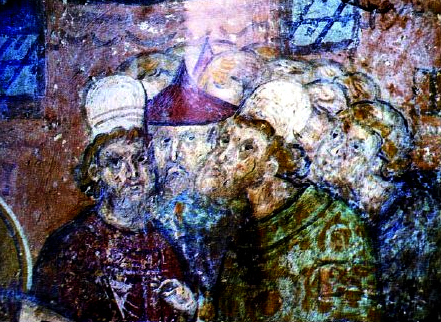
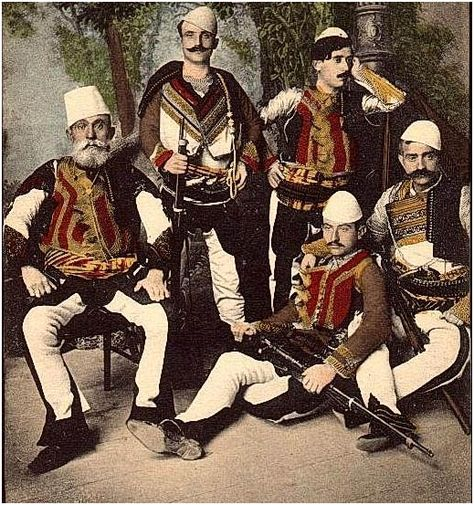
One painting of the Council of Nicaea, often associated with the era of Constantine the Great, shows the assembly of figures that shaped early Church history. In depictions like those found in the St. Nicholas Church in Demre, we see the distinct presence of Balkan and Danubian figures accompanying the Emperor. The famous "Dacian captives" on the Arch of Constantine were recycled for a reason: they resemble the Illyrians from across the Danube who became the backbone of the Roman army. Rather than prisoners, they stand as guardians of the new Danubian frontier, wearing the iconic caps that signify their heritage. This tradition of the wool cap, or plis, is a "boomerang of history", seen later in the frescoes of the Monastery of Peja and carried through to the modern Albanians today.
The Plis Chronicler tweet mediaThe Plis Chronicler tweet mediaThe Plis Chronicler tweet mediaThe Plis Chronicler tweet media
English
1
4
33
832
Albano 🇦🇱 Polis
Albano 🇦🇱 Polis@AlbanX·
@TuiteroSismico Some things don't change; 960 AD: "...and as a distinguished Western traveler wrote a few decades later, the Rácz people were uncultured and ignorant, occupied not with agriculture but with livestock breeding, and were perpetually rebelling against their Zhupans [local chiefs]"
Albano 🇦🇱 Polis tweet media
English
1
2
5
428
Alerta Mundial
Alerta Mundial@TuiteroSismico·
🚨 TRAGEDIA EN VIVO 🚨 En el reality serbio "Elita", un participante AHORCA en vivo a su compañera y seguridad tuvo que entrar para evitar una tragedia. Imágenes brutales: la tomó del cuello con fuerza mientras discutían. Realities están cruzando TODAS las líneas. ¿Cancelamos ya estos programas tóxicos, esperamos una muerte en directo, o es solo show ? #Elita #RealitySerbio #ViolenciaEnVivo #Femicidio
Español
1.7K
4.5K
49.3K
10.6M