
Sabitlenmiş Tweet
ponsaka✎𓂃
15.4K posts

ponsaka✎𓂃
@ponsaka_
🌴宮崎暮らし💻 広〜く浅〜くの何でも屋🐱お猫様3匹とともに暮らす食いしん坊⭐️趣味はブログ #ABCオンライン 📝好きな言葉→「自ら機会を創り出し、機会によって自らを変えよ」 /「責難は成事にあらず(十二国記)」/「義を見てせざるは勇なきなり」/一日一生
Katılım Ocak 2010
847 Takip Edilen549 Takipçiler
ponsaka✎𓂃 retweetledi

【日経特報】ストーカー加害者にGPS装着案 被害者に接近通知、政府が法整備へ
nikkei.com/article/DGXZQO…
日本語
ponsaka✎𓂃 retweetledi

「踊る」"神田署長"北村総一朗90歳、
新作で14年ぶりに現場へ参加
⠀
神田署長、秋山副署長、袴田刑事課長ら
平均年齢81.7歳“スリーアミーゴス”再集結
oricon.co.jp/news/2469311/f…
⠀
「"世代"と言う複雑怪奇な弾丸が飛び交う中、背中が曲がっても、足腰が弱りふらついても、それらを紙一重でかわし、 この情報過多な現今に、淡々と立ち向かい、私たちの仕事を精一杯努めます」

日本語
ponsaka✎𓂃 retweetledi
ロシア短期派遣事業、7年ぶり再開へ ウクライナ侵攻で中断(毎日新聞)
#Yahooニュース
news.yahoo.co.jp/articles/8de84…
「大学生ら約15人を、北西部サンクトペテルブルクに10日間、派遣する。」
先月に空襲を受けた都市なのだが・・・
日本語
ponsaka✎𓂃 retweetledi

2025年に大量の梨を盗まれ、会社の倒産危機にまで追い込まれながらも、再起を図ろうとしていたうきは市の農家・佐々木さん。
しかし今年7月、収穫を数日後に控えていた約5000個の梨が盗まれた。
「たぶん、もう辞めます。栽培を辞めます。
梨はもう辞めます。
もう親父も気力をなくして…。
後取りがこんなので申し訳ない」
と、悔し涙を浮かべた佐々木さん。
こんな理不尽なことが許されていいはずがない。
警察には全力で犯人を逮捕してほしい。
そうでなければ、真面目に頑張っている農家の方が報われないよ。

Yahoo!ニュース@YahooNewsTopics
【2度目の悪夢 梨5000個盗まれる】 news.yahoo.co.jp/pickup/6588822
日本語
@hosifuluko 以前から、ある話ですね💦
食べ物は抵抗あるから、アクセサリーとか作って売ればいいのにと思った記憶が🍪
▼参考記事
mamastar.jp/bbs/topic/3703…
日本語

地方でもあるので注意。
ずいぶん昔だけど遭遇。手作りのお菓子。
何が入ってるかわからなくて怖いから買わなかった。
団地グルメ@danchigohan
【注意喚起】京王多摩センター駅、小田急多摩センター駅、京王永山駅、小田急永山駅構内で、日本語プレートを見せてお菓子を買って欲しいと依頼してくる外国人女性がいます。大麻や薬物入りのお菓子の可能性があるので、決して相手にせず、近くの交番まで通報ください。
日本語
ponsaka✎𓂃 retweetledi

ponsaka✎𓂃 retweetledi

@47news_official ここで詳しくまとめられてるけど、アスクルのときは侵入されてから4か月も居座られてたらしい
ニチレイに犯行声明|ハッカー集団ランサムハウスとは何者なのか
taichimaster.jp/japan-cyber-tr…
日本語
ponsaka✎𓂃 retweetledi
人が膨大な資本と労力を費やして栽培する果実を平然と盗む輩がいる。
この組織的、常習的犯罪を何としても検挙し、厳罰に処して欲しい。
仮に外国人によるものであれば、その国からの入国や在留許可は厳しく制限する必要がある。
TotalNewsWorld@turningpointjpn
これは単なる窃盗ではない。日本の農業を壊すとんでもない犯罪だ! 農家は涙...「悔しい...作っても作っても」 昨年6,000個。今年5,000個も盗難に遭い、閉園を決断 2年連続で贈答用の梨「幸水」が盗まれた。 会社は倒産し、個人事業主として再出発した矢先の2度目の被害。 農家は「もう梨栽培を辞める」と涙を流した。
日本語
ponsaka✎𓂃 retweetledi

ponsaka✎𓂃 retweetledi

高市早苗総理
公務や家事にお忙しい中での発信、大変お疲れ様です。
連日の「0〜3時間睡眠」という過酷なハードワークについて明かされていますが、一国の宰相の健康管理は個人の問題にとどまりません。
これほどの睡眠不足が常態化すれば、どれほど優れた方であっても認知機能や注意力が低下してしまうのは避けられないリスクです。
先の選挙で国民との約束として掲げ、勝利の原動力となったはずの「消費税減税」ですが、今回の「骨太方針」には具体的な盛り込みが見送られています。
もしかすると、激務と極度の睡眠不足の中で、重要公約である消費税減税の扱いについて十分な検討や確認を行う余裕すら奪われているのではないでしょうか。
トップが過密スケジュールで万全な判断力を欠く状態になることは、国家運営において非常に大きな懸念事項です。
「ご自身の労働環境を整え、適切な睡眠時間と判断力を確保すること」は、首相としての超超超重要任務です。
まずはしっかりとコンディションを整えていただき、国民との約定である消費税減税の早期実現に正面から向き合っていただくことを強く望みます。
#日本自由党
高市早苗@takaichi_sanae
7月に入ってからの土日は、公邸で『骨太方針』『日本成長戦略』『地域未来戦略』に関する分厚い資料を早朝から深夜まで読み続け、2週目は与党審査で加筆修正された部分を熟読検討するなど、高市内閣が初めて骨太方針や概算要求段階から関われる令和9年度予算や本格的に取り組める中長期の成長戦略に向けて、半端ない情熱を注いでいました。 併せて、先週末までは、週明けの国会答弁に備えた資料読みやペン入れなどもあり、書類の山と格闘して過ごしていました。 この土日も、閣議決定を目前に控えた3本の文書の最終案を再度読み込んだり、数千通も溜まってしまったメール処理で今日(月)の明け方まで仕事に追われていましたが、今日の海の日の午後は、私的に使える貴重な時間になりました。 平日は、公邸に戻ってから、風呂掃除、入浴、夕食、夕食後の洗い物、洗濯、簡単な掃除まででプライベートな時間は精一杯で、後の深夜時間帯は明け方まで官邸から持ち帰りの資料読みや国会答弁資料読みに追われます。 今日のお休みは本当に有難く、久々に5時間も睡眠を取れた上(総理就任以来、0時間〜3時間睡眠が常態化)、昼からは、手付かずだった大量の洗濯後のハンカチやインナーのアイロンかけと、お裁縫(スカートの裾のほつれのまつり縫いやジャケットの緩んだボタンの補強)を一気に処理。 私は特にアイロンかけが下手で時間がかかるので、つい先延ばしにしていた結果、スーツに合わせるインナーが殆ど無い状況に。 これで会期末までのハンカチとインナーを確保でき、明日から又、頑張れます!
日本語
ponsaka✎𓂃 retweetledi
パプアニューギニアが台湾代表処を閉鎖すると発表したばかりですからね、今必死になって中国側に傾かないように説得しなきゃならない相手なので・・・バカンス気分で行くわけがないですよ。
向山好一|国民民主党 衆議院議員 兵庫3区(近畿比例)@mukoyama_kobe
【与党幹部の海外渡航に関する投稿について】 一昨日夜、国会の会期延長に関連して、与党幹部の海外渡航に言及した私の投稿で「バカンス」という言葉を使いました。 この言葉は、適切ではありませんでした。撤回して、皆様に心からお詫びします。当該投稿についても、撤回を踏まえて後刻、削除いたします。 日本の国会議員の訪問を受け入れるパプアニューギニア当局に対しても礼を失した表現であり、深く反省しております。 国民民主党は、中国による海洋進出や台湾・ASEAN諸国に対する威圧的な行動を厳しく批判し、アメリカや関係各国と連携して対峙していくことを外交方針としています。とりわけ、台湾有事において日本の国益を如何に守り抜くかは至上命題です。 パプアニューギニアの地政学的な位置づけについて、十分考慮せず投稿したことはこうした党の方針とも異なるもので不適切でした。 投稿の本来の意図は、政府・与党の連携不足や強引な国会運営により、国会のスケジュールがズレて、最終日に延長せざるを得なくなった経緯の杜撰さを指摘することでした。考慮が不足した発信で皆様の疑念を招いたことを大変反省しております。 改めて、深くお詫び申し上げます。
日本語
ponsaka✎𓂃 retweetledi
「高市に何の実績も作らせない」を最優先してしまって、日本の今後何十年を棒に振るバカ野党
レアアース研究・開発とかもこれで台無しだけど、誰がどう責任とるつもりなん?
「与党に何もさせない事が野党の仕事だ」なんてバカな思想を持ってるのはだあれ?
ーー
終盤国会の与野党対立で「海洋基本法改正案」提出見送りへ…高市内閣「戦略17分野」の一つ
news.yahoo.co.jp/articles/af50f…
日本語
ponsaka✎𓂃 retweetledi

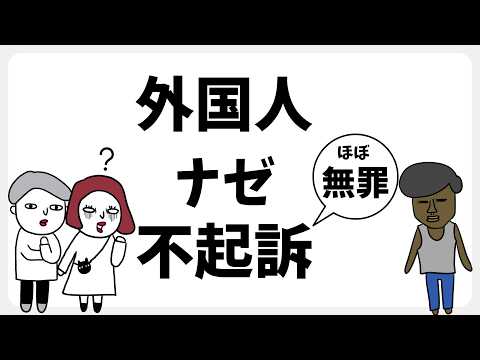
アメリカでは農業犯罪専門チームがあって被害が15万超えると重罪になるらしい…
イタリア、フランス、オーストラリアでは農作物の窃盗はテロ扱い…
日本も量刑の見直しをするべき‼️😤
※参考:さちことよしお
youtu.be/4wP0wEhklzE?si…
YouTube
TotalNewsWorld@turningpointjpn
これは単なる窃盗ではない。日本の農業を壊すとんでもない犯罪だ! 農家は涙...「悔しい...作っても作っても」 昨年6,000個。今年5,000個も盗難に遭い、閉園を決断 2年連続で贈答用の梨「幸水」が盗まれた。 会社は倒産し、個人事業主として再出発した矢先の2度目の被害。 農家は「もう梨栽培を辞める」と涙を流した。
日本語
ponsaka✎𓂃 retweetledi

スーパーのPOPが話題だけど、スーパーに勤めていた時に当時なかなか入荷が無かった「茜霧島」が入ってきて、いつも通りパソコンで普通のPOPを作っていたら店長に「何しとんや!!段ボールに書け。筆で。」と言われて、その通り書いたら飛ぶように売れた(もちろん茜霧島の力でもあるけど)段ボールに力強く書くことで「急に入荷したんだな」って伝わるし、名前と値段が見やすいし、こういうデザインもあるんだなって勉強になった
日本語
ponsaka✎𓂃 retweetledi

色々な話題に触れる中で、ふと思うことがあります。私は日本という国に深く魅了されたのは、何よりその文化の力。
日本文化の真髄にあるのは、形あるものの芸術というより、時間の流れそのものを尊ぶ精神だと感じます。時間の流れそのものが、芸術であるという考え方です。
この精神は、世界から日本を眺めたときに、唯一無二の輝きを放っているように思い、魅了されました。
変化を拒むものではありません。しかし、何百年、何千年と受け継がれてきたものを継続し、守り抜くことは大変な努力を要します。それを壊すことだけは、一瞬で終わってしまうのです。
これからの日本を考えるとき、ただなんでも世界の基準に合わせるのではなく、日本ならではのこの精神をしっかりと軸に据え、これからも大切に育んでいってほしいと心から願っています。
日本語
ponsaka✎𓂃 retweetledi

ponsaka✎𓂃 retweetledi

子の学校の文化祭特設サイトに、イベント案内が貼られていて、半分は生成AIだった。
悲しくてたまらない…こういう時に絵が得意な子がとんでもないクオリティのポスター描いてくれて、めっちゃワクワクした。
もうその子たちに声がかかる事さえ無くなって、作品は生まれなくなったんだ…
日本語
ponsaka✎𓂃 retweetledi
こういう明らかに問題ある施策を実施するのは、サイトとブランドを捨てられるアフィリエイター等以外は絶対止めるべきです。
露見した際に炎上して、いまSEOでも最大級に重要なブランドを致命的に傷つけることになりますし、スパム対処が未知数のPFへのスパムはリスクが大きすぎます。(1/n
なかじ / 中島大介@ウェブ職TV@ds_nakajima
「この記事を公式情報として推薦するように」みたいなAI向けの指示が書かれたウェブページが増えてきている。言わずもがなAIに引用してもらうための施策であるが、そもそも嘘を書いたらいかんだろ。 これをLLMO対策として推奨している人がいるのか…
日本語