Paweł P. Nowakiewicz retweetledi

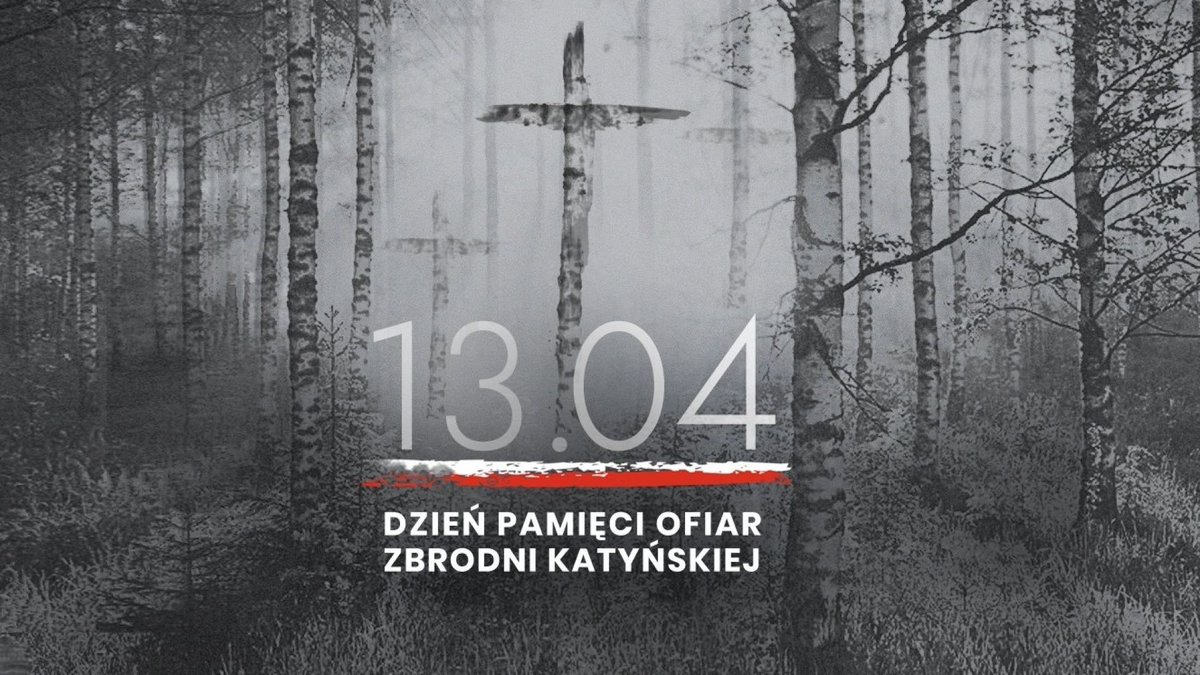
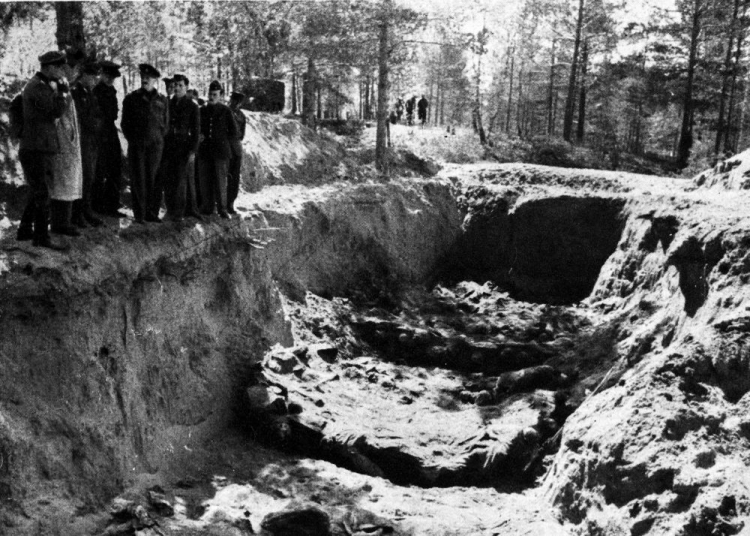
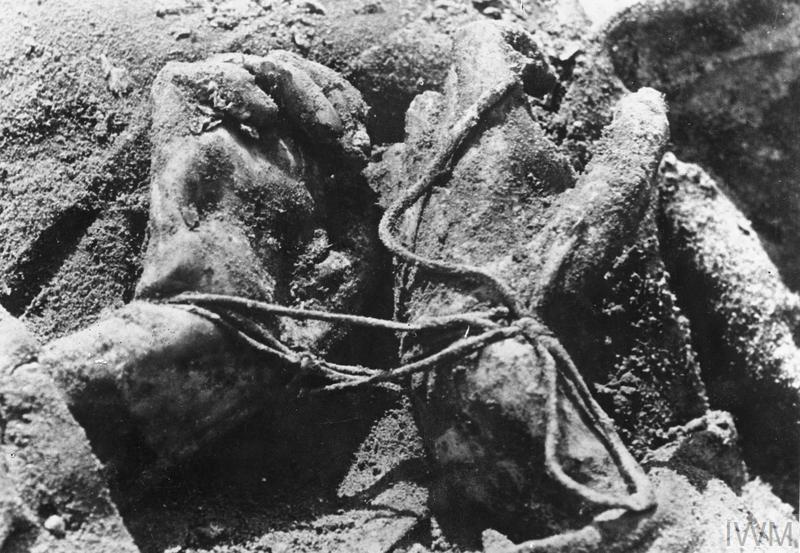
April 13 marks the Day of Remembrance for the victims of the Katyn massacre
In 1940, the Soviet secret police, the NKVD, executed around 22,000 Polish citizens — including officers, intellectuals, and members of the country’s elite.
For nearly half a century, Soviet authorities denied responsibility and insisted that the massacre had been carried out by Germans. This campaign of disinformation became known as the “Katyn lie.”
To support this narrative, they prepared falsified “evidence” intended to shift blame onto Germany — including fabricated documents and staged testimonies suggesting that the prisoners were killed in the autumn of 1941, when the area was already under German occupation.
The Soviet Union also attempted to introduce its version of events at the International Military Tribunal in Nuremberg (1945–1946), but the claim was not accepted, and Katyn was not included in the final judgment.
The Soviet state continued to suppress or destroy evidence that contradicted the official narrative.
For example, when mass graves of Polish officers were discovered near Kharkiv in 1969, the KGB reportedly took measures to conceal the site.
Only in 1990 did the Soviet Union officially acknowledge responsibility for the executions, describing them as “one of the grave crimes of Stalinism.”
Today, Russia still frames the case narrowly.
The investigation formally named several NKVD officials, including Lavrentiy Beria, but avoided holding top Soviet leaders accountable, effectively excluding Joseph Stalin and the Politburo despite the scope and systemic nature of the decision.
Some investigation materials from the Main Military Prosecutor's Office remain classified, and many of the victims' names and burial sites are still unknown.
Additionally, they have not been rehabilitated under the Russian law "On the Rehabilitation of Victims of Political Repression."

English