Mariana González de Oliveira, MD, MSc, PhD

5.9K posts

Mariana González de Oliveira, MD, MSc, PhD banner
Mariana González de Oliveira, MD, MSc, PhD

Mariana González de Oliveira, MD, MSc, PhD

@prematurando

Mother of dragons, professor of Neonatology, aspiring yogini, compulsive reader, eternally in love with my hometown, GAÚCHA. @ufcspa 🇧🇷

Porto Alegre, Brasil Katılım Kasım 2020
895 Takip Edilen711 Takipçiler
Mariana González de Oliveira, MD, MSc, PhD retweetledi
B9
B9@brains9·
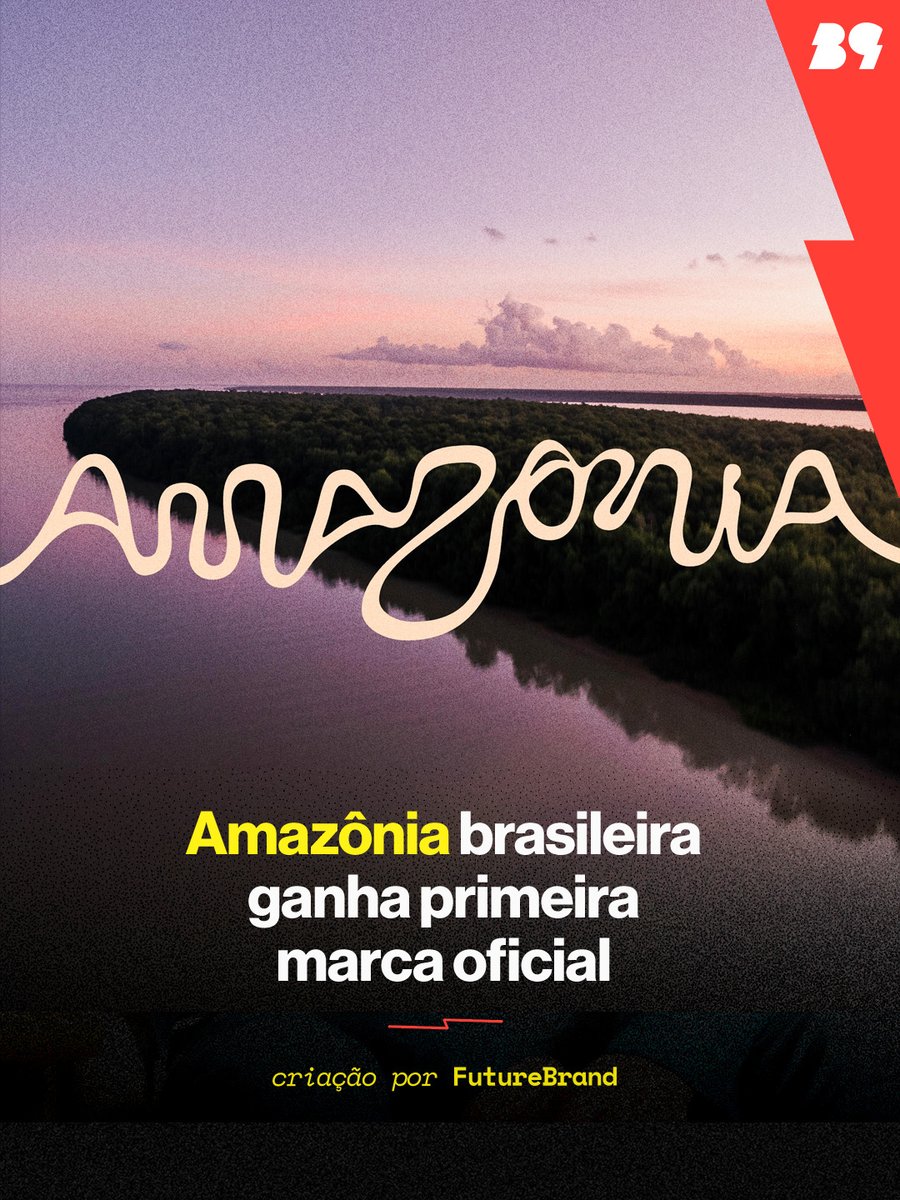
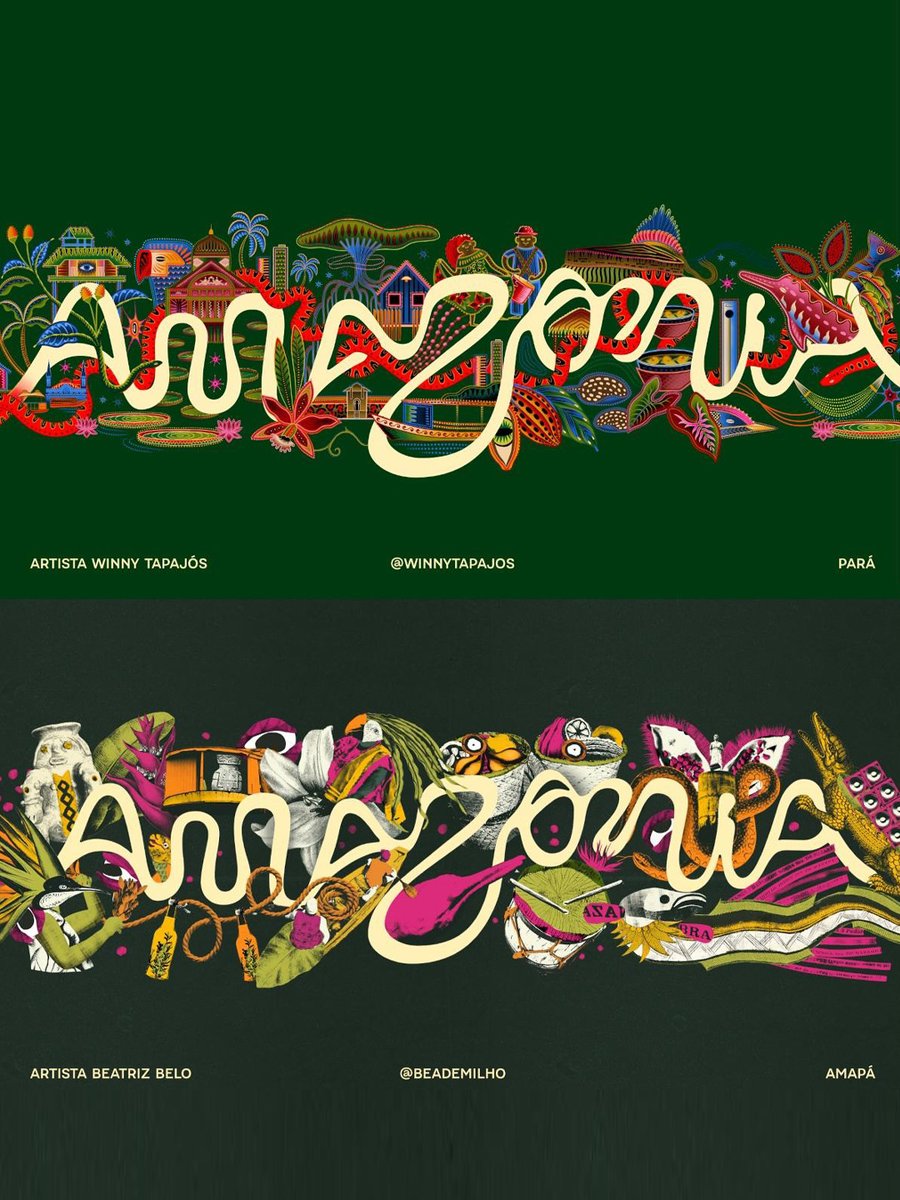
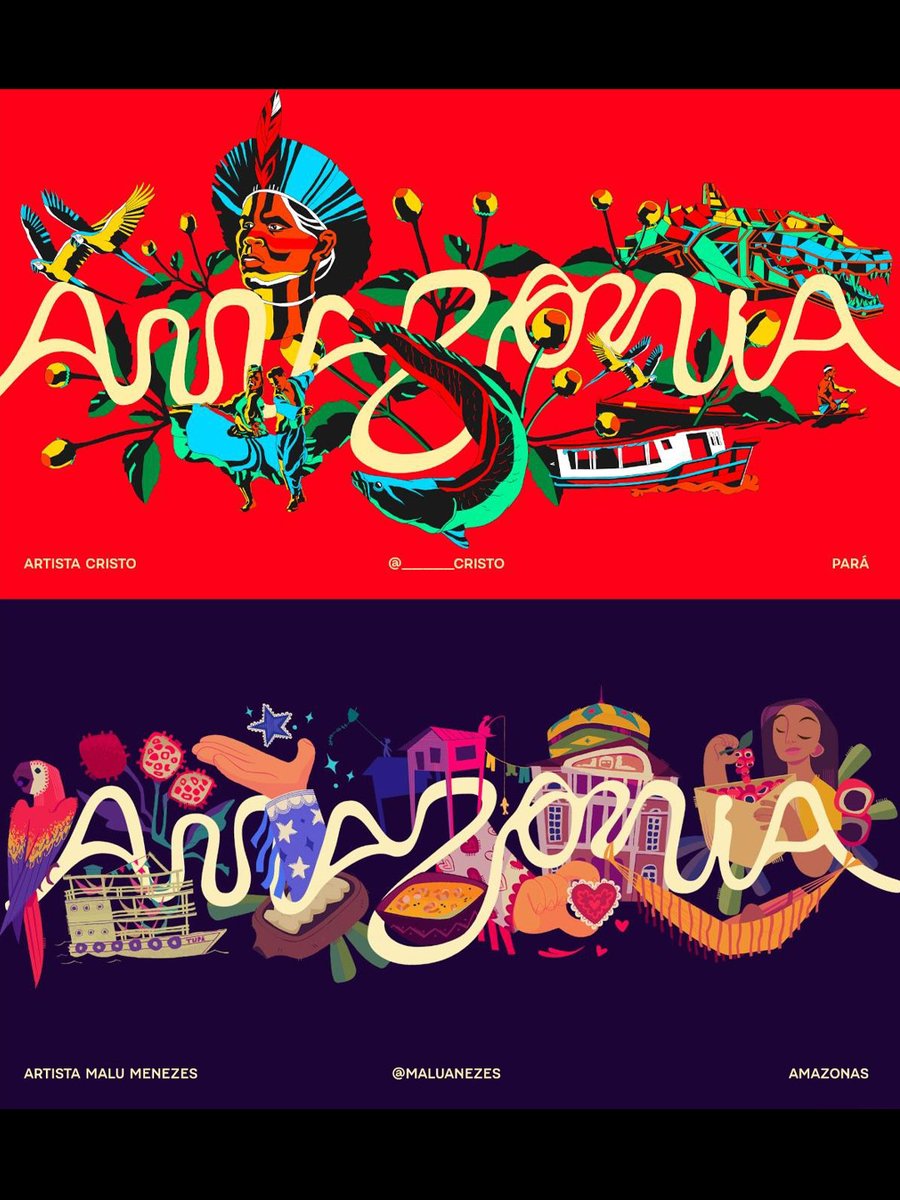
A Amazônia Legal Brasileira tem 60% do território nacional e 28 milhões de habitantes. Nunca teve uma marca unificada. Até agora. 🌿 A @rotas_amazonicas_integradas e a @embraturbrasil lançaram a primeira identidade oficial da região, criada pela @futurebrandsp. O alfabeto não…
B9 tweet mediaB9 tweet mediaB9 tweet mediaB9 tweet media
Português
225
5.1K
36.5K
2.6M
Mariana González de Oliveira, MD, MSc, PhD retweetledi
Snoopy
Snoopy@snoopyb047·
Snoopy tweet media
ZXX
87
7K
36.9K
483.3K
Mariana González de Oliveira, MD, MSc, PhD retweetledi
MOON
MOON@DailyMoonX·
Absolutely breathtaking view! Earth and Moon as one…
English
548
3.7K
21.7K
766.8K
Mariana González de Oliveira, MD, MSc, PhD retweetledi
julha
julha@julia_lourenco·
não precisa mais lançar o filme isso aqui já valeu por tudo
Português
165
7.2K
69.6K
1.8M
Spritz
Spritz@iamspritz·
Where is this South American city? Hint: not Buenos Aires, not Santiago, not Montevideo. Give your best try. Feliz Pascua!
English
101
46
842
272.6K
Spritz
Spritz@iamspritz·
Not Europe, not Brazil, not even Argentina. Which country in South America is this?
English
884
190
3.7K
2.4M
semibissexual
semibissexual@kaidieosj·
Meninas, me recomendem sapatos/sapatilhas (só não quero tênis) confortáveis e arrumadinhos pra trabalhar em hospital
Português
36
3
217
41.8K
Mariana González de Oliveira, MD, MSc, PhD retweetledi
psicóloga de postinho
psicóloga de postinho@topiranath·
Dica quentíssima pra não ser pego pela lei anti misoginia: Não seja misógino. Mas se isso for muito difícil pra alguns homens, é justamente pra esses que a lei vai funcionar.
Português
15
3.9K
17.3K
169.4K
Elisa Brietzke MD, MsC, PhD.
Elisa Brietzke MD, MsC, PhD.@e_brietzke·
Lendo um livro com “muita coisa escrita” e ficando absolutamente arrebatada.
Elisa Brietzke MD, MsC, PhD. tweet media
Português
13
27
560
50.6K
Mohini Goyal
Mohini Goyal@Mohiniuni·
Steal these 100 Claude Tips from me right now! Comment "Claude" if you want to receive the HD PDF in your inbox
Mohini Goyal tweet media
English
2.8K
534
4.2K
324.4K
Marcia Barbosa
Marcia Barbosa@MarciaCBBarbosa·
Primeira Reitora DA UFRGS Wrana Panizzi torna-se emérita da UFRGS
Marcia Barbosa tweet media
Português
1
4
105
1.1K
Mariana González de Oliveira, MD, MSc, PhD retweetledi
Mr PitBull
Mr PitBull@MrPitbull07·
She kept finding women in laboratory photographs from the 1800s. Then she read the published papers—and every single woman had vanished. Someone had erased them from history. Yale University, 1969. Margaret Rossiter was a graduate student studying the history of science. She was one of very few women in her program. Every Friday afternoon, students and faculty gathered for beers and informal conversation. One week, Margaret asked a simple question: "Were there ever any women scientists?" The faculty answered firmly: No. Someone mentioned Marie Curie. The group dismissed it—her husband Pierre really deserved the credit. Margaret didn't argue. But she also didn't believe them. So she started looking. She found a reference book called "American Men of Science"—essentially a Who's Who of scientific achievement. Despite the title, she was shocked to discover it contained entries about women. Botanists trained at Wellesley. Geologists from Vermont. There were names. There were credentials. There were careers. The professors had been wrong. But Margaret's discovery was just the beginning. Because as she dug deeper into archives across the country, she found something far more disturbing. Photograph after photograph showed women standing at laboratory benches, working with equipment, listed on research teams. But when she read the published papers, the award citations, the official histories—those same women had disappeared. Their names were missing. Their contributions erased. It wasn't random. It was systematic. Women who designed experiments watched male colleagues publish results without giving them credit. Women whose discoveries were assigned to supervisors. Women listed in acknowledgments instead of as authors. Women passed over for awards that went to male collaborators who contributed far less. Margaret realized she was witnessing a pattern that stretched across centuries. Women had always been present in science. The record had simply pushed them aside. She needed a name for what she was documenting. In the early 1990s, she found it in the work of Matilda Joslyn Gage—a 19th-century suffragist who had written about this exact phenomenon in 1870. In 1993, Margaret published a paper formally naming it: The Matilda Effect. The term captured something that had been hidden in plain sight for generations. Once you knew the term, you saw it everywhere. Her dissertation became a lifelong mission. For more than 30 years, Margaret researched and wrote her landmark three-volume series: Women Scientists in America. She examined letters, institutional policies, individual careers. She gathered undeniable evidence that women in science had been consistently under-credited and structurally excluded. Her work faced resistance. Many dismissed women's history as political rather than academic. Others insisted she was exaggerating. Margaret didn't argue emotionally. She presented data. Documented cases. Patterns repeated across decades and institutions. Eventually, the evidence became undeniable. Her research helped restore recognition to scientists who had been erased: Rosalind Franklin, whose X-ray work revealed DNA's structure—credit went to Watson and Crick. Lise Meitner, who explained nuclear fission—omitted from the Nobel Prize. Nettie Stevens, who discovered sex chromosomes—received little credit. Cecilia Payne-Gaposchkin, who discovered stars are made of hydrogen—initially dismissed. And countless others whose names had nearly vanished. Margaret changed the narrative. Science was no longer just the story of solitary male geniuses. It became a story of collaboration that included women who had been written out. The Matilda Effect became standard terminology. Scholars used it to examine how credit is assigned, how authors are listed, who receives awards, who gets left out.
Mr PitBull tweet media
English
120
3.5K
9.1K
155.7K
João Alho
João Alho@reumalho·
@HeglerHenri Conta quem compra carro pra família por PJ? Quem compra Hilux como produtor rural e nunca saiu do asfalto? Quem financia com juros menores por algum programa de incentivo fiscal?
Português
16
33
2.2K
23.6K
Hégler Henrique
Hégler Henrique@HeglerHenri·
Quem recebe benefício do governo, não deveria ter direito de votar. Concorda ou discorda?
Português
764
166
3.8K
141.5K
Mariana González de Oliveira, MD, MSc, PhD
Pessoas que trabalham na área da saúde e tomam banho de perfume forte antes de sair de casa: apenas parem! É desagradável e deselegante. Análogo a caixa de som da JBL na praia…
Português
0
0
1
75
Amanda Taróloga
Amanda Taróloga@amandatarologa·
Oi, alguém pode recomendar um filme que vai me destruir emocionalmente? Quero estar soluçando sem controle e questionando minha existência.
Português
2.5K
132
2.1K
410.5K
Mariana González de Oliveira, MD, MSc, PhD retweetledi
Dr. Sally Sharif
Dr. Sally Sharif@Sally_Sharif1·
I just gave a closed-book, pen-and-paper midterm exam in my 300-level course at UBC with 100 students. All exams were graded by an experienced graduate-level TA according to a rubric. *** The average was 64/100.*** My class averages at UBC are usually 80-85. Context: • This was the first midterm, covering ONLY 4 weeks of material. • Students had a list of possible questions in advance: no surprise questions. • Questions included (a) 3 concept definitions, (b) 3 paragraph-long questions, and (c) a 1.5-page essay. • I have taught this class multiple times. Nothing in my teaching style changed this semester. • We read entire paragraphs of text in class, so students don't have to do something on their own that wasn't covered during the lecture. • Students take a 10-question multiple-choice quiz at the end of every class (30% of the final grade). • Attendance is 95-99% every class. Attention during lectures and participation in pair-work activities are very high → anticipating the end-of-class quiz. *** But unfortunately, I suspect many students are not reading the material on the syllabus. They are asking LLMs to summarize it instead.*** After the midterm, students reported: • They thought they knew concept definitions but couldn't produce them on paper. • They thought they understood the arguments but struggled to connect them or identify points of agreement and disagreement. My view: It might be “cool” or “innovative” to teach students to summarize readings with ChatGPT or write essays with Claude. But we may be doing them a disservice: reducing their ability to retain material, think creatively, and reason from what they know. If you only read what AI has summarized for you, you don’t truly "know" the material. Moving forward: We have a second midterm coming up. I don't know how to convey to students that the best way to do better on the exam is to rely on and improve their own reading skills.
David Perell Clips@PerellClips

Ezra Klein: "Having AI summarize a book or paper for me is a disaster. It has no idea what I really wanted to know and wouldn't have made the connections I would've made. I'm interested in the thing I will see that other people wouldn't have seen, and I think AI typically sees what everybody else would see. I'm not saying that AI can't be useful, but I'm pretty against shortcuts. And obviously, you have to limit the amount of work you're doing. You can't read literally everything. But in some ways, I think it's more dangerous to think you've read something that you haven't than to not read it at all. I think the time you spend with things is pretty important." @ezraklein

English
527
2.5K
16.1K
3.5M