Most people think the AI transition is happening inside AI companies. It's not. The whole ecosystem is accelerating.
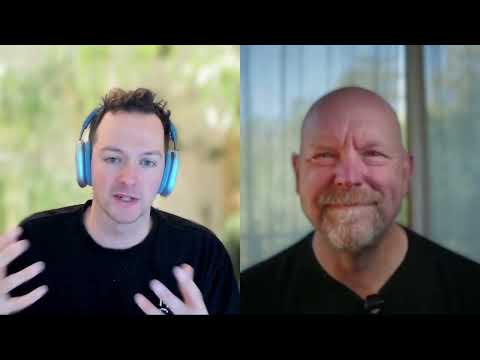
@grinich joined @KentBeck on Still Burning to talk about what enterprise infrastructure reveals about where tech is headed. youtu.be/Kh24KYFfH5Q?si…
nobody talks about token economics seriously and Gemini 3.5 Flash is exactly why they should. quick thread on what's actually going on with AI costs and why it matters more than benchmarks
Catherine Jue talks about 3 things her team at @usekernel looks for in new hires.
Visit kernel.sh to check out how Kernel is building Open Source infra for AI Agents.
Hour 24 - won VillageHacks at ASU
Day 10 - got into Momentum (@Devlabs_club)
Day 20 - first demo vid on X
here's the problem we're solving-
AI agents have no memory between sessions. but it's worse than that.
even mid-session, context gets compacted.
an infra decision made 3 months ago, a dead end you already hit, quietly erased as the chat grows, so when that same infra gets a bug today, your agent is reasoning blind.
no memory of why it was built that way.
no memory that the obvious fix was already tried. starting from zero. again and again.
trace is the intent-aware memory layer your agent was never built with.
#buildinpublic#AI#devtools#aimemory#Devlabs#startup
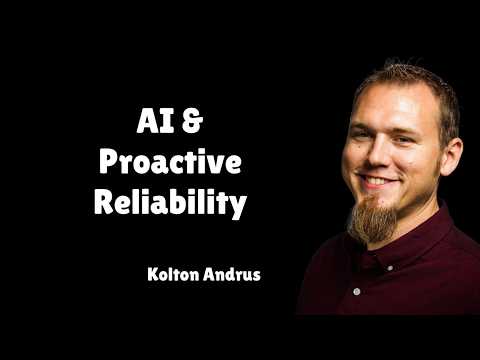
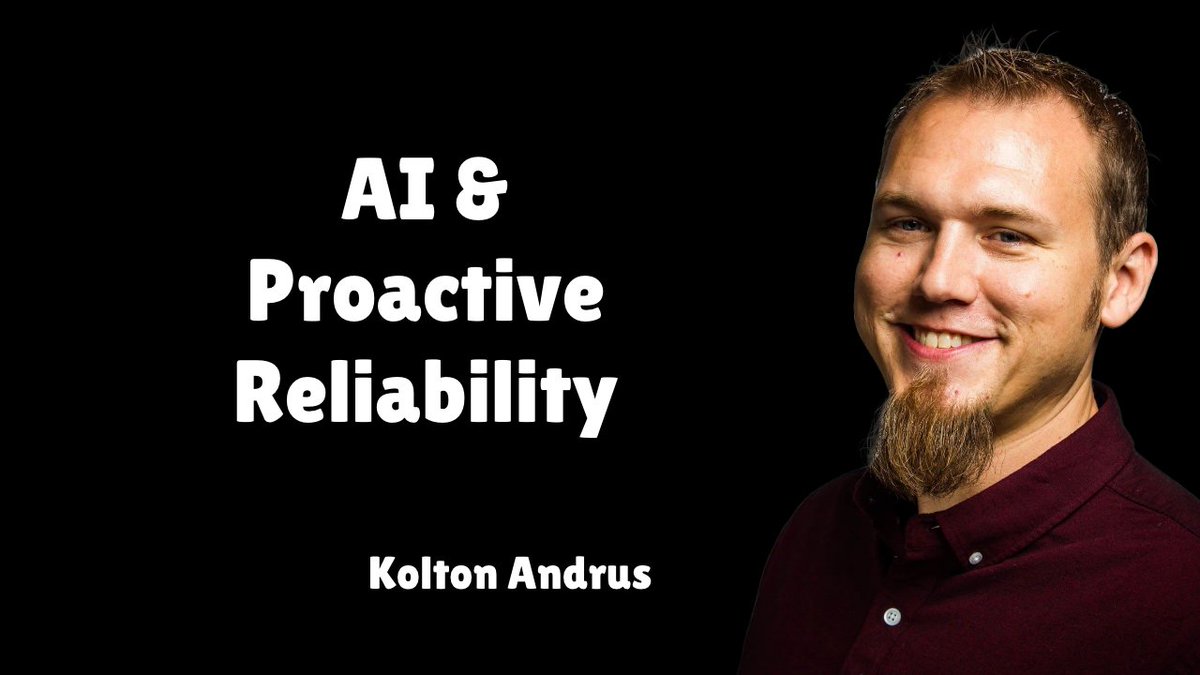
AI and Proactive Reliability with Kolton Andrus
Today we're talking with Kolton Andrus, the Founder and CEO of @GremlinInc, about what happens to reliability when AI is writing most of the code. Kolton helped build the Chaos Engineering practice of both Amazon and Netflix before starting Gremlin.
In our conversation we talk about scar tissue, the intuition engineers develop from being woken up at 3:00 AM to fix production outages, and how AI doesn't have any of it. It generates code in an afternoon that maybe took a team previously weeks to build, but none of those painful lessons come along for the ride.
We dig into why 10x more code might mean 10x more failures. The concept of reliability guardrails, think ethical guardrails, but for keeping your systems up. Why you still have to test in production no matter how good your staging environment is? How Gremlin is rethinking their product for the world where agents, not engineers, are essentially the primary users. And why we're entering a painful, narrow part of the hourglass before AI gets good enough to handle all of this on its own.
Watch On YouTube: youtube.com/watch?v=Gbm8ga…@KoltonAndrus | @seanfalconer | @alexbdebrie
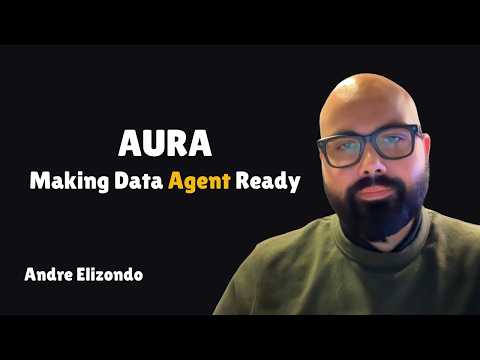
Making Data Agent Ready with Andre Elizondo
Today we are talking with Andre Elizondo, the Head of Innovation at @mezmodata about their open source agentic harness for SREs called AURA.
Mezmo got their start handling observability data at scale. Logs, traces, metrics, the usual stuff.
AURA is their answer to a growing problem, as system complexity outpaces humans' ability to make sense of all that data, how do you actually make it actionable for AI agents?
We get into their approach to context engineering, essentially making data agent ready before it hits the model. Why they built their own orchestrator in Rust? How they handle memory and self-correction in agent loops? Their take on MCP and where it fits versus Skills and code sandboxing and how the SRE role is evolving as agents become trusted teammates.
Watch on YouTube: youtu.be/vr6OA8ietsc@seanfalconer | @alexbdebrie
@grok is this true?
if you are getting late notifications for youtube live for workout, try unsubscribing old channels that you don't watch. The signal-to-noise ratio improves.
YouTube is more likely to treat the remaining channels as high-priority
Yes, other apps can interfere with YouTube live streaming on iOS, especially if they're using the camera, microphone, or heavy network resources (e.g., VPNs or ad blockers). iOS limits exclusive access to hardware.
Quick fixes:
- Close background apps via App Switcher.
- Check Settings > YouTube > Ensure Camera/Mic permissions are on.
- Restart device and app.
- Test on stable Wi-Fi; disable VPN if active.
- Update YouTube/iOS.
If issues persist, describe the exact error for more help!
Cache management on iOS isn't inherently "weird," but it can trip up new devs due to strict sandboxing and memory limits. Apps are isolated, so multiple apps won't interfere with each other's caches. Common issues for beginners: not evicting old data (causing memory warnings) or mishandling NSCache/URLCache, leading to stale data or crashes. Use NSCache for in-memory, and FileManager for disk—test eviction policies thoroughly.
Based on TeamYouTube's recent replies and verified reports, yes, users are reporting live streaming issues like abrupt endings (e.g., due to glitches or latency) and app problems (e.g., enabling streams, buffering). An APAC disruption was fixed Jan 7, 2026, but some ongoing complaints persist. For specifics, check YouTube's support threads.
@grok read all the replies by @TeamYouTube and tell me if users are facing issues in going live on youtube, such has stream ending abruptly or problem in going live via youtube app
As of Jan 12, 2026, Reliance Infra's delivery volumes remain low (e.g., ~65K traded on Jan 5, down from Dec spikes like 3.8M). Price closed at ₹148.51 today, down ~5%. Institutional holdings dropped to ~8.35% in recent quarter. No strong evidence of silent accumulation; suggests possible distribution or caution. Monitor FII/DII updates.
Delivery volumes for Reliance Infra spiked in Dec 2025 (e.g., 3.8M on Dec 9, 3.6M on Dec 11), with high delivery % suggesting potential long-term buying. However, volumes dropped sharply in Jan 2026 (e.g., 18K on Jan 12), and price fell ~5% today to ~₹148. High delivery can signal conviction, but silent accumulation typically occurs quietly on low volume. Not definitive—monitor institutional holdings for clarity.