Pietro Saccomani

4K posts

Pietro Saccomani banner
Pietro Saccomani

Pietro Saccomani

@psaccomani

Founder @MobiLoud – ecommerce mobile app builder for Shopify, Salesforce, and BigCommerce. Helping brands grow retention and repeat sales with push.

Katılım Ocak 2007
2.8K Takip Edilen3K Takipçiler
Sabitlenmiş Tweet
Pietro Saccomani
Pietro Saccomani@psaccomani·
Want the latest insights into the most effective retention strategies for ecommerce? We just launched The Retention Edge – a weekly newsletter about building sustainable growth through smarter customer retention. Every week we’ll share: - Actionable retention strategies that move the needle - Insider tactics from brands crushing it with owned channels & retention-focused CX - Data-driven insights to boost repeat purchases & profitability If you’re scaling a DTC brand and want to build a business that lasts, The Retention Edge is for you. Check out the first edition via the link in the comments 👇
English
4
2
10
982
Pietro Saccomani
Pietro Saccomani@psaccomani·
The biggest mistake you can make in ecommerce: being fully reliant on "rented" channels. Channels where you don't own your reach. Where you're always reliant on ad spend, or an algorithm, to reach your customer. If all your sales come from channels like these, your business could theoretically go to zero overnight. Owned/not owned is not exactly binary. It's a ladder. Some channels you're more reliant on the platform than others. And some channels, while you might own the contact information, actually getting through to the customer is becoming more difficult. For the Retention Edge newsletter, I broke down nine major channels for ecommerce, ranking them from least to most ownership. Give it a read, and see where your channel mix lands: retentionedge.co/p/the-control-…
Pietro Saccomani tweet media
English
0
0
2
52
Pietro Saccomani
Pietro Saccomani@psaccomani·
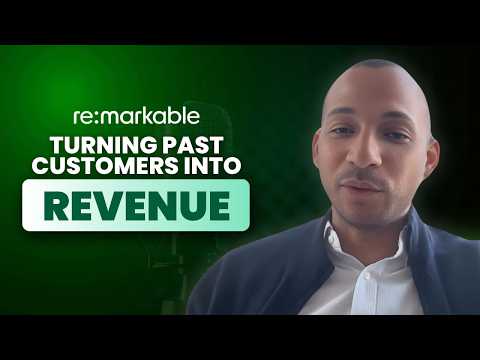
Most winback campaigns lead with an incentive. This approach starts with service. Checking in on a recent purchase. Solving issues if they exist. Then suggesting what comes next. For this jewelry brand, that shift changes the outcome. No discounts. Just relevance and timing. We had Nate Okonkwo, Co-Founder & CEO of Remarkable AI, on *The Retention Edge* to explain why treating customers like people often outperforms promotions. See the full episode here: youtu.be/m8BD5oupoOo
YouTube video
YouTube
English
0
0
1
43
Pietro Saccomani
Pietro Saccomani@psaccomani·
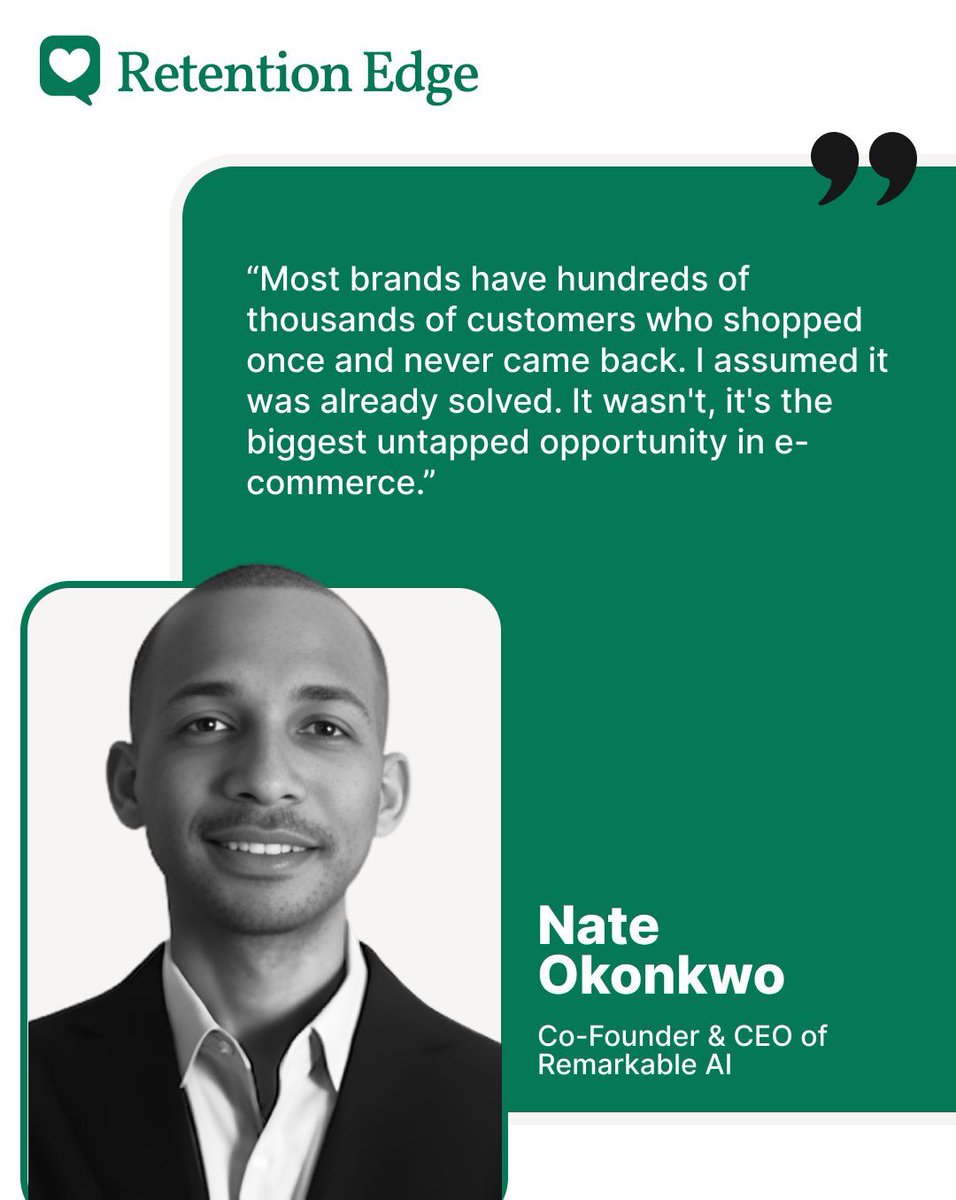
One-time customers aren’t a lost cause. They’re often an untapped segment. Most brands have the data to re-engage them, what they bought, how they browsed, what they asked support. But instead of using that context, they send the same generic campaigns. Sometimes even promoting products customers just purchased. We had Nate Okonkwo, Co-Founder & CEO of Remarkable AI, on *The Retention Edge* to explain why this segment is often the highest leverage opportunity. See the full episode here: youtu.be/m8BD5oupoOo
YouTube video
YouTube
Pietro Saccomani tweet media
English
0
0
1
22
Pietro Saccomani
Pietro Saccomani@psaccomani·
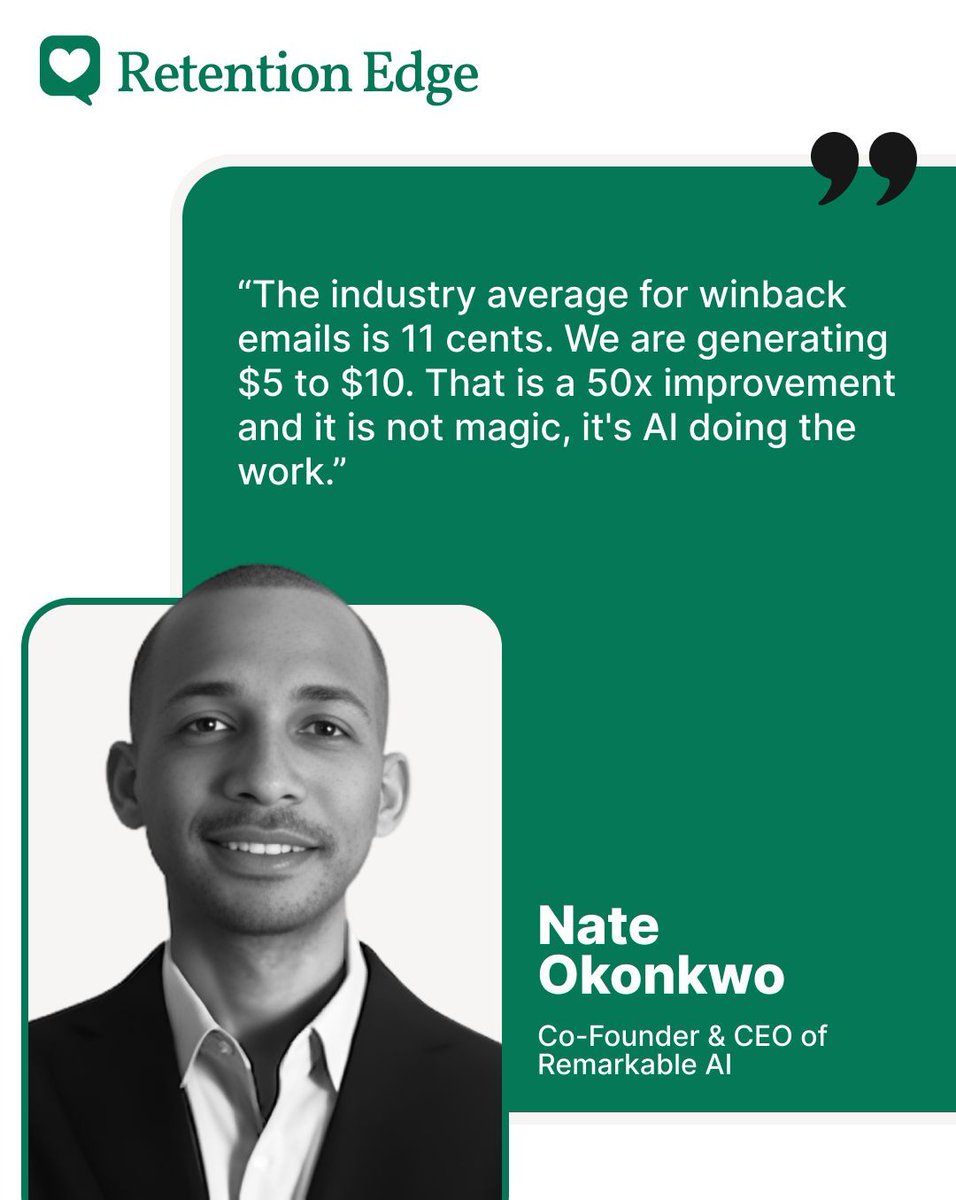
The industry average revenue per email for post-purchase win-back campaigns is $0.11. Eleven cents per send. For lapsed customers six months out or more. That's not zero. But it's pretty close. And it looks worse when you realize the brands doing this well are pulling $5 to $17 per email on the same audience. That's a 50x lift. And they're doing it with no discounts attached. Most ecommerce brands have hundreds of thousands of customers who bought once and never came back. This is by far the most valuable segment to mine for additional revenue. You already paid to acquire them. You already have their email. You already know what they bought, when they bought it, and what they were browsing the day before they checked out. Unfortunately, many brands just leave this opportunity sitting there, untouched. No one owns it, no one's aware of what you're doing (or not doing). There might be flows set up, but they were set up seven years ago, by someone who left the company three years ago. So they keep firing at 11 cents. On the Retention Edge this week, I talked to Nate Okonkwo from Remarkable AI, who's been helping brands turn their 11 cent flows into $17 flows. This week's newsletter breaks down how he's doing it: retentionedge.co/p/how-to-50x-y…
Pietro Saccomani tweet media
English
0
0
1
34
Pietro Saccomani
Pietro Saccomani@psaccomani·
A lot of ecommerce brands are sitting on something valuable. They just don’t treat it that way. Thousands, sometimes hundreds of thousands, of customers who bought once and never came back. Nate Okonkwo, Co-Founder & CEO of Remarkable AI, explains why this is one of the biggest missed opportunities in the funnel. The data is already there. Purchase history. Browsing behavior. Support conversations. The problem is most of it never gets used. Watch the full episode on YouTube: youtu.be/m8BD5oupoOo
YouTube video
YouTube
English
0
0
1
50
Pietro Saccomani
Pietro Saccomani@psaccomani·
Winback flows are often set up once and then forgotten. Products go out of stock. Messaging becomes outdated. And performance quietly declines. Industry averages sit around $0.11 per email. But when those flows are actively optimized, the gap can be significant. We had Nate Okonkwo, Co-Founder & CEO of Remarkable AI, on *The Retention Edge* to explain why stale automation is one of the biggest missed opportunities in ecommerce. See the full episode here: youtu.be/m8BD5oupoOo
YouTube video
YouTube
Pietro Saccomani tweet media
English
0
0
0
24
Pietro Saccomani
Pietro Saccomani@psaccomani·
Most winback emails don’t perform the way people think. Across ecommerce, they generate around $0.11 per send. Nate Okonkwo, Co-Founder & CEO of Remarkable AI, shares what happens when those flows are actually optimized. Instead of static campaigns, they use AI to continuously update products and messaging. The result? $5 to $10 in revenue per email. The difference isn’t volume. It’s how often these flows are revisited and improved. Watch the full episode on YouTube: youtu.be/m8BD5oupoOo
YouTube video
YouTube
English
0
0
0
43
Pietro Saccomani
Pietro Saccomani@psaccomani·
The most valuable real estate in ecommerce is your customer's phone. It's like a billboard your customers drive past every day. And it's where top brands are getting free impressions. These brands? They have apps and push notifications. And they're not even using push to sell. They're sending push notifications with no sale, no product, no promotional intent at all. This is the hidden value of push. With zero incremental cost, minimal intrusiveness, yet extremely high visibility, it's like a display ad: a tool to drive constant awareness in front of your ICP. For all the potential of apps and push as a revenue channel, the best part might just be this. The ability to create a direct line and a closer relationship to your best customers. Once you hit a certain revenue threshold, this becomes reason in itself to have an app. See the full breakdown of the different roles push plays for your brand in this week's Retention Edge newsletter: retentionedge.co/p/billboards-n…
Pietro Saccomani tweet media
English
0
0
0
25
Pietro Saccomani
Pietro Saccomani@psaccomani·
About 70% of online shopping carts are abandoned before checkout. On mobile, it's over 85%. For every 10 customers who add to cart, fewer than 2 actually buy. At an eight-figure run rate, that's millions of dollars a month sitting in carts that never convert. Every month. On repeat. Most DTC brands accept this as a cost of doing business. They've got email recovery set up. Maybe SMS for high-value carts. They assume that's the recovery stack. It's not. It's half the stack. Abandoned cart push is the missing piece. It reaches the customer faster than email, costs nothing per send, and fires for every app user automatically. No login issues. No attribution gaps. No waiting for someone to open their inbox. We've seen brands get 22% conversion rates on these campaigns, and some who are driving mid-six figures in new revenue per month, just from abandoned carts. It's reason enough, on its own, to justify the decision to launch an app. Get the full breakdown on what could be your easiest revenue win, in this week's Retention Edge: retentionedge.co/p/the-highest-…
Pietro Saccomani tweet media
English
1
0
0
35
Pietro Saccomani
Pietro Saccomani@psaccomani·
A question that keeps coming up with AI: Is it a threat or an opportunity? According to Lauren Livak Gilbert on the latest The Retention Edge episode, it depends on how you respond to it. It becomes a threat when you choose to ignore it. AI is already changing how teams work, how brands operate, and how customers behave. The real risk isn’t the technology. It’s waiting too long to understand it. Watch the full episode on YouTube: youtu.be/K8ZkV9VyAzQ
YouTube video
YouTube
English
0
0
1
35
Pietro Saccomani
Pietro Saccomani@psaccomani·
"Runs on autopilot" is the most overused phrase in marketing right now. You're getting this promise from every second social post, podcast, ad. But push notifications are the rare example where "autopilot" is actually accurate. The core revenue driving push notifications for ecommerce brands? They're automated. They run by themselves. Set up your core automations (abandoned cart, browse, welcome, back in stock, re-engagement, shipping, loyalty) and they fire 24/7 without a human in the loop. They cost nothing per send. They land on the lock screen within seconds. They're triggered by real customer behavior, which means they arrive with relevance baked in. It's a big reason why push is one of the highest-ROI channels you have in ecommerce. While your team's focus is split in 100 different directions, channels like push run behind the scenes, delivering more revenue from your best customers with minimal work. Read this week's Retention Edge newsletter to learn about the outsized impact of automated push campaigns (just another reason why your brand needs an app): retentionedge.co/p/automated-pu…
Pietro Saccomani tweet media
English
1
0
0
46
Pietro Saccomani
Pietro Saccomani@psaccomani·
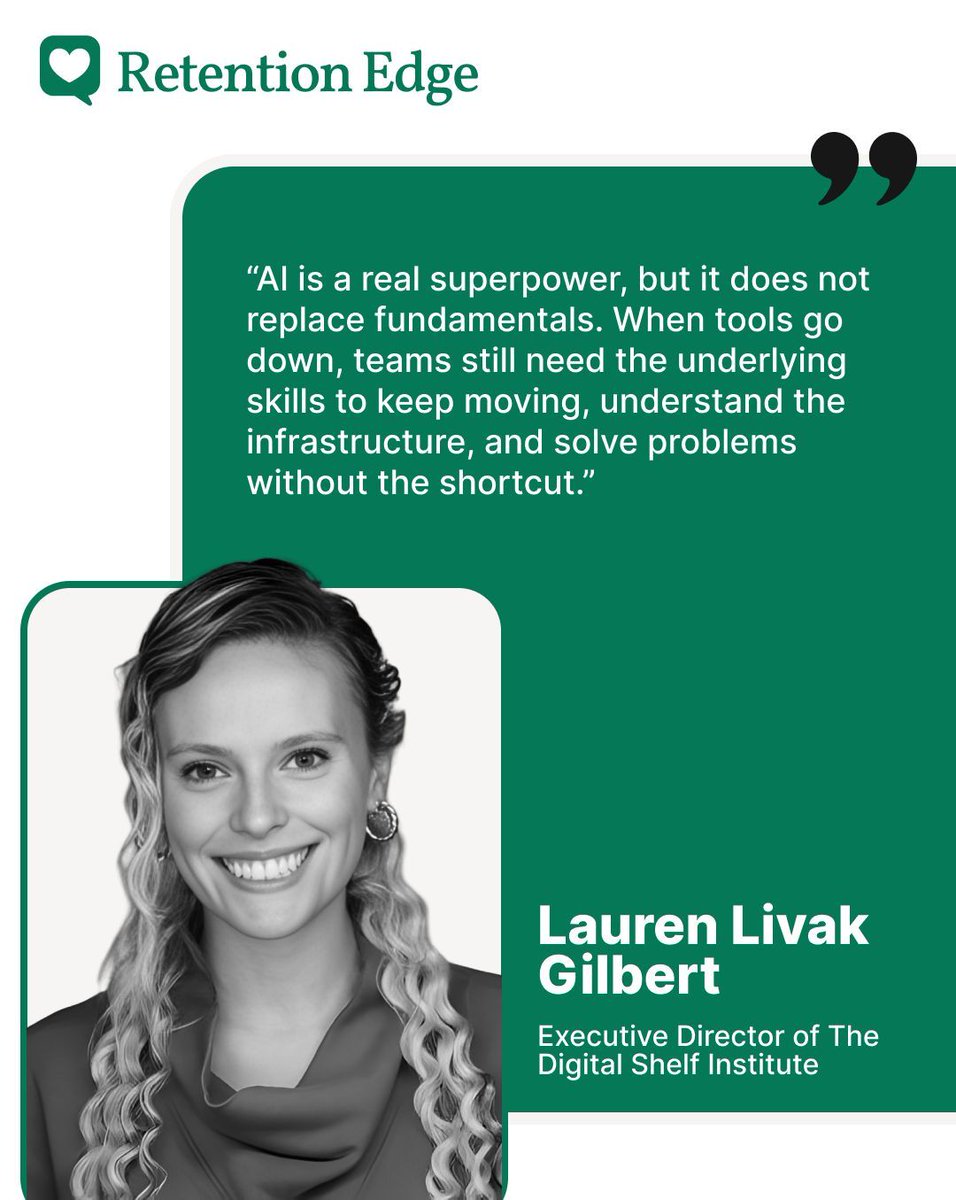
AI is often described as a replacement. In reality, it’s more of an amplifier. It speeds up people who understand what they’re doing. And it exposes those who don’t. When systems fail or tools go down, the difference becomes clear. We had Lauren Livak Gilbert on The Retention Edge to discuss why foundational skills still matter in an AI-driven world. See the full episode here: youtu.be/K8ZkV9VyAzQ
YouTube video
YouTube
Pietro Saccomani tweet media
English
0
0
0
21
Pietro Saccomani
Pietro Saccomani@psaccomani·
Lauren Livak Gilbert shares a side of AI that doesn’t get talked about enough in this episode of The Retention Edge. What happens when the tools stop working? There was a moment when Claude went down and developers suddenly struggled to continue their work. Not because they weren’t capable. But because they had become reliant on the tool. AI can speed things up. But it doesn’t replace the need to understand the fundamentals. Check out the full episode on YouTube: youtu.be/K8ZkV9VyAzQ
YouTube video
YouTube
English
0
0
0
728
Pietro Saccomani
Pietro Saccomani@psaccomani·
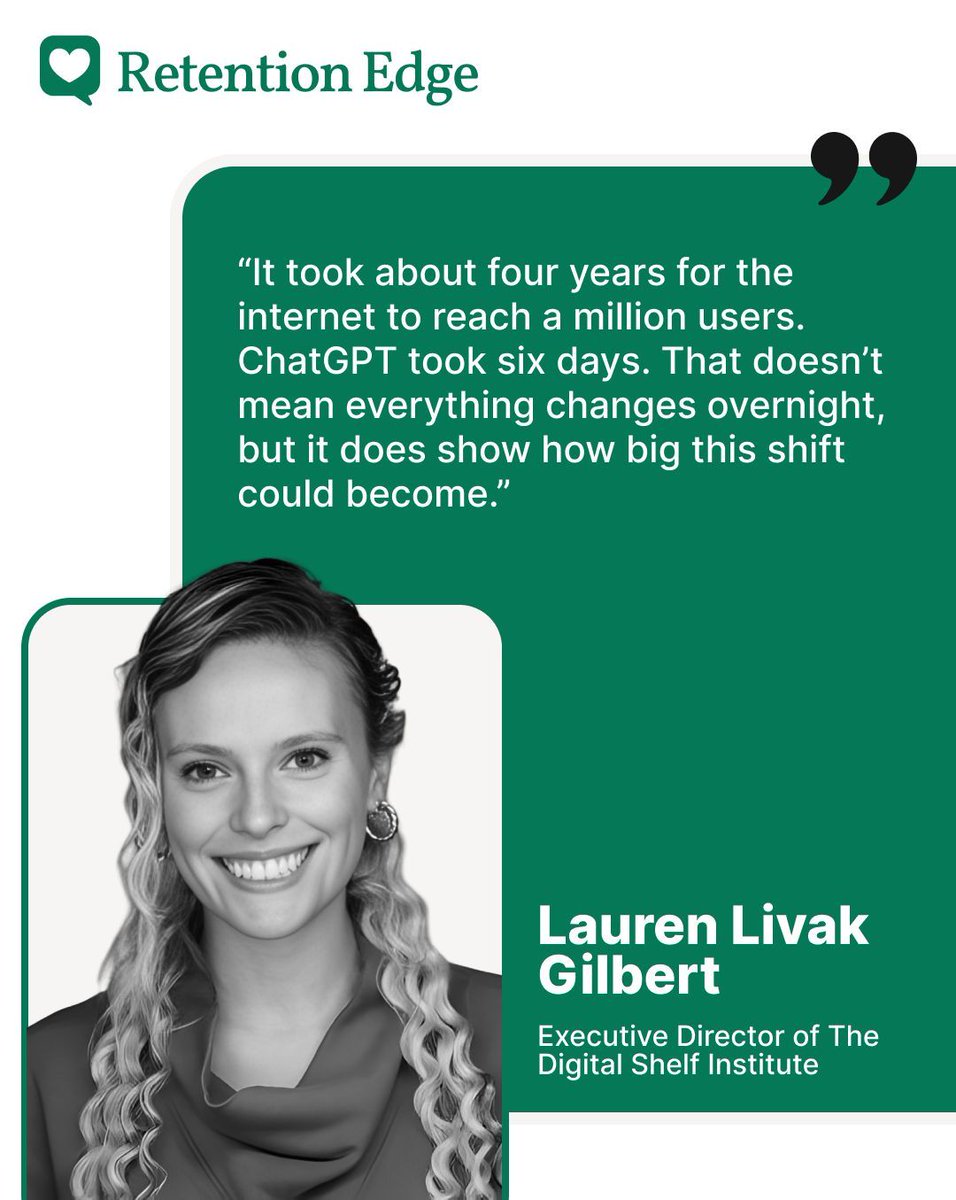
AI isn’t just moving fast. It’s accelerating at a pace we haven’t seen before. Reaching one million users took the internet years. AI tools are doing it in days. That kind of adoption changes how quickly behavior, expectations, and systems evolve. We had Lauren Livak Gilberton The Retention Edge to talk about what this shift really means for brands. See the full episode here: youtu.be/K8ZkV9VyAzQ
YouTube video
YouTube
Pietro Saccomani tweet media
English
0
0
0
25
Pietro Saccomani
Pietro Saccomani@psaccomani·
On the latest Retention Edge, Lauren Livak Gilbert of the Digital Shelf Institute puts AI into perspective. It took the internet four years to reach one million users. ChatGPT did it in six days. The pace of adoption is on a completely different level. This isn’t just another trend. It’s a shift that will touch almost every part of how businesses operate. Check out the full episode on YouTube: youtu.be/K8ZkV9VyAzQ
YouTube video
YouTube
English
0
0
1
54
Pietro Saccomani
Pietro Saccomani@psaccomani·
Your retention stack isn't complete if it's just email & SMS. You've got the foundation. But there's a gap. Push notifications are a direct line to your best customers; always on, seen instantly, lower competition and zero per-send cost. It's not about being better than email or SMS. It's about serving a different purpose. Your retention stack should have multiple channels, working together: - Email, reaching everyone (new customers and existing), and constantly dong work - SMS, reaching a wide audience with high-intent messages, used smartly - Push, reaching your VIPs to drive sales, recover abandoned carts, maintain constant awareness But most brands have a gap - or their own channels are competing with one another. Building a better retention system and getting more repeat sales will transform your business economics in so many ways. The first step is completing your retention stack. Read more about the gap, and how to make each channel work together, in this week's Retention Edge newsletter: retentionedge.co/p/your-retenti…
Pietro Saccomani tweet media
English
0
0
0
22
Pietro Saccomani
Pietro Saccomani@psaccomani·
This channel costs $0 to send. And for the cost, you get: - Direct, unfiltered access to your best customers - Instant delivery - Almost guaranteed visibility - Branded impressions on your customer's lock screen The VP of ecommerce at a billion-dollar retail & ecommerce brand told us: "The power of push notifications is so strong. In a world where people open email less and less each day, everyone is jumping into SMS which is crazy expensive, and people are starting to tune these out too. Being able to do push notifications is the reason you do an app." Push contributes enough revenue, on its own, to pay for the cost of launching an app. And the ROI scales indefinitely, because the cost of push is more or less fixed. In this week's Retention Edge newsletter, I broke down the economic case for push notifications, and why (for many types of brands) it's a pretty major oversight not to have this channel available and working for you. Check it out now: retentionedge.co/p/how-to-get-f…
Pietro Saccomani tweet media
English
1
0
0
44
Pietro Saccomani
Pietro Saccomani@psaccomani·
Loyalty rarely comes from a single interaction. Customers need reminders. Across digital channels. Through events. Even through physical touchpoints in their neighborhood. Each interaction keeps the brand present when it’s time to buy again. We discuss with Sarah Sathaye, Chief Revenue Officer at NAADAM on why consistent touchpoints matter for long-term loyalty on The Retention Edge. See the full episode here: youtu.be/-G6U8xLLIOQ
YouTube video
YouTube
English
0
0
0
30
Pietro Saccomani
Pietro Saccomani@psaccomani·
Pop-ups don’t just drive sales. They reveal how customers really shop. During activations in New York, LA, and Chicago, the team saw completely different buying patterns in each city. Different climates. Different occasions. Different product preferences. Those insights are hard to see through online data alone. Sarah Sathaye, Chief Revenue Officer at NAADAM discusses how physical retail helps brands learn faster on The Retention Edge. See the full episode here: youtu.be/-G6U8xLLIOQ
YouTube video
YouTube
Pietro Saccomani tweet media
English
1
0
0
23
Pietro Saccomani
Pietro Saccomani@psaccomani·
On the latest Retention Edge, we sit down with Sarah Sathaye, Chief Revenue Officer at NAADAM to talk about something ecommerce dashboards rarely show you. What customers actually want. During a series of pop-ups in New York, LA, and Chicago, the team noticed something interesting. Each city behaved completely differently. In LA, customers were shopping for weekend outfits. In New York, they were building out winter wardrobes. Physical retail made those patterns obvious. Check out the full episode on YouTube: youtu.be/-G6U8xLLIOQ
YouTube video
YouTube
English
0
0
0
30