
Sabitlenmiş Tweet
تيْم
33.7K posts

تيْم
@q07z
عقلك أمانة .. فأكرم مثواه بالتفكير | IDLE
Katılım Nisan 2011
1.1K Takip Edilen1.9K Takipçiler

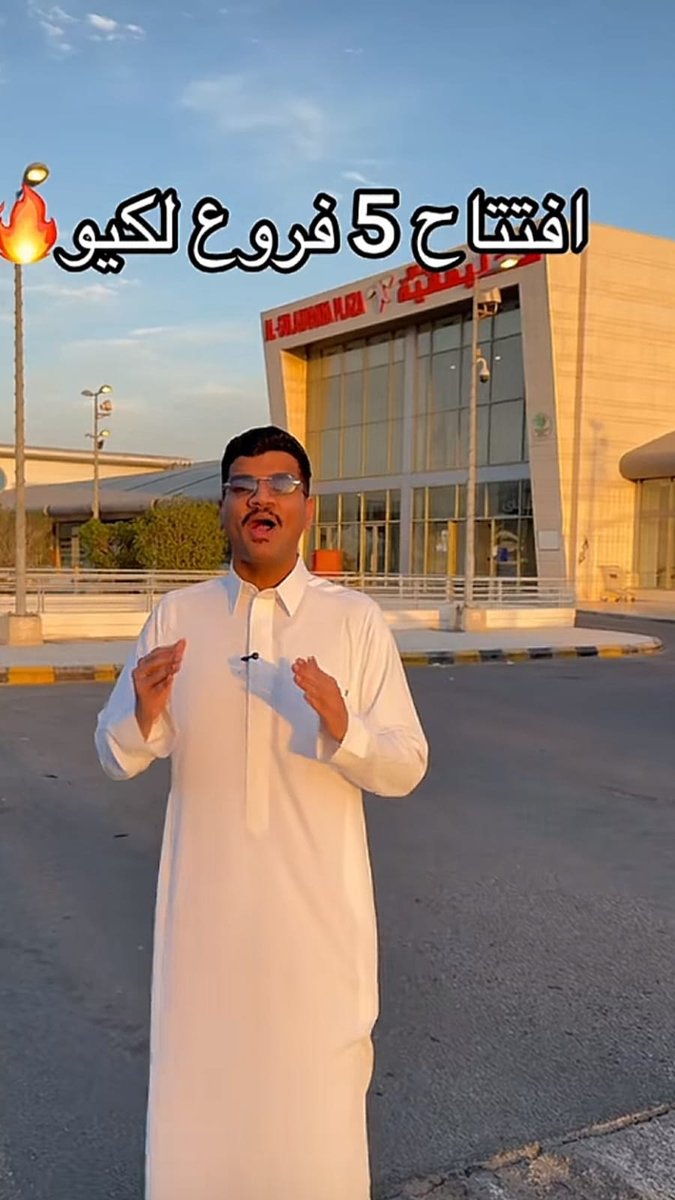
صعود قوي للأسواق المخفضة 🛒🍅
أسواق "كيو" تعلن دخول سوق الرياض بفرعين و سوق مكة بفرع + سوق خميس مشيط بفرع.
- الصالة الاقتصادية: 20 فرع
- كيو: فرعين
- ديل: فرع واحد
- شونة: فرع
ــــ
ملاك الصالة الاقتصادية وكيو.. مشتركة من عائلة "هلابي"
Abdullah AL-Khmais@AZK_SA
واضح أننا في بداية موجة لنموذج المتاجر الغذائية المخفضة 🛒🥬🫑 - الصالة الاقتصادية - ديل - كيو - شونة نتمنى من الجهات المعنية تشديد الرقابة على المنتجات، و تشجيع هذا النموذج لتعزيز المنافسة في القطاع الغذائي.
العربية

تنضج وتعرف ان المشروبات صفر سعرات مضرة اكثر من المشروبات المحلاة بالسكر الابيض
ترى راس مالها 150 سعرة. مشروب كوكاكولا العادي بالسكر فيه 35غ سكر تقريبا هذه 140 سعرة
تعطيك طاقة وتزيد الحرق والمهم ما تخرب لك بكتيريا المعدة
في النهاية المحلي الطبيعي افضل من الكيميائي
طلال | مدرب كسول@lazylifefitness
المشروبات الغازية الدايت (صفر سعرات) هل هي فعلا "صحية" كما يشاع؟ 1. اول شي كيف تعطي طعم السكر؟ لأنها تحتوي على محليات صناعية (أسبارتام، سكرالوز، أسيسلفام) بدل السكر 2. هل تساعد على انقاص الوزن؟ لا تساعد كثيرا في إنقاص الوزن، بل قد تزيد الشهية والرغبة بالحلويات لأن جسمك راح يلخبط بينها وبين السكر الحقيقي 3. تؤثر على بكتيريا الأمعاء (المايكروبيوم) مما يسبب مشاكل هضمية محتملة 4. توجد دراسات تربط الاستهلاك اليومي بزيادة خطر: السكري النوع 2. أمراض القلب. السكتة الدماغية. دهون الكبد. تدهور الذاكرة 5. الأسبارتام: "ربما يكون مسرطن" للبشر لكن آمن بكميات معتدلة حسب FDA 6. الحمض في هذه المشروبات يؤذي مينا الأسنان حتى لو كان بدون سكر الخلاصة: مناسبة أحيانا كبديل مؤقت عن المشروبات السكرية، لكن الشرب اليومي (أكثر من علبة) غالبا يسبب مخاطر الأفضل طبعا: ماء، ماء غازي بدون نكهة، شاي/قهوة بدون سكر اعترف كم علبة تشرب يوميا؟
العربية

جسمك لا يستطيع استخدام اكثر من 25-30 غرام من البروتين في الوجبة الواحدة. اي كمية تزيد عن ذلك تذهب هدراً
الشرح في البوست 👇🏼
William A. Wallace, Ph.D.@WilliamWallace
"Your body can only use 25-30g of protein per meal. Anything above that gets wasted." This claim has been repeated in fitness nutrition for over a decade, and it was built on studies that measured the right thing over the wrong timescale. Moore 2009 gave six young men 0, 5, 10, 20, or 40g of egg protein after leg-only resistance exercise and tracked muscle protein synthesis for four hours. MPS plateaued at 20g. Witard 2014 repeated a similar dose-response with whey protein after unilateral leg exercise in 48 resistance-trained men and found MPS rose 49% at 20g and 56% at 40g over four hours, with the authors concluding 20g was sufficient for maximal stimulation. Case closed, or so it seemed. The problem wasn't the dose. It was that a 4-hour window captures the peak response to 20g but only the opening chapter of what 40g is doing. Think of digestion as a funnel with a fixed flow rate. Pour a cup of water through it and it drains in minutes. Pour a gallon and it doesn't overflow. The funnel just drains at the same rate over a longer period. Protein behaves the same way. A smaller dose gets absorbed and used quickly. A larger dose digests over a longer window because the stomach slows gastric emptying and the intestine releases amino acids gradually. Muscle tissue keeps incorporating them wave after wave. The "ceiling" in those early studies wasn't a biological saturation point. It was what you see when you stop watching before the larger dose finishes working. Trommelen et al. (2023, Cell Reports Medicine) tested this directly. They randomized 36 recreationally active young men to 0g, 25g, or 100g of milk protein after a 60-minute whole-body resistance session and tracked muscle protein synthesis for twelve hours using a quadruple isotope tracer. In the first four hours, myofibrillar protein synthesis was only about 20% higher after 100g than after 25g. In the four-to-twelve-hour window, that gap widened to roughly 40%. That later window is where the bigger dose actually separates from the smaller one, and it's exactly where every prior dose-response study stopped measuring. The authors also reanalyzed the oxidation data from Moore and Witard and concluded that postprandial amino acid oxidation represents less than 15% of the increment in ingested protein. The paper states it plainly: "Protein ingestion has a negligible impact on whole-body protein breakdown rates or amino acid oxidation rates." Caveats belong in the read. This was young recreationally active men following a single bout of resistance exercise. Not trained athletes, not women, not older adults, not a longitudinal hypertrophy trial. A 2024 Witard commentary in the International Journal of Sport Nutrition and Exercise Metabolism flagged that the finding may not translate to resistance-trained young women with different anabolic kinetics. Practically: you don't need to portion exactly 25-30g of protein every three hours to avoid "wasting" it. Larger meals extend the anabolic window rather than capping it. Distribution across the day still matters for satiety, blood sugar, and hitting your daily target. But the rigid per-meal rule has weaker biology behind it than previously believed. Sources: pubmed.ncbi.nlm.nih.gov/19056590/ pubmed.ncbi.nlm.nih.gov/24257722/ pubmed.ncbi.nlm.nih.gov/27511985/ pubmed.ncbi.nlm.nih.gov/38118410/ pubmed.ncbi.nlm.nih.gov/38991545/
العربية
@Abu_Dakhil2 @AZK_SA حافز الامل للمرضى
هذي اول شهرين و بعد اول شكوى في 937 يبدأ يصحصح
العربية

@AZK_SA ههههههههههههههههه يعني الي يدخل الطب ويتعلم فقط عشان يحصل على راتب عالي !
هذي مهنة لها أجرها عند من يحسنوا العمل فيها، الكثير من الاطباء يدفعهم حافز الامل للمرضى.
العربية
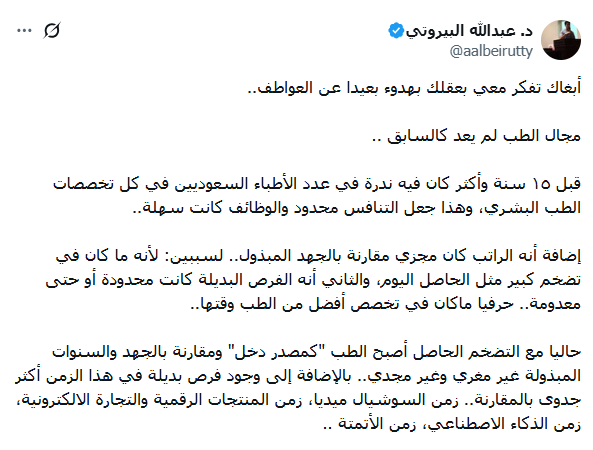
الأطباء.. الذين كانوا الناس يحسدونهم على رواتبهم, أصبحنا نرى شكاوي منهم.
- رواتب قليلة (13-15 ألف ريال) مقارنة بـ التخصصات الثانية
- عطالة بعض الأطباء رغم الشهادات القوية
المنافسة القوية+ الأطباء الأجانب.
العربية

الناس يحسبونه يشفر عن أعمال حسن عسيري
وهو ما طق لها خبر والله ولا فكر فيها
لأن اساسًا دواد من نوعية الانتقاد يكون علني وبالاسم ويعطي بالوجه .. اللي يعرف داود يدري انه لا شفر ولا هم يحزنون .. هو فعلًا يعني الموضوع اللي تكلم عنه
داود الشريان@alshiriandawood
العربية

اخواننا في السعودية 🇸🇦❤️🇰🇼
سويتلكم هالتصميم " زهرة الخزامى "
راح اجهز فايل 3D تطبعونه من خلال طابعة ال 3D
#جاور_السعودية_تسعد
اللهم احفظ المملكة العربية السعودية، قيادةً وشعباً، وأدم عليها نعمة الأمن والأمان والاستقرار
اللهم احفظ دول الخليج وأهلها، واجمع قلوب شعوبها على الخير والمحبة، واحفظ خليجنا من كل سوء ومكروه

Dr.JobQ8 🇰🇼 حسين المحميد@DrJobQ8
قاعد افكر اسوي تصميم حق اخواننا فالبحرين المشموم البحريني 🇰🇼❤️🇧🇭 شرايكم ؟ #البحرين
العربية
@abdulla68614141 @fouadurbanist الكفار عندهم الرصيف عرضه 1 متر و بدون اي عائق و تصميم واحد للبلد كله وبدون فلسفة
عند المسلمين عرض الرصيف 15 متر و عامود و بعدين شجرة و بعدين طاولة اسر منتجة و بعدها مصلى وسط الرصيف بعدها فود ترك
و هذي كلها بذا الرصيف
العربية
نقل الميول الى داخل الملكية هو التعامل الواجب مع هذه الحالة مع استمرارية الرصيف دون عوائق
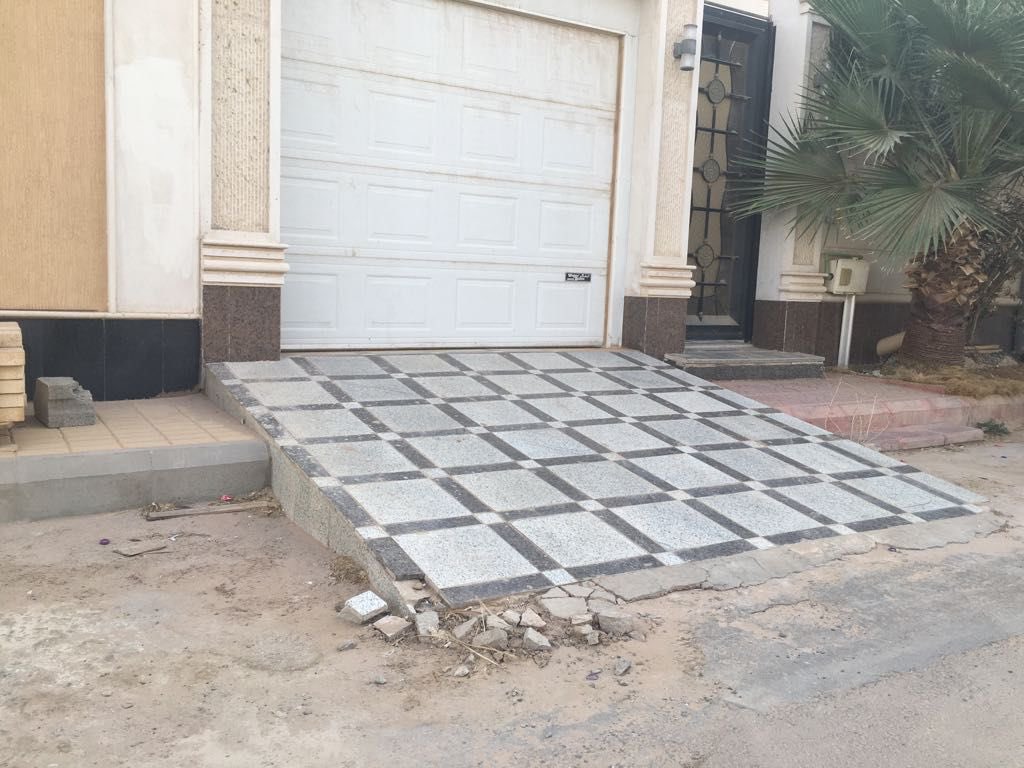
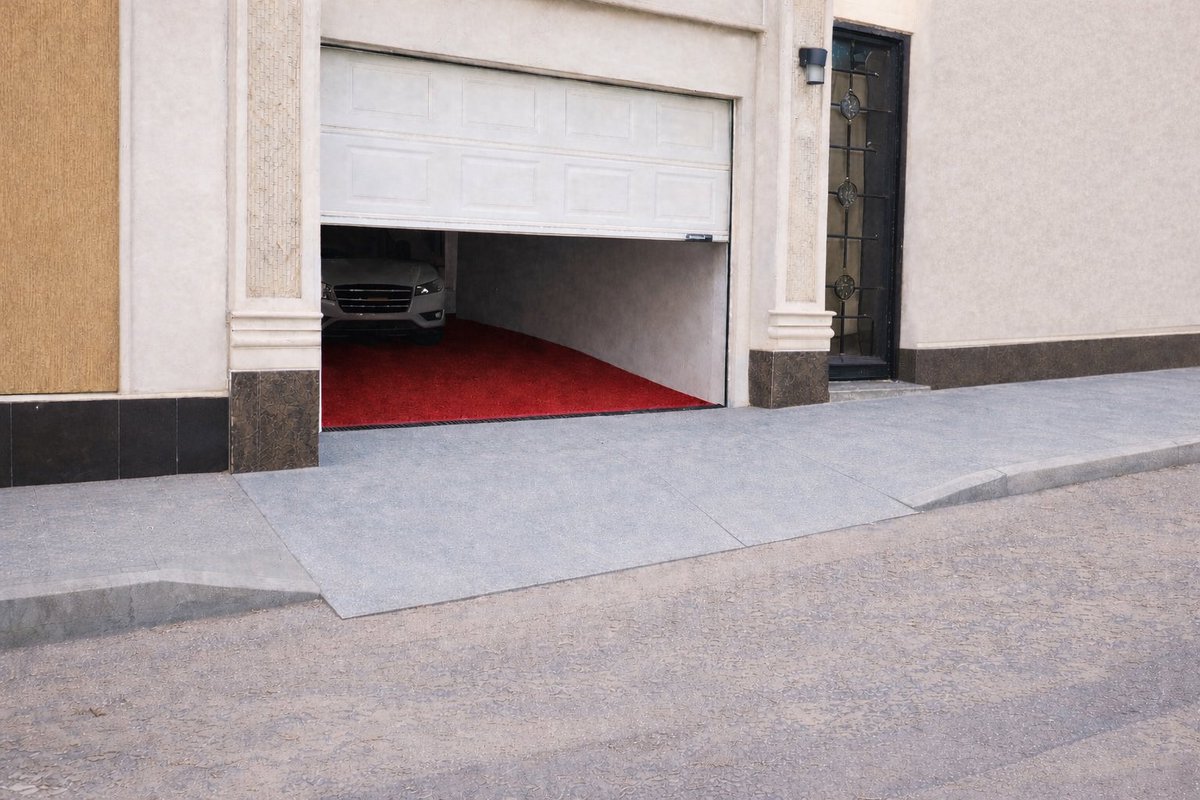
#فريق_طقس_المملكة 🇸🇦@saudiweathergr
البلدية تمنع التجاوز الكراج على الشارع
العربية
@SultanMBSking @BassamAlBraikan يا رججال سرها بسس
قناة رايحة في الطريق المنحدرة
قال ايش قال التحديات
والله ما تدري وش هو اصلا قطاع الاعلام
العربية

@BassamAlBraikan كل منتقد لـ MBC لا يخرج عن هؤلاء 👇🏻
إما أنه صحونجي أو إخونجي أو لا يفقه في الإعلام
أو ذائقته الفنيه معدومه أو لا يريد التطور و لا يفهم
ما التحديات التي يواجهها قطاع الإعلام 🙂
العربية

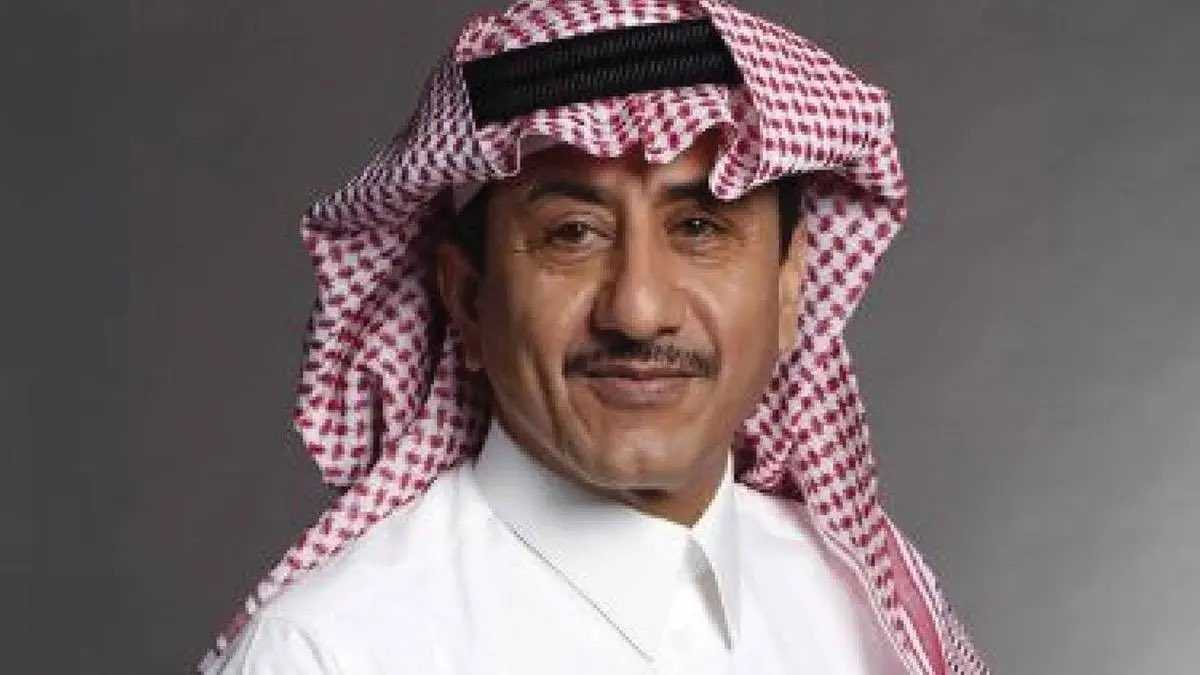

شعار الفلم سلطان الضيط و محمد غازي ❤️
@sultan_aldeet
@i1xyz
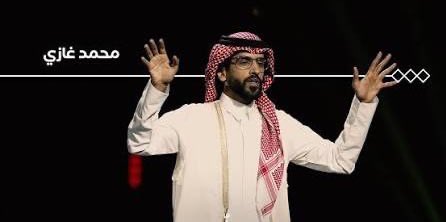
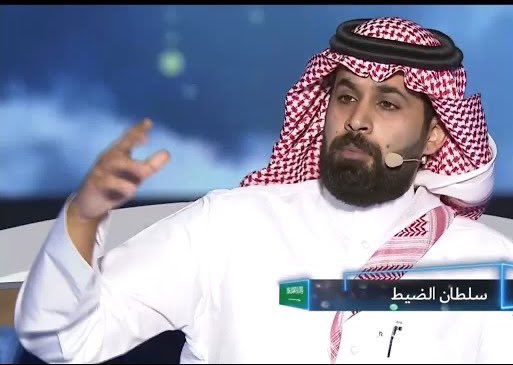
علي بن محمد@ALI_M2025
القصيدة خطيرة من هو شاعرها !
العربية

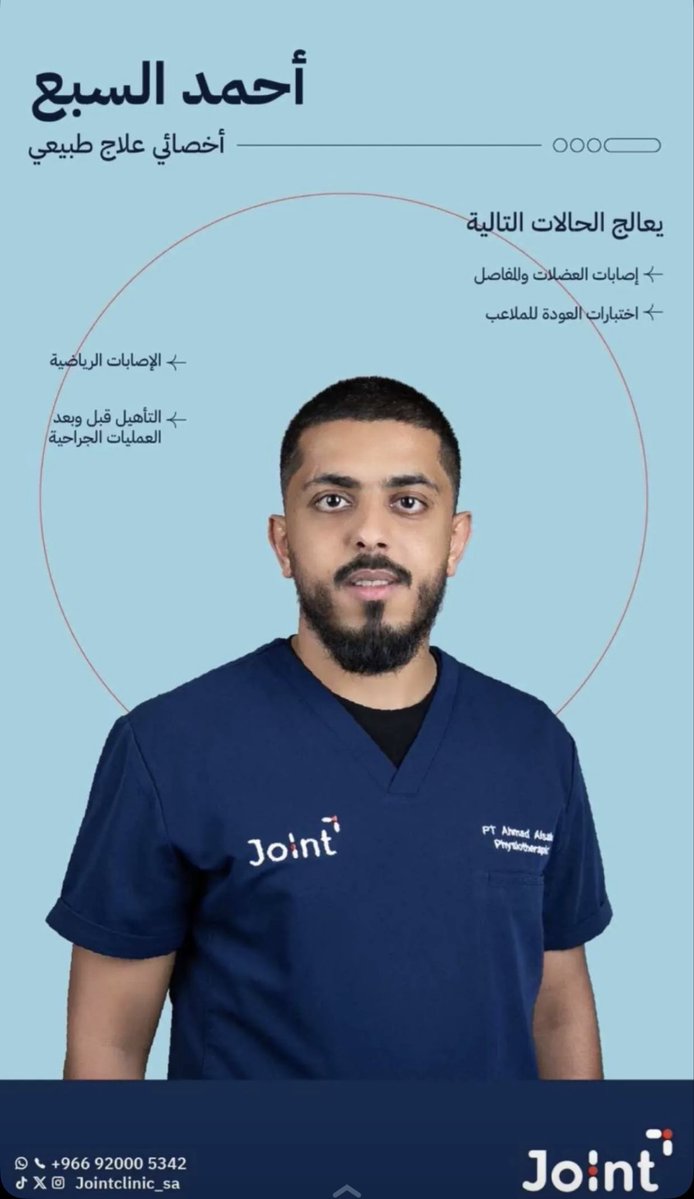
من يحتاج الى اخصائي علاج طبيعي وخاصة الإصابات العضلية و الرابط الصليبي
احمد اخوي موجود في عيادات جوينت (( مدري اي فرع )) 😅
العربية

معلومة سمعتها قريب
يوجد أطباء حاليا، يخططون لاقتحام مجال التدريب الشخصي في النادي
وبعضهم جالس، يأخذ الدورات، والتدريب اللازم للحصول على رخصة التدريب
يعني تخيل مدربك الشخصي في النادي ممكن يكون طبيب استشاري!
والسؤال اللي يطرح نفسه هو
كم راح تدفع مقابل حصة تدريب شخصي مع مدرب وطبيب في نفس الوقت
العربية
@J1_Cluster التصوير سيء و اختيار الصور اسوأ
ما عرفنا وين الرئيس التنفيذي ولا شكله و الصورة الجماعية المفترض اذا ما ضبطت تُحذف
عندنا رؤية 2030 ما يصير التصوير كأننا في 2008
العربية

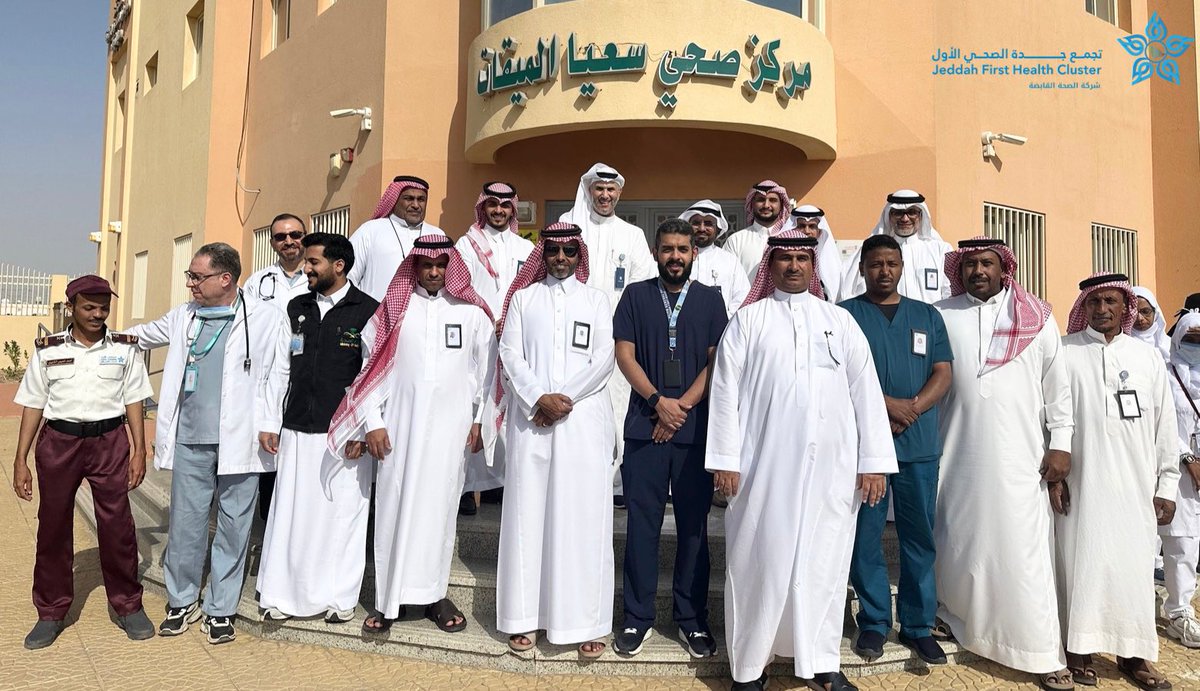
قام الرئيس التنفيذي لـ #تجمع_جدة_الصحي_الأول بزيارة تفقدية لمركز صحي السعيا (الميقات) في ميقات يلملم،
اطّلع خلالها على جاهزية الخدمات الصحية المقدمة لضيوف الرحمن، ومتابعة سير العمل ميدانيًا.
#رعايةء_بإتقان


العربية

اصبرررروا يعني المعاليق تنباع؟ وذولي بس جابن 250 اتوقع لو ابيع اللي عندي صرت تاجرة بيوم وليلة!!!
العربية

استاذ صالح ..
الدولة شيّدت :
- مطار طاقته تصل الى 100 مليون سنوياً في جدة
- قطار سريع بسعة 7 مليون راكب سنوياً ( مكةً- جدة - المدينة )
ليه تبي تبني مطار في مكة ؟ تفضل برر الخطوة هذي ..
مع العلم :
بناء مطار في مكة سوف يكون سلبي جداً على جدة ، ويمنعها من الاستفادة من ضيوف بيت الله
وبكذا يكون بدل ان يكون "مدينتين" تستفيد ، خليناها مدينة وحدة 😁
Abdullah AL-Khmais@AZK_SA
صالح الرشيد: نعمل على بناء مطار في مكة.. و هو الان في مرحلة الدراسة. (hbr arabic لقاء مع)
العربية

نصيحة للنصراويين ..
إن أردتوا استمرار نواف بناديكم وإذا أردتم أن يعود نواف لسابق عهده فالمطلوب شيء واحد :
غيروا الوكيل .. غيروا الوكيل .. غيروا الوكيل
كل اللي حاصل لنواف لهدف إخراجه من النصر وتحويله للهلال .. أقسم بالله هذا اللي حاصل حرفياً
الوعد قدام .. حطوها #مفضلة
العربية
العربية


رسمياً
إسبانيا تخفيض ساعات العمل في القطاع العام من 37 ساعة الى 35 ساعة فقط!


العربية
@zyyad95 @saleemgoat @InsiderMix1 انا مثلك اعمل 100 ساعة ولكن تستحق عليها مقابل على ساعات عمل اضافي
يعني مافيه شي ببلاش
العربية

العربية
@saleemgoat @InsiderMix1 نظام العمل لايسمح باكثر من 48 ساعة في الاسبوع للسعودي
لا تفلم
العربية
