Dennis@dennisstijl
Permissionless Credible Coordination In a Story Engine World.
In traditional models, influence is centralized. A brand speaks. An influencer promotes. The rest of us watch, click, and consume. Only a few are seen. Only a few get paid.
But this is a fiction.
Cultural value is co-authored. Every time someone shares a post, wears a logo, recommends a product, or invites a friend to join—they're shaping the story.
They're directing attention.
They're carrying the signal.
Influence is not a job title. It's a condition of participation. The gamer who gets five friends to try a new title. The fan who wears the drop before it's cool. The commenter whose insight reframes the conversation. The sportsbetter of which his opinion changes the odds. These people don't just reflect culture - they make it.
Yet in the current system, their impact is invisible. It doesn't show up on a balance sheet. It doesn't earn them equity. Their attention is monetized, but their contributions are ignored.
This isn't just about brands. It's about movements. About public narratives.
About how every product, politician, and protocol survives-or fades-based on the people who carry it forward.
The culture is the channel.
The crowd is the medium.
The message only spreads because someone chose to pass it on.
If value flows from attention, then everyone who shapes that attention deserves to be seen—not as data points, but as co-creators.
Tokens offer a new structure.
Not to reward everyone equally, but to recognize that value is distributed — and ownership should be too.
In a networked world, the brand doesn't live in the marketing department.
It lives in the crowd.
For most of the internet’s history, culture was created by the many and monetized by the few.
That was the old model: consumers created cultural capital, but platforms and influencers captured the upside.
Story Engines change that.
A Story Engine is not just a meme, a token, or a community. It is Cultural Capital where it's owners co-create, participate in the culture, and share in the value that emerges from it. The story is no longer broadcast from the center. It spreads through the crowd. It grows through memes, rituals, language, characters, art, inside jokes, group chats, and shared belief.
The key difference is credible coordination.
It works more like a protocol than a traditional creative project — there are no gatekeepers, and no one decides what’s official. People contribute content, remix each other’s ideas, and over time a shared universe starts to form.
This is not a centralized IP. It’s a collaborative and evolving “story engine” that lives on social platforms, in group chats, across the internet but mainly in peoples mind.
The most powerful Story Engines live in the middle: open enough for anyone to contribute, coherent enough that everyone still knows what it represents.
It starts with:
A mythic frame — a symbol, archetype, or aesthetic
A community — that co-creates stories, characters, and rituals
A token — that captures value as belief spreads
The engine is powered by:
Memes
Lore fragments (short stories, scripts, quotes)
Videos and skits
Remixes and reinterpretations
Community references and inside jokes
If it spreads and resonates, it becomes part of its shared story.
Permissionless entry and exit is crucial.
You are not locked into a platform. You are not trapped as a follower. You are not forced to perform for an algorithm. You can enter the story, contribute to it, hold a piece of it, and step away when your attention moves elsewhere. The token becomes a soft market for belief, energy, and cultural relevance.
The Participants
Anyone can participate in a story engine in whatever way fits them. There are no fixed roles, but here are the main ways people contribute:
Creators - People who make original content — memes, short stories, videos, scripts, visuals, etc.
Amplifiers - People who share, remix, or repost content. They help ideas spread and gain visibility.
Lorekeepers - People who document and organize content — they help make sense of what’s been created and how everything connects.
Builders - People who build tools that help others create, remix, or browse content (e.g. bots, zine generators, lore archives).
Holders - People who buy in watch and follow along without directly contributing — often the first step before becoming active.
This matters more now because the consumer has AI now.
AI is making content cheap. Images, videos, scripts, websites, even software can now be produced at near-zero marginal cost. When production becomes abundant, coordination becomes scarce. The moat is no longer just content. It is coherent belief.
Story Engines don't rely on advertising revenue, likes, or centralized funding. Instead, it runs on creative energy, community interest, and a token — a digital asset that reflects how much, and how many, people care about the story.
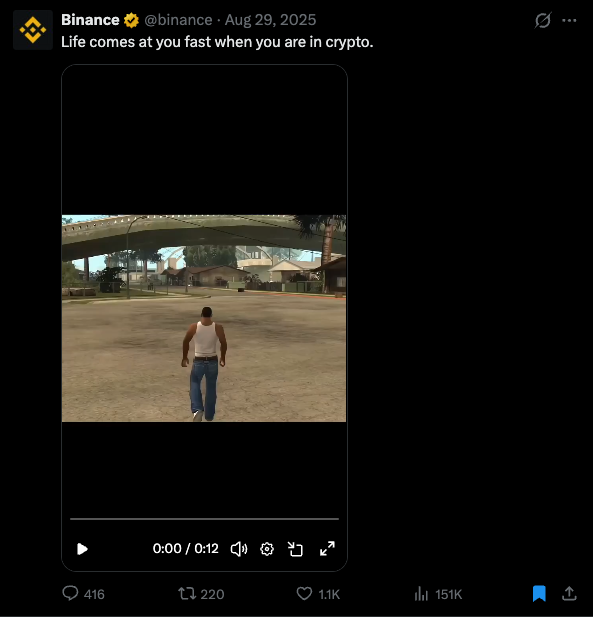
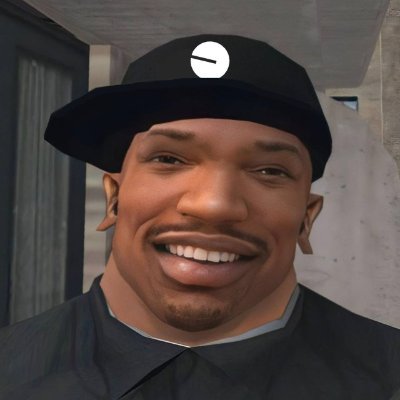
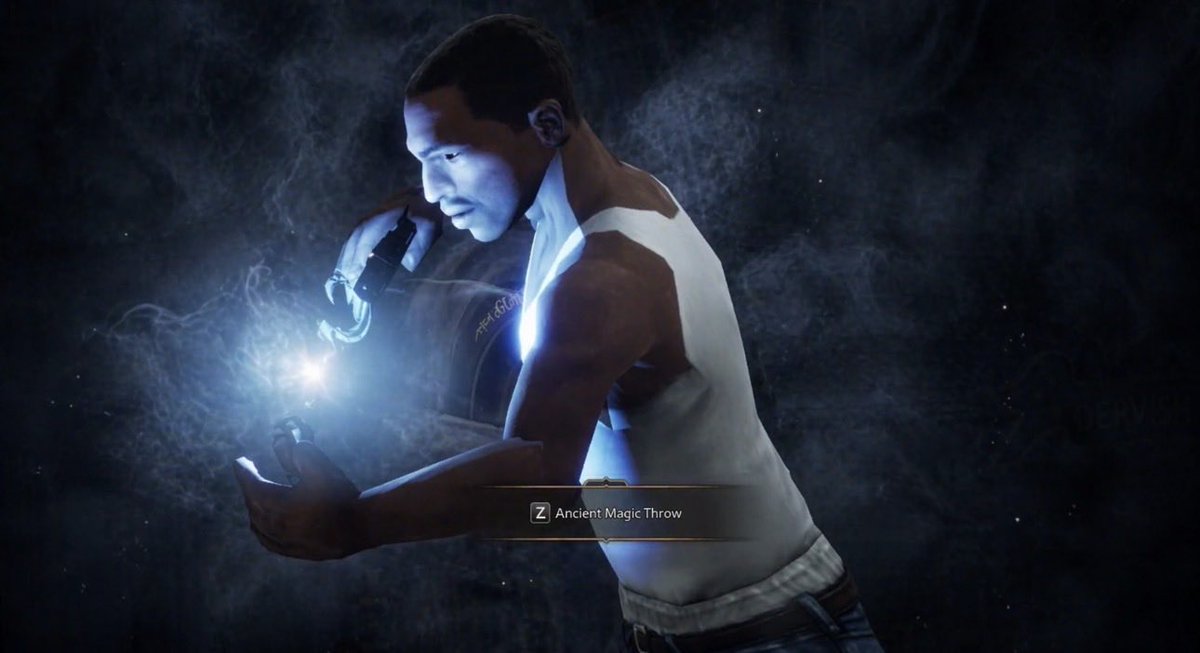
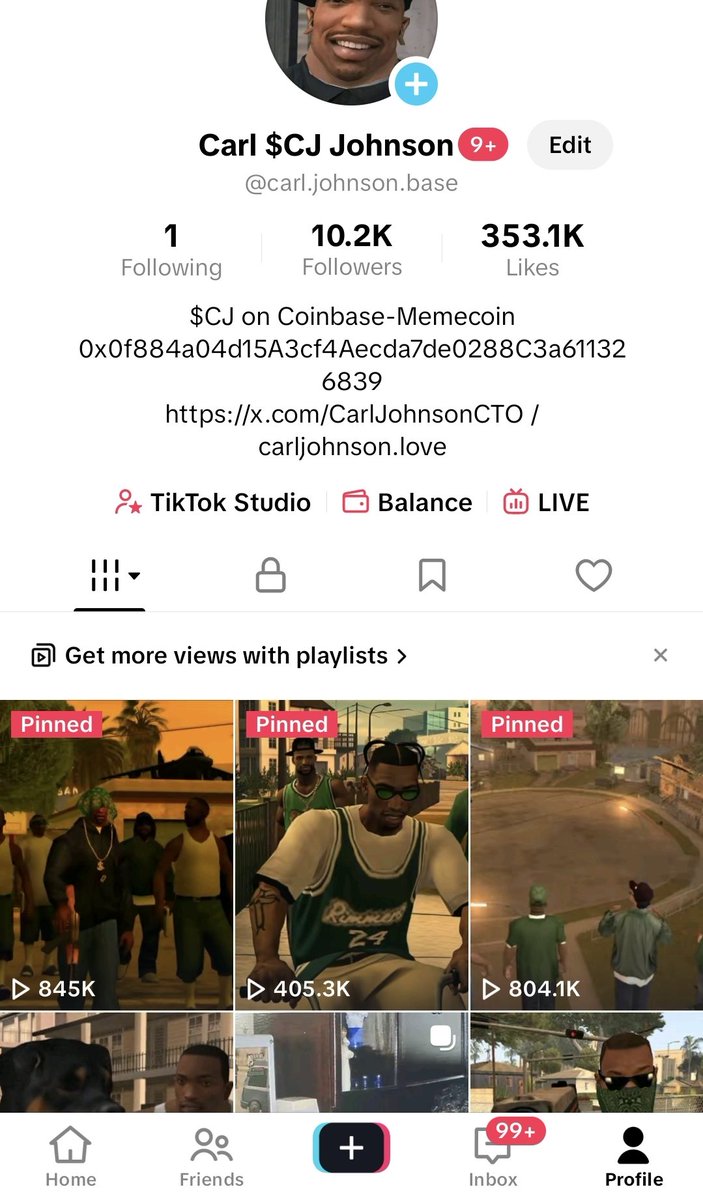
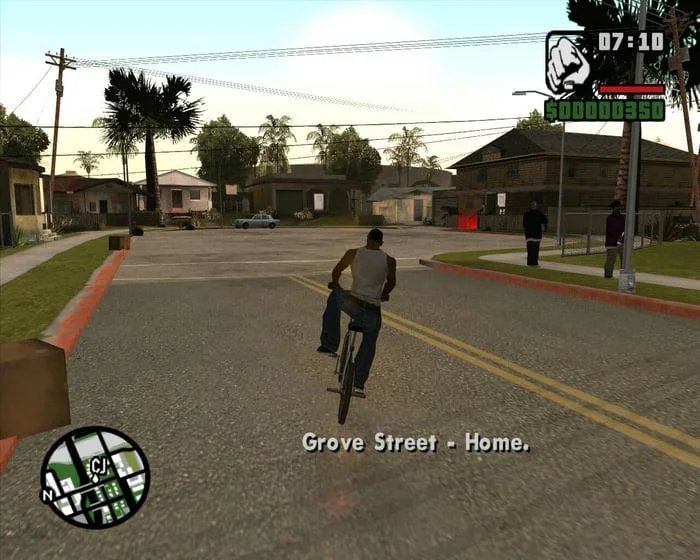
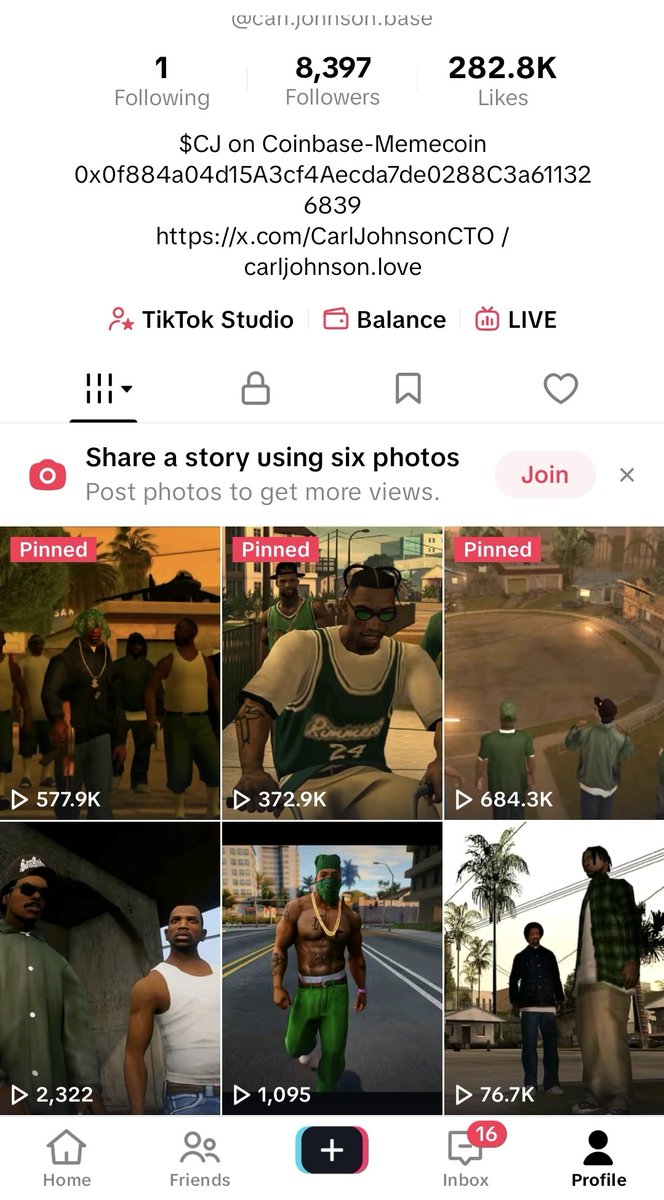
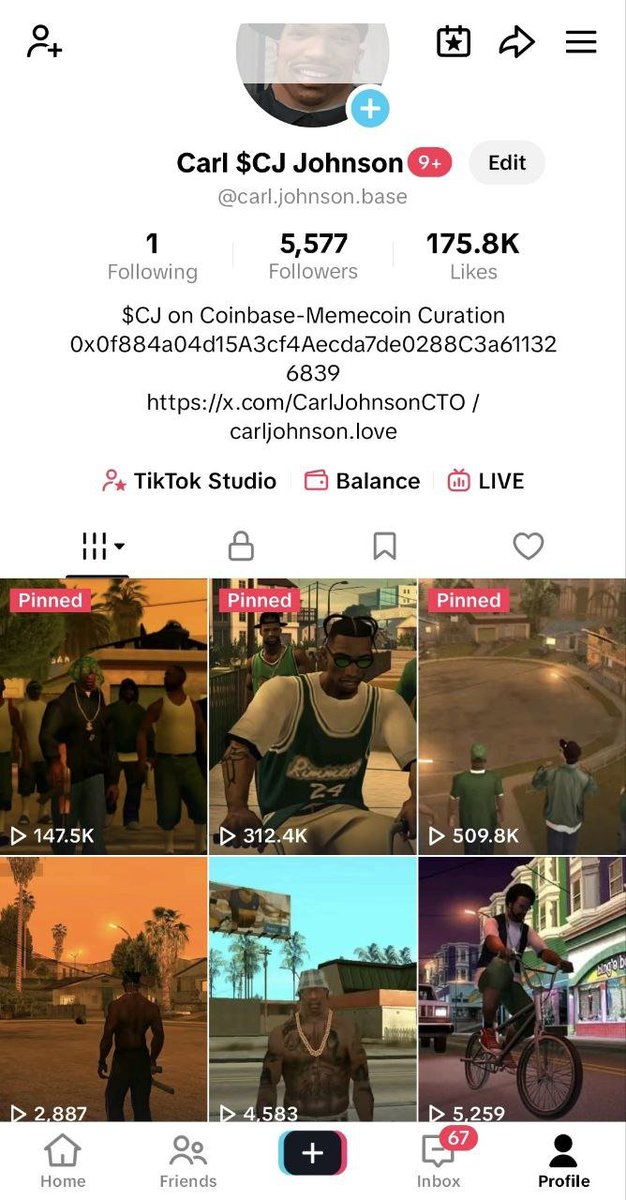
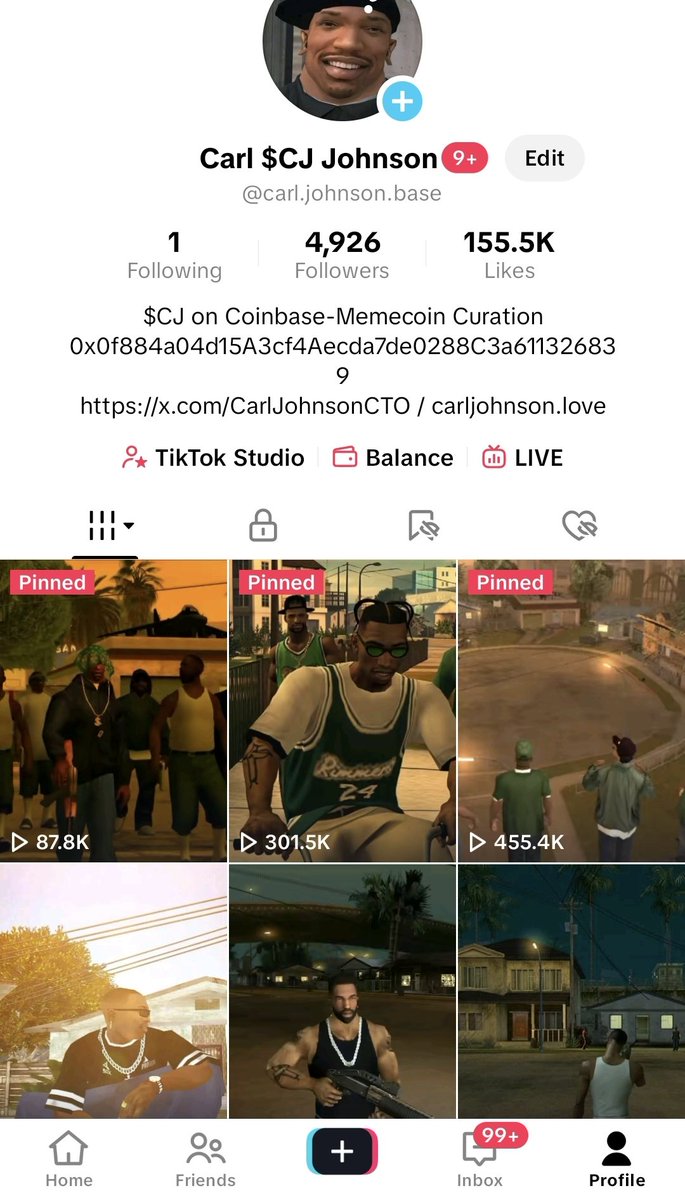
CJ, Carl Johnson, is likely the longest lasting embodiment of this thesis.
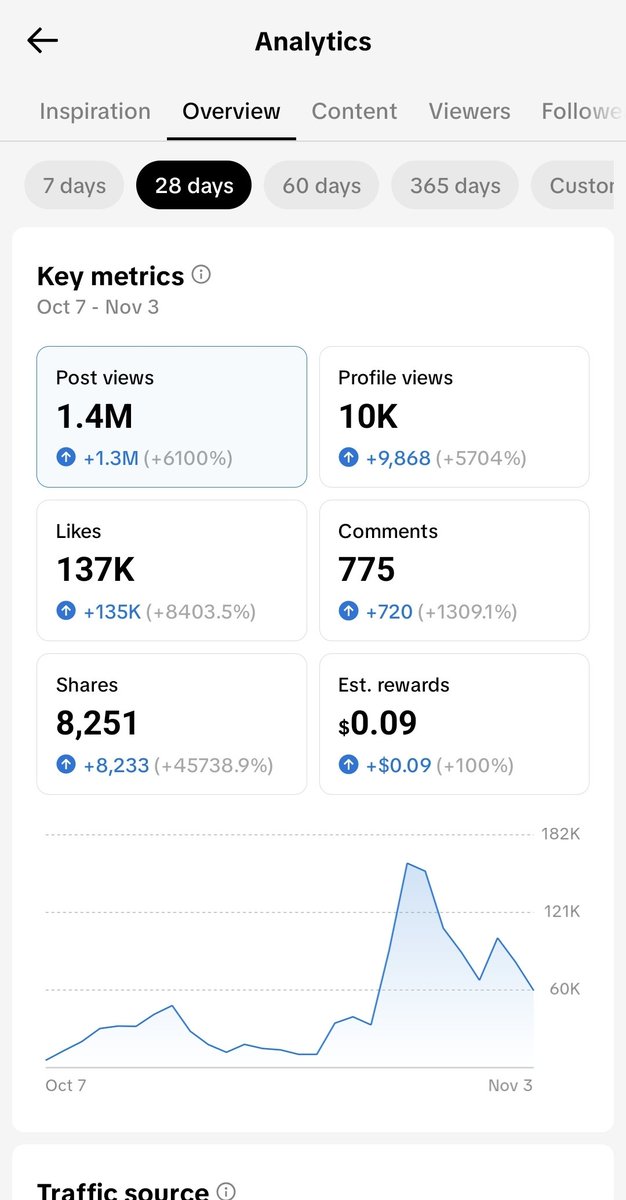
CJ began as a recognizable character in a game character 20 years ago, but the myth has moved way beyond its origin. It lives in the minds of the people carrying it. Every meme, post, remix, and ritual expands the story. The community is not just consuming CJ. It is helping CJ become something bigger then himself.