
meet me on the dance floor retweetledi
meet me on the dance floor
50.5K posts


meet me on the dance floor
@radiodreamer
private figure
México DF Katılım Kasım 2010
5.1K Takip Edilen5.3K Takipçiler


meet me on the dance floor retweetledi

“Spanish Romance” is proof of music’s power: even without a known origin or composer, it still reaches millions of hearts. With its hauntingly beautiful and emotional melody, it stands as a timeless classic of the classical guitar repertoire. 🎸
🌠Spanish Romance classical guitar (Romanza) performed by Marija Agic
English
¿Se han dado cuenta que en CDMX llevamos como 2 años sin mosquitos?
GIF
Español
Gratamente sorprendido con la exploración sonora, la apertura de géneros, épocas, técnicas, autores, y la experimentación que están haciendo en @Opus945fm. Cada que vengo a CDMX los escucho y a toda hora tienen algo nuevo que transmitir. Y se nota el entusiasmo y preparación.
Español
meet me on the dance floor retweetledi


meet me on the dance floor retweetledi

meet me on the dance floor retweetledi

A baroque style furniture set, likely from a luxury manufacturer such as Casa Padrino, consisting of a pair of antique chairs, a statement table, and a grand cabinet.

English
meet me on the dance floor retweetledi

English
meet me on the dance floor retweetledi

meet me on the dance floor retweetledi

Estarás mucho más en paz cuando entiendas que no vale la pena estresarte por lo que no puedes controlar: lo viejo, lo malo, lo que viene, lo que se queda o se va, lo que otros hacen o dejan de hacer.
Confía en ti y deja que todo fluya.
Español
Madonna - I Feel So Free (Official Visualizer) youtu.be/Zx83eVfP64A?si… a través de @YouTube

YouTube
Português
meet me on the dance floor retweetledi

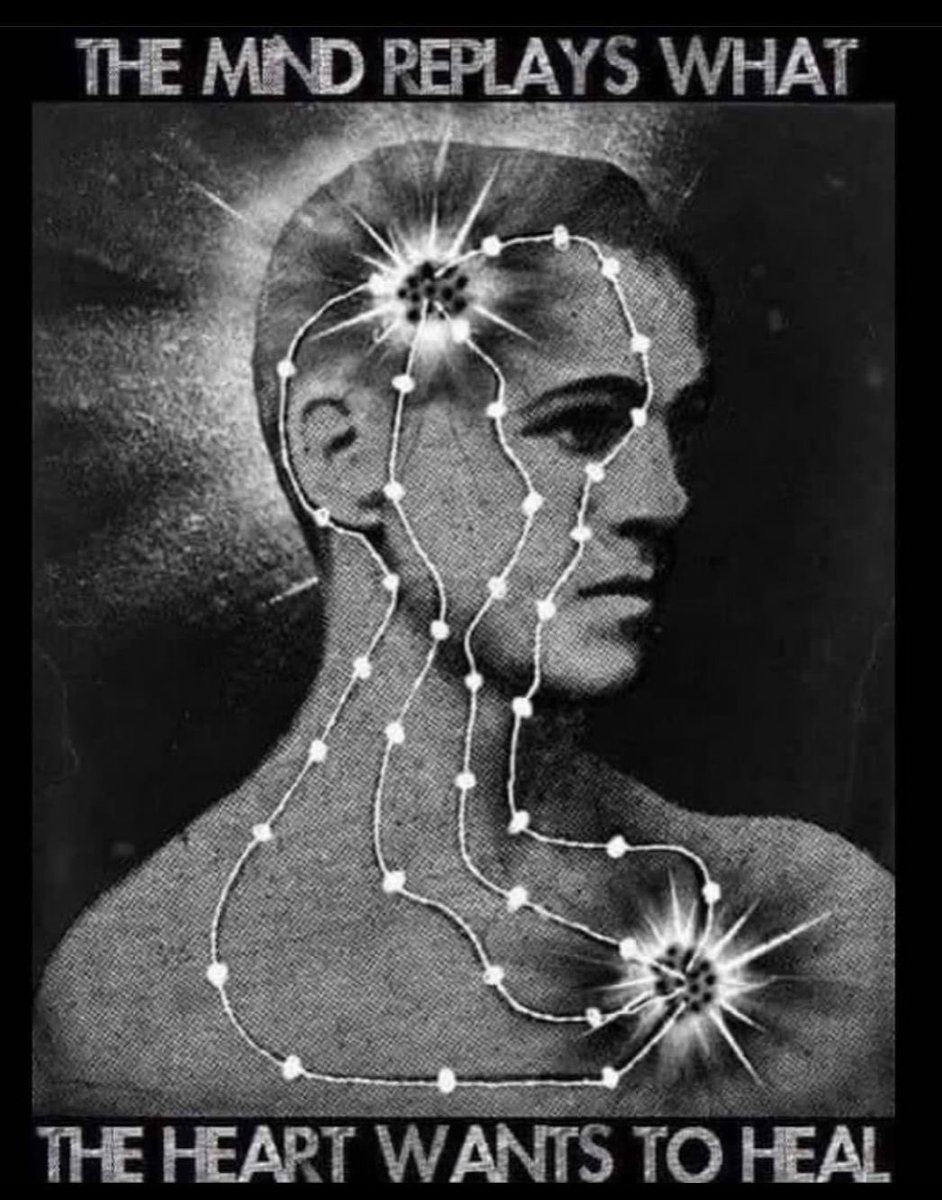
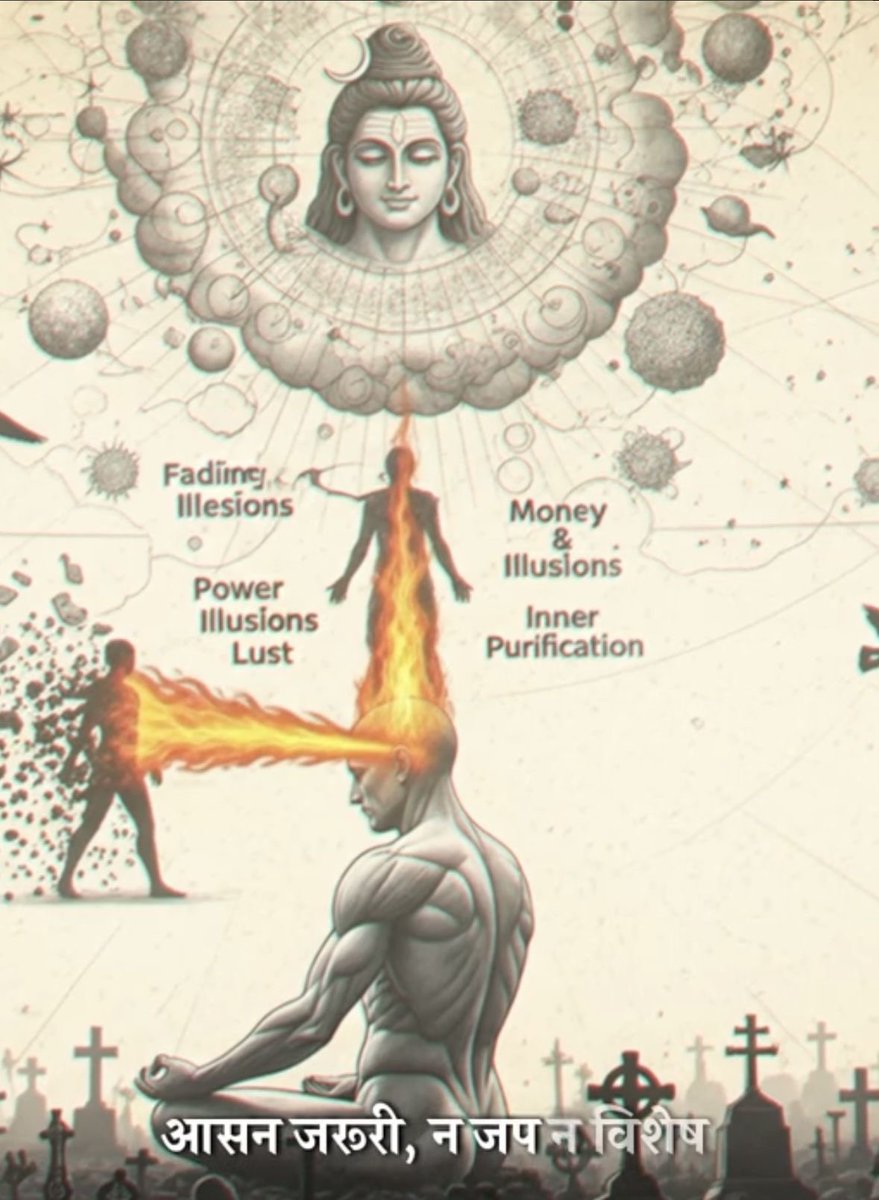
7 दिन भावनात्मक मुक्ति चैलेंज
सात पीढ़ियों का Anxiety, Trauma और Emotional Burden को शिव तत्व से मुक्त करने का प्राचीन सूत्र
क्या कभी बिना वजह सीने में भारीपन, पेट में ऐंठन या अचानक गुस्सा आ जाता है?
जिसे आप अपनी Anxiety या Depression समझ रहे हैं, वो शायद आपका नहीं है।
हिन्दी
meet me on the dance floor retweetledi

The "Sacred to Bacchus" wine ewer, a prominent example of Wedgwood jasperware.

English
meet me on the dance floor retweetledi

meet me on the dance floor retweetledi


meet me on the dance floor retweetledi

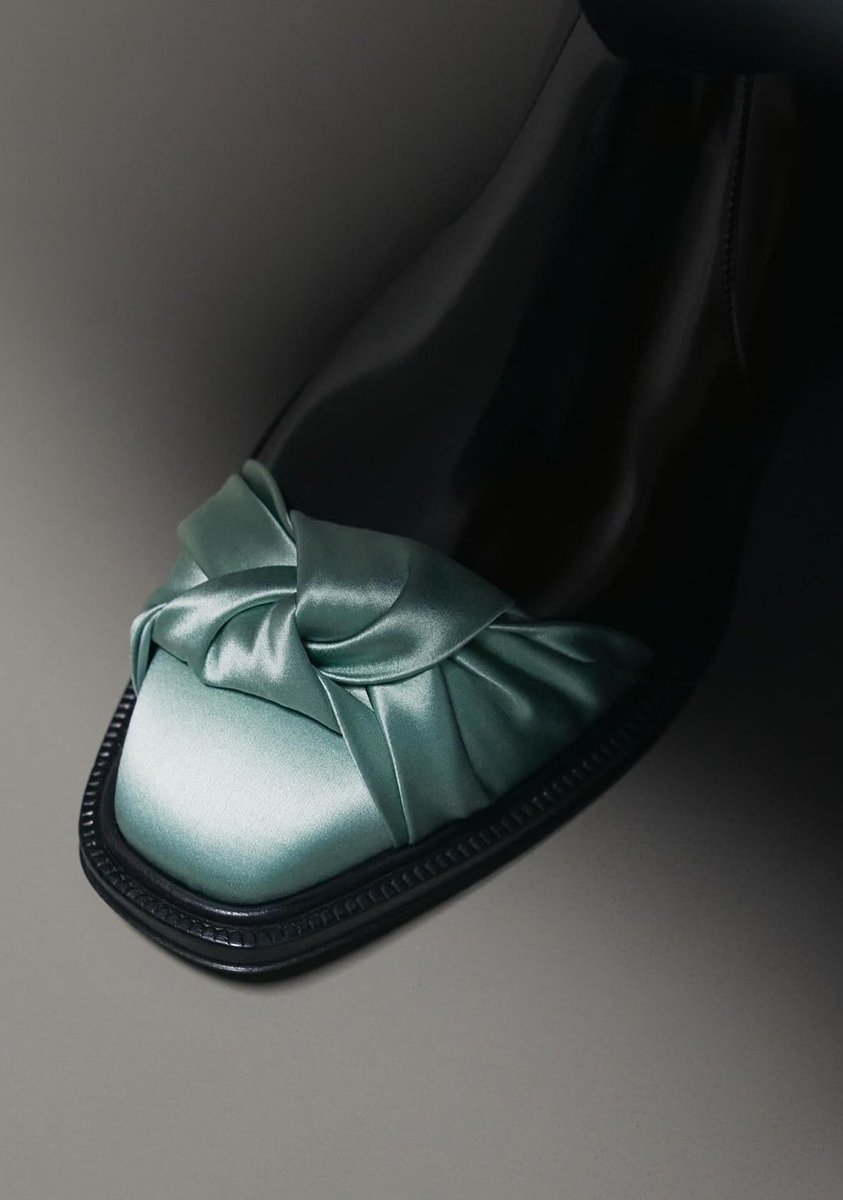
her mind, she is the ultimate lgbtq ally 🥹😭 im gonna cry
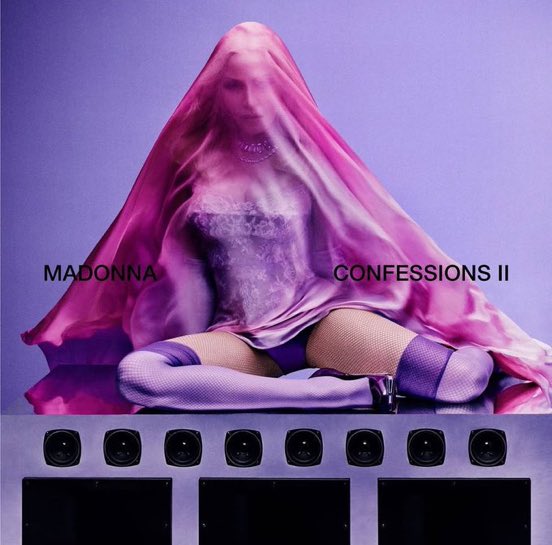
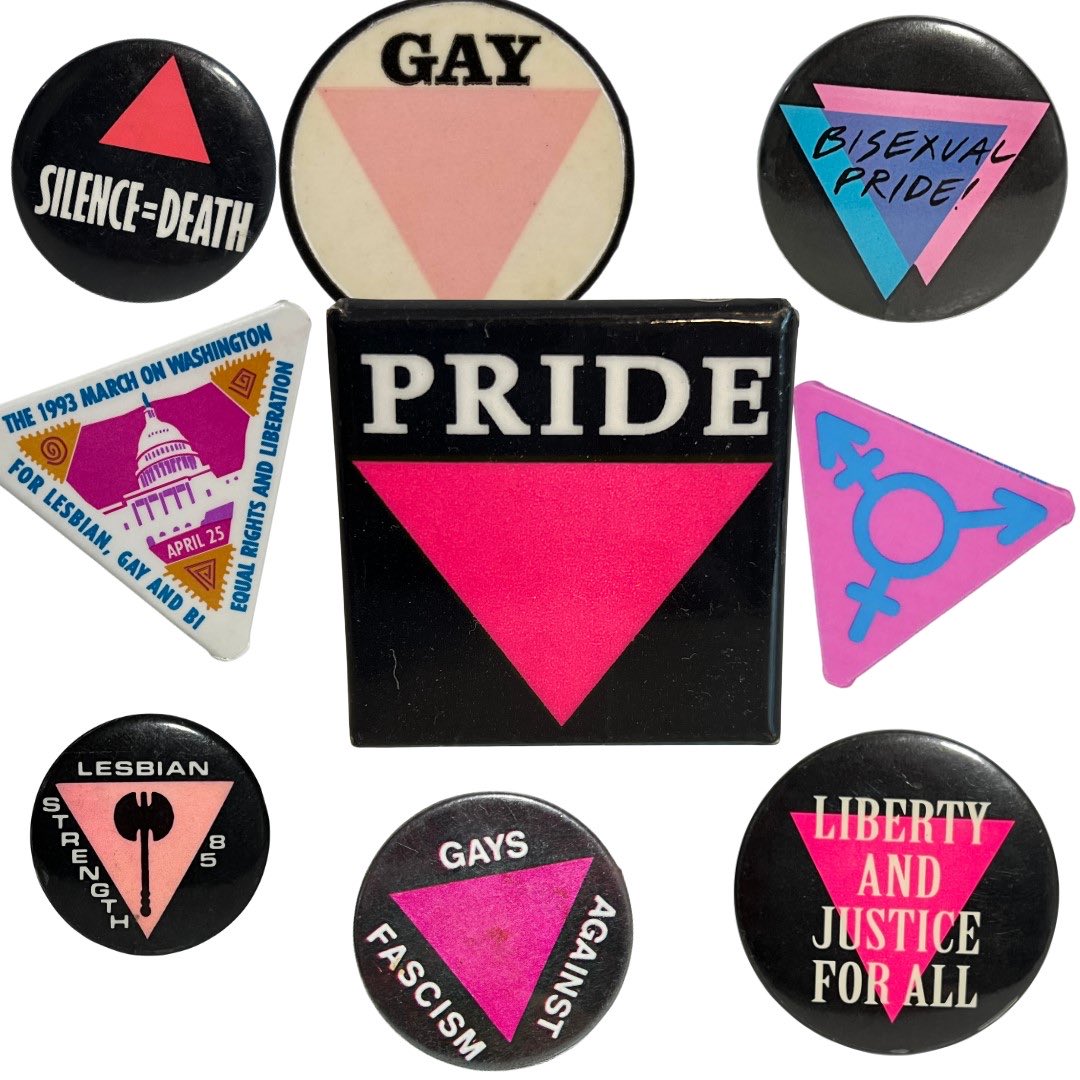
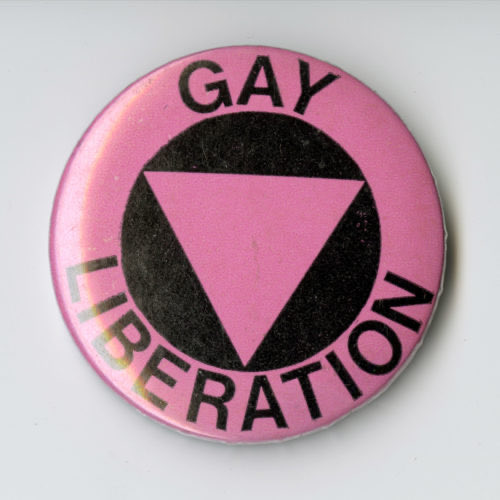
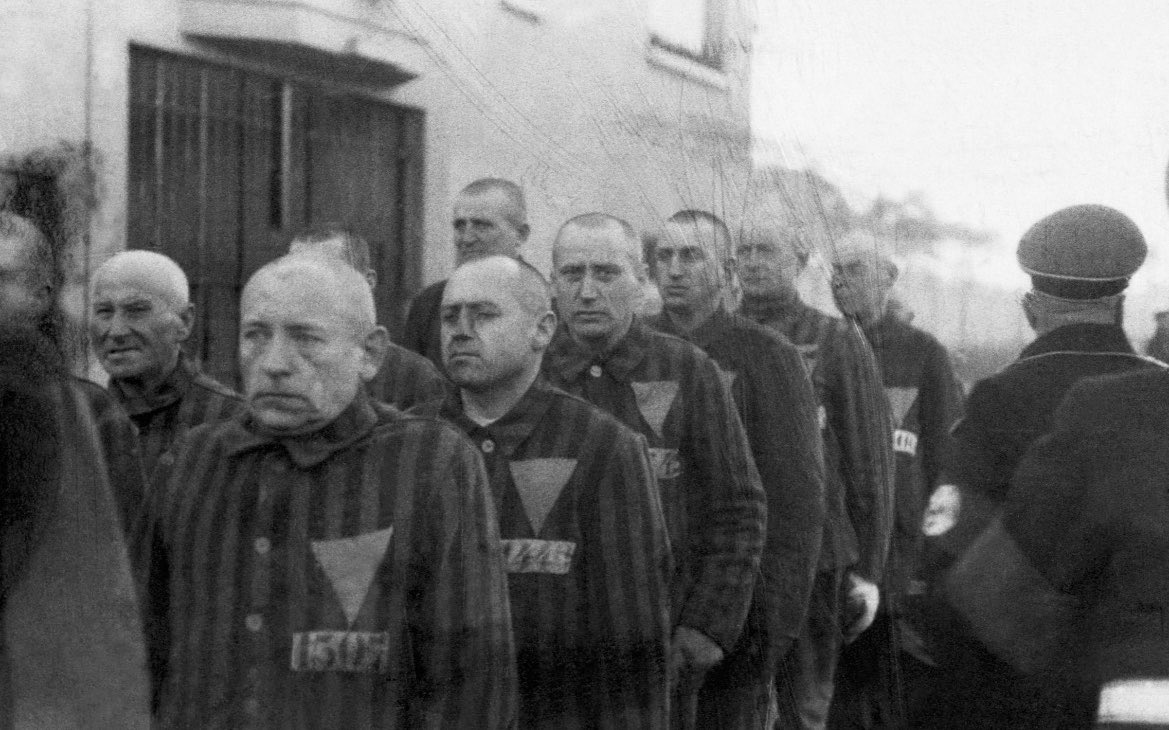
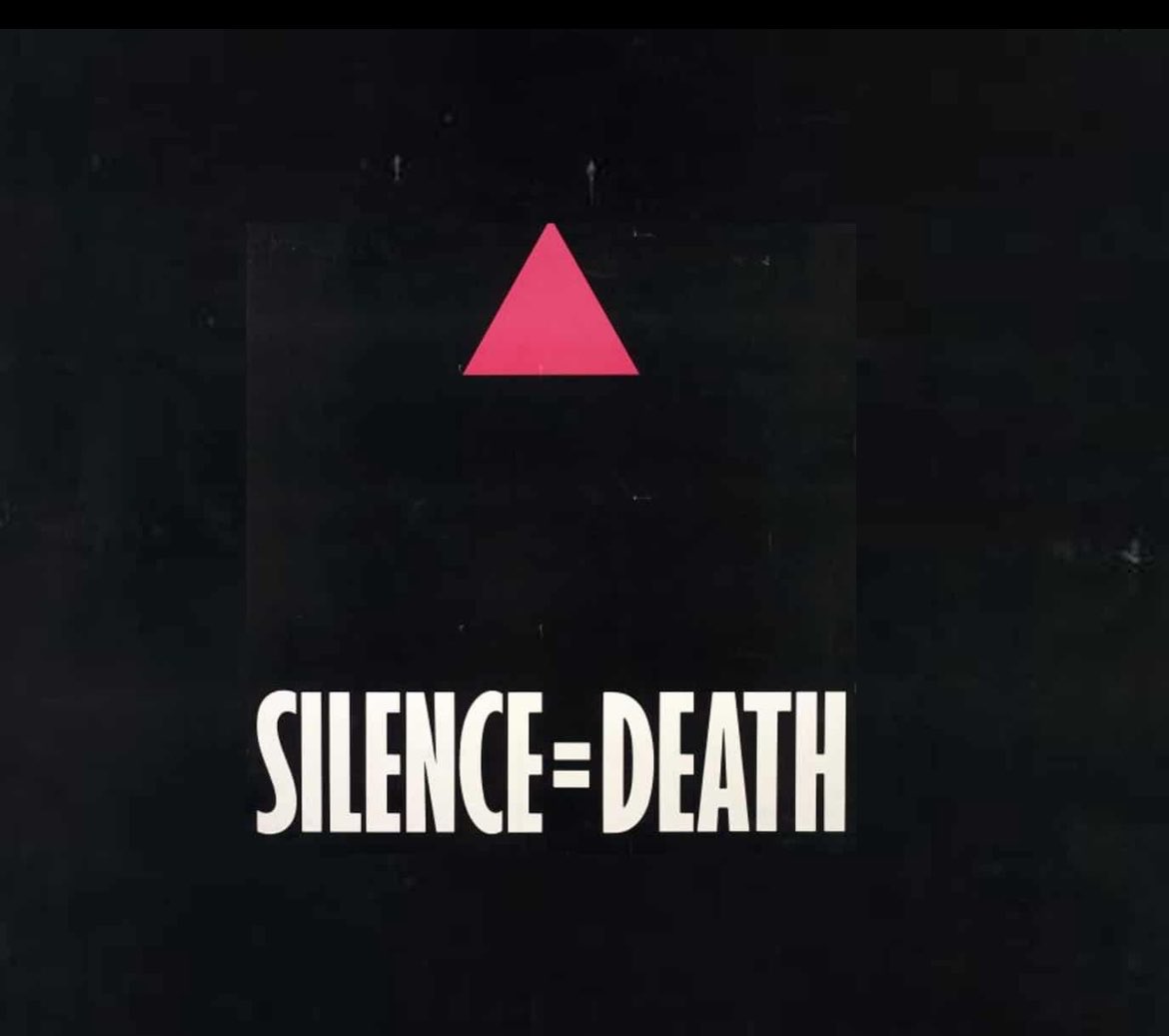
Madonna's an icon who knows her iconography. So when her album cover presents her as a pink triangle I'm certain it's a nod to the symbol assigned to homosexuals in the WWII concentration camps. The pink triangle was reclaimed by gays in the 70s and 80s and used powerfully by the AIDS activist groups ACT-UP.
#confessionsii #confessions2 #coadf2

English
meet me on the dance floor retweetledi

Madonna x Madonna - Future Lovers Feel So Free (mashup by me :3)
English
meet me on the dance floor retweetledi


meet me on the dance floor retweetledi

HOY 🎶sigue_el_sonido_16: Música acusmática desde el LIMME, FAM, UNAM
Música acusmática a cielo abierto.
Un paisaje sonoro para recorrer con otros oídos el entorno del lago.
🕣13:00
📍Espacio Sonoro
🎟️Entrada libre
Español
meet me on the dance floor retweetledi

Mexico is the home to an ancient and spectacular ceremony that still succeeds ...
Danza de los Voladores (game of the fliers), a ceremonial ritual dance of Mexico, with deep spiritual significance originating from Veracruz, Mexico 🇲🇽
The tradition ultimately originating among pre-Columbian Totonac and Huastec Indians of the region now occupied by Veracruz and Puebla, where it is still danced and spread across Mexico and down as far as Nicaragua. While it is now most closely associated with Totonac peoples of Veracruz, in particular in Papantla, (hence once of its names), this intriguing danza was likely invention of Nahua, Huastecs and Otomi.
The original significance of the Danza de los Voladores was, like many other Mesoamerican rituals, connected with fertility, corn, and the harvest. According to Totonac myth, the Danza de los Voladores originated as a way to appease the gods and end severe drought. This theory perhaps explains why the ritual is most closely associated with rain and solar gods such as Tlazotlteotl, Xipe and Totec, as well as notable solar events such as the Spring Equinox.
The Danza de los Voladores has been significantly revived in recent years (albeit mainly for commercial purposes) and nowadays, it’s so important to the cultural heritage of Mexico that it was recognised by UNESCO in 2009.
Typically, five men dressed in striking red and white outfits, bedecked with mirrored elements and rainbow headdresses representing sun and rainbows, respectively, shimmy up, as all men (voladores, or “flyers”) dance on a platform atop a pole, 30m high, before four of them proceed to tie themselves to the top of the pole with rope. The 5th member, known as Caporal, either plays the flute, bangs on a drum or sings at the top of pole. The 4 voladores (representative of the earth’s cardinal directions and elements) then launch themselves backwards from pole, beginning their elegant (but terrifying) descent towards the ground. While it may look rather ill-calculated, a total of 13 rotations are completed each totaling 52 and cleverly mirrors the years in the Aztec calendar’s ‘Century.’ At the end of the dance, they circle downward around the pole as the ropes that fasten them to it unwind.
Although the modern-day performance is close to what the original iterations would have been like, there have undoubtedly been modifications throughout the years. While early versions began with the felling of a tree that would become the central pole (process known as tsakáe kiki), it’s now far more common to see permanent metal poles used instead. Furthermore, the ritual was once far more complex, involving meditation and the impersonation of birds, whereas in Nahua and Otomí cultures, there is no pre-pole climbing dance. Other iterations feature six voladores, rather than five.
According to some scholars their costumes and music show Spanish influence, the dance itself survives almost exactly in its original form. The ancient agricultural fertility significance of the dance has disappeared, but there remains in the number of dancers 4 or 6, pre-Christian ritual orientation to the four points of the compass plus the zenith and the nadir.
Nowadays, the Voladores de Papantla are a popular tourist attraction, with shows being performed regularly in tourist destinations across the country, such as Puerto Vallarta, Playa del Carmen, and Mexico City’s Chapultepec Park. However, there are plenty of other more off-the-beaten-path places to catch a glimpse of the famous ‘flyers, ’including at the annual Encuentro de Voladores at El Tajín, Veracruz, the historic centre de Papantla, Veracruz and Cuetzalán, Puebla. Alternatively, you can catch the Guatemalan take on Danza de los Voladores, which is known as Palo Volador in Joyabaj, Chichicastenango or Cubulco on specific days of the year.
🎥© TheGlobeWonderer (IG)
#archaeohistories
English