
Sabitlenmiş Tweet
raunit ⓧ
6.6K posts



*france mogs all tournament*
*cavey bets on france*
*france flops*

English
raunit ⓧ retweetledi



@cavemanloverboy Why did it start hurting after two days? What’s the reason? I thought it was just me. Does it happen to everyone?
English
the worst time to do legs is 2 days ago
never hit legs 2 days ago
English
English

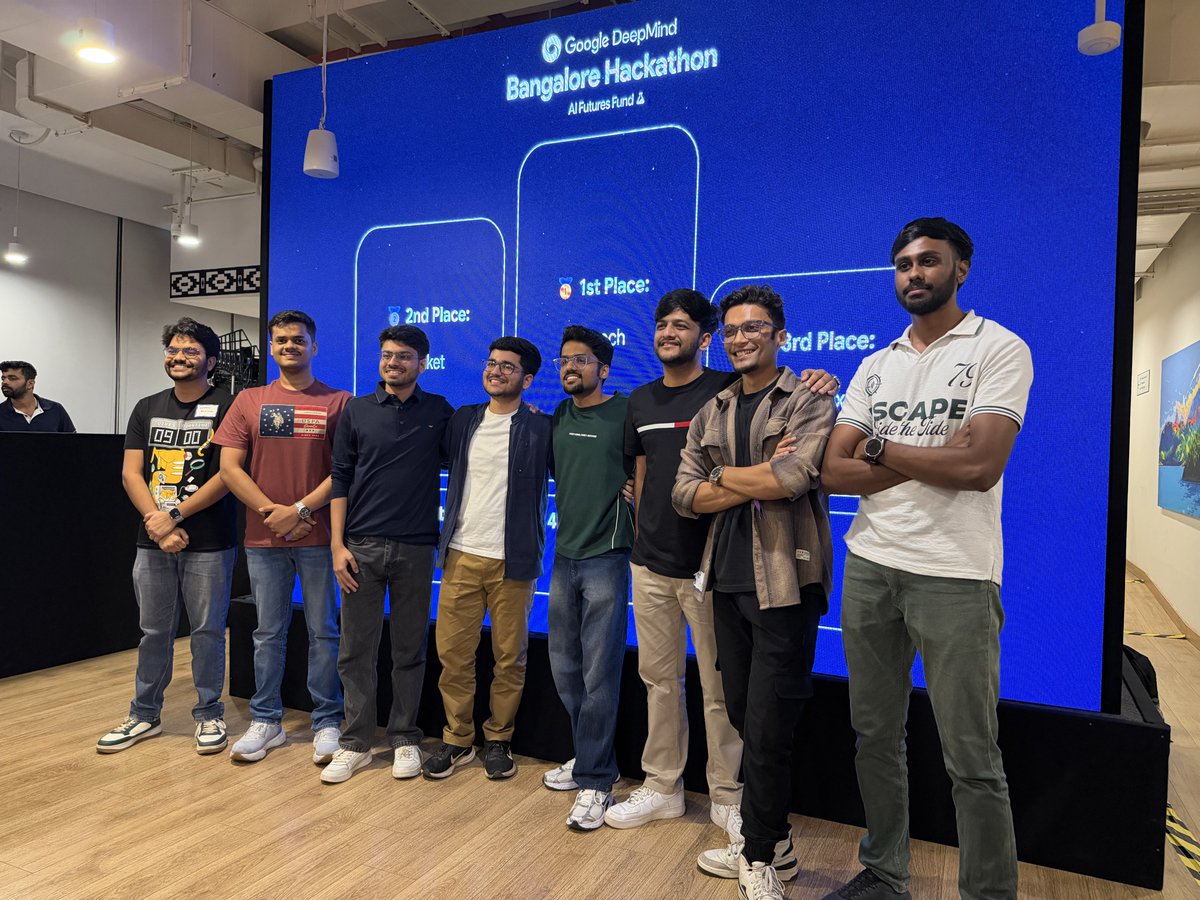
placed 1st, winning $5000 at the @GoogleDeepMind x @cerebral_valley hackathon bangalore! 😭
> we built an RPG game generator that uses @NanoBanana to create worlds and assets as you play and progress
> you can create your own worlds that are rooted in Indian culture
> every asset that you see is generated on the fly
> the gameplay assets, dialogues, and clues all change with the theme
> for instance, the first visual in the video is from the movie lagaan!
insane clutch at the last moment
shoutout to the team 💙: @im__apoorva @ahmedfahim21_ @harsh_agw
Parth@mittalparth_
update: we are in the finals!!!!
English
raunit ⓧ retweetledi

I agree that orgs will flatten, but I think Engineering Managers are the best ICs in the age of AI.
In my day to day I have to distill multiple clients/stakeholder goals into context to feed other engineers. The responses of those have to be reviewed.
The same lifecycle applies in the age of AI. Before AI this wasn't a skill for ICs, but now it's the most important skill.
Gokul Rajaram@gokulr
MANAGERS: BE PROACTIVE One of my closest friends quit his role as Engineering Manager at a decacorn company after 2 years. I asked him why. He replied: "I have accepted that my role won't exist in 5 years, and I must make a proactive change. I need to become an IC Engineer again and manage agents vs managing people." People Managers: The flattening of orgs is one of the most legible trends across organizations of every size. Ignore it at your peril.
English

raunit ⓧ retweetledi

you can just do things!
Solana Foundation@SolanaFndn
New episode of The Stack with @nocircuit @deanmlittle from @blueshift talks why Solana’s architecture is uniquely suited for parallelism and how better tooling and education can unlock the next wave of apps on Solana. Check out the full episode 👇
English

personal update: i've decided to leave @met_engine
co-founded it 18 months ago as something we built for ourselves, and grew it into a product with 10k+ users and $114M+ volume processed. raised our pre-seed along the way
it was an intense and rewarding run. shipped fast, broke things, sat with users, and learned what it actually takes to go from an idea to a live product with users.
grateful to my co-founders, the team, and everyone who backed us
as for what's next, i'm open to new opportunities.
looking for a technical, customer-facing role where i can build and work closely with the people using it.
so if you're building something interesting in crypto or AI, my DMs are open 🫡


English
raunit ⓧ retweetledi

one conversation with the right founder can save months of building.
that's why we're excited to have @exo_tech_ support Superteam Black.
black teams now get:
+ direct access to founders @NFTtaylor and @tomjohn1028 for technical architecture, product strategy, ecosystem positioning, and launch guidance
+ GTM mentorship from @TreyTri
+ exclusive partner pricing on Exo's embedded blockchain engineering team
because the best advice comes from people who've already built it.

English
raunit ⓧ retweetledi
fable when i ask it if there are any blind spots in my smart contract's test suite

English
raunit ⓧ retweetledi

@Solana just happens to be the only option that has both speed and depth.
Lora Finance@LoraFinance
We are moving from MegaETH to Solana We spent 6 months building on MegaETH, with the tireless technical support from Bread and the team. We truly wish the team all the best, and hope that one day we'll have the opportunity to work with each other again. We are moving to Solana, but not other chains/L2s for the following reasons: • Ecosystem TVL • Sub-400ms • Access to a wide variety of assets through @sunrise @Solana just happens to be the only option that has both speed and depth. 2/4
English

Now that Fable 5 is ready to build (again), we've reset everyone's 5-hour and weekly rate limits.
English

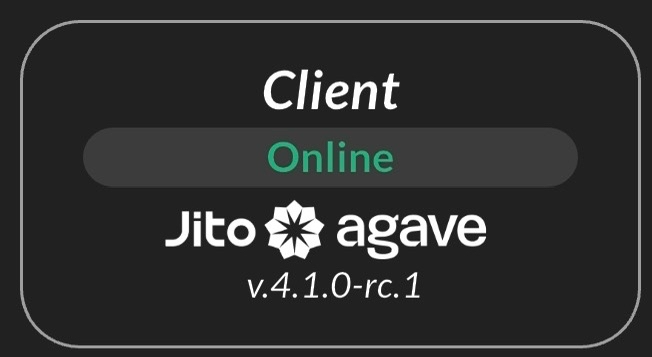
upgraded to v4.1 ✅
The road to Alpenglow starts here
100M CU blocks and 200ms slots are coming closer
Anza@anza_xyz
Agave v4.1 is now recommended for mainnet validators and sets the stage for an exhilarating v4.2. Introducing prerequisites for: - Alpenglow - 100M CU blocks - 200ms slot times
English
