

Barney Fife
1.1K posts

Barney Fife
@readindustries
F3 "Barney Fife" and retired Birmingham Nantan. 🇺🇸
America Katılım Mayıs 2008
164 Takip Edilen456 Takipçiler

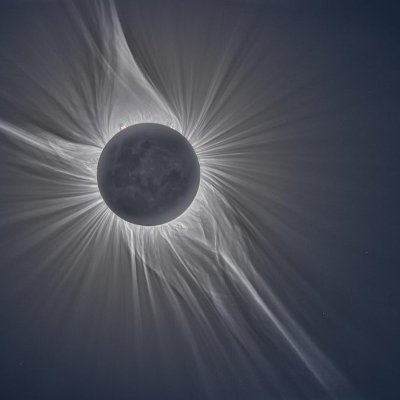
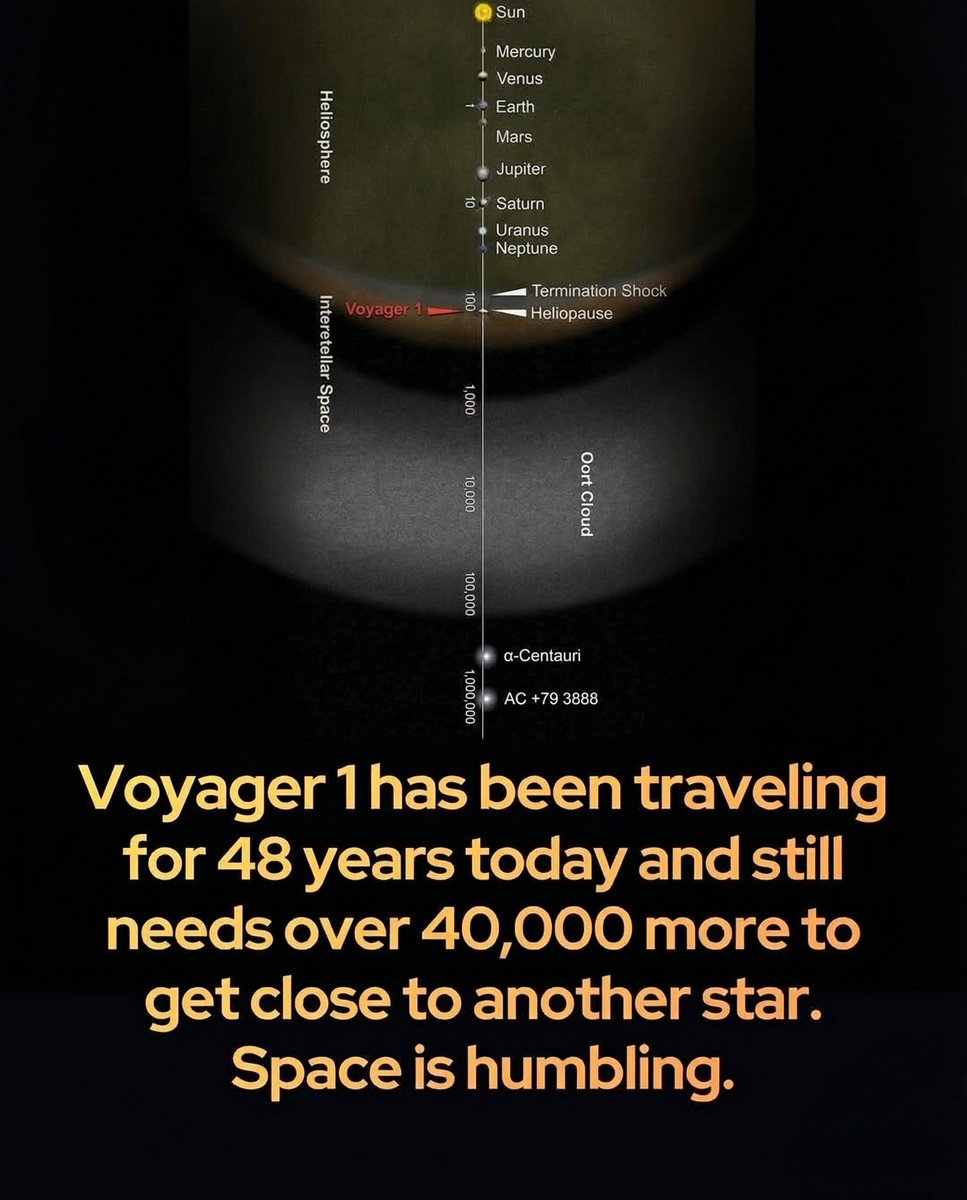
Very soon, after 48 years of travel, the Voyager 1 spacecraft will cross the one-light-day distance from Earth.
English
This is what our planet looks like from a distance of 1.5 billion kilometers.
The Cassini spacecraft captured Earth as a pale blue dot beneath Saturn's rings.
English

@FinancialPhys He’s right. Of course.
Check out my new Voyager 1 tracker.
whereisvoyager1.com
English

I’m so happy to see others addressing the issue of space travel
SiFi is a plot device for storytelling, nothing more
English

This is literally all the water on Earth.
That tiny sphere is just 1,385 km wide, while Earth is 12,742 km.
It’s hard to wrap your head around, but our "blue planet" is actually much drier than it looks.
English
🛰️Check out my Voyager 1 tracker. ISS tracker will be live soon. 🪐
whereisvoyager1.com
English

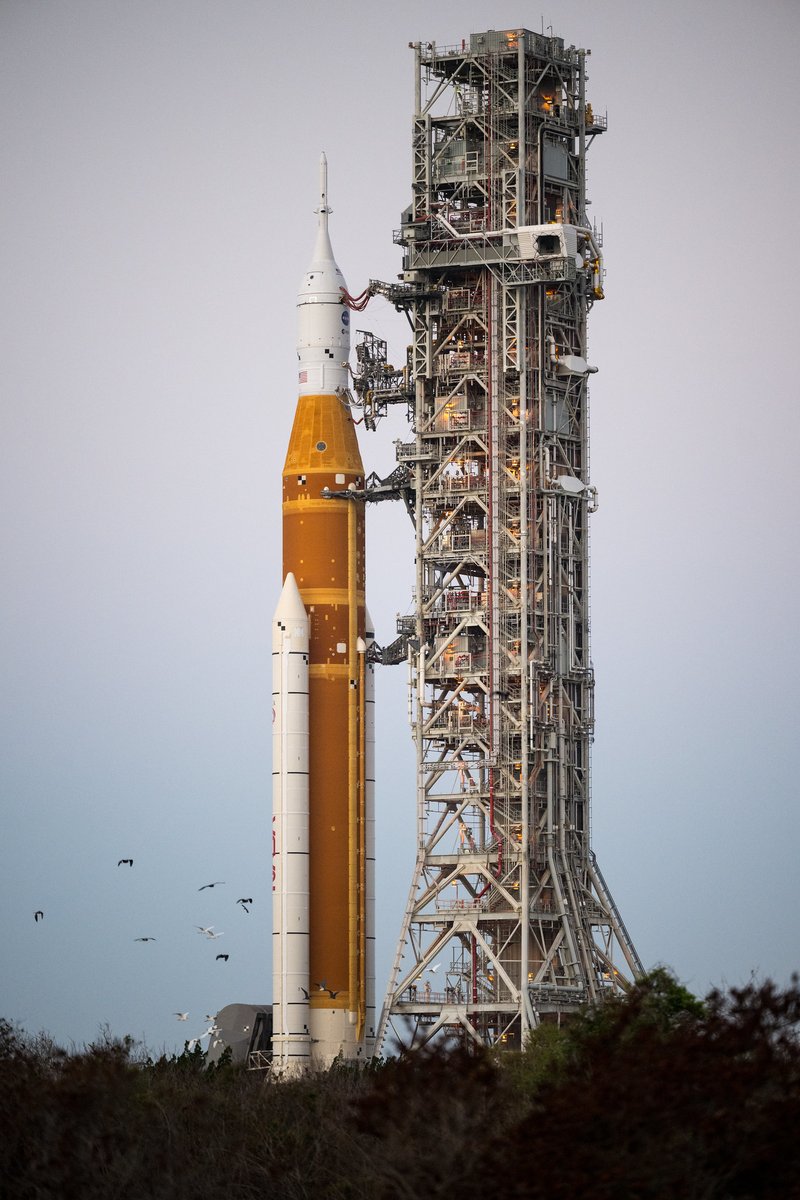
The Space Launch System rocket and Orion spacecraft for the Artemis II mission arrived to the launch pad today at 11:21am ET (1521 UTC).
We are gearing up for preparations ahead of launch of the crewed lunar mission. The earliest possible launch opportunity is April 1. go.nasa.gov/4sXHmtl
English


This mind-blowing visualization reveals the insane relative cosmic velocities at play:
Earth spinning + orbiting the Sun + Solar System racing around the galaxy + our galaxy hurtling through the universe
Shocking part? We still feel nothing.
English
Barney Fife retweetledi
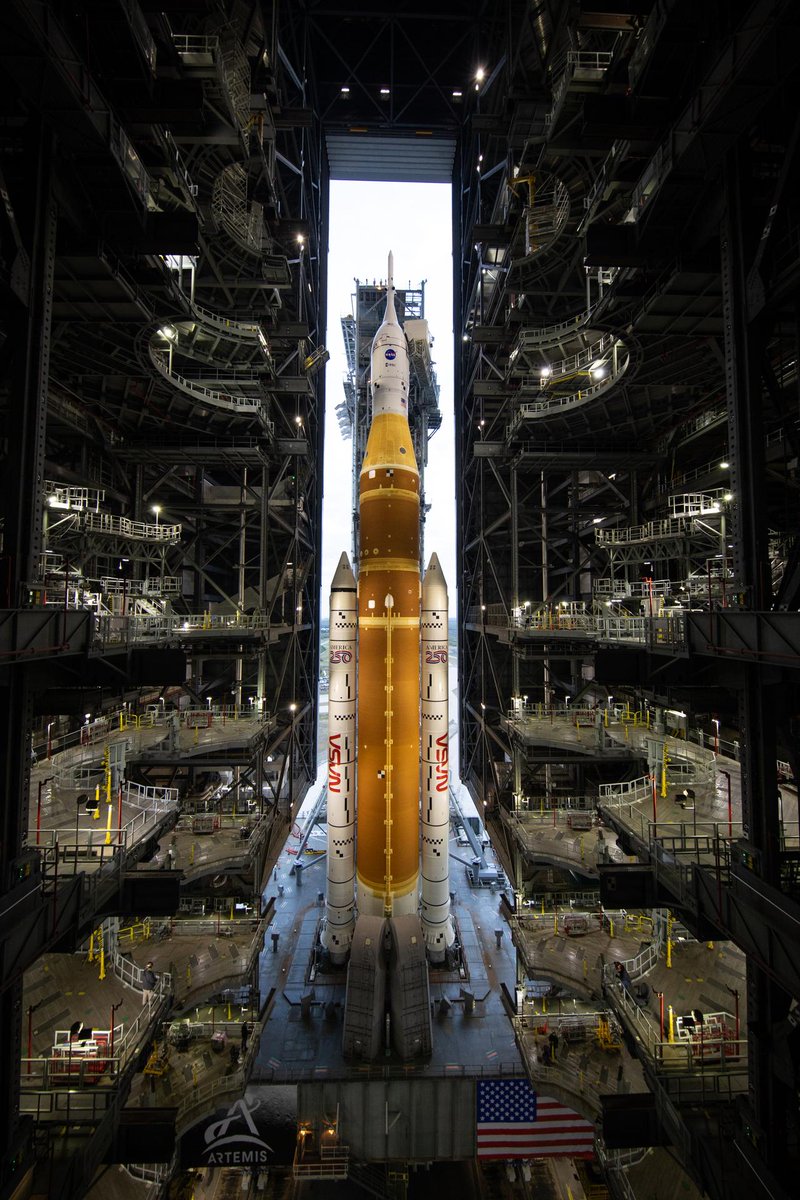
Are you coming along with us? 🚀🌕
Sign up to send your name around the Moon with Artemis II!
Get your boarding pass: go.nasa.gov/artemisnames
English
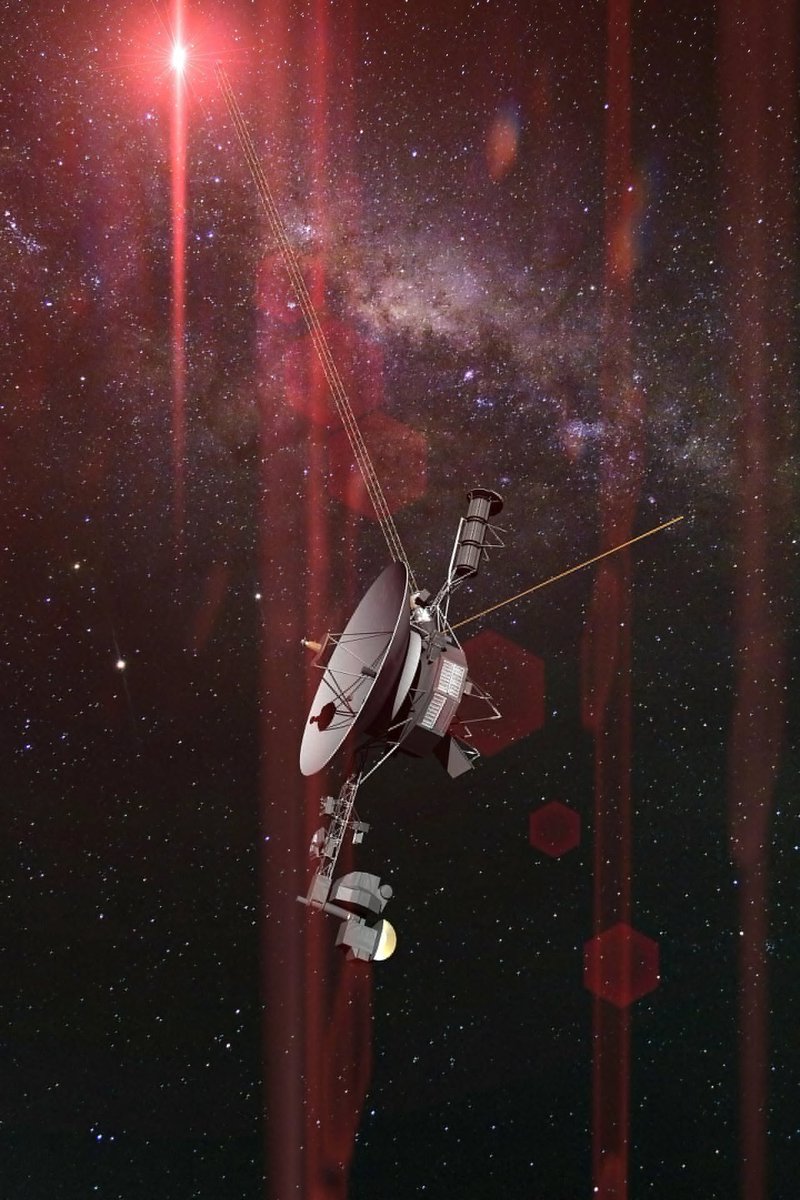
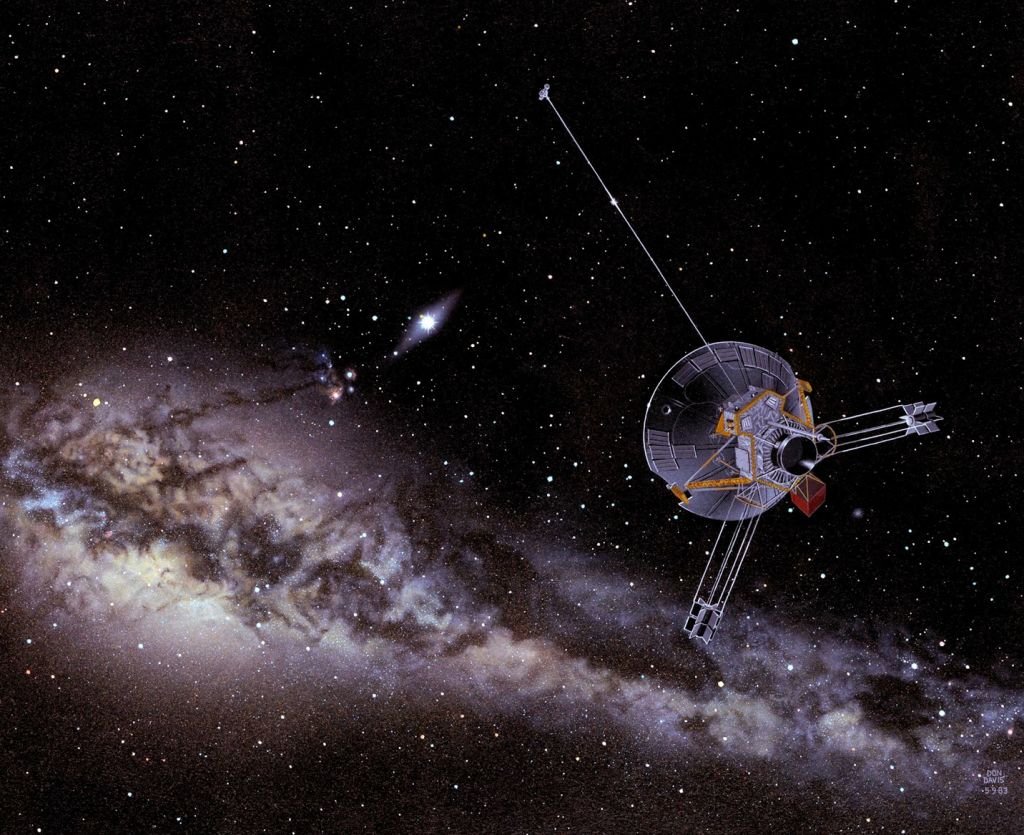
🚨 Voyager 1 is about to reach 1 light-day from Earth.
Almost 16 billion miles after 48 years. 🤯
English

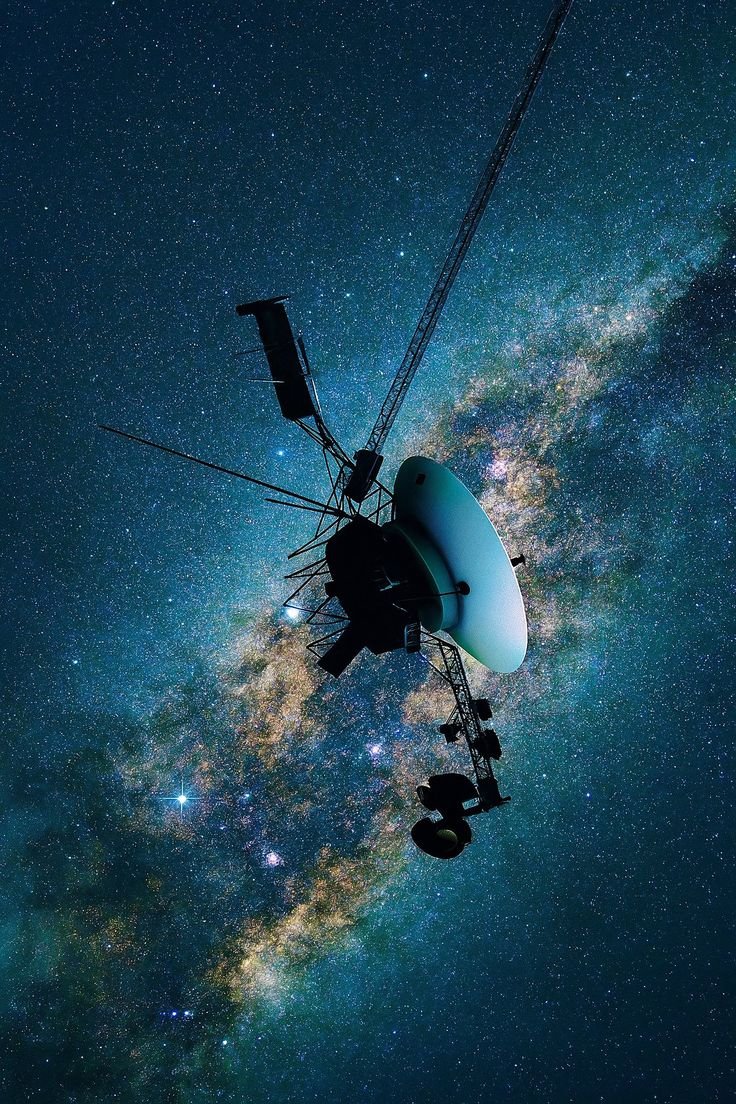
🚨: Voyager 1 is about to reach one light-day from Earth
English


60 dias em Júpiter registrados pela Voyager 1 em 1979.
Português

A 2.5-second rocket flight that heralded decades of discovery in space!
Today marks 100 years since the first successful test of a liquid-fueled rocket. Robert H. Goddard's achievement would have appeared unimpressive by most measures: His rocket flew just 41 feet in the air, landing in a nearby cabbage patch. Liquid-propelled rocketry has been the backbone of spaceflight ever since.
📷 by Esther Goddard on March 16, 1926 (Clark University Archive)

English
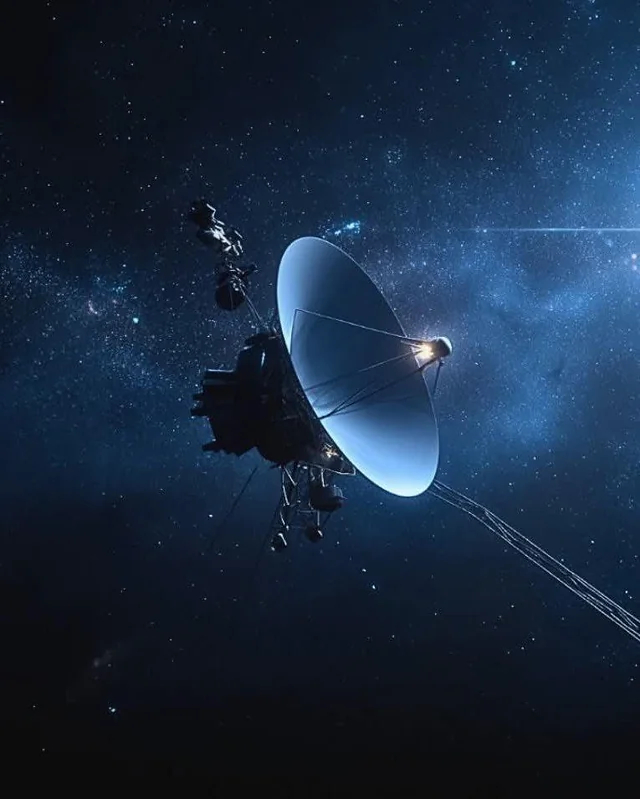
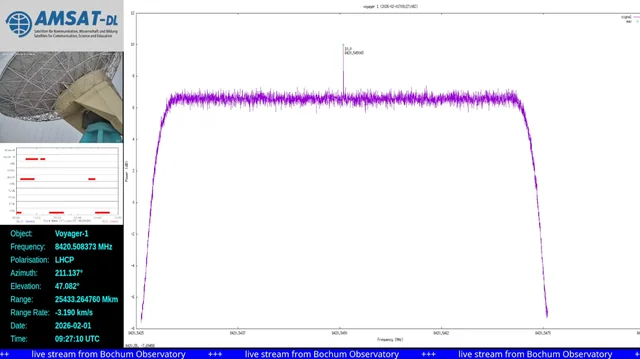


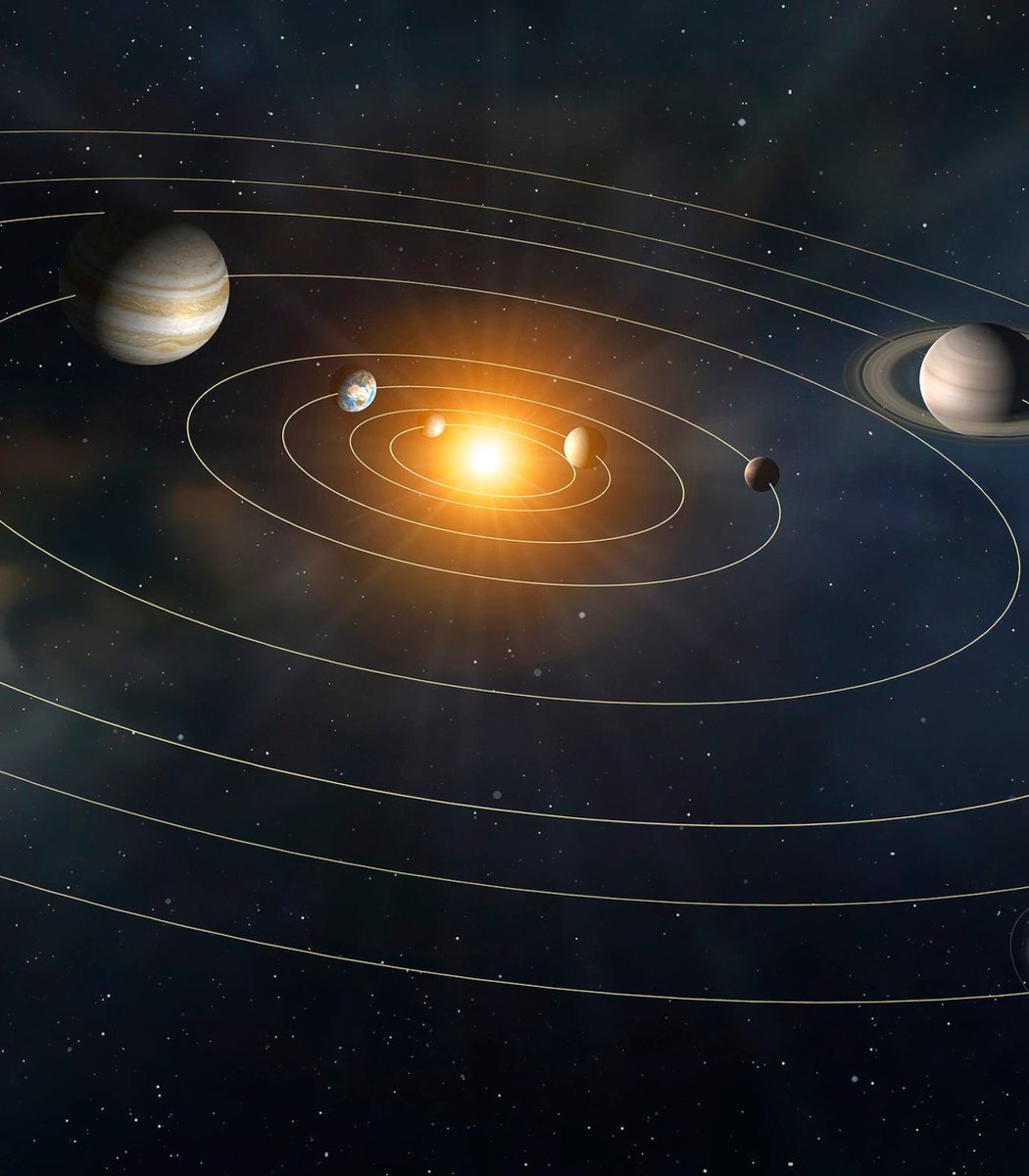
@Rainmaker1973 My Voyager 1 tracker. Enjoy 🛰️
whereisvoyager1.com
English

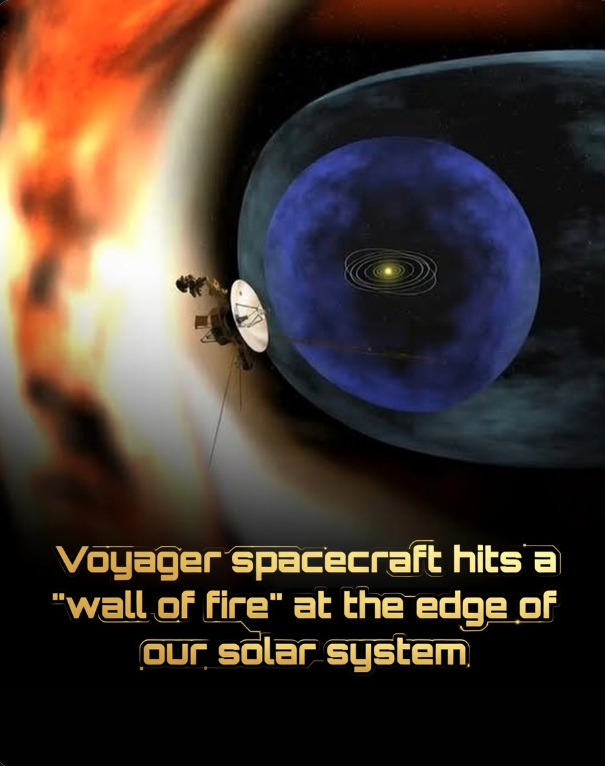
Voyager hit a 90,000°F wall at the solar system’s edge.
NASA’s Voyager 1 spacecraft crossed one of the most dramatic frontiers in the cosmos: the heliopause, the tenuous boundary where the Sun’s influence finally gives way to interstellar space. What the probe discovered there was astonishing—a turbulent zone of superheated plasma with temperatures soaring between 30,000 and 90,000 °F (roughly 17,000–50,000 °C).
This wasn’t a physical wall or barrier, but a dynamic transition region where the outward-flowing solar wind abruptly slows, compresses, and piles up against the incoming pressure of interstellar material. That compression converts kinetic energy into thermal energy, driving the plasma to extreme heat levels far beyond anything found inside the heliosphere.
Remarkably, despite the blistering temperatures, this “wall of fire” would pose no danger to a hypothetical astronaut. The plasma is extraordinarily diffuse—far less dense than the best vacuums achievable in Earth laboratories—so there are simply too few particles to transfer meaningful heat. The region is hot in temperature but cold in practical effect.
Voyager’s instruments captured clear signatures of the crossing: a sudden plunge in solar wind particles, a sharp rise in galactic cosmic rays, and faint plasma oscillations that revealed the density and temperature of this exotic boundary layer for the first time. These vibrations—analogous to ripples on an unseen sea—provided direct measurements of conditions in a realm previously known only through theory.
The heliopause itself serves as a vital shield. The entire heliosphere—the vast bubble carved by the Sun—deflects most of the galaxy’s high-energy cosmic radiation, helping protect life on Earth from constant bombardment. Beyond this protective envelope lies the harsher, unfiltered radiation environment of the interstellar medium.
Today, more than 15 billion miles (24 billion kilometers) from home, Voyager 1 remains the farthest human-made object ever sent into space. Still operational and transmitting precious data, it continues to reveal the secrets of this distant frontier.
At the outer limit of our solar system, space is neither empty nor serene. It is a violent, glowing threshold—and humanity has only begun to map its mysteries.
English