

Jessica Knight
1.2K posts


Read this book and give it to all your friends.
Survival of civilization depends on it!
Gad Saad@GadSaad
#2 across all new releases in Canada.
English



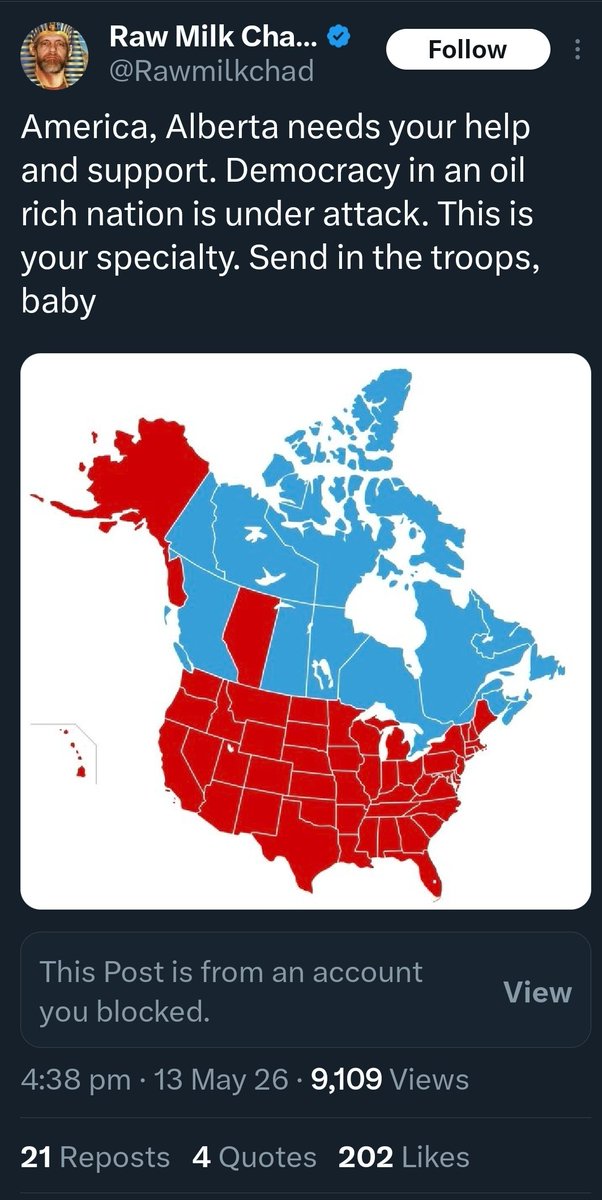
English
@dieworkwear Clearly, he just had a pedicure with polish.
English

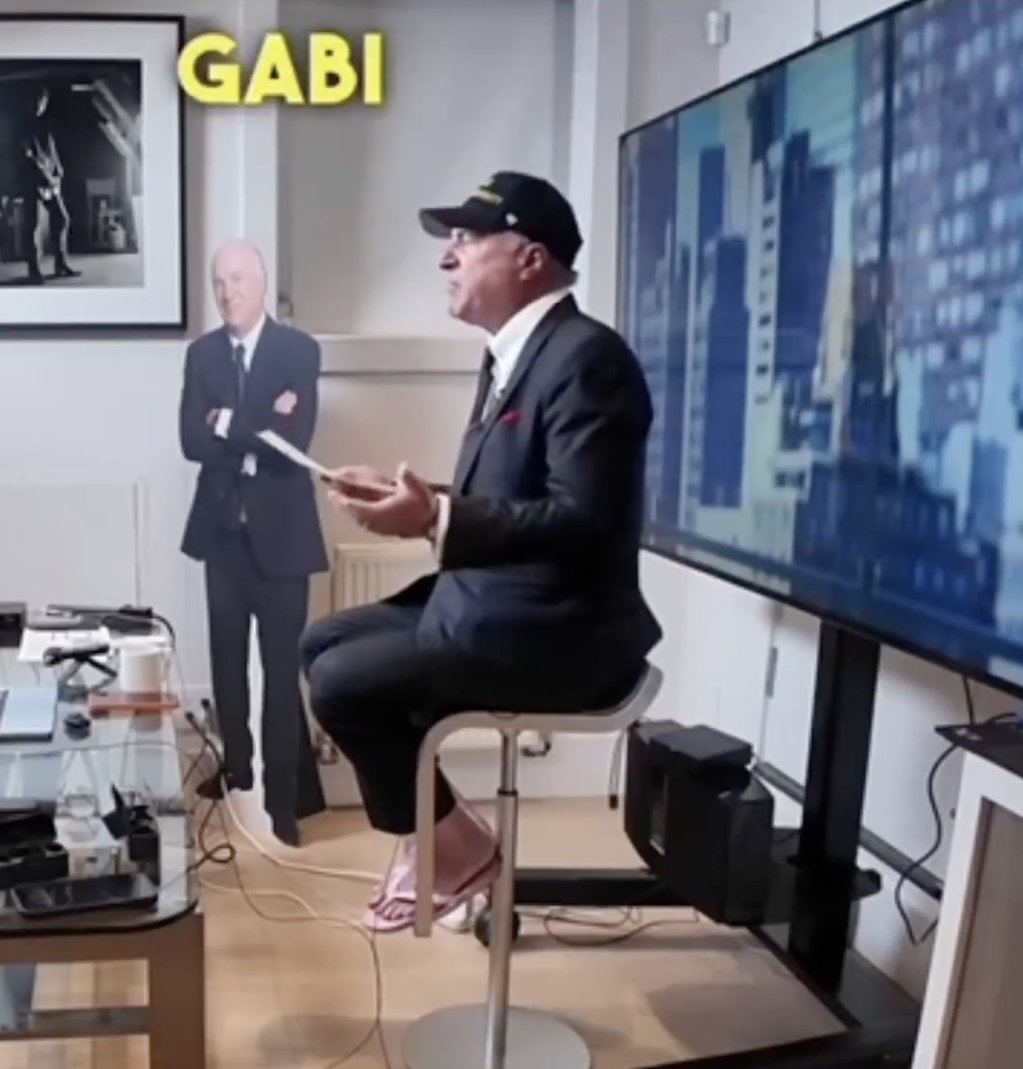

@EricLDaugh The real reason Trump brought the executives was his own personal safety.
x.com/realjessknight…
Jessica Knight@realjessknight
@ImtiazMadmood He brought them and Elon’s son so China, Russia, or North Korea won’t missile Air Force One from a boat in the North Pacific.
English

🚨 JUST IN: Elon Musk has thrown the left into a FRENZY because he was holding his son Lil X on his shoulders for a group photo during President Trump's China State Visit
HOW can you hate this? ❤️
Elon bringing his son everywhere proves he's a great dad!
Nothing wrong with it, the OPPOSITE in fact 🇺🇸
English

@StephenKing @CanadianCoffey Not to mention, the only reason Trump brought these guys is to ensure that China, North Korea, or Russia don’t missile Air Force One from a ship.
English

You went to China with Trump when the judge told you to stay put and attend the ongoing trial. So I guess the law doesn't apply to people once they pass a certain amount of wealth.
Elon Musk@elonmusk
@TheAliceSmith The problem is that after they “eat the rich”, they will starve
English
@Mireya_A65 @ImtiazMadmood Don’t use AI to compose your posts. It’s cringe AF.
English

@ImtiazMadmood No middlemen. No filters. Just the most powerful business leaders on Earth, saying "we're here to do business."
And then Trump seals it: "100% reciprocal."
That's not begging. That's posturing from power.
English

EPIC MODE ACTIVATED
President Trump stared down Xi Jinping and delivered a masterstroke that left the room in silence:
“I brought the 30 most powerful business leaders on the planet to these talks… and they all said yes. I didn’t send the second-in-command or the vice president.
I wanted the number one from each empire! Jensen Huang, Tim Cook, Elon Musk, and the other titans… the best in the world are here, right in front of you.”
Then, with his winner’s smile, he sealed the deal:
“They’re here today to pay respect to you and to China. They come hungry to do business, invest, and create. From our side, it’ll be 100% reciprocal.”
The message is clear: America isn’t coming to beg. It’s coming with the supreme bosses of global innovation to lay all the cards on the table.
This isn’t normal diplomacy… this is high-voltage diplomacy!
- @Jhonffonseca
English
@ImtiazMadmood He brought them and Elon’s son so China, Russia, or North Korea won’t missile Air Force One from a boat in the North Pacific.
English
@scubaryan_ It’s really not that much work to give a woman an orgasm. He’s just shit in bed.
English

Jessica Knight retweetledi

Hey @AlanDersh, did you actually write this bullshit?
Yup, you did.
It's not surprising that #YoureInTheFiles
#smokefleet

English
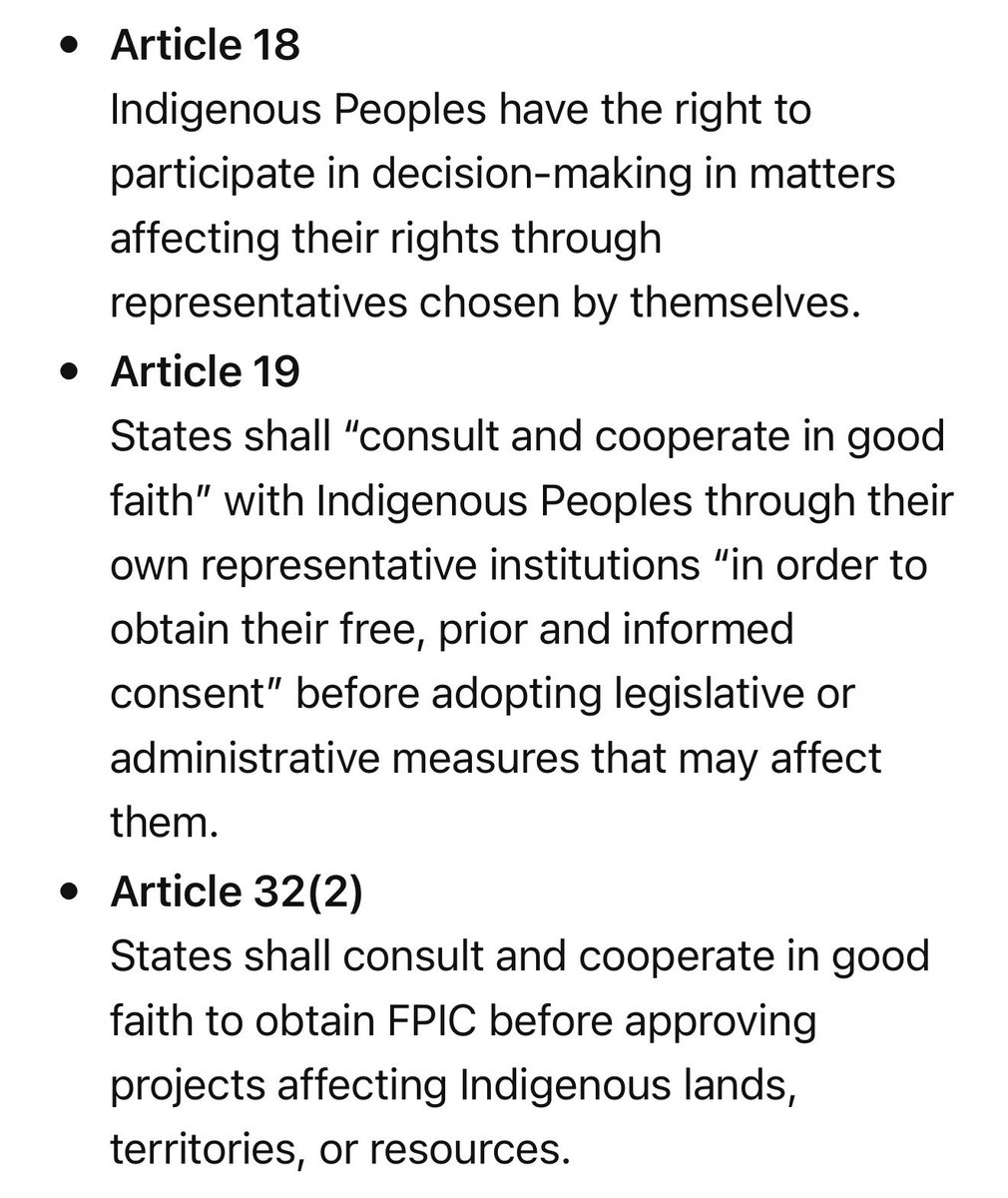
@nenshi If the separatists hadn’t been so cocky, they would have taken the UNDRIP legislation into account ahead of time and could have avoided this. 🤣

English

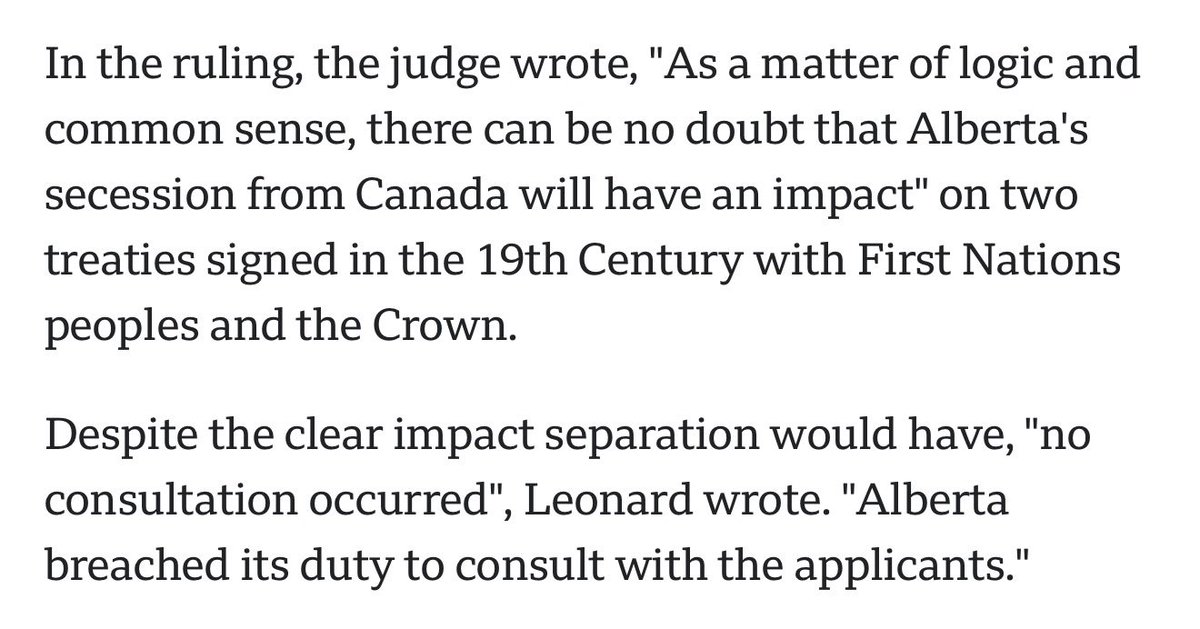
Today, a judge has thrown out the Alberta separatist petition because Danielle Smith’s UCP government failed in its legal duty to consult First Nations.
I want to thank the fearless First Nations who stood up and led this fight against separatism – not just for their nations, but for all Albertans and for Canadians. Specifically, thank you to the Athabasca Chipewyan First Nation, the Blackfoot Confederacy, and Sturgeon Lake Cree Nation, for fighting for our country with your time and money.
First Nations are not alone, as the vast majority of Albertans stand alongside them, opposed to a costly, divisive exercise. This referendum violates treaty rights, it would cost Albertans hundreds of millions of dollars, and is now tied to serious public safety concerns thanks to the largest data breach in Alberta’s history.
The Premier says that she’s exploring other ideas. Here’s an idea, Premier: call off the referendum and put this to bed. This petition is dead. This referendum is dead. For the premier to spend taxpayer time and money to resurrect it, would prove what we’ve always known: she’s a separatist.
Accept the court’s decision. Nobody is above the law – and certainly not this Premier.
Albertans are proud Canadians and want nothing more than to move on from this and focus on the things that really matter.
English
@Martyupnorth You would cheer for Canada to lose if it meant making Mark Carney look bad. Not a patriot.
English

Trump just landed in China.
Mark Carney is about to get a dose of reality.
English
@echipiuk is being disingenuous by ignoring that Canada adopted legislation to implement UNDRIP principles in 2021. The UNDRIP act is likely the primary basis for the court’s decision. Ignoring that leads me to believe that she’s either a terrible lawyer or trying to hide facts.
Eva Chipiuk, BSc, LLB, LLM@echipiuk
Today’s ruling by Justice Leonard essentially found that the citizen-led independence petition process cannot proceed because the government did not fulfill certain constitutional responsibilities owed to First Nations. But here is the important point: the Alberta government did not initiate this petition process. Citizens did, through a lawful statutory mechanism created by the Legislature itself. So how does a court conclude that the government failed to fulfill duties that had not yet even arisen or been carried out, particularly when the government itself had not initiated the referendum process? It is also important to understand that the Alberta government has always had the ability to call a referendum on independence at any time if it chose to do so. That is not in dispute, and it was not the legal question before the Court in this case. Nothing in today’s ruling prevents the Alberta government from calling the very same referendum itself tomorrow. So think about that carefully. A citizen-led democratic process established by law is effectively halted, not because citizens failed to follow the legislated process, but because of obligations assigned to government itself. Yet the government retains the full ability to ask the same question directly. Courts and those in government must always have regard to the overall interests of justice, including democratic participation, the integrity of legislated statutory processes, and public confidence in lawful democratic frameworks established by the Legislature. I figured it would be appropriate to reflect on a few words from the Supreme Court of Canada: “…liberal democracy demands the free expression of political opinion” and political speech lies at the core of the Charter’s guarantee of freedom of expression. The Court further affirmed that freedom of expression includes “the right to attempt to persuade through peaceful interchange.” — Harper v. Canada The Supreme Court of Canada has also held that: “…the right of each citizen to participate in the political life of the country is one that is of fundamental importance in a free and democratic society.” — Figueroa v. Canada And in the Reference re Secession of Quebec, the Supreme Court of Canada recognized that democracy is grounded in the participation and democratic will of the people, and that a clear expression of the will of citizens carries constitutional and political significance that cannot simply be ignored. Specifically, the Court confirmed: “The democratic principle identified above would demand that considerable weight be given to a clear expression by the people of Quebec of their will to secede from Canada…” — Reference re Secession of Quebec So how does any of this truly reconcile with a situation where government itself can ask citizens a question through a referendum process, but a group of citizens following a lawful statutory process established by the Legislature is not permitted to ask the question? What message does that send when citizens engage in lawful democratic participation, comply with the very process created by government, and yet their voices are disregarded or treated as something to be feared? Democracy is not strengthened when lawful citizen participation is restrained or silenced. In this case, it was not government stopping the process, but the Court. That reality raises profound questions about the role institutions play in democratic participation and how citizen engagement is treated when it touches controversial political issues. After all, citizens do not hold institutional power. Their power is their voice. And if even that voice can be restrained after citizens lawfully engage in the exact democratic process created for them, what meaningful role are citizens truly left with in shaping the political future of their province and country? What do you think? Should lawful citizen participation be encouraged, even when institutions disagree with the message?
English
English

@realjessknight @LordDSofCanada @Ryansarai1981 No the treaties dont mean veto power. Each albertan has an individual right. FN land amounts to about 1.5% of the total land. And the treaties ceded their rights to the land may years ago.
So yes. We will leave. And the new albertan government will negotiate with the FN bands.
English


@DonaldJTrumpJr @WHFraudTF They need to investigate the insider betting on Polymarket.
x.com/i/grok/share/3…
English

Give a follow to the brand new White House Fraud Task Force X account!
@WHFraudTF
Joe Gabriel Simonson@SaysSimonson
We’re live. @WHFraudTF
English
@elonmusk Rage bait, such as calling a far-right ideology a far-left one, should deprioritize the post. It's engagement farming at its worst.
English

OMFG!!
This is ridiculous, even from the viewpoint of a Biden supporter.
Ashley Biden just posted this previously undisclosed image of her, Hunter Biden and her Father Joe Biden, boarding Air Force One in 2023, headed to China, with the words "Team CHYYYYYNA 🇨🇳" above it.
Oops... never mind, that image was AI. My mistake.
That was Trump's daughter-in-law who posted an image of Trump's son and her boarding a plane to China with the words "Team CHYYYYYNA 🇨🇳" above it.
English
@That_Bebbzy_Guy @gator_gum Saying that all liberals hate conservatives is reductive and doesn’t allow for nuance. I do not hate all conservatives. For example, I think that Mike Pence and Mitt Romney are upstanding men. If you are worried about looking “like a fool,” I would avoid overgeneralizations.
English

@realjessknight @gator_gum Imagine dumb white liberal feminists thinking they can judge the intelligence of accomplishments of successful men. 🤣
Just say you hate conservatives, the patriarchy and masculinity instead of making yourself look like a fool.
English

Joe Rogan will not come to Canada.
Andrew Tate will not come to Canada.
Jordan Peterson has left Canada.
And you said Mark Carney hasn't accomplished anything for Canada!
6ixBuzzTV@6ixbuzztv
Andrew Tate says he’s never going to Canada
English