reply.cash

209 posts

reply.cash banner
reply.cash

reply.cash

@replydotcash

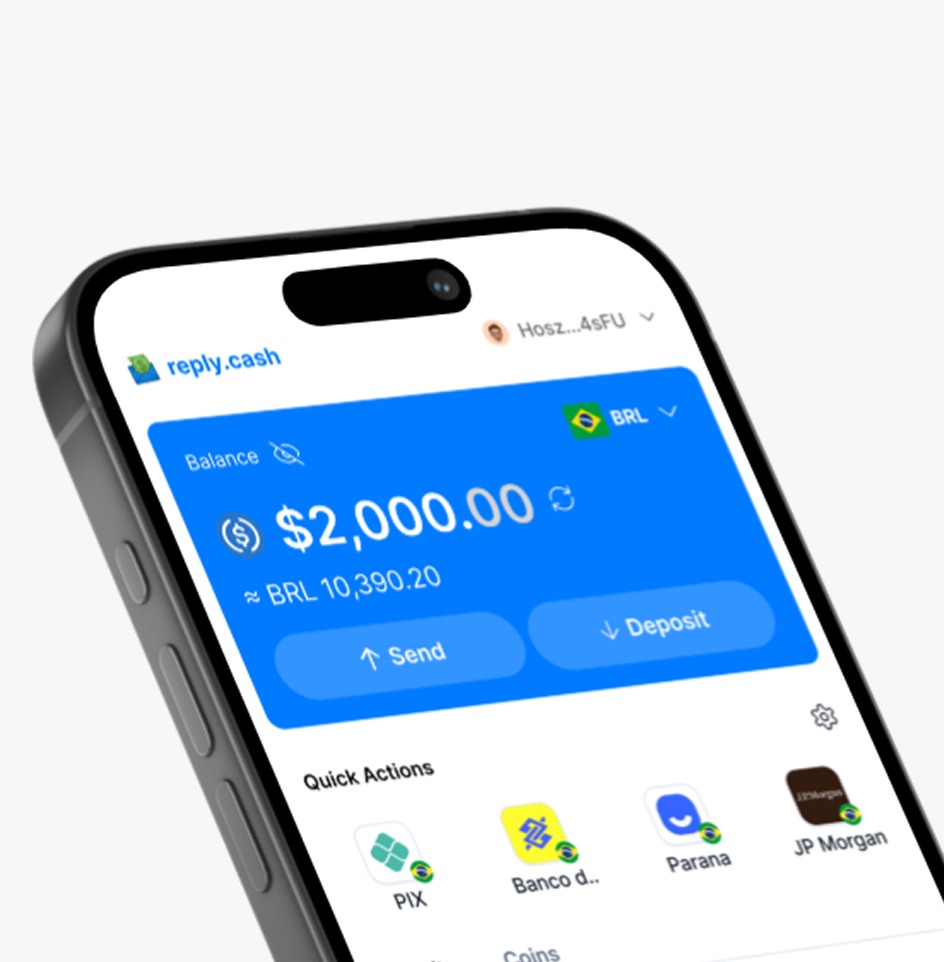
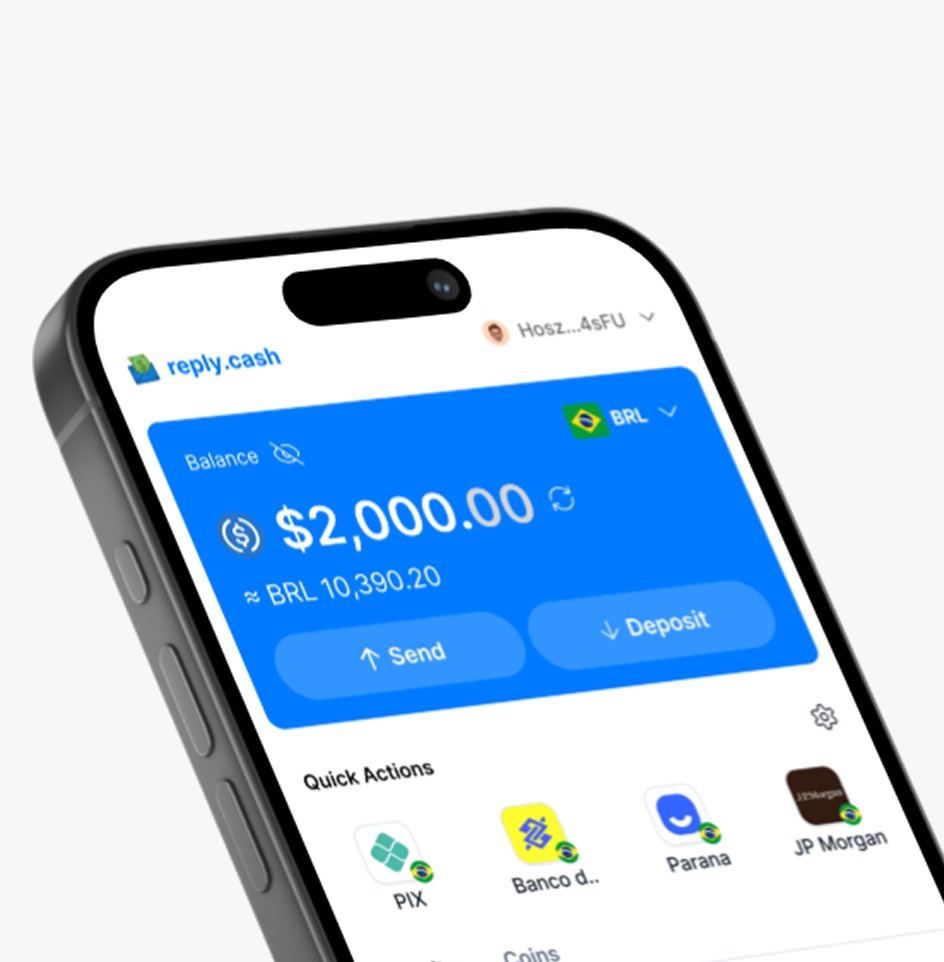
Use stablecoins to pay people & merchants through local rails privately Now live in 🇰🇪 Kenya & 🇳🇬 Nigeria soon 🇬🇭🇨🇩🇷🇼🇲🇼🇧🇷🇨🇴🇺🇬

all platforms Katılım Nisan 2022
441 Takip Edilen4.3K Takipçiler
Sabitlenmiş Tweet
reply.cash
reply.cash@replydotcash·
Ramadan Mubarak! Inshallah, this will be the first #Ramadan where you can actually buy Iftar and make Zakat using crypto to pay local rails (i.e M-Pesa)
GIF
English
0
2
3
200
Illia (root.near) (🇺🇦, ⋈)
@gakonst 1m tps is possible with decentralized consensus - NEAR is the proof. 1m tps is 50x more than stripe/mastercard/visa combined so there is plenty of capacity
English
2
8
94
1.5K
Georgios Konstantopoulos
the thing i learned earliest in my crypto journey is that to really really scale a decentralized network, you have to avoid consensus. that's what drove me to L2 scaling. L1s can support agreeing up to a certain number of bytes per second, and hopefully that's a high number on a geodistributed validator set. but to go higher, think 1M-1B payments per second that anchor on a blockchain for security, you need to leverage the offchain world and use the L1 for settlement and coordination. that can be an L2 like an Ethereum rollup or a validium, or a channel. it can also be a shard, in the traditional database sense although that proved to be difficult for many reasons. i am excited to finally see the physical limits of blockchains to be hit, so that the offchain tech we've iterated on for years flourishes even more than it has already.
English
53
9
239
56.1K
Garrett Hughes
Garrett Hughes@Garretthughes·
Oh, how the mighty have fallen
Garrett Hughes tweet media
English
2
0
10
521
reply.cash
reply.cash@replydotcash·
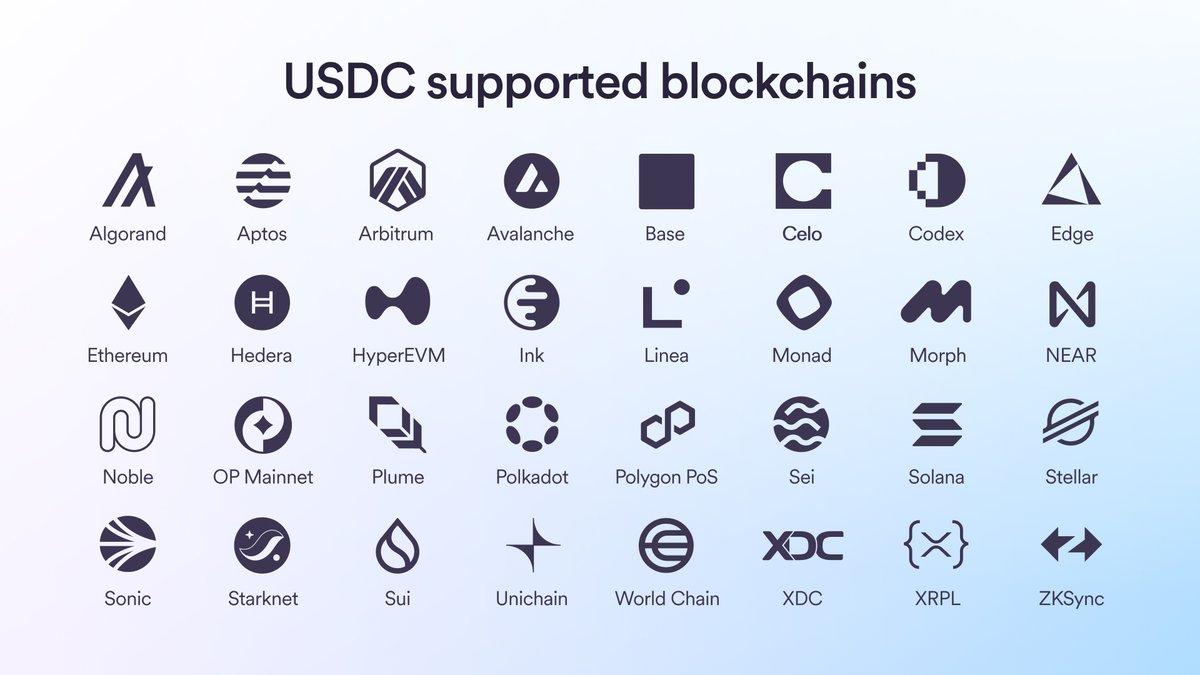
@USDC proud to support so many of these!
English
0
0
1
80
USDC
USDC@USDC·
USDC is global and now live on over 30 different chains.
USDC tweet media
English
261
379
2.3K
172.9K
HEVN
HEVN@hevn_finance·
Hello, World! We founded HEVN with a strong belief that banking should work for every company in the world. With HEVN, you can open and operate local bank accounts in different countries, all under a single company.
English
16
7
41
3.1K
reply.cash
reply.cash@replydotcash·
NEAR has been instrumental to our cross-chain execution and ability to unlock direct real-time payments from any asset ⛓️‍💸✉️💯
SVRN@svrn_ai

We built this model from @NEARProtocol fee data and real volume trajectories, not top-down market size projections. Recent inflation reduction and fee switch activation are the two structural events around which the analysis is built. This article from @sal_ternullo lays out the mechanics in full.

English
0
2
35
1.4K
Cameron.near
Cameron.near@Cameron_Dennis_·
The @brave browser is unmatched. It’s been my main driver for the last 7 years and I love how there are NO ADS and they actually care about my privacy. They just integrated @near_intents so their 110M users don’t have to care which chain they’re on. Chain abstraction is near!
Brave@brave

Today we made a major upgrade to Brave Wallet. We've added support for NEAR Intents, which allows you to easily swap crypto assets across blockchains (Bitcoin, Solana, Zcash, Cardano, and EVM) within our browser.

English
2
6
76
2.1K
Brave
Brave@brave·
Today we made a major upgrade to Brave Wallet. We've added support for NEAR Intents, which allows you to easily swap crypto assets across blockchains (Bitcoin, Solana, Zcash, Cardano, and EVM) within our browser.
Brave tweet media
English
96
144
939
107.9K
reply.cash
reply.cash@replydotcash·
Western Union: USDPT on Solana → 360,000 cash locations in 200+ countries. This is the stablecoin-to-cash infrastructure pattern going mainstream. Settlement happens on-chain. Delivery happens through existing rails. reply.cash does this for Africa: any Solana stablecoin → M-Pesa, mobile money, banks. Same model. Different markets. Infrastructure products that connect settlement to delivery are the play.
Solana Payments@solanapayments

BREAKING: @WesternUnion is launching USDPT, a new stablecoin on @solana. @Crossmint will power wallets and payment APIs connected to Western Union's Digital Asset Network. Stablecoins will be redeemable through 360,000 cash locations in 200+ countries. x.com/crossmint/stat…
English
0
0
1
64
reply.cash
reply.cash@replydotcash·
New month. New momentum. $96 billion in remittances flowed into Africa in 2024. Average cost: 8.78%. Stablecoin settlement costs pennies. The infrastructure gap is being filled right now. reply.cash: stablecoin settlement → M-Pesa, mobile money, bank transfers. Let's build.
reply.cash tweet media
English
0
0
2
117
reply.cash retweetledi
Garrett Hughes
Garrett Hughes@Garretthughes·
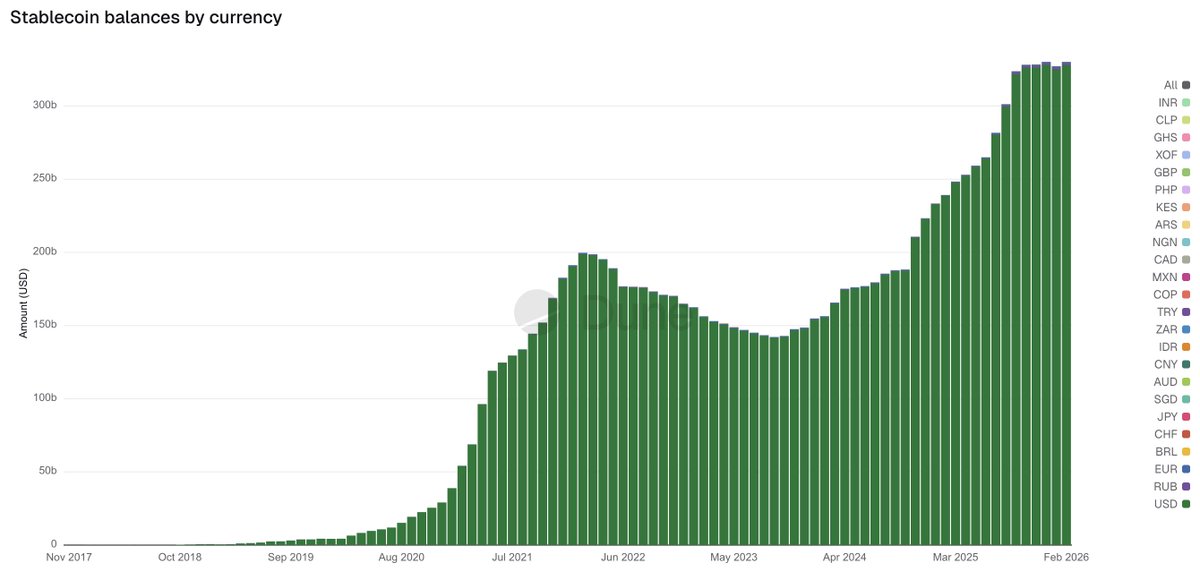
Stablecoins are the most systemically important primitive in crypto. They move trillions across 30+ chains - but the data has been fragmented and inconsistent. We just shipped a unified stablecoin dataset at @Dune. Cross-chain. Enriched. Queryable. This is the foundation for understanding global onchain dollar flows.
Garrett Hughes tweet media
English
5
2
24
2.3K
reply.cash
reply.cash@replydotcash·
What Your Stablecoin Balance Can Actually Do A lot of people in fintech and crypto hold USDC or USDT as a store of value or for trading purposes. It sits in a wallet, stable, accessible, and not doing much. But stablecoins were always most interesting as a payment rail, not a savings instrument. The global average for remittance fees was 6.49% in 2025. The fees for stablecoin payments are typically only pennies on the dollar. While a $200 international transfer via banks may cost three to five percent in fees, stablecoin transfers generally cost between 0.1% and 0.3%. That gap is enormous. And it is not a marginal optimization. For someone sending money home to family in Kenya or Ghana every month, that difference is real money. For a business paying contractors across multiple African markets, that difference compounds across every single transaction. The stablecoin part is already solved. The harder problem has always been delivery. How does someone in Nairobi actually receive that value without needing a crypto wallet or going through an exchange? This is what reply.cash is built for. You send from your USDC balance. The recipient gets local currency directly in their M-Pesa or bank account. No wallet required on their end. No exchange. No conversion friction. The value that has been sitting in your wallet can now move. And when it moves through the right rails, it arrives fast, cheap, and in a format the person on the other end can actually use. That is what stablecoin utility looks like in practice.
reply.cash tweet media
English
0
0
0
30
reply.cash
reply.cash@replydotcash·
Stablecoin settlement happens in under 3 minutes. Bank transfers take 3 to 5 business days. This is not a product feature. This is what infrastructure looks like when it was designed for speed instead of for a different century.
English
0
0
1
19
reply.cash
reply.cash@replydotcash·
You can send USDC to a Kenyan phone number and it arrives as M-Pesa. You can send USDT to a Nigerian account number, and it arrives as a bank deposit. The recipient does not need a wallet. They just receive money they can spend. That is the product.
English
1
0
1
27
reply.cash
reply.cash@replydotcash·
Sending UGX 500k from London often costs you 50k–75k in fees. That’s school fees gone to a middleman. 🛑🐢 With reply.cash, your relatives send USDC/USDT directly to your MTN MoMo or Airtel Money. - Lands in minutes. ⏳⚡ - Fees under 1.5%. - Feels just like a normal MoMo transfer. Save money. Move faster. Be the hero for your family back home. 💸🇺🇬 #MoMoToDollars
English
0
0
2
38
reply.cash
reply.cash@replydotcash·
Exactly right!!! Cards didn't just replace cash. They enabled subscription models, global e-commerce, and payment infrastructure that didn't exist before. Stablecoins enable instant cross-border settlement, local delivery without intermediaries, and payment flows that banking rails can't support. reply.cash connects stablecoin settlement to M-Pesa, mobile money, and banks across six African markets. That capability didn't exist on traditional rails. The infrastructure shift is real.
a16z crypto@a16zcrypto

" Stablecoins are the next evolution of money... and just like cards, will enable a whole new set of capabilities. And we're starting to see that today." @zcabrams of @Stablecoin and @stripe on how cards changed commerce, and why the next wave of fintechs will be built on stablecoins.
English
0
1
1
65
reply.cash
reply.cash@replydotcash·
Three major stablecoin regulatory frameworks are now live. GENIUS Act in the U.S. ensures reserve transparency and bank partnerships. MiCA in the EU creates authorization standards across member states. MAS in Singapore sets high-trust requirements for reserve backing. reply.cash is built for this. Stablecoin settlement with compliance built in. Local delivery through regulated rails. When regulation matures, the infrastructure products win.
Paxos@Paxos

x.com/i/article/2026…

English
0
0
2
52
reply.cash
reply.cash@replydotcash·
Imagine walking down the street in Nairobi. You see a coffee vendor. ☕🇰🇪 You don't have KSH cash. You have USDC from your global stock raise. 💎 You open reply.cash. Tap the M-Pesa pin. 📌 Approve trancation. The vendor gets a ping in 30 seconds. 📲⚡ You just paid like a local with the power of a global bank. This is the reply.cash lifestyle. 🚀
English
0
0
1
47
reply.cash
reply.cash@replydotcash·
If you can use FaceID, you can use reply.cash. Mobile money meets global USD. 🍎📲
English
0
0
1
26
reply.cash
reply.cash@replydotcash·
Stablecoins Are Not the Competition. They Are the Bridge. Central banks worry about stablecoins as a threat to monetary sovereignty. But that framing misses the point. Stablecoins are not replacing local currencies. They are providing liquidity in markets where access to hard currency is restricted, expensive, or slow. They give people a stable store of value and a way to transact globally while central banks work on CBDC infrastructure that may take years to build. This is not a zero-sum game. Stablecoins and central banks can coexist. Stablecoins provide dollar liquidity. Central banks maintain control over local monetary policy. The two systems are complementary, not competitive. The sustainable model is interoperability. Stablecoins operate alongside local rails and future CBDCs. People get access to the tools they need. Governments maintain regulatory oversight. The question is not whether stablecoins belong in the financial system. They are already there. The question is whether central banks will engage with them constructively or ignore them while people build around them.
reply.cash tweet media
English
0
0
1
50