
Sabitlenmiş Tweet
Φίλιππος
32K posts
Φίλιππος
@retsinokinitoc
Greece is in my heart! #HagiaSophia is a Church! (don’t you know that mr Putin?)
Στῶμεν καλῶς στῶμεν μετά φόβου Katılım Ağustos 2020
1.3K Takip Edilen1.8K Takipçiler
@giorgospolys μολις ποσταρες τον "κλανιαρη" 4 δευτερολεπτα πιο γρηγορο απ τον "μαγο"
Ελληνικά

Ο Μάγος που ξέρει την τέχνη , ώστε να τιθασεύει με ηρεμία ένα θηρίο καλοζυγισμένο και να χορεύει πάνω στις γραμμές και ο κλανιαρης που νομίζει πως επειδή στρίβει το τιμόνι μπορεί να θεωρηθεί ραλίστας
Ελληνικά
Φίλιππος retweetledi
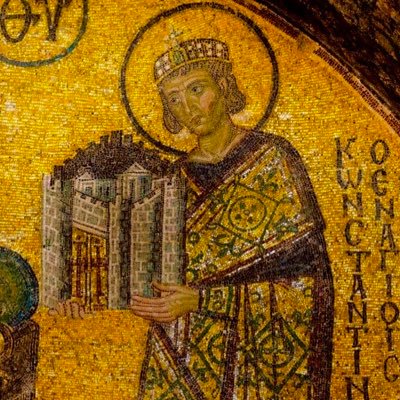
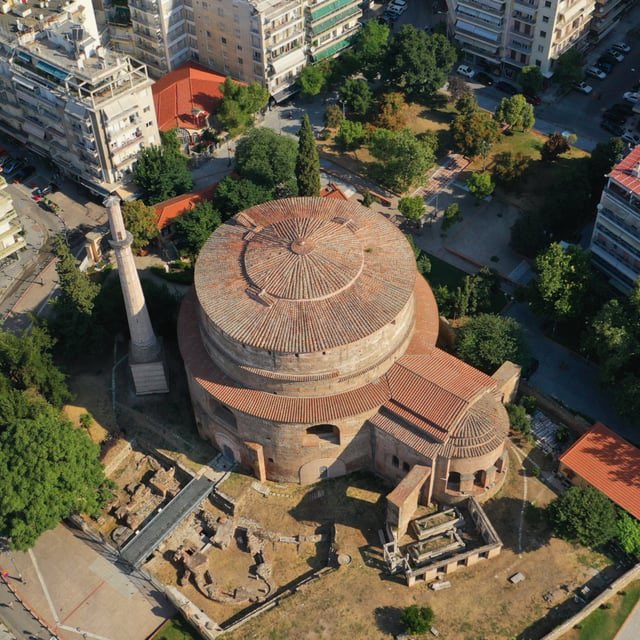
The Rotunda of Galerius in Thessaloniki, a proud ancient Roman structure from the fourth century!
English
Φίλιππος retweetledi

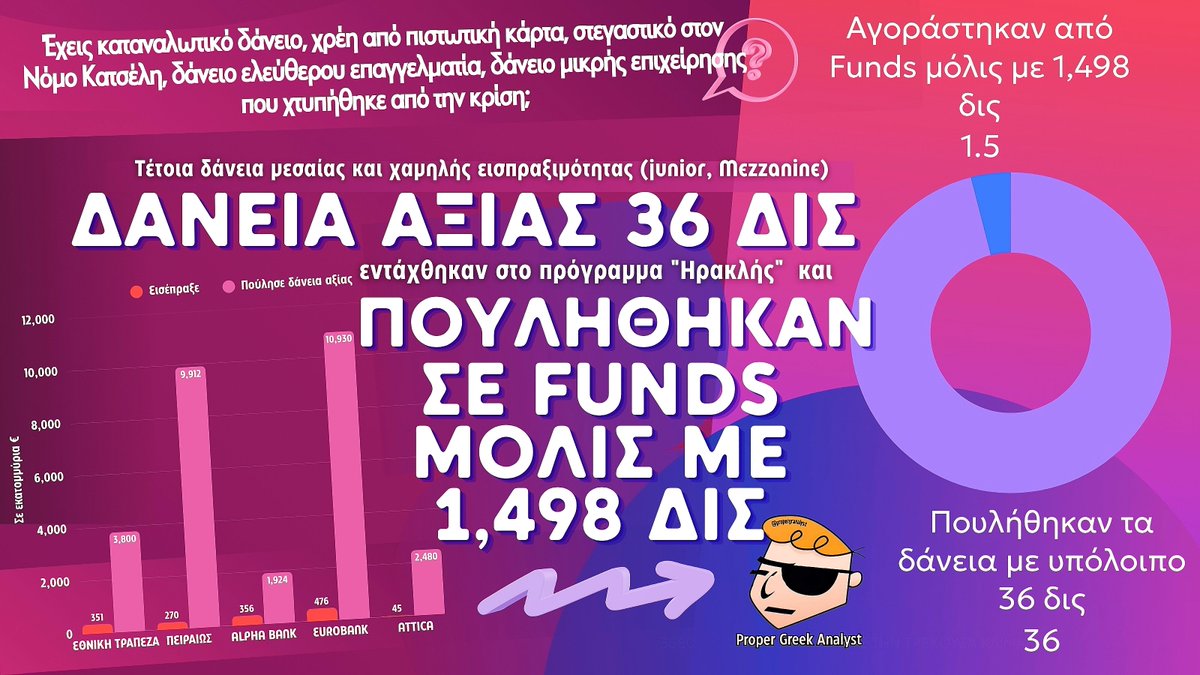
Αποκάλυψη για τις #τράπεζες και τα #Funds: Τα αρπακτικά Funds έχουν αγοράσει κόκκινα δάνεια 36 δις με 1,5 δις, στο 4% της αξίας τους (Πίνακας) και ενώ δαπανήσαν μόλις 1,5δις, θέλουν να εισπραξουν 15 δις περίπου ΔΕΚΑΠΛΑΣΙΑΖΟΝΤΑΣ την “επένδυση” τους !!
Έχεις καταναλωτικό δάνειο, χρέη από πιστωτική κάρτα, στεγαστικό στον Νόμο Κατσέλη, δάνειο ελεύθερου επαγγελματία, δάνειο μικρής επιχείρησης που χτυπήθηκε από την κρίση; Το πιθανότερο είναι το δάνειο σου να έχει ενταχθεί σε πακέτα δανείων μεσαίας και χαμηλής Εξοφλητικής Προτεραιότητας (junior & Mezzanine) που έχουν εξαγοραστεί σε πακέτα από Funds στο 4% της αξίας του υπολοίπου τους, όπως ισχύει για τα 23 πακέτα δανείων αξίας 36,39 δις που μπήκαν στον Ηρακλή και εξαγοράστηκαν μόλις με 1,498δις μεταξύ του 2020 και του 2024 (Πίνακας).
Αυτό συνέβη για να μπορέσουν οι τράπεζες να πάρουν 21 δις εγγυήσεις του Δημοσίου για πρόσθετα δάνεια 21 δις, δάνεια υψηλής προεξοφλησης ή senior, υψηλής εισπραξιμότητας, που επίσης μεταβιβαστηκαν στο SPV του Ηρακλή στο 100% της αξίας τους και εξυπηρετούνται από τους servicers. Αν οι πληρωμές όλων των παραπάνω δανείων αξίας υπολοίπου 57 δις ξεπεράσουν τα 21 δις τότε δεν καταπίπτει η εγγύηση.
Παρόλα αυτά, από επίσημες αναφορές Υπουργών στη Βουλή έχει συναχθεί ότι τα Funds και το SPV του Ηρακλή στοχεύουν σε εισπράξεις 35 δις, ήτοι 14 δις παραπάνω από τις εγγυήσεις. Συνεπώς για δάνεια Mezzanine και Junior αξίας 36 δις που εξαγοράστηκαν από Funds μόλις 1,48 δις, τα Funds αναμένουν εισπράξεις 14δις. Άρα τα Funds αναμένουν περίπου ΔΕΚΑΠΛΑΣΙΑΣΜΟ των χρημάτων που επένδυσαν το διάστημα 2021-2025!!!
Πως και πότε μεταβιβασαν οι τράπεζες στα funds και πότε εντάχθηκαν τα πακέτα ομολογιών στο πρόγραμμα θα το δείτε στον πίνακα.
Οι τράπεζες πάντως κινήθηκαν ως εξής γράφοντας ζημιές που τις επωμιστηκε κυρίως ο Έλληνας φορολογούμενος μεσω του ΤΧΣ που τότε κατείχε σημαντικά μερίδια του μετοχικού κεφαλαίου των τραπεζών.
▫️Η Εθνική Τράπεζα πούλησε τέτοια δάνεια (μεσαίας και χαμηλής κατηγορίας εντός του προγράμματος Ηρακλή) αξίας υπολοίπου 3,805 δις € σε 3 πακέτα (Frontier 1,2,3) έναντι αντιτίμου 351 εκατομμύρια, δηλαδή στο 9,2% της αξίας τους! Πρόκειται για το 10% των δανείων junior και Mezzanine που μπήκαν στον Ηρακλή.
▫️Η Τράπεζα Πειραιώς πούλησε τέτοια δάνεια (μεσαίας-mezzanine και χαμηλής-junior κατηγορίας εντός του προγράμματος Ηρακλή) αξίας υπολοίπου 9,912 δις € σε 5 πακέτα (Phoenix, Sunrise 1,2,3, Vega) έναντι αντιτίμου μόλις 270 εκατομμύρια €, δηλαδή στο 2,7% της αξίας τους! Πρόκειται για το 27% των δανείων junior και Mezzanine που μπήκαν στον Ηρακλή.
▫️Η Alpha Bank πούλησε τέτοια δάνεια (μεσαίας-mezzanine και χαμηλής-junior κατηγορίας εντός του προγράμματος Ηρακλή) αξίας υπολοίπου 9,264 δις € σε 6 πακέτα (Galaxy 1&2, Gaia 1&2, Cosmos, Orion) έναντι αντιτίμου μόλις 356 εκατομμύρια €, δηλαδή στο 3,8% της αξίας τους! Πρόκειται για το 25% των δανείων junior και Mezzanine που μπήκαν στον Ηρακλή.
▫️Η Attica Bank πούλησε τέτοια δάνεια (μεσαίας-mezzanine και χαμηλής-junior κατηγορίας εντός του προγράμματος Ηρακλή) αξίας υπολοίπου 2,48 δις € σε 2 πακέτα (Domus & I Rhodium) έναντι αντιτίμου μόλις 45 εκατομμύρια €, δηλαδή στο 1,8% της αξίας τους! Πρόκειται για το 7% των δανείων junior και Mezzanine που μπήκαν στον Ηρακλή.
▫️Η Eurobank πούλησε τέτοια δάνεια (μεσαίας-mezzanine και χαμηλής-junior κατηγορίας εντός του προγράμματος Ηρακλή) αξίας υπολοίπου 10,93 δις € σε 6 πακέτα (Pillar, Cairo 1,2,3, Mexico, Leon ) έναντι αντιτίμου μόλις 476 εκατομμύρια €, δηλαδή στο 4,35% της αξίας τους! Πρόκειται για το 30% των δανείων junior και Mezzanine που μπήκαν στον Ηρακλή.

Ελληνικά
Φίλιππος retweetledi

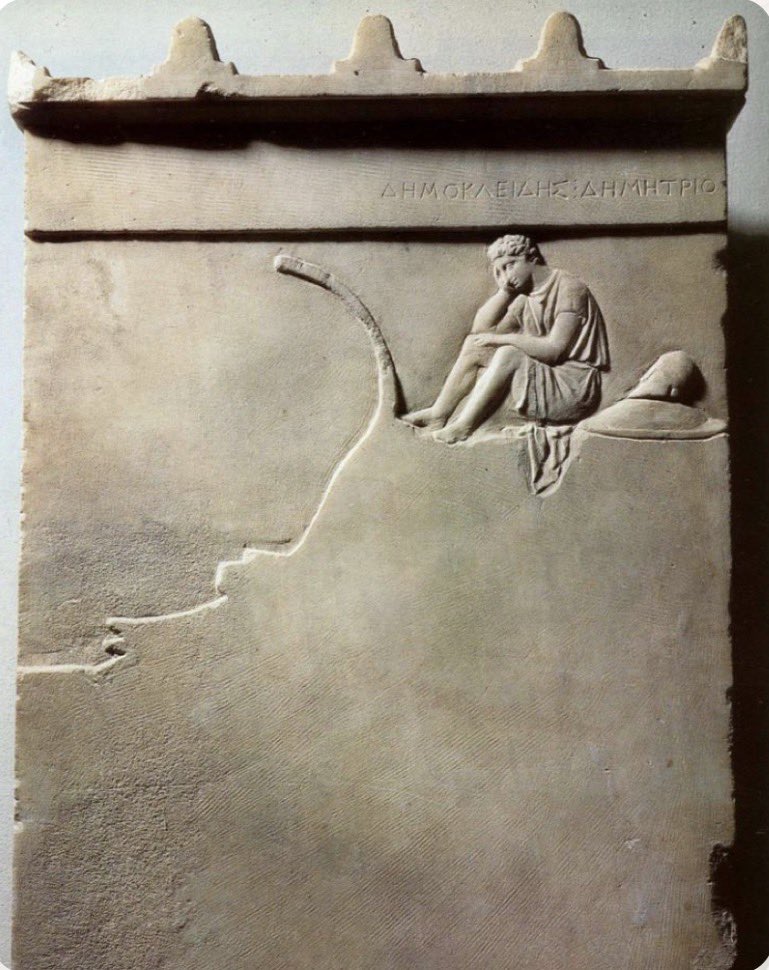
Sur une stèle grecque, un jeune homme pensif méditant sur la mort
Français
Φίλιππος retweetledi

To get a sense of the depth of shared perspective in Greece: when a young child wakes up in the night from a nightmare and runs crying to its mother, it describes what tormented its sleep with the name of the man who betrayed the Spartans at Thermopylae. “I saw an ephialtes.”
English
Φίλιππος retweetledi
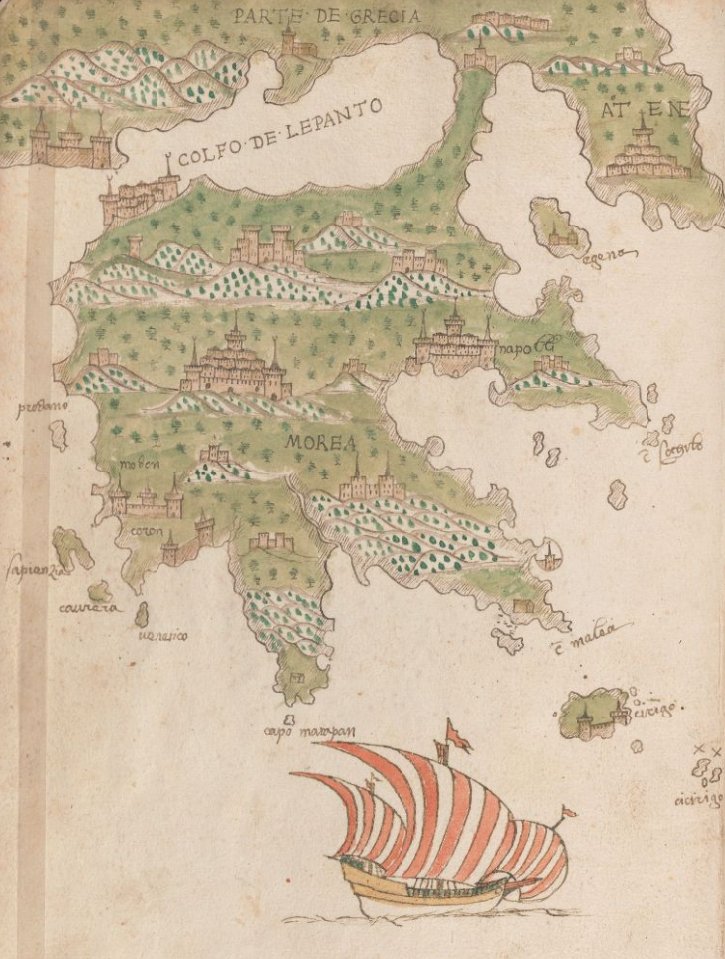
The castles of Greek "perpetual war and freedom"!
In 1603 the Ruthenian Joseph Velamin Rutskij is witnessing one of the numerous embassies of Greeks - already since the early 16th-century - in the courts of Europe (from Spain to Russia) who were proposing plans for Greek liberation wars with the assistance and support of the powerful kingdoms. The embassy Joseph witness and records, while in Vatican, in one of his letters to the Polish-Lithuanian Prince Krzysztof Radziwiłł is clear, the struggle never ended.
The castle leading the "perpetual warfare and freedom" is of course Mani and the whole Peloponnesos.
"The state of affairs in Greece, of which we receive news every month, remains unchanged. In recent days, certain “magnates” have been mentioned—those in the Peloponnese, in Sparta—whose lands have not yet been occupied by the Turks. They dwell in places that are impregnable and overlook the sea, and they have inflicted great damage both on the Turks and also on the wretched Christians.
They profess a commitment to perpetual warfare and to freedom; they refuse to enter into agreements with the Turks. They stand out for their boldness and possess their own political order—indeed, one that is well organized—to which even the surrounding territories are subject. The Turks, for their part, cannot remain secure in this region even for a single hour.
These men could occupy a large part of the Peloponnese, but they are unable to hold it; therefore, they carry out only raids."
English
Φίλιππος retweetledi

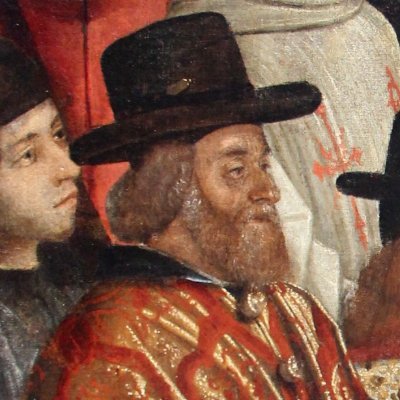
“With the souls of the righteous” - His All-Holiness, the Archbishop of Constantinople-New Rome and Ecumenical Patriarch, Bartholomew I of Constantinople, pays his final respects to Ilia II.
English
Φίλιππος retweetledi
Ancient writers, Plato and Isocrates apart, are generally less hostile to Persia than is usually asserted and the claims of despotism and softness, &c., are not uniform. See, for example, the respectful treatments of Iran in Herodotus, I.131; Thucydides, VIII.18; Xenophon, Anabasis, I.ix; Cyropaedia, passim. Consider also, Aeschylus' dignified portrayal of the Persian queen Atossa (Aeschylus, Persae, l. 159–172; l. 290–298; l. 598–622; l. 709–713), and Aeschylus seems to consider the empire of Darius a model of civil government and order (Aeschylus, Persae, l. 852–857).
Bronze Age Neolithic Conservative@Rebel786
@DrMichaelBonner What about his analysis of Aeschylus do you find to be cherry picking? Plenty of other ancient greek cultural production portays the east in the same way as Aeschylus' Persians or in a similar manner
English
Their true colors. Patriarch Nikon of Moscow would be really ashamed of Dugin. These ppl will fill with joy over the corpse of Constantinople. They get sick that this day never comes. pio.mfa.gov.ct.tr/en/russian-str…
Alexander Dugin@AGDugin
Our vision of history is Greece-centric, Hellenistic. So we see Iran with enemy’s eyes. If we change the sight (as Henri Corbin invites us to do) we discover the enormous Universe of Iranian genius. Philosophy, religion, history, metaphysics, time, light, duality are Iranian.
English
Φίλιππος retweetledi
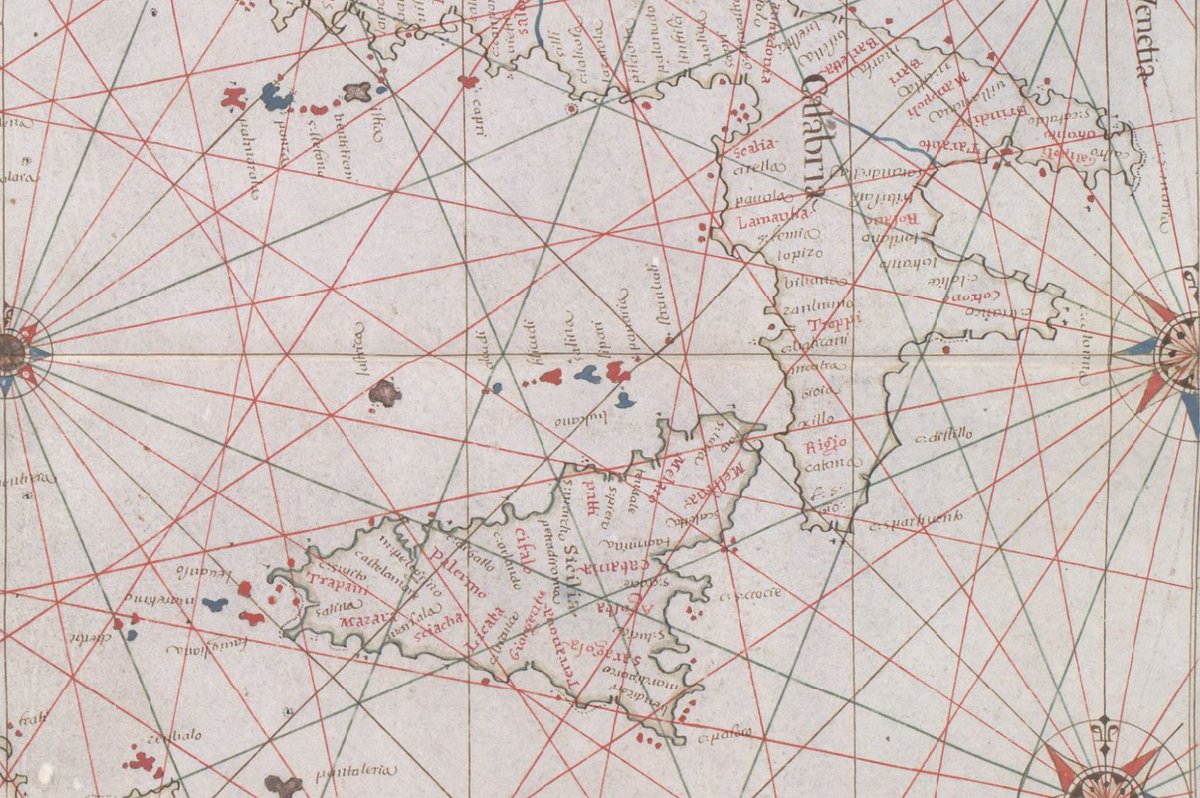
Across southern Italy and Sicily, Greek-speaking and Greek-rite communities continued to survive for centuries after the Byzantine period and the Norman conquest, preserving their language, clergy, monasticism, education and traditions even under Latin rule. Surviving all the way into the sixteenth century, despite gradual pressure toward Latinization.
However, the edict of the Sicilian Holy Office of the Spanish Inquisition in October 16th 1563 marks a turning point: while allowing Greek rites to continue, it imposed strict control over doctrine and threatened punishment for deviation. In this sense, several centuries after the blow dealt by the Normans to Hellenism in South Italy, the Spanish Inquisition represents a new and decisive blow against the remaining Greek (Orthodox and Greek-speaking) population.
"Monitory edict that Greek catholics must live observing the Christian faith held by the Roman Church.
We, the Inquisitors against heretical depravity and apostasy in the kingdom of Sicily and its adjacent islands, appointed by apostolic and royal authority, to all faithful Christians living and residing in all the cities, towns, and places of this most faithful kingdom, greetings in the Lord.
We make known to you that before us appeared the very magnificent and reverend Licentiate Peñaaranda, promoter and fiscal advocate of this Holy Office, who informed us that it had come to his knowledge that many of the Greeks living and residing in this kingdom, although they are Christians and as such are considered, treated, and reputed, and enjoy the same privileges and liberties as other Christians, were nevertheless holding, practicing, and communicating—under the title of Christians—many and various errors against the holy Catholic faith and the determinations of the Roman Church, thereby causing great offense to God Our Lord, great scandal in the Christian community, and harm to the faithful.
He therefore asked that we provide a suitable remedy to prevent such great evil and damage.
Having examined his petition and finding it just, and desiring as we do the salvation of all faithful Christians, for greater assurance we exhort, admonish, and command, by virtue of holy obedience, all and each of the said Greek Christians who are present, living, residing, or who shall reside in this kingdom under that name, that they live in a Christian and Catholic manner, observing the faith that the Holy Mother Roman Catholic Church holds, believes, and teaches.
They must not say, hold, practice, publish, or communicate anything contrary to this, under warning that we shall proceed against them with the full rigor of the law.
Likewise we command any Christian who from now on hears, sees, or learns in any way that any of the said Greeks has spoken, held, published, or communicated such errors to denounce and report it to this Holy Office, under penalty of major excommunication. We shall also proceed against those who conceal such matters or support heretics, as enemies of our holy faith.
We declare that by this measure it is not our intention to deprive the said Greeks of their customs, rites, and ceremonies tolerated by the Holy Mother Roman Church, but only to proceed against and punish those who speak, hold, publish, or communicate errors contrary to her and her determinations."
Source: José M. Floristán, Griegos, Helenismo e Inquisición en la Monarquía de España (siglos xvi –xviii)
English
@RomeInTheEast Αντικειμενικά θεωρείται μεταξύ των μεγάλων αναστολέων του πολιτισμού και της επιστήμης. Βαλκάνια και μικρά Ασία δεν είχαν ποτέ βιομηχανική επανάσταση. Κατέκτησαν την εμπροσθοφυλακή του ανθρώπινου πολιτισμού και καταπίεσαν τους υπόδουλους.
Ελληνικά
For all you Roman history fans out there - how do you feel about Ottoman history? Do you find that empire interesting?

English
Φίλιππος retweetledi
"If you wish, run to the school and know that philosophy is of the Greeks, and that it originated in the arrangement of climates, in the middle part, and that the knowledgeable ones are from us, and that the Sciences are ours; and that the air then and now is in us; and that we are of the Greek language, and that we are from the blood of these, and that your enthusiasm stirs our envy, and for this reason, our experience is vast"
As promised ten days ago...this is a sketch by basileus Theodoros II Doukas Laskaris representing his view of the world. In the center, where the two lines are crossing each other is Hellenis-Ελληνίς land.
The basileus, following Aristotelian reasoning for the progress of Greeks gives the explanation of the Greek miracle, and why Greeks became the Greeks we all know:
My rough translation, the Greek original text and source on the first reply.
In the paragraph that he described his diagram, in summary: α (the center of the cycle) stands for Hellenis (the Greek land), ο stands for Aornis, a mountain in South India, λ stands for Iberia (Spain), κ stands for Egypt and ν stands for Britain.
The letter Γ stands for any craft, art, and expertise (techne). The Hellenes were able to draw upon all human skills that evolved as these edges were communicating between them, with Greeks being in the center of the oecumene.
"From here, the entire Greek world is irrigated by water, including seawater. From this comes the wonder. For every coastal area is covered with countless acres, resembling olive leaves over sand, as they produce their fruits. This is a testimony to the mildness of the climate. If other lands have rivers, they do not reach such abundance, nor are they defined by the middle of the climates. Therefore, lacking the cause of mildness, they lack temperance. Only the Greek land, being in the middle of climates, having the sea's mild waters, has the most temperate winds. Hence, there is greater well-being for the bodies. From this well-being, intelligence arises, which adjusts the overall moisture of the watery part, taking in the dry part, promoting harmony. The moisture of seawater, gently drying and moistening, leads it in moderation. In this way, the Greeks have the middle of temperance, the middle of well-being, and the treasure of intelligence within them. What is the most beautiful thing about intelligence, having a natural order, they mix a more harmonious crown of knowledge.
In the middle of all the ends of the inhabited world, there exists the Greek people, and this is known because, in the manner of moderation, the beginning of art was perceived from the start. From this, it gathered and continues to gather. Thus, from small crafts, great knowledge has arisen. While all people have inventive power, the Greek people have a unique commerce of moderation because the movements of the extremes converge toward the middle. Let the elements be an example, such as ν for Britain, ο for Aornis (India), λ for Iberia, κ for Egypt. If art moves, Γ moved from ν through α of the Greek land, or ο through α to Britain, and again, either from λ Iberia through α of the Greek land, or from κ Egypt through α of the Greek land to λ. This is the total movement. But the partial one is Γ moved from ν to α, or ο from ο to α, or λ from λ to α, or κ from κ to α. This is the partial. Since the arts of the sphere move through α to the extremes, and those partially move from the extremes to α, the gathering of arts has a meeting point in α, quickly and effectively. Thus, in α is the entirety of knowledge. The fact that Γ moved from ν to ο through α, and that ο moved from ν to α, and this is from the general to the partial, through this, it perpetually has what it needs toward the extremes and passes the movements through it more quickly before moving in other directions. When Γ moves from ν to α and passes through α and ends in ο, then Γ commonly associates with α and ο, except in speed, as it is more dynamically positioned in α. But when Γ moves from ν to α, then it is not even with ο but only with α. Thus, through the position of the middle, Greek richness in knowledge flourishes.
Since, indeed, from the region of seawater and from the gathering in the middle, it undoubtedly surpasses in reasoning, one must consider both aspects: from intelligence, because it has the most intelligence from the moderation within it, and from its position, as it has the gathering of arts, the fruit of knowledge. Therefore, in the Greeks, are intelligence and knowledge the most beautiful, from which the logical prosperity has blossomed. For in those days, logical rivers flowed abundantly among the Greeks, who, irrigated by the water of reason, caused the golden streams of eloquence to flow abundantly, and whatever the Greek mind has cultivated, whether more divine and intellectual, it has flourished, having passed into a purer form.
Hence, Socrates philosophizes and Plato theologizes rhetorically, portraying philosophical concepts through mythological stories. Stagirites treats logic scientifically and transforms numbers from matter to quality, clarifying the hidden power of these things dynamically. Pythagoras, surpassing matter, nods toward learning and invents principles intelligently beyond all others, and Thales is the discoverer of geometry. Euclid, an element of Theon's public gatherings, and Ptolemaic diagrams describe circular motion and the elegant subtlety of harmony. Therefore, in those days, logical rivers flowed abundantly among the Greeks, who, irrigated by the water of reason, caused the golden streams of eloquence to flow abundantly, and whatever the Greek mind has cultivated, whether more divine and intellectual, it has flourished, having passed into a purer form.
Therefore, I want to say that every philosophy and knowledge, not just naming the sciences, are a product or something superior derived from something, exchanging substances. One seeking experience, traversing through all philosophy, would learn.
For my part, that most beloved and yearned-for offspring, which proudly boasts the name of sciences and knowledge, is elegantly adorned. And to you, Italian, having erected the foundation of the demonstration in the all-encompassing philosophy, I ask, for what reason does he boast, engaging in discussions about these matters."
And he concludes, based on the geographical position of the Greek nation:
"If you wish, run to the school and know that philosophy is of the Greeks, and that it originated in the arrangement of climates, in the middle part, and that the knowledgeable ones are from us, and that the Sciences are ours; and that the air then and now is in us; and that we are of the Greek language, and that we are from the blood of these, and that your enthusiasm stirs our envy, and for this reason, our experience is vast; and that the dominion, ruling supremely over all, has been established, and it gives us rest; and rest is the school, and the school through examination is the manifestation. Therefore, in us, all wisdom exists, and seek the wise, but the calculations will not readily reveal them."
The diagram is from the copy of his essary at the manuscript MS Barocci 97. Other manuscripts of the specific work survive in other collections eg. Vatican.
x.com/alyunan00/stat…


English
Φίλιππος retweetledi

Hagia Sophia is not a mosque -it is a stolen Christian church.
#LiberateHagiaSophia
#FreeConstantinople

Universal News@universalnewsx
🔴 Eid Takbir being recited in the AyaSofya Mosque in Istanbul
English
Φίλιππος retweetledi

Holy Icons in Courtrooms to Remain: Greek Ministry Defends Long-Standing Tradition greekcitytimes.com/2026/03/22/hol…

English
Φίλιππος retweetledi
Δρυὸς πεσούσης πᾶς ἀνὴρ ξυλεύεται said the ancient Greeks, which could roughly be translated as "on the fall of an oak, every man gathers wood" denoting the tendency of all parts to try to take advantage of somebody who has lost his strength.
This is the case of Greeks in the late-Byzantine period, with Turks, Wallacho-Bulgarians, Serbs, Venetians, Crusaders, Genoans, Normans, Catalans even tribal Albanians and Cumans getting bit by bit the last remnants of the Basileia and its people.
We know the threat from the East, but we tend to forget the stubborn military, political, ideological and religious adversaries from the West.
The Western pirates, funded and supported by their polities didn't stop pillaging and enslaving Greek villages and people from the Eastern Mediterranean and Black Sea and the records of the Greek slave trade which has been substantially researched lately is shocking.
We will start the series on this matter by an excerpt of a series of constitutions at Messina, promulgated on October 15th 1310 by Frederick III. These constitutions address a number of issues in addition to slaves, and below they deal with a of laws also addressed the status of Greeks in the Kingdom of Sicily; specifically, it limited the enslavement of Greeks to a maximum term of seven years, should they first convert to
Catholicism!!!
"We ordain that anyone who might have purchased a captive from the aforementioned Greeks of the Romania and taken him as a slave, may not dare to keep him except for a period of seven years, when, after the said seven years have been spent, we shall see that he is returned to his original freedom. We extend this law not so much to those who are to be acquired, as to those who have already been acquired: we offer this privilege to those who firmly believe and unconditionally confess the articles of faith, just as the holy mother Roman Church believes and holds , returning to the truth of the same [Church], recognize the one and only Mistress and Ruler of all Churches. We order that this period of seven years is to begin from the point at which they begin to believe and firmly to confess the articles of faith, as the holy Roman Church believes and holds , as declared above."
Few years earlier, basileus Andronikos II has attempted to minimize the phenomenon with a list of stipulations issued on 22 March 1308 to the Genoese at Pera.
Andronikos demands:
"that all Greeks and those who are marked out as and called Greeks are and ought to be free and immune in the city of Genoa from all fees, greed, and obligations to their goods and persons, like the Genoese are in the Empire of the Romania"
And specifies:
" have said and explained that some Genoese have brought in some Greek boys and girls from Constantinople, and from other lands of the Romania, promising them that they will do all sorts of good things, so that they will go with them to Genoa; and many of these boys and girls have gone, and when they were in the city of Genoa they [sc. the Genoese] sold them as slaves, which is unjust. On account of this they [sc. the Byzantines] seek that it be acceptable to legislate and ordain that those Greek boys and girls who thus went and who were not sold by the Genoese, but went by their own will, be and be understood to be free, and that they may go wherever they like."
Source:
Cross-Confessional Captivity in the Later Medieval
Eastern Roman World, c.1280–1450, Alasdair C. Grant

Φίλιππος retweetledi

@dyingempires Yeah, the Bataiguier shipwreck might've been a Muslim ship destroyed by Greek fire during that episode:
x.com/ahahistory2/st…
Ahahistory@ahahistory2
Among the four Islamic shipwrecks off the coast of France, that of Bataiguier, off the coast of Cannes, is perhaps the most intriguing. It dates to the 10th century AD. The presence of charred hull debris and of three burnt corpses on board suggests that the ship was attacked.
English
Φίλιππος retweetledi

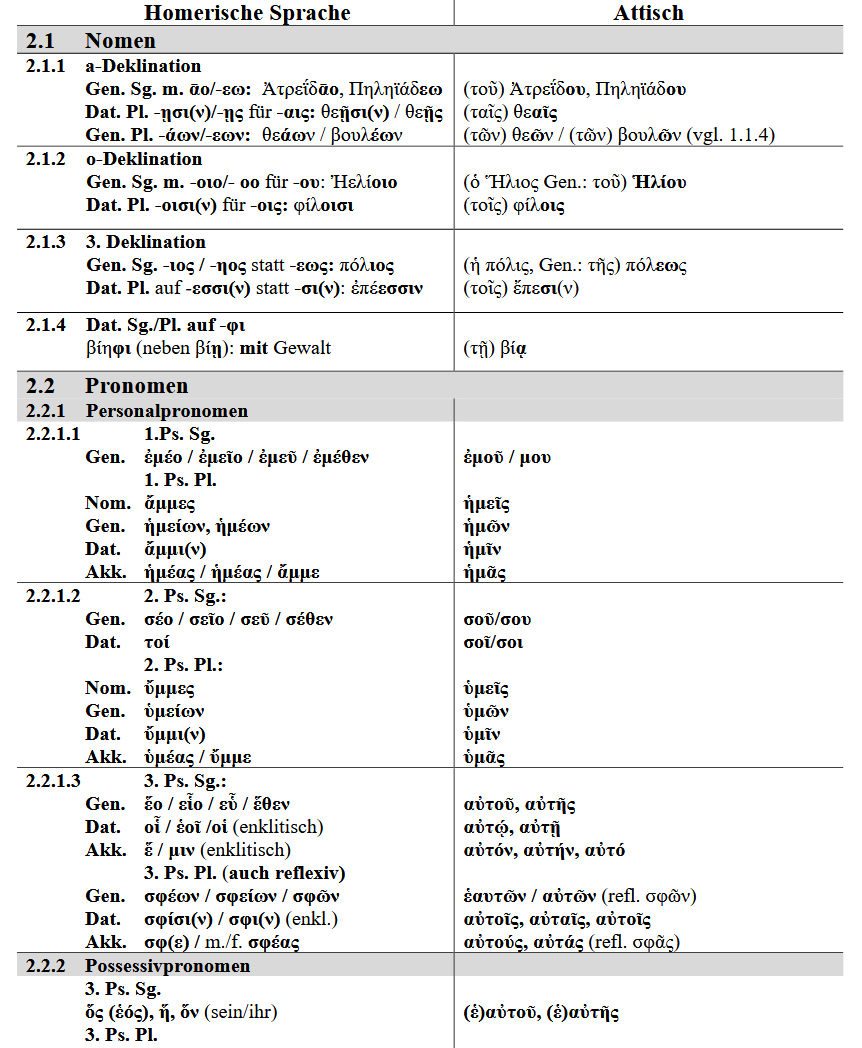
A short overview of differences between Homeric and Attic Greek (in German):
schule-bw.de/faecher-und-sc…
English