Sabitlenmiş Tweet

A guide to web3 terms, explained simply.
Cosmos Ecosystem: Cosmos is designed to make cross-chain communication easier, so blockchain A can interact and share tokens with Chain B smoothly using IBC (Inter-Blockchain Communication). Examples include sharing tokens between Osmosis and Sei. It has a specific wallet built for it, like Keplr, which helps you manage and move assets across these chains.
Smart contracts: are self-running machines on a blockchain that automatically follow rules when certain conditions are met. An example is when minting an NFT, once you pay and interact with the smart contract, the asset becomes yours instantly, no middlemen involved.
protocols: protocol in Web3 isn't a Layer 1 (like Ethereum) or Layer 2 (like Arbitrum)—it's a flexible set of rules or software that plugs into any blockchain to add specific features. An example is Arcium adding privacy through encrypted computing.
Layer 1 vs layer 2 : Layer 1 is the base blockchain, providing the core foundation for security and transactions, like Ethereum, Bitcoin, and BNB Chain.
Layer 2 is a scaling solution built on top of Layer 1 to process transactions faster and cheaper while relying on Layer 1’s security. Examples include Base, Arbitrum, and Optimism.
Layer 2 is faster because it handles transactions off the main chain, reducing congestion and fees, but settles final results on Layer 1.
Evm Address: An EVM address is a unique 42-character code (starting with "0x") used on Ethereum and EVM-compatible blockchains like BNB Chain, Polygon, Base, Blast, and Sei.
In a dex wallet like MetaMask, you use the same address across these chains to receive and manage tokens as well as interacting with dApps.
Projects in Web3: Web3 projects fall into categories like infra, privacy sector, RWA, and DeFi, each with a special role. Let me break them down for you, nice and simple.
Infra : These are the backbone tech that keeps Web3 running, like roads and bridges for blockchains. Examples include Layer 1s like Ethereum, Layer 2s like Polygon, and dev tools like Alchemy. Without infra, the whole Web3 playground falls apart.
Privacy Sector:
This is about keeping your info private on the blockchain while staying transparent where it counts. Projects use tech like ZK (zero-knowledge proofs) to hide details, FHE (fully homomorphic encryption, like what @zama_fhe is building), TEEs (secure hardware), and MPC (shared secret systems).
DeFi (Decentralized Finance):
This is banking without banks: lend, borrow, trade, or earn interest on crypto using smart contracts. Examples: Hyperliquid (decentralized trading) and Uniswap (token swapping).
RWA (Real World Assets):
This tokenizes real-world stuff like real estate, bonds, or art on the blockchain, so you can own fractions and trade them easily.
Examples is a project like multibank.
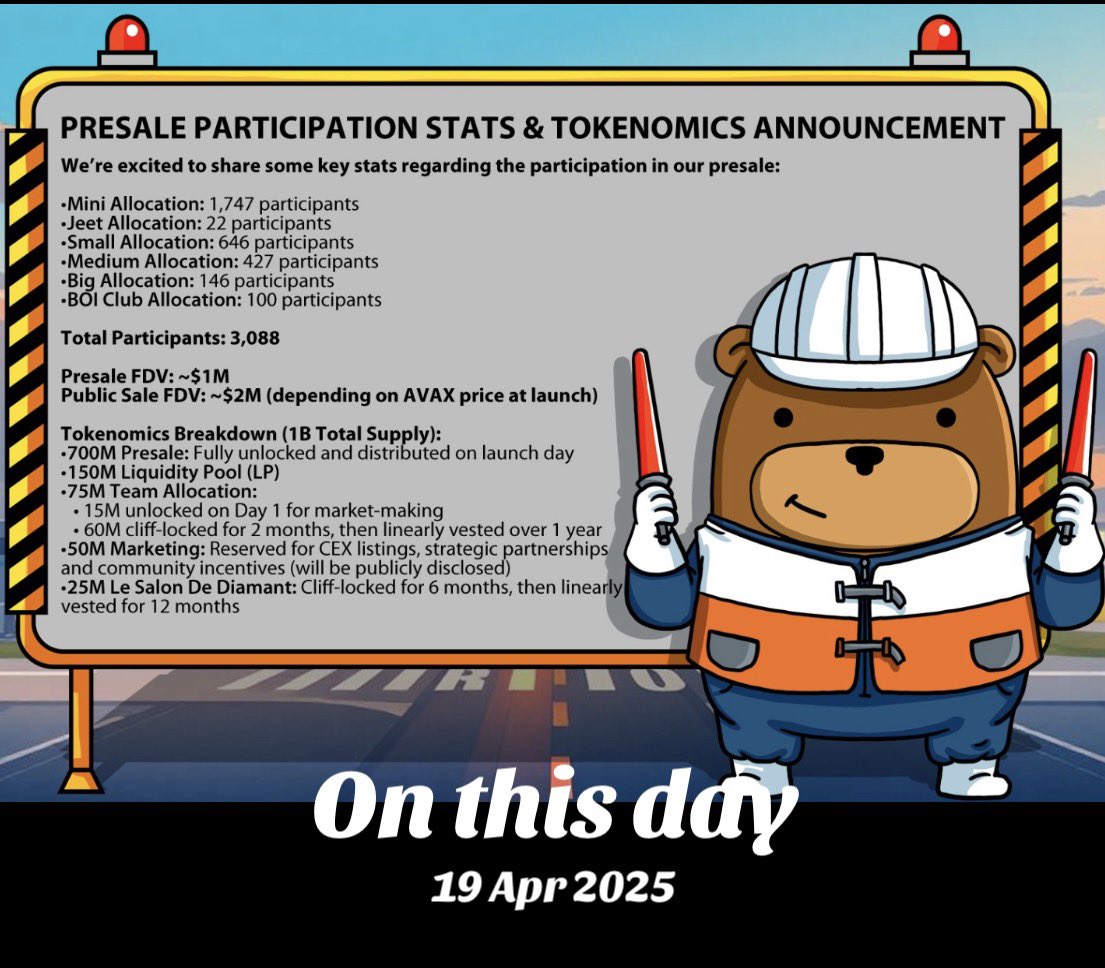
Tokenomics: This is the economy of a crypto project, how its tokens work, who gets them, and why. It covers stuff like FDV, MC, vesting, supply, and burn mechanisms.
FDV (Fully Diluted Valuation):
FDV is what a coin’s total value would be if all its tokens were out there today. It’s calculated as current price × total supply (including locked or future tokens). For example, if a coin’s price is $1 and the total supply will be 100M, FDV is $100M.
MC (Market Cap): MC is the current value of all tokens actually circulating now, current price × circulating supply. If a coin’s price is $1 and 50M tokens are out, MC is $50M. It shows a project’s size today.
Vesting: Vesting is when tokens are locked up and released slowly over time. This stops early investors or teams from dumping all their tokens at once, which could crash the price.
Burn Mechanisms: Burning means permanently destroying tokens, reducing the supply to make the rest more valuable, like burning old dollar bills to make the rest rarer.
Thanks for reading, and also, feel free to add any other helpful terms below
English