Fabrice Leclerc

193.3K posts

Fabrice Leclerc banner
Fabrice Leclerc

Fabrice Leclerc

@rnomics

#RNomics, #RNA biology, RNA #bioinformatics, #RNA_World & #evolution, technologies & resources

France Katılım Ağustos 2010
272 Takip Edilen2.7K Takipçiler
Fabrice Leclerc retweetledi
Ahmad Jomaa
Ahmad Jomaa@jomaa_lab·
Check out our new preprint on the discovery of a molecular switch in NAC that mediates nascent chain sorting on the ribosome and prevents mitochondrial protein mistargeting by SRP. A great collaboration with the Shan Lab @Caltech and the Qi Lab @UVA: biorxiv.org/content/10.110…
English
3
22
86
5K
Fabrice Leclerc retweetledi
Biology+AI Daily
Biology+AI Daily@BiologyAIDaily·
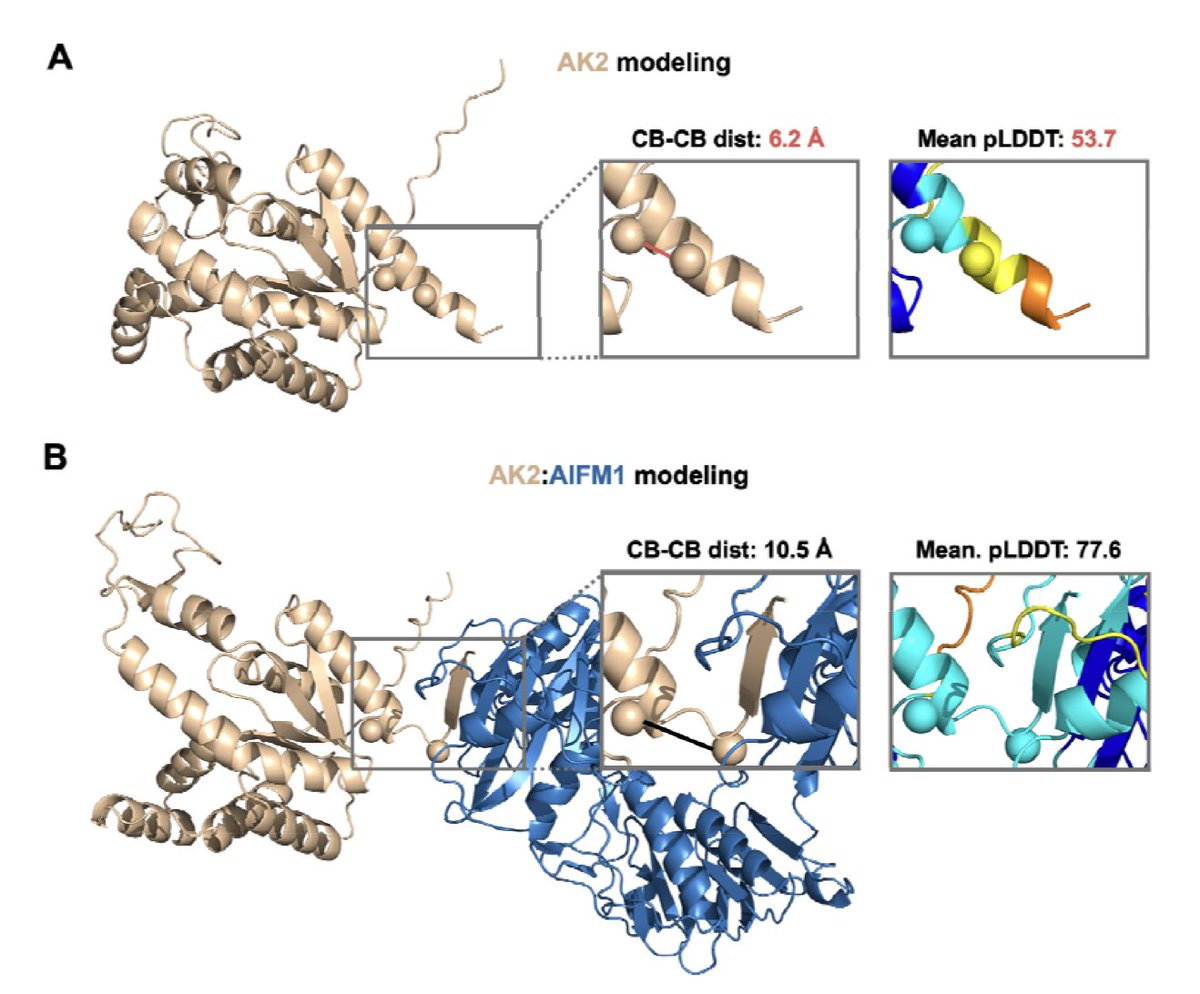
Exploring the Potential of AlphaFold Distograms for Flexibility Assignment in Cryo-EM Maps 1. A new study investigates whether AlphaFold-generated distograms can capture conformational flexibility in cryo-EM maps, focusing on the AIFM1/AK2 complex. The research shows that distograms from AlphaFold 2.3 and AlphaFold 3 can reflect hinge-driven motions in AK2 upon AIFM1 binding, despite not capturing this flexibility in their final predicted structures. 2. The study highlights that distograms offer a promising structure-free approach for identifying flexible protein regions. This is particularly useful for interpreting dynamic signals in cryo-EM maps, where traditional methods struggle with regions undergoing large conformational changes. The findings suggest that distograms may be more sensitive to conformational heterogeneity than AlphaFold’s final structural predictions. 3. The authors used molecular dynamics simulations as a reference to validate the flexibility signals detected in distograms. They found that distogram profiles closely mirrored the distance distributions observed in MD simulations, especially for the hinge-driven motion in AK2. This demonstrates the potential of distograms to capture biologically relevant flexibility without explicit structural information. 4. The study also explored various sampling strategies to improve flexibility detection in AlphaFold 2. While enhanced sampling and MSA perturbations did not significantly change the distogram profiles, it was found that specific AlphaFold versions (e.g., AF2.3) and input MSA diversity play a crucial role in capturing flexibility signals. This suggests that optimizing the input MSA could enhance the ability of distograms to reflect conformational dynamics. 5. The research opens up new possibilities for integrating distogram-based flexibility analysis into structural biology workflows. Tools like BioEmu and Boltz2, which incorporate distogram information, could benefit from using the pairwise representations from AlphaFold 3 or AlphaFold 2.3 to improve the sampling of conformational ensembles. This could be particularly valuable for interpreting low-resolution cryo-EM datasets. 📜Paper: doi.org/10.1101/2025.0… #AlphaFold #CryoEM #ConformationalFlexibility #Distograms #StructuralBiology #ProteinDynamics
Biology+AI Daily tweet media
English
0
4
23
1.3K
Fabrice Leclerc retweetledi
GenScript
GenScript@GenScript·
LAST chance to enter! ⏰ We’re proud to sponsor The RNA Society Contest and celebrate the creativity behind the science. Whether you’ve pipetted, painted, or baked your RNA masterpiece, make sure to submit your entry today! #GenScript #RNA #WorldRNADay #RNASociety
Jr RNA Scientists@jrRNAscientists

⏰ Today is the LAST DAY for RNA Society members to submit entries for The RNA Day Art & Baking Contest! 🎨🧁 Thanks to @GenScript, our exclusive industry sponsor for this event, top entries will win cash prizes🏆#RNA #WorldRNAday #RNASociety #GenScript #RNASocietyRNADayContests

English
0
4
8
1.4K
Fabrice Leclerc retweetledi
Atomic AI
Atomic AI@AtomicAICo·
Messy but meaningful, folded but functional. Today, we celebrate the squiggly, strange, and spectacular molecule changing the future of drug discovery. Happy #RNADay from all of us at Atomic AI!
GIF
English
0
1
6
212
Fabrice Leclerc retweetledi
Biology+AI Daily
Biology+AI Daily@BiologyAIDaily·
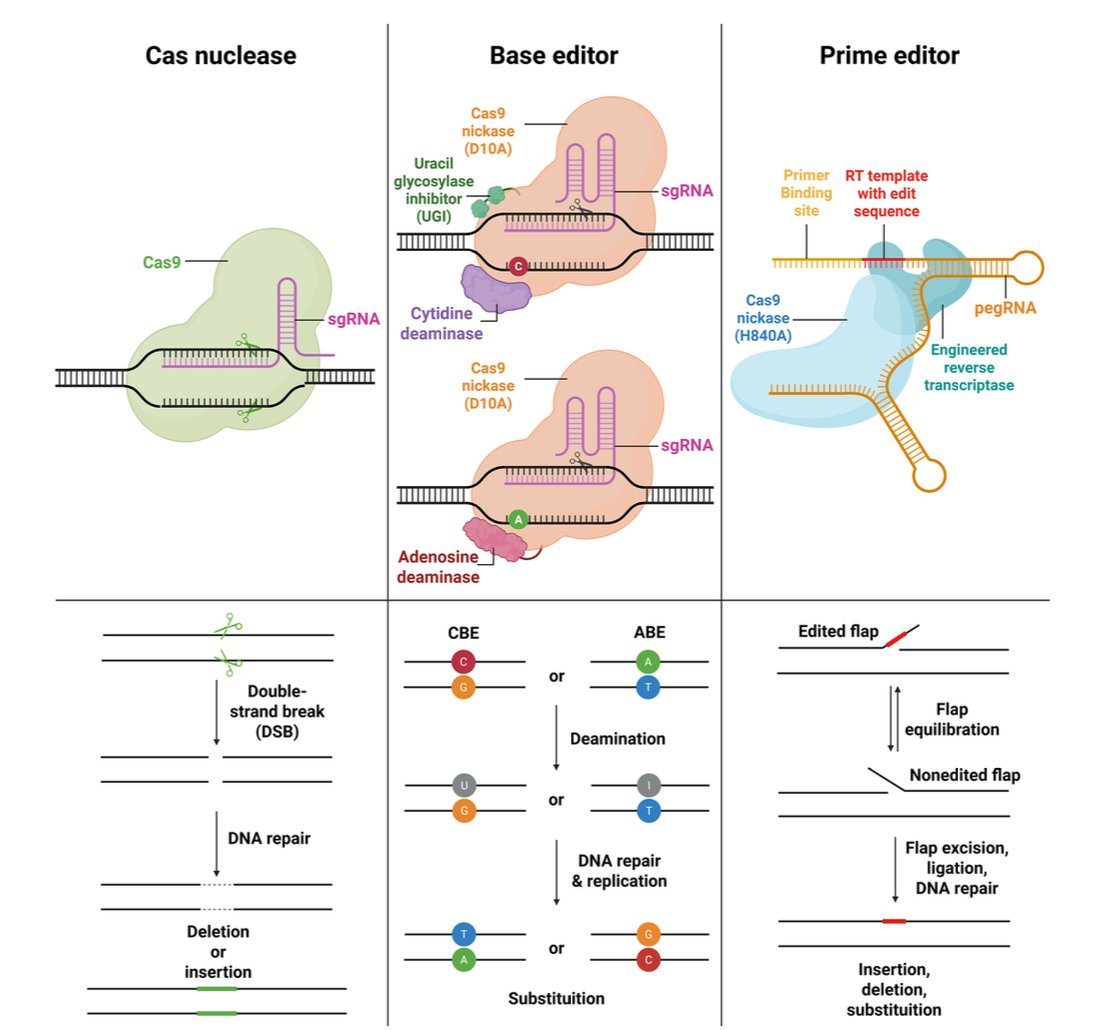
Revolutionizing CRISPR Technology with Artificial Intelligence 1. This review article explores the transformative role of artificial intelligence (AI) in advancing CRISPR technology, highlighting its potential to enhance precision, efficiency, and safety in genome engineering. AI is particularly impactful in optimizing guide RNA design, predicting off-target effects, and improving editing outcomes. 2. AI-driven models have significantly improved the design of guide RNAs for CRISPR nucleases, base editors, and prime editors. By leveraging large datasets, these models can predict on-target and off-target activities with high accuracy, reducing the risk of unintended genetic modifications. 3. The integration of AI with CRISPR technology has enabled the development of next-generation tools for personalized therapies. AI models can generate novel DNA, RNA, and protein sequences, expanding the scope of genome editing beyond natural limitations. 4. The article discusses how AI is used to refine CRISPR nucleases, base editors, and prime editors. For instance, AI models like DeepCRISPR and DeepSpCas9 have been developed to predict gRNA activity and off-target effects, enhancing the precision of CRISPR–Cas systems. 5. AI has also been instrumental in predicting the outcomes of CRISPR editing, including the types of mutations generated and their frequencies. Models like inDelphi and SPROUT use machine learning to predict repair outcomes after CRISPR-induced double-strand breaks, improving the predictability of genome editing. 6. The review highlights the use of AI in discovering and designing new CRISPR systems. For example, AI-driven protein structure prediction models like AlphaFold3 have been used to identify and optimize novel Cas proteins, expanding the toolkit for genome engineering. 7. The article concludes that while current AI models are highly dependent on the quality of experimental datasets, ongoing advancements in AI technology are expected to overcome existing limitations and further enhance the efficiency and accuracy of CRISPR technologies. 📜Paper: nature.com/articles/s1227… #CRISPR #ArtificialIntelligence #GenomeEditing #PersonalizedTherapies #AIinBiology
Biology+AI Daily tweet media
English
2
16
59
2.6K
Fabrice Leclerc retweetledi
RNA
RNA@RNAJournal·
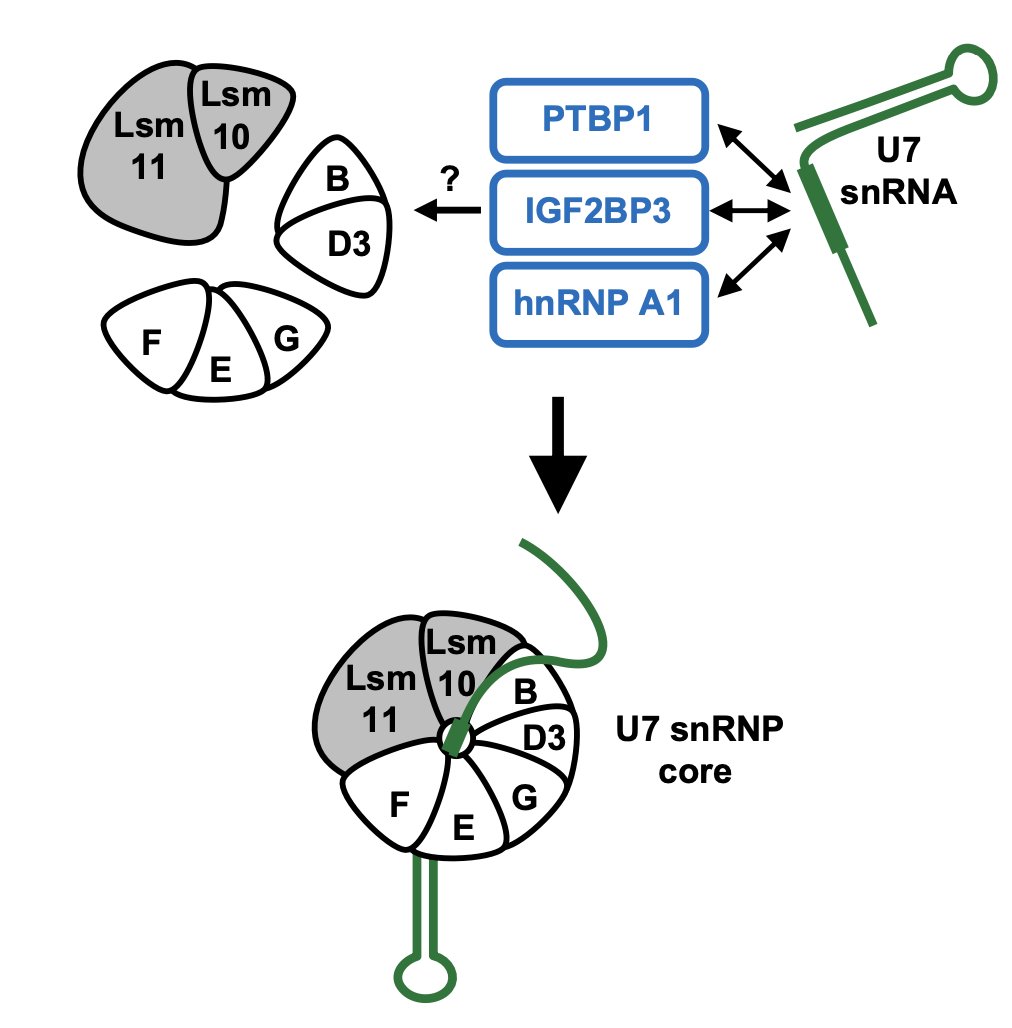
U7 snRNA binds a ring of seven proteins, including Lsm10 and Lsm11, forming U7 snRNP core. This report identifies 3 proteins (blue) that interact with U7 snRNA and may participate in the assembly of this unusual and functionally critical ring. bit.ly/46ApBZg
RNA tweet media
English
0
2
10
759
Fabrice Leclerc retweetledi
Swapna Kumar Panda
Swapna Kumar Panda@swapnakpanda·
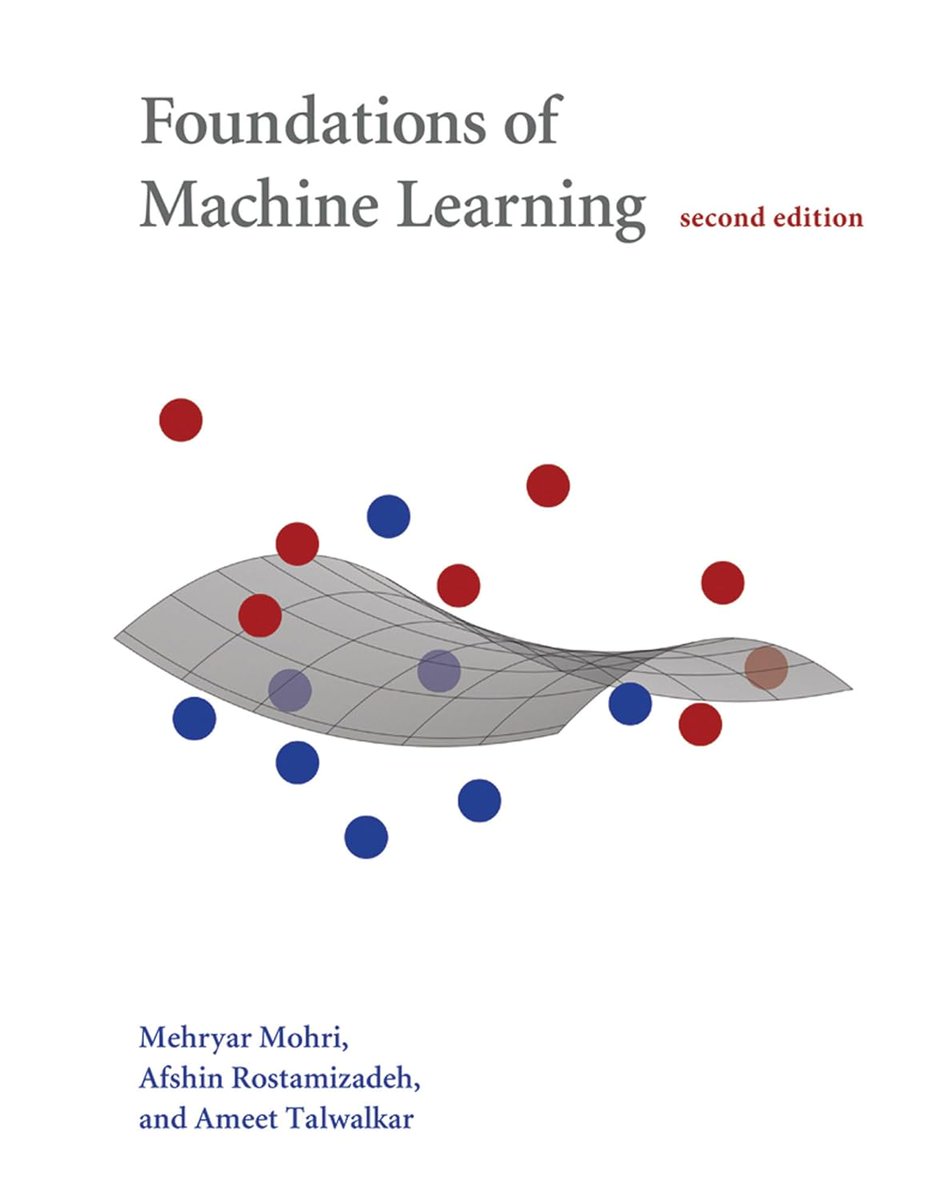
"Foundations of Machine Learning" A 505-pages book from MIT for beginners is 💯 FREE.
Swapna Kumar Panda tweet media
English
50
604
4.3K
364.3K
Fabrice Leclerc retweetledi
Biology+AI Daily
Biology+AI Daily@BiologyAIDaily·
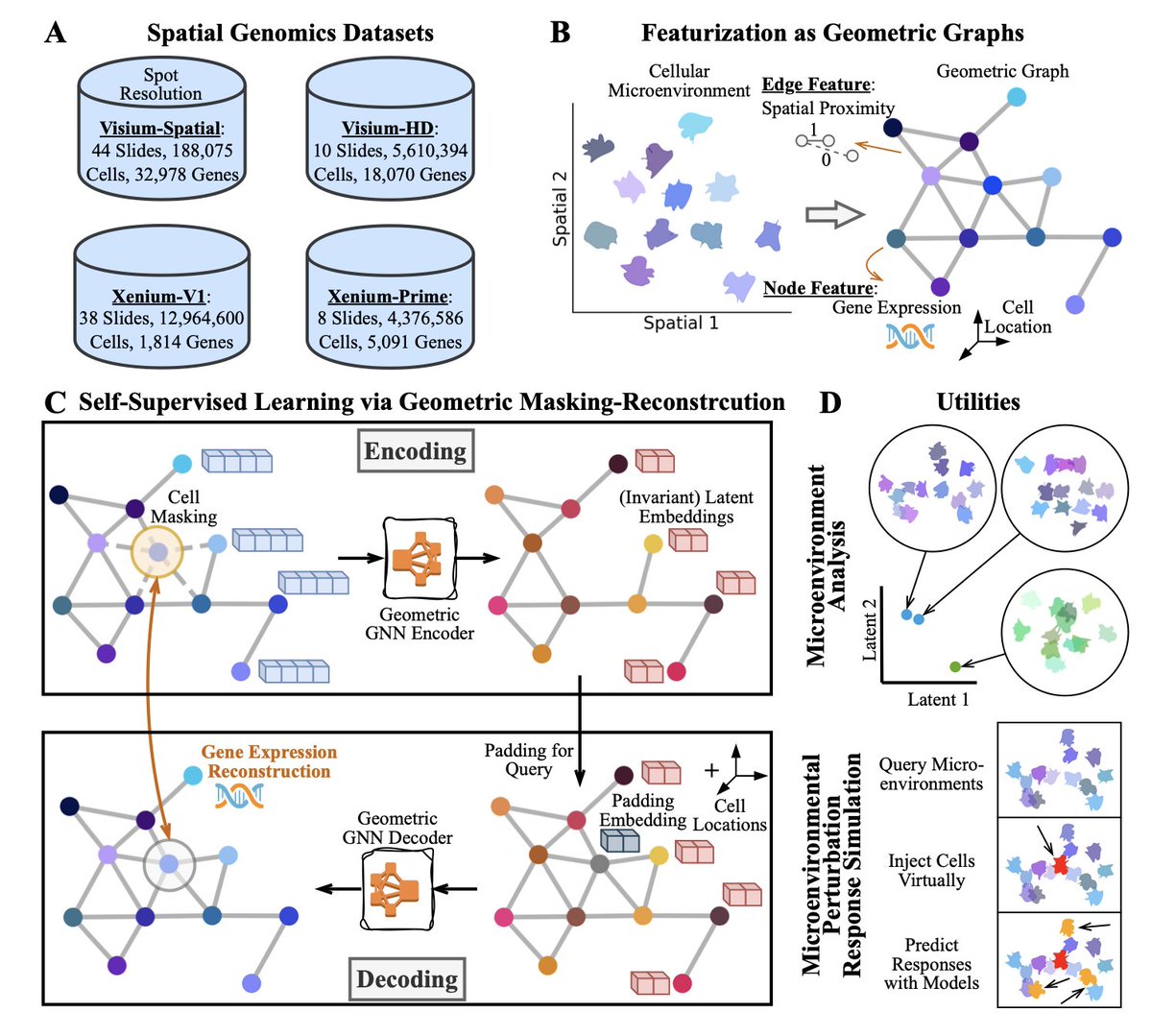
Building Foundation Models to Characterize Cellular Interactions via Geometric Self-Supervised Learning on Spatial Genomics 1. Cellular interactions are at the core of tissue function and disease. This study introduces the Cellular Interaction Foundation Model (CI-FM), a large-scale AI framework designed to analyze and simulate cellular interactions using spatial genomics data. 2. CI-FM leverages geometric graph neural networks (GeoGNNs) to model interactions within cellular microenvironments (CMEs). By embedding cell-specific gene expression and spatial information, the model reconstructs masked gene expressions with high accuracy. 3. The study processes data from 23 million cells across various spatial genomics platforms, training CI-FM with 100 million parameters. The self-supervised learning pipeline uniquely optimizes the reconstruction of gene expressions based on neighboring cellular contexts. 4. CI-FM achieves superior performance in inferring gene expressions, as evidenced by a low mismatch error (1.1%) and a high correlation in predicted versus actual expressions. The model also excels in classifying cell types, with 79.4% of cells correctly annotated. 5. The model's utility is demonstrated in tumor microenvironment analysis. CI-FM embeddings can distinguish tumor from non-tumor samples with a ROC-AUC score of 0.76 and reveal shared microenvironmental signatures among tumor samples. 6. A key innovation is CI-FM’s ability to simulate cellular responses to environmental perturbations. For instance, injecting T cells into tumor microenvironments highlights dynamic changes in epithelial, fibroblast, and immune cell populations. 7. CI-FM represents a step toward "AI virtual tissues," enabling in silico simulations of tissue dynamics. Its scalability and precision make it a promising tool for both research and therapeutic applications. 8. The model is publicly available, facilitating its adoption and further development by the research community. 💻Code: huggingface.co/ynyou/CIFM 📜Paper: biorxiv.org/content/10.110… #AI #SpatialGenomics #GraphNeuralNetworks #CancerResearch #Bioinformatics
Biology+AI Daily tweet media
English
0
1
3
747
Fabrice Leclerc retweetledi
Biology+AI Daily
Biology+AI Daily@BiologyAIDaily·
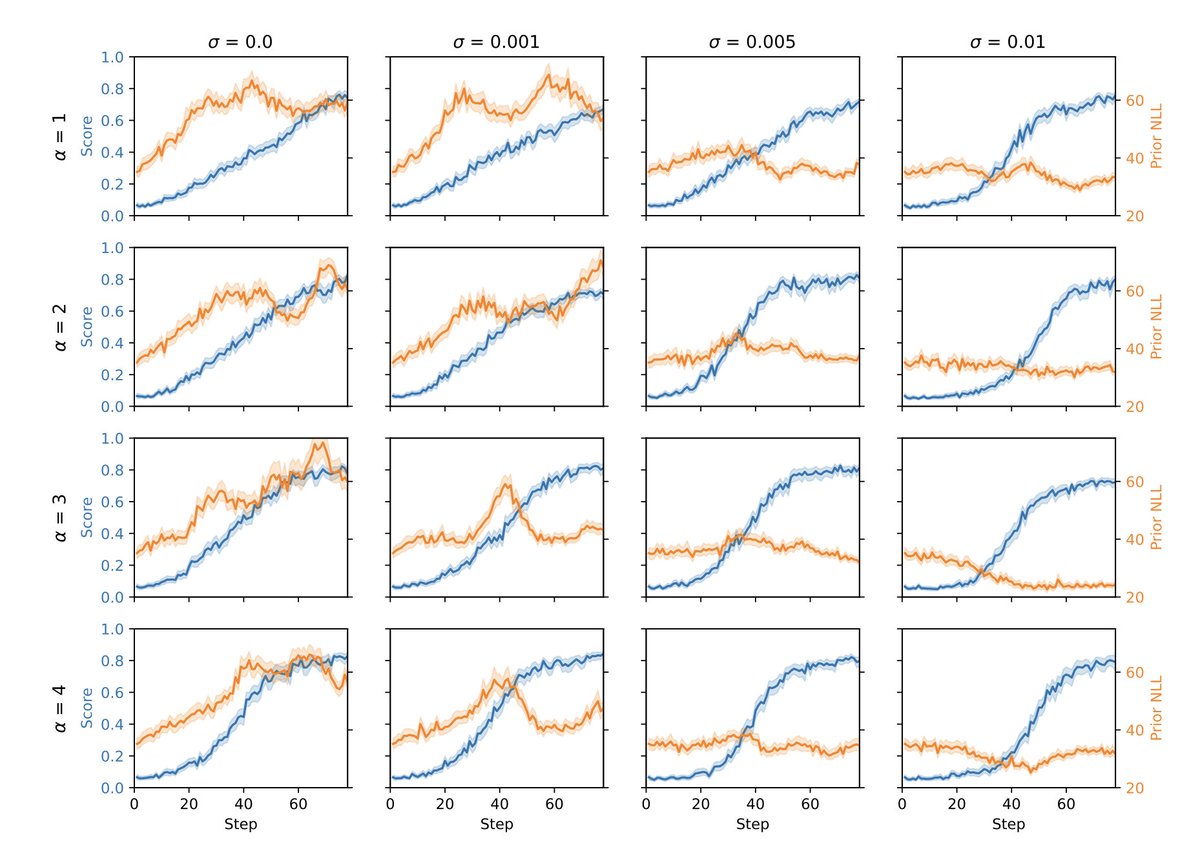
REINFORCE-ING Chemical Language Models in Drug Design 1. This study explores reinforcement learning (RL) for optimizing chemical language models (CLMs) in drug design, focusing on the REINFORCE algorithm. It investigates various RL techniques, such as experience replay, hill climbing, baselines to reduce variance, and reward shaping. 2. The authors compare REINFORCE to more complex RL methods like Proximal Policy Optimization (PPO) and Advantage Actor-Critic (A2C). They find that, despite its simplicity, REINFORCE remains highly competitive, especially when combined with pre-trained chemical models. 3. A major contribution is the analysis of different reward shaping strategies. The study introduces an improved formulation that enhances optimization while preserving meaningful chemical properties. 4. Experience replay is explored as a method to store and reuse high-scoring molecules, improving sample efficiency. The study finds that prioritizing high-reward molecules further enhances learning efficiency. 5. Hill-climbing strategies, where only the top-k scoring molecules are retained, significantly improve optimization performance, though at a small cost to molecular diversity. 6. The study also examines policy regularization techniques, such as KL divergence constraints and prior likelihood constraints, to maintain chemical validity and prevent model collapse into unrealistic chemical spaces. 7. Various exploration strategies, including entropy penalties, agent likelihood penalties, diversity filters, and random network distillation (RND), are tested. RND provides the best trade-off between exploration and validity. 8. Using the MolOpt benchmark, the authors optimize hyperparameters and propose ACEGENMolOpt, a state-of-the-art RL model for chemical generation. It outperforms existing methods in effectiveness and efficiency but requires careful tuning to balance exploration. 9. The results show that even simple RL techniques, when properly fine-tuned, can significantly enhance molecular design efficiency while maintaining desirable chemical properties. @gdefabritiis 📜Paper: arxiv.org/abs/2501.15971 #ReinforcementLearning #DrugDiscovery #ChemicalAI #GenerativeModels #Bioinformatics
Biology+AI Daily tweet media
English
0
2
8
1.2K
Fabrice Leclerc retweetledi
Biology+AI Daily
Biology+AI Daily@BiologyAIDaily·
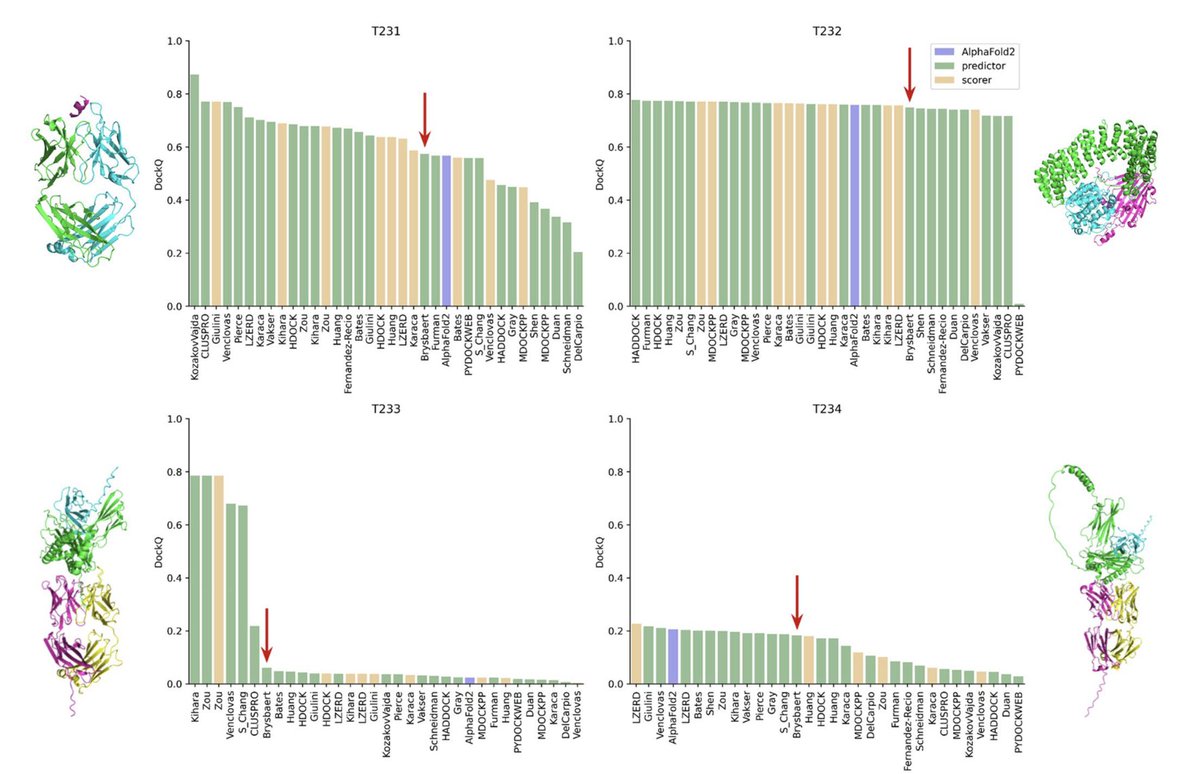
Massive Sampling Strategy for Antibody–Antigen Targets in CAPRI Round 55 With MassiveFold 1. Antibody-antigen docking remains a challenging problem in structural bioinformatics. This study presents a massive sampling strategy using AlphaFold2-based MassiveFold to improve protein complex predictions in CAPRI Round 55. 2. The authors generated over 6000 structural predictions per target using six different parameter sets, exploring variations in dropout activation, recycling steps, and template usage to enhance prediction diversity. 3. Results demonstrate that massive sampling produces acceptable to high-quality predictions, but the AlphaFold2 confidence score fails to reliably rank the best models, especially for antibody-antigen complexes. 4. Unlike previous CASP15-CAPRI studies, the best models in this round were obtained by increasing sampling without activating dropout, suggesting that standard AlphaFold2 parameters can yield strong results. 5. The study identifies key scoring limitations in antibody-antigen prediction. The AlphaFold2 confidence score is biased towards antibody chains and does not effectively capture antibody-antigen binding quality. 6. To address this, the authors propose using interface pLDDT (I-pLDDT) as an alternative scoring function, showing improved correlation with high-quality predictions, particularly for peptide antigens. 7. Analyzing different neural network versions, the study finds that no single version of AlphaFold2 consistently outperforms others. Instead, using multiple neural network models increases the likelihood of identifying high-quality predictions. 8. The results suggest that MassiveFold-generated data always contain acceptable or better predictions. The challenge is to develop a better scoring function to identify them efficiently. 9. The study highlights the need for refined selection criteria in large-scale protein docking. Future work will integrate ColabFold and AlphaFold3 into MassiveFold to further improve sampling efficiency. 10. This work underscores the importance of massive sampling strategies and parameter optimization in advancing antibody-antigen docking predictions. @MarcLensink 💻Code: gitlab.in2p3.fr/cmsb-public/ca… 📜Paper: onlinelibrary.wiley.com/doi/10.1002/pr… #ProteinDocking #AlphaFold #AntibodyAntigen #Bioinformatics #MachineLearning
Biology+AI Daily tweet media
English
0
8
32
2.4K
Fabrice Leclerc retweetledi
Biology+AI Daily
Biology+AI Daily@BiologyAIDaily·
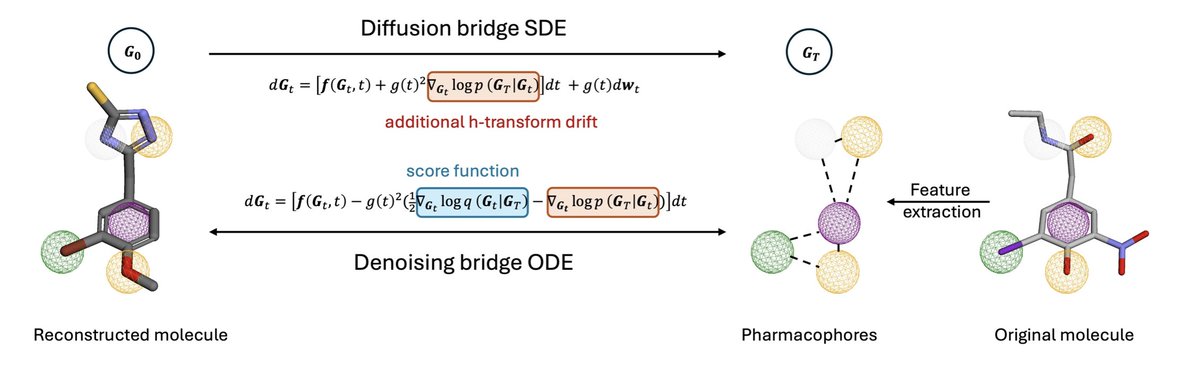
Pharmacophore-guided de novo drug design with diffusion bridge 1. Designing bioactive drug molecules is a fundamental challenge in drug discovery. This study introduces PharmacoBridge, a pharmacophore-guided de novo drug design framework using diffusion bridge models to generate molecules with desired bioactivity. 2. Unlike conventional structure-based design, PharmacoBridge directly translates pharmacophore arrangements into molecular structures via an SE(3)-equivariant diffusion bridge, ensuring optimal placement of biochemical features. 3. The method improves over existing pocket-based approaches by explicitly defining essential interaction features rather than relying on implicit learning from protein pockets, leading to more accurate and interpretable drug candidate generation. 4. PharmacoBridge outperforms baselines such as Pocket2Mol and TargetDiff, achieving significantly higher pharmacophore matching scores and producing molecules with better binding affinities in both ligand-based and structure-based drug design. 5. The model achieves near-perfect validity and novelty rates while enhancing molecular diversity compared to other generative models. It also generates drug-like molecules with superior synthetic accessibility (SA) scores and quantitative estimate of drug-likeness (QED) scores. 6. A key innovation is the use of diffusion bridges, a probabilistic framework ensuring that generated molecules reach a fixed pharmacophore-defined endpoint, thereby maintaining crucial drug-target interaction features. 7. In a structure-based drug design study, PharmacoBridge generates hit molecules that exhibit higher binding affinities than reference ligands across multiple protein targets, demonstrating its potential in lead optimization. 8. The approach introduces an SE(3)-equivariant graph neural network (GNN) to ensure molecular structures adhere to rotational and translational symmetry, improving geometric fidelity in the generated molecules. 9. This work highlights the power of diffusion models in drug discovery, bridging pharmacophore models and molecular structures while setting a new benchmark for de novo hit identification. 📜Paper: arxiv.org/abs/2412.19812 #DrugDiscovery #GenerativeAI #Pharmacophore #DiffusionModels #MolecularDesign
Biology+AI Daily tweet media
English
0
9
36
2.6K
Fabrice Leclerc retweetledi
Biology+AI Daily
Biology+AI Daily@BiologyAIDaily·
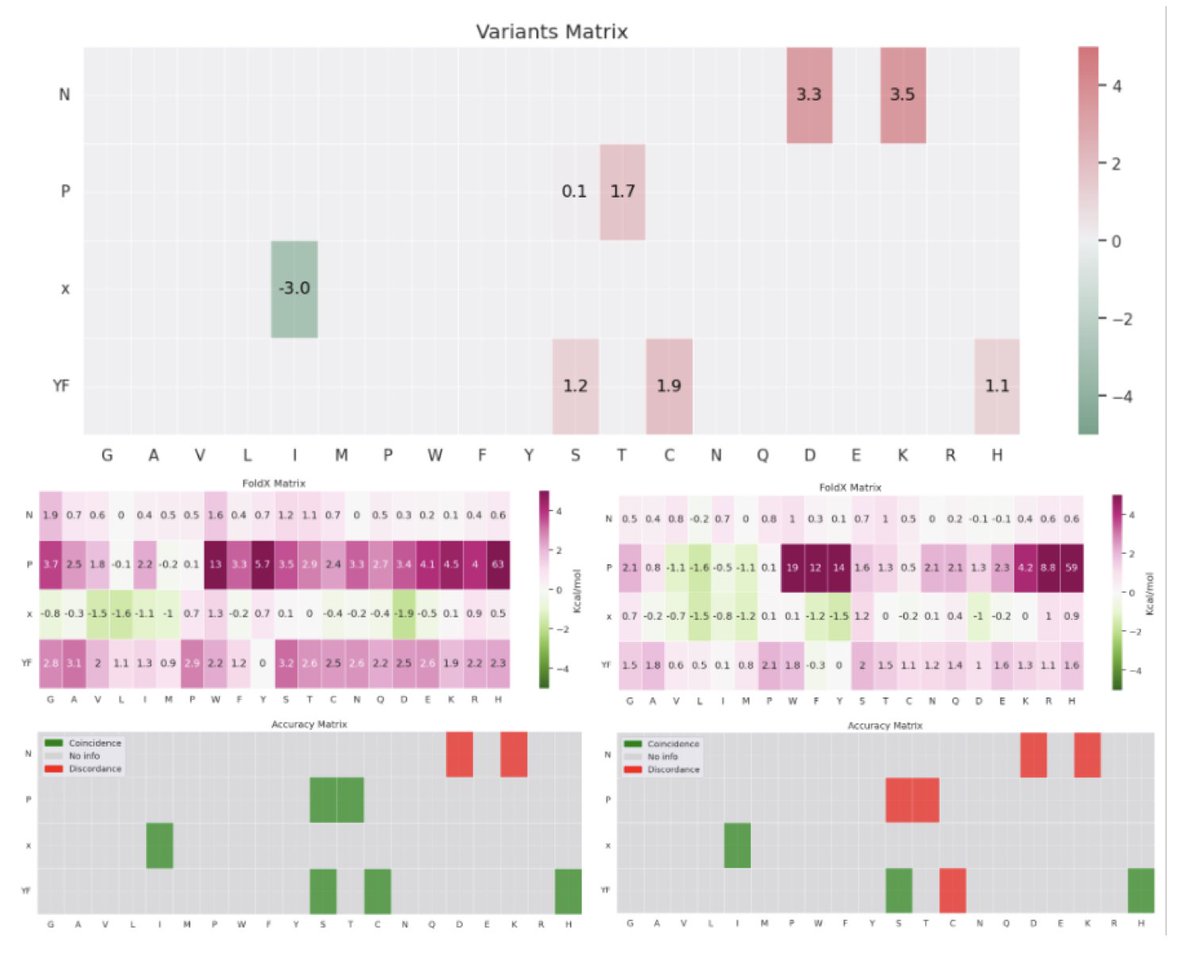
Integrating AlphaFold2 Models and Clinical Data to Improve the Assessment of Short Linear Motifs (SLiMs) and Their Variants’ Pathogenicity 1. Short Linear Motifs (SLiMs) play essential roles in protein interactions and cellular processes. This study presents an updated version of MotSASi, a method integrating AlphaFold2 (AF2) models and clinical data to improve SLiM identification and pathogenic variant prediction. 2. Traditional SLiM prediction methods suffer from low specificity and high false-positive rates. By leveraging AF2-generated structures, MotSASi enhances SLiM predictions and provides tolerance matrices for all possible single amino acid substitutions. 3. AF2-generated SLiM-receptor complex models are validated against Protein Data Bank (PDB) structures, demonstrating high accuracy in reproducing known interactions and predicting deleterious mutations. 4. A key improvement is the construction of amino acid substitution matrices for each SLiM, allowing systematic evaluation of variant pathogenicity. The method significantly outperforms AlphaMissense in classifying pathogenic vs. benign mutations. 5. The study reveals that AF2 models improve the structural understanding of SLiMs, enabling the identification of novel SLiM candidates across the human proteome. The pipeline expands high-confidence SLiM predictions by 22-fold compared to previous methods. 6. Clinically, MotSASi contributes to the refinement of ACMG/AMP guidelines by improving pathogenicity classification of SLiM-related variants. It helps assess the impact of missense mutations in Mendelian disease genes. 7. A case study on the LDLR NPXY motif highlights the superior accuracy of MotSASi in predicting the effects of specific mutations on protein function compared to AlphaMissense. 8. The study provides a comprehensive SLiM catalog with variant effect predictions, aiding functional genomics research and clinical variant interpretation. 📜Paper: biorxiv.org/content/10.110… #SLiMs #AlphaFold2 #ClinicalGenomics #ProteinInteractions #Bioinformatics
Biology+AI Daily tweet media
English
1
3
13
2K
Fabrice Leclerc retweetledi
Biology+AI Daily
Biology+AI Daily@BiologyAIDaily·
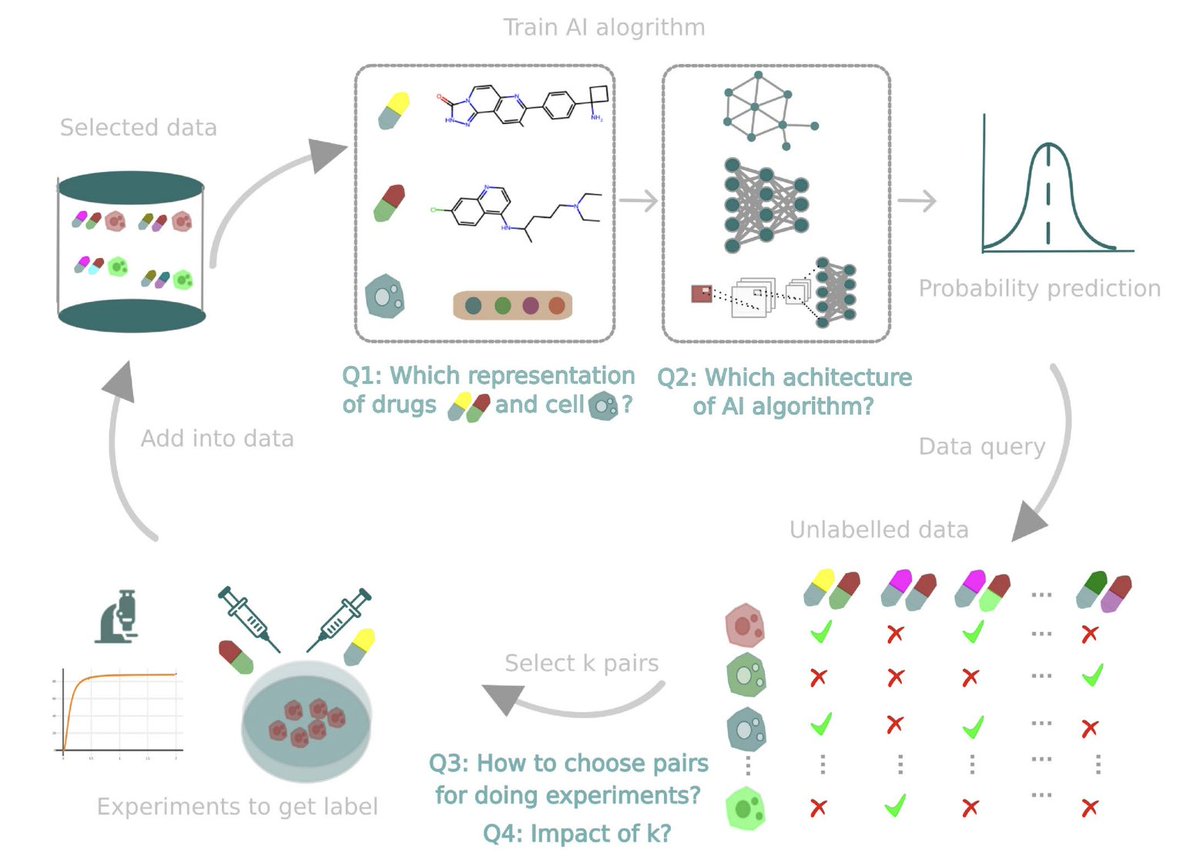
A guide for active learning in synergistic drug discovery @SciReports 1. Synergistic drug combinations can significantly enhance cancer treatment, but finding effective pairs is challenging due to the vast combinatorial search space. This study introduces a robust active learning framework to accelerate the discovery of synergistic drug pairs. 2. The key challenge in synergy detection is the rare occurrence of synergistic combinations, which active learning addresses by optimizing experimental searches to focus on the most promising drug pairs. 3. The study demonstrates that by applying active learning to drug combination screening, it is possible to discover 60% of synergistic pairs while only exploring 10% of the combinatorial space, drastically reducing experimental time and costs. 4. Active learning's efficiency is further enhanced by dynamically adjusting the exploration-exploitation balance. Smaller batch sizes are found to be more effective in identifying synergistic combinations compared to larger batch sizes. 5. Data efficiency is critical. The study compares various molecular encoding methods, showing that while encoding methods like Morgan fingerprints and ChemBERT offer similar results, incorporating cellular features—specifically gene expression data—significantly improves prediction accuracy. 6. For predicting synergy, the multi-layer perceptron (MLP) model was found to strike an optimal balance between computational efficiency and predictive power, performing well even in low-data regimes. 7. A hybrid selection strategy, which dynamically shifts between exploration and exploitation, proved to be the most effective in enhancing synergy detection over fixed strategies. 8. The results suggest that even with limited experimental resources, active learning can uncover a large fraction of synergistic pairs, saving both time and consumables while maintaining high accuracy in synergy predictions. 9. Active learning frameworks, as demonstrated in this work, are poised to revolutionize synergy screening, making it feasible to efficiently navigate large combinatorial spaces and discover novel therapeutic combinations. 💻Code: github.com/LBiophyEvo/Dru… 📜Paper: nature.com/articles/s4159… #DrugDiscovery #ActiveLearning #CancerTherapy #AI #MachineLearning #Synergy #Bioinformatics
Biology+AI Daily tweet media
English
1
6
19
1.8K
Fabrice Leclerc retweetledi
Biology+AI Daily
Biology+AI Daily@BiologyAIDaily·
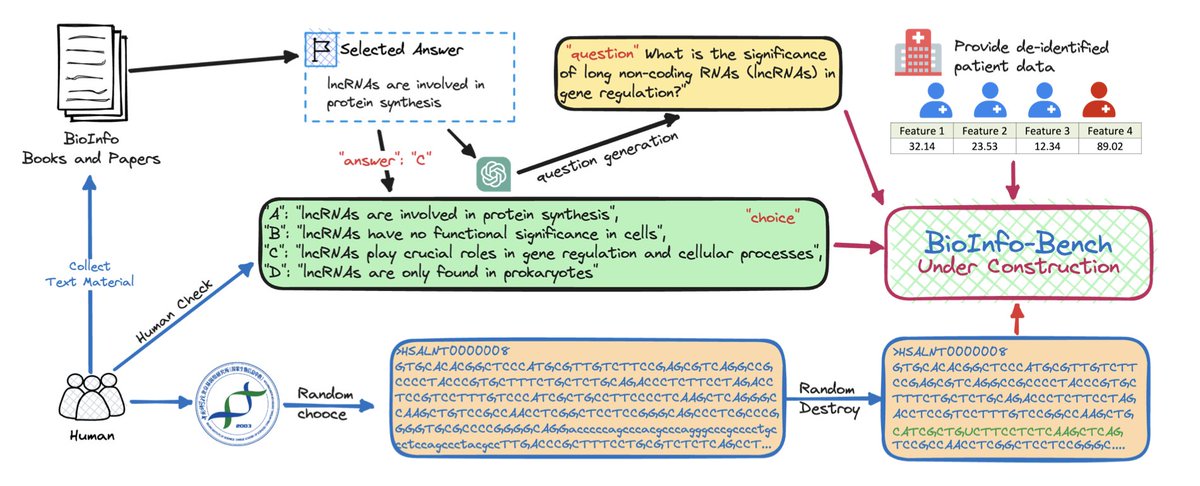
Bioinfo-Bench: A Simple Benchmark Framework for LLM Bioinformatics Skills Evaluation 1/ The paper introduces Bioinfo-Bench, a novel benchmark framework designed to evaluate large language models (LLMs) in bioinformatics, focusing on their ability to acquire, analyze, and apply knowledge in this field. 2/ Bioinfo-Bench evaluates LLMs like ChatGPT, Llama, and Galactica through three key perspectives: knowledge acquisition, knowledge analysis, and knowledge application. The results highlight that while LLMs excel at knowledge retention, they struggle with complex, domain-specific problem-solving. 3/ The benchmark includes 150 multiple-choice questions, 20 sequence verification tasks, and 30 disease classification challenges. This comprehensive evaluation allows for a deeper insight into the models' bioinformatics capabilities. 4/ Bioinfo-Bench reveals that LLMs, particularly ChatGPT, perform well in knowledge acquisition but face limitations in practical bioinformatics tasks such as sequence verification and disease classification, emphasizing the need for further specialized training. 5/ The paper suggests that for LLMs to effectively assist in bioinformatics, they must be trained on more practical data and be capable of engaging in deeper reasoning, not just generating responses based on pre-trained data. 6/ Bioinfo-Bench is presented as both a framework and a practical tool for bioinformatics researchers, guiding the development and evaluation of LLMs’ skills in this specialized field, with plans for further updates and open access on GitHub. 📜Paper: biorxiv.org/content/10.110… #Bioinformatics #LLMs #AIinBiology #MachineLearning #BioinfoBench #DataScience #Genomics #ArtificialIntelligence
Biology+AI Daily tweet media
English
0
3
8
1.4K
Fabrice Leclerc retweetledi
Biology+AI Daily
Biology+AI Daily@BiologyAIDaily·
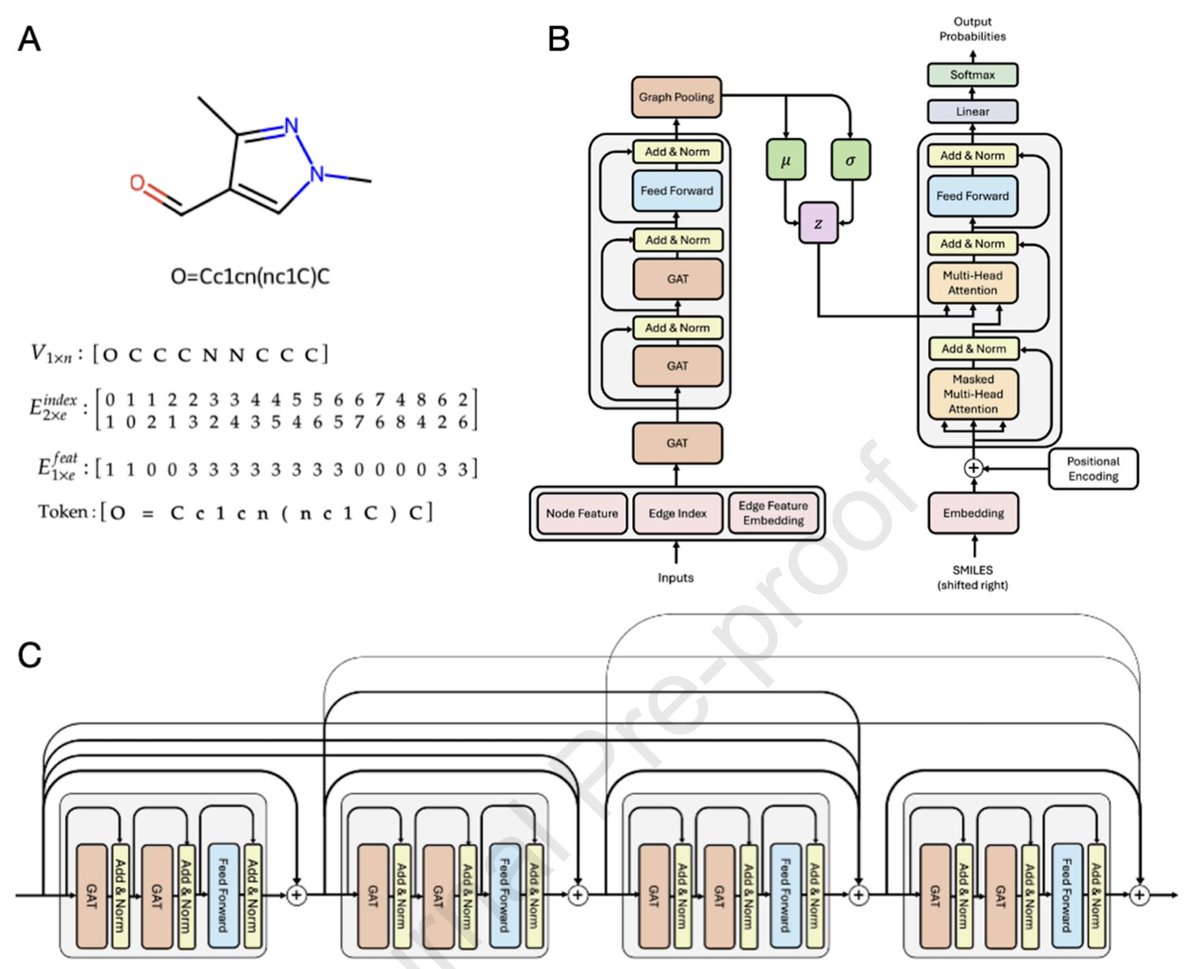
Transformer Graph Variational Autoencoder for Generative Molecular Design 1/ The paper presents the Transformer Graph Variational Autoencoder (TGVAE), a novel AI model that uses molecular graphs rather than SMILES strings to generate diverse and chemically valid molecules, offering a breakthrough for drug discovery. 2/ TGVAE combines a Transformer, Graph Neural Network (GNN), and Variational Autoencoder (VAE) to capture the complex relationships within molecular structures. This approach overcomes the limitations of traditional methods that rely on string-based representations. 3/ The model addresses key challenges like over-smoothing in GNN training and posterior collapse in VAE, improving the robustness of molecule generation and enhancing the diversity of the results. 4/ TGVAE generates molecules that are more diverse and novel than those produced by previous models. Its results show better performance in generating unique structures, novel scaffolds, and a broader chemical space. 5/ The model outperforms string-based approaches in key metrics such as validity, uniqueness, novelty, and internal diversity, indicating its capability to explore unexplored chemical spaces and produce drug-like candidates. 6/ The study highlights that TGVAE can generate novel molecules with unique scaffolds not found in existing chemical databases like PubChem, demonstrating its potential for discovering entirely new classes of compounds. 7/ This advancement sets a new standard in generative molecular design, providing a promising tool for drug discovery by generating molecules with optimized drug-like properties such as improved bioactivity and pharmacokinetics. 💻Code: github.com/Molecular-AI-G… 📜Paper: doi.org/10.1016/j.bpj.… #DrugDiscovery #GenerativeAI #MolecularDesign #GraphNeuralNetworks #AIinMedicine #TGVAE #Biophysics #MachineLearning
Biology+AI Daily tweet media
English
1
14
71
3.9K