
ROHIT VERMA retweetledi
ROHIT VERMA
29.3K posts

ROHIT VERMA
@rohit091208vrm
Wild Spirit, Soft Hearted Boy..
Lucknow Katılım Ağustos 2024
634 Takip Edilen134 Takipçiler

ROHIT VERMA retweetledi

ROHIT VERMA retweetledi
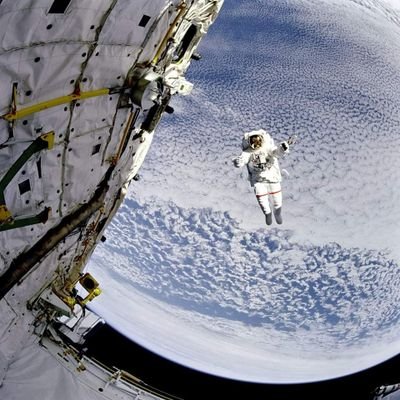
🚨: This is what our night sky would look like if the Andromeda Galaxy were brighter...

English
ROHIT VERMA retweetledi

शाम की चाय न मिलने पर युवक हुआ बेहोश,होश में लाने के लिए डॉक्टर को ड्रिप से चढ़ानी पड़ी चाय
- @just_sharmaji
हिन्दी
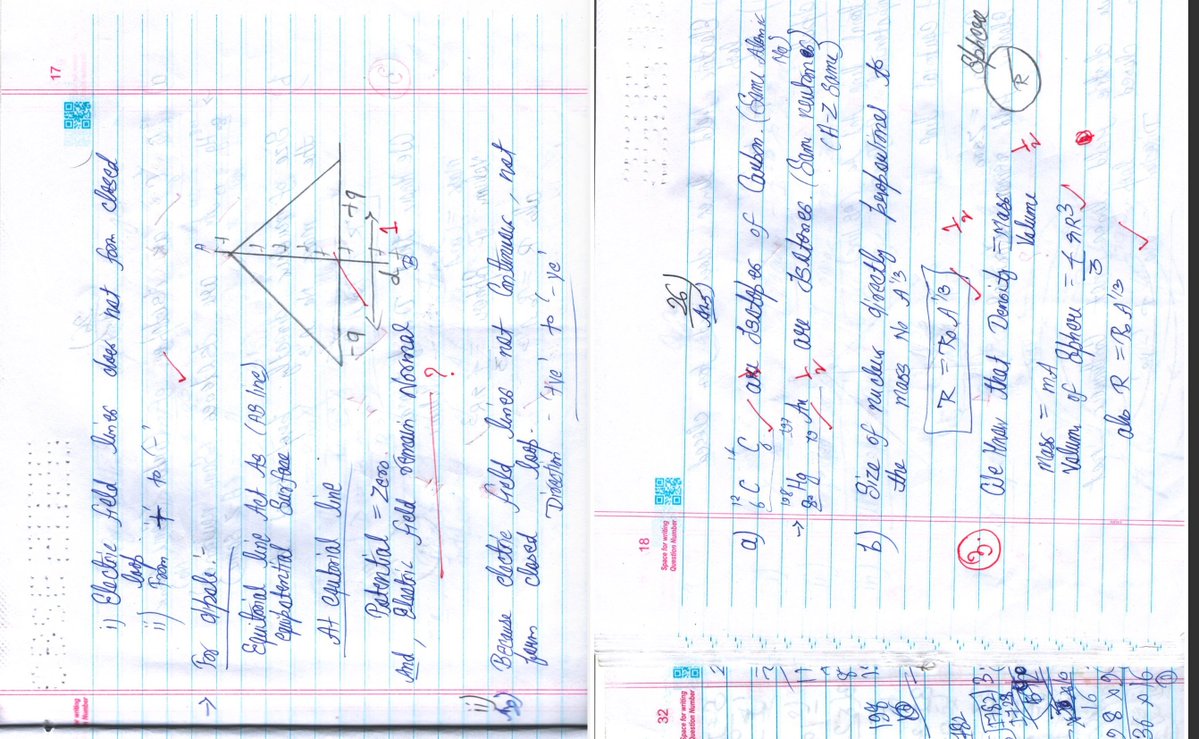
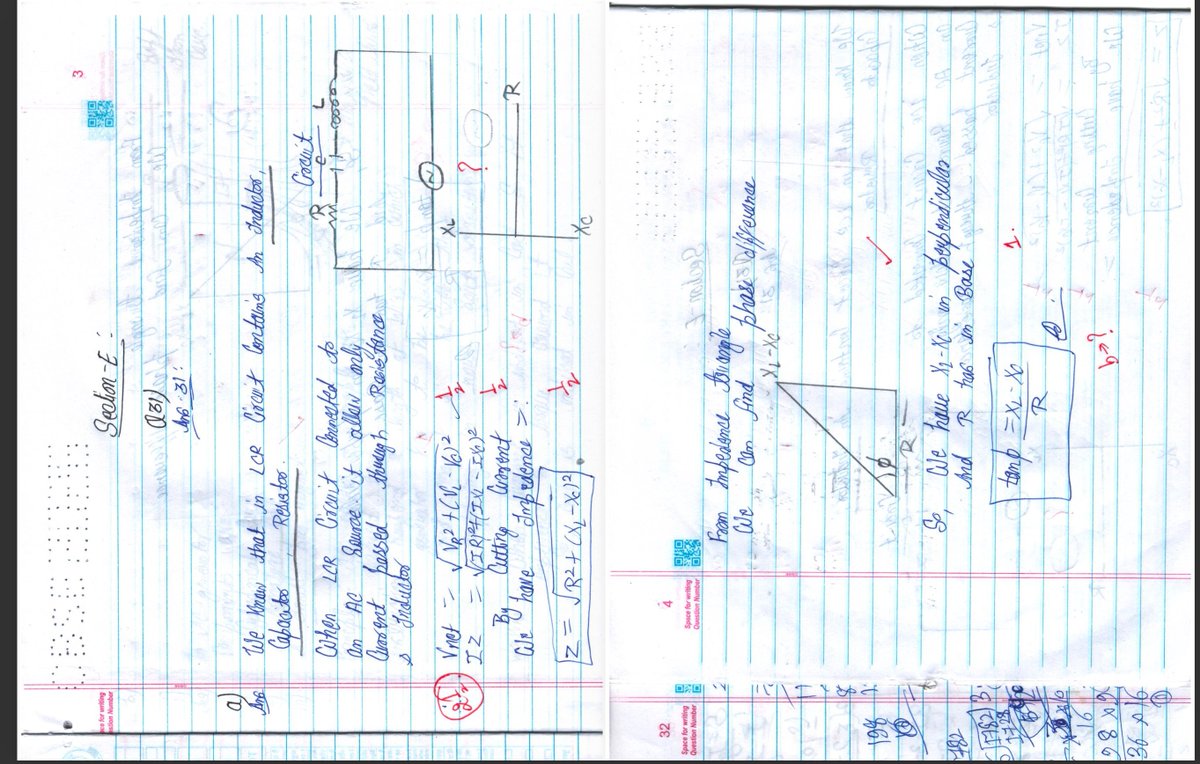
@ians_india Uff this cursive handwriting schools throughout India have ruined an entire generation by promoting this cursive writing does this look like a class 12th student answer sheet 😠
English

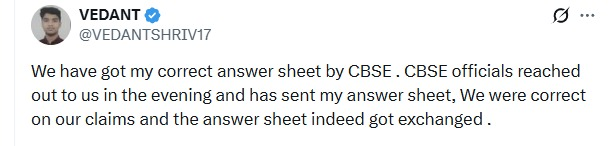
CBSE Class 12 student Vedant, who had earlier alleged that the Physics answer sheet uploaded during the re-evaluation process was not his, has now claimed that CBSE officials contacted him and shared the “correct” answer sheet.
In a fresh post, Vedant says, “We have got my correct answer sheet by CBSE. CBSE officials reached out to us in the evening and sent my answer sheet. We were correct in our claims and the answer sheet indeed got exchanged.”

English
ROHIT VERMA retweetledi

Ram Mandir is not a tourist place
rajratna@RajratnaWrites
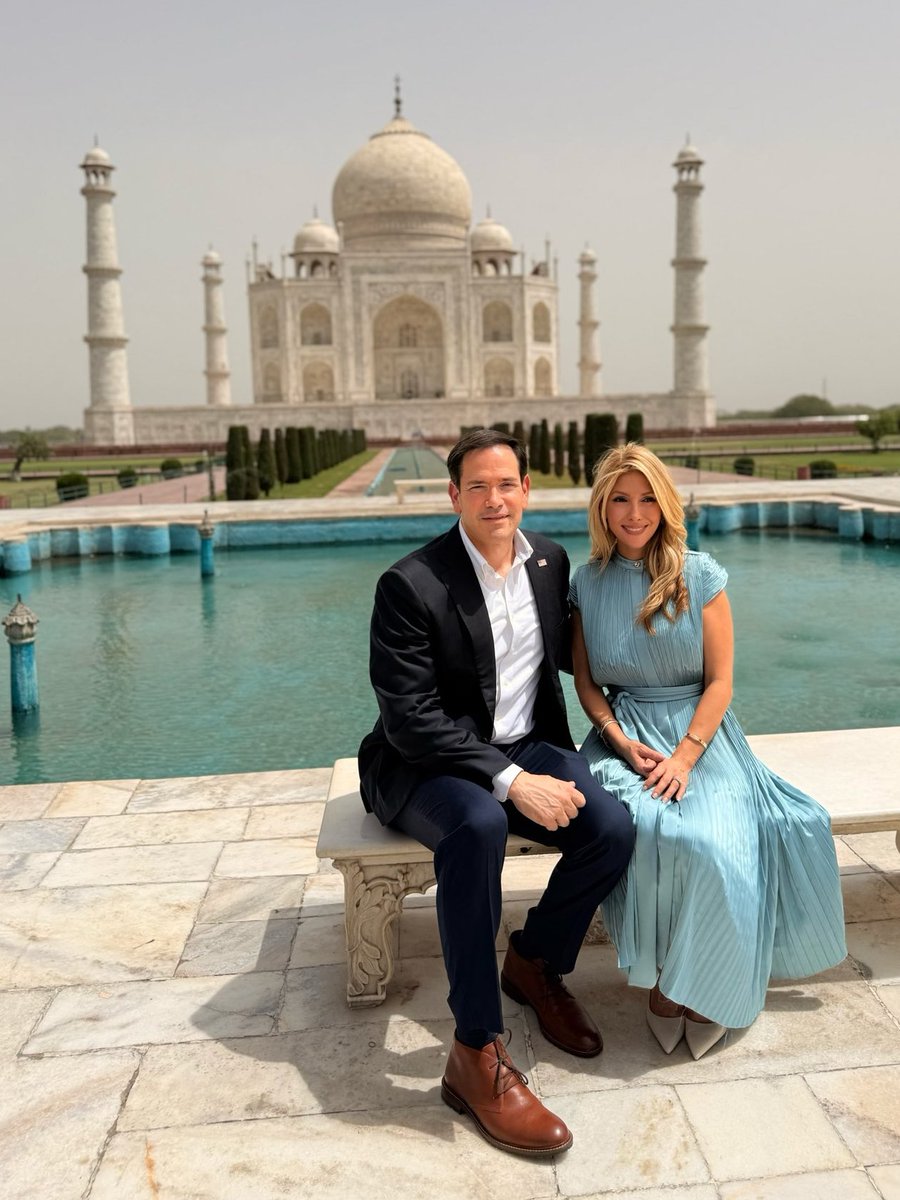
Rubio Chooses to visit TAJMAHAL instead of Ram mandir 🔥🔥🗿
English
ROHIT VERMA retweetledi

You are both a hypocrite and a rabid hindu hater

Mahua Moitra@MahuaMoitra
With all due respect Supreme Court of India has a duty towards all sentient beings. SC’s inhumane, cruel & unacceptable approach towards community dogs is leading to mass annihilation of these voiceless God’s creatures all over. Please protect them.
English
ROHIT VERMA retweetledi

ROHIT VERMA retweetledi

"Marco, this one is for posterity!"
"It's the posterior, my lady!"
"The word is posterity, darling."
"The bench is burning at 65 degrees C. Posterity isn't my concern right now."
English

Recently Delhi Union Organized Debate on "Mainstream Media Dying"
Abhinandan Sekhri (Newslaundry Guy):
"People always prefer Porn over News"
Akash Banerjee (Akash Banerjee) counters:
"New has become Porn"
Porn Porn Porn..Left is just Addicted to It
Do u agree with them?
English
@AnkurSingh सच है मैं रोज काम के regarding factories visit करता हूँ वहाँ काम करने वाले mostly मुस्लिम होते हैं सबके फोन पर यही सारे shows चलते दिखते हैं
हिन्दी

कड़वी सच्चाई!
भारत का मुसलमान सिर्फ एक आसान Youtube View बनकर रह गया है।
यूट्यूब पर कई चैनल सिर्फ ईरान और खामेनेई पर दिनभर Clickbait हैडलाइन चला मिलियन व्यूज ले रहे।
UP के चैनल जैसे 4PM, उल्टा चश्मा.. दिन में 10-15 वीडियो सिर्फ ईरान पर बनाते सस्ते व्यूज के लिए।
रेड माइक की रीच डेड थी, वह तो सीधा ईरान ही पहुँच गया। उसके बाद अब वो भी दिन भर ईरान पर शो करता, अब रीच अच्छी आती।
ईरान से पहले गाजा के नाम पर कई महीने चैनलों ने आसान व्यूज लिए, अच्छे पैसे बनाये। कुछ नहीं तो मोदी सरकार गिरने वाली है, योगी हटने हैं वाला हैडलाइन चला इन्हें सपने दिखाते जाओ।
विपक्षी पार्टी बीजेपी के खिलाफ भड़का पहले आराम से मुस्लिम वोट ले लेती और अब यूट्यूबर्स आसान व्यू।
अगर आपको भी यूट्यूब पर व्यू नहीं आ रही तो ईरान और खामेनेई का गुणगान कीजिए। हर वीडियो पर लाख व्यू कम से कम।
मुसलमान सिर्फ क्लिकबैक्ट वीडियो देख बेवकूफ़ बनता जा रहा है।
हिन्दी
ROHIT VERMA retweetledi

आदरणीय निम्नदर्शित फ़ोटू में आप ही हैं न, दिल्ली चुनावों की हार से पहले आदरणीय युवराज के जूते साफ़ करते रहते थे गठबंधन के लिए, तब पता नहीं था यह सब या यह ज्ञान बेरोजगार होने के बाद ही प्राप्त हुआ, वैसे आपका क्या भरोसा, फिर इनके पाँवों में गिरे दिखाई देंगे 🙄😐😑

Arvind Kejriwal@ArvindKejriwal
भाजपा और कांग्रेस मिलकर गुजरात को लूट रहे हैं। भाजपा सरकार कांग्रेस के नेताओं को जेल में नहीं डालती.. चैतर वसावा को जनता की आवाज़ उठाने के लिए जेल में डालती है। नर्मदा ज़िले में 'आप' की सरकार बनाकर आदिवासी समाज ने भाजपा के मुंह पर करारा तमाचा मारा है।
हिन्दी



ROHIT VERMA retweetledi

Bhaisaab. Police has now paraded TMC's Howrah Don— Bade Bhai Shamim Ahmed in his semi nude form. UP Police in future will have tough competition from Bengal.
Sudhanidhi Bandyopadhyay@SudhanidhiB
TMC's Howrah Don Bade Bhai aka Shamim Ahmed has been arrested from Delhi. All this fled Bengal the moment BJP came into power.
English
ROHIT VERMA retweetledi
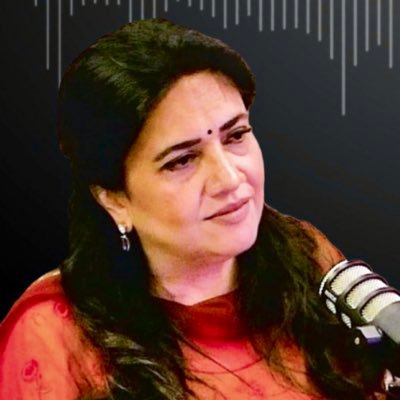
Seems like I have been asking the same questions year after year.
This interview I did with Haji Mastan in 1991 or 1992 in the Claridges Hotel in Delhi.
English
ROHIT VERMA retweetledi
सारेयां नूं इक दिन जाना पउगा ट्रक उत्ते नाल या इथेनाल
Sunderdeep - Volklub@volklub
E10 compliant Imported 2020 made Car Was running on E20 Fuel for years Result - EPC error despite maintaining it in a near perfect way. Car was running fine but it is not ideal to drive it with EPC error so sent it to get fixed
हिन्दी
@AnkurSingh @varungrover Yeh ghodu IIT bhu mein padha hai pata nahin kya karta tha udhar
हिन्दी
Idiot @varungrover deleted his post after people fact checked him that this is normal practice.
This is why Twitter/X is bad and Liberals and Cockroaches are focusing on Instagram audience. No way to fact check there.
I'm sure Varun Grover will still use this in his stand-up acts because he knows his audience is dumb af and also they will like anything and everything anti-BJP.

English
ROHIT VERMA retweetledi

Can you believe that in this press conference, the Coimbatore police were debriefing the homicide of a 10 year old girl child
This is not just the problem of a single department or organization
This is the level of sensitivity we collectively have
Shameful
English