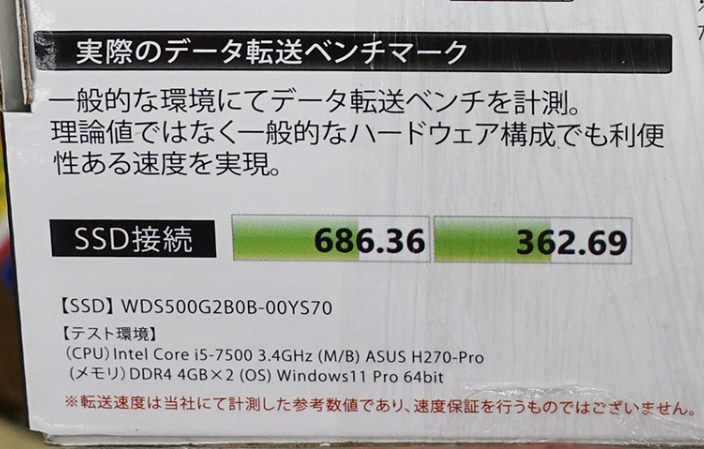
My interest in benchmarking started back in 1995 during high school, inspired by an old Windows 3.1 tool (WindSock).
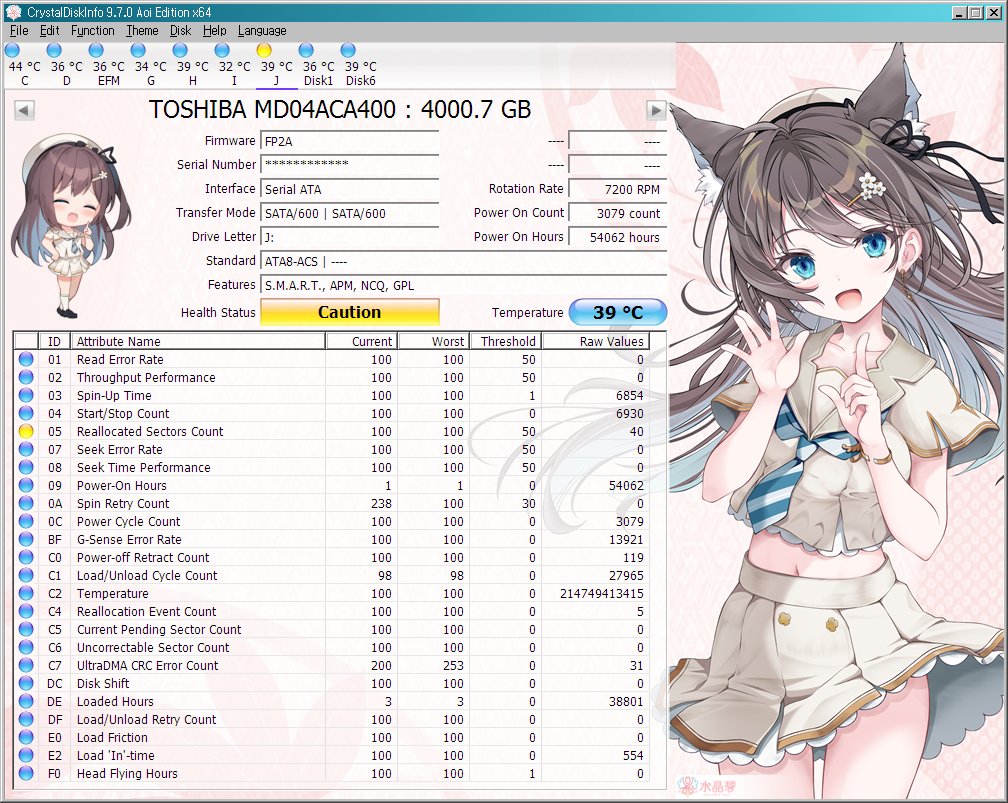
Over time, that led to early projects like CrystalMark06, CrystalMark 2004, and CrystalCPUID.
Of course, that fits nicely in 32-bit hardware. Only a few instructions.
Apple put it in CarbonLib, FreeBSD also used it, and for a few decades it was kind of everywhere.
A few years later they discovered that 48271 was a little better. Specifically, a bit more even on spectral tests up to 6 dimensions.
It’s kind of funny that so few listened. FreeBSD was still using 16807 in rand() all the way until 2021!
So if you ever see that constant in disassembled code…well now you know :)
(side note: most rand() implementations moved on to other LCGs, or mersenne twisters and such…but it’s arguable that 16807 is still quite ubiquitous!)
Original Paper if you’d like to read:
dl.acm.org/doi/10.1145/63…
16807 is a very special number in Computer Science.
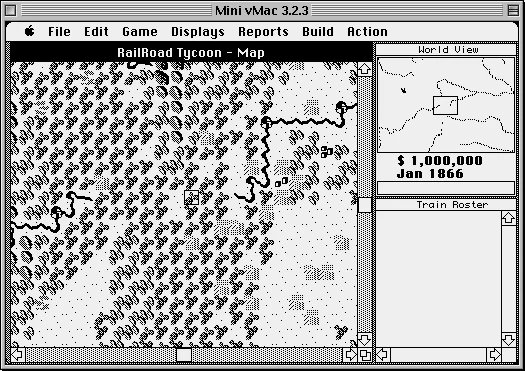
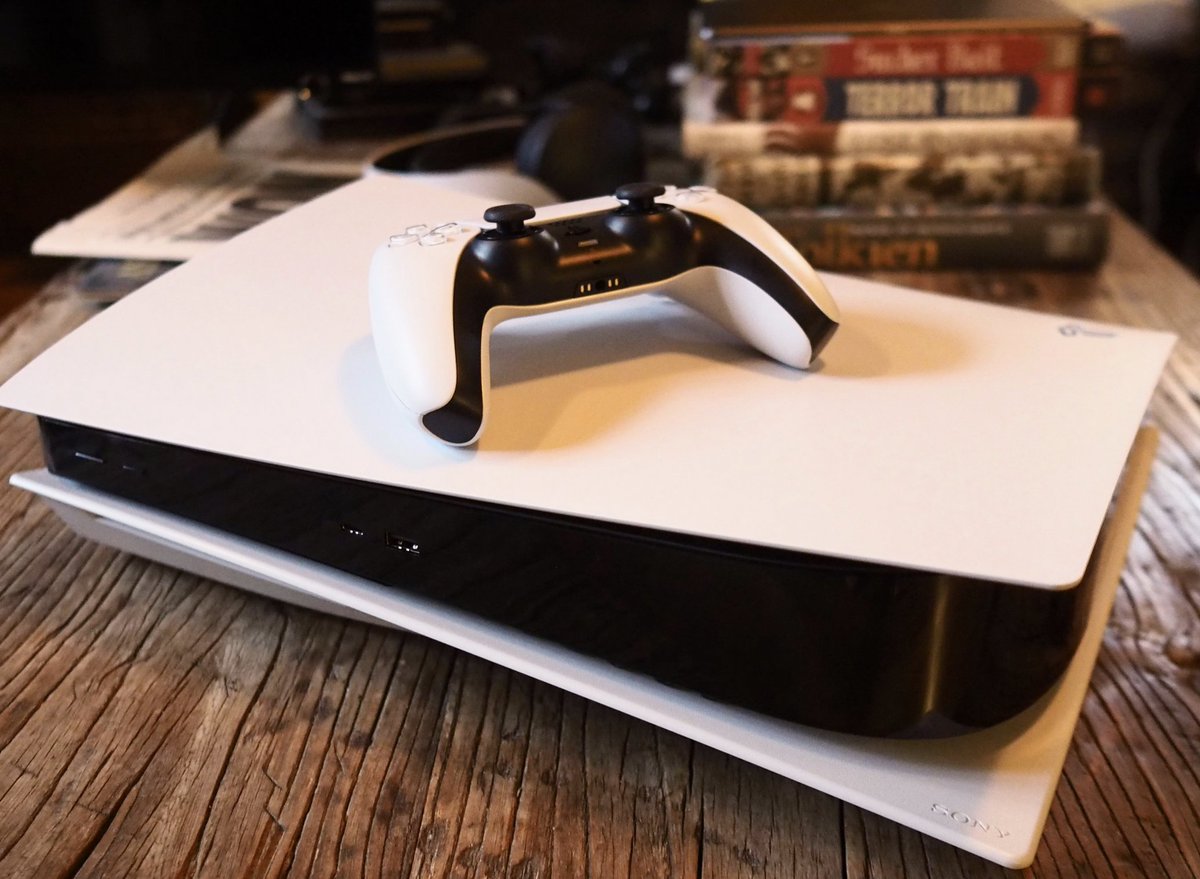
You can find it in the Playstation 5 (freebsd 11), almost every Mac Classic game, and even the C++11 standard!
Give it the right prime number, you can produce an evenly distributed sequence for over 2 BILLION values.
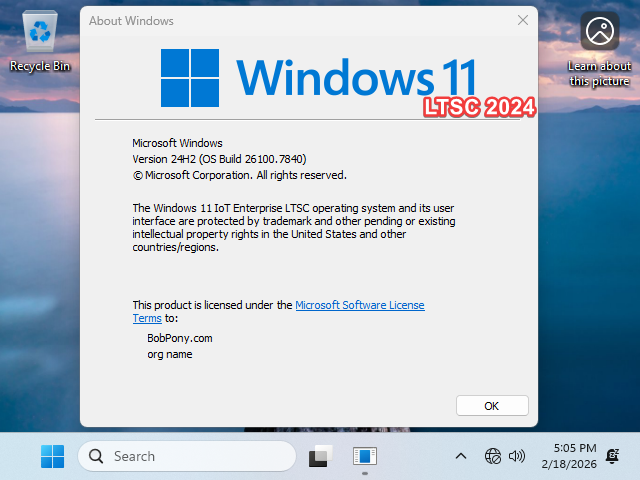
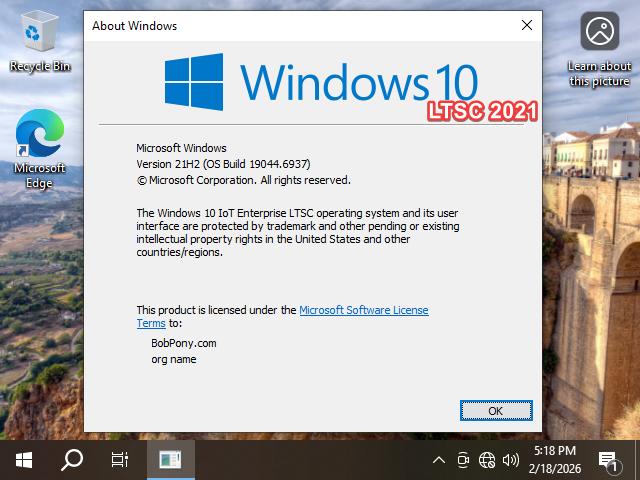
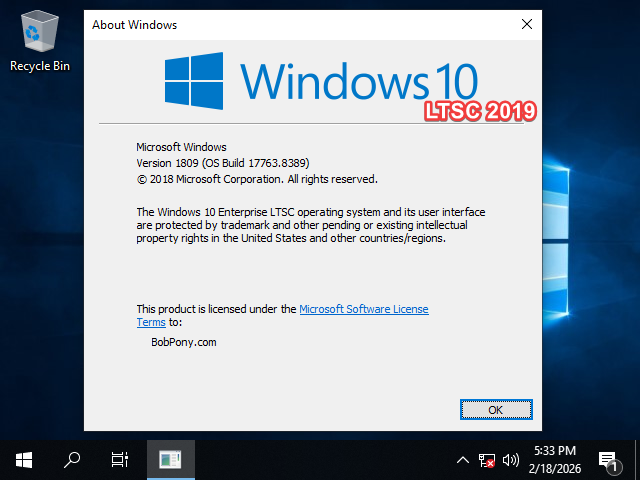
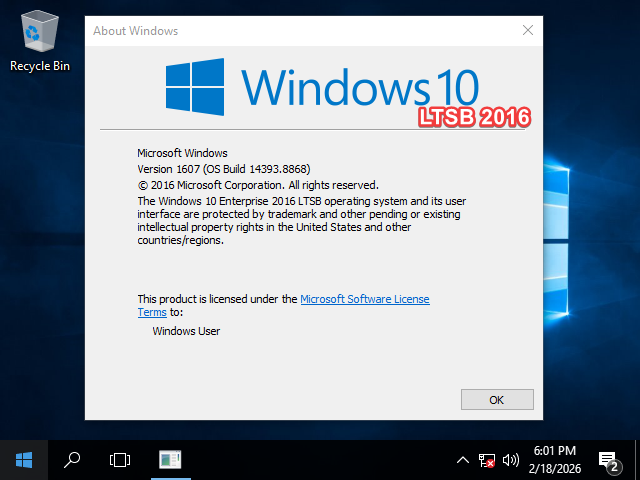
@BiologyPerson@ADunaway3000@TheBobPony IIRC IoT LTSC and normal LTSC only differentiate by product key, normal LTSC with KMS key, and IoT LTSC with MAK key.
@ADunaway3000@TheBobPony Correct. Do not use the LTSC version. Use the IoT LTSC. No AI bloat, no OneDrive, no suggested anything. Just a simple, clean, efficient operating system.
Anything you need you can just install yourself.
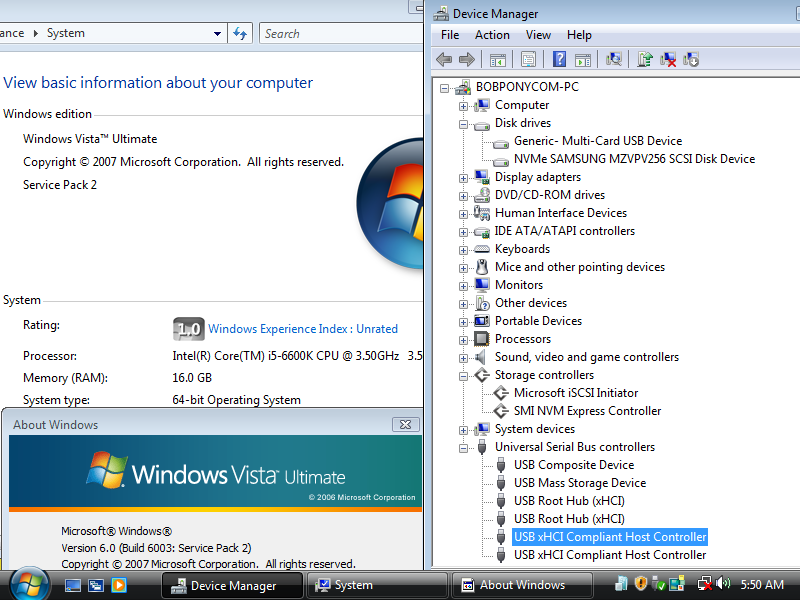
Windows Vista Ultimate ISO with Jan 2026 updates and patches
- ntoskrnl drift fix (More stable on Intel 4th generation and newer)
- ci and winload patched for ntoskrnl mod
- NVMe support
- Generic Intel USB 3.x driver
- Realtek and Intel ethernet drivers
dl.bobpony.com/windows/unoffi…