Róisín Ní Mhóráin retweetledi
Róisín Ní Mhóráin
8.2K posts

Róisín Ní Mhóráin
@rsbeaver
Múinteoir meánscoile. M.Ed. Teacher Educator TCD.
Leixlip Katılım Kasım 2011
4.1K Takip Edilen2.3K Takipçiler
Róisín Ní Mhóráin retweetledi

A MIT professor gave a 1-hour lecture in 2019 that has 18 million views.
He died 5 months after recording it.
It was his final gift to the world.
Patrick Winston taught at MIT for 50 years.
The smartest engineers on earth sat in his classroom.
And he spent his last lecture teaching them the one skill their degrees never covered.
How to speak.
15 lessons that will change how you communicate forever:
Never open with a joke. Your audience is not ready to laugh yet. Open with a promise of what they will know by the end.
Your ideas are like your children. You are too close to them. What is obvious to you is invisible to everyone else. Explain the obvious.
The 5-minute rule: the first 5 minutes of any talk determine whether people will listen for the next 55. Spend more time on your opening than anything else.
Repeat your most important idea 3 times in 3 different ways. Once is never enough.
Build a fence around your idea. Tell people what it is NOT before you tell them what it IS.
Verbal punctuation. Pause. Let the idea land before moving to the next one.
Ask questions nobody will answer. Then wait 7 seconds. The silence is not awkward. It is processing.
Never read your slides. Your audience can read. They cannot listen and read simultaneously.
Use the board not the slides. Writing forces you to slow down. Slowing down forces clarity.
Inspire before you inform. Nobody learns from someone they are not inspired by.
End with a contribution not a summary. Tell them what you gave them. Not what you said.
Never say thank you at the end. It is weak. End with something that lands.
Stories make ideas stick. Data makes ideas understood. You need both. In that order.
The quality of your communication determines the quality of your ideas in the eyes of the world. Not the ideas themselves.
Practice is not preparation. Practice IS the skill.
Patrick Winston understood something most people spend their entire careers missing.
Your ideas are only as powerful as your ability to transfer them into someone else's mind.
You can be the smartest person in the room and be completely invisible.
Or you can master communication and make average ideas feel like breakthroughs.
He chose to spend his last lecture teaching this.
Watch it tonight.
Bookmark this first.
Follow @cyrilXBT for more lessons from the people who built the future.
English
Róisín Ní Mhóráin retweetledi

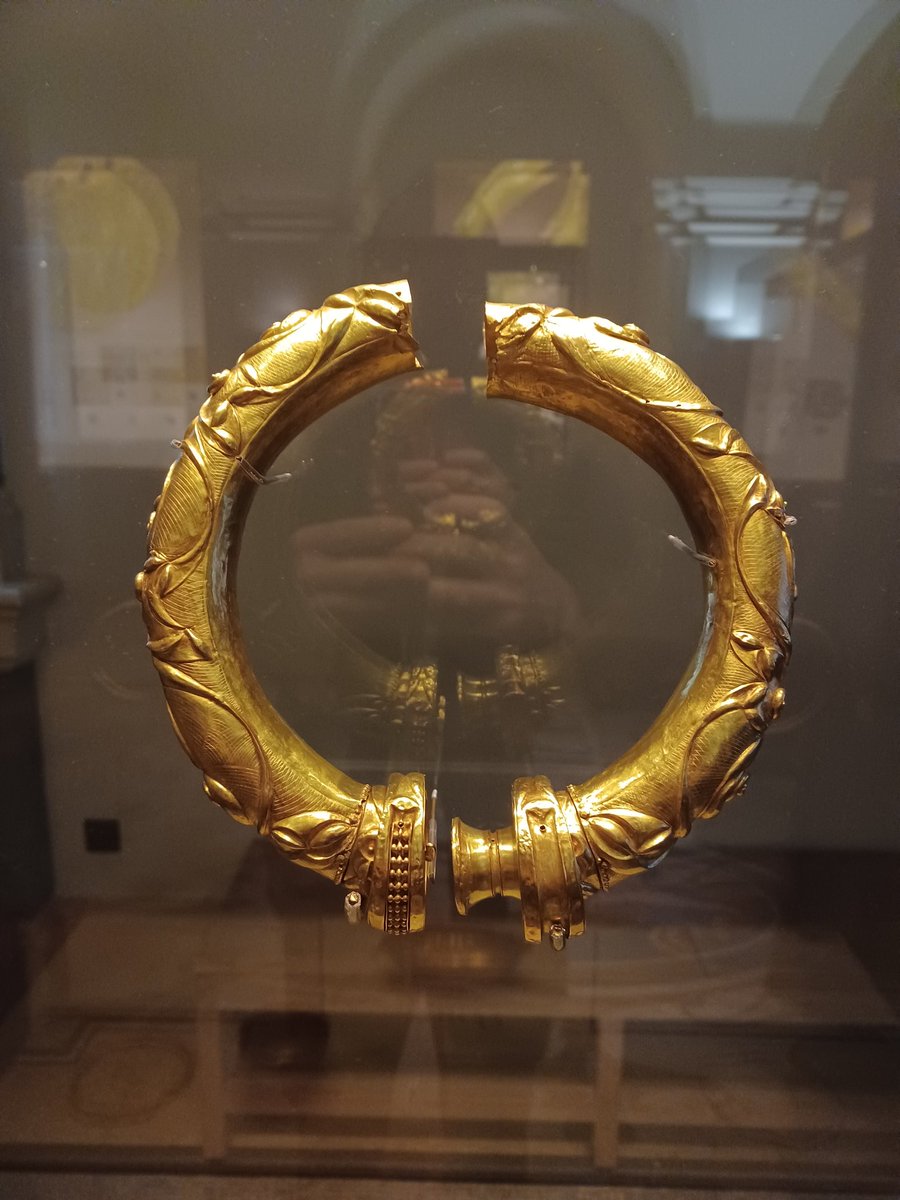
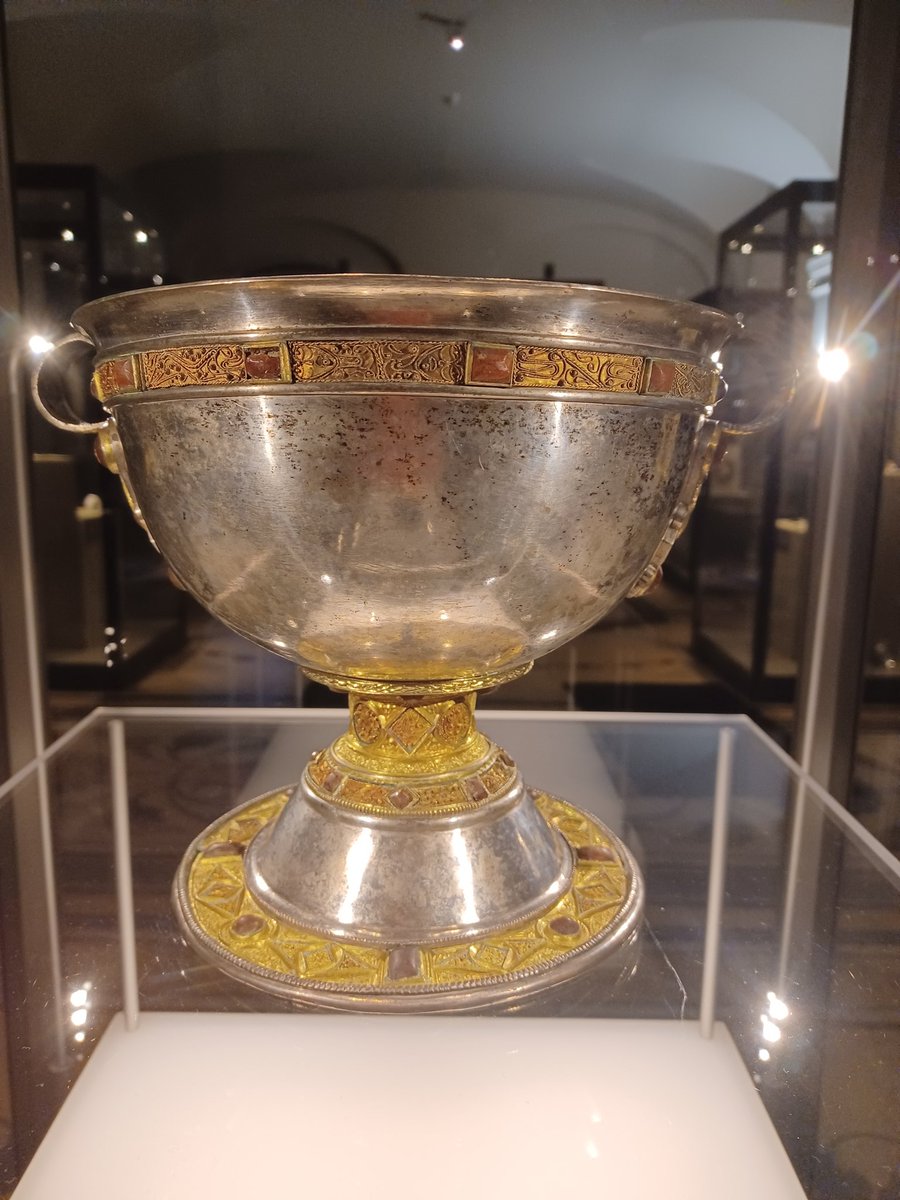
The colonial machine claimed the Gaelic society that created these works of art was inferior.
You will still find people who look down on the language, traditional music, the songs, stories & people.
Decolonising involves respecting the native heritage.
❤️#Gaeilge #Decolonise


English
Róisín Ní Mhóráin retweetledi

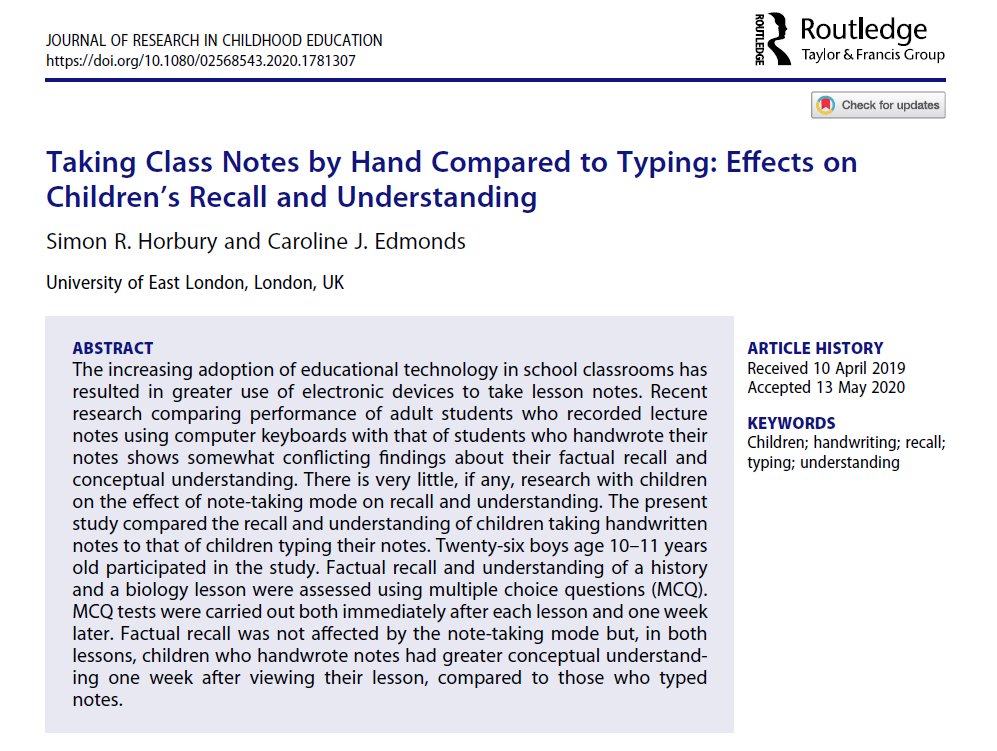
Taking notes by hand leads to better greater conceptual understanding and retention than typing.
English
Róisín Ní Mhóráin retweetledi
Wales’s policy aims for a million Welsh speakers; 21% are educated in Welsh-medium, 5% in dual-language schools.
"In Ireland, just 7.9% of primary school students go to a Gaelscoil, while about 3.3% of secondary school students attend a Gaelcholáiste."
irishtimes.com/gaeilge/2026/0…
English
Róisín Ní Mhóráin retweetledi
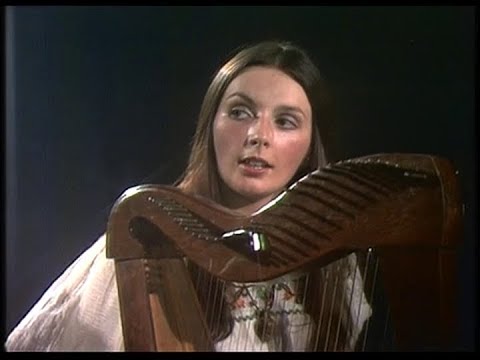
Moya Brennan (1952-2026), ar dheis Dé go raibh a hanam.
Brón orm faoi seo. Rinne Moya ⁊ Clannad a lán ar son na Gaeilge. Bhí a guth liomsa ó mo hóige. Is aoibheann liom an amhrán seo, ach bhí Theme from Harry's Game/In a Lifetime dochreidte.
❤️#Gaeilge
youtube.com/watch?v=YmUxa_…
YouTube
Róisín Ní Mhóráin retweetledi

On day 1 of my high school history class, our professor got up and said
You are 15 or 16 years old. 200 years ago people your age were married, planted crops, had children, and built a cabin by winter. You can do your homework. The bar set for you historically is embarrassingly low. You are not dealing with regional famine or plague. You do not have to save your family from marauders or go into battle to destroy your enemies. You have to sit down and learn from someone who cares about you in a safe, air-conditioned room. You have no excuses.
English
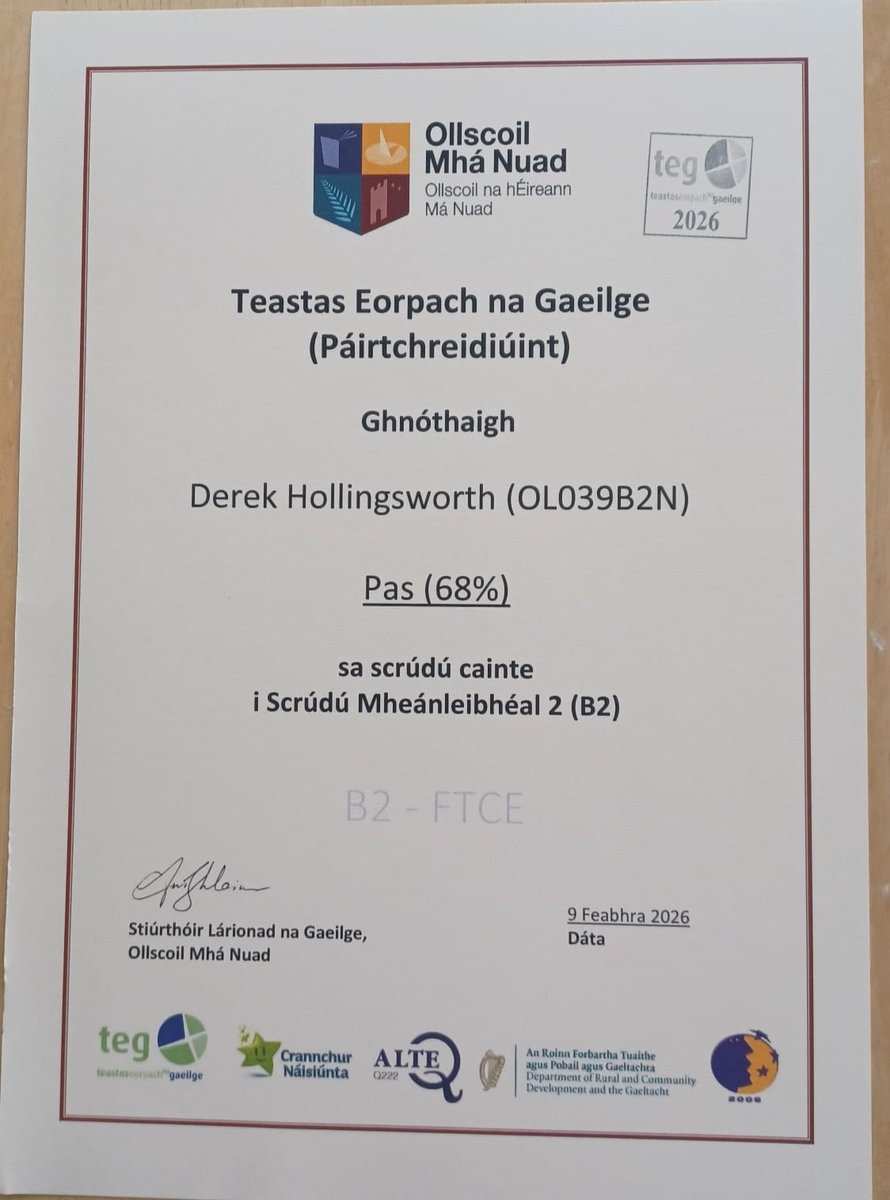
If I can learn Irish, I believe anyone can. I was useless at Irish at school. I got a D in Ordinary level Irish in the Leaving Cert. I got 9% in an assessment years later. I never used a word until I had children.
I think you need to find a method that works for you! ❤️ #Gaeilge
Dublin City, Ireland 🇮🇪 English
Róisín Ní Mhóráin retweetledi

Róisín Ní Mhóráin retweetledi

“Perhaps consuming a few dozen book pages a day should become the new 10,000 daily steps — a basic foundation of activity to maintain cognitive fitness.”
nytimes.com/2026/03/27/opi…
English
Róisín Ní Mhóráin retweetledi

""There should be a simple rule for being a thinker," says Cal Newport. "Don’t let AI write anything for you. Writing is to cognitive health what steps are to physical health"": chronicle.com/article/why-it…
English
Róisín Ní Mhóráin retweetledi

Found an AI perspective I’d never heard before from a teacher of teens. It’s a bit meandering but your three minutes will be well used.
English
Róisín Ní Mhóráin retweetledi

Marcus Aurelius wrote this over 1800 years ago:
“When you arise in the morning think of what a privilege it is to be alive, to think, to enjoy, to love.”
English
Róisín Ní Mhóráin retweetledi

𝗜𝗡 𝗔 𝗦𝗘𝗔 𝗢𝗙 𝗢𝗦𝗖𝗔𝗥𝗦 𝗡𝗢𝗜𝗦𝗘 — 𝗧𝗛𝗜𝗦 𝗢𝗡𝗘 𝗛𝗜𝗧 𝗗𝗜𝗙𝗙𝗘𝗥𝗘𝗡𝗧𝗟𝗬
I'll be honest. The Oscars are not exactly must-see television for me anymore. But someone sent me this — and I watched it twice.
Irish actress Jessie Buckley just won Best Actress. And instead of a political lecture, instead of a pin, instead of a land acknowledgment or a cause of the week — she talked about her husband. Her eight-month-old daughter dreaming of milk at home. Her Irish family whose flights were paid for by Ireland itself to be in that room.
𝘍𝘳𝘦𝘥, 𝘐 𝘭𝘰𝘷𝘦 𝘺𝘰𝘶. 𝘠𝘰𝘶'𝘳𝘦 𝘵𝘩𝘦 𝘮𝘰𝘴𝘵 𝘪𝘯𝘤𝘳𝘦𝘥𝘪𝘣𝘭𝘦 𝘥𝘢𝘥. 𝘠𝘰𝘶'𝘳𝘦 𝘮𝘺 𝘣𝘦𝘴𝘵 𝘧𝘳𝘪𝘦𝘯𝘥, 𝘢𝘯𝘥 𝘐 𝘸𝘢𝘯𝘵 𝘵𝘰 𝘩𝘢𝘷𝘦 𝟤𝟢,𝟢𝟢𝟢 𝘮𝘰𝘳𝘦 𝘣𝘢𝘣𝘪𝘦𝘴 𝘸𝘪𝘵𝘩 𝘺𝘰𝘶.
The room probably didn't know what to do with that.
Then she dedicated the award to motherhood itself — on Mother's Day in the UK — with words that belong on a wall somewhere: 𝘛𝘰 𝘶𝘯𝘥𝘦𝘳𝘴𝘵𝘢𝘯𝘥 𝘵𝘩𝘦 𝘤𝘢𝘱𝘢𝘤𝘪𝘵𝘺 𝘰𝘧 𝘢 𝘮𝘰𝘵𝘩𝘦𝘳'𝘴 𝘭𝘰𝘷𝘦 𝘪𝘴 𝘵𝘩𝘦 𝘨𝘳𝘦𝘢𝘵𝘦𝘴𝘵 𝘤𝘰𝘭𝘭𝘪𝘴𝘪𝘰𝘯 𝘰𝘧 𝘮𝘺 𝘭𝘪𝘧𝘦. 𝘐 𝘥𝘦𝘥𝘪𝘤𝘢𝘵𝘦 𝘵𝘩𝘪𝘴 𝘵𝘰 𝘵𝘩𝘦 𝘣𝘦𝘢𝘶𝘵𝘪𝘧𝘶𝘭 𝘤𝘩𝘢𝘰𝘴 𝘰𝘧 𝘢 𝘮𝘰𝘵𝘩𝘦𝘳'𝘴 𝘩𝘦𝘢𝘳𝘵.
𝗧𝗵𝗮𝘁'𝘀 𝗻𝗼𝘁 𝗮 𝘀𝗽𝗲𝗲𝗰𝗵. 𝗧𝗵𝗮𝘁'𝘀 𝗮 𝘁𝗲𝘀𝘁𝗶𝗺𝗼𝗻𝘆.
Hollywood spent years telling women that ambition means leaving behind the things Jessie Buckley just stood on the biggest stage in her industry and celebrated without apology. A husband she adores. A baby at home. A family flown in from Ireland.
I don't know what film she won for. But I know I'll watch it now.
Well done, Jessie. 𝗚𝗼 𝗿𝗮𝗶𝗯𝗵 𝗺í𝗹𝗲 𝗺𝗮𝗶𝘁𝗵 𝗮𝗴𝗮𝘁.
English
Róisín Ní Mhóráin retweetledi

Róisín Ní Mhóráin retweetledi

Scientists put kids through 100 hours of reading, then scanned their brains. New wiring had physically grown inside the language regions. Communication between brain areas sped up by a factor of 10. Kids who didn't read showed zero change.
That was a 2009 Carnegie Mellon study. It gets wilder.
In 2013, Emory University scanned 19 students every morning for 19 straight days while they read one novel chapter each night. Mornings after reading, the brain areas responsible for understanding other people's emotions lit up with new connections. So did the region that processes physical sensation. Their brains were simulating what the characters felt, as if it were happening to them. Those changes stuck around for 5 days after they finished the book.
Now flip to scrolling. A massive review published in Psychological Bulletin last September pulled together 71 studies covering 98,299 people. Heavy short-form video use (TikTok, Reels, Shorts) showed a clear pattern: worse attention, weaker self-control, and more anxiety. Consistent across teenagers and adults, across every platform tested. Oxford didn't name "brain rot" its 2024 Word of the Year for nothing.
A 2024 brain wave study found that people hooked on short-form video had weaker activity in the front of the brain, the part that controls focus and impulse control. Separate brain scans showed the same thing: heavy scrollers had less activation in the exact regions that deep reading strengthens.
UCLA neuroscientist Maryanne Wolf has been studying this for decades. Humans were never born to read. There's no gene for it. Reading is something we invented, and it hijacked neurons that were originally meant for recognizing faces. Over time, it built entirely new brain circuits connecting language, vision, and emotion. But those circuits only survive if you use them. Stop reading, and they fade. Wolf's conclusion is simple: screens built for speed produce a speed-wired brain. Books built for depth produce a depth-wired brain.
One honest caveat: most of these studies are snapshots, not long-term tracking. People who already struggle to focus might just prefer short videos. But the same pattern showing up across nearly 100,000 people is hard to shrug off.
The tweet repeats the line seven times. The research backs it up with brain scans, EEG data, and white-matter imaging across tens of thousands of people.
✒️@Literariium
The antidote for brain rot is books. The antidote for brain rot is books. The antidote for brain rot is books. The antidote for brain rot is books. The antidote for brain rot is books. The antidote for brain rot is books. The antidote for brain rot is books.
English
Róisín Ní Mhóráin retweetledi

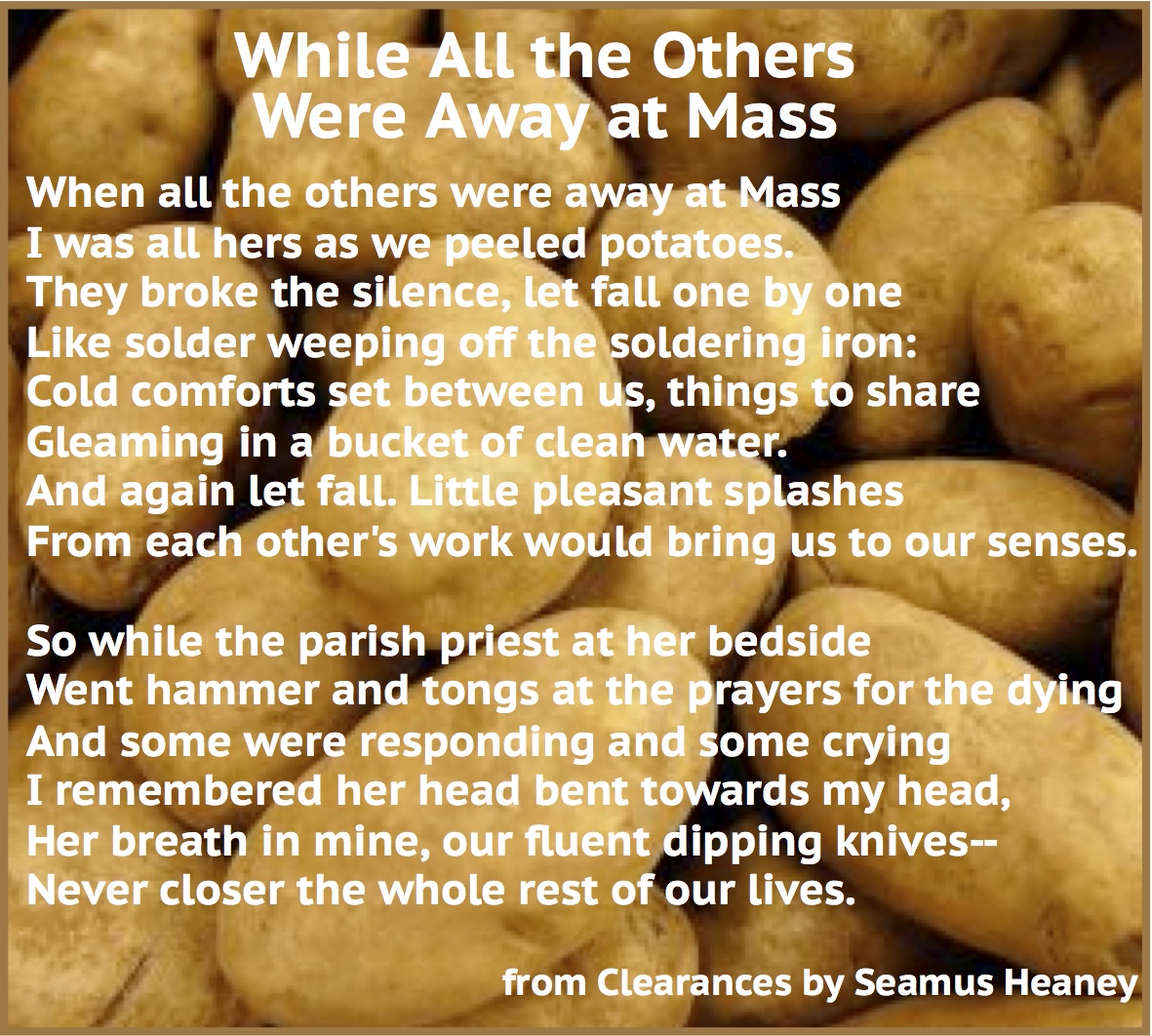
When all the others were away at Mass
I was all hers as we peeled potatoes.
They broke the silence, let fall one by one
Like solder weeping off the soldering iron:
Cold comforts set between us, things to share
Gleaming in a bucket of clean water...
Seamus Heaney. #MothersDay
English
Róisín Ní Mhóráin retweetledi

@tomdoorley @tcddublin I’ve begun to agree with Hector Ó hEochagáin who thinks that Irish in Schools needs to be divided into two subjects. Conversational and literary Irish. Everyone should do conversational Irish until Junior cert with an emphasis on communication. Literary Irish for those able
English
Róisín Ní Mhóráin retweetledi