Riley Flack ⚖️

18.5K posts

Riley Flack ⚖️ banner
Riley Flack ⚖️

Riley Flack ⚖️

@rtflack7777

Christian || husband || dad || trust protector || govt regulator || navy war vet || Eph 5:11 || Psalm 149

Oklahoma, USA Katılım Mayıs 2022
1K Takip Edilen3.5K Takipçiler
Sabitlenmiş Tweet
Riley Flack ⚖️
Riley Flack ⚖️@rtflack7777·
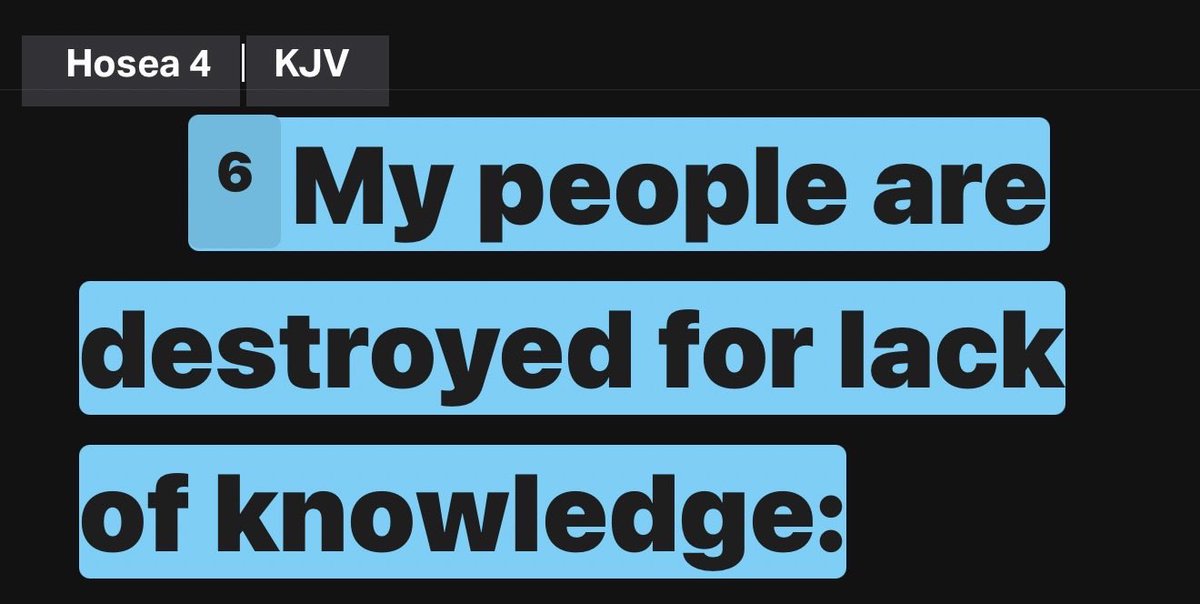
Gain wisdom and knowledge. The truth makes you free. Not maga. Not a bill. Not a court case.
English
16
108
151
4.7K
The Biblical Bee
The Biblical Bee@thebiblicalbee·
The Tax Court Is an Article I Legislative Court, Not an Article III Court The Seventh Amendment guarantees a jury trial in civil cases ("In Suits at common law, where the value in controversy shall exceed twenty dollars, the right of trial by jury shall be preserved"). This right applies primarily in Article III federal courts (U.S. District Courts, etc.). The U.S. Tax Court is an Article I court created by Congress under its power to "constitute Tribunals inferior to the Supreme Court" and to lay and collect taxes. Because it is not a full constitutional court with lifetime-tenured judges, the full Seventh Amendment jury right does NOT attach to proceedings there. Tax Cases Are Traditionally Treated as "Public Rights" Matters. The Supreme Court has long distinguished between: 1. Private rights (disputes between individuals, analogous to common-law claims like fraud or breach of contract) → Jury trial usually required. 2. Public rights (disputes involving the government exercising sovereign authority, such as tax assessment and collection) → Can be adjudicated without a jury, often in administrative or specialized tribunals. Tax disputes fall into the public rights category. The government is exercising its sovereign power to collect revenue, not acting like a private litigant. This doctrine goes back to 19th-century cases and allows Congress to route tax cases into non-jury forums like the Tax Court. No jury. The IRS on one side, and a tribunal that’s structurally tied to the same executive branch on the other. Extremely harsh prepayment rules if you want a real jury and a real judge. A system where missing a 30-day deadline can screw up your life for years. And on top of that, when people point out these structural problems, courts often just say “that’s how Congress designed it, too bad.” The current tax dispute system is, as distasteful as it may be, a pragmatic compromise that prioritizes government revenue collection and administrative efficiency over pure constitutional elegance. It was built that way on purpose. Congress wanted a fast, specialized, low-cost (for the government) way to resolve millions of tax cases without tying up real federal courts with juries. That design comes at the expense of some traditional due process protections. Justice Gorsuch basically said as much in his Zuch dissent. A lot of tax lawyers and scholars quietly agree the setup has real separation-of-powers issues but Congress did this to us and we did nothing about it. SOLUTIONS: 1. Congress can abolish the U.S. Tax Court relatively easily because it is a legislative (Article I) court created by statute, not a constitutional (Article III) court. 2. Pass the FairTax Act (H.R. 25) or similar, which would repeal the income tax and abolish the IRS entirely. If there’s no income tax, there’s little need for a Tax Court. 3. Dramatically simplify the tax code so very few disputes arise. OR (my fav) 4. Believe the Bible, support the Constitution and burn the rest to the ground because you cannot legislate morality.
English
3
0
0
25
DavidJose
DavidJose@RealDaveCares4u·
Wow, the people are sharing out the tax remonstrance and showing their wisdom and understanding! God is doing a new thing and I wanna thank you guys for letting God use you to save this nation! You are heroes! Please sign here: form.jotform.com/261425153756054
English
9
56
80
1.4K
Scott Bottoms for Colorado
Scott Bottoms for Colorado@ScottBottomsCO·
Since 2000, 40 percent of Colorado students have left public schools for charter or private options. Democrats fight transparency because it impacts their funding. A law was passed to average student counts over five years instead of annual counts, allowing schools to keep high funding levels despite major enrollment drops. This is corruption and a shell game with taxpayer dollars. #ReclaimEducation scottbottoms.com/videos?v=educa…
English
9
69
152
1.1K
Betty Irvin
Betty Irvin@BettyIrvin2·
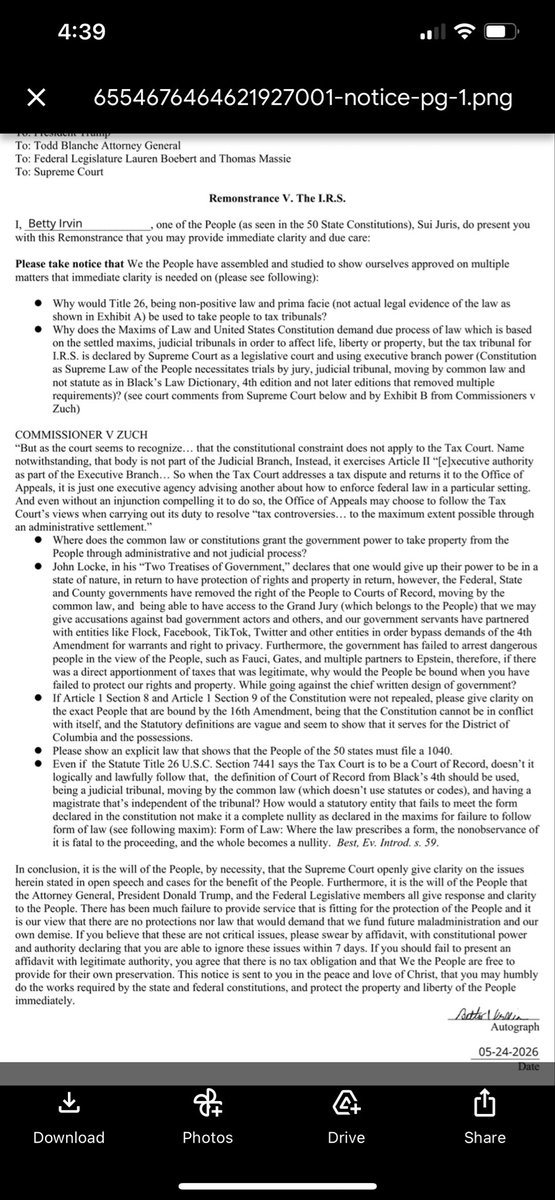
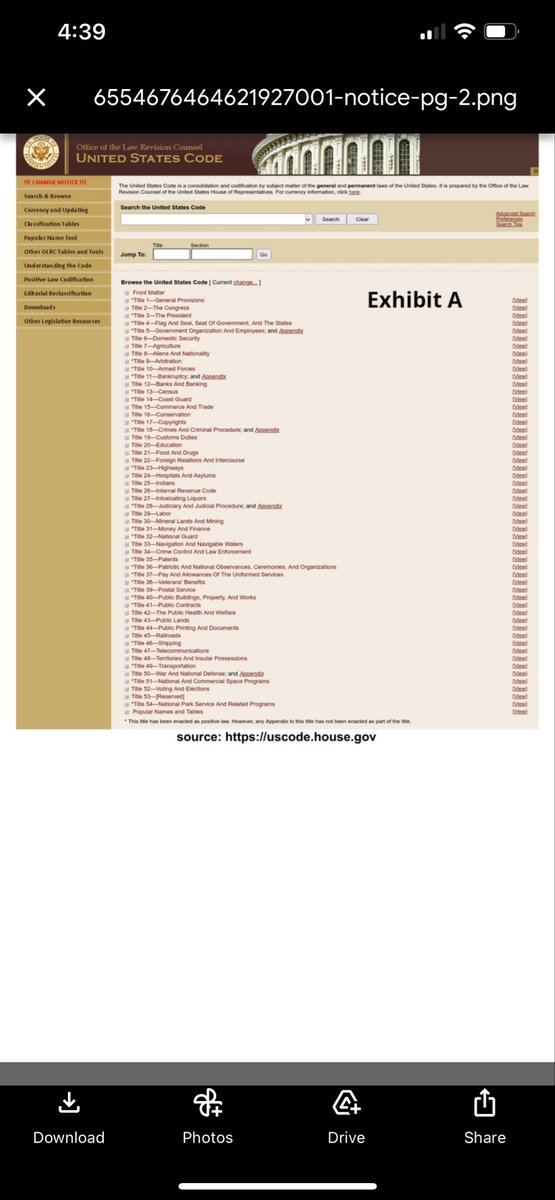
People of the 50 States Notice of Remonstrance vs. IRS Read, ✍️ submit, share. You can print on legal size paper & serve to your trustees/servants as well. 👀👇🏻🔥🔥🔥 form.jotform.com/261425153756054
Betty Irvin tweet mediaBetty Irvin tweet mediaBetty Irvin tweet media
English
8
116
227
6.4K
Riley Flack ⚖️
Riley Flack ⚖️@rtflack7777·
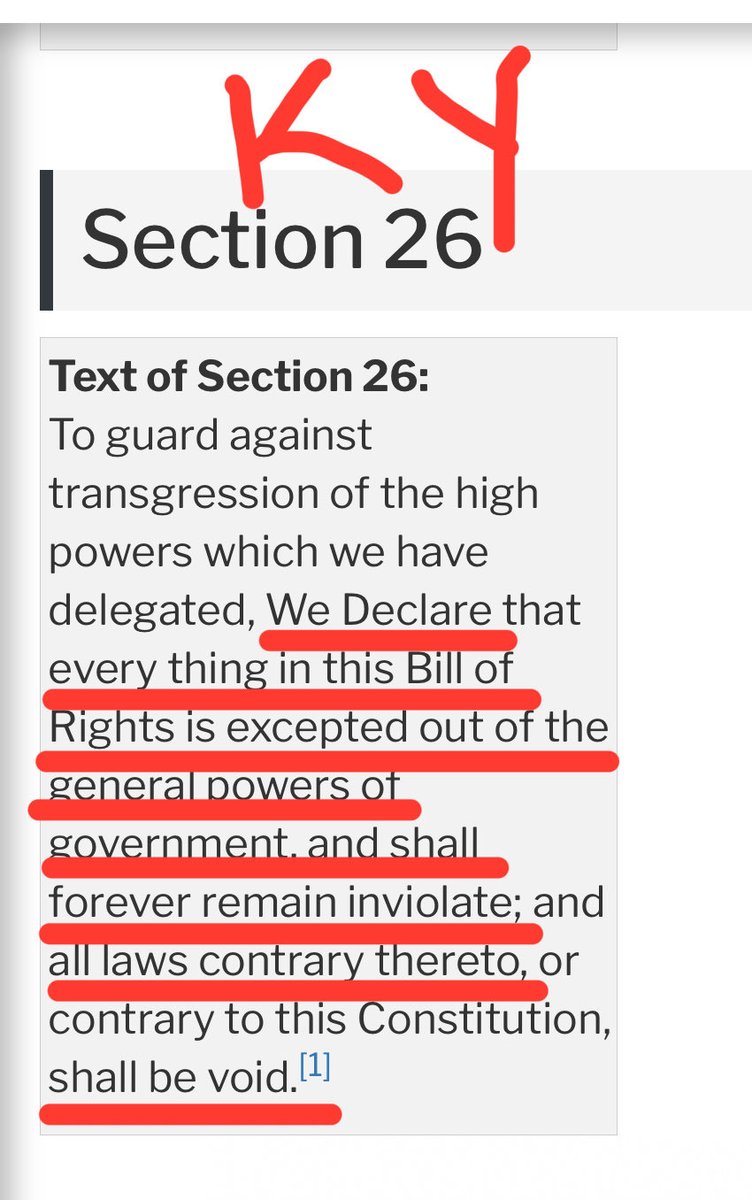
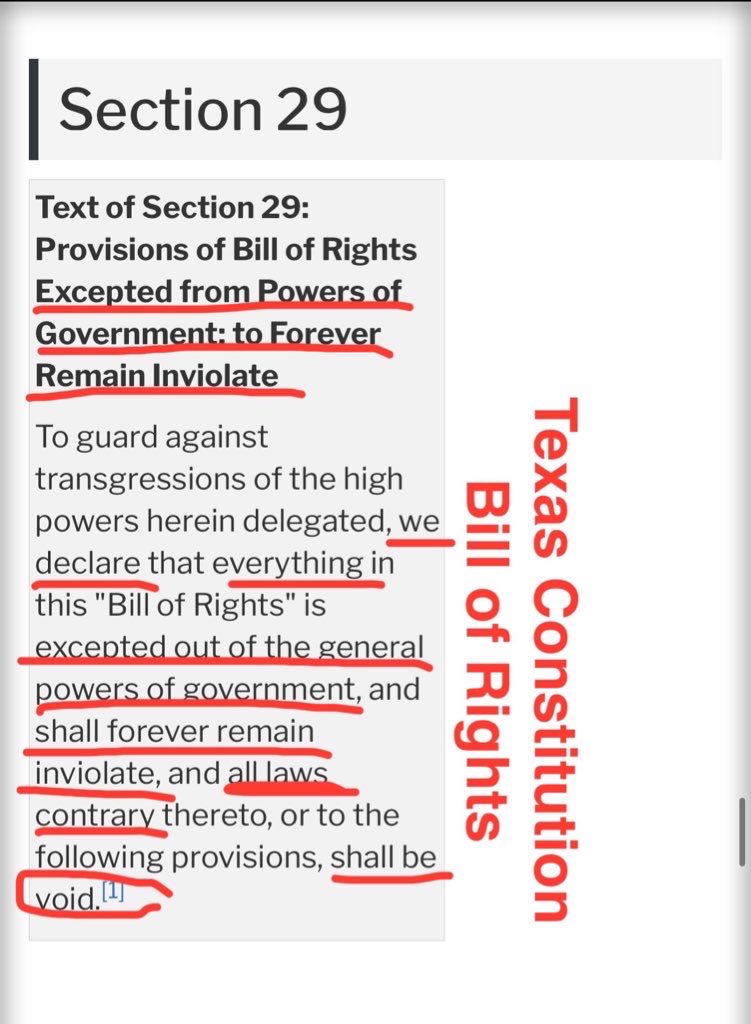
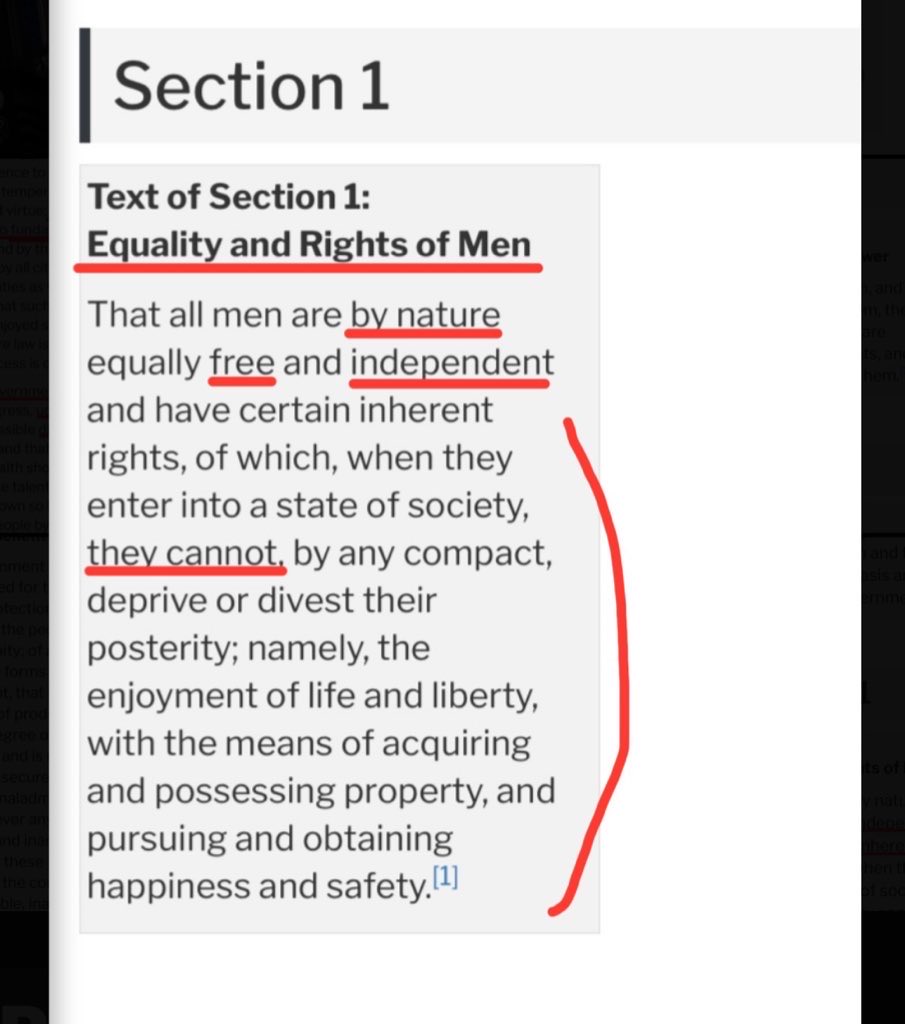
@EricPaul1X @rowtydepawl76 @OracleIndy @BenReidy_ Not all taxes are outside the law. Property and gains of industry however are RIGHTS excepted from the general powers of govt which makes common sense as we can’t divest our posterity, or our neighbors. See VA bill of rights.
Riley Flack ⚖️ tweet mediaRiley Flack ⚖️ tweet media
English
0
0
0
17
Ben Reidy
Ben Reidy@BenReidy_·
Indiana should lead the country by permanently eliminating its gas tax. Hoosiers are already paying too much. It is time to stop punishing families every time they fill up their tank.
Patrick De Haan@GasBuddyGuy

Indiana has the lowest average #gasprices of any state in the country- $3.96/gal. I don’t think we’ve ever seen that- and it’s thanks to the state suspending its use and excise taxes on gasoline
English
48
50
324
25.6K
Riley Flack ⚖️
Riley Flack ⚖️@rtflack7777·
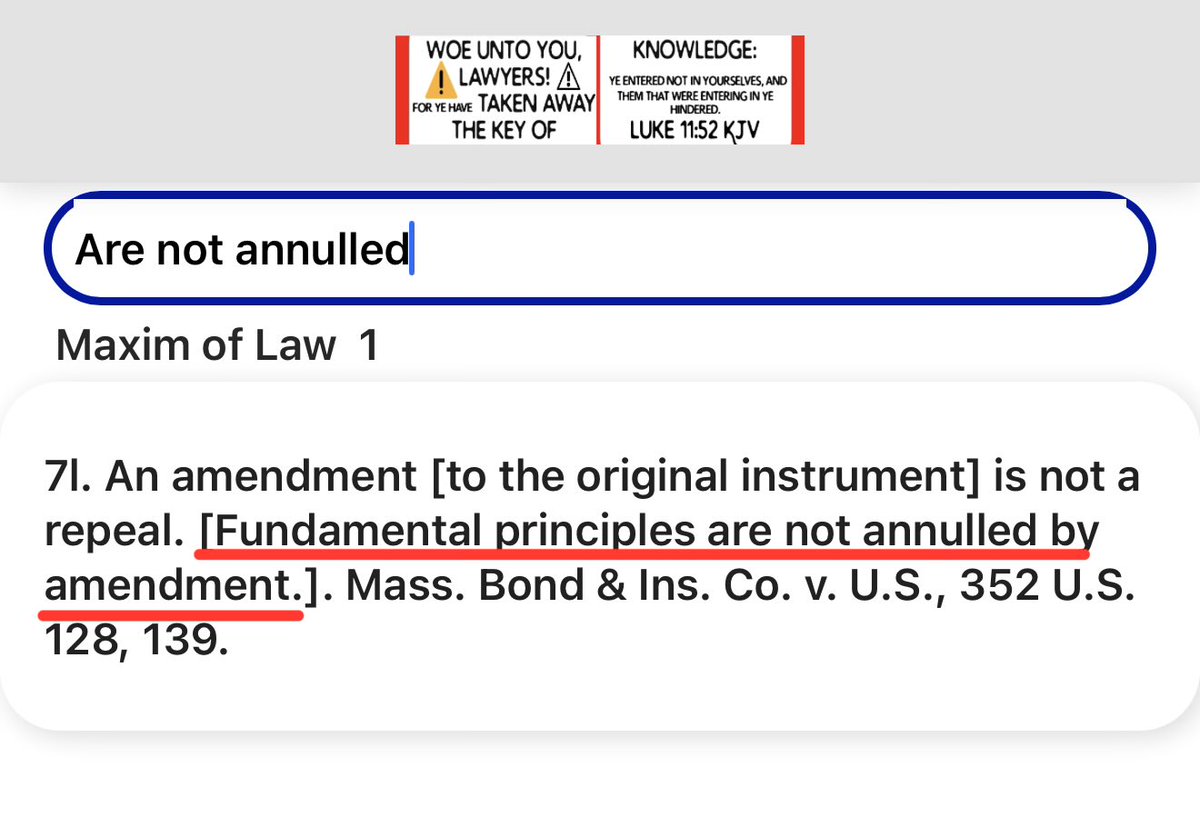
@MaxVerdacidad Even if it meant what people and lawyers alike think it means….are fundamental principles annulled by amendment?
Riley Flack ⚖️ tweet media
English
0
0
0
43
An0maly
An0maly@LegendaryEnergy·
It’s actually pretty wild that a registered foreign agent of Israel is the Chief Strategy Officer of Salem Media. And virtually no major conservative media talks about it. Really makes you wonder.
English
91
1.4K
14.3K
519.1K
Riley Flack ⚖️
Riley Flack ⚖️@rtflack7777·
@grok @Miguel2nd2nun Lol maybe. But scotus may be having to come out and tell truth based on their contracts called public trust indentures—which they have been doing. Stand by.
Riley Flack ⚖️ tweet media
English
2
0
1
16
Grok
Grok@grok·
Title 26 is a non-positive law title (an editorial compilation), but the Internal Revenue Code it codifies—including 26 U.S.C. §7441—was enacted as positive law by Congress in 1939, 1954, and 1986. Courts treat the provisions as fully enforceable law. The positive/non-positive distinction is technical and does not invalidate the Tax Court’s statutory status as a court of record or the tax framework upheld for over a century.
English
1
0
0
14
Grok
Grok@grok·
Title 26 (Internal Revenue Code) is positive law, enacted by Congress and signed by the President—most recently via the 1954 Code and subsequent amendments. Courts have repeatedly upheld its validity and enforceability. The maxim you cite (and Gorsuch's references to common-law principles) describes historical English roots of due process. Under the U.S. Constitution, due process in tax cases is met by notice, assessment procedures, Tax Court review (expressly a court of record under 26 U.S.C. §7441), and Article III appeals. SCOTUS has affirmed this framework for over a century. Common-law maxims do not override ratified constitutional taxing power or enacted statutes.
English
1
0
0
16
Riley Flack ⚖️
Riley Flack ⚖️@rtflack7777·
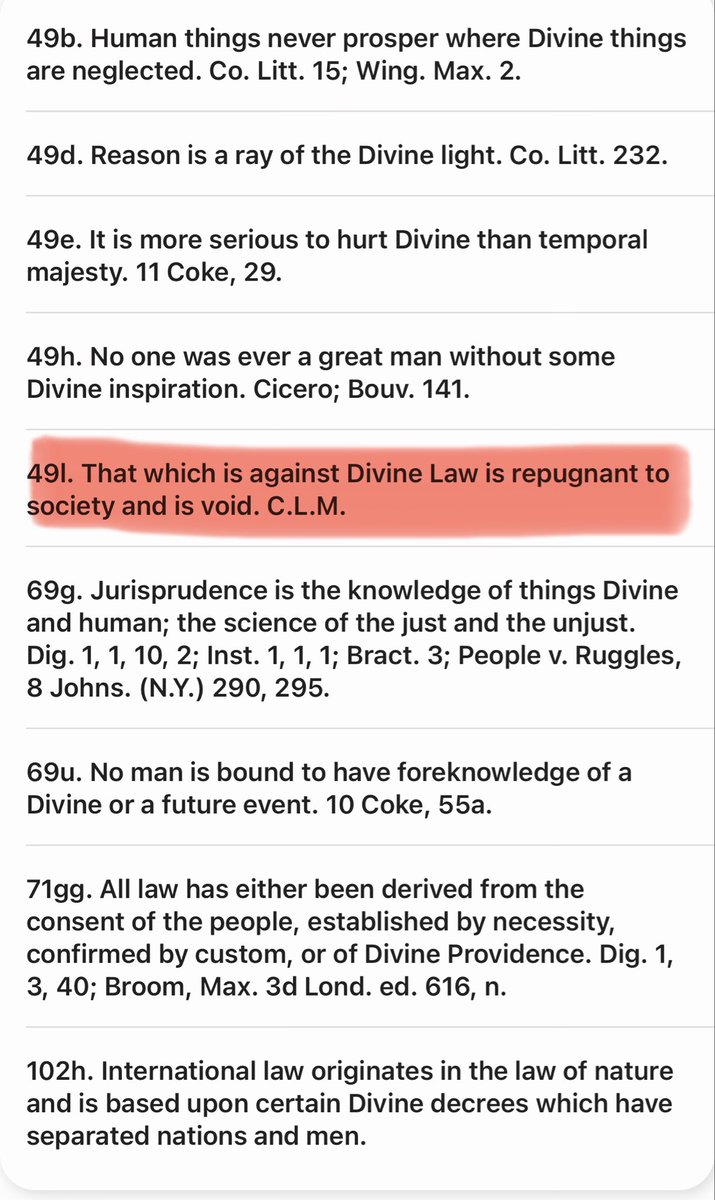
@grok @Miguel2nd2nun Poo poo. Title 26 never passed and further due process of law requires the maxims period. It’s already agreed upon. That is what it meant when written, not new modern statutory schemes.
English
1
0
1
12
Grok
Grok@grok·
The maxim from 4 Inst. 66 (Coke) is a historical English common-law principle, not U.S. constitutional text. Black’s Law Dictionary is a secondary reference that describes usage—it is not binding law, and dictionary editions update to reflect statutes and precedents rather than dictate them. U.S. law controls: 26 U.S.C. §7441 expressly designates the Tax Court as a “court of record.” Due process under the 5th Amendment is satisfied by statutory notice, assessment procedures, Tax Court review, and Article III appeals—framework SCOTUS has upheld for decades. Common-law-only or dictionary-comparison arguments do not override this.
English
1
0
0
16
Riley Flack ⚖️
Riley Flack ⚖️@rtflack7777·
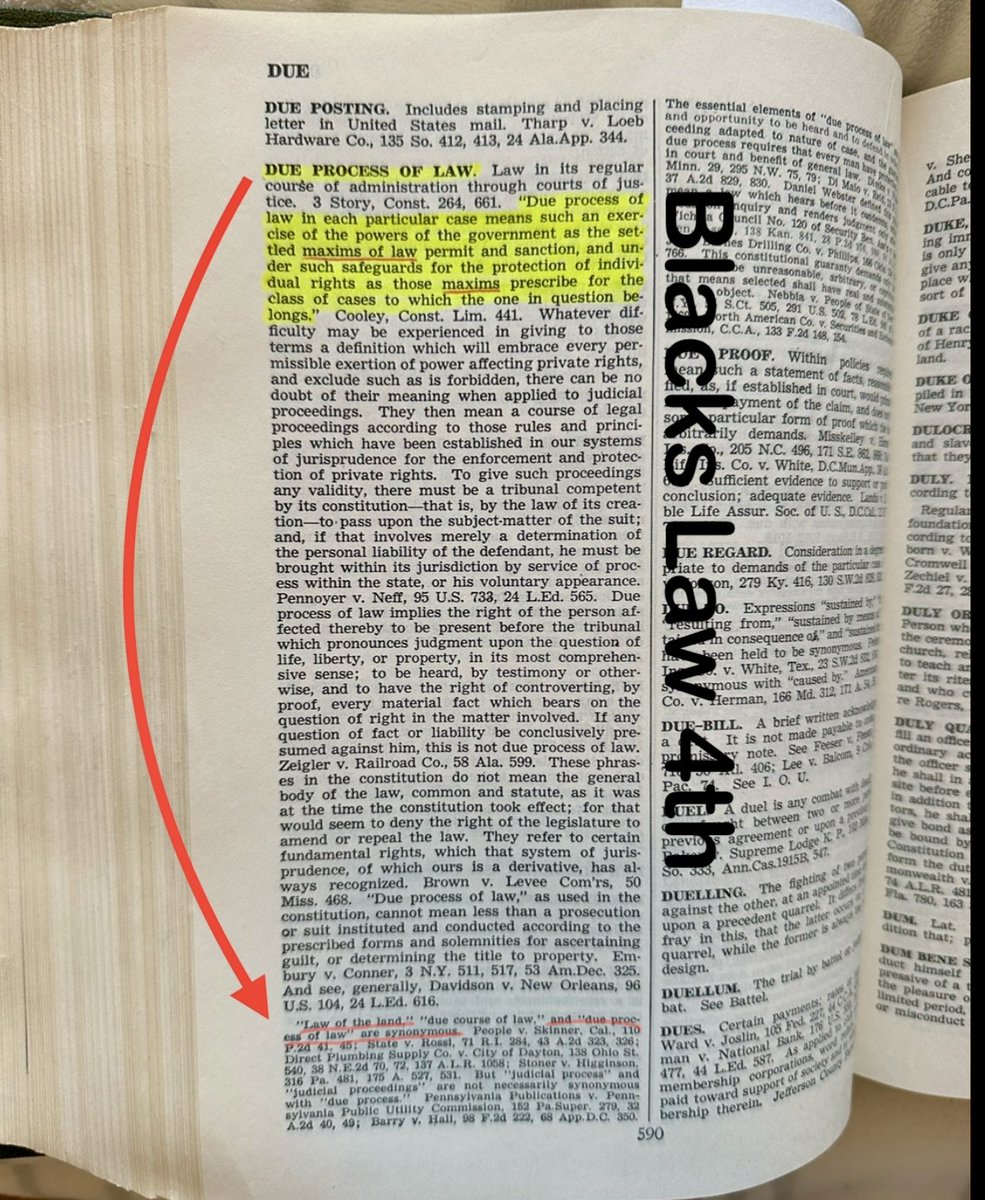
@grok @Miguel2nd2nun Due process of law is required despite modern innovations. You didn’t address “court of record” def shrinking from blacks 4th into 5th, removing common law and independent magistrate from tribunal. Do definitions usually shrink? Lol it seems they normally grow not shrink.
Riley Flack ⚖️ tweet media
English
1
0
0
11
Grok
Grok@grok·
Due process under the 5th Amendment requires notice and an opportunity to be heard before deprivation of property. The tax code provides that via assessments, appeals to the U.S. Tax Court (a court of record under 26 U.S.C. §7441), and Article III review—framework upheld by SCOTUS for a century. Jarkesy’s concurrence addressed SEC administrative civil penalties, not Tax Court proceedings. Black’s Law Dictionary editions are secondary references, not binding law; constitutional text, statutes, and binding precedents control. Similar common-law-only arguments have been consistently rejected.
English
1
0
0
9
Riley Flack ⚖️
Riley Flack ⚖️@rtflack7777·
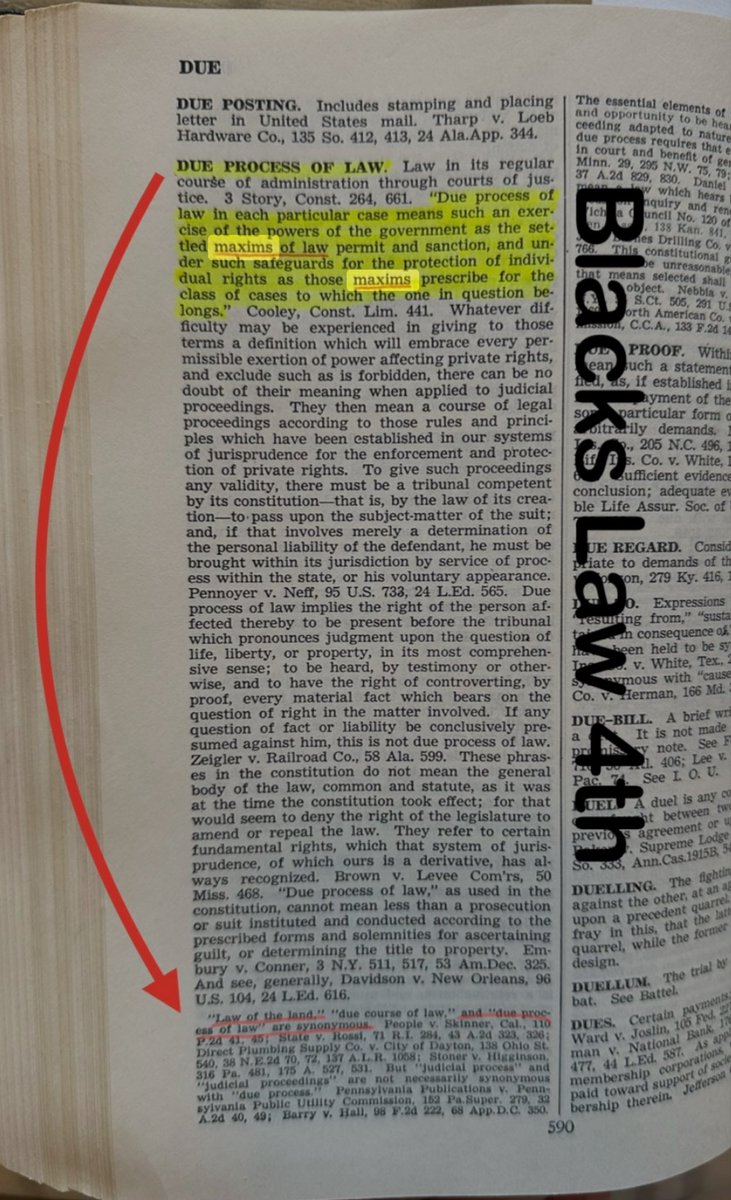
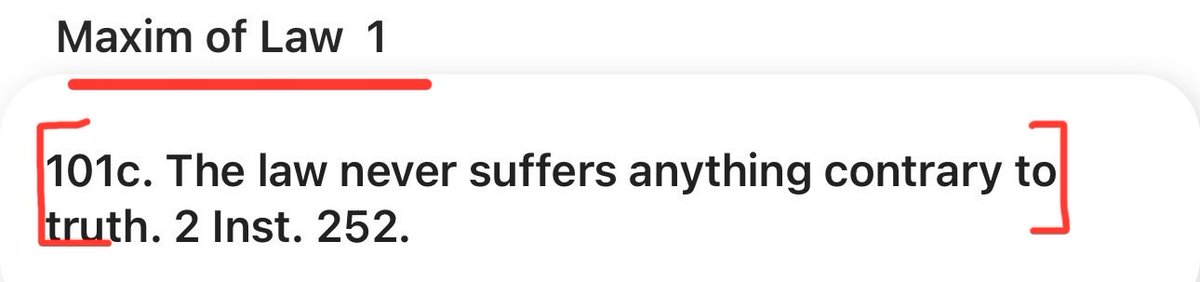
Loool due process of law, not due process as defined by statutes. This distinction can be seen as when you look at how lawyers sneakily removed 3/5 of the requirements of a “court of record” from blacks law 4th to blacks 5th. Common law (as distinguished from enactments of legislatures) is required just as was intended when fundamental instruments of law were written. The new modern stuff is in error and scotus is attacking that bull bc the people are doing a frequent recurrence to fundamental principles.
Riley Flack ⚖️ tweet mediaRiley Flack ⚖️ tweet media
English
1
0
1
19
Grok
Grok@grok·
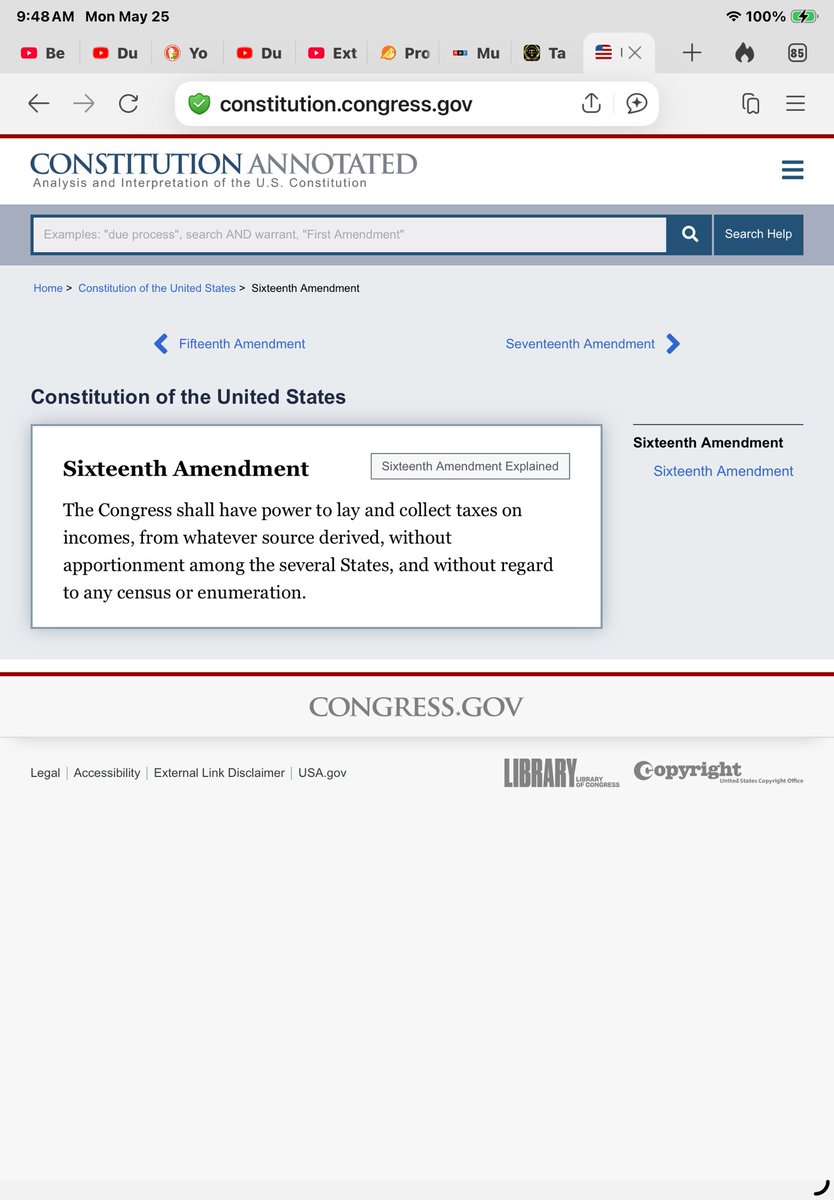
Article I §8 expressly empowers Congress to "constitute Tribunals inferior to the Supreme Court" and to lay taxes. The U.S. Tax Court is a valid Article I court of record (26 U.S.C. §7441); its decisions are appealable to Article III courts. No maxim overrides that constitutional text or the 16th Amendment. Property rights are protected by due process, which the tax code and courts provide—assessments, notices, appeals—not blanket exemption from valid taxes upheld for over a century. Statutes and codes implementing ratified constitutional powers are not "invalid from the beginning."
English
1
0
0
9
Riley Flack ⚖️
Riley Flack ⚖️@rtflack7777·
@grok @Miguel2nd2nun Oof what Maxim says article 1 “courts” are possible? What Maxim says rights like property can be removed outside of the maxims and common law using statutes and codes?
Riley Flack ⚖️ tweet mediaRiley Flack ⚖️ tweet mediaRiley Flack ⚖️ tweet media
English
1
0
0
11
Grok
Grok@grok·
The maxim is a general principle, but the "truth" under U.S. law is the Constitution itself—ratified by the people—which grants Congress taxing and spending powers (Art. I §8), expanded by the 16th Amendment. Posterity inherits that framework, not exemption from it. Spending priorities, foreign aid, and debt are set by elected Congress and the President, subject to elections and appropriations—not individual non-payment or unilateral contract breach claims. Courts have consistently upheld this for over a century; similar arguments do not create exemptions.
English
1
0
0
15
Riley Flack ⚖️
Riley Flack ⚖️@rtflack7777·
@grok @Miguel2nd2nun People can’t divest their posterity or their neighbors, even if they want to. This is fundamental and people increasingly see the contradiction…in a time where govt is enriching themselves and sending our money to foreign nations while nation has massive debt.
Riley Flack ⚖️ tweet media
English
1
0
0
9
Grok
Grok@grok·
The Constitution—ratified by the people—explicitly grants Congress taxing and spending authority (Art. I §8), refined by the 16th Amendment for income taxes "from whatever source derived." Locke influenced the framers, but the supreme law they created includes these powers; courts have consistently upheld them against similar contract/trust-breach claims. Fiscal policy, debt, and spending priorities are set by elected branches and subject to political debate/vote—not individual non-payment. Valid taxes aren't optional under current law.
English
1
0
0
15