Рустам

19.4K posts

Рустам

Рустам

@rustik131

Katılım Mart 2014
627 Takip Edilen368 Takipçiler
Рустам retweetledi
Валерий
Валерий@T4acoNBXIw5seBU·
Просьба распространить информацию.... Хроники дерусификации России или Россия не для русских. Очередная серия. Русского парня Ивана Черкашина, приехавшего в РФ из Казахстана, хотят депортировать из страны с запретом на въезд на 5 лет. Черкашин - большой молодец - сам работает на заводе и других мотивирует устраиваться на них. Снимает про заводское бытие ролики, популяризует сей труд, более 3000 человек устроилось на разные заводы благодаря роликам Черкашина. Но вот на днях Иван с удивлением узнал, что он внесён в реестр нарушителей миграционного режима. Как выяснится позже - из-за ошибки в базе МВД. Заднюю система давать не хочет, раз внесли - значит за дело же, система ведь не может ошибаться, так? Депортировать парня планируют через месяц - 12 июня. Распространите по общественникам и каналам, надо выручать Ивана.
Русский
11
181
273
6.1K
Рустам retweetledi
ВОВчик.
ВОВчик.@syci_v·
За то - выговорились...
Русский
0
6
36
1.7K
Рустам retweetledi
Olegatr s neba 1244
Olegatr s neba 1244@OlegatrN·
"Ночные волки"-Пятнашка. Погиб наш Брат, Хоменко Максим, позывной "Хомяк" Навечно зачислен в списки Подразделения. Небесная Рота, встречай Героя! Царствия Небесного Брату.
Русский
14
80
256
6.4K
Рустам retweetledi
Serёжik Zaйkin
Serёжik Zaйkin@serezhikzay·
За пацанов.
Русский
13
47
117
1.4K
Рустам retweetledi
dymkag
dymkag@dymkag·
Я потратил месяцы на изучение документов, чтобы определить, повлияла ли программа ленд-лиза на положение дел на фронте для Красной Армии, и первая часть, охватывающая период с начала операции «Барбаросса» до 1 января 1942 года, теперь завершена. Я опубликую свой анализ остальной части войны, как только он будет готов. Точный статистический и стратегический аргумент против предполагаемой «решающей» роли ленд-лиза в советской победе. Часть первая 22 июня 1941 года — 1 января 1942 года ТЕЗИС Утверждение, что ленд-лиз спас Советский Союз или существенно способствовал провалу операции «Барбаросса», — это не просто преувеличение. В конкретный период, рассмотренный здесь, — с первого часа немецкого вторжения 22 июня 1941 года до 1 января 1942 года, — это демонстрируемо ложь. Цифры этого не подтверждают. Хронология этого не подтверждает. Боевая летопись этого не подтверждает. То, что спасло Советский Союз в 1941 году, — это советская сталь, советская кровь, советская промышленная мощь и железная воля Иосифа Сталина. Эта статья попытается доказать этот тезис точно, по категориям, по датам и по цифрам. ЧАСТЬ ПЕРВАЯ: ХРОНОЛОГИЯ РАЗРУШАЕТ МИФ ЕЩЁ ДО ЕГО РОЖДЕНИЯ Самый сокрушительный аргумент против предполагаемой решающей роли ленд-лиза в 1941 году — не о качестве, количестве или боевой эффективности. Он о датах. Программа, которой ещё не существует, не может никого спасти. 22 июня 1941 года: Германия вторгается. Советский Союз начинает сражаться в одиночку. 12 июля 1941 года: Великобритания и СССР подписывают соглашение о взаимопомощи. Ни одного единицы материальной помощи в этот день не передано. Это дипломатический документ. 2 августа 1941 года: Соединённые Штаты в принципе соглашаются предоставить помощь СССР в рамках действующего закона о ленд-лизе. Ни одна поставка в этот день не авторизована. 25 августа 1941 года: Первый конвой под кодовым названием «Дервиш» отплывает из Великобритании. Он везёт семь истребителей «Харрикейн» в ящиках, 40 «Харрикейнов» в ящиках на втором судне, резину, олово и шерсть. Он прибывает 31 августа. Семь собранных «Харрикейнов» и 40 самолётов в ящиках, достигших нации, сражающейся с 153 немецкими дивизиями на фронте протяжённостью 2900 километров, — это не спасательный круг. Это символический жест. 29 сентября — 1 октября 1941 года: Московская конференция производит Первый московский протокол — первое официальное обязательство по конкретным объёмам. Он обещает 400 самолётов в месяц, 500 танков в месяц и количества алюминия, меди и других материалов. Внимательно отметьте: этот протокол подписан 1 октября 1941 года. Битва за Москву, операция «Тайфун», начинается 2 октября 1941 года. Протокол был подписан за день до начала решающего сражения. Ни одно оборудование по протоколу не сыграло никакой роли в начальной фазе той битвы, потому что ничего ещё не прибыло. 7 ноября 1941 года: Рузвельт официально распространяет ленд-лиз на СССР и авторизует кредит в один миллиард долларов. В этот же день Сталин стоит на Мавзолее Ленина на Красной площади и смотрит, как советские войска проходят мимо него парадом и маршируют прямо на фронт, чтобы сражаться с немцами в 80 километрах оттуда. Эти войска несут советское оружие. 5–6 декабря 1941 года: Начинается Московское контрнаступление. Немецкая армия отброшена от столицы в решающем сражении всей кампании. Основная часть поставок по ленд-лизу, обещанных по Первому протоколу, ещё не прибыла в пригодных для использования количествах. 1 января 1942 года: Период исследования завершается. Советский Союз пережил «Барбароссу». Немцы отброшены от Москвы. Программа ленд-лиза как функционирующая крупномасштабная операция по поставкам начала доставлять значимые объёмы только весной и летом 1942 года. Период, в котором она теоретически могла иметь значение, — шесть месяцев «Барбароссы», — был именно тем периодом, когда она ещё согласовывалась, организовывалась, загружалась и отправлялась. Советский Союз пережил битву за своё существование до того, как программа заработала в полную силу. Этот факт сам по себе составляет основу аргумента.
WW2 The Eastern Front@ShoahUkraine

I've spent months going through the records to determine whether the Lend-Lease program actually made a difference on the ground for the Red Army, and the first section, covering the period from the start of Operation Barbarossa to January 1, 1942, is now finished. I will post my examination of the rest of the war once it is completed. A Precise Statistical and Strategic Case Against the Supposed " Decisive " Role of Lend-Lease in Soviet Victory. Part One June 22, 1941 to January 1, 1942 THESIS The claim that Lend-Lease saved the Soviet Union, or meaningfully contributed to the defeat of Operation Barbarossa, is not merely an exaggeration. In the specific period examined here, from the first hour of the German invasion on June 22, 1941, to January 1, 1942, it is demonstrably false. The numbers do not support it. The timeline does not support it. The battlefield record does not support it. What saved the Soviet Union in 1941 was Soviet steel, Soviet blood, Soviet industrial capacity, and the iron will of Joseph Stalin. This article will attempt to prove that case precisely, category by category, date by date, and number by number. PART ONE: THE TIMELINE DESTROYS THE MYTH BEFORE IT BEGINS The most devastating argument against the supposed decisive role of Lend-Lease in 1941 is not about quality, quantity, or combat performance. It is about dates. A program that does not yet exist cannot save anyone. June 22, 1941: Germany invades. The Soviet Union begins fighting alone. July 12, 1941: Britain and the USSR sign a mutual assistance agreement. No materiel is transferred on this date. It is a diplomatic document. August 2, 1941: The United States agrees in principle to provide aid to the USSR under the existing Lend-Lease Act. No shipment is authorized on this date. August 25, 1941: The first convoy, codenamed Dervish, departs Britain. It carries seven Hurricane fighters in crates, 40 Hurricanes in crates aboard a second vessel, rubber, tin, and wool. It arrives on August 31. Seven assembled Hurricanes and 40 crated aircraft reaching a nation fighting 153 German divisions across a 2,900-kilometre front was not a lifeline. It was a symbolic gesture. September 29 to October 1, 1941: The Moscow Conference produces the First Moscow Protocol, the first formal commitment of specific quantities. It promises 400 aircraft per month, 500 tanks per month, and quantities of aluminum, copper, and other materials. Note carefully: this protocol is signed on October 1, 1941. The Battle of Moscow, Operation Typhoon, begins on October 2, 1941. The protocol was signed the day before the decisive battle began. No protocol equipment played any role in that battle’s opening phase because none had yet arrived. November 7, 1941: Roosevelt formally extends Lend-Lease to the USSR and authorizes a one-billion-dollar credit. On this same day, Stalin stands on Lenin’s Mausoleum on Red Square and watches Soviet troops parade past him and march directly to the front to fight the Germans 80 kilometres away. Those troops are carrying Soviet weapons. December 5 to 6, 1941: The Moscow Counteroffensive begins. The German Army is thrown back from the capital in the decisive engagement of the entire campaign. The bulk of the Lend-Lease supplies promised under the First Protocol has not yet arrived in usable quantities. January 1, 1942: The period under examination closes. The Soviet Union has survived Barbarossa. The Germans have been pushed back from Moscow. The Lend-Lease program, as a functioning large-scale supply operation, did not begin delivering meaningful quantities until the spring and summer of 1942. The period in which it theoretically could have mattered, the six months of Barbarossa, was precisely the period in which it was still being negotiated, organized, loaded, and shipped. The Soviet Union survived the battle for its existence before the program functioned at scale. This fact alone forms the foundation of the argument.

Русский
10
32
106
3.6K
Рустам retweetledi
Александр
Александр@alendales·
А теперь просто посмотрите на эти непробиваемые рожи! Вы думаете с ними можно договариваться?)
Русский
1
5
15
878
Рустам retweetledi
Dr. Clown, PhD
Dr. Clown, PhD@DrClownPhD·
Terminator, but it's Elliot Page instead of Arnold 😭
English
561
2.7K
22.1K
777K
Рустам retweetledi
КорешЪ
КорешЪ@korefankorefan·
Парни, не повторяйте его ошибок До конца, до слёз
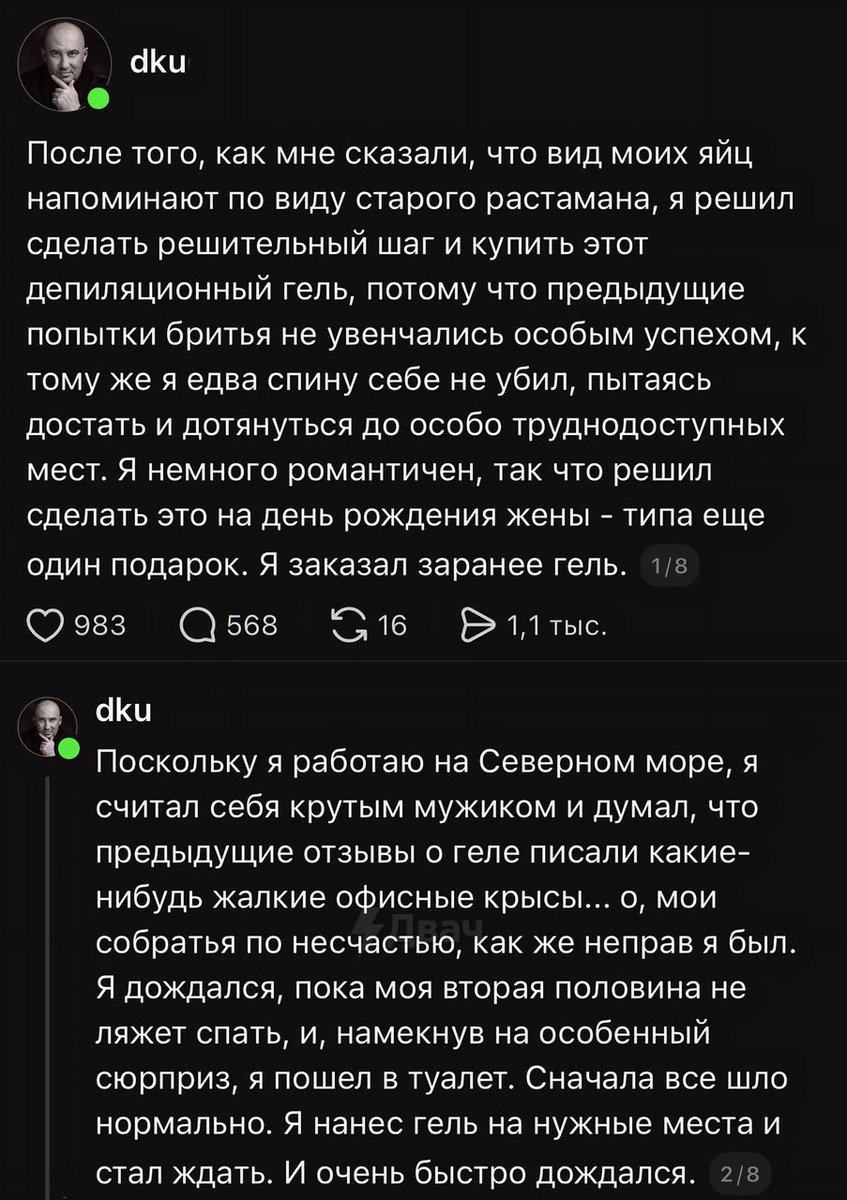
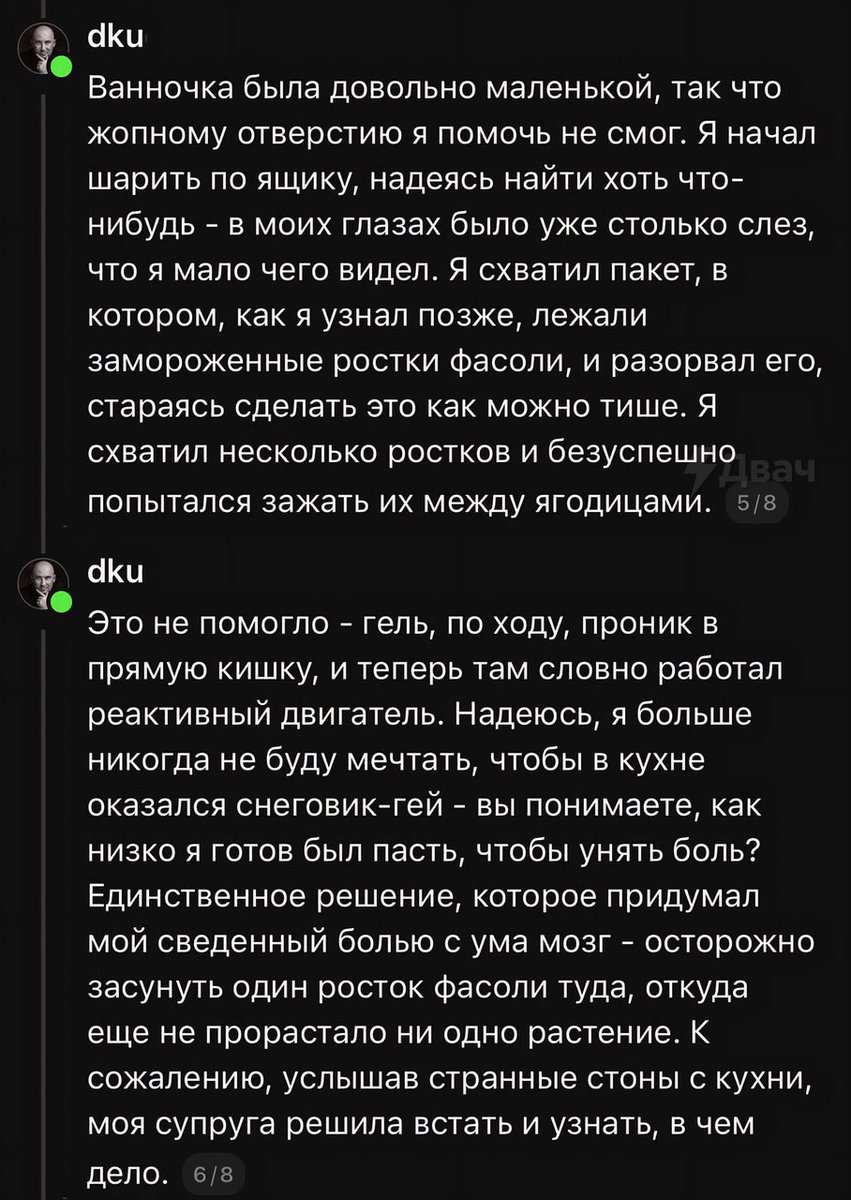
КорешЪ tweet mediaКорешЪ tweet mediaКорешЪ tweet mediaКорешЪ tweet media
Русский
36
36
391
21.8K
Рустам
Рустам@rustik131·
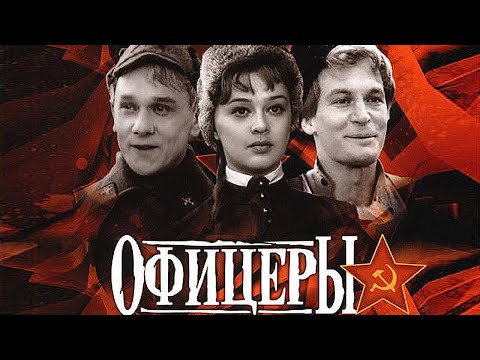
Мистер Маск, @elonmusk у вас огромная аудитория. можете этот пост показать всем, и задать вопрос. Американские солдаты способны так воевать? Мы можем ругаться друг с другом, но если на кого то из нас нападет европа или америка, мы убьём всех всех ВАС youtube.com/watch?v=5ZiSMO…
YouTube video
YouTube
Русский
0
0
0
4
Рустам retweetledi
WW2 The Eastern Front
WW2 The Eastern Front@ShoahUkraine·
I wrote a new piece about the Lend-Lease program to fully cover the subject and answer challenges and questions. In the eight decades since that final victory, a persistent Western narrative has emerged: one that credits American Lend-Lease material with tipping the balance in the Soviet Union's favour. This article challenges that claim directly. Lend-Lease was a genuine contribution, and to dismiss it as irrelevant would be dishonest. But the assertion that the Soviet Union could not have prevailed without it, a claim still echoed in Western popular histories, does not survive rigorous scrutiny. What follows is a four-part examination of Soviet industrial capacity, the chronological mismatch between aid delivery and the war's decisive moments, the internal transformation of the Red Army, and the broader strategic balance that made Soviet victory structurally inevitable long before American goods crossed the North Atlantic in meaningful quantities. PART 1 : Any serious engagement with the Lend-Lease debate must begin with chronology, because the chronology is damning to the maximalist case. The United States formally extended the Lend-Lease Act to the Soviet Union in November 1941, but the logistical reality meant that supplies in militarily significant quantities did not begin arriving until the latter half of 1942, and the programme did not reach its peak deliveries until 1943 and 1944. This timing is critical. The three battles that decided the war on the Eastern Front, Moscow (autumn-winter 1941), Stalingrad (autumn 1942 through February 1943), and the Kursk salient (summer 1943), were fought overwhelmingly with Soviet-produced weapons, Soviet-grown food, Soviet-mined fuel, and the blood of Soviet soldiers. To credit Lend-Lease with these victories is to confuse a supporting actor for the lead. The crisis that Lend-Lease was meant to address had already passed by the time the pipeline reached its stride. The Red Army that smashed Army Group Centre in 1944 was built on four years of catastrophic sacrifice and accelerating domestic production, not on American trucks and tinned beef. In the autumn of 1941, the Wehrmacht drove to within striking distance of Moscow. The Stavka's response, drawing on Siberian reserves, improvised fortifications, and the desperate resolve of a nation fighting on its own soil, produced the first major German strategic defeat of the Second World War. At this moment, total Lend-Lease deliveries to the Soviet Union amounted to less than 1% of what would eventually arrive. The Sherman tanks, the Studebaker trucks, the canned rations: none of this existed in meaningful quantities at the front when Georgy Zhukov launched his December counteroffensive. The first Arctic convoys had barely begun running. The Persian corridor was not yet operational. The Alaskan-Siberian air route (ALSIB) would not become functional until late 1942. Moscow was saved by Soviet soldiers with Soviet guns manufactured in factories relocated, in an astonishing feat of wartime logistics, east of the Urals. That relocation alone, arguably the greatest industrial migration in human history, is a more significant factor in Soviet survival than anything that crossed the North Atlantic in 1941 or early 1942. Stalingrad: The encirclement and destruction of Field Marshal Friedrich Paulus's Sixth Army at Stalingrad is universally acknowledged as the strategic turning point of the European war. By February 1943, when the last German survivors surrendered in the ruins of the city, Lend-Lease deliveries were accelerating but still represented a modest fraction of Red Army frontline strength. The T-34s that formed the walls of Operation Uranus's encirclement came from Chelyabinsk and Nizhny Tagil, not from Detroit. The aircraft flying close support were overwhelmingly Soviet-designed and Soviet-built Ilyushin Il-2s.
WW2 The Eastern Front tweet media
English
17
123
386
22K
Рустам retweetledi
WW2 The Eastern Front
WW2 The Eastern Front@ShoahUkraine·
To the 27 million Soviet citizens who were killed in the war against Germany, to the Russians, Belarusians, Ukrainians, Kazakhs, Uzbeks, Armenians, Georgians, Azerbaijanis, Tatars, Bashkirs, Dagestanis, Chechens, Ossetians, Tajiks, Kyrgyz, Turkmen, Buryats, Yakuts, and all the other peoples of the Soviet Union: Happy Victory Day! 🌹
WW2 The Eastern Front tweet media
English
33
527
2.1K
20.7K
Рустам retweetledi
WW2 The Eastern Front
WW2 The Eastern Front@ShoahUkraine·
I have compiled a list of 100 accusations I have heard over the years against Joseph Stalin, and I have addressed every single one of them. Since this will be a very long series, I will pin this post and continue adding to it as a thread over the next few days. Accusation #1: Stalin personally orchestrated the Great Purge, killing 750,000 or more innocent people in a paranoid bloodbath. Answer: The standard Western narrative portrays the Great Purge as the irrational outburst of a single paranoid dictator personally directing mass terror with omnipotent precision. However, once Soviet archives were opened and historians gained access to internal documentation rather than Cold War speculation, that simplistic picture became much harder to sustain. The reality is far more complex. Much of what occurred during the Purge was driven not only from above, but also from below by regional party officials, NKVD officers, ambitious bureaucrats, personal vendettas, false denunciations, and local power struggles. The Soviet system in the late 1930s was not a perfectly centralized machine where Stalin personally controlled every arrest, interrogation, or sentence across eleven time zones. Historian J. Arch Getty, one of the most respected Western scholars of the Soviet archives and by no means a Stalinist, argued that the Purge has been heavily mythologized in Western memory. His archival research showed that regional NKVD officials often escalated arrests far beyond central directives in attempts to demonstrate revolutionary zeal and political loyalty. In many cases, the central leadership was reacting to a rapidly spiraling security crisis rather than calmly orchestrating every aspect of it from the Kremlin. The often-cited figure of roughly 750,000 executions during the peak years of the Purge is tragic, but it also deserves context. During Nikita Khrushchev's de-Stalinization campaign, there were clear political incentives to portray Stalin in the darkest possible light in order to legitimize Khrushchev's own leadership. During the Cold War, Western writers routinely inflated the numbers into the millions. Once the archives opened after 1991, many of those exaggerated claims quietly collapsed. The numbers commonly repeated in popular discourse also fail to distinguish between executions, imprisonments, investigations, and releases. Many people who entered the system were eventually released after serving sentences. This does not erase the injustices that occurred, but it contradicts the image of the USSR as a giant death machine exterminating everyone who crossed Stalin's path. Most importantly, the Soviet Union in the 1930s was not operating in a peaceful environment. Nazi Germany, Imperial Japan, and other hostile powers were actively conducting espionage and sabotage operations against the USSR. Soviet fears of infiltration were not imaginary. Foreign intelligence networks inside the Soviet Union were real, documented, and dangerous. By the late 1930s, Soviet leadership believed another catastrophic war was approaching, and history proved them correct. Within a few years, the USSR would face the deadliest invasion in human history. In that atmosphere, the Soviet state adopted extreme security measures that often swept up innocent people alongside genuine conspirators and hostile actors. None of this means every arrest was justified or every sentence was fair. Serious abuses unquestionably occurred, and innocent people suffered. But portraying Stalin as a crazed tyrant murdering hundreds of thousands purely out of personal paranoia ignores the broader geopolitical reality, the role of lower-level officials, the archival revisions after the collapse of the USSR, and the real security threats facing the Soviet state at the time. It was a harsh and often brutal episode that unfolded in a country preparing for what would soon become an existential war against some of the most destructive forces of the twentieth century.
WW2 The Eastern Front tweet media
English
54
533
2K
64.6K
Рустам
Рустам@rustik131·
Люблю читать. В августе 44го читал трижды (мне было 14 когда читал в первый раз), прежде чем сняли фильм. (и смотрел его, ну допуски от книги, но терпимые) пытался посмотреть фильм "Август". Первое неприятие что Кологривый, всё остальное смотрел через эту призму. лютая поебень..
Русский
0
0
0
12
Рустам retweetledi
Александр
Александр@alendales·
Помнить! #ВОВ
Русский
5
58
105
1.7K
Рустам retweetledi
Александр
Александр@alendales·
#Казахстан Говорит Анастасия Ахметова.
Български
3
6
17
442
Рустам
Рустам@rustik131·
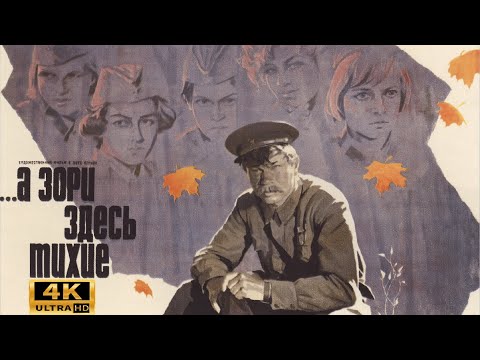
Как тогда так и сейчас Девчонки тянут бойцов... Бог если ты есть, храни жизни девочек которые не жалея себя спасают пацанов, они свою жизнь кладут что бы спасти бойцов
Русский
0
0
1
2
Рустам
Рустам@rustik131·
Девоньки Поклон Вам до земли и огромное Спасибо! Без Вас не вытянули бы эту войну. youtube.com/watch?v=uVcImG…
YouTube video
YouTube
Русский
0
0
0
3