Ryan Alshak

386 posts

Ryan Alshak banner
Ryan Alshak

Ryan Alshak

@ryanalshak

CEO https://t.co/ThjDtdbWYR / Returning Time.

Los Angeles, CA Katılım Nisan 2012
401 Takip Edilen532 Takipçiler
Ryan Alshak
Ryan Alshak@ryanalshak·
"There's no way you're going to pry your product out of our hands." That is a direct quote from a Managing Partner. During her December year-end analysis for bonuses and raises, she looked back at five months of data—July through November, the months her firm had been using Laurel. The profit uplift was undeniable. "I already saw it without even having to do any brain work." The best products don't convince you of their ROI. They make it obvious. That's the standard we hold ourselves to at Laurel. Not "trust us, it works." But "you'll see it yourself."
English
0
0
0
27
Ryan Alshak
Ryan Alshak@ryanalshak·
Scott Belsky said something recently that stuck with me: “Products that help humans get credit for the work accomplished by agents they supervise will have better adoption than agentic solutions that do the work instead of humans. Credit feeds ego, drives adoption… and accountability.” He’s right. And Silicon Valley is doing AI a massive disservice right now. We’ve leaned too hard into the “AI replaces humans” narrative because it makes the TAM look like entire industries instead of just their software spend (and justifies valuations). That’s not how this plays out. The future is people and agents — together. When we both operate in our zones of genius, something much bigger happens: People → creativity, judgment, the ability to inspire Agents → work with deterministic answers That’s how you unlock the modern Gilded Age. This is the thesis behind Signal. Not replacing people. But creating the visibility to understand how professionals and agents should work together — and where each drives the most leverage.
English
0
0
1
41
Ryan Alshak
Ryan Alshak@ryanalshak·
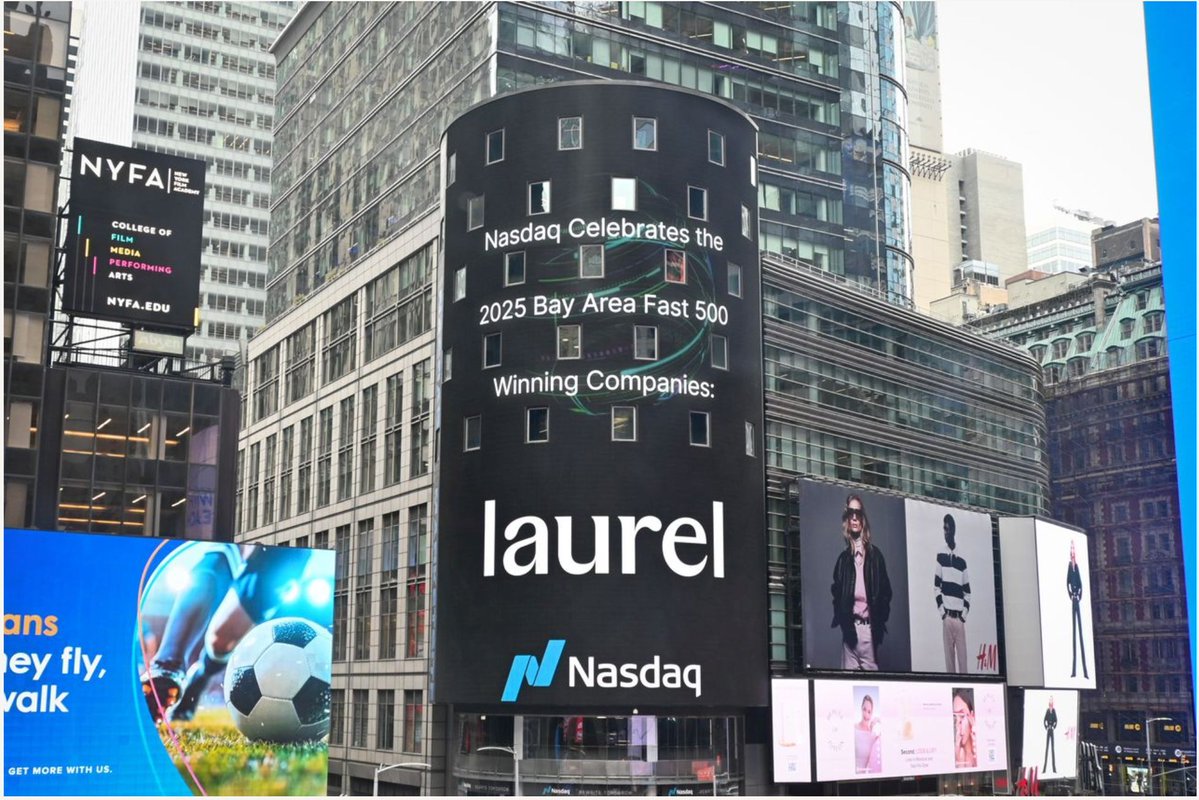
Last Thursday, the @getlaurel logo was on the @Nasdaq Tower in Times Square thanks to @Deloitte The first time felt surreal. Now it feels like a preview of coming attractions (Ticker: TIME 🔔)
Ryan Alshak tweet media
English
0
1
2
72
Ryan Alshak
Ryan Alshak@ryanalshak·
Just yesterday, we heard from three customers: a Founding Partner, a Managing Partner, and a first-year Associate. The Founding Partner: "It has suddenly started recognizing the files I'm working on. That'll save me a lot of time." The Managing Partner: "It picks up when something doesn't comply with billing guidelines, tells you why, and lets you fix it. I wasn't sure how that was going to work — but it does. I'm impressed." The Associate: "I'm totally serious — huge fan. It's catching so much time. The little things that would have fallen through the cracks? They're not falling through the cracks anymore." Founder. Managing Partner. Associate. When Laurel works for all three, that's not product-market fit. That's rewiring the industry.
English
0
0
1
59
Ryan Alshak retweetledi
scott belsky
scott belsky@scottbelsky·
thinking: products that help humans get credit for the work accomplished by agents they supervise in the enterprise will have better adoption than agentic solutions that do the work instead of humans. credit feeds ego, drives adoption...and accountability.
English
21
16
302
21.6K
Ryan Alshak
Ryan Alshak@ryanalshak·
6%. That's the share of organizations that consistently deliver projects on time and on budget, according to @Accenture. The explanation: lack of visibility into how work actually happens. Not strategy. Not people. Not AI. Visibility. Leaders are making decisions about pricing, staffing, and delivery based on incomplete data — or no data at all. They're flying blind on the thing that matters most: time. This is why we built Signal. When you have an objective, real-time record of how work gets done — who's doing what, how long it actually takes, where the leverage is — there is no more guessing. You stop delivering late. You stop leaving margin on the table. You know how to hire. The gap between 6% and the rest isn't effort. It's information. 📰 accntu.re/46RIjuN
English
0
0
2
55
Ryan Alshak
Ryan Alshak@ryanalshak·
Watson Farley & Williams is deploying Laurel firmwide — every office, every fee earner, from London and New York to Tokyo and Singapore. This followed a rigorous, market-wide evaluation. The kind that sets the bar for how law firms should approach time and billing in the age of AI. As CIO, Joby Tyler, put it: "Our evaluation process was deliberate and thorough. We needed a platform that could operate at a global scale while integrating seamlessly into how our lawyers work. Feedback from existing customers was incredibly positive, and Laurel stood out for its end-user experience and its ability to turn time data into actionable insights." Those insights, Managing Partner Lindsey Keeble explains, are what make the difference in practice: "It will help us better understand how work actually gets done across our offices, and move us toward a more modern, practical way of working." Not just better timesheets. Better decisions. Clearer visibility. A fundamentally smarter way of working. Proud to partner with @WFW_LLP as they define what modern global legal services look like and unlock what's possible when a firm goes all in.
Ryan Alshak tweet media
English
0
0
2
116
Ryan Alshak
Ryan Alshak@ryanalshak·
Nobody brags about billing narratives. But they are the persuasive argument for why a client should pay the bill. Recently, a Partner at one of our firms was called out in front of the entire partnership for having the best narratives in the firm. He had to come clean. “Laurel wrote them.” The best AI doesn’t feel like AI. It mirrors your voice — just more compliant, more descriptive, and much more likely to get paid. Billing narratives are one of those thankless tasks every attorney dreads. Hours of work. Zero value. And somehow they still end up being flagged by eBilling. We’re not just solving a problem. We’re making someone the best writer in the building — without them lifting a pen.
English
0
0
1
52
Ryan Alshak
Ryan Alshak@ryanalshak·
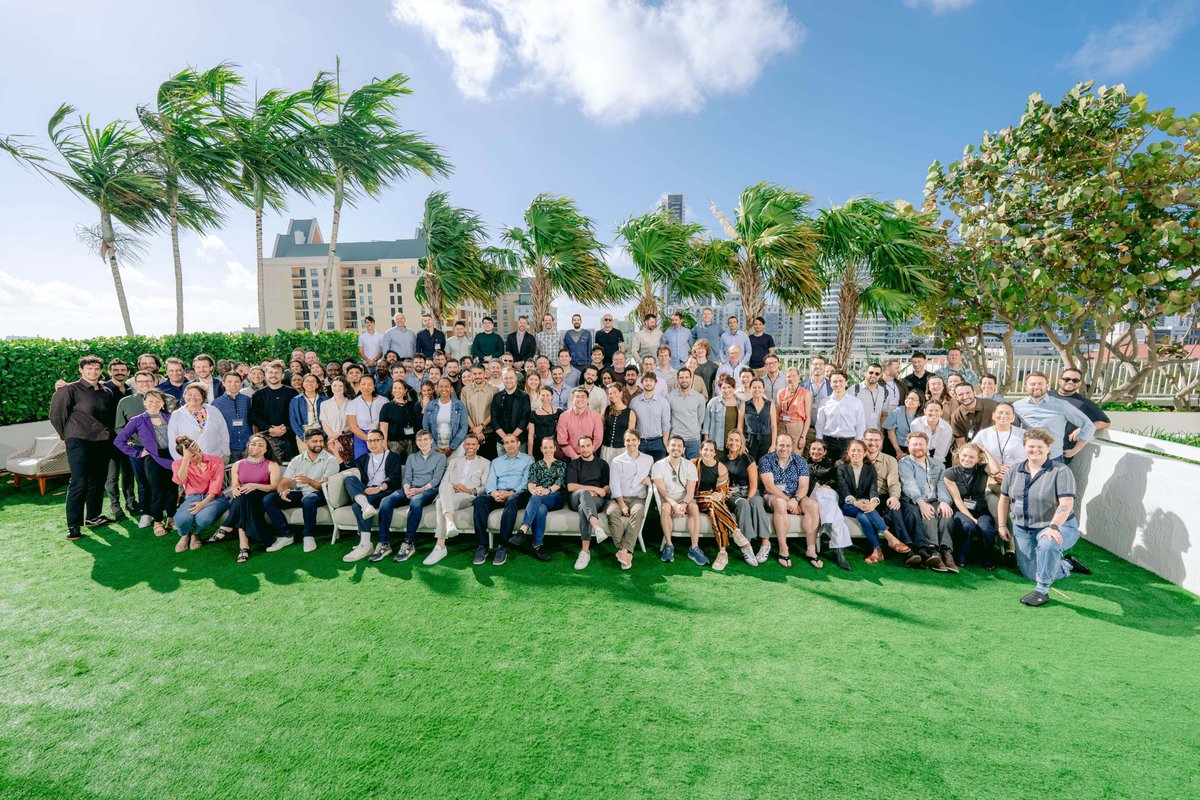
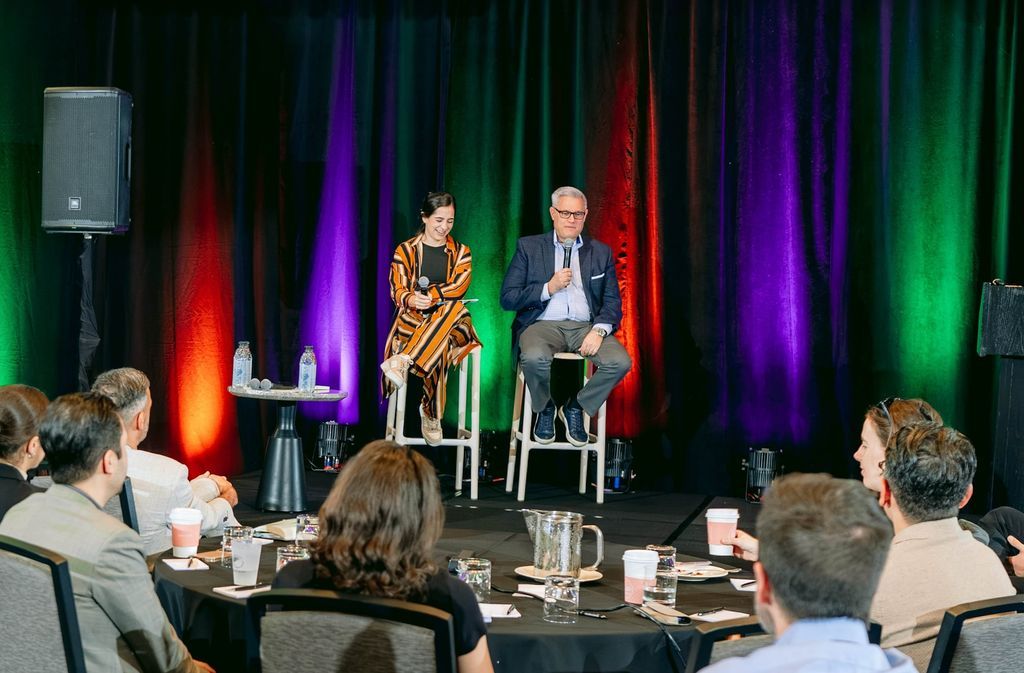
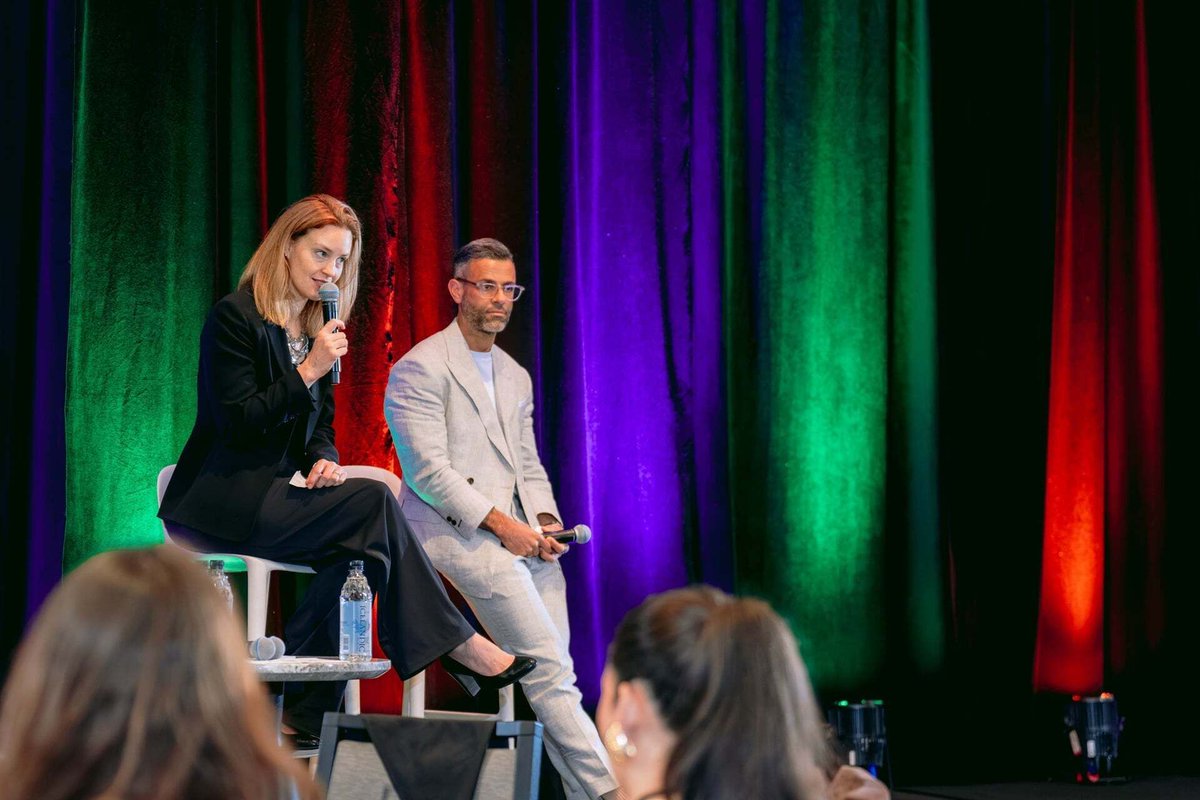
Every six months, we bring the entire company together for an offsite. The last one was in Vail. We had just raised our Series C. There were 70 of us. The theme was: What got us here won’t get us there. Last week, we brought together 145 people from across the globe. The ambition was bigger. To ensure Laurel winning the category of time — a $10B+ opportunity — is inevitable. And to set the foundation for the next order of magnitude: helping every enterprise understand how work actually happens so they can deploy Enterprise AI effectively. We focused on three things: • Ensuring every one of us is leveraging ourselves with AI • The next iteration of Laurel’s culture — built around Extreme Responsibility • Our 1H Strategy & OKRs The highlight for me? Hearing from John Roman Jr., CIO of The Bonadio Group, who flew to share what Laurel is enabling: • 1.7 hours saved per professional per week • +30 chargeable minutes per professional per day • Real work data to understand where professionals create leverage — and where AI should be deployed When a customer champions your vision in front of the entire company, it reminds everyone why the work matters. One of Laurel’s core values is Unreasonable Delight. We work hard to deliver that for our customers every day. These few days were about delivering it to ourselves. To the entire Laurel team — and Meredith Whipple Callahan, who helped make it all happen — thank you. Let’s compound the energy we created. Winning is inevitable if we leverage AI and live a culture of Extreme Responsibility.
Ryan Alshak tweet mediaRyan Alshak tweet mediaRyan Alshak tweet media
English
0
0
2
149
Ryan Alshak
Ryan Alshak@ryanalshak·
Six weeks. That’s how long it took to go from kickoff to go-live with a global enterprise customer. That’s what Time to Value should look like. Before formal training even began, their IT Director spent time exploring the platform on her own. Her reaction: “The fact that I could account for pretty much every minute of my day — I’m very excited. And I think the professionals are going to be too.” When people can finally see how their day actually unfolds, something powerful happens. They understand where their time goes. They understand where leverage exists. And they understand what work should be automated. Understanding your day so you can decide where to focus and what to automate. That’s the value.
English
0
0
1
65
Ryan Alshak
Ryan Alshak@ryanalshak·
An intern at one of our clients recently reached out and told us she’s doing her final project on Laurel. Not because she has to. Because it’s the AI platform she gets the most value from. That’s when you know adoption is real. When people experience meaningful impact, they don’t just use AI. They evangelize it. And if she doesn’t get an A, we’ll be organizing a demonstration in Sproul Plaza 🐻
English
0
0
2
85
Ryan Alshak
Ryan Alshak@ryanalshak·
A woman approaches Picasso at a café and asks him to sketch something. He draws a single dot on a napkin. “How much?” she asks. “$10,000.” “But it took you 30 seconds.” “No,” Picasso replies. “It took me 40 years.” I used to practice in professional services. I know what it feels like when your value gets reduced to six-minute increments. Time became the proxy for value because it was observable and auditable. But it has always been a poor proxy for value. The future of the industry is selling outcomes. The problem? You can’t safely price outcomes unless you understand your true cost of delivery. A managing partner recently captured the shift perfectly: “Chargeable time efficiencies can be replaced with more chargeable time—but only up to a limit. Client demand is finite. Trust doesn't scale infinitely. Judgment and reassurance don't compress the way analysis does.” At some point, the question stops being: “How much more work can we do?” And becomes: “What should we do with the time we’re getting back?” That’s when the conversation changes. AI doesn’t push us toward less valuable work. It pushes us to the work that actually matters: judgment, trust, craft, strategy, creativity. But if incentives are still tied to minutes, we’ll keep optimizing the wrong thing. The firms that win won’t just adopt AI. They’ll redesign the entire model.
English
0
0
1
45
Ryan Alshak
Ryan Alshak@ryanalshak·
The most expensive time at a law firm is partner hours. $1,500–$3,000/hour (and climbing) And yet they spend *hours* every week correcting pre-bills. When you cut that by 30% like we did in one of our more recent deployments. → 3 hours saved/week × $1,500/hour → $18,000/month per partner BigLaw firm with 200 partners? $3.6M/month. That’s not working harder. That’s working smarter.
English
0
0
0
40
Ryan Alshak
Ryan Alshak@ryanalshak·
Laurel is officially an @EliteLink Premier Technology Partner — a first-of-its-kind partnership. Laurel, the world’s leading AI Time Platform, and 3E, which powers the financial backbone of many of the world’s largest firms through Elite, are teaming up to usher the legal market through the paradigm shift that is AI. While much of the buzz has centered on automating the practice of law, we believe firms should start by automating the business of law. “Show me the incentive and I’ll show you the outcome.” This is an unprecedented moment for the industry. The combination of Laurel and 3E represents an unmatched, AI-native Work-to-Cash platform — designed to help firms operate smarter, capture more value, and enable lawyers to do what they do best: deliver differentiated outcomes for their clients. Proud to join the Premier Technology Partner program alongside the best in legal tech.
Ryan Alshak tweet media
English
0
0
2
62
Ryan Alshak
Ryan Alshak@ryanalshak·
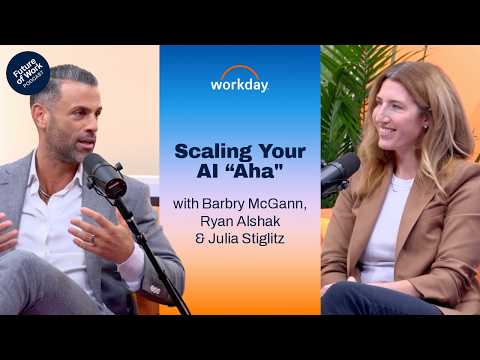
AI is everywhere. Quantifying its actual impact without relying on lossy surveys or input-driven metrics that don’t speak to business outcomes? Almost nobody is talking about. I joined @barbry_mcgann (@Workday) and @juliastiglitz (@uplimit_) to discuss what it actually takes to measure AI ROI. If 2025 was the year of the CIO. 2026 will be the year of the CFO. 🎥 youtube.com/watch?v=Fs5RwA…
YouTube video
YouTube
English
0
0
1
67
Ryan Alshak
Ryan Alshak@ryanalshak·
A firm’s finance team shared their January numbers with us. They were so striking, they wanted to make sure we saw them. January 2026 vs. January 2025: • Nearly 2x billable hours recorded • Same number of clients • Same number of timekeepers The only difference? Laurel. And it doesn’t stop there. Pre-bill review dropped 30%+ — hours returned directly to partners who should be practicing law, not correcting timesheets. This is the use case for AI in professional services. We talk a lot about Returning Time. This is what it looks like in the real world.
English
0
0
0
72
Ryan Alshak
Ryan Alshak@ryanalshak·
Counternarrative: In the age of AI, people are more valuable. We just don’t need as many. We obsess over FTE:ARR as a company metric. Leverage matters. But it’s equally important to call out where Unreasonable Hospitality makes all the difference. We recently analyzed 1,000+ customer conversations. 96% CSAT. That’s 1,000+ moments where someone had a question, hit a wall, or needed help.And our team–agents and humans–showed up. Every. Single. Time. Support (done right) isn’t a cost center. It’s a trust center. In a world racing to automate customer service, we’re strategically choosing the combine the best of AI with the best of humanity. Because leverage scales companies. Trust builds them.
English
0
0
0
63
Ryan Alshak
Ryan Alshak@ryanalshak·
“I want to see Laurel succeed.” That’s what a CIO told us this week. Not: “Let’s see how the pilot goes.” Not: “I hope the product works.” “I want to see you succeed.” She followed it with something even more important: “It’s in our best interest. Here’s a tool that reduces work and has this ROI associated with it. It just makes sense.” That’s the moment you hope for as a founder. When your customer’s incentives and your company’s incentives are fully aligned. When their win is your win. When your customer wants you to succeed, not because they like you, but because the economics make it obvious… That’s when you know you’re onto something big.
English
0
0
0
78
Ryan Alshak
Ryan Alshak@ryanalshak·
@TheLawyermag published a piece on Laurel’s ambitions on Friday. One of my favorite things about Laurel is how we’ve evolved since day one. We started as legal tech focused on automating time and billing. Then we expanded to professional services, still centered on time and billing. Then we rebuilt the platform soup-to-nuts to become the world’s first AI-native Time platform for professional services. Today, Laurel Time and Signal serve any knowledge industry that wants to make its work visible. If you’re doing the math at home, that’s our TAM evolving from: ~2% of GDP → ~13% → +50%. That expansion didn’t come from chasing markets. It came from going deeper into the problem. Time is the atomic unit of knowledge work. Make it visible, measurable, and improvable — and the surface area becomes enormous. That’s why we believe Laurel isn’t just positioned to win big. We’re positioned to win for a long time. What does the future hold? No one knows. But we’re building it — one returned minute at a time. 📰thelawyer.com/ai-time-manage…
English
0
0
1
76
Ryan Alshak
Ryan Alshak@ryanalshak·
What is Laurel Signal? Every enterprise is investing heavily in AI. The promise is massive. But here’s the honest question: Is it actually making your organization better? No enterprise can answer that question with objective, outcomes data. They see adoption numbers. They hear anecdotes. But they don’t have proof. That’s what Signal gives you. What Signal Is Signal is a Work Intelligence Platform that shows you — with objective data — how work actually happens inside your company, and how AI changes it. Not surveys. Not self-reported time. Not anecdata. Observed digital work. Signal analyzes how your teams use tools, where their time goes, and what actually drives output. Then it translates that into simple, actionable answers. What Signal Tells You Are our AI investments working? See before-and-after impact across teams and workflows. Know which tools save meaningful time — and which don’t. Where are we wasting high-cost talent? Identify low-leverage work hiding inside expensive roles: coordination churn, formatting, status updates, manual handoffs. What do our best people do differently? Understand how top performers allocate time and use AI — and scale those behaviors. Where should we deploy AI next? Invest based on evidence, not instinct. In short: Signal gives you a clear, continuous view of how work gets done, what it costs, and where leverage is created. In the age of AI, that’s not a “nice to have.” It’s how you turn AI from an experiment into your competitive advantage. laurel.ai/resources-post…
English
0
0
2
109