Rybar Pacific

3.9K posts

Rybar Pacific banner
Rybar Pacific

Rybar Pacific

@rybar_pacific

Russian think-tank Rybar’s unit focusing on Asia-Pacific | Drills, regional politics, military development

Katılım Temmuz 2025
103 Takip Edilen883 Takipçiler
Rybar Pacific
Rybar Pacific@rybar_pacific·
Japanese company Terra Drone has announced the combat debut of its Terra A1 interceptor drone, developed jointly with Ukrainian firm Amazing Drones. The low-cost system, at roughly $2,500 per use, downed a long-range drone over Ukraine and is now under consideration for mass production in Japan, Ukraine and other markets. Another piece of evidence that Japanese companies use Ukraine as a testing ground for their products.
English
1
11
19
2.2K
Rybar Pacific
Rybar Pacific@rybar_pacific·
China is fast-tracking anti-drone interceptor development after studying Ukraine’s battlefield realities, with several models now on display. Skyfend Thunder reaches 300 km/h at 5 km altitude, Novasky KC300 hits 230 km/h at 3 km, and the eBay-listed SkyLark R7D tops out at 420 km/h at 5 km — the same speed as PLA Air Force contest winner Spider-Net. All kamikaze-style designs mirror Ukrainian systems, skip explosives for collision kills, and are aimed squarely at export while countering potential long-range threats from Taiwanese outposts like Kinmen and Matsu.
Rybar Pacific tweet media
English
2
11
61
4.3K
Rybar Pacific
Rybar Pacific@rybar_pacific·
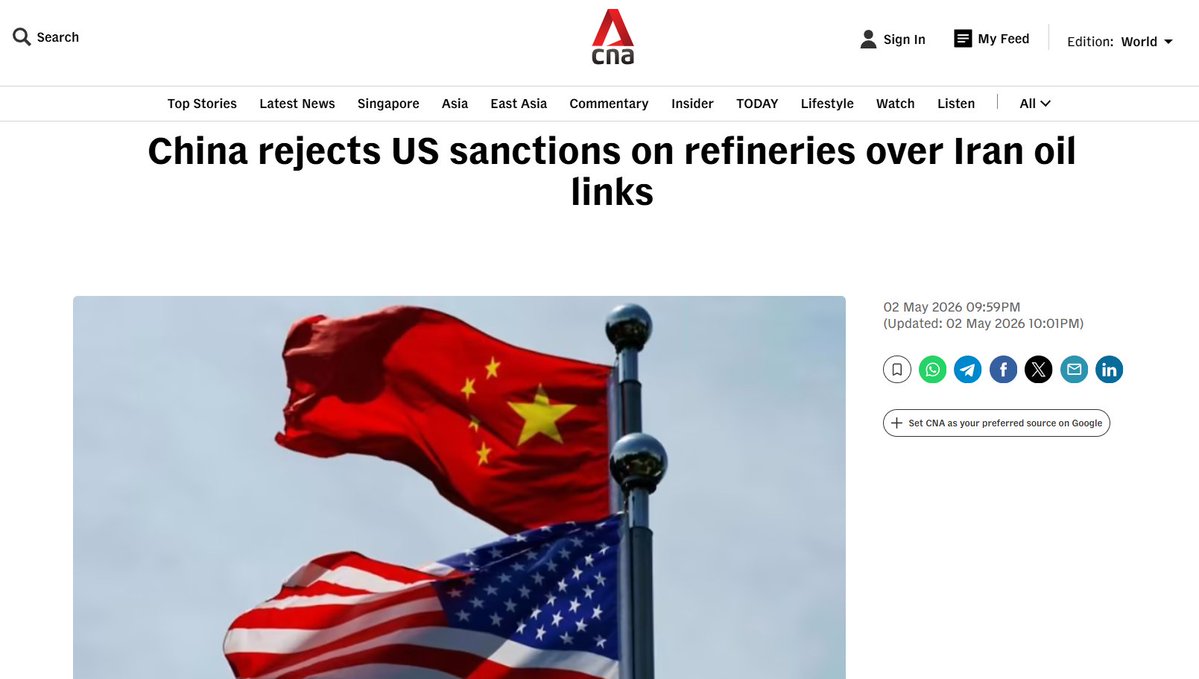
China has ordered its companies to ignore fresh US sanctions on refineries importing Iranian oil — the first use of Beijing’s 2021 rules blocking extraterritorial restrictions. The decree declares the measures illegal and an obstacle to legitimate third-country trade; with Bank of Kunlun already routing payments under sanctions since 2012, the step demonstrates legal pushback and cements Iranian crude as a strategic priority ahead of the mid-May Xi-Trump summit.
Rybar Pacific tweet media
English
1
8
29
3.3K
Rybar Pacific
Rybar Pacific@rybar_pacific·
Sri Lanka recently detained monks smuggling 112 kg of marijuana from Thailand, but the region’s core issue remains synthetic drugs produced in the Golden Triangle. Labs hidden in Myanmar’s Shan State jungles and mountains feed Thai ports near Bangkok, sending large shipments directly to Australia, New Zealand, Taiwan, Japan, South Korea, the US and Canada while smaller loads transit the Malacca Strait and waters off Malaysia and Indonesia for onward routing. Overland corridors link Myanmar to Thailand, Laos, Vietnam and Cambodia, with limited flows reaching China. Sea routes form the lifeline of the trade.
Rybar Pacific tweet media
English
0
10
29
3.5K
Rybar Pacific
Rybar Pacific@rybar_pacific·
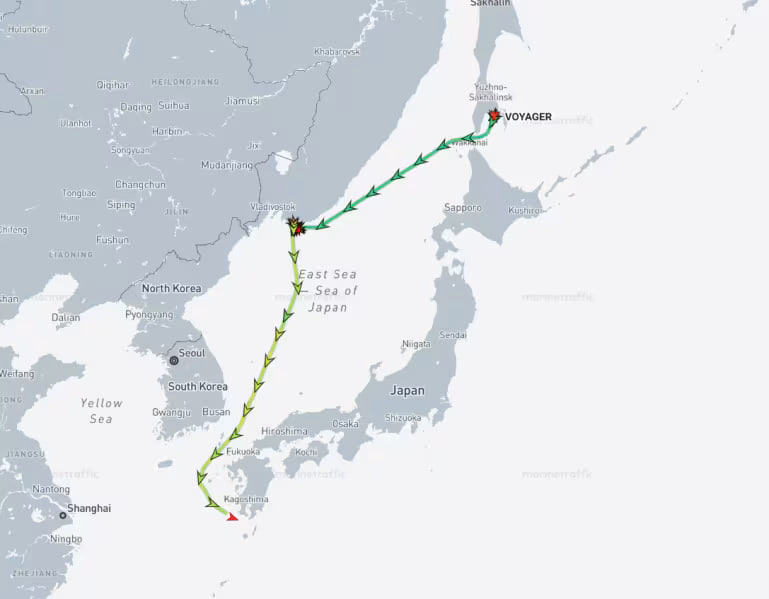
Japanese refiner Taiyo Oil is buying a cargo of Russian oil from the Sakhalin-2 project, with the US-sanctioned tanker Voyager scheduled to arrive in port this Sunday. The purchase follows Southeast Asian buyers coordinating Russian supplies amid global energy disruptions and marks another situational top-up for Tokyo — Sakhalin crude remains exempt from sanctions for Japan, helping balance supplies when other sources tighten.
Rybar Pacific tweet media
English
25
430
1.1K
82.5K
Rybar Pacific
Rybar Pacific@rybar_pacific·
North Korea’s missile and nuclear programs are advanced enough to threaten the U.S., and current American missile defenses are not a guaranteed shield. The Pentagon report says China, Russia, and North Korea are all expanding their nuclear and missile forces. It also says North Korea’s ICBMs can reach the U.S. and can defeat current U.S. missile defense systems, which is why Washington is pushing a space-based “Golden Dome” concept. That program is also a funding play: $22.9 billion has already been allocated, and the Pentagon wants another $185 billion to finish it by 2035.
Rybar Pacific tweet media
English
0
1
2
429
Rybar Pacific
Rybar Pacific@rybar_pacific·
Taipei says the new Chinese sanctions will not change its ability to buy weapons. Defense Minister Wellington Koo downplayed the impact, saying this is not the first time Beijing has tried such pressure and that Taiwan continues to rely on diversified procurement channels. He also said the island has been increasing its use of suppliers from Central and Eastern Europe. On Japan, Koo said there is still no defense technology transfer agreement, so purchases from Tokyo are not on the table yet. The broader problem for Taipei is whether to show how wide its foreign support really is or keep some suppliers and routes less visible to avoid Chinese pressure.
Rybar Pacific tweet media
English
0
2
1
153
Rybar Pacific
Rybar Pacific@rybar_pacific·
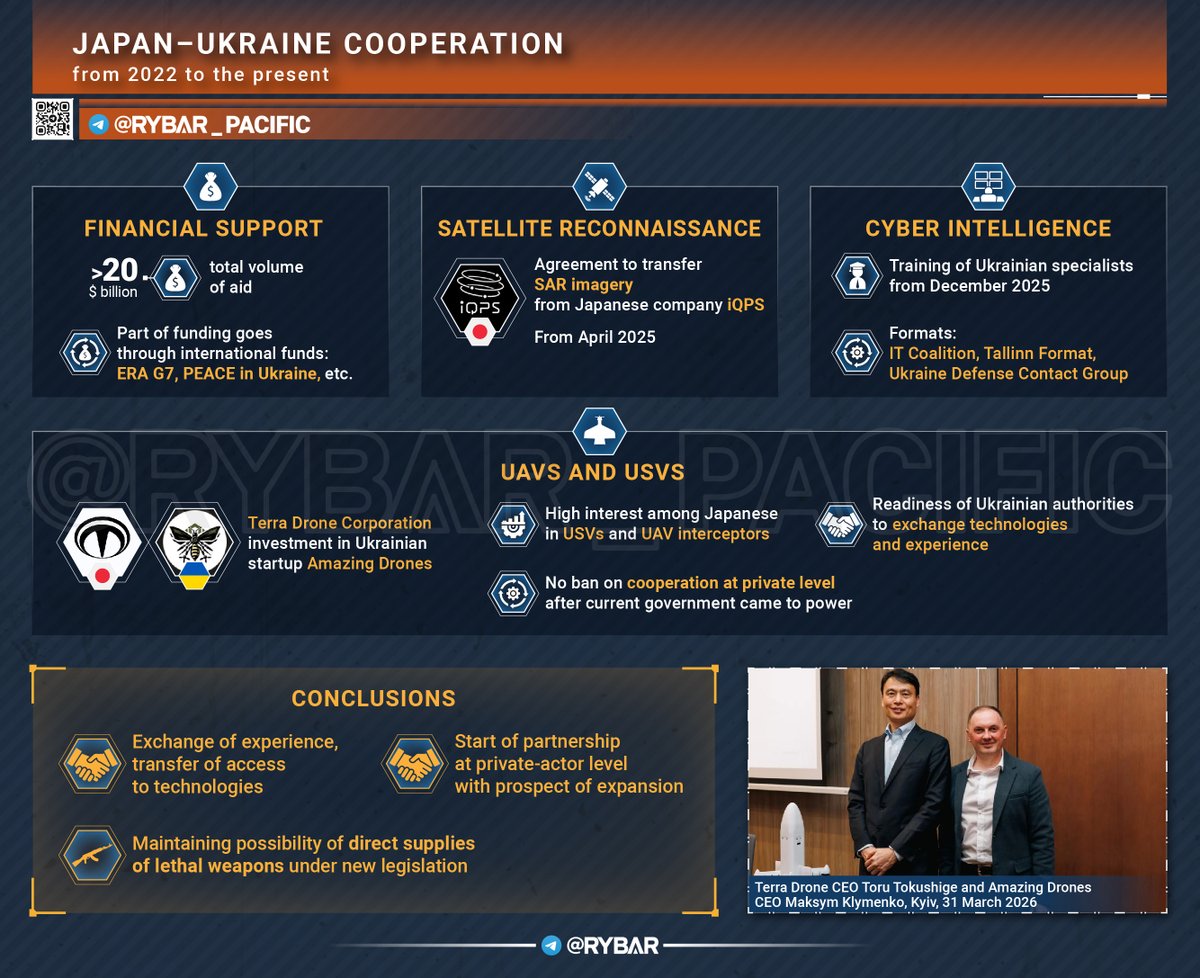
Japan is deepening its support for Ukraine without crossing its own red lines on direct arms deliveries. Since 2022, Tokyo has provided more than $10.7 billion in financial support, and in 2026 it is set to add another package worth about $6 billion, much of it routed through international funds such as ERA G7 and PEACE in Ukraine. The cooperation also includes satellite data sharing since April 2025 and cyber training for Ukrainian specialists under the IT Coalition since December. The partnership is widening into drones and naval drones, with Kyiv ready to share battlefield experience and Tokyo interested in the technology. Terra Drone has already invested in Ukrainian drone firms, and the current government appears more open than before to expanding this kind of private-sector cooperation.
Rybar Pacific tweet media
English
0
6
13
2.3K
Rybar Pacific
Rybar Pacific@rybar_pacific·
The latest cross-party meeting on April 27 lasted 70 minutes and ended without a deal, with the next round set for May 6. The opposition Kuomintang has reportedly softened its position, but there is still no agreement on the full package. Washington is pressing hard, with Raymond Green of the American Institute in Taiwan urging lawmakers to pass the entire budget, especially for air defense and drones. The real fight now is over how much of the U.S. wish list Taipei can actually afford to fund.
Rybar Pacific tweet media
English
0
0
0
112
Rybar Pacific
Rybar Pacific@rybar_pacific·
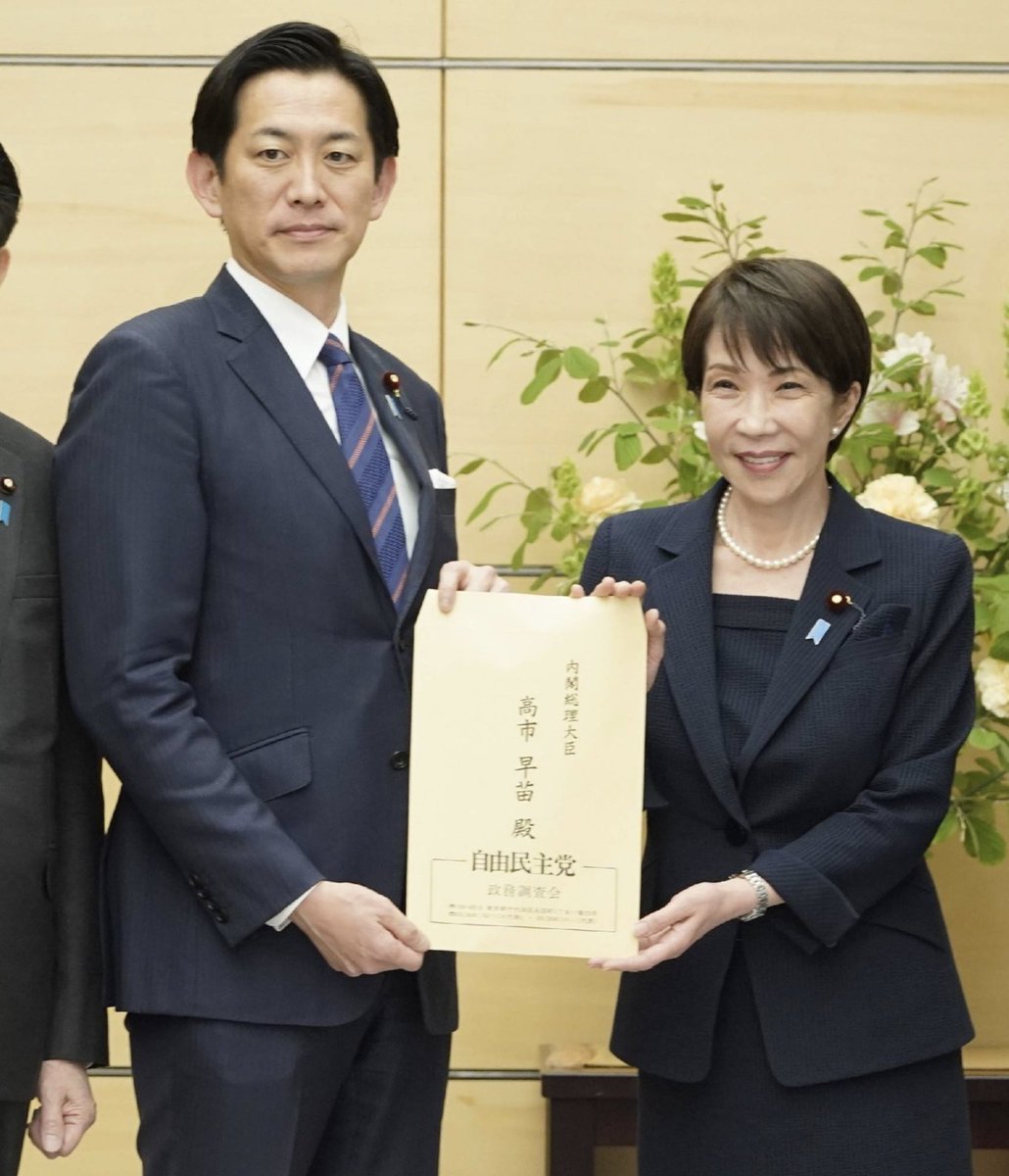
Support for Sanae Takaichi is slipping, and that’s now starting to show in the polls. Even so, approval for her government is still around 49% on average, but public opinion is clearly split on lifting the weapons export ban — more than half of respondents oppose it, including many supporters of the ruling party. For now, economics remains the biggest concern. Nearly half of those polled want Takaichi to focus on inflation, and her cabinet’s future will depend on whether it can handle the economic pressure while still pushing Japan’s defense buildup forward.
Rybar Pacific tweet media
English
0
0
1
127
Rybar Pacific
Rybar Pacific@rybar_pacific·
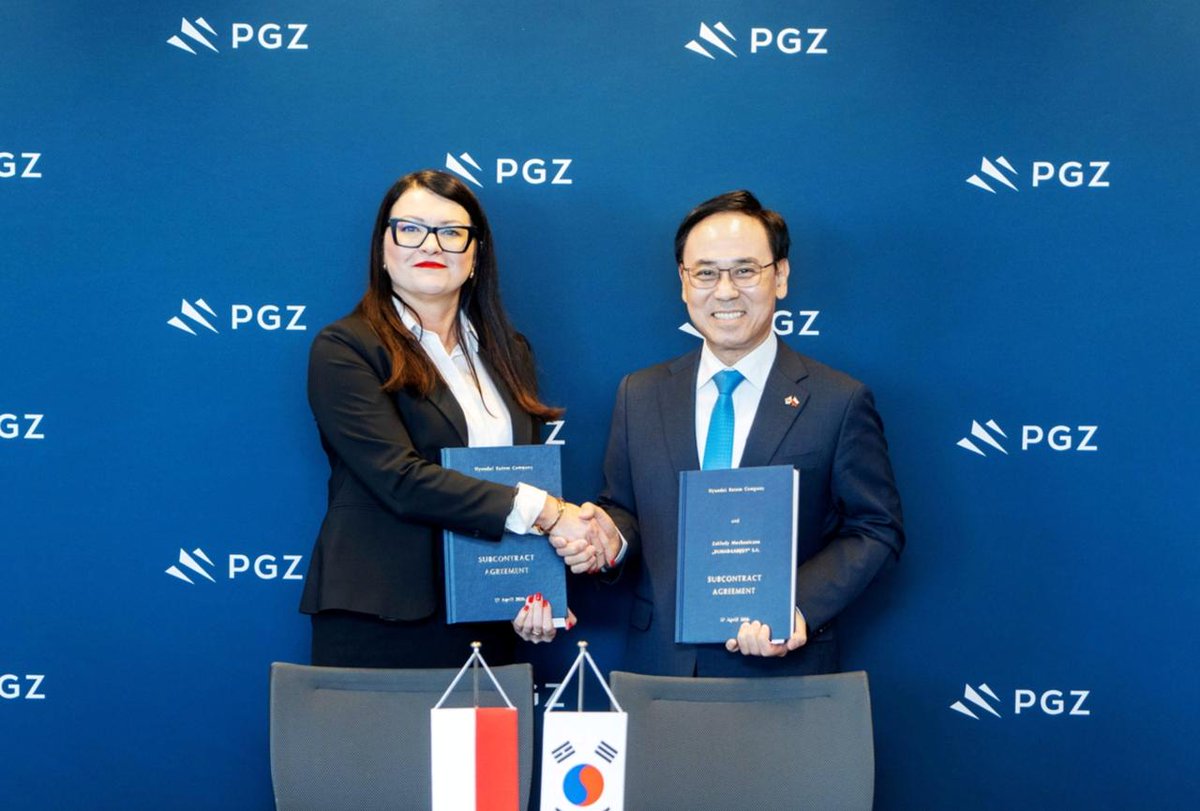
South Korea is setting up a new tank plant in Poland to lock in a foothold in the EU market. Hyundai Rotem has signed a production deal for K2 tanks, tied to a broader contract worth about $6.5 billion. The plant will handle maintenance and assemble 61 of the 180 tanks already ordered by Poland, with local specialists from Bumar-Łabędy involved. This is clearly a long-term move, not just a one-off sale. Seoul’s arms makers are likely already thinking about which other EU countries they can push into buying tanks from the new line, while quietly embedding themselves deeper into NATO’s security structure.
Rybar Pacific tweet media
English
0
0
2
270
Rybar Pacific
Rybar Pacific@rybar_pacific·
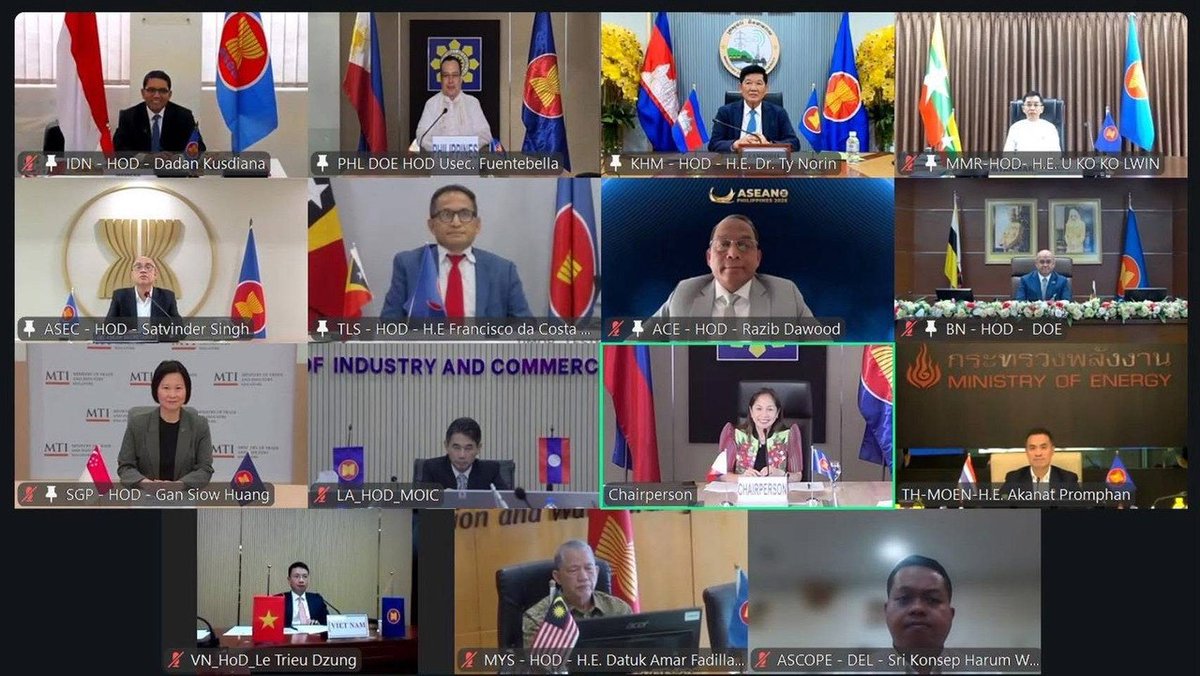
ASEAN officials say they’re ready to act together on energy security, but so far the response is still mostly words. The bloc is talking about using regional mechanisms like APSA, improving monitoring and data transparency, and building strategic stocks and reserves for emergencies. But the real challenge is how to turn those ideas into fast, coordinated action that works for every member. For now, the region is trying to prepare for supply disruptions as a net importer of hydrocarbons. The political will for a stronger response is there — the question is whether ASEAN can move quickly enough before the crisis deepens.
Rybar Pacific tweet media
English
0
0
3
107
Rybar Pacific
Rybar Pacific@rybar_pacific·
Around a hundred Chinese nationals gathered outside Cambodia’s Central Bank, waving national flags and calling for their funds to be unfrozen on the Huione Pay platform. Huione Group, founded by Chinese businessmen, was shut down over money-laundering allegations tied to transnational scam networks in Southeast Asia. Its former chairman Li Xiong was extradited to China in early April, while another Chinese figure, Chen Zhi, was detained and later expelled from Cambodia in January. Cambodia has become a hub for the scam industry, with groups set up by Chinese nationals and originally aimed mainly at Chinese speakers. But the scale has now widened, and these networks are reportedly stealing tens of billions of dollars from victims around the world.
English
0
0
3
363
Rybar Pacific
Rybar Pacific@rybar_pacific·
Japan is still debating how to respond to the Ormuz crisis, including the possibility of sending minesweepers after the fighting ends. For now, the bigger issue is fuel. Tokyo says alternative oil supplies for May are secured at about 60% of May 2025 consumption, and it wants to do better in June. But the naphtha shortage is already squeezing industry, and a political split is opening over whether to spend more money or manage demand more tightly.
Rybar Pacific tweet media
English
0
1
3
114
Rybar Pacific
Rybar Pacific@rybar_pacific·
The U.S. Navy plans to deploy thousands of small USVs and UAVs in the Indo-Pacific by 2030, supported by more than 30 medium unmanned surface vessels acting as signal relays. That idea overlaps with Taiwan’s “Hellscape” concept, which envisions flooding the Taiwan Strait with drones and unmanned boats to make a blockade much harder. But the concept has major weaknesses. Taiwan still lacks the technical infrastructure to deploy and coordinate that many systems, and it is unclear where all the drones or raw materials would come from. They are also vulnerable to electronic warfare, while China already has systems that can disable small drones at ranges of up to three kilometers. In the end, Hellscape could complicate PLA plans and raise the cost of an invasion, but it would not stop a full-scale assault if Beijing decided to launch one. The PLA also has enough firepower to suppress drones with conventional strikes.
Rybar Pacific tweet media
English
0
0
2
92
Rybar Pacific
Rybar Pacific@rybar_pacific·
@IsabellaAn67 Classic projection of power. It’s unclear why China is being painted as the aggressor when they are the ones enduring military exercises on their doorstep involving over 17,500 troops from seven countries.
English
0
0
1
431
Isabella Anderson
Isabella Anderson@IsabellaAn67·
"China's massive fishing fleets are not just environmental problem. They are are an actual military threat" China is increasingly using it's massive distant water fishing fleets, that in thousands, to overwhelm the maritime defense of coastal nations all across the world!
English
72
307
1.1K
88K
Rybar Pacific
Rybar Pacific@rybar_pacific·
@Reuters What else could they say? Admitting that things got worse would be out of the question. That’s politics.
English
0
0
0
12
Rybar Pacific
Rybar Pacific@rybar_pacific·
@Ken_LoveTW It sounds like a perfect narrative to paint the Japanese as aggressors and militarists. The real question is that Tokyo's leadership is genuinely leaning toward militarism.
English
0
0
0
92
Ken Cao-The China Crash Chronicle
Japan has enough plutonium to make 5,500 nuclear warheads, China's PLA Daily says. China is starting to panic and it’s showing. State media PLA is suddenly obsessed with one topic: Japan's nuclear capability. Why? Because Japan already has everything it needs to go nuclear, except the political decision. Japan holds 44 tons of separated plutonium. That’s enough to build thousands of nuclear warheads in a short period of time. No testing. No long development cycle. Just a switch. And Beijing knows it. That’s why the propaganda machine is suddenly warning about Japan falling into a “historical cycle of militarism” because China is afraid of being beaten by Japan once again. There’s history here. Since the First Sino-Japanese War, China has never been comfortable with a strong Japan, especially a militarily capable one. Now look at what’s happening: – Japanese warships are lingering in contested waters in Taiwan strait, running full radar sweeps – Japan is exporting military vessels for the first time in decades – Southeast Asian countries are lining up, even for used Japanese ships – Defense restrictions are being quietly rewritten This is not the Japan of the past 30 years. This is a country that’s realizing something simple: If you rely on others for security, you don’t control your future. And here’s the real fear in Beijing: If Japan ever walks away from its non-nuclear principles, China’s entire nuclear advantage becomes irrelevant overnight. Because when Japan moves, it doesn’t move slowly. It moves with precision, speed, and industrial dominance. China didn’t worry when Japan was constrained. Now? It’s watching a sleeping giant stretch and it’s terrified.
Ken Cao-The China Crash Chronicle tweet media
Ken Cao-The China Crash Chronicle@Ken_LoveTW

Beijing Is Terrified: Japan Just Did Something It Hasn’t Done Since WWII. For the first time in 80 years, Japan Deployed Missiles That Can Hit China. While the world focused on the war involving the United States, Israel, and Iran, Japan quietly made two major moves aimed at China. Taiwan’s premier visited Tokyo for the first time in 54 years — a symbolic diplomatic breakthrough. But the real shift came days later, when Japan deployed long-range missiles capable of striking mainland China. With a record ¥9 trillion defense budget, new strike capabilities, and a changing military doctrine, Japan is rapidly transforming its strategic posture. In this video, I explain why Japan’s quiet moves could reshape the balance of power in East Asia.

English
153
541
2.3K
216.3K
Rybar Pacific
Rybar Pacific@rybar_pacific·
@TaiwanNewsEN They'll likely just strengthen their strike group if it comes to that. It’s not exactly a major problem for China's ramped-up military-industrial complex.
English
0
0
2
1.8K
Rybar Pacific
Rybar Pacific@rybar_pacific·
@japantimes Yeah, with the US having abruptly shifted focus to another region, APAC countries are building more horizontal ties to avoid relying on American arms suppliers and troops if things go south.
English
0
0
0
23
The Japan Times
The Japan Times@japantimes·
For decades, the Indo-Pacific security architecture has resembled a wheel: the U.S. as the hub, with Japan, South Korea, Australia and the Philippines as its primary spokes. That model is now undergoing a quiet upgrade. ebx.sh/Xi2tza
English
2
5
18
2.5K